Indian Navy Day 2025: From Operation Trident to Operation Vijay — Top 10 most daring maritime missions

Indian Navy Day 2025 highlights a legacy of daring sea operations that secured the coasts, trade routes and war aims of India. Below are 10 significant maritime missions that shaped the wave of several key missions of the Indian Navy.
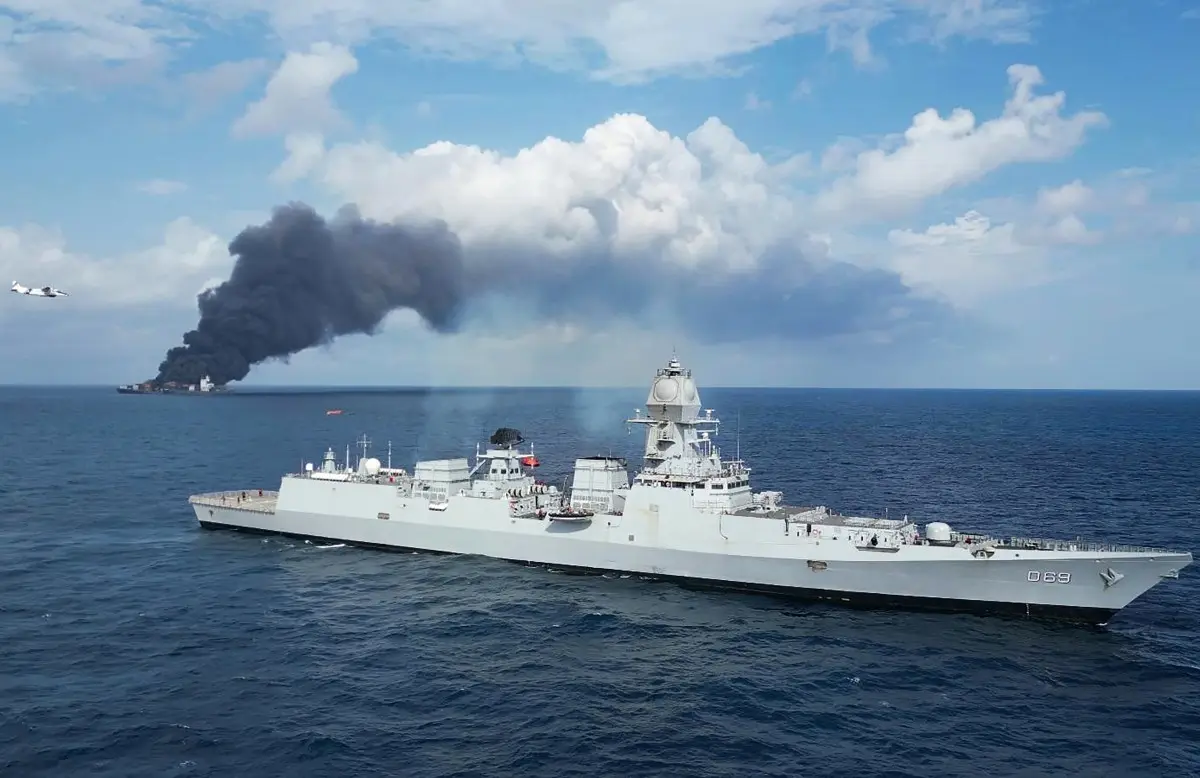
Operation Trident (1971)
Launched on the night of 4–5 December 1971 during the Indo‑Pak war, Operation Trident saw a missile‑boat task group strike Pakistan’s main naval base at Karachi. Using Soviet‑built Osa‑class boats armed with Styx missiles, the “Killer Squadron” sank or crippled multiple Pakistani warships and set Karachi’s oil tanks ablaze, all without Indian casualties. It was the Indian Navy’s first use of anti‑ship missiles and decisively broke Pakistan’s naval capability on the western seaboard, prompting the institution of Navy Day on December 4.
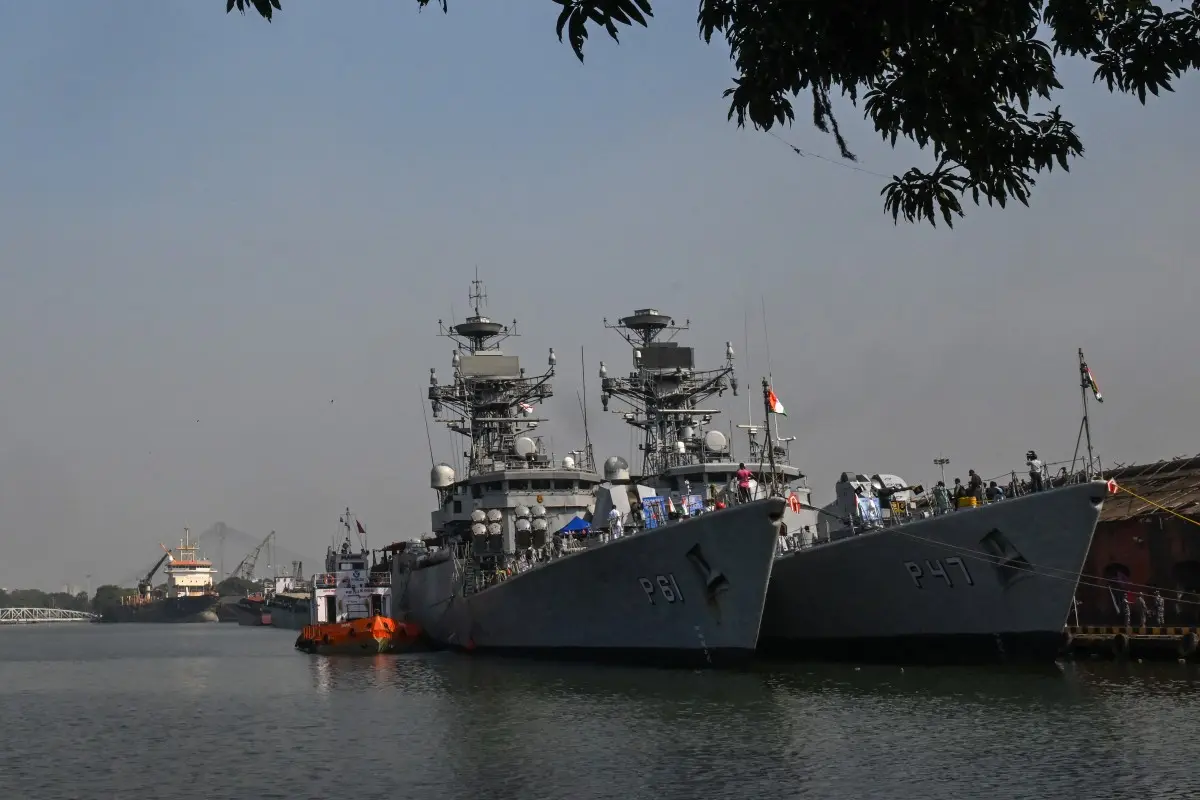
Operation Python (1971)
Four days after Trident, the Navy executed Operation Python, another night raid on Karachi. A smaller strike group—including INS Vinash with missile‑armed escorts—again penetrated the harbour approaches and launched salvoes against Pakistani vessels and shore installations. They sank support ship PNS Dacca, damaged merchant vessels MV Harmattan and MV Gulf Star, and reignited fires at the Kemari oil terminal. Python confirmed India’s sea control in the Arabian Sea, ensured Pakistan’s fuel shortages, and demonstrated the strategic value of missile boats in littoral warfare.
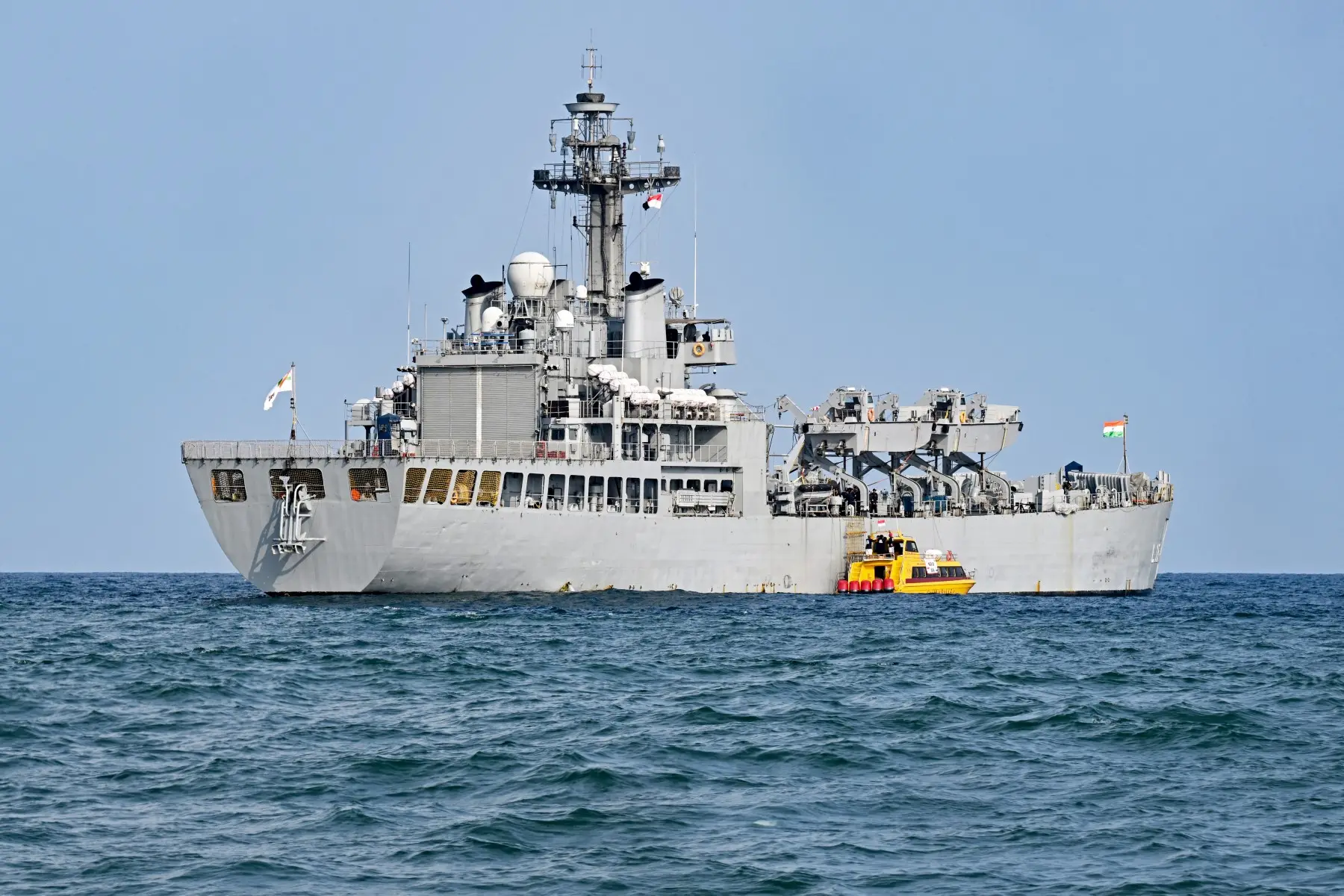
Operation Vijay – Naval Role in Kargil War (1999)
During the Kargil conflict, the overall tri‑service campaign was codenamed Operation Vijay, with the Navy contributing mainly through Operation Talwar. While the Army fought in the mountains and the Air Force flew under Operation Safed Sagar, the Navy surged its Western Fleet into the Arabian Sea to threaten Pakistan’s sea lines and energy imports. By positioning major surface combatants close to Pakistani ports and escorting Indian tankers, the Navy signalled escalation dominance, constrained Pakistan’s options, and silently reinforced India’s negotiating leverage during the limited war.
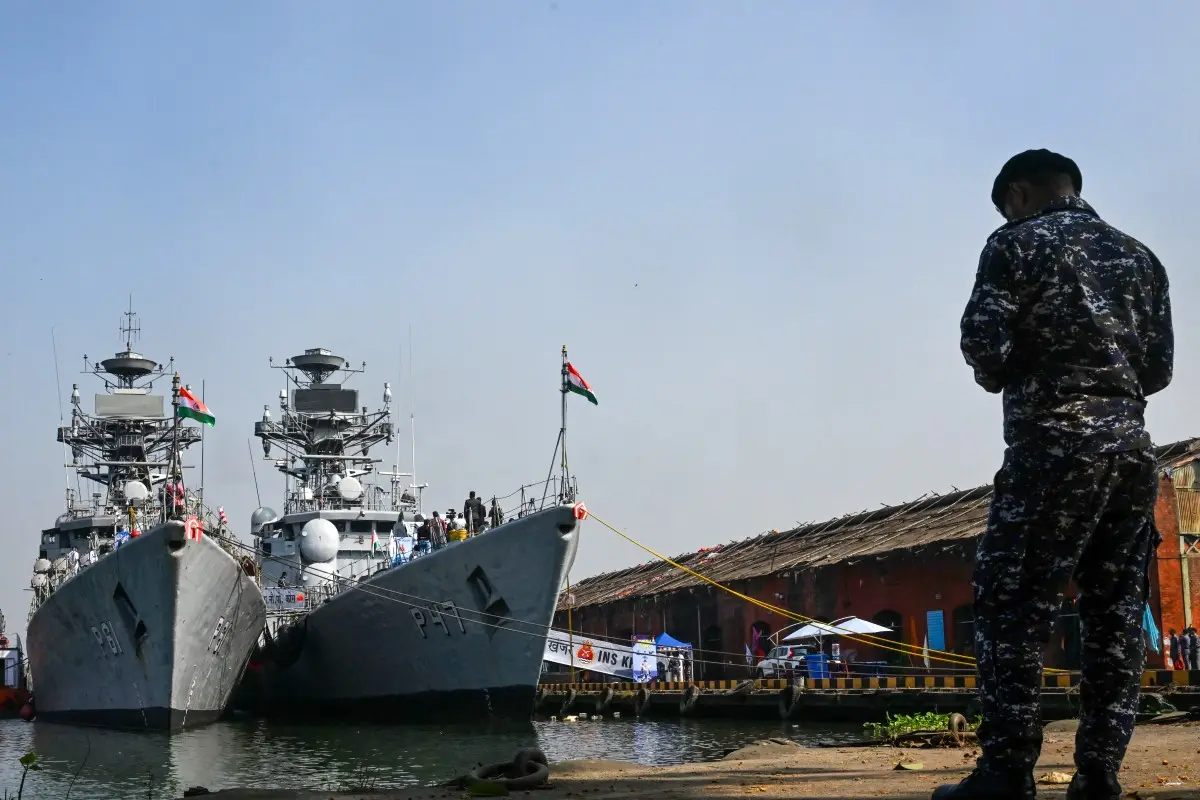
Operation Talwar (1999)
Operation Talwar was the specific maritime component of Kargil operations. The Navy deployed almost its entire Western Fleet towards Pakistan’s coastline, conducted barrier patrols off Gujarat and Saurashtra, and used maritime reconnaissance aircraft to track enemy warships and submarines. It also protected Bombay High oil installations and high‑value merchant shipping. The show of force effectively blockaded Pakistan, raised insurance and fuel pressures, and deterred any attempt to widen the conflict at sea or threaten Indian maritime assets.
Operation Cactus (1988)
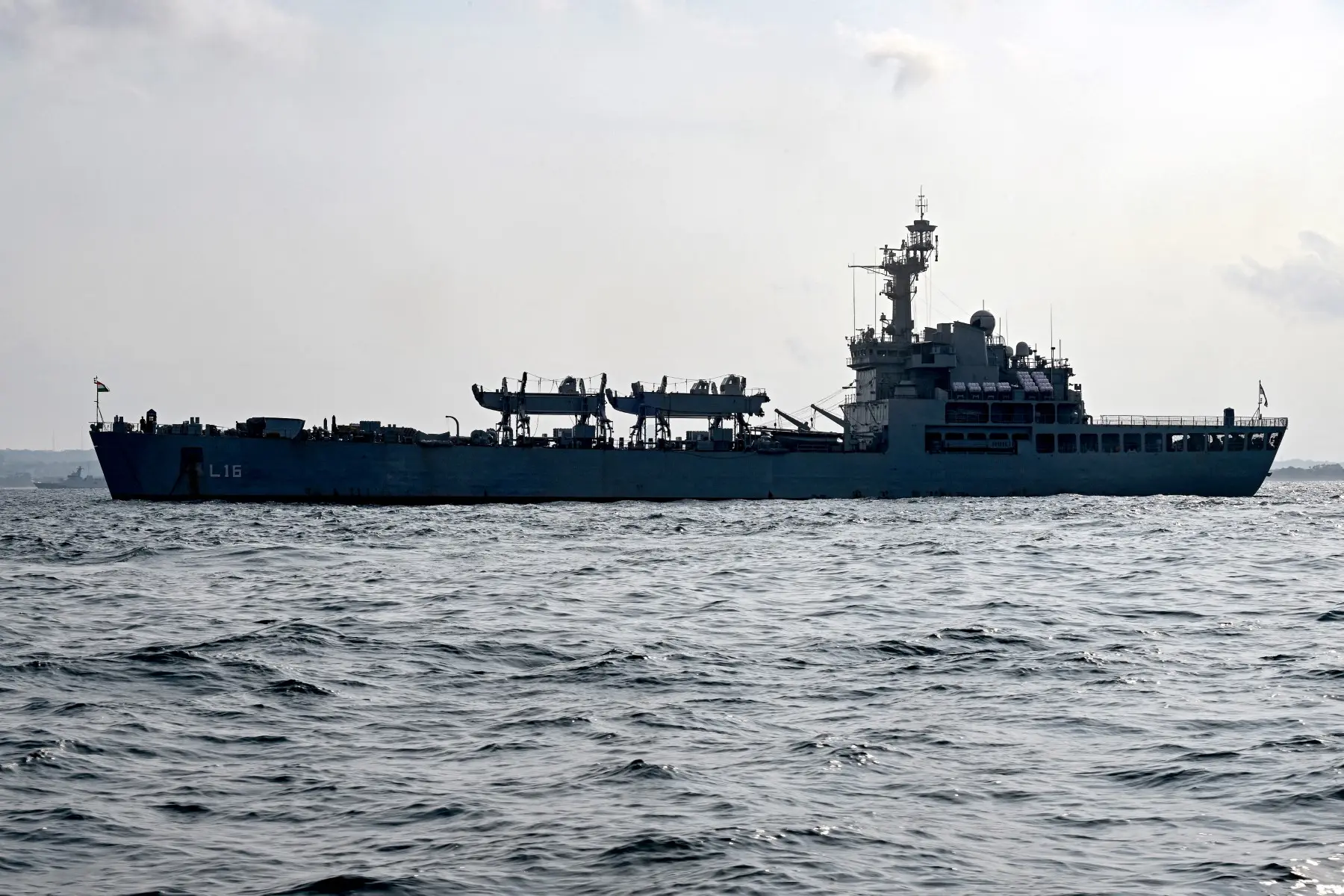
In November 1988, India intervened to foil a coup in the Maldives under Operation Cactus. While the Air Force airlifted paratroopers to Male, the Indian Navy deployed warships, including INS Godavari and INS Betwa, to cut off sea escape routes for mercenaries. The ships intercepted the hijacked freighter MV Progress Light carrying rebels and hostages, forcing their surrender. The rapid joint response restored President Maumoon Abdul Gayoom’s government within hours and showcased India’s ability to conduct swift out‑of‑area maritime interventions in the Indian Ocean.
Operation Pawan: Naval Support in Sri Lanka (1987–1990)
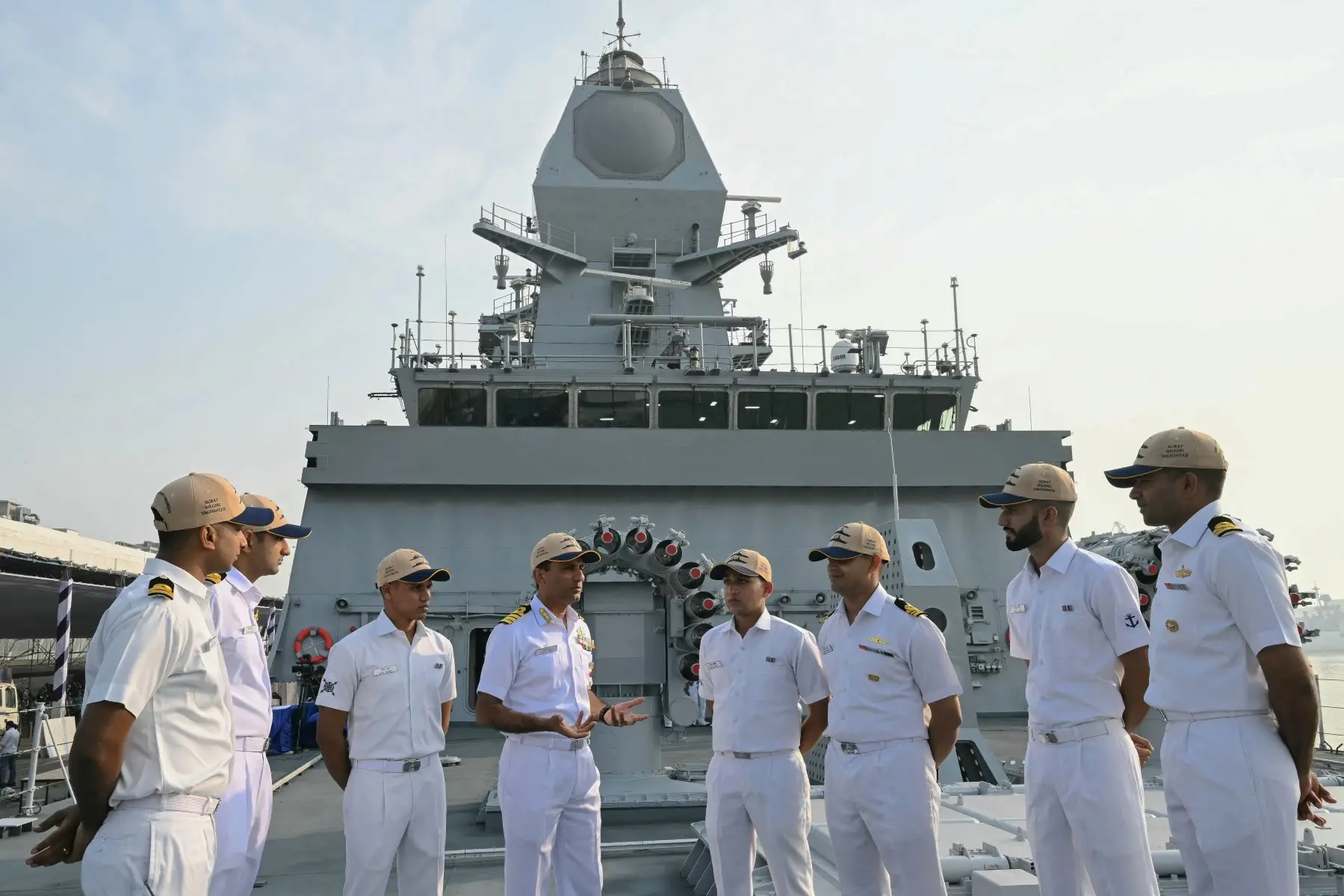
Operation Pawan refers mainly to the Indian Peace Keeping Force deployment in Sri Lanka, but the Navy provided crucial maritime support. It transported troops, heavy equipment and logistics across the Palk Strait and eastern seaboard, maintained sea control to interdict arms to the LTTE, and supported amphibious moves along Sri Lanka’s coast. Naval patrols and sealift operations allowed sustained Indian presence and humanitarian assistance, underlining the Navy’s role in expeditionary logistics and littoral dominance despite complex political outcomes.
Operation Rainbow / Tsunami Relief (2004–2005)
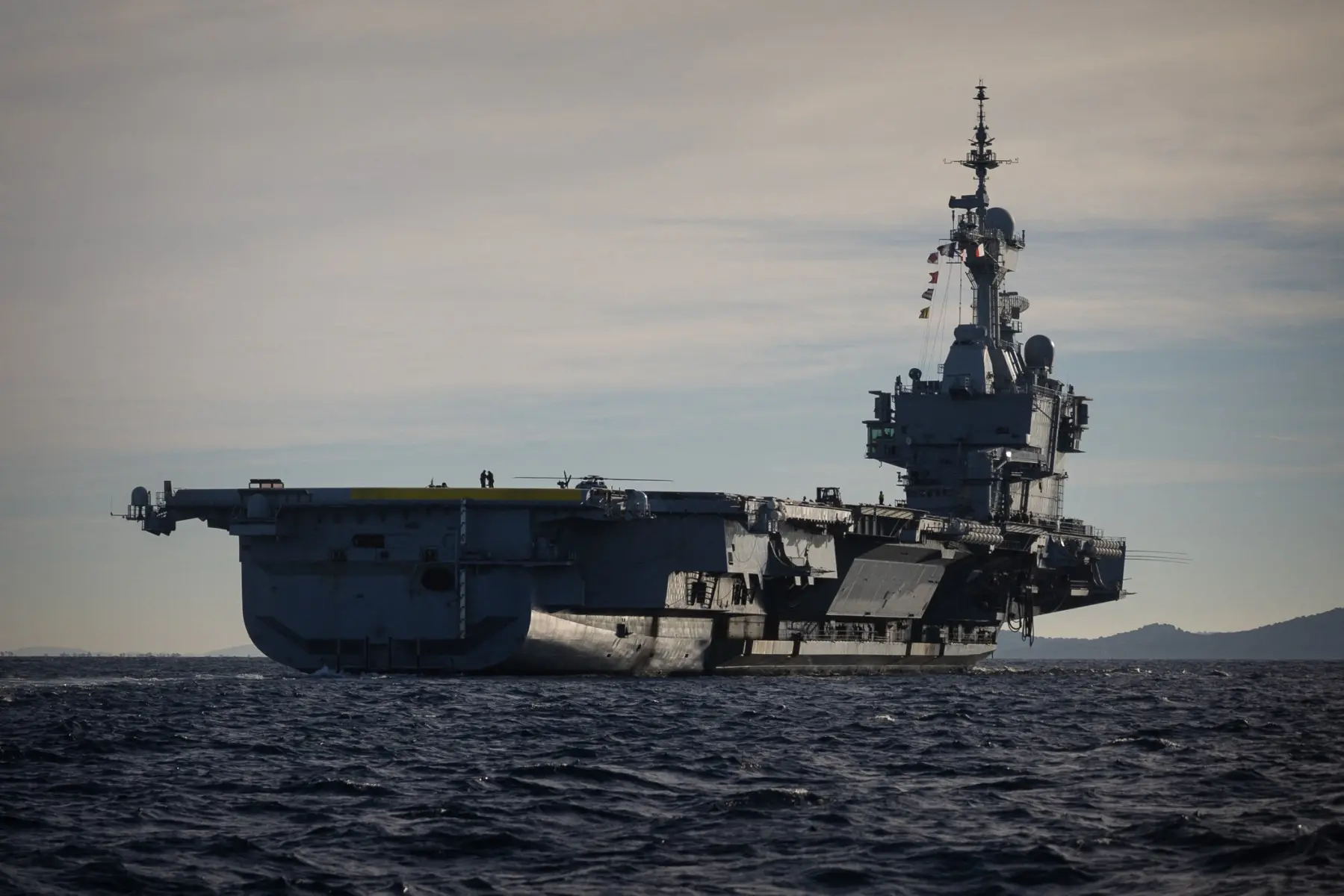
After the Indian Ocean was hit by a tsunami in December 2004, the Navy launched large‑scale humanitarian operations (often referred to as Operation Sea Wave/Rainbow) to assist India’s own coast, Sri Lanka, the Maldives and Indonesia. Amphibious ships, helicopters and medical teams delivered relief supplies, evacuated survivors and restored communications. The speed and reach of this HADR mission impressed regional partners and helped brand the Indian Navy as a “first responder” in the Indian Ocean during natural disasters.
Operation Sukoon (2006)
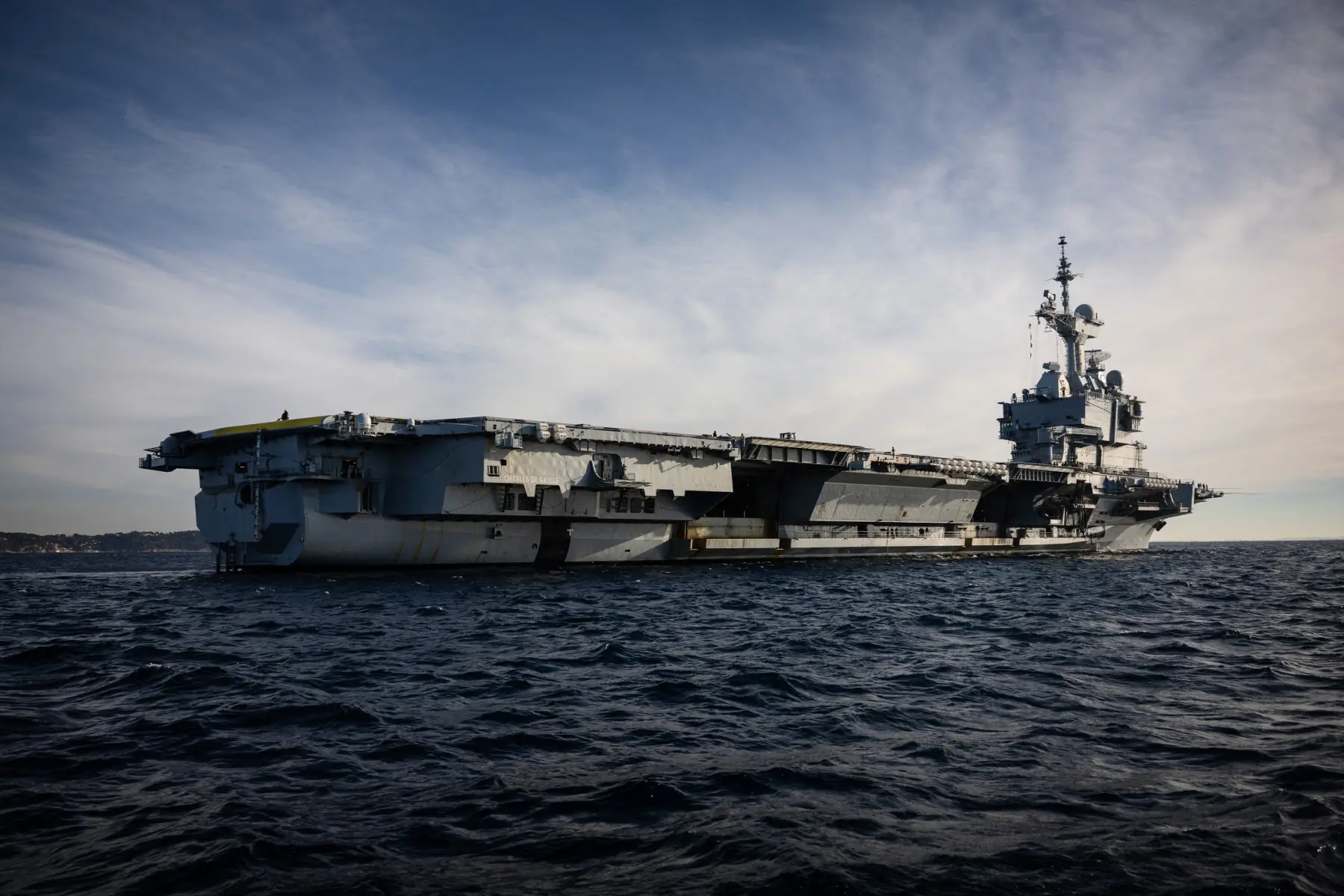
During the 2006 Israel–Lebanon conflict, the Navy conducted Operation Sukoon to evacuate Indian and foreign nationals from war‑torn Lebanon. Warships INS Mumbai, INS Betwa and INS Brahmaputra extracted thousands of civilians from Beirut to Cyprus under threat of air and missile strikes. The mission demonstrated precise diplomatic‑military coordination, blue‑water reach, and the ability to protect diaspora communities in distant theatres.
Operation Raahat (2015)
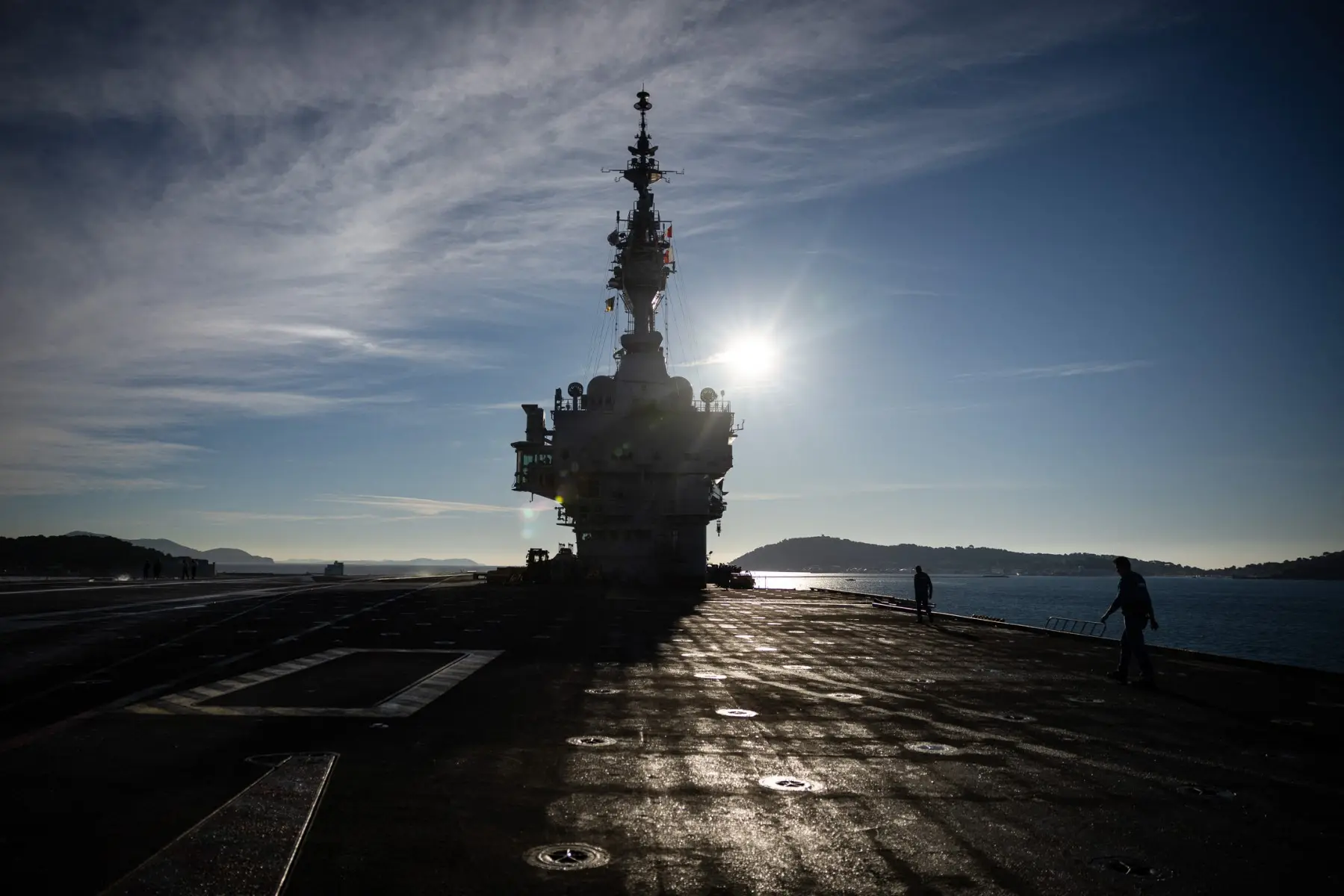
When civil war escalated in Yemen in 2015, Operation Raahat evacuated more than 4,700 people, including over 900 foreign nationals, from Aden and other ports. Indian naval ships—INS Sumitra, Mumbai and Tarkash, entered a live war zone, coordinating with the Air Force and Air India flights. The mission earned global praise and reaffirmed India’s reputation for non‑combatant evacuation operations from contested littorals.
Operation Sankalp (2019)
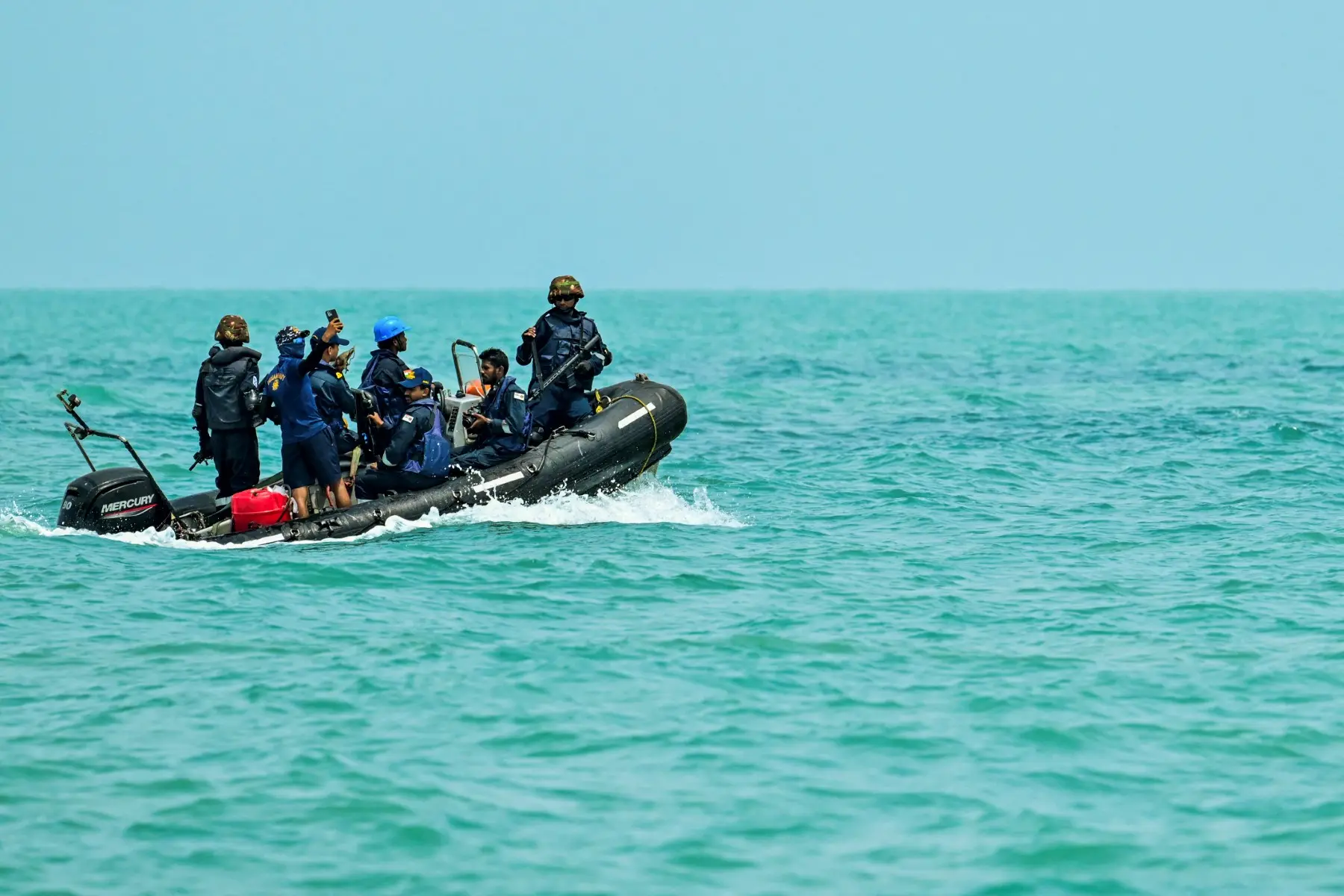
Operation Sankalp, launched in June 2019, protects Indian‑flagged merchant vessels in the Gulf region amid tensions in the Strait of Hormuz. The Navy has deployed more than 40 warships to escort tankers, deter piracy, and reassure shipping companies. Even through the COVID‑19 pandemic, continuous patrols showcased high readiness and helped curb piracy, drug trafficking and threats to India’s energy lifelines in the wider Indian Ocean Region. Under the aegis of ‘Op Sankalp’, maritime security operations have played a key role in the culmination of actions against the hijacking of MV Ruen.
)
)
)
)
)