India’s top 7 ancient engineering marvels that define architectural genius

Several monuments in India stand out as top engineering marvels of ancient Indian architecture as well as contemporary Indian and world architecture. Let's have a look at the top 7 such iconic sites.

Konark sun temple, Odisha
Also popular as the "Black Pagoda" because it was built using black granite, the Konark Sun Temple of Odisha has 24 wheels that combine art and science, symbolising time and movement. Each wheel denotes a month, with eight spokes marking hours and sub-spokes indicating half-hours. The shadow of the central arc helped tell time, while carvings reflected the daily activities of each hour. A massive five-ton magnet, once placed atop the dome, held the iron-rich stones together. Its magnetic field was so strong that it disrupted the compass-based navigation of passing ships, causing them to lose direction.
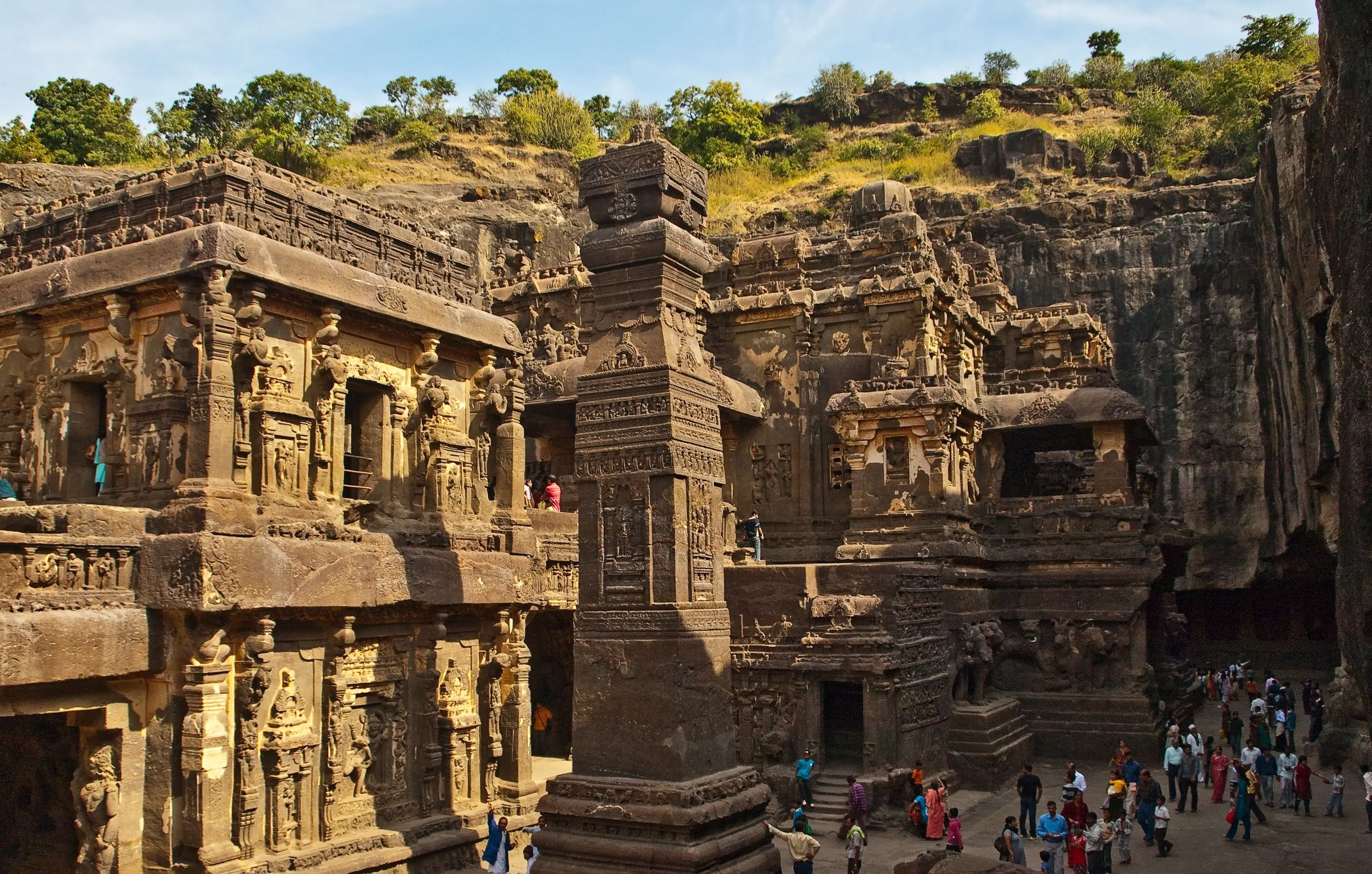
Kailasa Temple at Ellora Caves, Maharashtra
The monolithic Kailash Temple at Ellora is also considered a remarkable engineering marvel of India, as its marvellously carved top-down from a single rock into a chariot-shaped structure. Its corridors feature perfectly balanced load-bearing pillars, depicting the architects’ deep understanding of hard granite. This temple reflects extraordinary vision and craftsmanship, embodying the idea that a temple already exists within stone; one only needs to remove the excess to reveal it.

Ram Setu
Ram Setu is a chain of natural limestone shoals between India and Sri Lanka, known for its unique geological formation and historical/cultural significance in the Hindu epic Ramayana, which describes it as a bridge built by Lord Rama's army to reach Lanka.
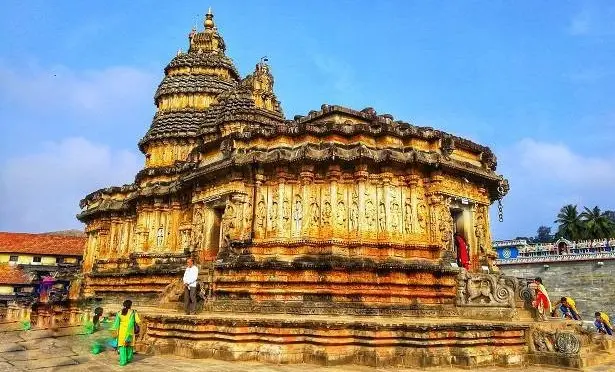
12 Zodiac Pillars of Vidyashankara Temple – Sringeri
Vidyashankara temple stands on 12 pillars aligned with the movement of the sun through different zodiac signs throughout the year. The engineering marvel is that whichever zodiac the sun is in, the first rays of the sun fall on that pillar. The zodiac signs are duly carved on each of the pillars.
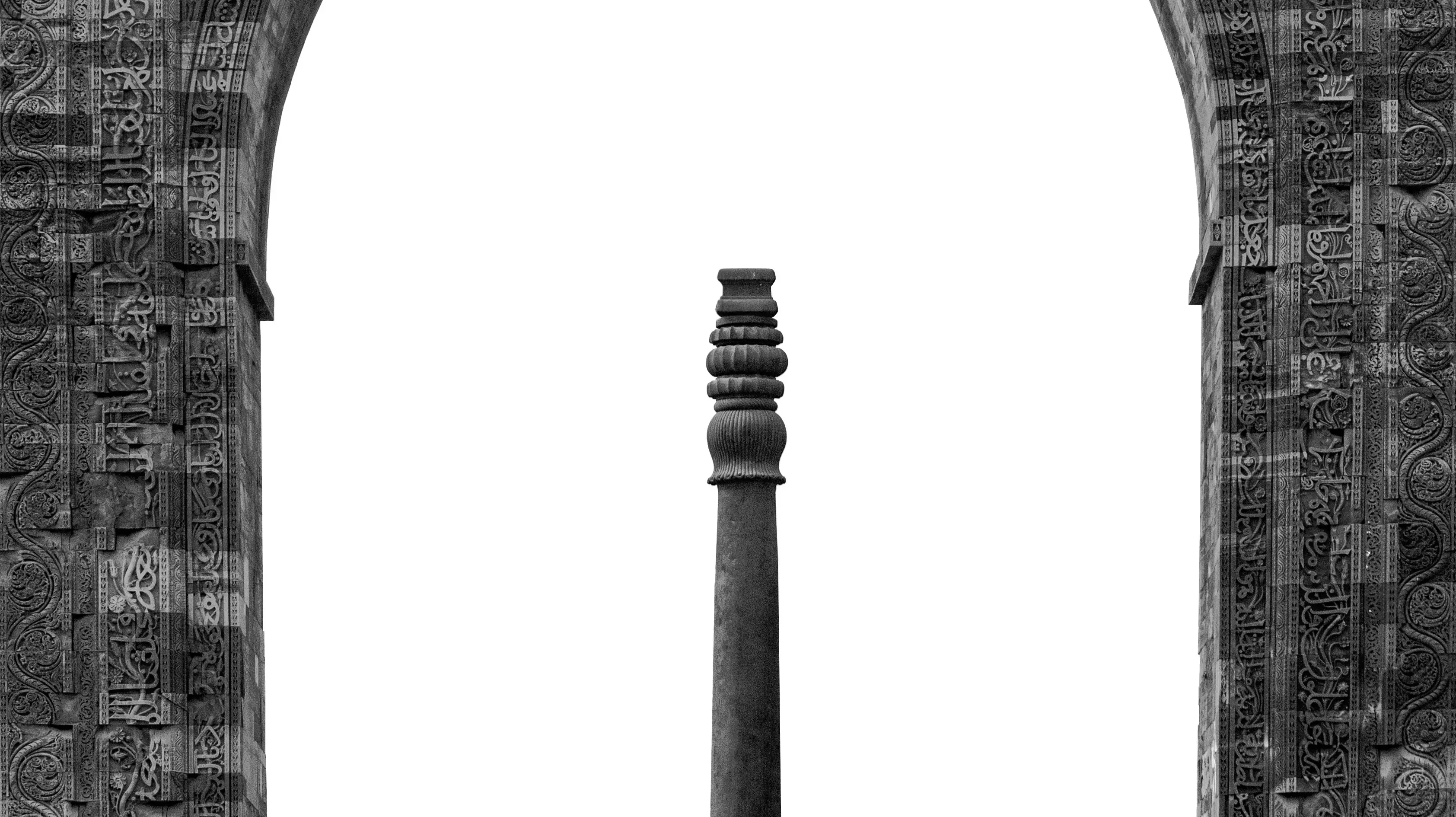
Iron Pillar – Qutub Minar, Delhi
It is one of the most engineering marvel of India due to its remarkable rust-resistance, a testament to the ancient metallurgical skills in producing high-purity iron with a high phosphorus content, which formed a protective film against corrosion. Its speciality lies in this unique composition and the sophisticated technique used to forge-weld large lumps of iron into a massive, single structure, a feat that remains impressive even by modern standards.
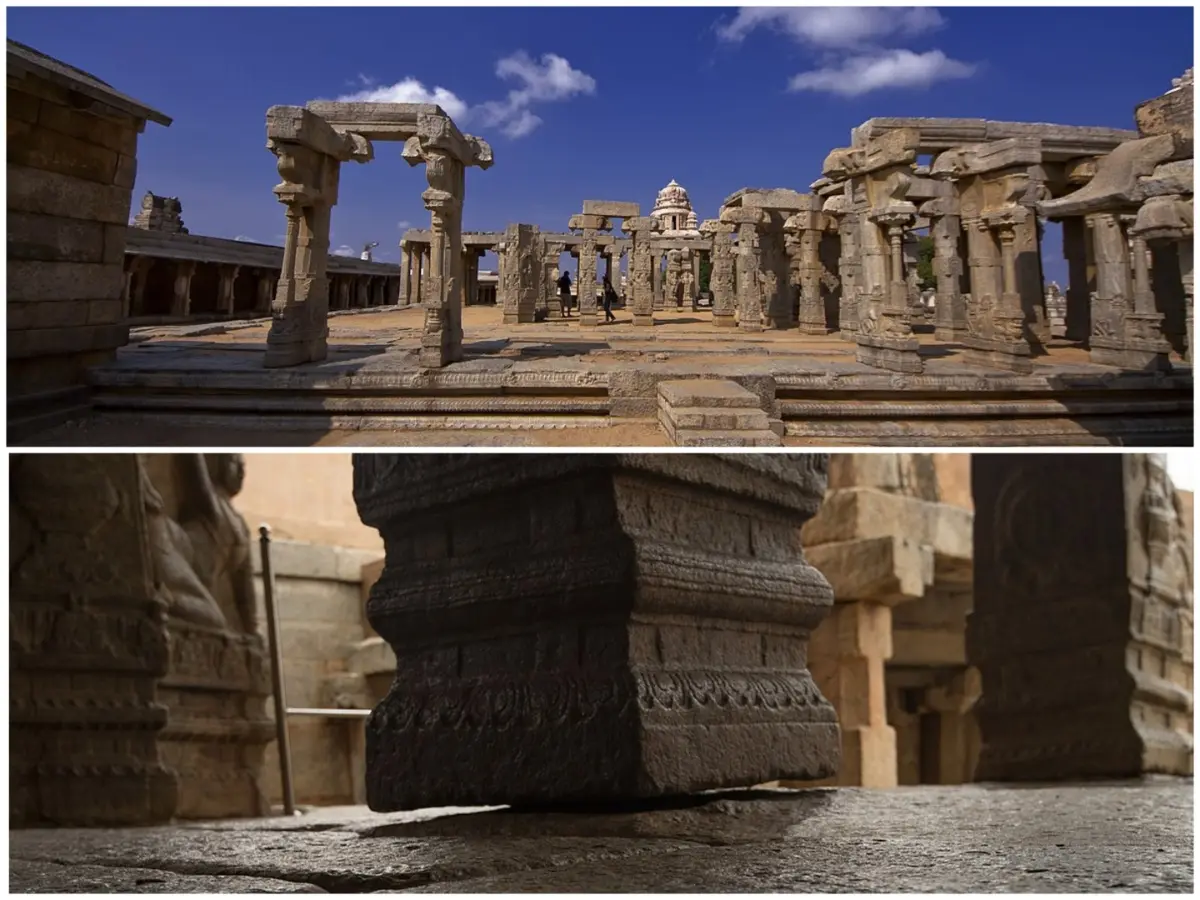
Hanging Pillar – Lepakshi Temple, Andhra Pradesh
The Hanging Pillar of the Lepakshi Temple is also one of the engineering marvels from the 16th century, known for its gap beneath it, which allows a thin object to pass through, defying gravity. While legends attribute this to deliberate engineering skill and the knowledge of weight distribution and balance, some scholars attribute it to the result of ground movement, a seismic event, or a structural shift that dislodged the pillar from its original grounded position.
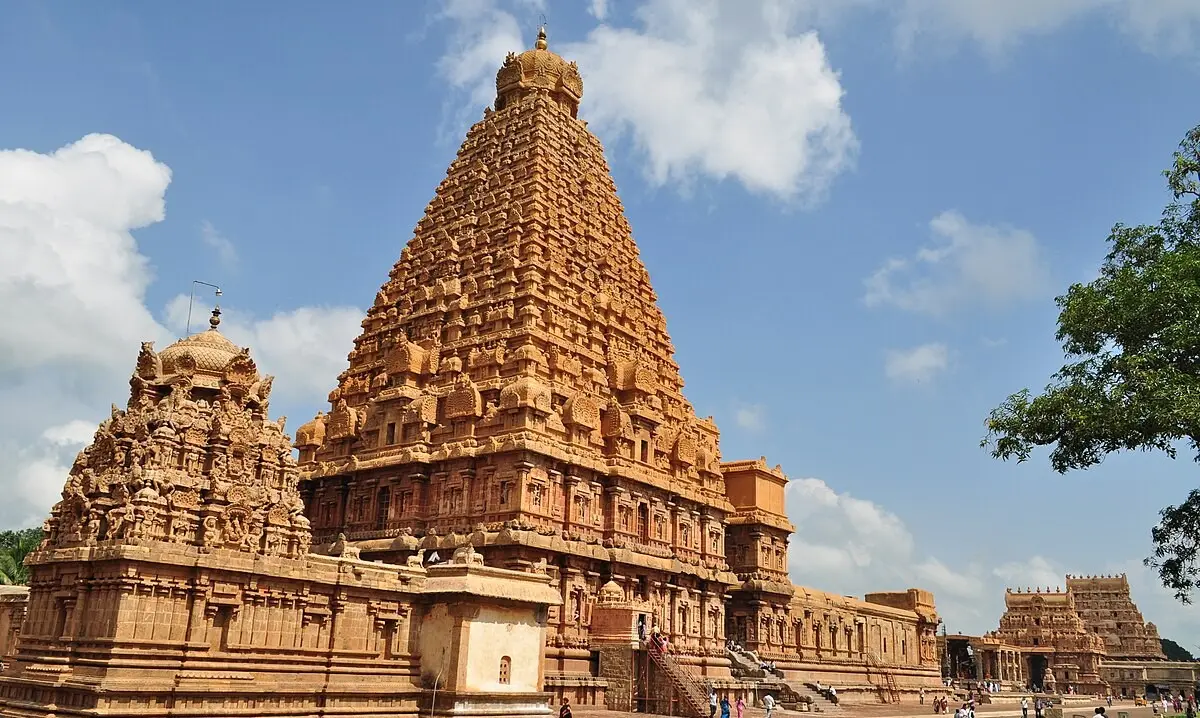
Brihadeeswara Temple (80 Ton Stone Amalaka of Big Temple of Thanjavur)
Brihadeeswara or Big Temple in Thanjavur is an engineering marvel and an architectural wonder of India on several parameters. One of the most interesting facts about this temple is that one single piece of stone weighing 80 tonnes is sitting on the tip of a 216-foot-high Shikhar or the superstructure. The key features of Brihadeeswara also include its construction using only interlocking stones with no binding agents, its hollow granite vimana (tower), and its 1000-year survival, showcasing advanced Chola-era structural and logistical expertise.
)
)
)
)
)