India’s quantum push: How indigenous research to boost cybersecurity, defence & tech sovereignty

India is currently navigating a "Quantum Leap" in its strategic capabilities across multiple sectors. On April 14, Andhra Pradesh CM launched a quantum reference facility to build India's "first sovereign hardware ecosystem" in quantum technology. Let's check the development in other sectors.
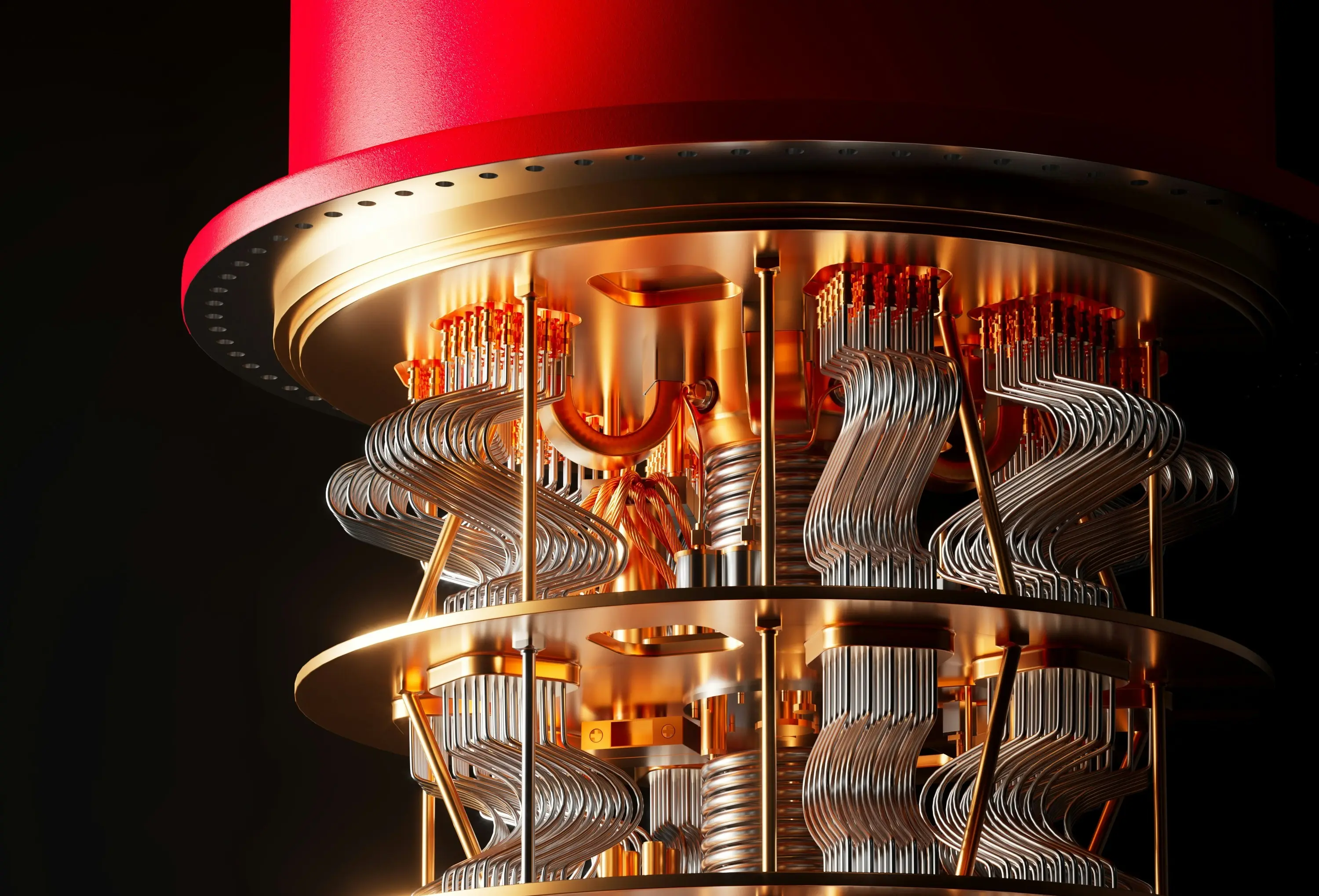
Breakthrough in Secure Strategic Communication (QKD)
India has recently gained a massive milestone by deploying a 1,000 km Quantum Key Distribution (QKD) network, significantly ahead of its original 2,000 km eight-year target. Developed indigenously by QNu Labs with support from the Department of Science and Technology, this network provides virtually unhackable communication. Unlike classical encryption, QKD uses quantum particles (photons); any attempt to intercept the data disturbs the particles, immediately alerting security forces. The initiative represents the Synergy of Technology, Research, Industry, and Defence Ecosystem (STRIDE) in fostering collaboration across important sectors to strengthen the technological capabilities of India, according to PIB India.
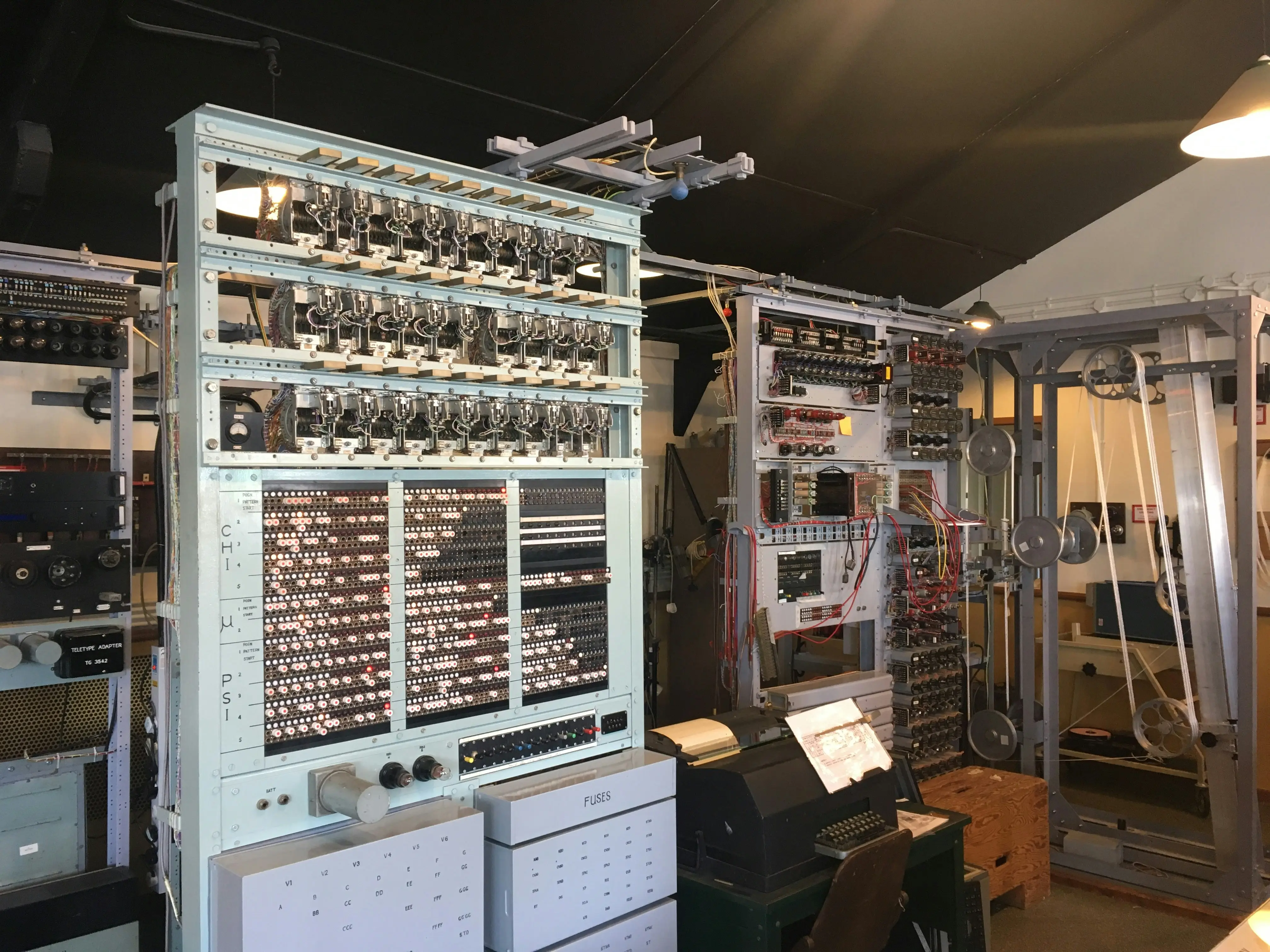
Quantum-Resilient Cybersecurity & "Vedic Kavach"
The Ministry of Electronics and IT (MeitY), through BISAG-N, signed a landmark MoU on January 28, 2026, to integrate indigenous cryptographic software, known as “Vedic Kavach,” with quantum hardware. This initiative is designed to combat the "Harvest Now, Decrypt Later" (HNDL) threat, where adversaries steal encrypted data today to decrypt it once quantum computers become powerful enough. By deploying quantum-resilient web servers and browsers, India is securing its Digital Public Infrastructure (DPI), including Aadhaar and financial systems, against future "Q-Day" attacks. Mainly, it is designed to protect digital infrastructure against future quantum computer threats. It is being integrated with QNu Labs' quantum-safe hardware (Tropos) to provide a "quantum shield," offering quantum random number generation and securing browsers, websites, and data transmission.
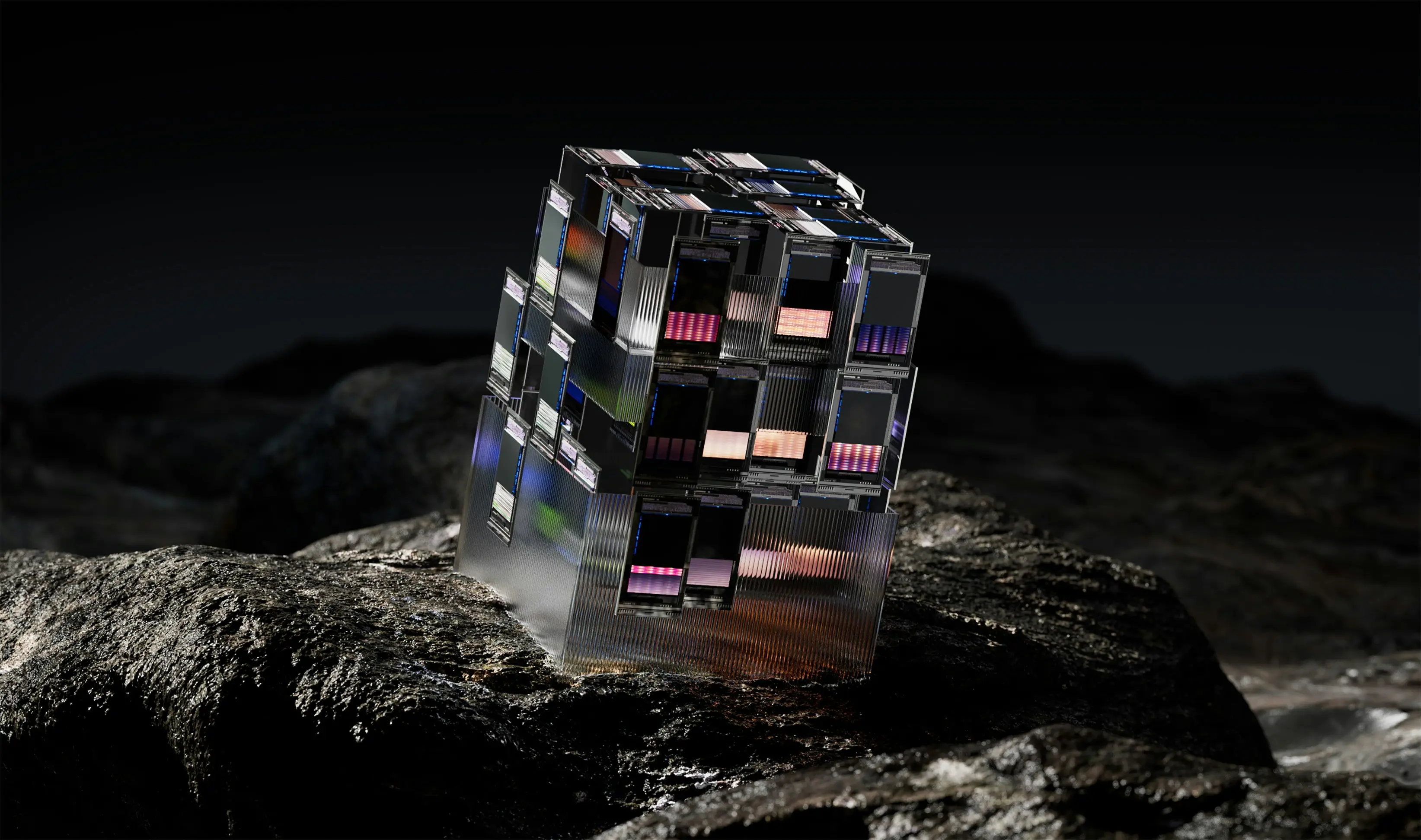
Indigenous Quantum Testbeds & Sovereignty
On April 14, 2026, India rolled out its first Indigenous Quantum Testbeds in Andhra Pradesh under the NQM framework. These testbeds serve as a "certification and R&D hub" for domestic quantum hardware, ensuring that India does not rely on foreign-made chips or sensors that could have "backdoor" vulnerabilities. This push for technological sovereignty allows the Indian defence establishment to verify and validate quantum sensors for submarine detection and stealth-defeating radars in a controlled, domestic environment, reducing reliance on global supply chains. The project is a key part of the National Quantum Mission (NQM), backed by Rs 6,003.65 crore, intending to build India's quantum capabilities over eight years, according to multiple reports.
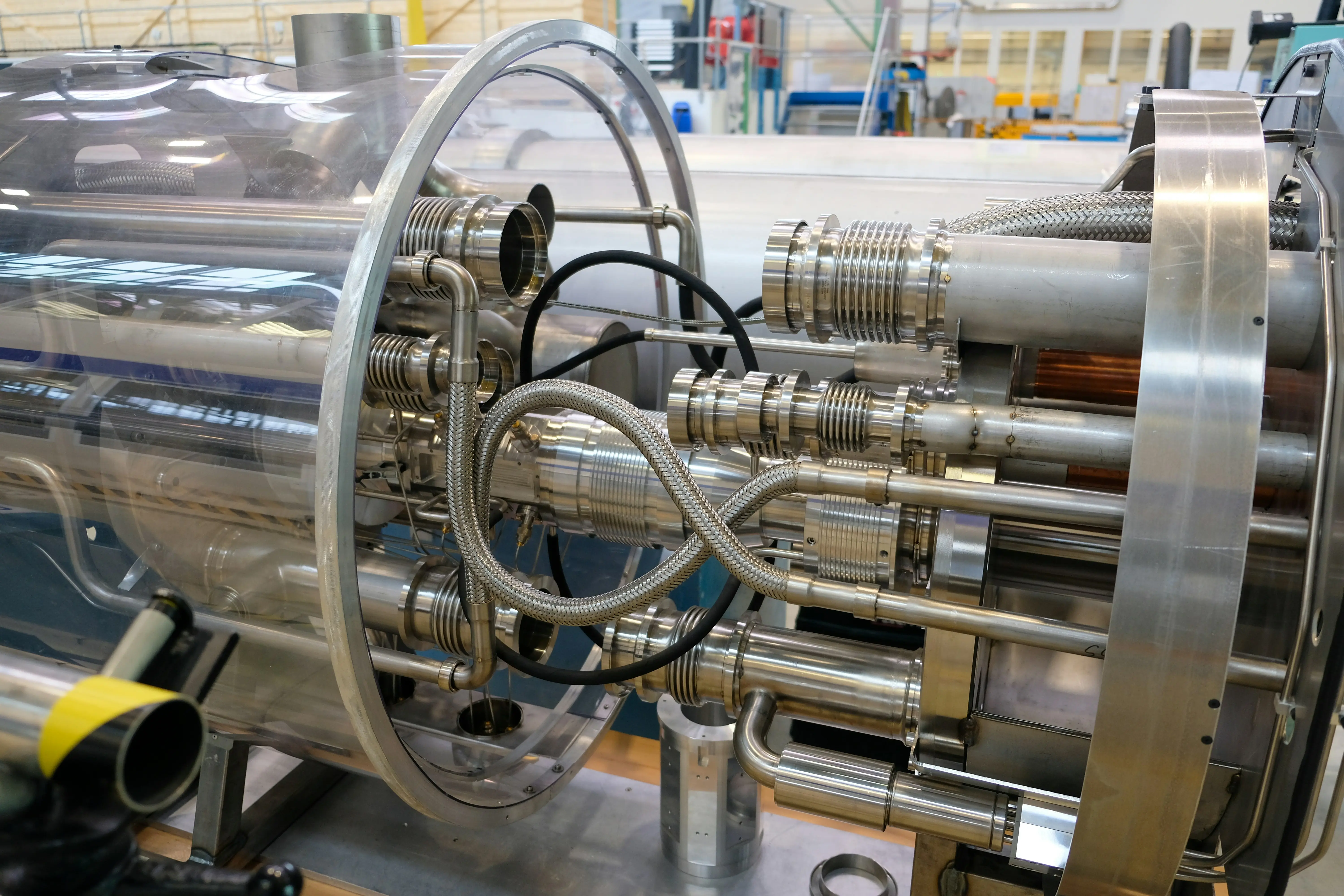
Military Application & Thematic Hubs (T-Hubs)
The National Quantum Mission (with a budget of nearly Rs 6,000 crore) has established four dedicated Thematic Hubs (T-Hubs) in top academic institutions to focus specifically on quantum materials and sensing. These hubs are collaborating with DRDO to develop high-precision quantum clocks and gravity sensors that can map the Earth's magnetic or gravitational "fingerprints." In military terms, these sensors enable navigation in "GPS-denied" environments (like deep underwater or in dense mountains) where traditional satellite signals are jammed or unavailable, providing a decisive edge in border surveillance and stealth operations.

Private Sector Integration & Investment Surge
India’s quantum ecosystem has seen a 477 per cent increase in equity funding compared to 2024, with startups like QpiAI launching 64-qubit processors in late 2025. This rapid maturation of the private sector is critical for national security as it creates a "dual-use" technology pipeline. Startups are now delivering Quantum Security-as-a-Service to banks and telecom giants, ensuring that the civilian infrastructure, which supports military logistics, is as shielded as the defence networks themselves, creating a comprehensive "Quantum Shield" for the nation.
)
)
)
)
)