India's nuclear-capable Agni I and Prithvi II missiles test-fired a day after Akash Prime test. Why is it important?

The Agni I and Prithvi II missiles have already been with India for years now. What's the significance of the timing of these tests now? Here is what you should know.
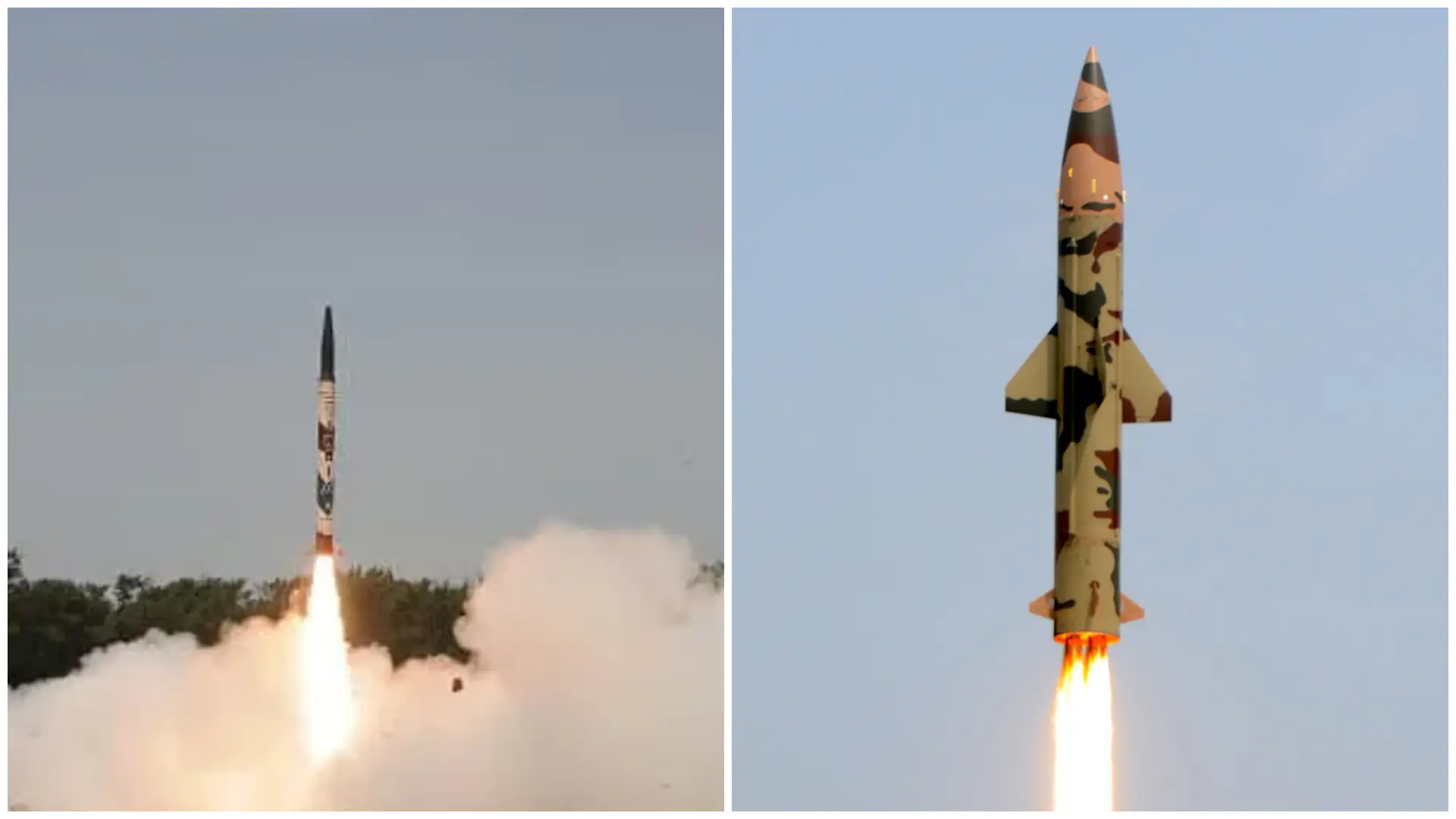
India's successful missile test-firing of Agni I and Prithvi II
India on Thursday (Jul 17) successfully test-fired two nuclear-capable ballistic missiles, Prithvi-II and Agni-I. The test was conducted from the Integrated Test Range (ITR) in Chandipur, Odisha. The tests by India's Strategic Forces Command validated all operational and technical parameters, the government said in a release. The Agni I and Prithvi II missiles have already been with India for years now. What's the significance of the timing of these tests now? Here is what you should know.
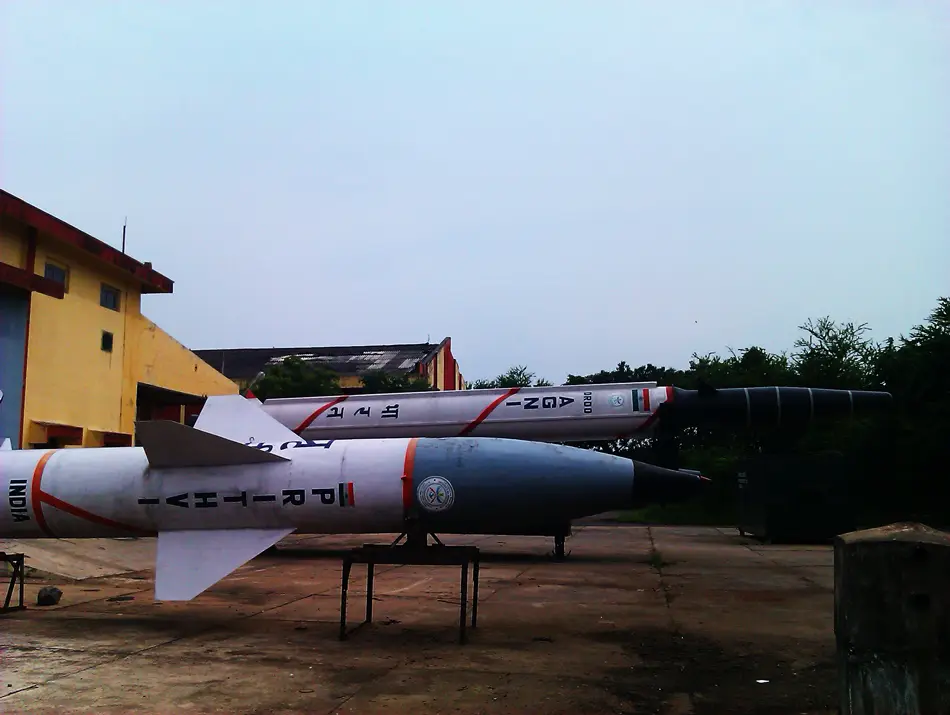
Agni I and Prithvi II missiles: Specifications and capabilities
Agni-I is a medium-range ballistic missile, having a range of 700–900 kilometres. It has a payload capacity of 1,000 kilograms. The nuclear-capable missile bridges the gap between Prithvi and the longer-range Agni series. Prithvi-II is a short-range surface-to-surface missile, with a range of 250–350 km and payload of up to 500 kg.
Powered by a liquid propulsion system with an advanced navigation system, Prithvi II can carry conventional and nuclear warheads.
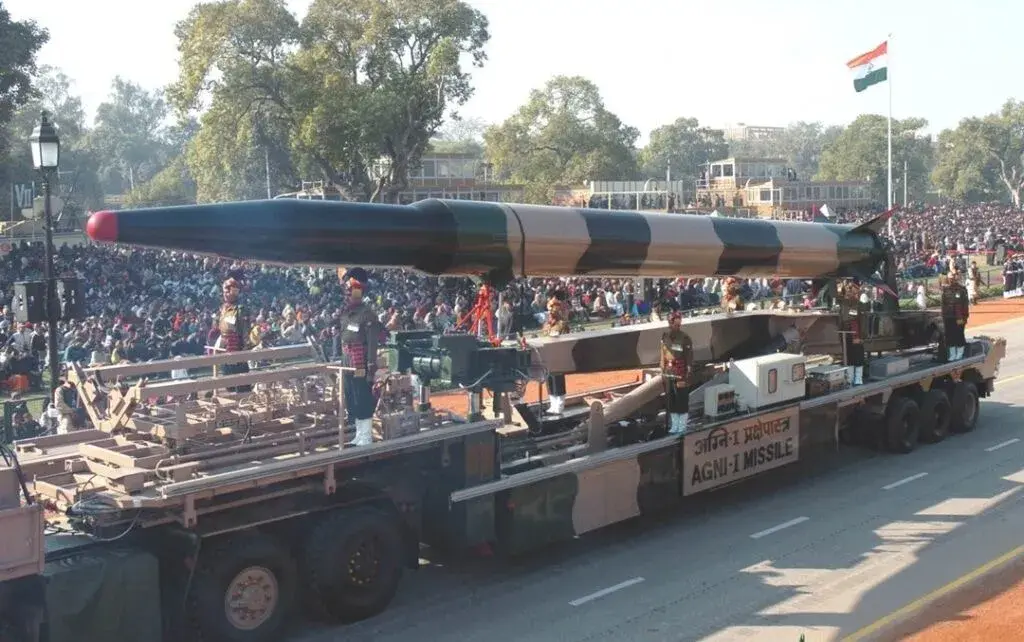
Strategic Significance of Agni I and Prithvi II missiles
These missile systems are integral to India's nuclear deterrence and are part of its credible minimum deterrence doctrine. Their success demonstrates India’s robust indigenous missile development capabilities and enhances operational readiness.
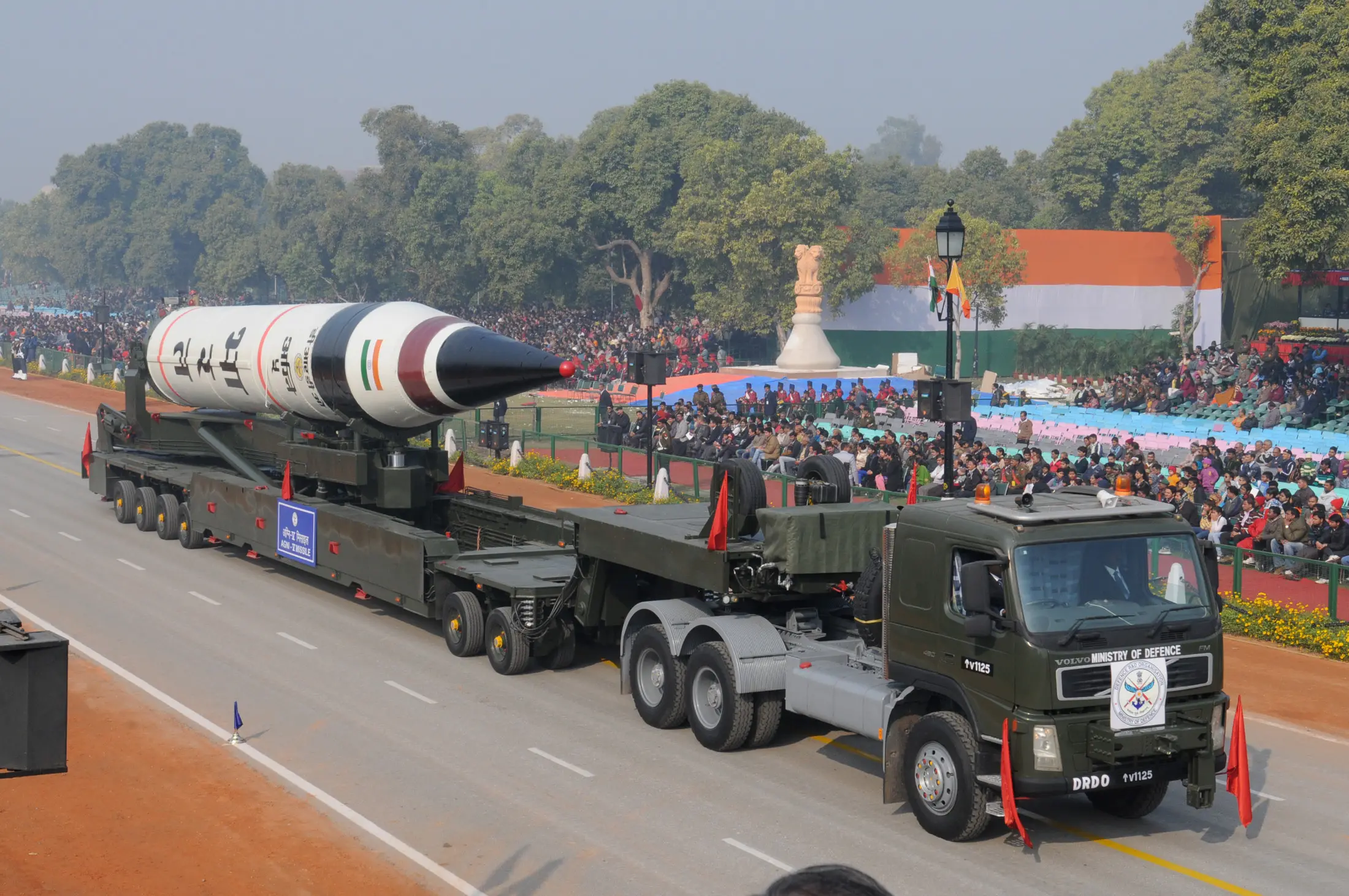
Regional Implications of India's Agni I and Prithvi II missile tests
Agni I and Prithvi II have the ability to strike deep into Pakistan, including Islamabad, Karachi and Lahore, as well as parts of China. These tests reinforce India's strategic position in a tense regional security environment, especially following recent military tensions between India and Pakistan in the wake of Pahalgam terror attack and India's Operation Sindoor inside Pakistani targets to avenge it.
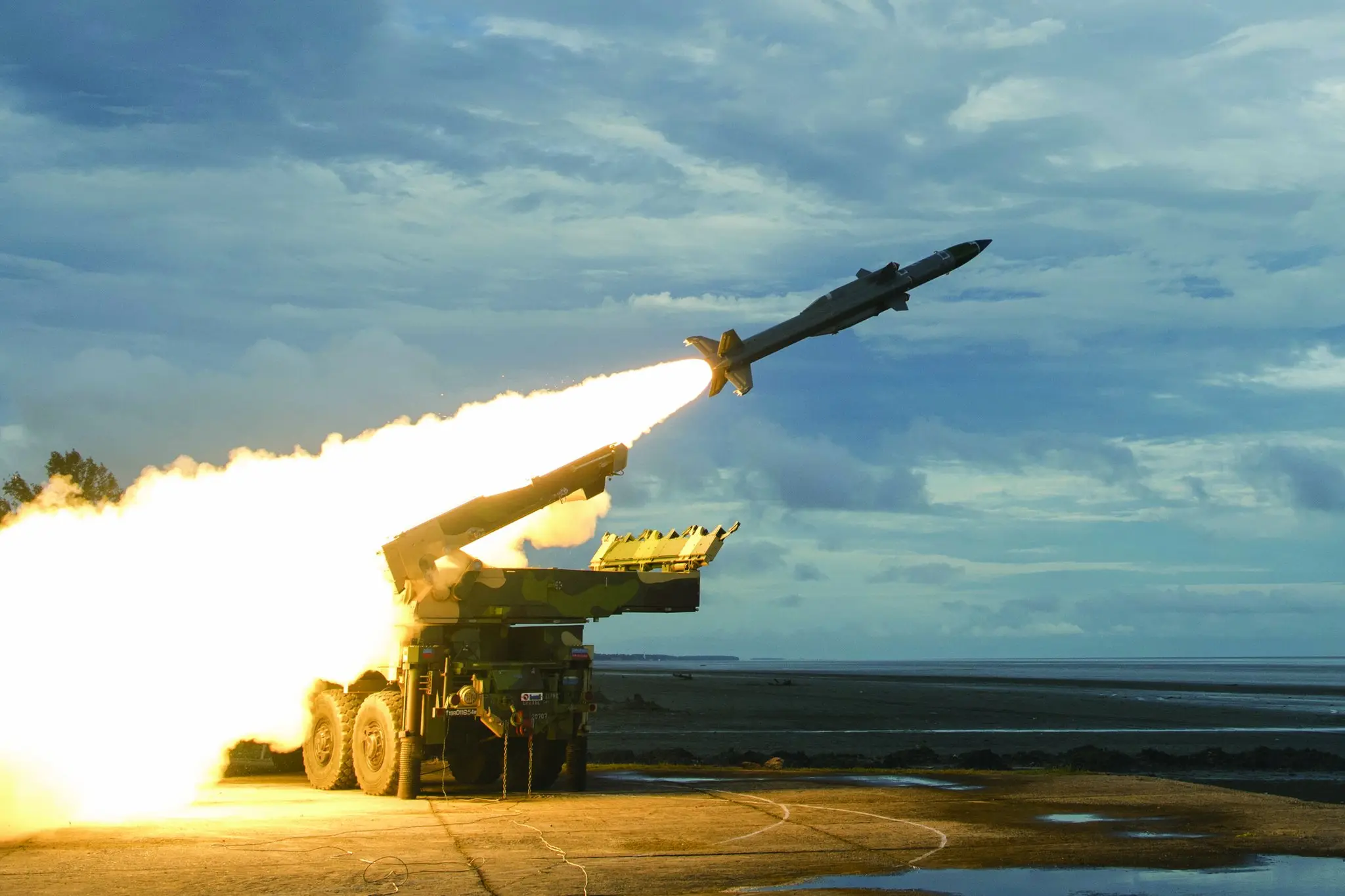
Agni I, Prithvi II tests came a day after test of Akash Prime Air Defence System
A day before the Agni I and Prithvi II tests, India successfully test-fired the Akash Prime air defence system in Ladakh at an altitude of 4,500 metres. The upgraded defence system destroyed two high-speed aerial targets. Akash includes an indigenously developed radio frequency seeker, highlighting India’s evolving high-altitude air defence capabilities.
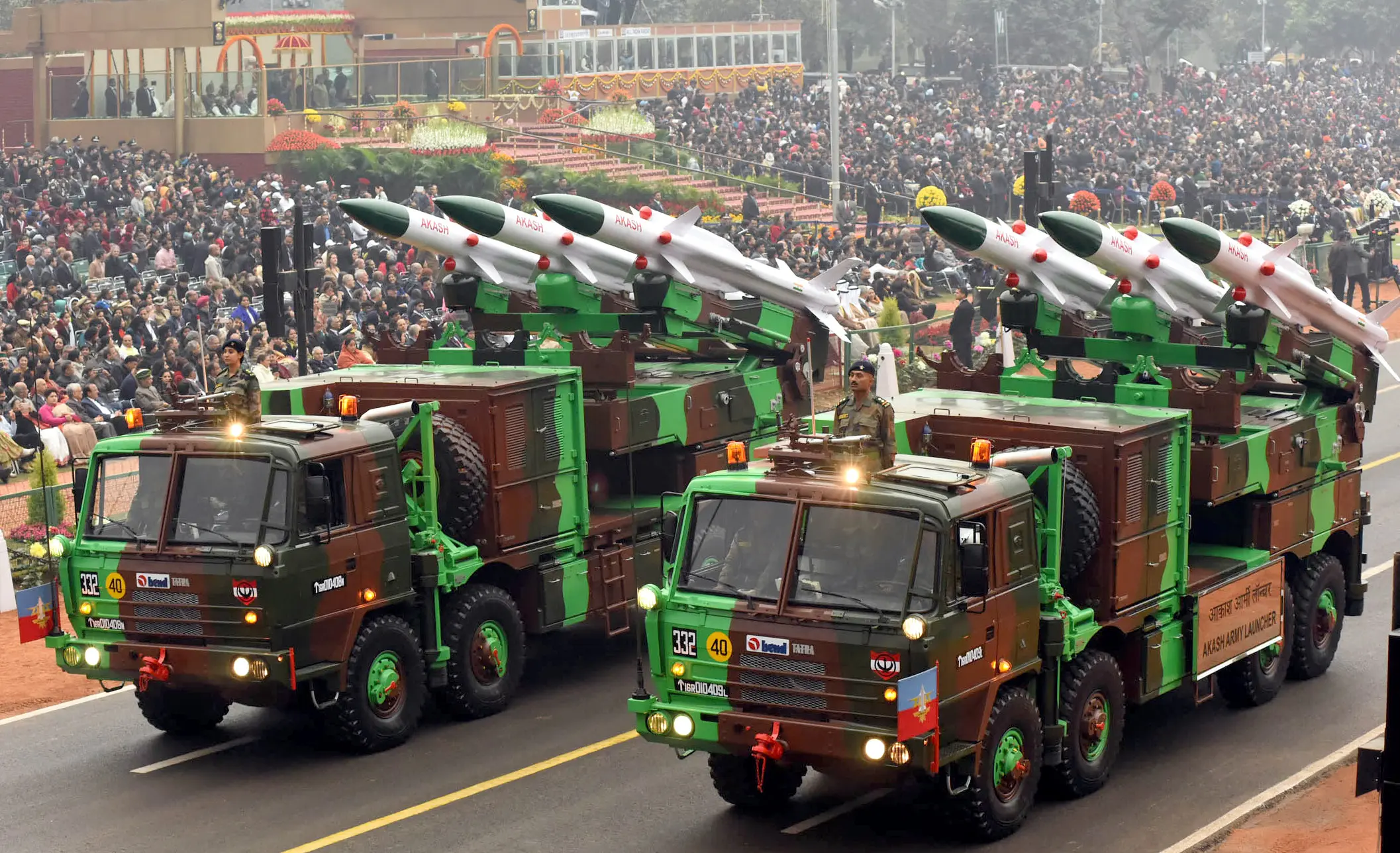
Agni I, Prithvi II and Akash Prime: Symbols of India's Indigenous Defence Development
Both the ballistic missiles - Agni I and Prithvi II - and the Akash Prime missile defence system are products of the Defence Research and Development Organisation or DRDO. The missiles were developed under India’s Integrated Guided Missile Development Programme. These advancements reflect India’s growing defence export potential and its emphasis on self-reliance in defence technology.
)
)
)
)
)