In pics | Tropical Storm Hilary pounds California after barreling through Mexico

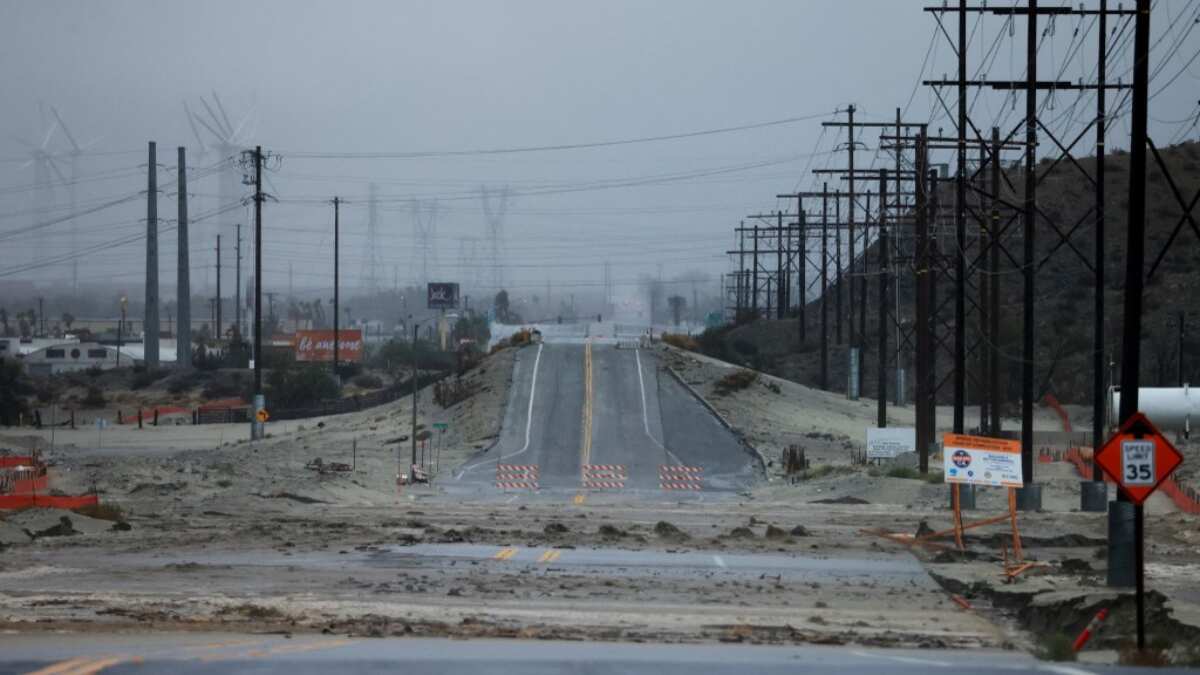
Hilary races from Mexico
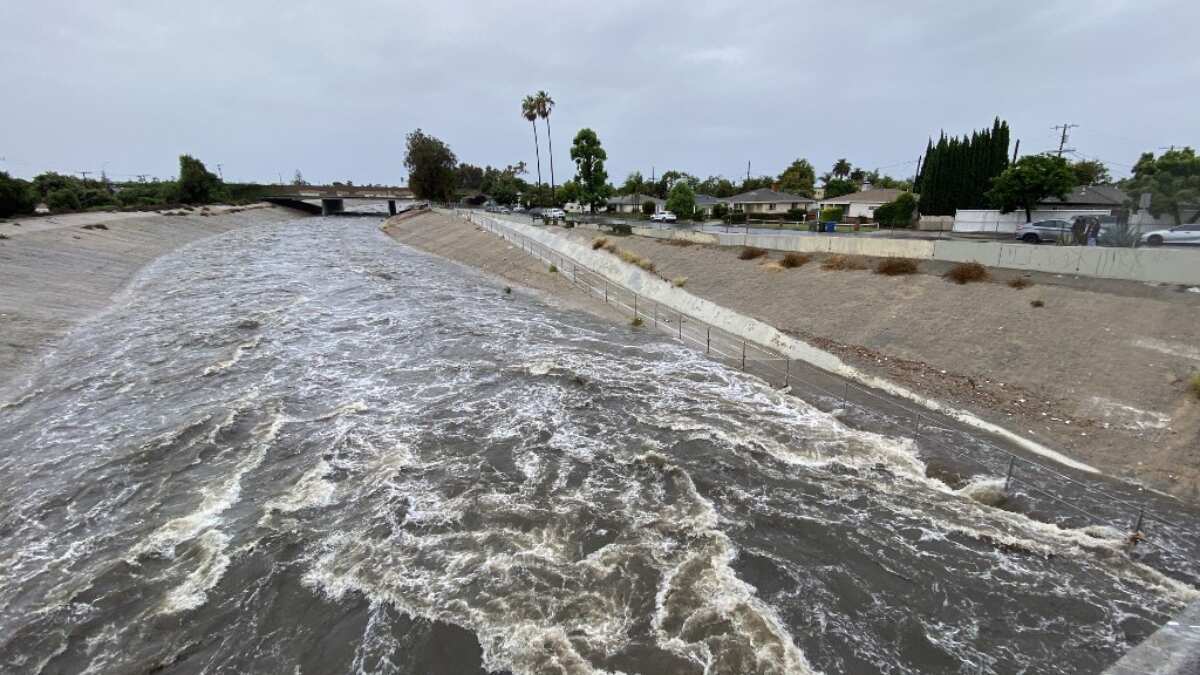
Despite being downgraded to Category-1 storm, Hilary raced in from Mexico on Sunday (August 20) and brought potentially life-threatening flooding in the typically arid southwestern United States, according to news agency AFP. Hilary's core was in California packing maximum sustained winds of 60 miles (95 kilometers) per hour
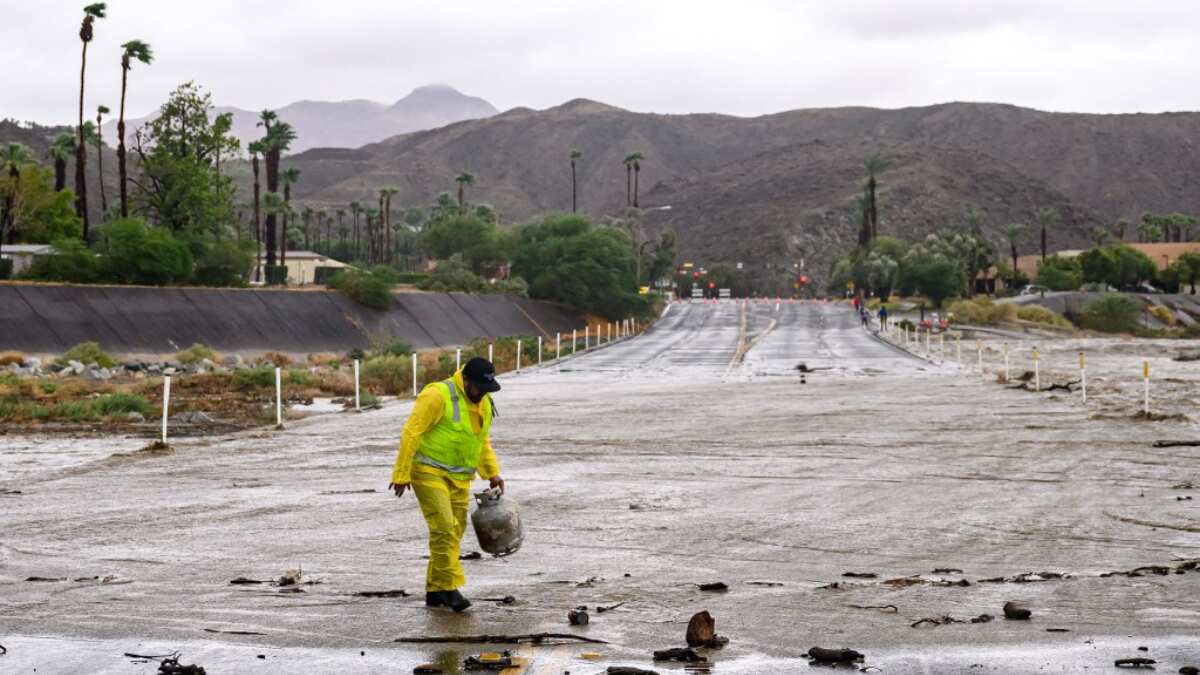
Double whammy of nature
While people braved Tropical Storm Hilary, a 5.1 magnitude earthquake struck in Ventura County in California on Sunday afternoon. According to US Geological Survey data, the quake occurred along the Sisar fault, and was followed by numerous aftershocks. Although there was no tsunami hazard, the word "hurriquake" soon started trending on social media.
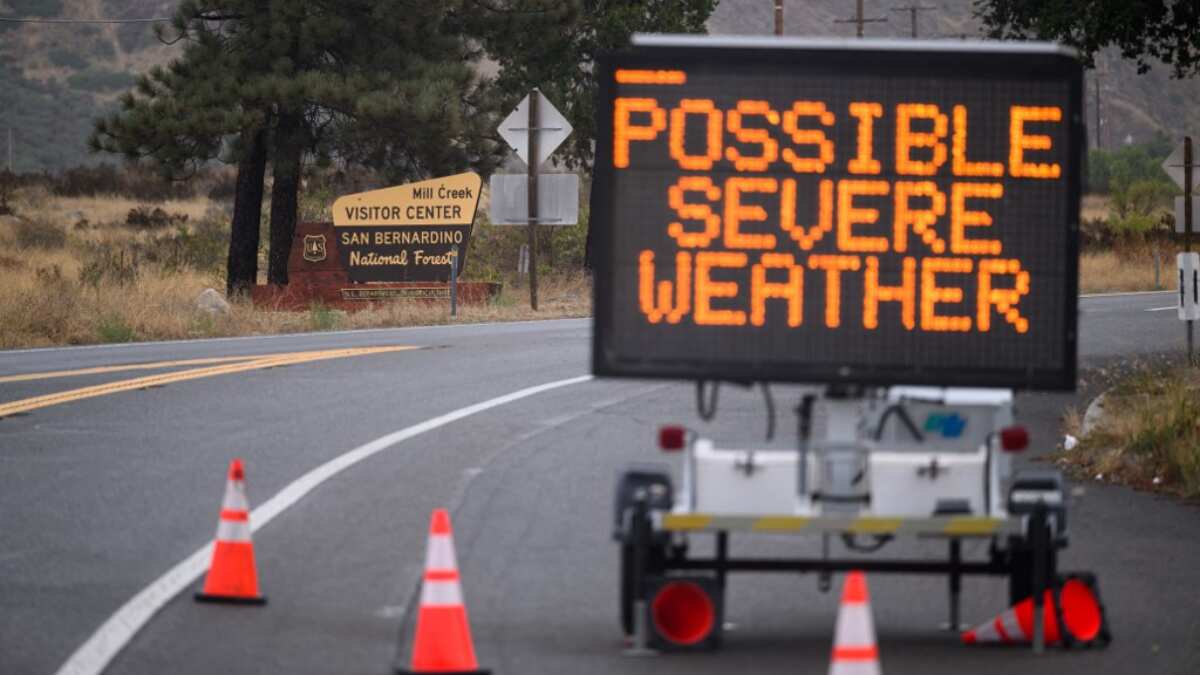
Catastrophic flood warning
The US National Hurricane Center (NHC) in its bulletin said the "potentially historic" rainfall caused by Hilary was expected to cause "life-threatening to locally catastrophic flash, urban, and arroyo flooding" in parts of California by early Monday (August 21) morning.

Take precautions, urge authorities
Prior to being downgraded to a tropical storm, Hurricane Hilary had reached Category 4, the second-most powerful on the five-step Saffir-Simpson hurricane scale. Despite the low intensity, US Federal Emergency Management Agency (FEMA) has urged the public to take dangers associated with the storm seriously.
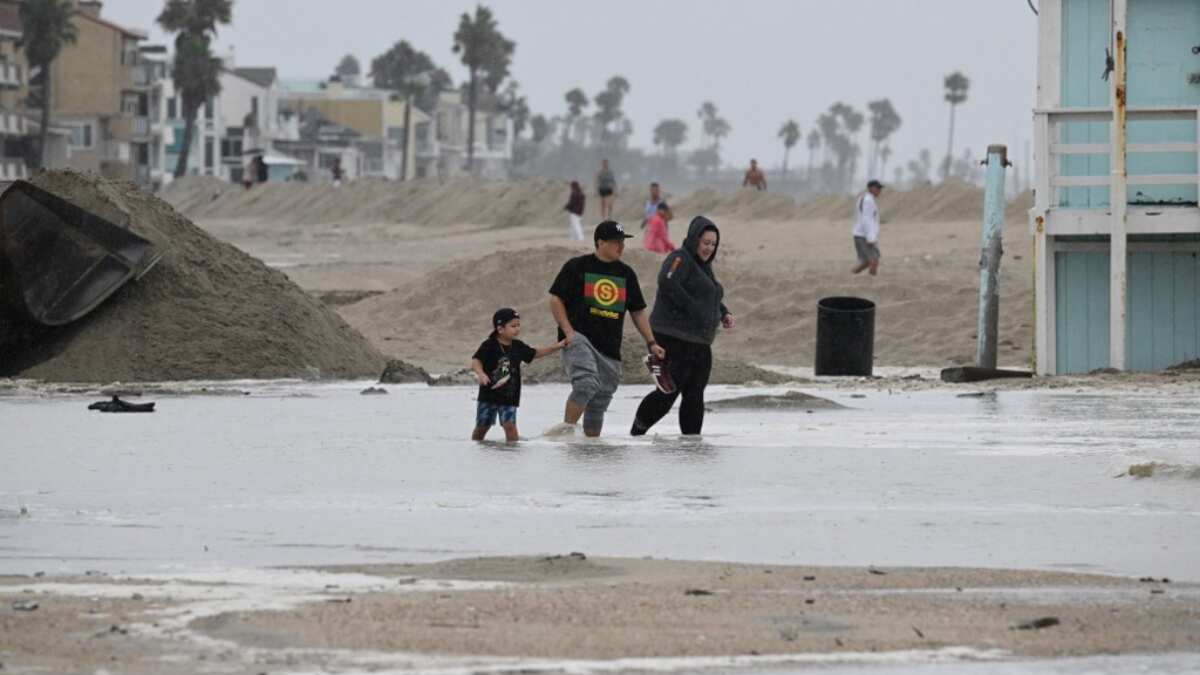
Emergency declared by Newsom
California Governor Gavin Newsom on Sunday (August 20) declared a State of Emergency for much of Southern California to protect public against the tropical storm. "Stay safe, California," he wrote on X, formerly known as Twitter.
Storms becoming powerful
Although hurricanes hit Mexico every year, it is very rare for them to strike California with such intensity. According to scientists, the primary reason for the occurrence of such rare events is climate change. The storms are becoming more powerful as the world gets warmer and warmer.
)
)
)
)
)