In pics | ESA's Euclid telescope shares jaw-dropping images of distant galaxies

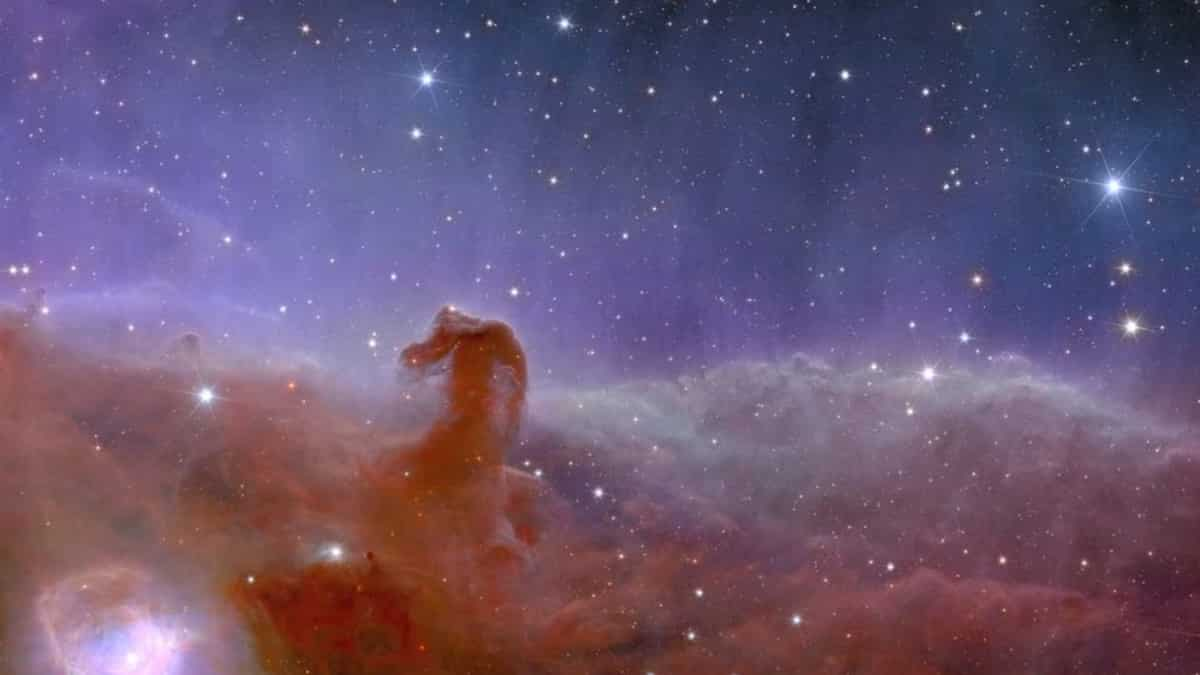
Horsehead Nebula
Stellar nursery called Horsehead Nebula, also known as Barnard 33, and part of constellation Orion, captured by Euclid. The Horsehead Nebula, which is 1,375 light years away, has been observed before, but the Euclid telescope is the first to deliver such a complete view in just an hour due to its wide lens. The horse’s head is, in fact, dark clouds in front of ultraviolet radiation coming from Sigma Orionis, which is the eastern star on the belt of the Orion constellation.
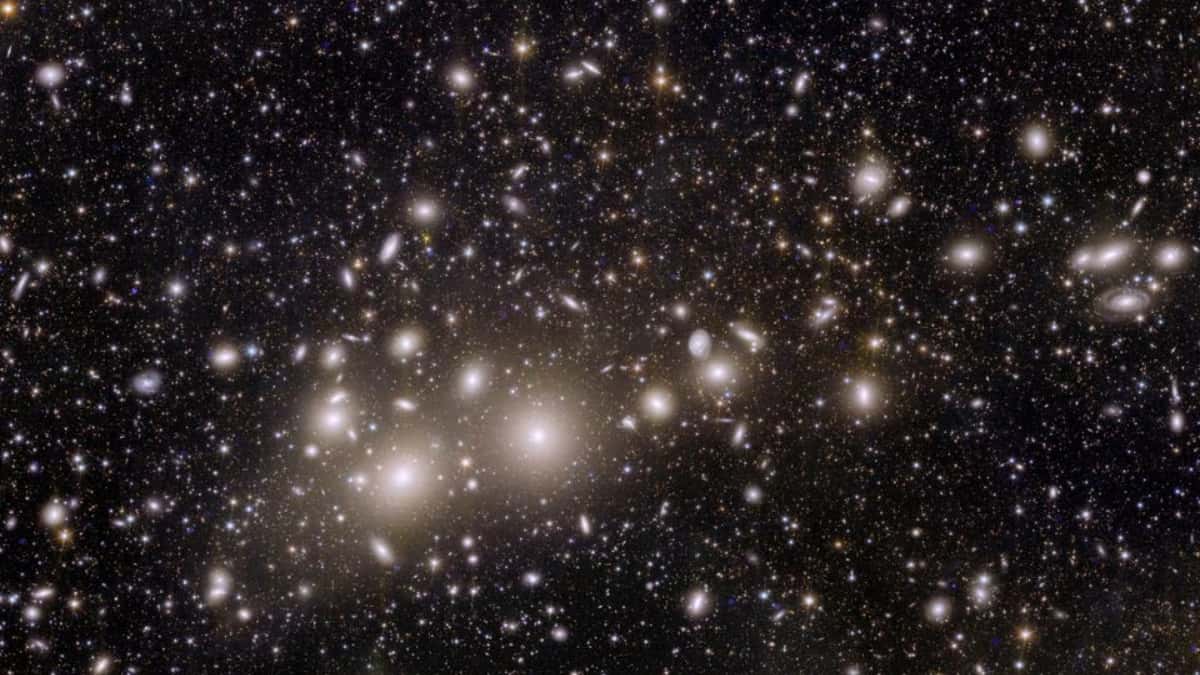
Perseus cluster
The image, dubbed as “a revolution for astronomy” by the ESA, depicts the Perseus cluster, which contains a thousand galaxies some 240 million light years away.
But in the background there are more than 100,000 additional galaxies, some 10 billion light years away, ESA said. Many of those distant galaxies have never been spotted before.
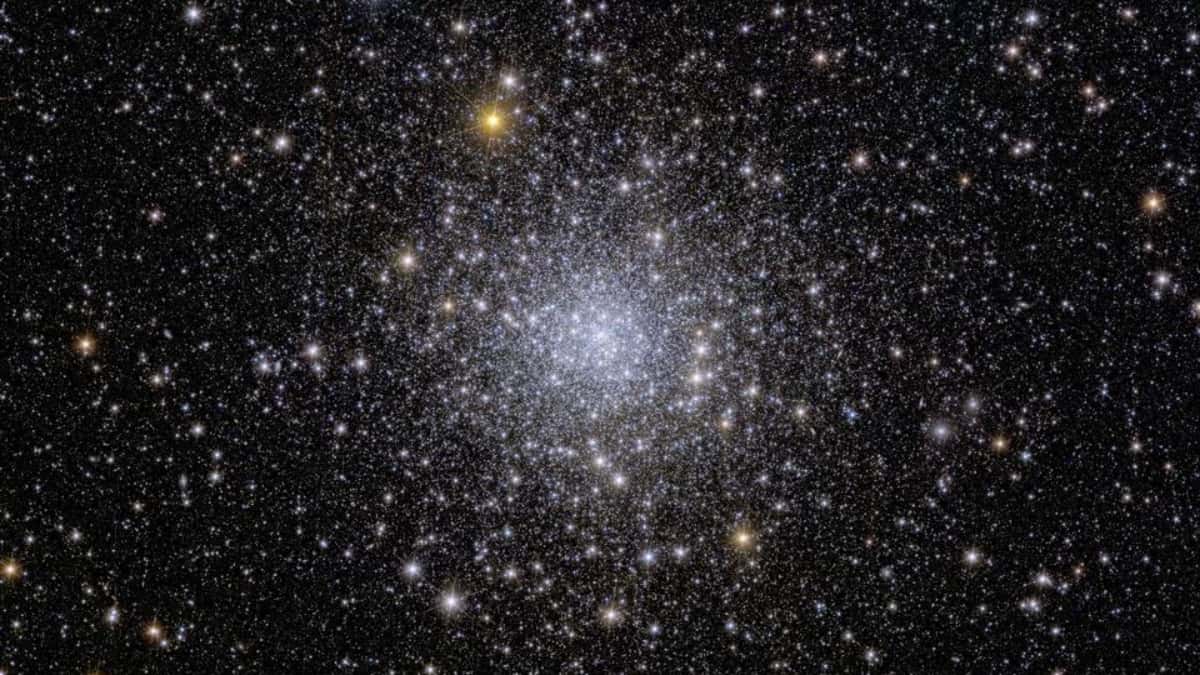
Globular cluster NGC 6397
At 7,800 light years away – but still within Milky Way galaxy – this cluster is a collection of hundreds of thousands of stars bound together by gravity.
“Currently no other telescope than Euclid can observe the entire globular cluster and at the same time distinguish its faint stellar members in the outer regions from other cosmic sources,” Euclid Consortium scientist Davide Massari said in a statement.
Scientists hope to use Euclid’s observations to spot stars trailing, such as globular clusters as they travel through our galaxy.
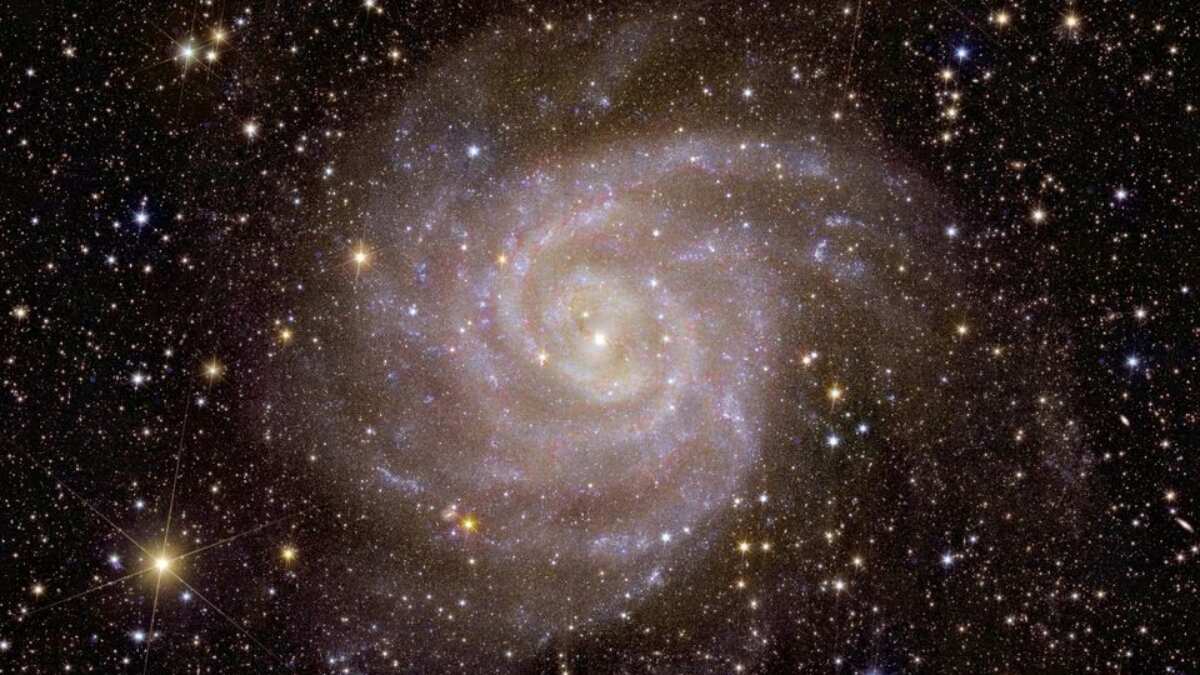
The hidden galaxy
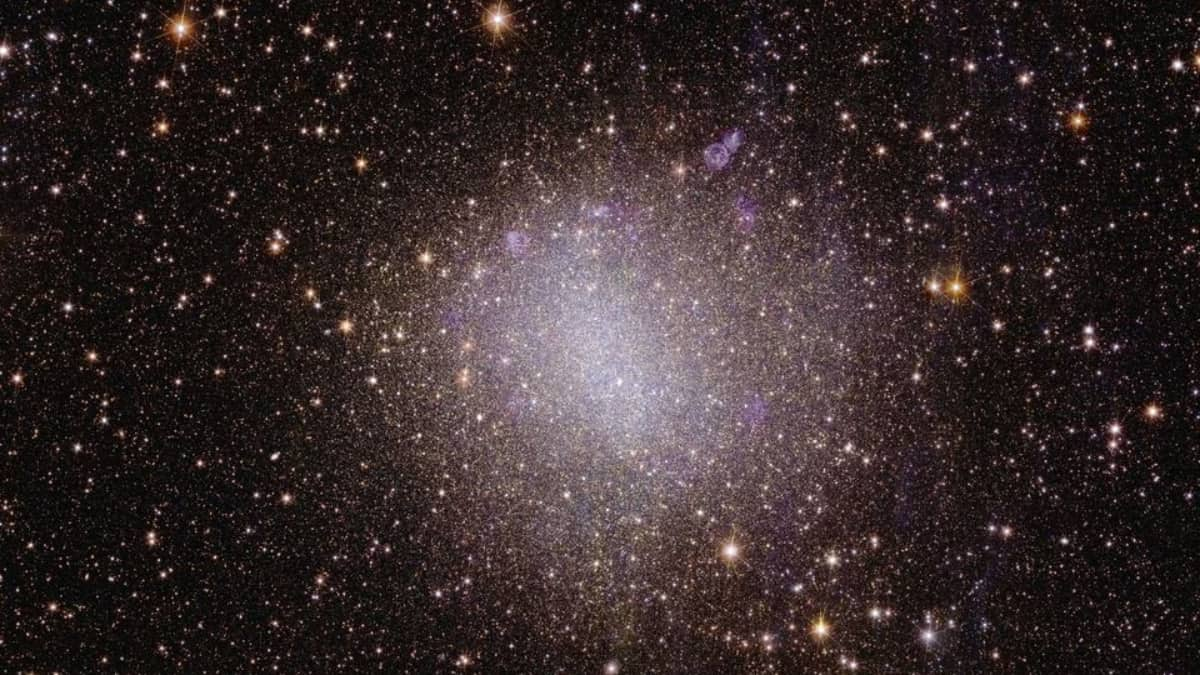
Irregular dwarf galaxy NGC 6822
Unlike the most galaxies observed, the dwarf galaxy NGC 6822 spirals irregularly. It is about 1.6 million light years from Earth.
Though it has been captured before, including by the James Webb Space Telescope, Euclid is the first to be able to capture the whole galaxy in barely an hour.
As is often the case in the early universe, this galaxy’s stars are low on metal, and the scientists hope that analysing them will shed light on how galaxies evolve.
)
)
)
)
)