Iconic landmarks plunge into darkness as India marks 20th Earth Hour— here’s all you need to know

The World celebrates the 20th Earth Hour on March 28, switching off lights from 8:30 PM to 9:30 PM (local time) to mark global climate action, raising awareness about energy conservation, sustainability, and protecting the planet.

Millions switch off lights to mark global climate action
Earth Hour marks a powerful global moment as millions across continents switch off non-essential lights in a symbolic stand against climate change. The 20th edition highlights growing awareness around sustainability, energy conservation, and the urgent need for collective environmental responsibility in the face of rising global temperatures.
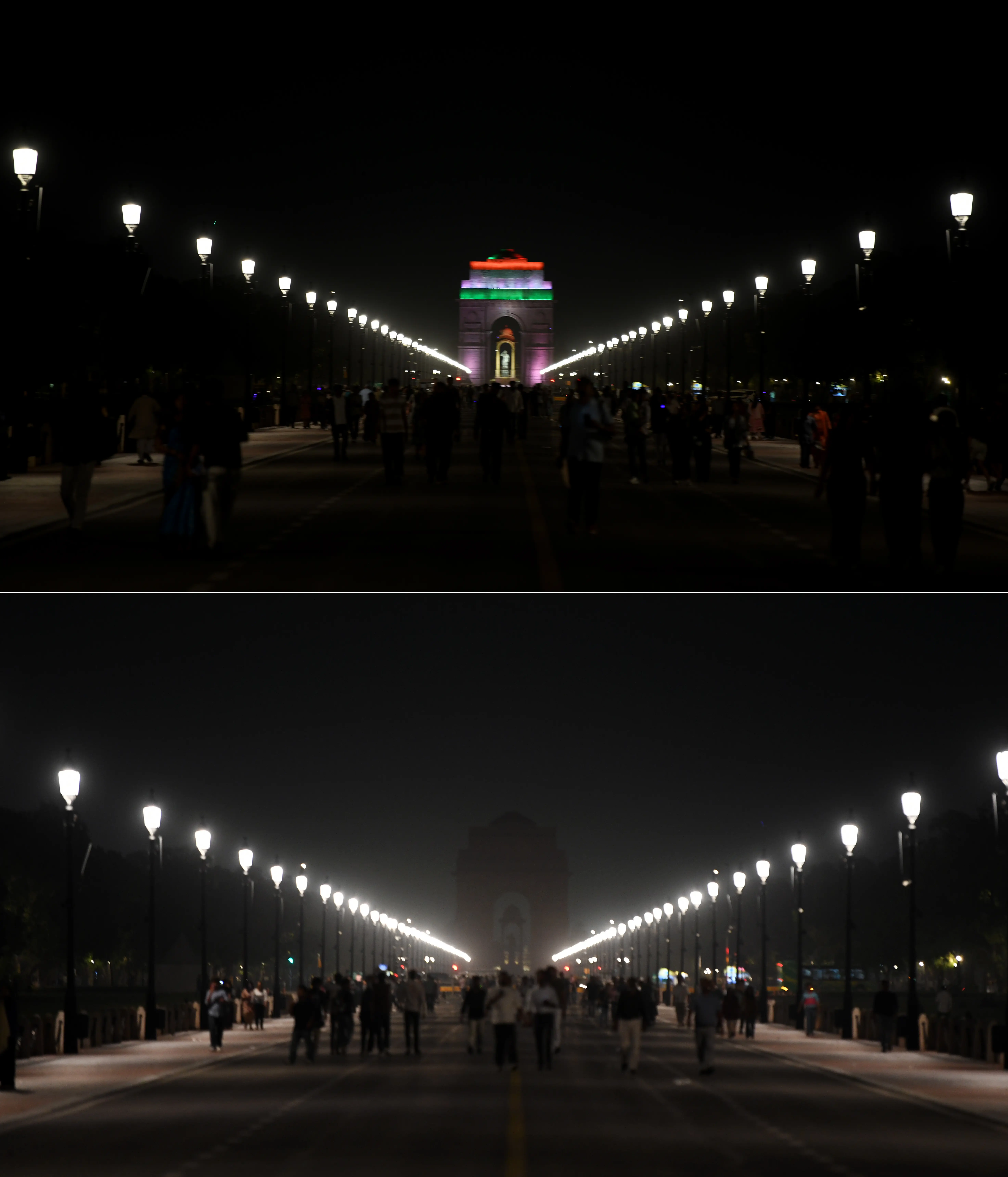
What is Earth Hour?
Earth Hour is a global movement encouraging individuals, communities, and businesses to turn off non-essential lights for one hour. It aims to raise awareness about climate change and biodiversity loss, while inspiring people to adopt sustainable lifestyles and take meaningful actions for environmental protection.

When did it start?
Earth Hour began in 2007 in Sydney, initiated by the WWF (World Wide Fund for Nature). What started as a local campaign quickly evolved into a global phenomenon, drawing participation from countries worldwide and becoming a symbol of unity in the fight against climate change and environmental degradation.
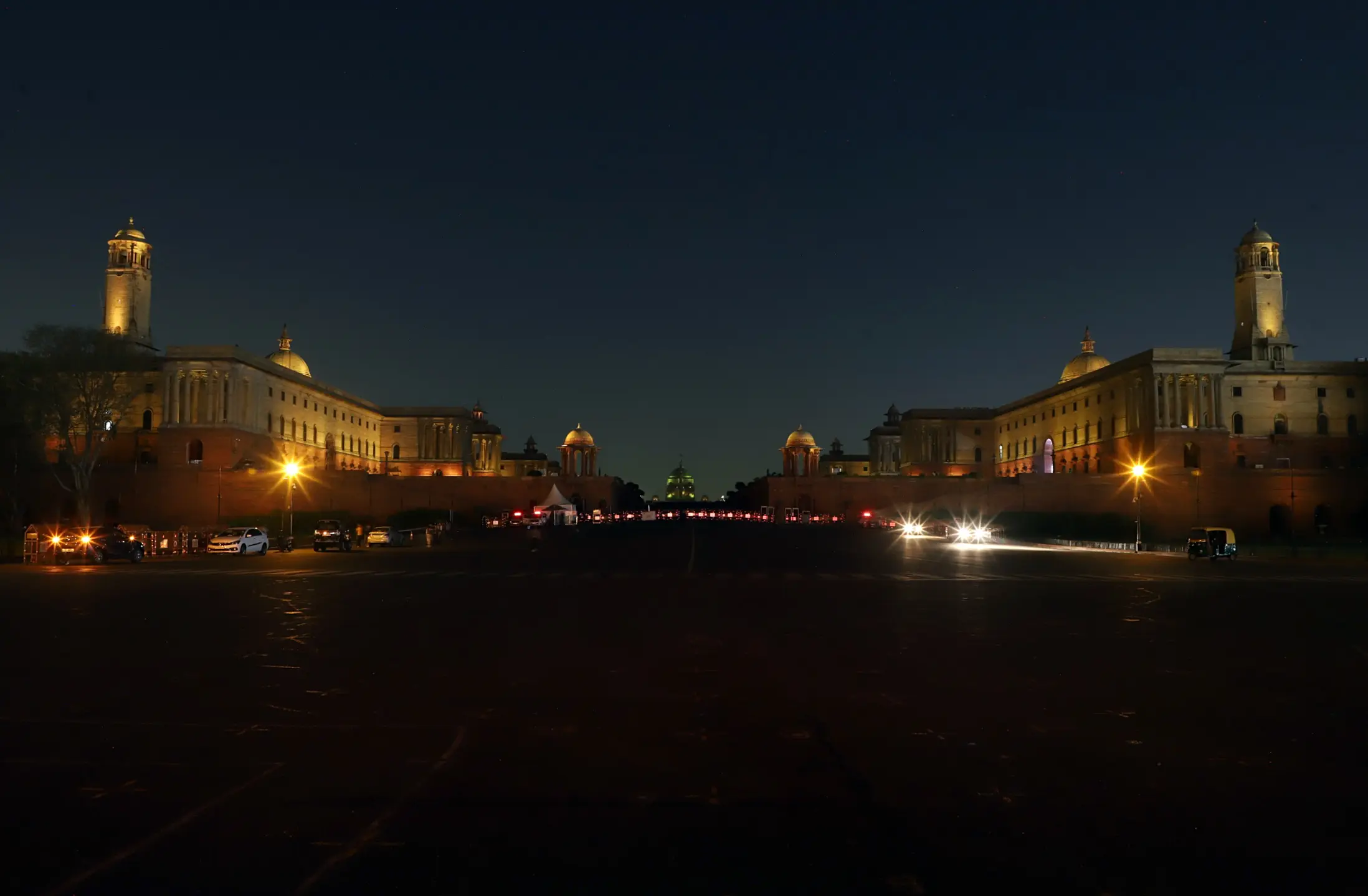
20th Earth Hour milestone
The 20th edition of Earth Hour marks a significant milestone, with participation from over 190 countries and territories. Millions of people switched off lights at 8:30 PM local time, showcasing global solidarity. The campaign continues to grow, emphasising the importance of climate action and collective responsibility.
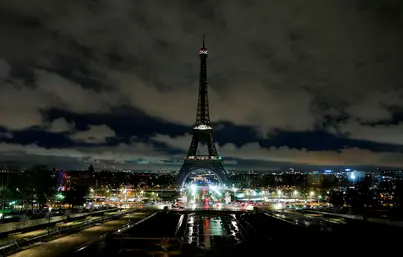
Iconic landmarks go dark
Major global landmarks participate each year, symbolising unity in climate action. Structures like the Eiffel Tower, Burj Khalifa, and India Gate switch off lights, drawing global attention and reinforcing the message of sustainability and environmental consciousness.

Why it matters
Earth Hour highlights the urgent need to address climate change and reduce energy consumption. It serves as a reminder that small individual actions can collectively create a large impact. The initiative encourages people to rethink their daily habits and adopt more sustainable practices for a healthier planet.

Beyond one hour
Earth Hour goes beyond a symbolic one-hour switch-off. It inspires long-term behavioural change, policy discussions, and community-driven initiatives aimed at environmental conservation. The movement encourages individuals and governments to commit to sustainable practices, ensuring that the message of Earth Hour continues throughout the year.
)
)
)
)
)