Hwasong-20 ICBM: North Korea’s “doomsday missile” that can hit every US city

North Korea has unveiled the Hwasong-20, a solid-fuel ICBM with a 15,000 km range capable of striking anywhere in the US. Featuring a new engine and potential for multiple warheads, it is described by Pyongyang as its most powerful strategic weapon to date.
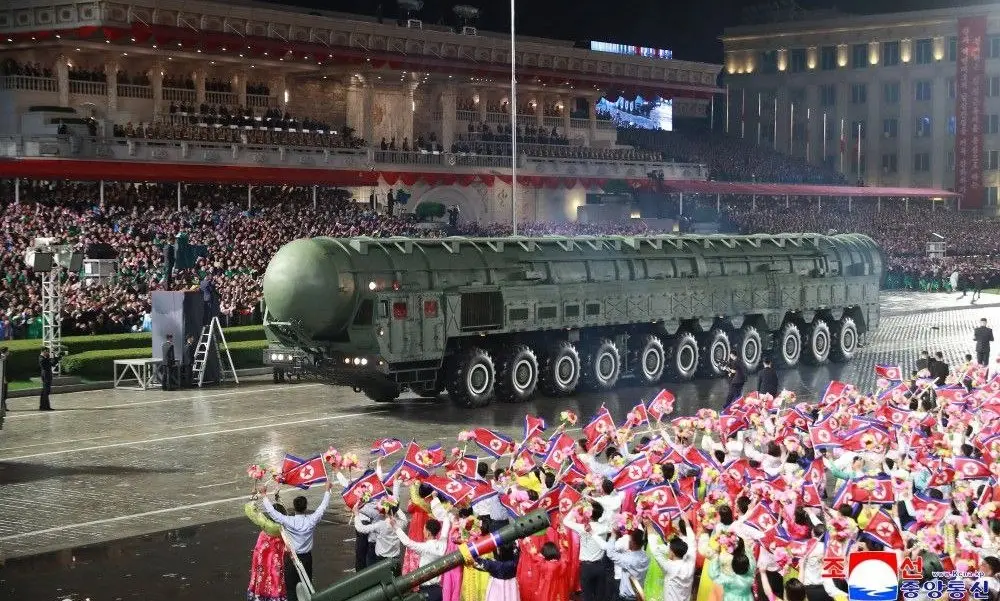
Hwasong-20
North Korea displayed the Hwasong-20 for the first time in October 2025 during the 80th-anniversary parade of the Workers’ Party. State media KCNA officially designated it as the nation’s ‘most powerful nuclear strategic weapon’ to date.
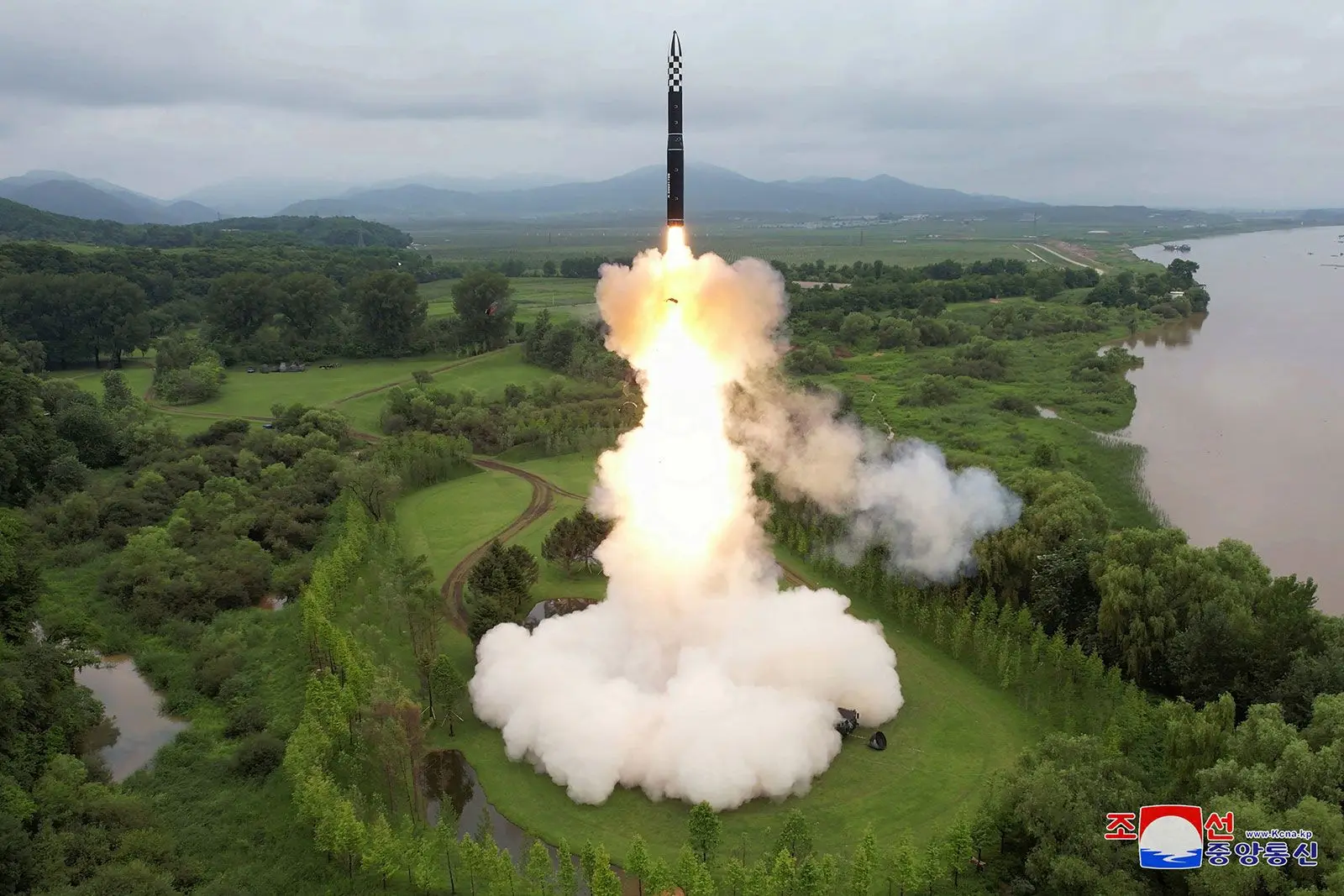
Striking the US mainland Range exceeds 15,000 kilometres
Military experts estimate the Hwasong-20 has an operational range of over 15,000 kilometres. This capability ensures that every major city in the United States, including Washington D.C. and New York, is well within its striking distance.
Faster launch capability Advanced solid-fuel engine
Unlike older liquid-fuel missiles, the Hwasong-20 uses a high-thrust solid-fuel engine made with carbon fibre composites. This allows the missile to be fuelled in advance and launched in minutes, making it much harder for satellite systems to detect and intercept.
Multiple warhead potential Designed to overwhelm defences
The missile features a blunter, wider nose cone compared to previous models like the Hwasong-19. Analysts believe this design change allows it to carry Multiple Independently-targetable Reentry Vehicles (MIRVs), letting one missile strike several targets simultaneously.
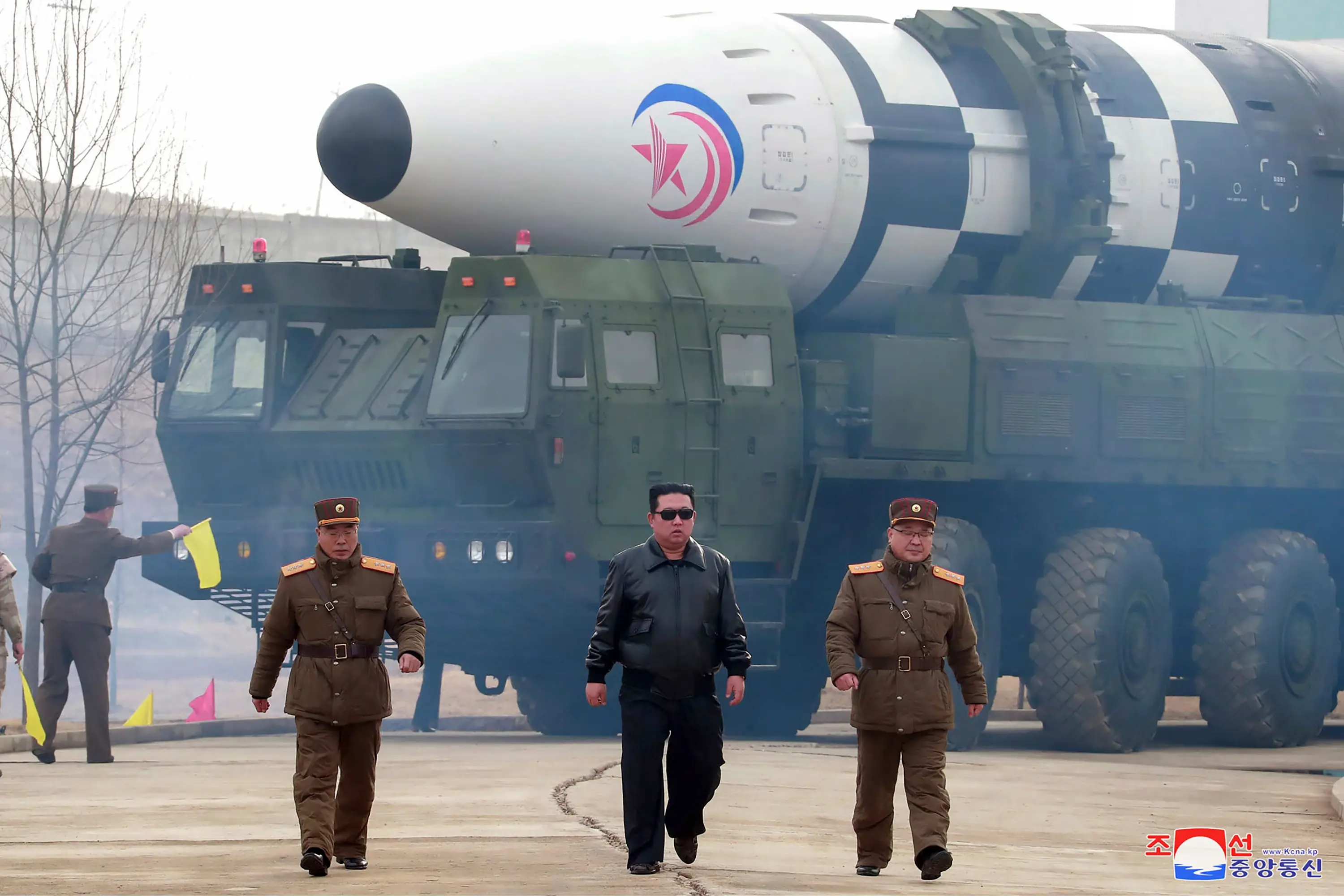
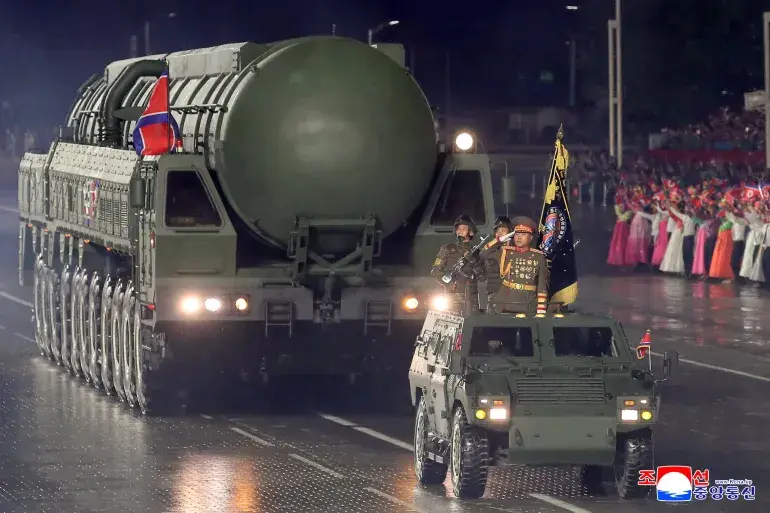
Massive mobile launcher Transported on 11-axle vehicle
The Hwasong-20 is carried on a massive 11-axle Transporter Erector Launcher (TEL), highlighting its sheer size and mobility. The launch vehicle features a central erection mechanism similar to Russian designs, improving stability during the firing sequence.
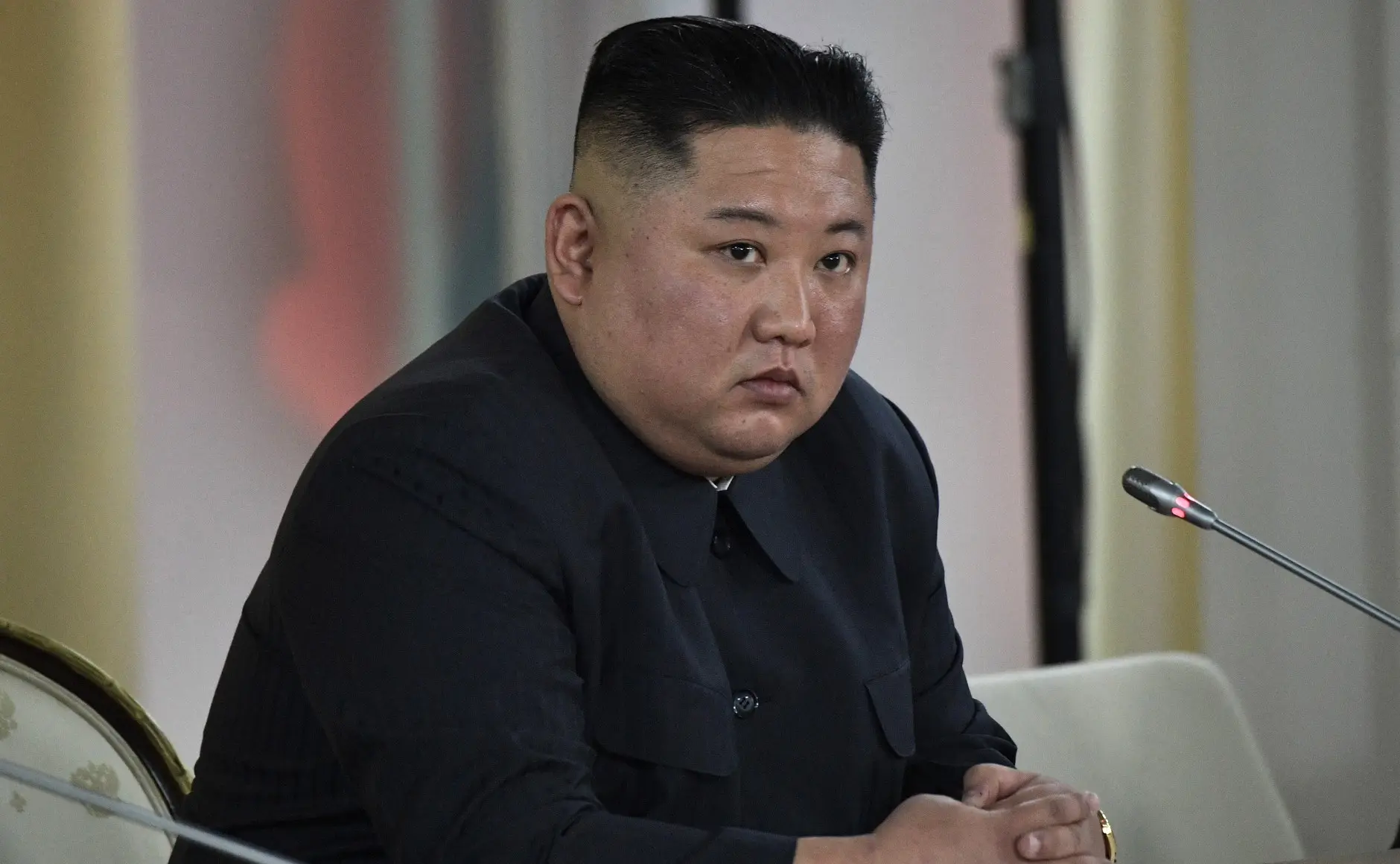
40 per cent more power Major engine performance boost
According to North Korean defence reports, the new solid-fuel engine generates roughly 200 tonnes of thrust. This represents a 40 per cent increase in power over the Hwasong-18, enabling the missile to carry heavier nuclear payloads over greater distances.
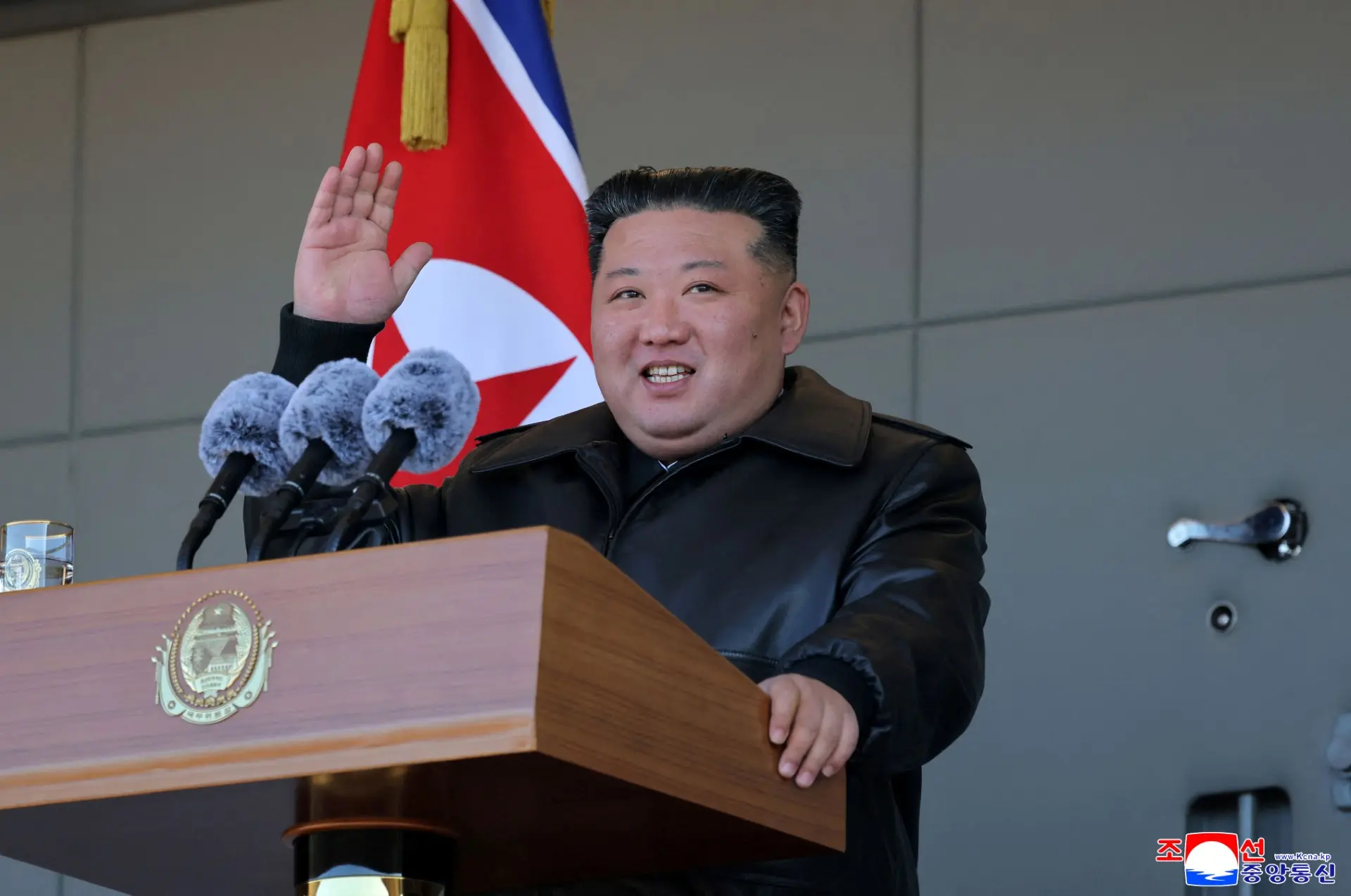
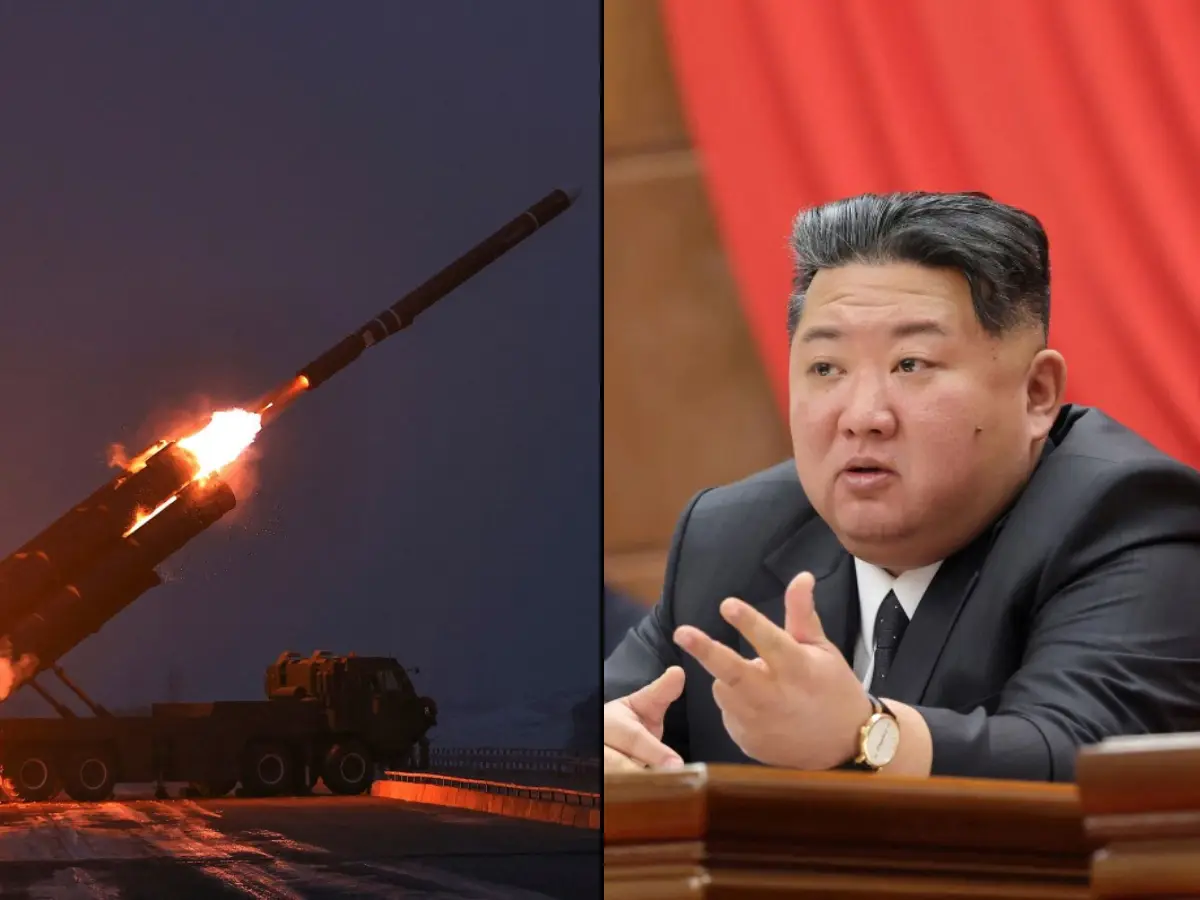
The ‘Doomsday’ deterrent Kim Jong Un’s ultimate weapon
Leader Kim Jong Un has framed the Hwasong-20 as the cornerstone of his war deterrent strategy. By combining rapid launch times with the ability to defeat US missile shields, Pyongyang views this weapon as its primary guarantee against foreign military intervention.
)
)
)
)
)