How US control over Venezuela’s oil could reshape Latin America

US control over Venezuela’s oil could curb Chinese and Russian influence, weaken OPEC, disrupt Cuba’s energy supply, reverse mass migration, reshape Caribbean politics, and help create energy independence across the Americas with cheaper, stable oil supplies.
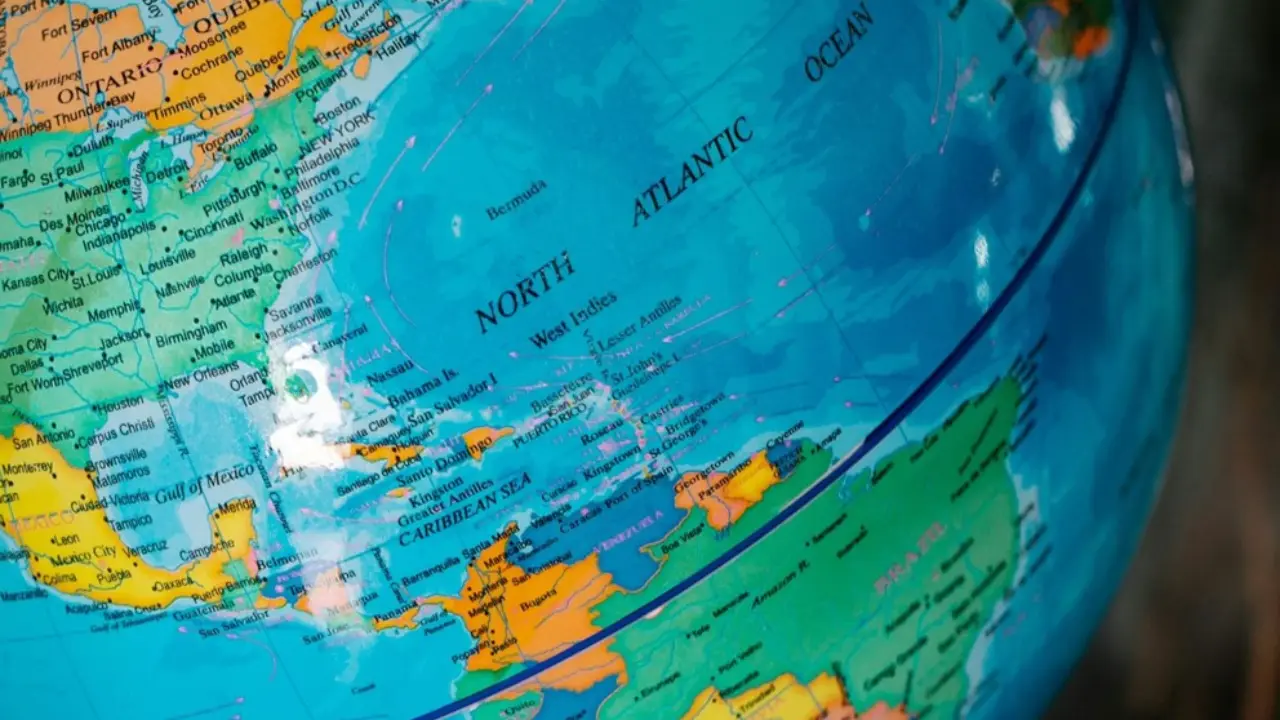
Ending Chinese and Russian influence
For decades, Venezuela used its oil to repay massive loans from China and Russia. The Atlantic Council notes that US control over these reserves effectively halts these repayments, dismantling the financial foothold that Beijing and Moscow held in South America and pushing them out of the region’s energy sector.
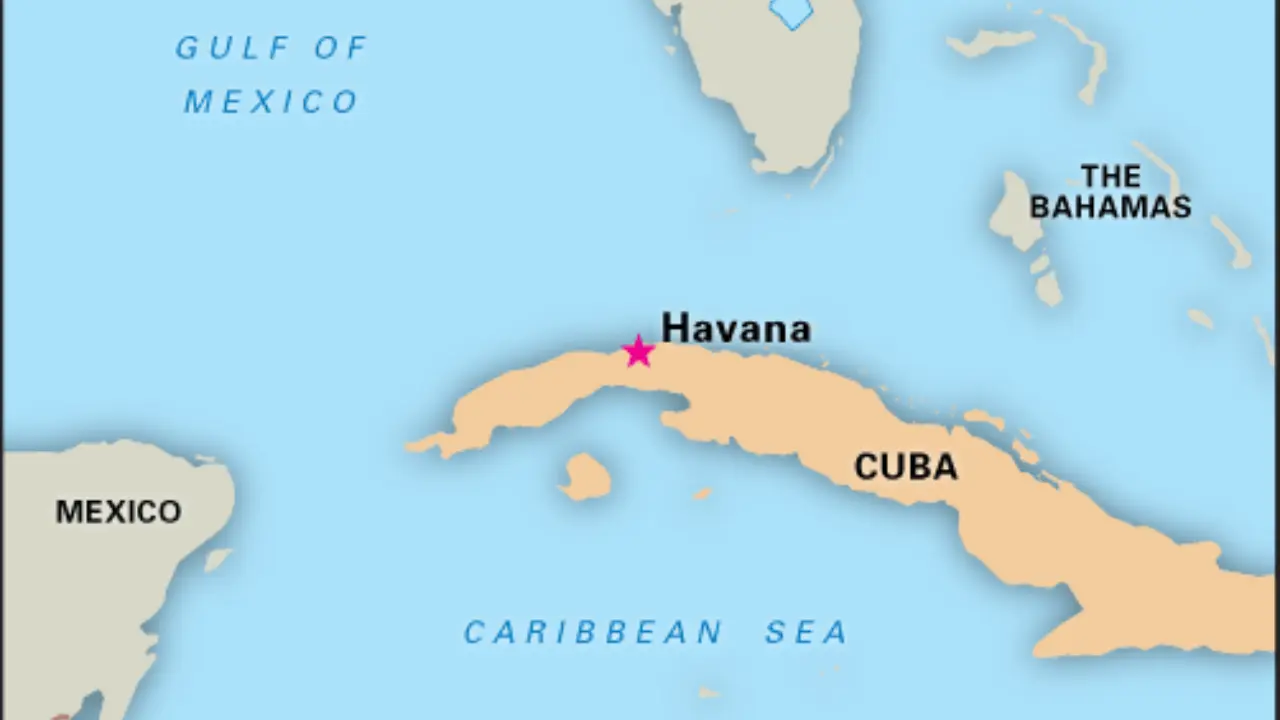
Havana faces energy collapse
Venezuela traditionally supplied subsidised oil covering nearly 40 per cent of Cuba’s energy needs. Reuters analysis suggests that a US-led administration would immediately stop these shipments, potentially triggering a catastrophic energy crisis that could destabilise the communist regime in Havana.
The Migration Reversal
7.7 million could return home. The collapse of the oil industry drove 7.7 million Venezuelans to flee, straining neighbours like Colombia and Peru. The Inter-American Dialogue argues that if US investment successfully revives the economy and creates jobs, it could trigger a massive reverse migration, relieving social pressure across the continent.
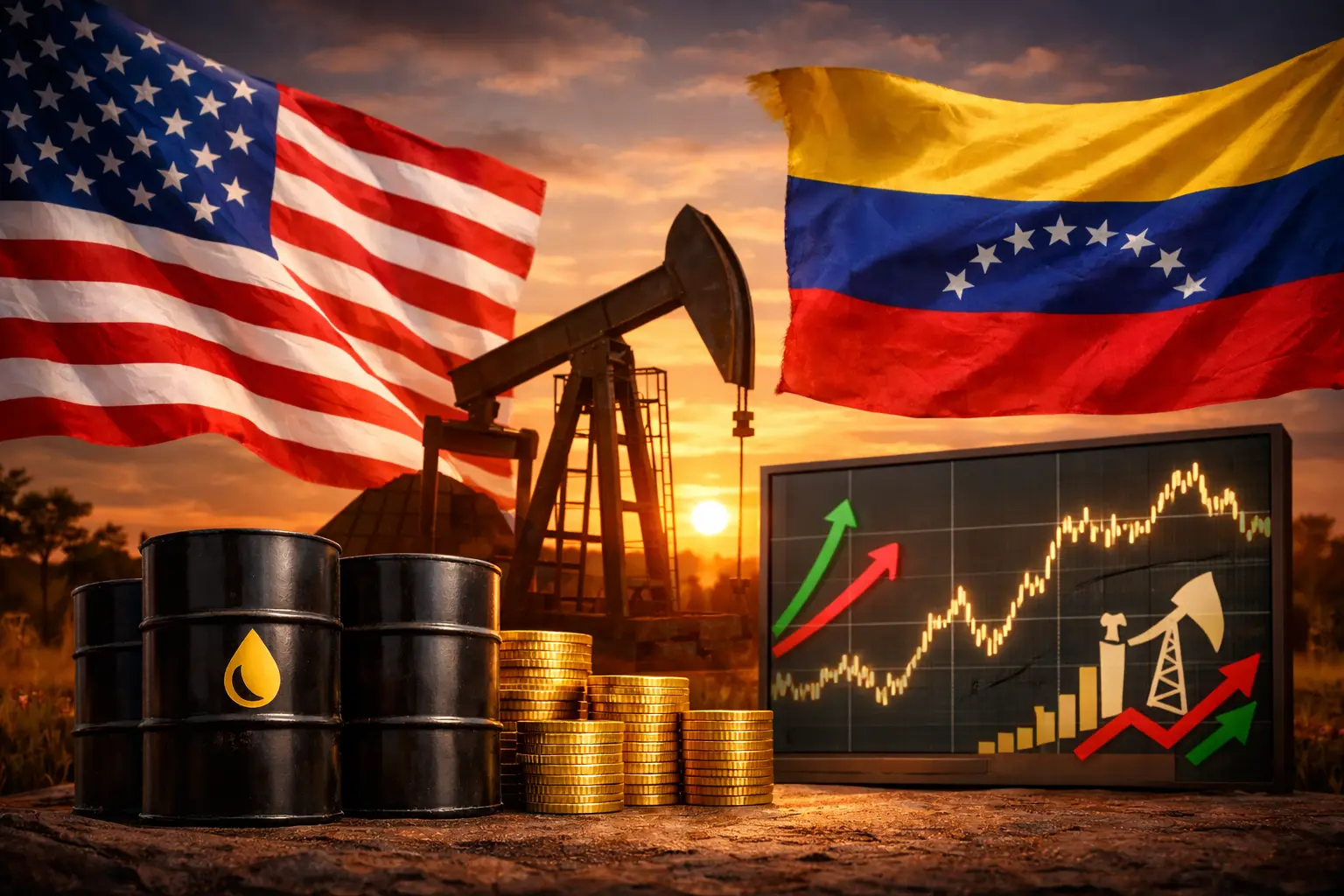
Investment shifts back to Caracas
Guyana has recently enjoyed an oil boom as investors avoided Venezuela. However, experts at S&P Global warn that with US security guarantees, international capital might flow back to Venezuela’s larger, proven reserves, potentially slowing down the rapid economic growth of its smaller neighbour.
Cheaper Energy for the Caribbean
Venezuela used to buy loyalty from Caribbean nations with cheap oil via the Petrocaribe alliance. The Wilson Center suggests the US could replace this political tool with market-based stable supply, lowering energy costs for island nations while pulling them politically closer to Washington and away from socialist alliances.
Weakening OPEC’s Grip
Venezuela is a founding member of OPEC, but US control could change its policy. Bloomberg reports that a US-aligned Venezuela would likely ignore OPEC production cuts and pump maximum volume to lower prices, weakening the cartel’s ability to control global oil markets and reducing the influence of Saudi Arabia.
Energy independence for the Americas
By integrating Venezuela’s heavy crude with US refining capacity, the Western Hemisphere could become fully energy independent. The International Energy Agency (IEA) data indicates this bloc would no longer rely on Middle Eastern imports, creating a self-sufficient energy fortress that reshapes global trade routes.
)
)
)
)
)