How trains stay balanced on sharp curves

Trains stay balanced on sharp curves using conical wheels, banking, suspension, and sometimes special tilting tech. These features let trains travel safely along bends worldwide.
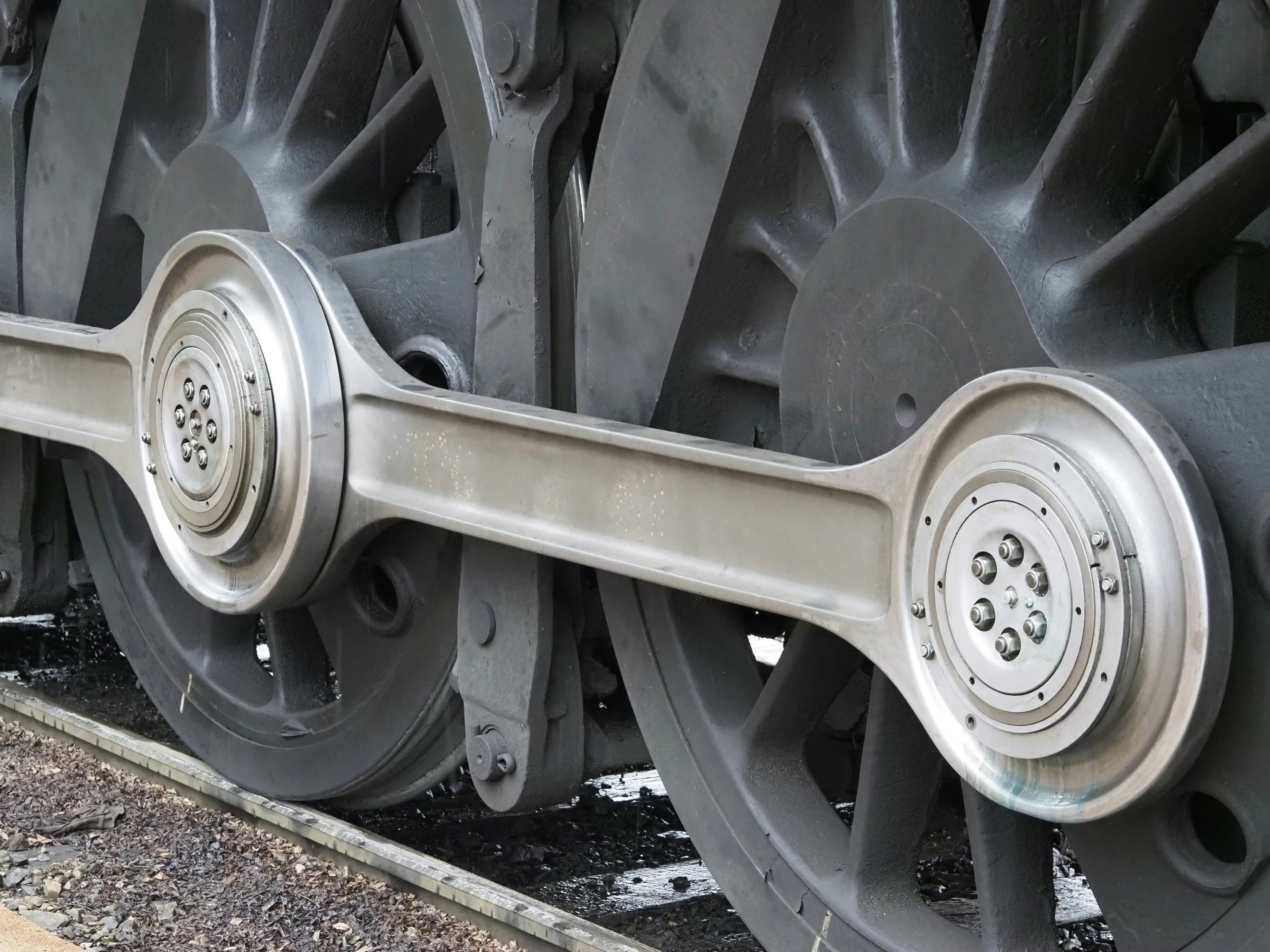
Wheel Shape and Design Matter
Train wheels are slightly conical, not flat. This shape lets wheels slide sideways just enough to keep trains aligned on curves and prevents them from slipping outwards.
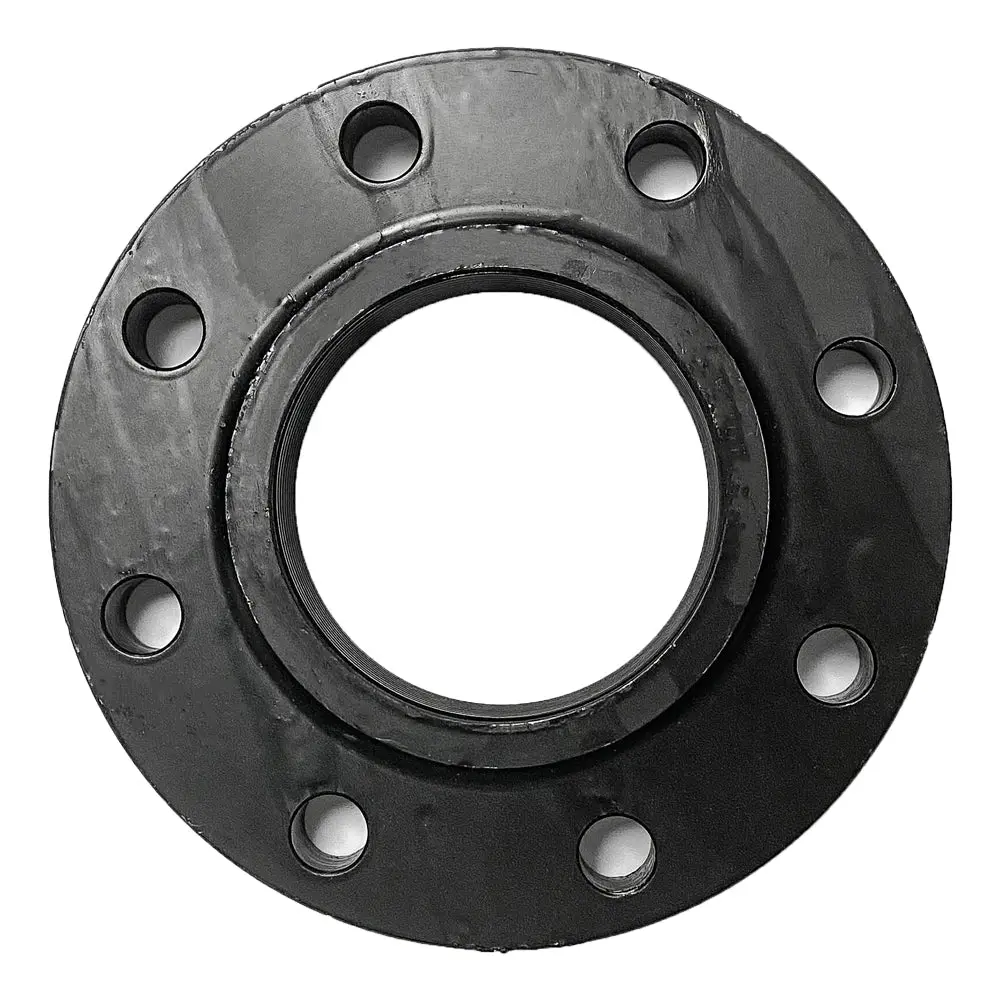
Flanges Add Safety
Each train wheel has a small lip, called a flange, which helps prevent the wheel from climbing over the rail, especially on a tight curve.
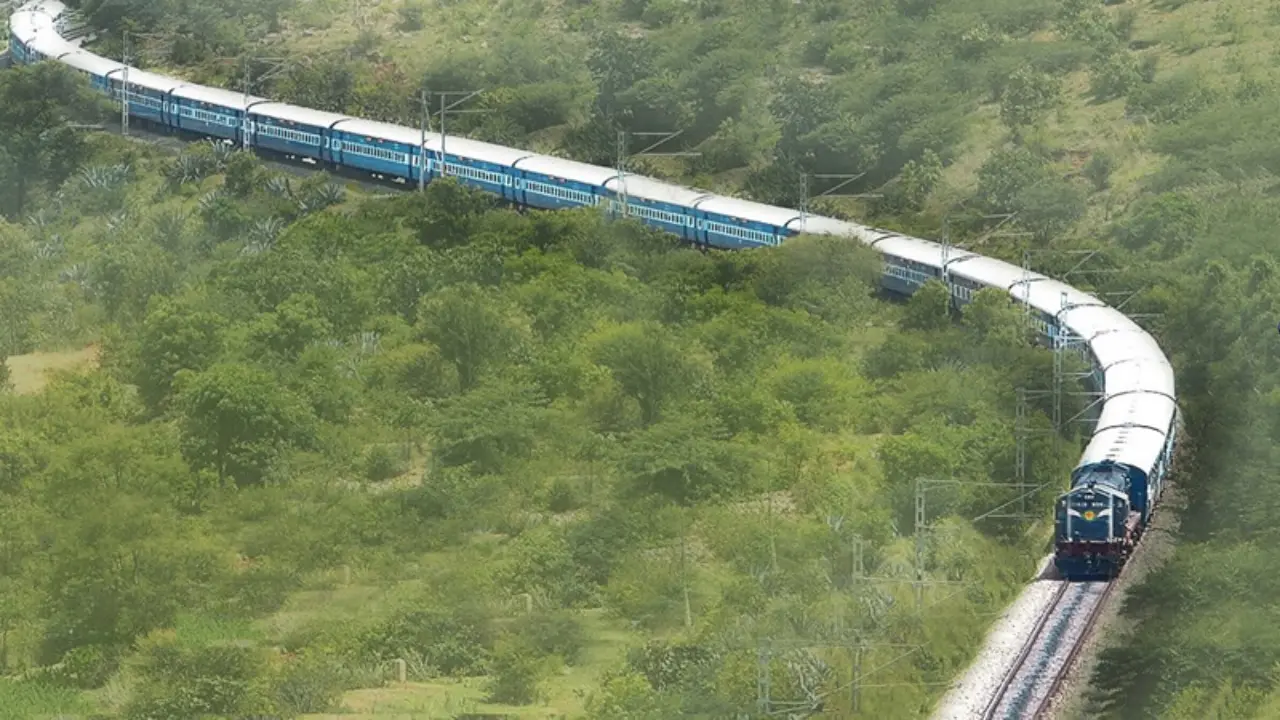
Track Banking or Superelevation
Curved tracks are often banked, with the outside rail raised above the inside. This tilting helps counteract centrifugal force pushing the train outward so the weight stays evenly balanced.
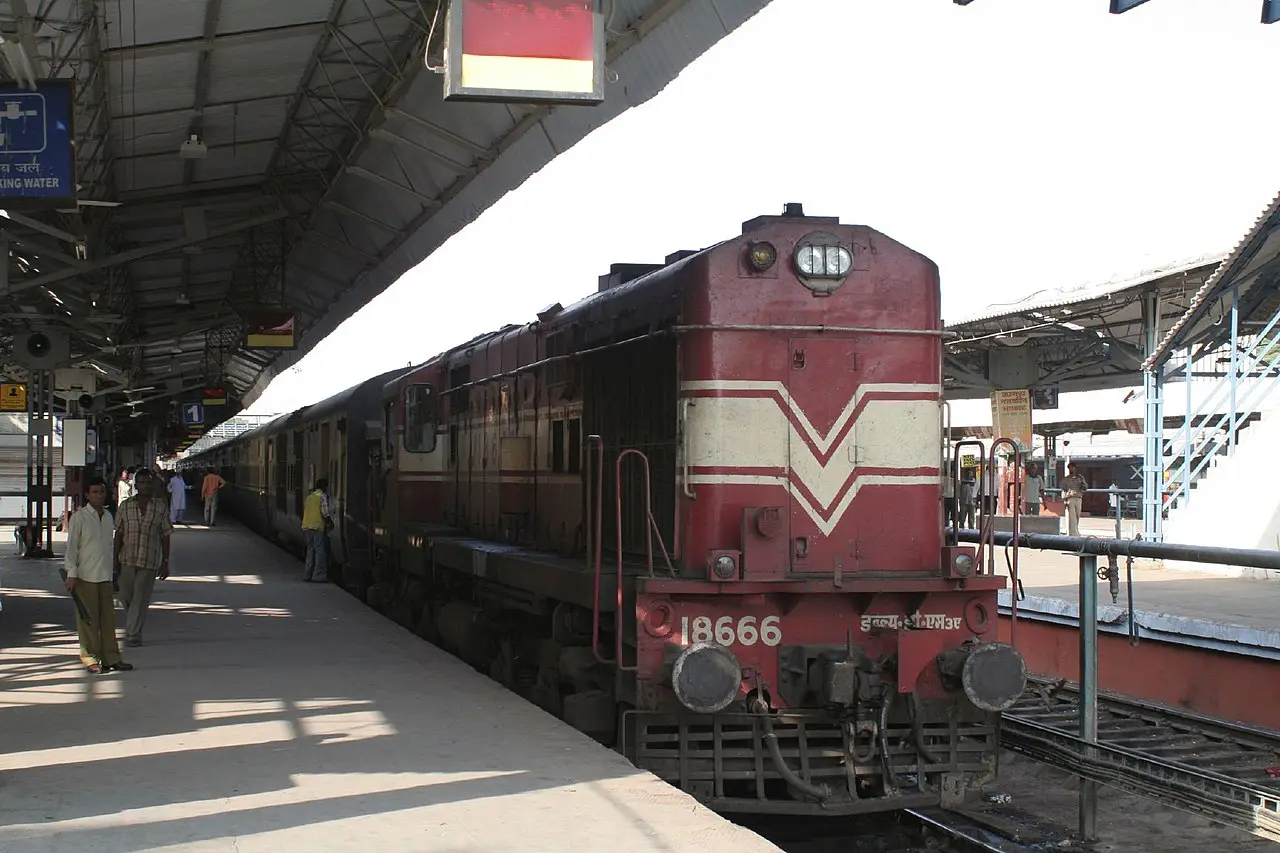
Suspension and Bogie Systems
Trains use specialised suspension and “bogie” systems (the frames that hold the wheels) to absorb bumps and let the wheelsets rotate a little keeping the train stable through uneven bends.

Controlling Speed on Curves
Trains slow down on sharper curves to reduce the sideways force (centrifugal force). Advanced brakes and speed limits help keep the train from tilting too much or derailing.
Tilting Train Technology
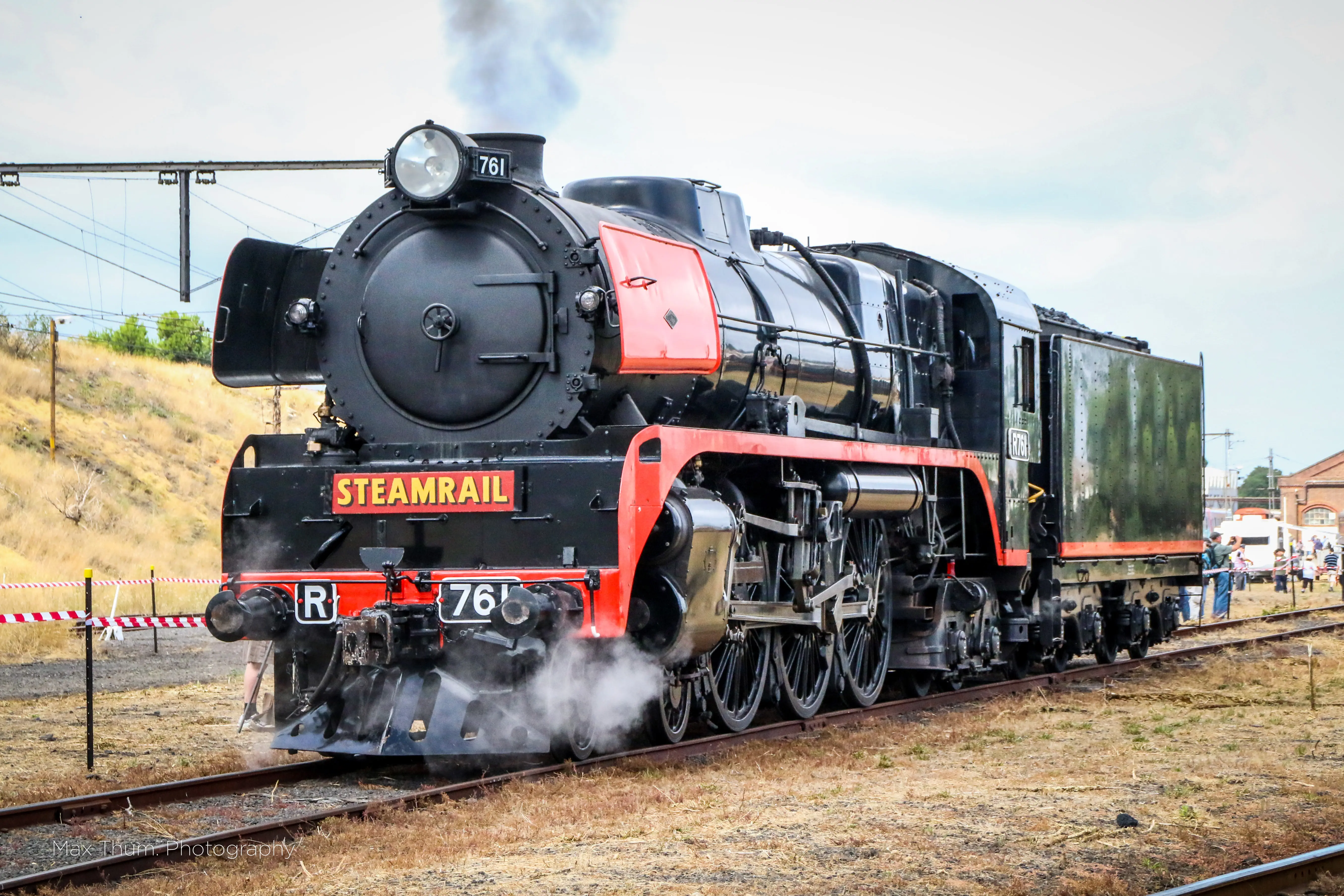
Some modern trains use tilting technology, where train carriages lean inwards on turns. This helps them take sharper bends at higher speeds while keeping passengers comfortable.
Track Maintenance Is Crucial
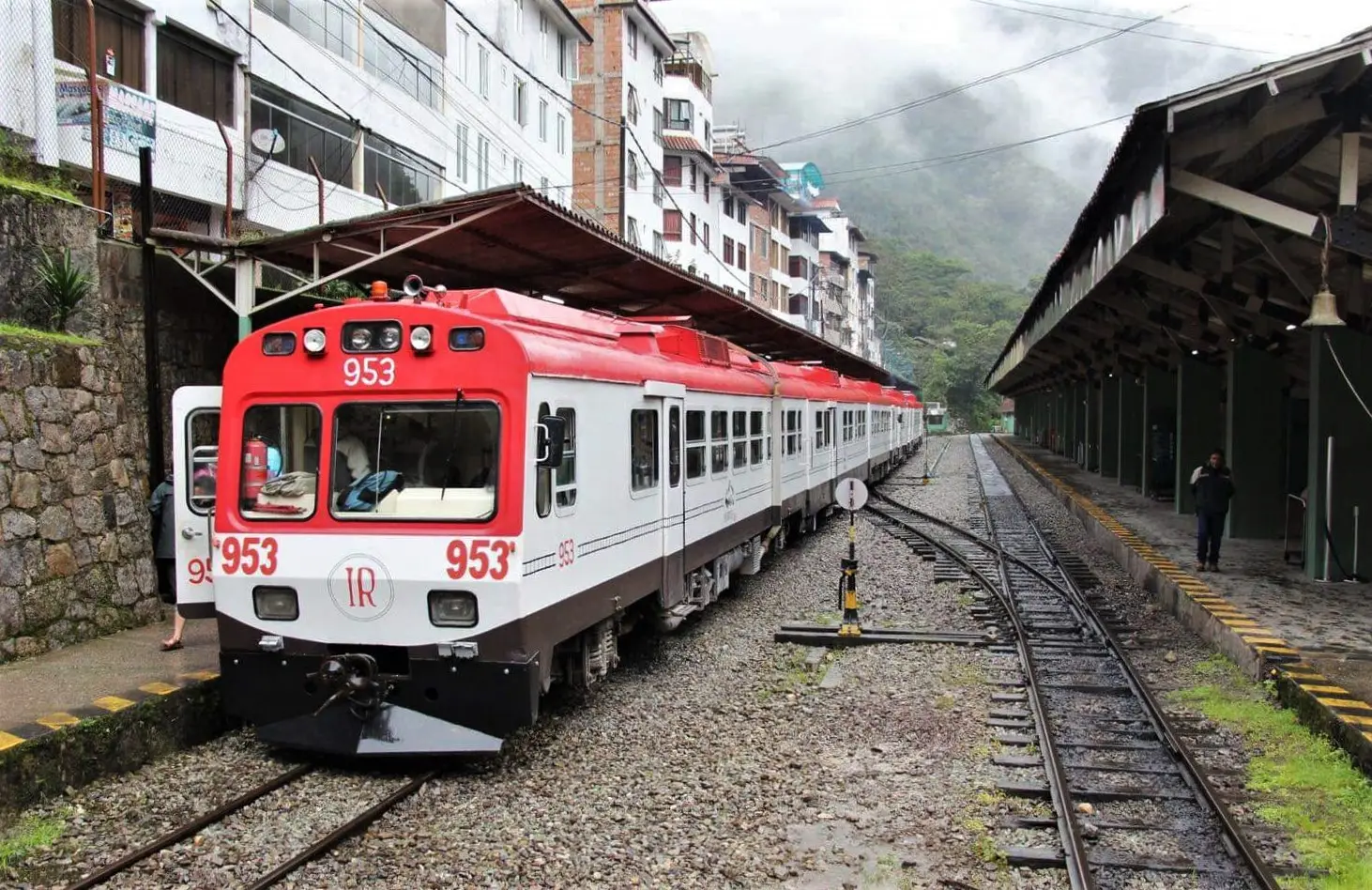
Regular rail maintenance, precise track alignment, and on tightest curves installing “check rails” are all important for safe curve negotiation. Good maintenance prevents excess wear and keeps trains running safely.
)
)
)
)
)