How the Tejas fighter jet’s digital flight control system works

India's Tejas uses a quadruplex digital flight control system with four independent computers. Each processes pilot commands and adjusts control surfaces 40 times per second. The new DFCC Mk1A was developed entirely in India. Built-in safety features protect pilots. Know more below.
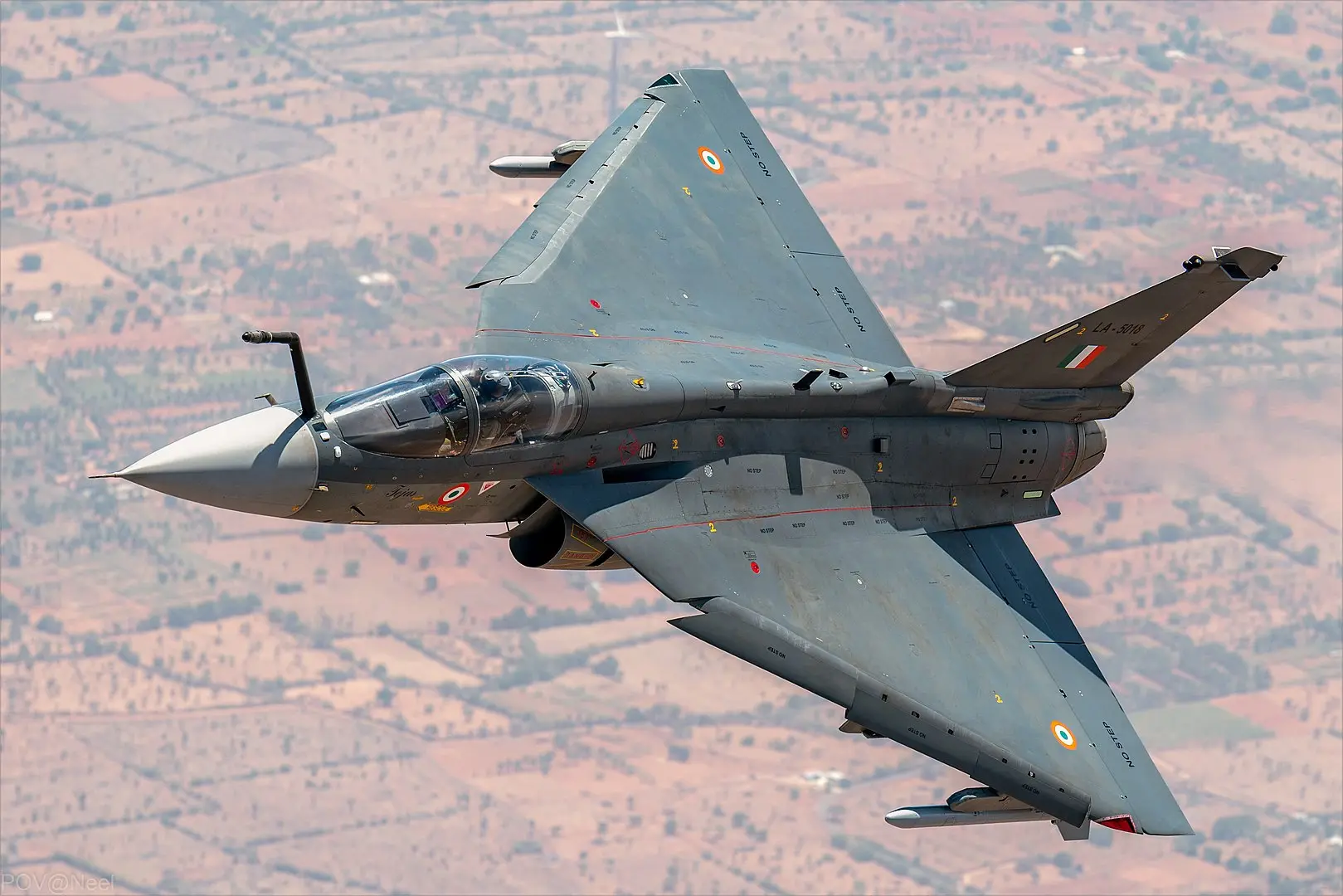
Tejas - Digital Fly by Wire Flight Control Computer
Tejas fighter jet has a computer that acts smart. It controls almost every movement. This computer is called the DFCC (Digital Fly by Wire Flight Control Computer). It reads commands from the pilot's stick and rudder. Then it sends signals to move the wings, tail, and control surfaces. Without this computer, the Tejas would be very hard to fly. The aircraft is designed to be unstable on purpose. This makes it turn faster. But the computer must work constantly to keep it stable. The DFCC does this job without the pilot thinking about it.
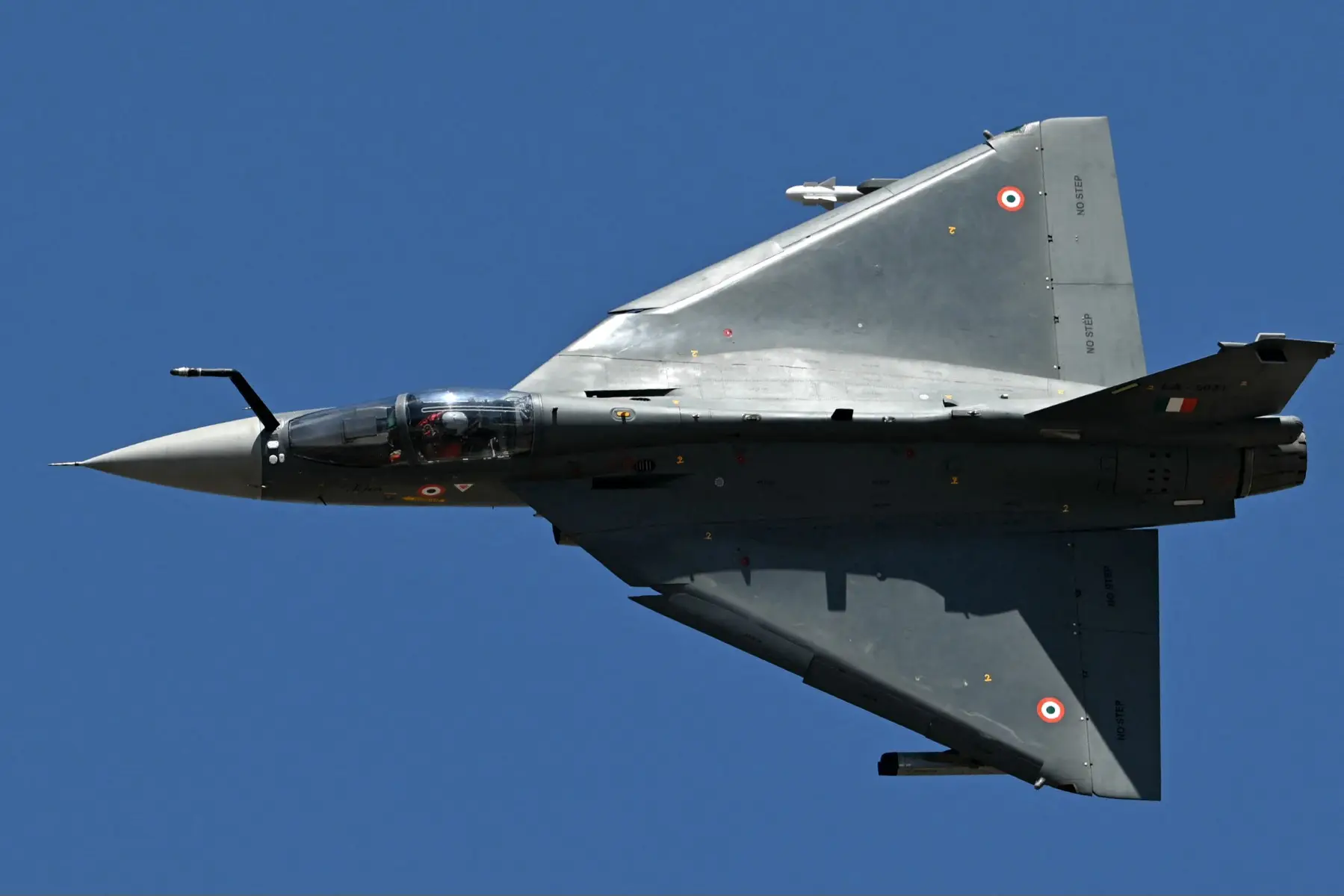
Quadruplex System: Four Computers For Maximum Safety
The Tejas uses four independent computers working together. Each computer processes pilot commands separately. If one fails, the others take over immediately. According to defence data, each computer has less than one failure in a billion flight hours. This is extremely reliable. The four channels compare results constantly. If one gives different results, the system detects it and isolates that channel. The other three keep flying the aircraft normally. This safety feature means no single failure can crash the plane. This is why Tejas pilots trust this system in combat.
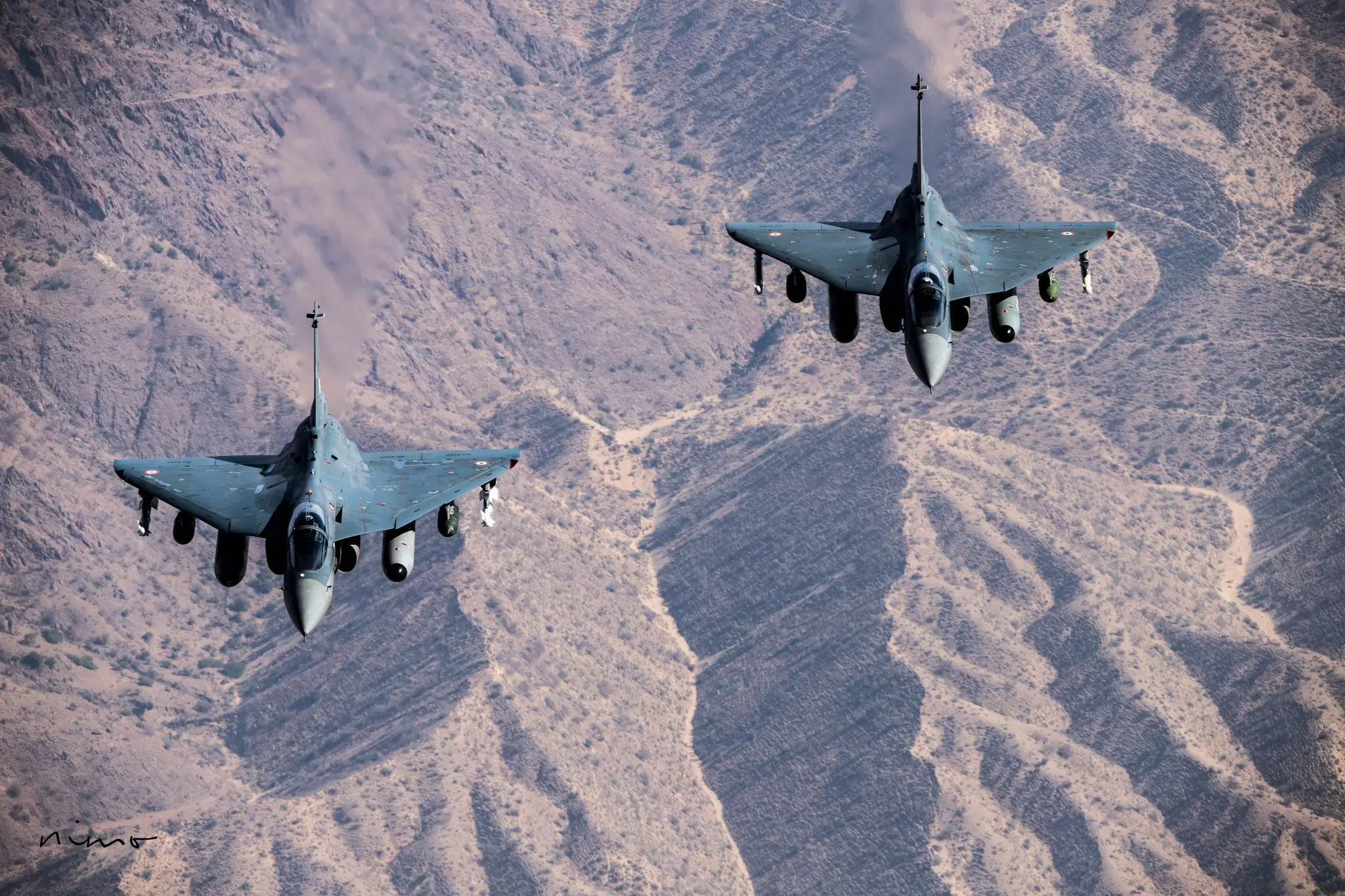
How Pilot Stick Movement Becomes Control Surface Movement
When the pilot moves the stick, all four computers receive the signal immediately. The computer processes the pilot's input using special mathematical rules. These rules were perfected through thousands of flight tests. The computer calculates what the aircraft needs to do to follow the pilot safely. Then it sends electrical signals to motors called actuators. These motors move the control surfaces: the elevons, slats, and rudder. All of this happens 40 times every second. This means the aircraft is constantly being adjusted to respond to the pilot. The pilot feels the aircraft moving exactly as expected.
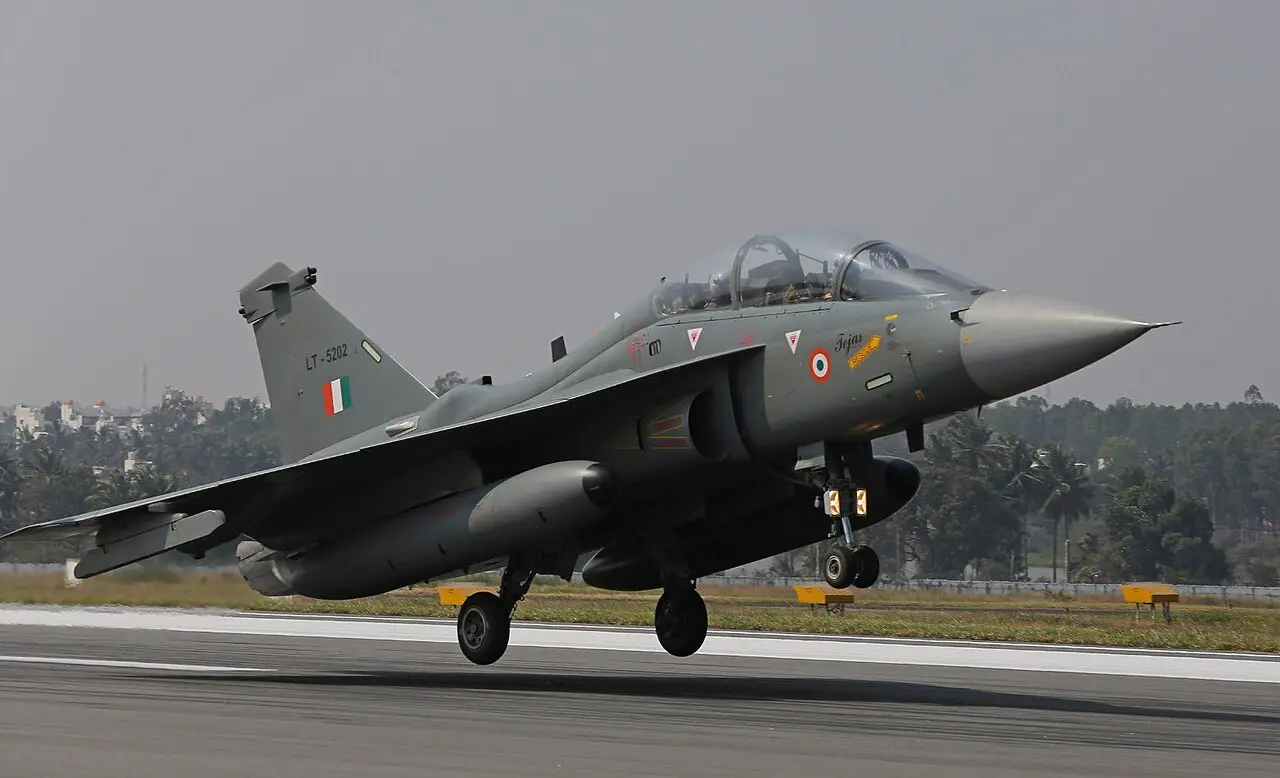
Indigenous Processor
In February 2024, India tested a completely new flight control computer called DFCC Mk1A. Indian engineers at ADE Bengaluru built it entirely in India. The new computer uses a Power PC processor that is much more powerful than older versions. It can do much more complex calculations. The software inside meets the highest safety standards used by airlines worldwide. The first flight with this Indian-made computer happened on 19 February 2024. This was a historic moment for India's defence technology. It shows India can now build advanced aircraft systems without importing them from other countries.
Envelope Protection Keeps Pilots Safe
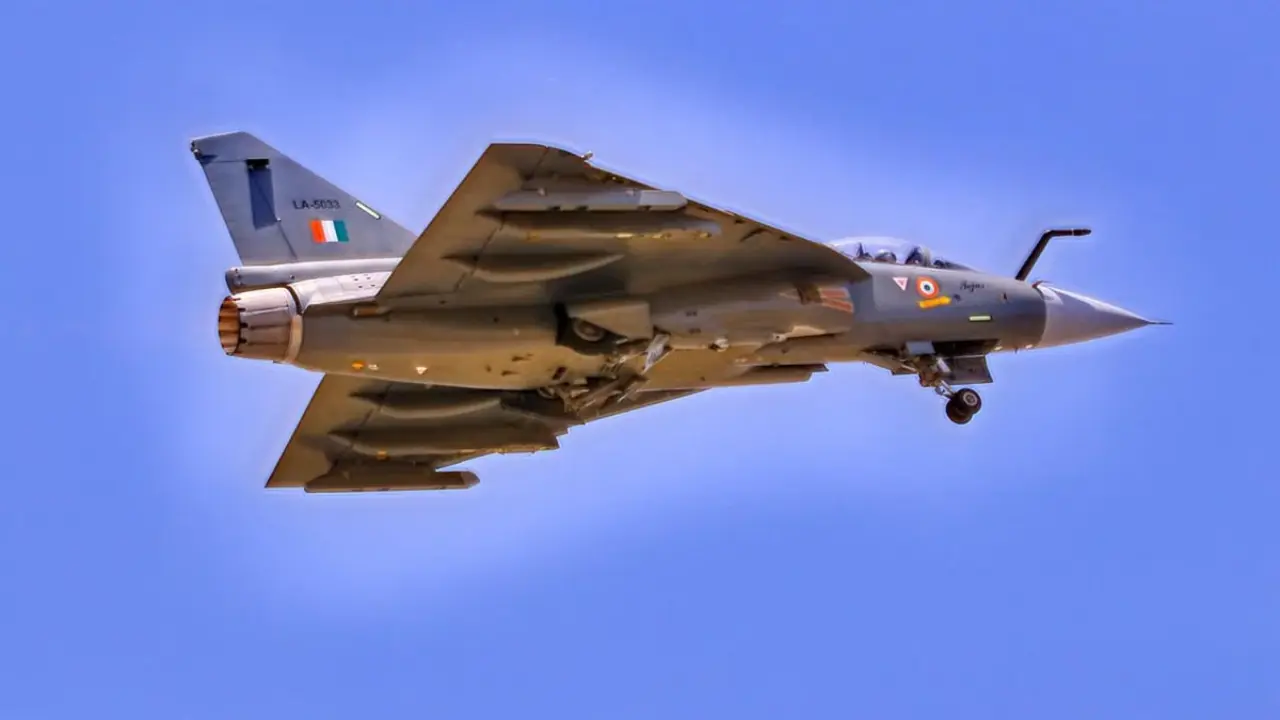
One important feature is called envelope protection. Think of it as an invisible safety box. The pilot cannot fly outside this box, even if they try hard. The computer prevents it automatically. The box is defined by what the aircraft can safely do. It includes maximum speed, maximum turn angle, and maximum g-forces. The Tejas can turn 8 g in one direction and 3.5 g the other way. If the aircraft slows too much during a turn and risks stalling, the computer automatically fixes it. It pushes the nose down slightly and builds speed. This prevents spinning or crashing.
Emergency Feature: Automatic Recovery
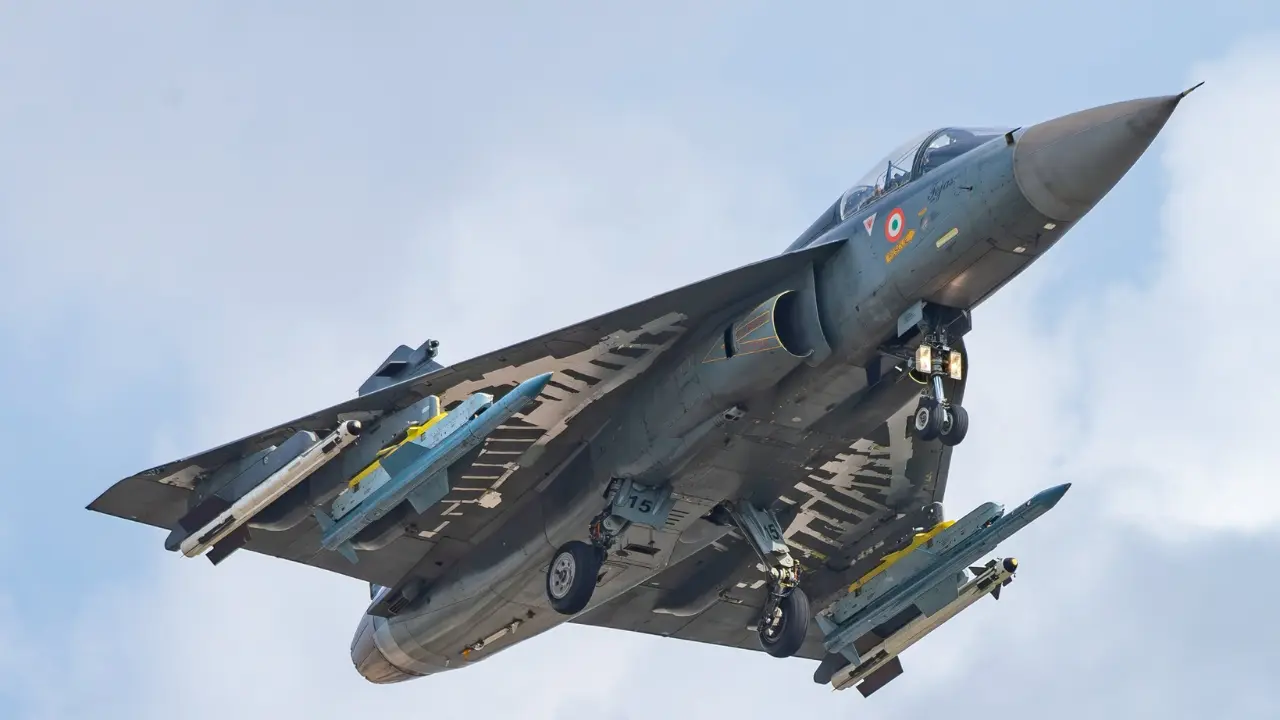
Fighter pilots sometimes lose sense of direction during complex manoeuvres or in clouds. This is called spatial disorientation. It has caused accidents in the past. The Tejas has a feature to handle this emergency. If the pilot activates it, the computer takes control. It brings the nose to a safe angle, reduces speed, and levels the wings. The aircraft then flies straight and level. The pilot regains awareness and takes back control when ready. This feature has saved pilot lives in other modern fighters. The Tejas has this lifesaving technology as well.
Future Technology
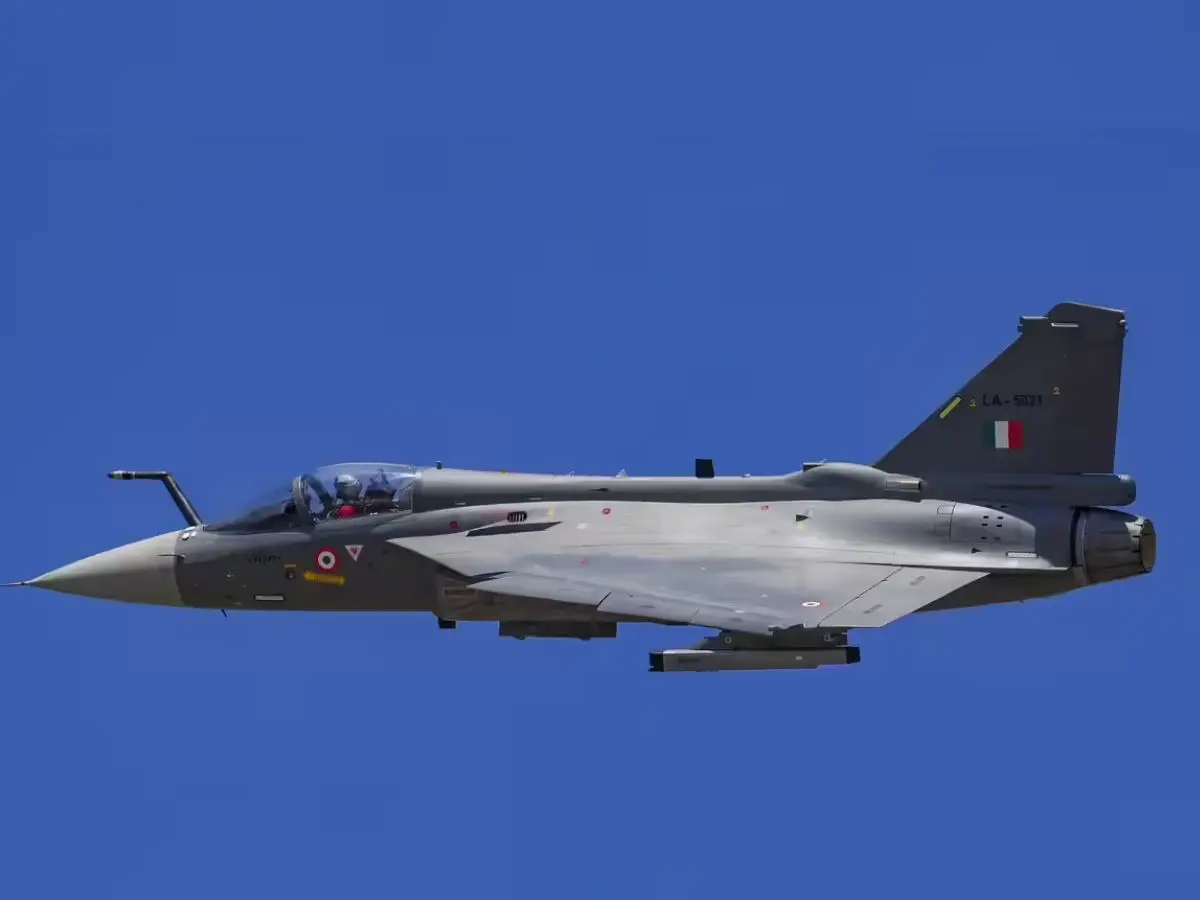
The 2024 success of the DFCC Mk1A marks the start of something new for India. Future Tejas fighters will have even more powerful computers. Engineers are working on new modes for different mission types. These include special settings for carrier landings, high altitude flying, and electronic warfare. The Tejas Mk2 will have an upgraded DFCC with better performance. Eventually all Tejas aircraft will have this Indian technology. This means India controls the technology and can improve it quickly. It also reduces dependence on imported defence systems. India is now among the world's most advanced defence nations.
)
)
)
)
)