How Tejas Mk2’s auxiliary computer could make it India’s smartest fighter jet yet

This advancement ensures that India’s next-generation indigenous fighter will not only be more capable in combat but also far more resilient in the face of system failures.
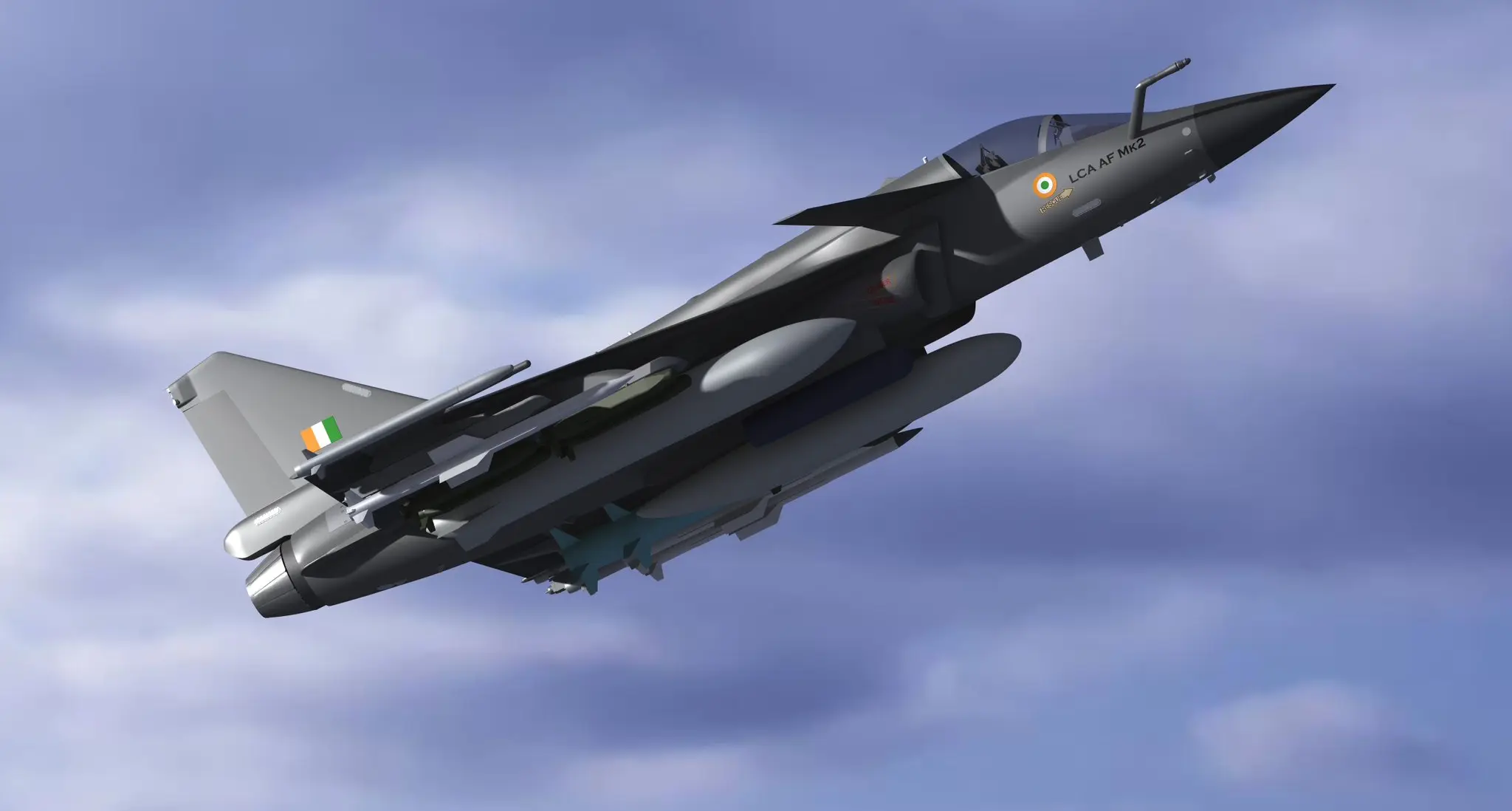
A new era for Indian fighter aviation
The Tejas Mk2 marks a decisive step in India’s pursuit of self-reliance in military aviation. With the addition of an auxiliary mission computer alongside the digital flight-control and mission-management computers, the aircraft introduces an unprecedented level of redundancy and reliability. This advancement ensures that India’s next-generation indigenous fighter will not only be more capable in combat but also far more resilient in the face of system failures.
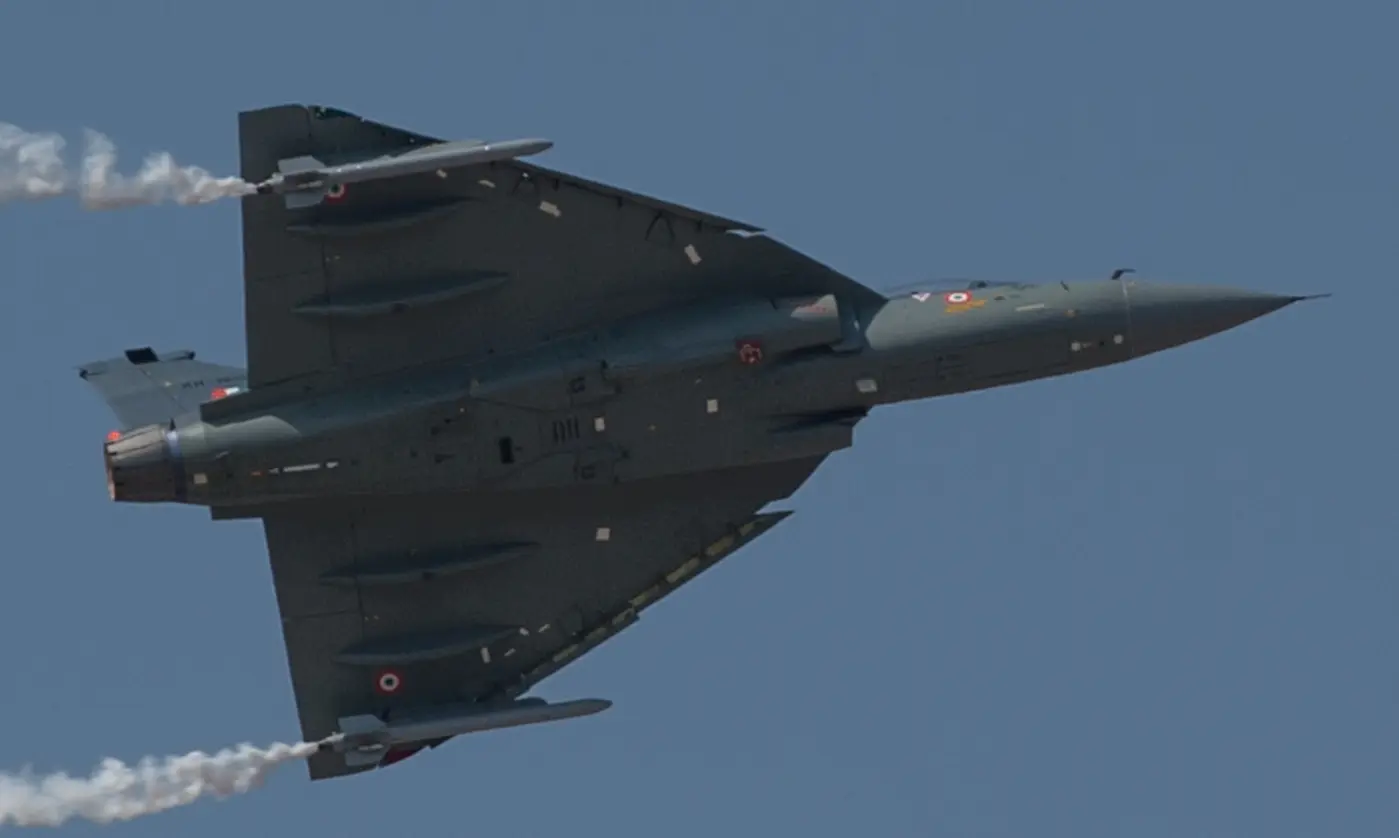
Architecture and the role of the auxiliary computer
At the heart of the Mk2’s upgrade is the auxiliary computer, a dedicated system that enhances both flight safety and mission continuity. Working in tandem with the Digital Flight Control Computer (DFCC) and the Mission Management and Display Computer (MMDC), the auxiliary computer is designed to assume control automatically if either of the primary systems encounters a malfunction. This triple-layered computer architecture is a major technological leap for Indian aircraft design, ensuring uninterrupted operation even under combat stress.
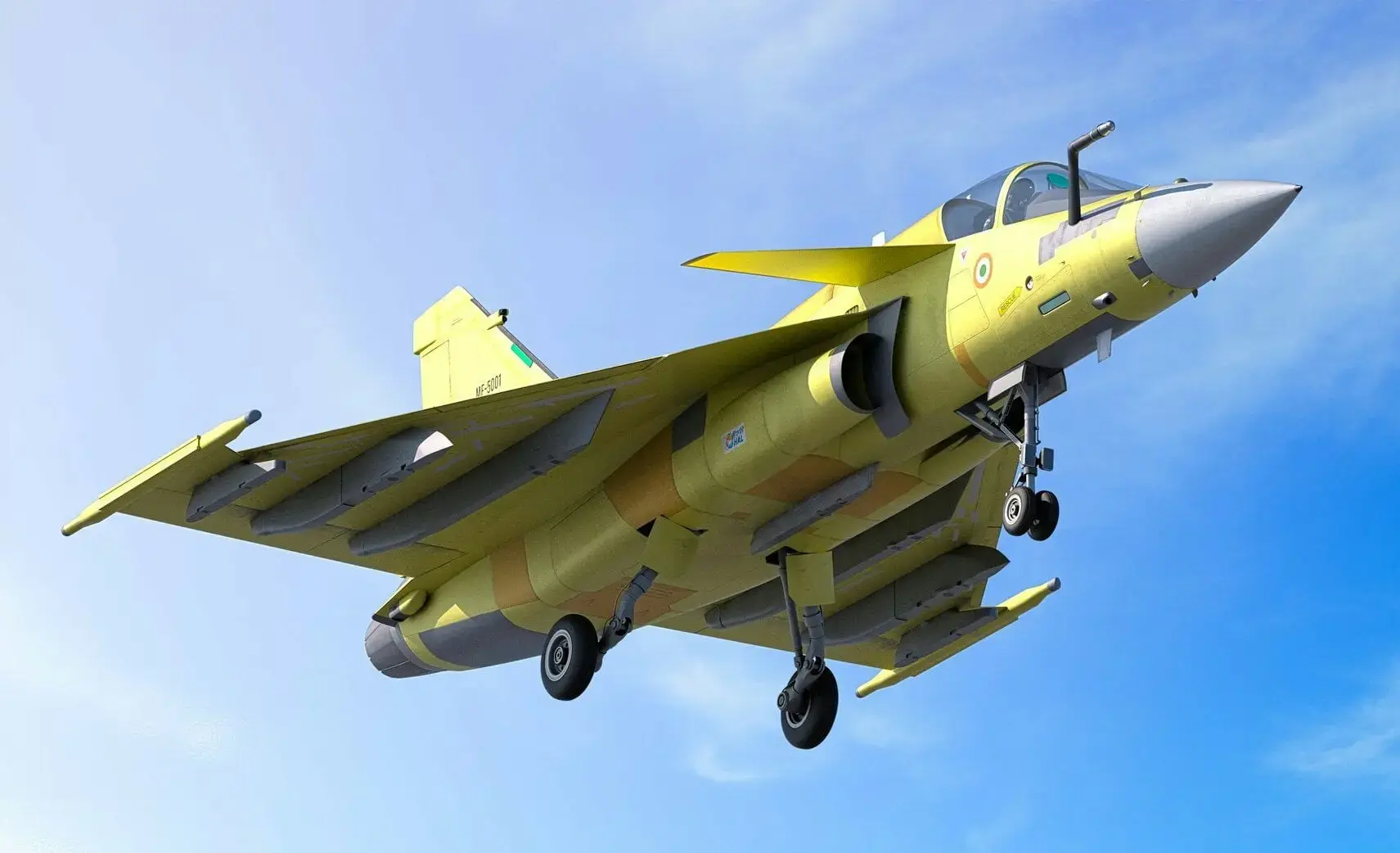
Sensor fusion and advanced mission systems
The auxiliary computer plays a critical role in integrating data from multiple onboard sensors, including radar, electronic-warfare systems, and infrared tracking, into a single coherent picture for the pilot. This sensor fusion allows faster decision-making, greater situational awareness, and reduced workload in high-pressure scenarios. By blending information from diverse sources in real time, the system provides a clear tactical advantage and improves mission success rates.
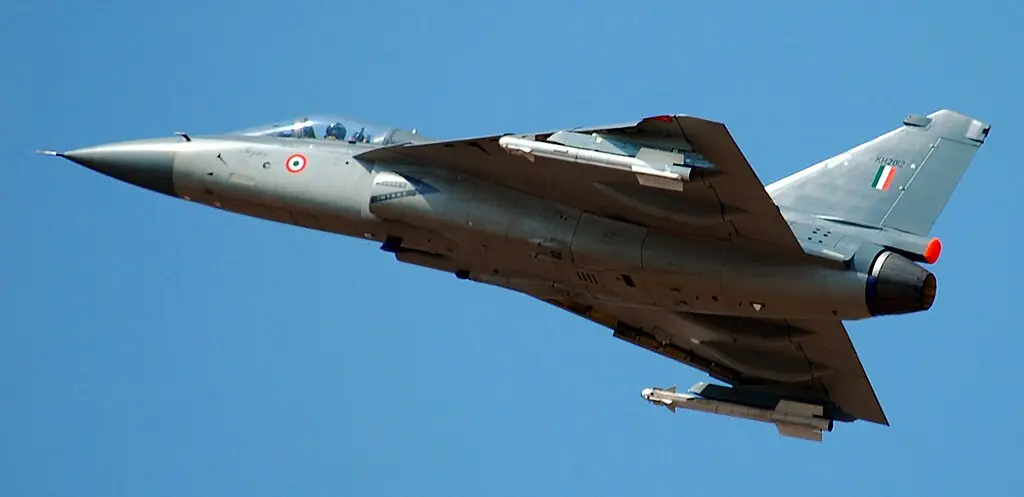
Strengthening indigenous technology
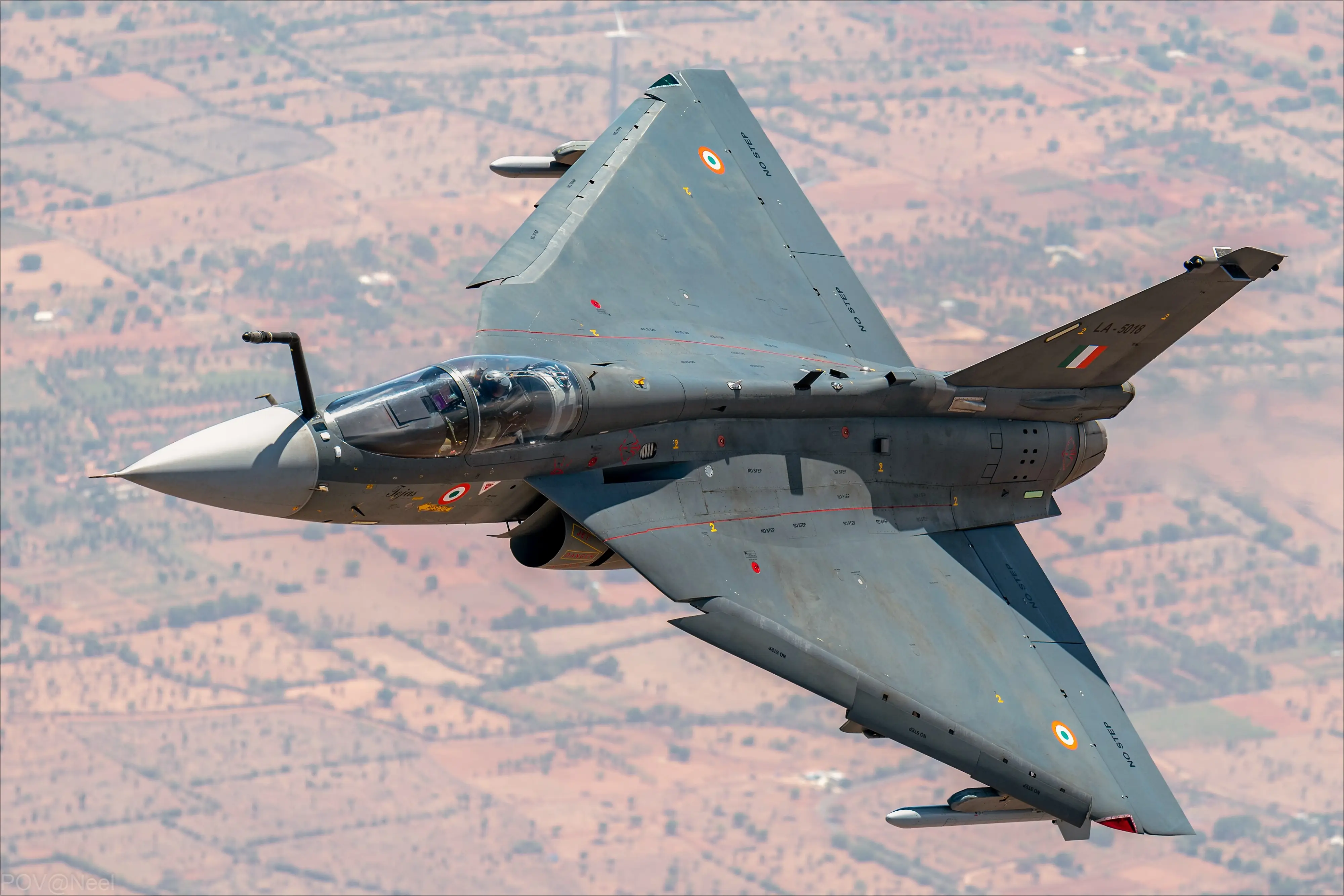
The Tejas Mk2 represents a significant increase in indigenous content, incorporating Indian-designed radar, avionics, and electronic-warfare systems. The integration of the Uttam Active Electronically Scanned Array (AESA) radar, digital fly-by-wire controls, and modular architecture demonstrates India’s growing confidence in developing critical defence technologies domestically. This also aligns with the national drive to reduce dependence on foreign suppliers and bolster homegrown defence manufacturing.
Performance and design evolution
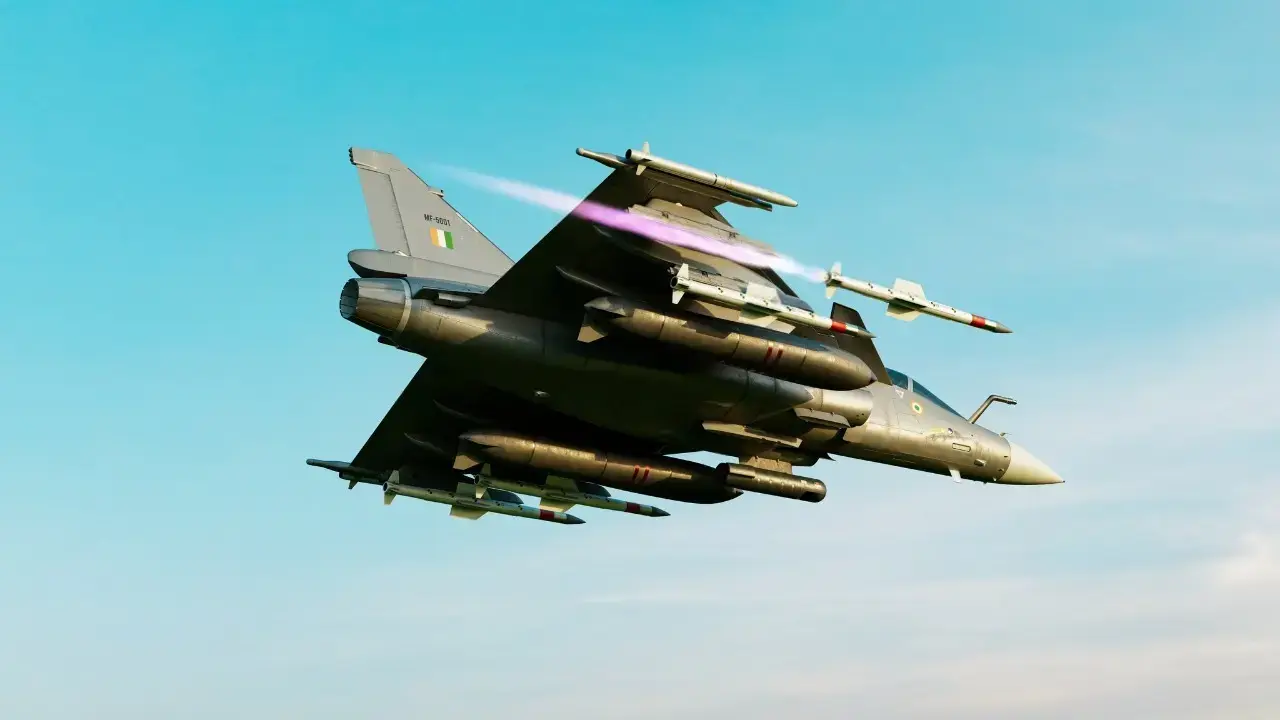
Larger and more capable than its predecessor, the Mk2 has a maximum take-off weight of about 17.5 tonnes and can carry nearly 6.5 tonnes of weapons and fuel. Its new canard-delta configuration and powerful GE F414 engine provide superior agility, greater range, and increased payload capacity. These features position the Mk2 as a true medium-weight multirole fighter, bridging the gap between light combat aircraft and heavy frontline fighters.
Strategic significance for the Indian Air Force
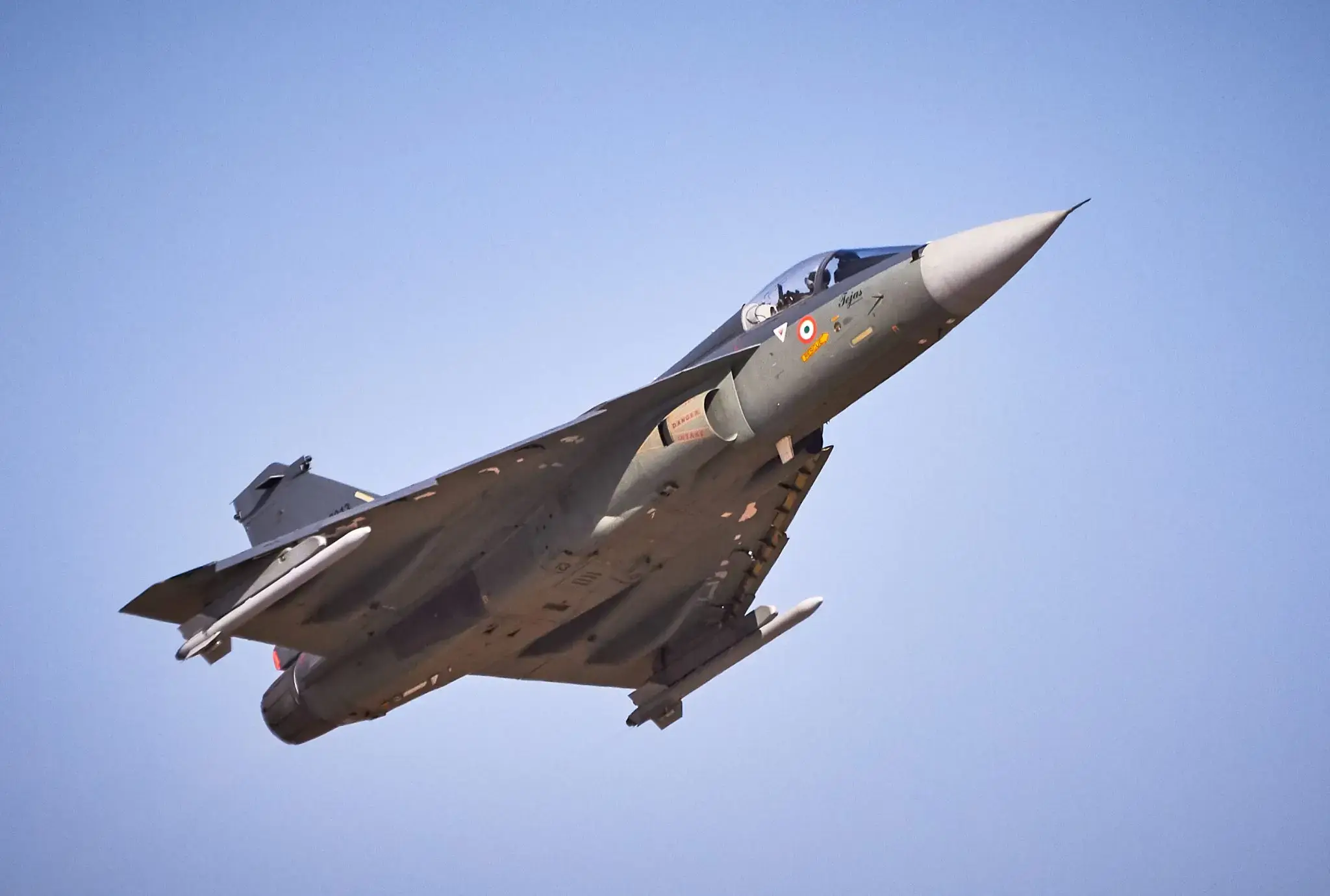
The Tejas Mk2 is expected to replace ageing fleets of Mirage 2000, Jaguar, and MiG-29 aircraft within the Indian Air Force. Its enhanced avionics, mission flexibility, and redundant control systems make it a strong candidate for sustained frontline service. For India, the Mk2 is not just another aircraft; it symbolises autonomy in combat aviation and the ability to develop technology tailored to national defence needs.
The road ahead
While the Tejas Mk2’s design and systems show great promise, several challenges remain. These include completing flight testing, finalising production lines, and ensuring timely delivery to the Air Force. With its first flight expected soon and production targeted later in the decade, the Mk2 will play a defining role in shaping India’s future airpower.
)
)
)
)
)