How Russia’s Su-57 fighter jet uses heat control to survive missile-rich battlefields

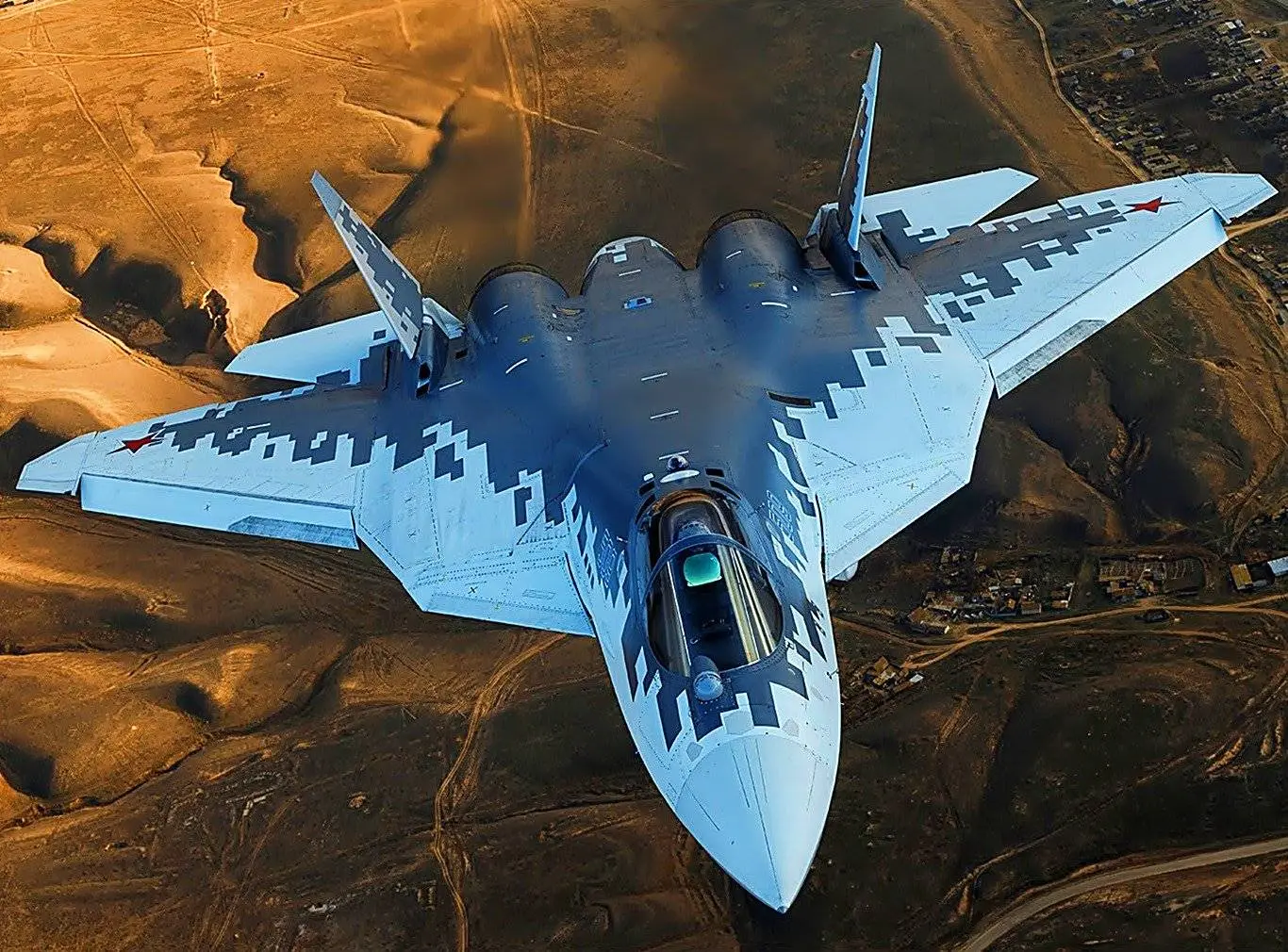
Russia's Su-57 fighter uses advanced heat control technology to avoid heat-seeking missiles. The jet has special flat engine nozzles that cool exhaust gases before they leave the engines. It uses thermal management systems that reduce engine temperature during combat.
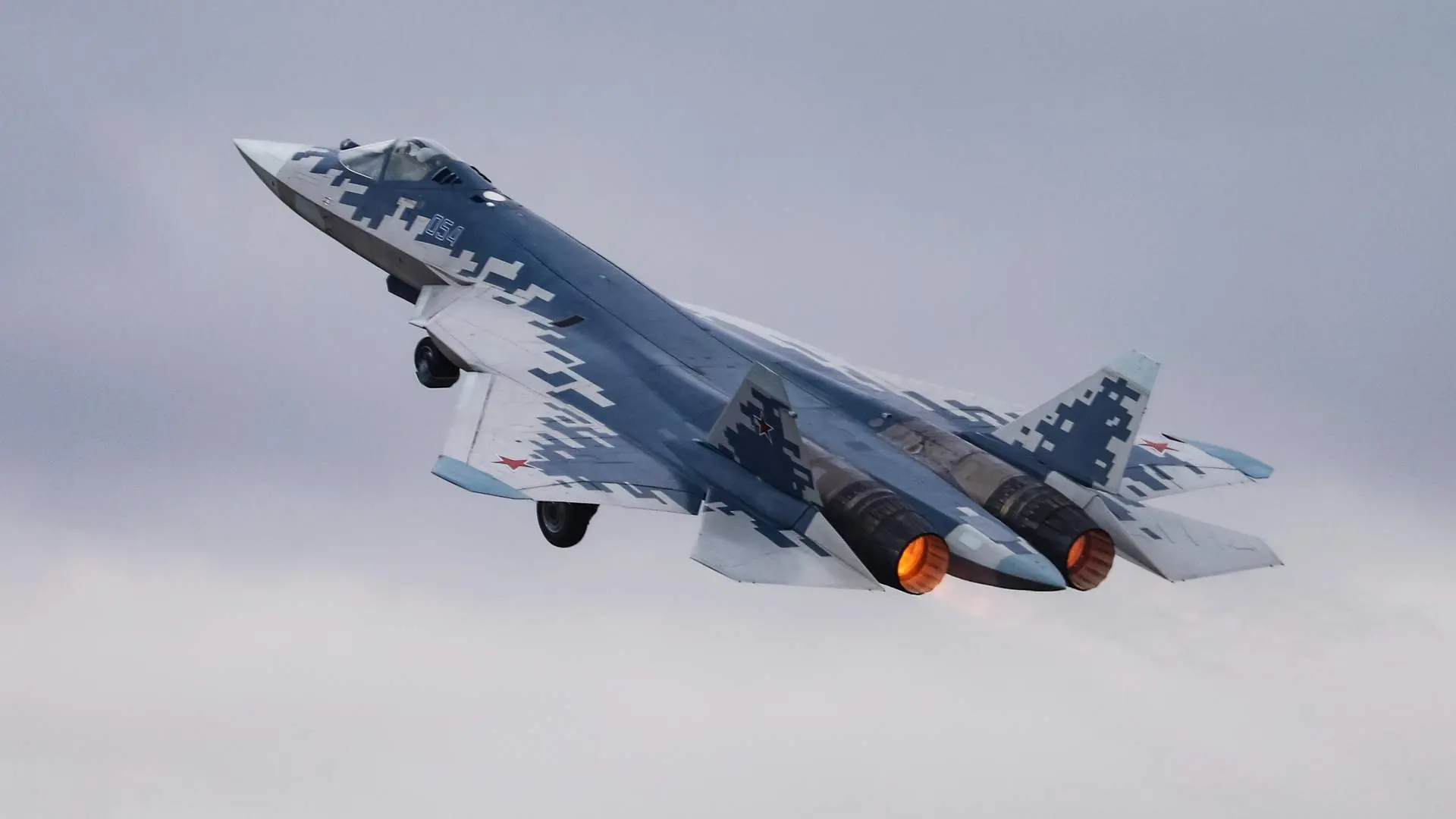
Jet Engine Heat - The Biggest Target for Modern Missiles
Jet engines produce temperatures above one thousand degrees Celsius. Heat-seeking missiles lock onto this intense exhaust from kilometres away. The Su-57 faces constant thermal threats. Russian engineers designed special systems to reduce engine heat signatures. This thermal management is now a core survival feature for the aircraft.
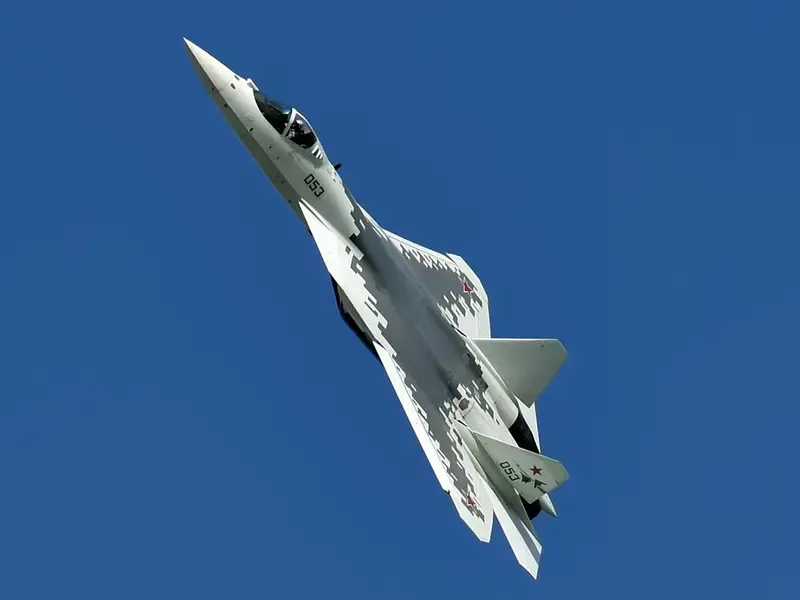
Two-Dimensional Nozzles Spread Heat Across Wider Areas
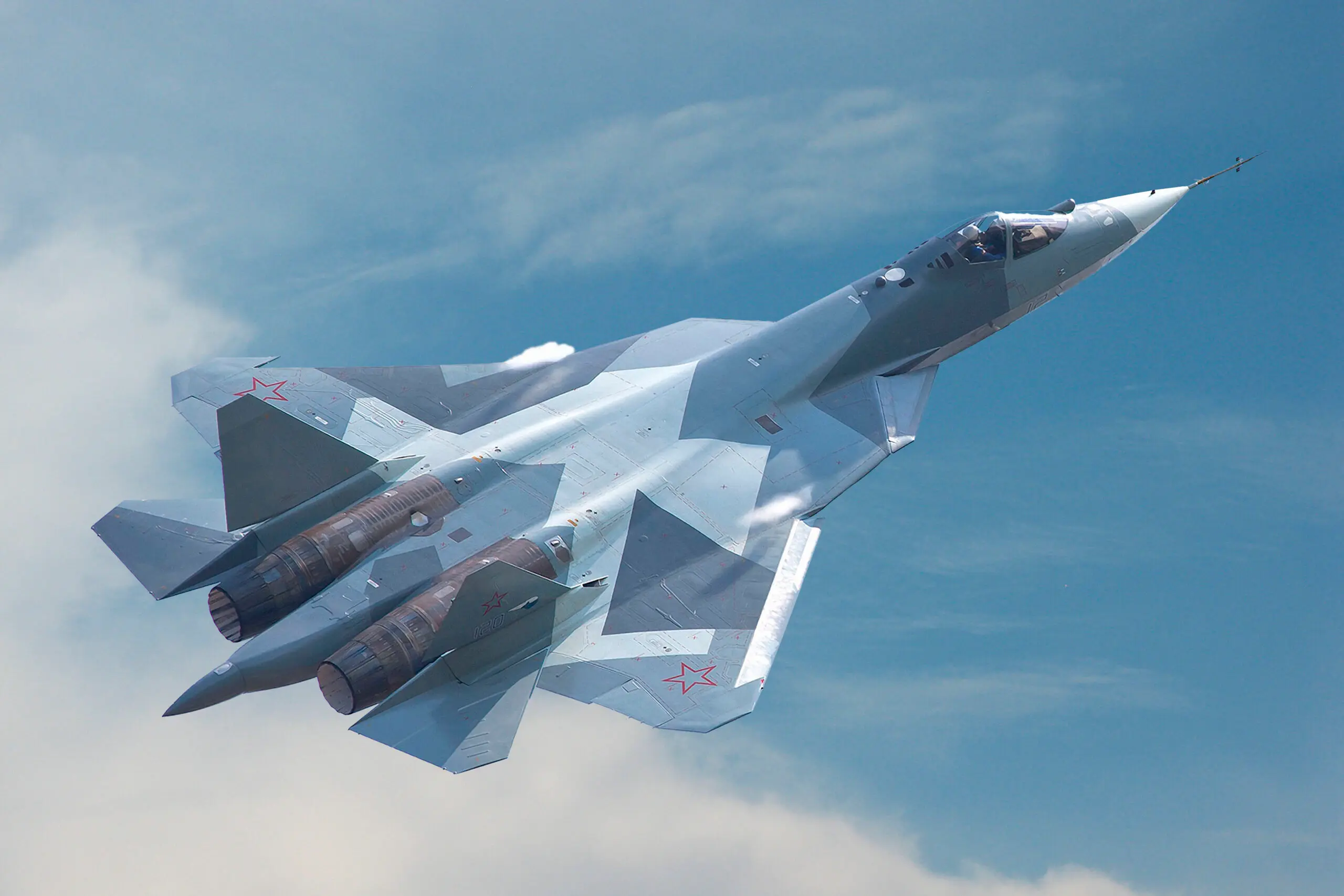
Russia showed upgraded Su-57E fighters at Dubai Airshow November 2025. The new flat nozzles replace traditional round designs. When exhaust spreads over larger areas, thermal sensors detect weaker signatures. Russian defence engineers confirmed this flat design reduces infrared visibility considerably compared to older nozzles.
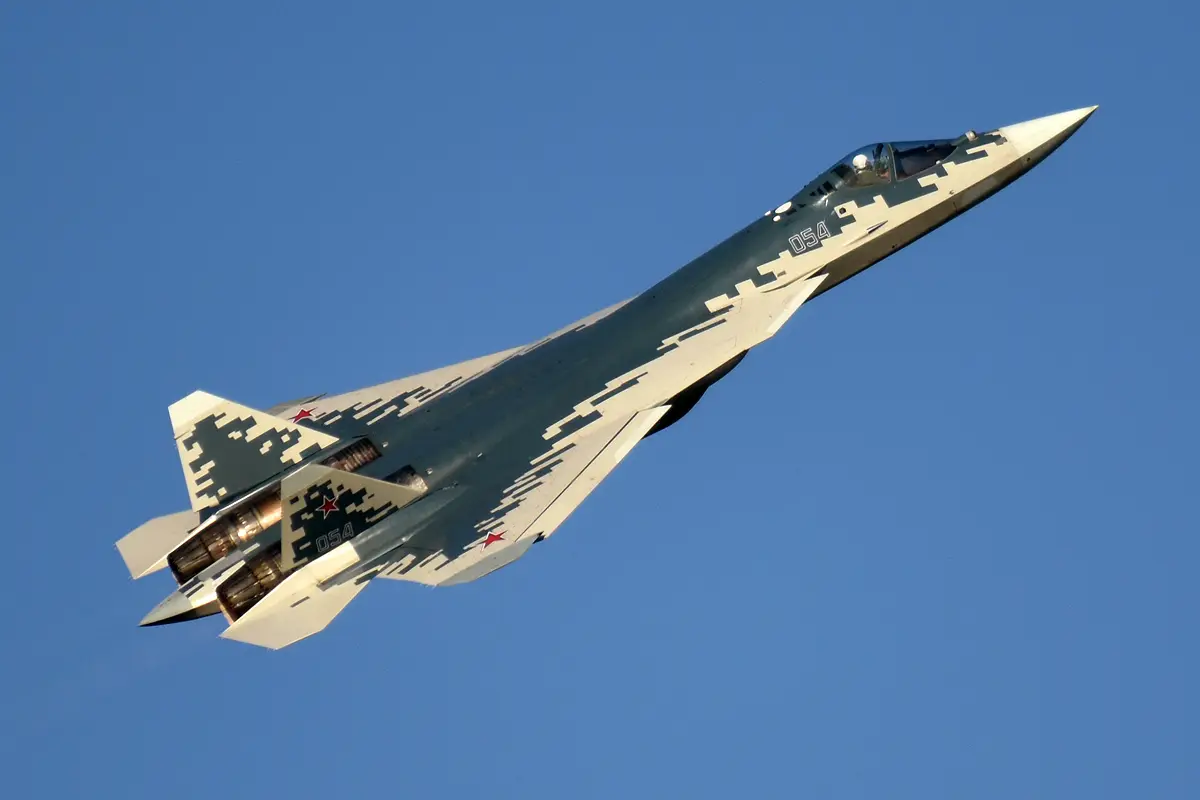
Three-Axis Nozzle Movement Reduces Heat and Improves Manoeuvrability
The new flat nozzles feature three-axis thrust vectoring. Four flaps adjust exhaust outlet and thrust direction independently. Pilots can direct hot exhaust downward or sideways. This directional control prevents thermal sensors from detecting the strongest heat signature from multiple attack angles simultaneously.
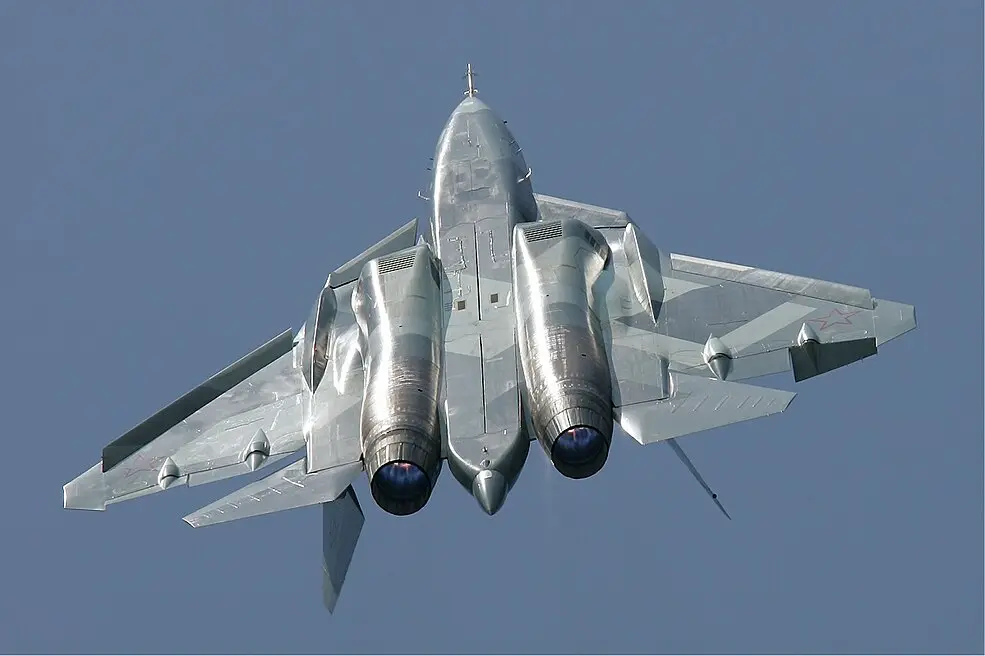
Bypass Air Mixing Reduces Engine Temperature by Hundreds of Degrees
Inside the Su-57 engine, cool bypass air mixes with hot exhaust. This mixing reduces average temperature by several hundred degrees Celsius. Pilots control the mixing ratio through engine management systems. More cold air means cooler exhaust and reduced thermal signature for improved survival.
Special Composite Materials Reduce Infrared Emissions by Forty Per cent
Russia tests advanced heat-shield assemblies at research institutes. Special composites around engine bays reduce infrared emissions by forty to fifty per cent. These materials absorb heat and prevent radiation outward. Combined with engine cooling, the overall heat signature reduces by over sixty per cent.
101KS-O Lasers Blind Incoming Missile Seeker Heads Automatically
The Su-57 carries the 101KS-O directed infrared countermeasure system. Infrared lasers detect and counter incoming missiles automatically. When missiles approach, lasers track the seeker head and flood it with infrared light. This blinds the seeker, preventing missile guidance toward the aircraft.
Seven Systems Working Together Give Su-57 Maximum Missile Survival Odds
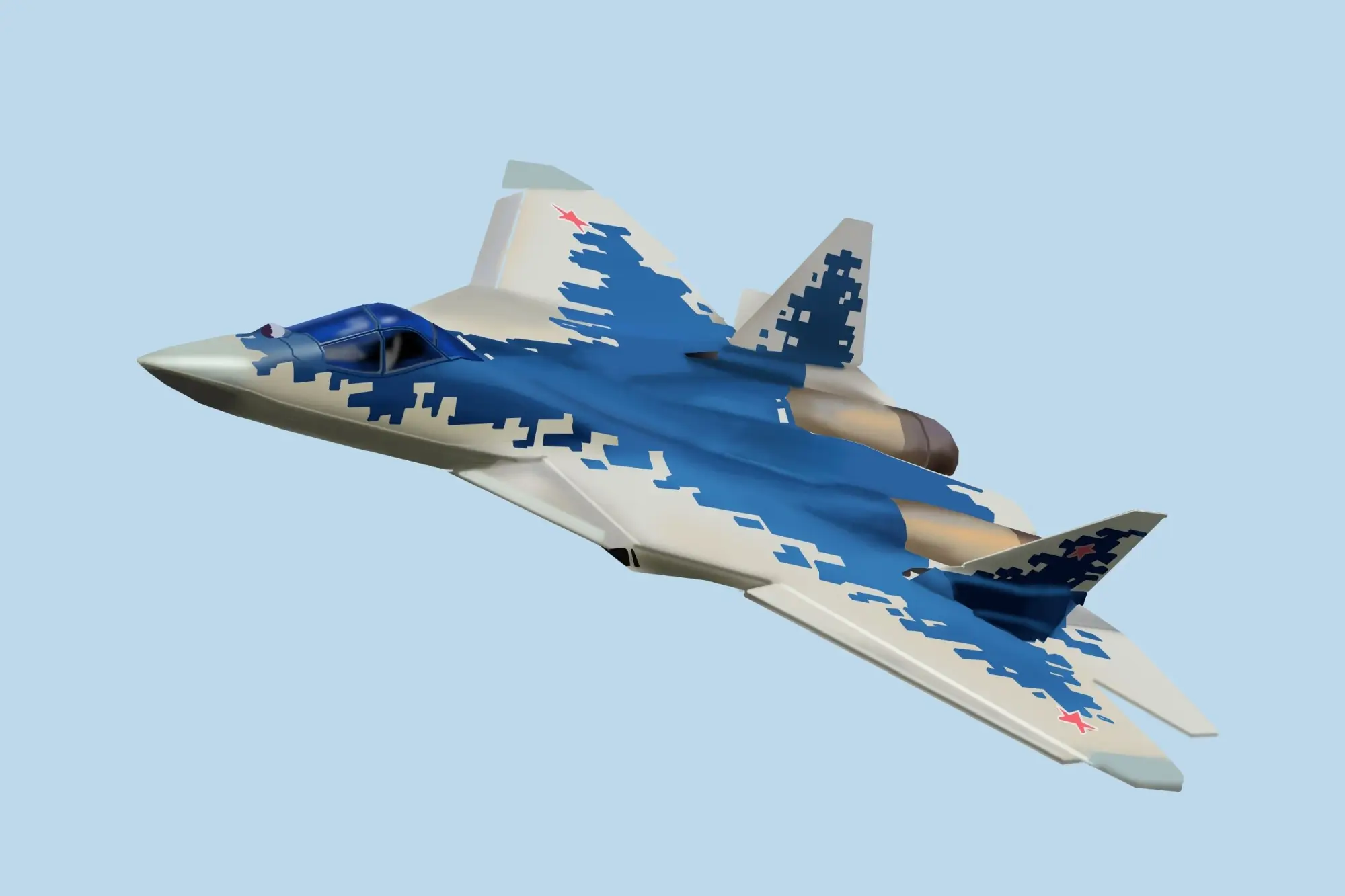
The Su-57 combines seven defence systems. Reduced engine heat makes detection harder. Thermal materials absorb additional heat. Warning systems alert pilots. Flare dispensers confuse seekers. Laser countermeasures defend actively. Electronic warfare jams guidance. Each system buys time and increases missile miss probability in contested environments.
)
)
)
)
)