How radar and sensors guide missiles launched from fighter jets

Fighter jet radar systems detect, track and guide missiles to targets beyond visual range. Phased array radars, sensor fusion and data links enable modern aircraft to engage multiple targets simultaneously in contested airspace.

Fire Control Radar Operation
Fire control radars emit electromagnetic pulses that bounce off aircraft targets and return to the radar receiver. The radar measures the time delay of returned signals to calculate target range, whilst phase differences provide azimuth and elevation angles. Modern radars switch between search mode scanning wide areas and track mode focusing on individual targets, continuously updating targeting data.
Phased Array Radar Technology
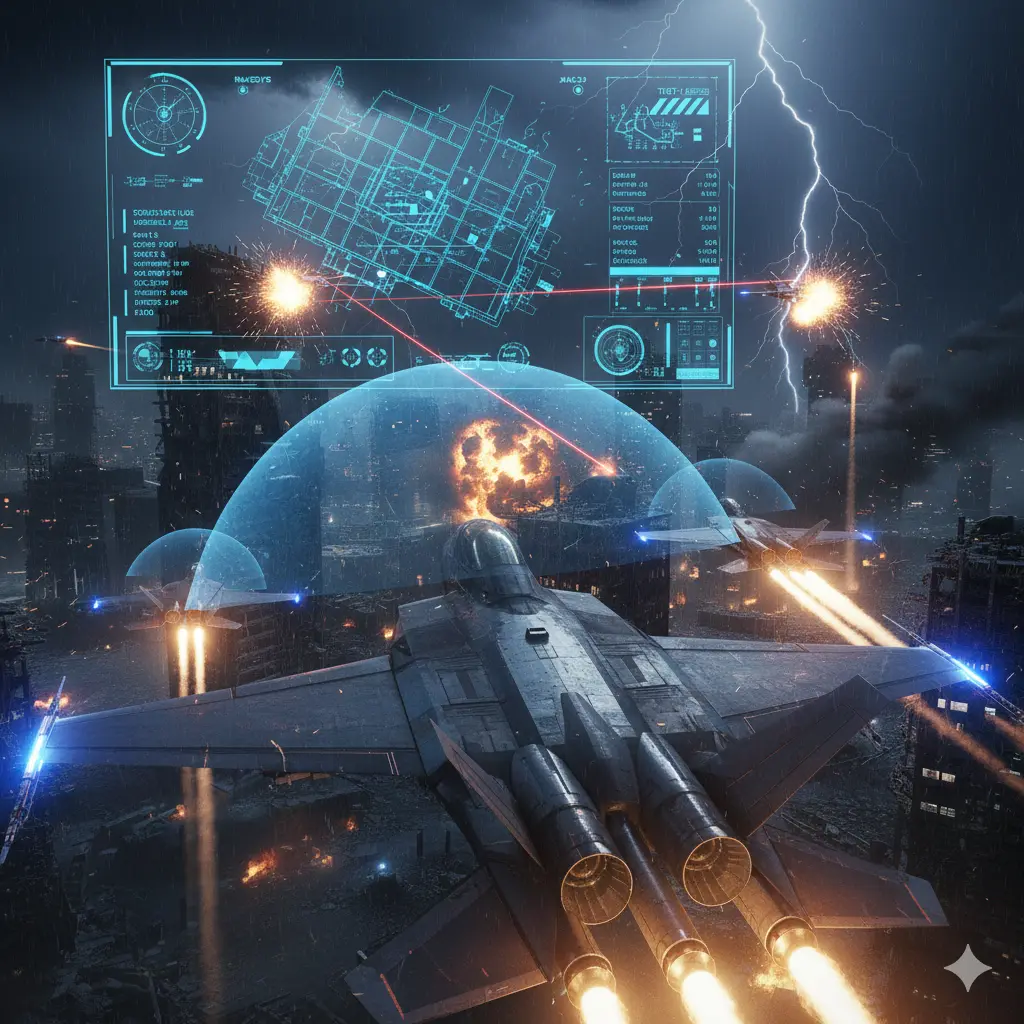
Phased array radars like the RBE2 AESA steer their radar beams electronically without moving the antenna physically. This agility allows the radar to rapidly switch between multiple targets, detect incoming threats, map terrain and guide missiles simultaneously. The technology provides unprecedented tactical flexibility for fighter pilots in contested airspace.

Target Acquisition and Locking
Pilots manoeuvre to position target "blips" on the radar display, then select and lock the radar onto a priority target. In lock mode, the radar focuses all its energy on that target, measuring precise range, closure rate and three-dimensional motion. This continuous tracking generates the targeting solution needed for missile launch authorisation.
Data Link Guidance for Missile Employment
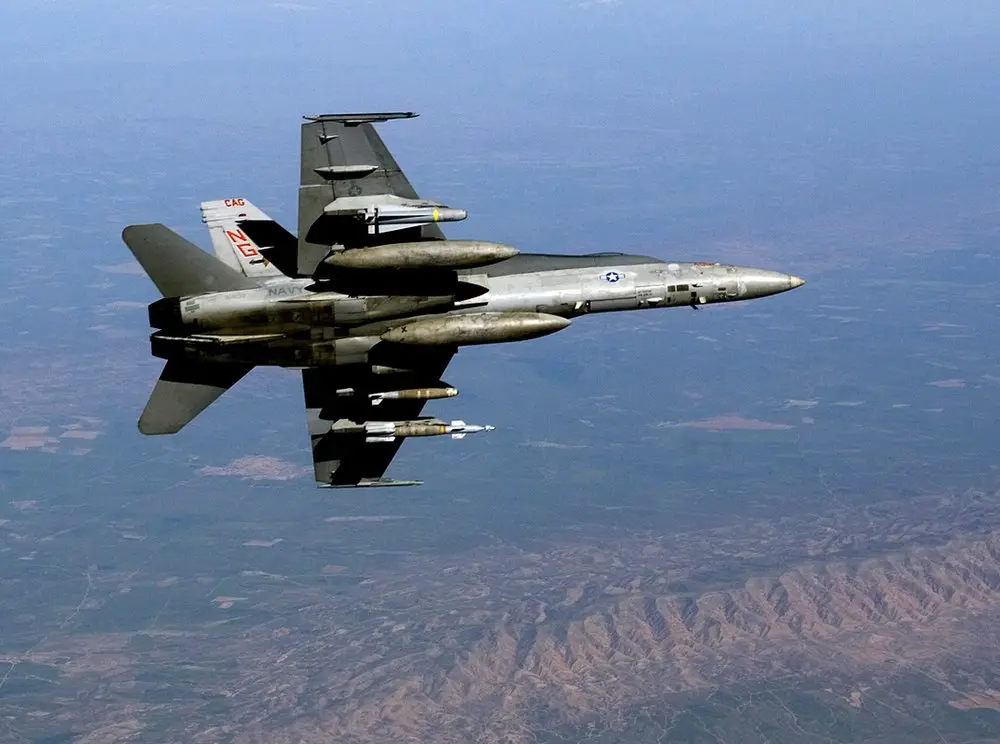
Semi-active radar missiles require continuous guidance from the launch aircraft's radar. The radar illuminates the target whilst the missile's seeker receives reflected radar energy. The aircraft maintains radar lock on target throughout missile flight, ensuring the weapon follows any target manoeuvres until impact or missile seeker activation.
Sensor Fusion Integration
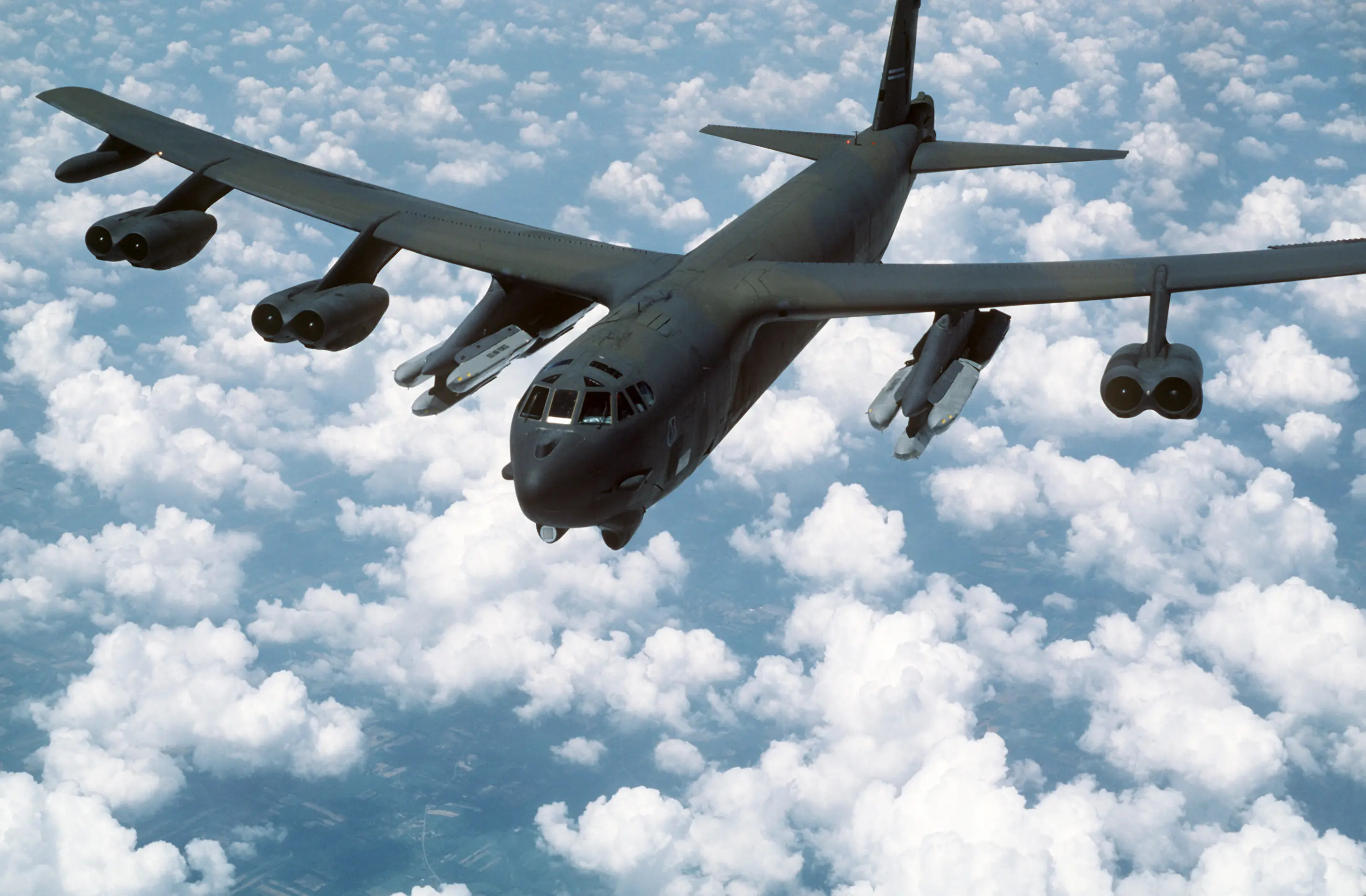
Modern fighters fuse data from multiple sensors - fire control radar, infrared search and track systems, electro-optical targeting pods and electronic warfare receivers - into single integrated displays. This multi-sensor approach provides pilots with comprehensive target information, improving detection range, tracking accuracy and missile employment effectiveness against manoeuvring targets.

Inertial Navigation and Missile Midcourse Guidance
Missiles use inertial measurement units to navigate from launch towards the target's predicted location. The launch aircraft's radar provides periodic updates via data link, correcting missile trajectory as the target manoeuvres. This guidance method allows missiles to engage targets at extreme ranges before the missile's own seeker can detect the target.
Active Radar Missile Autonomous Search
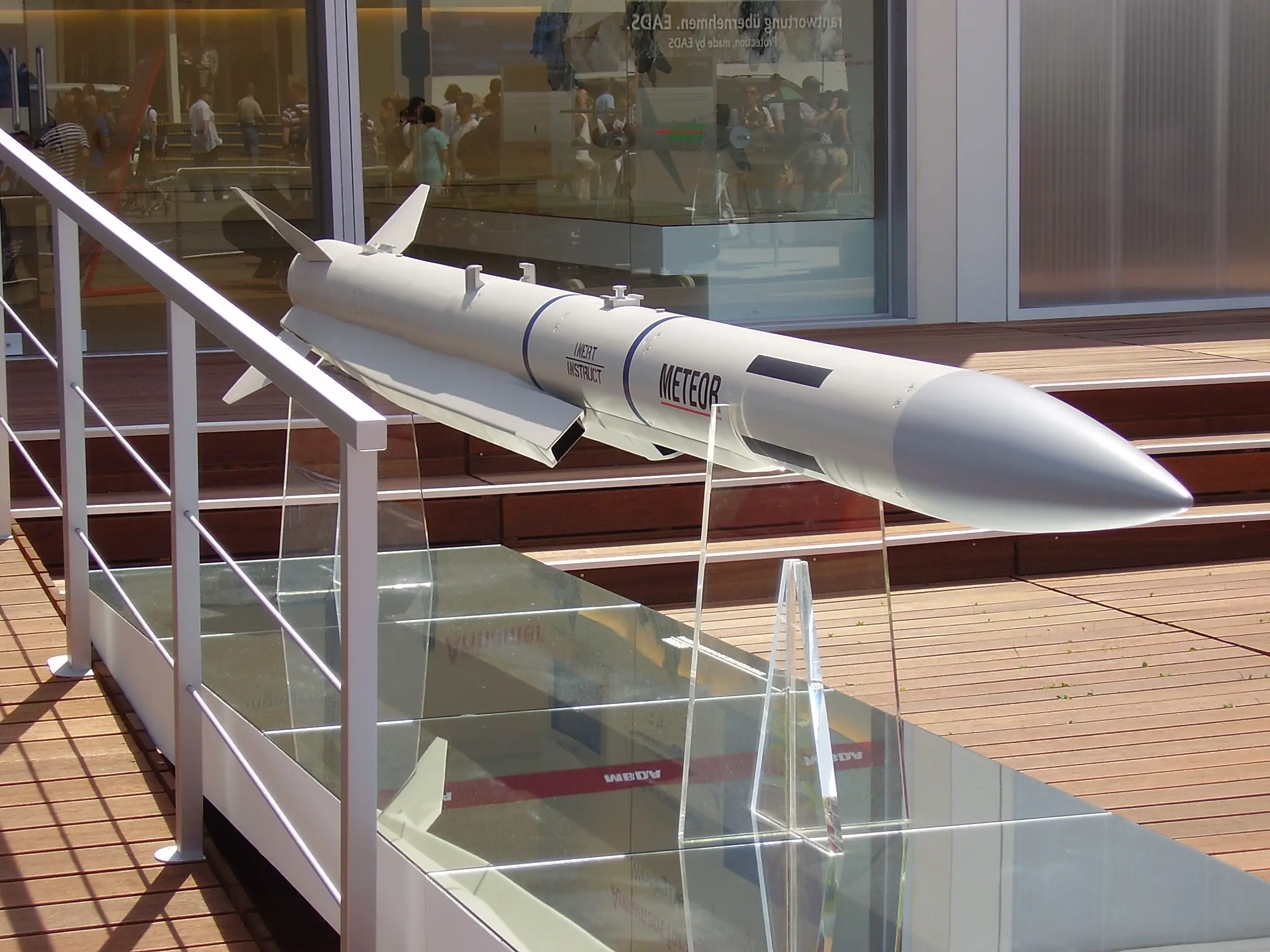
Active radar missiles like the AMRAAM carry onboard radar transmitters that activate in the terminal phase. Once launched, the missile's radar searches independently for the target. The aircraft's radar guidance updates the missile's flight path initially, but the missile transitions to autonomous operation as it approaches the target detection envelope.
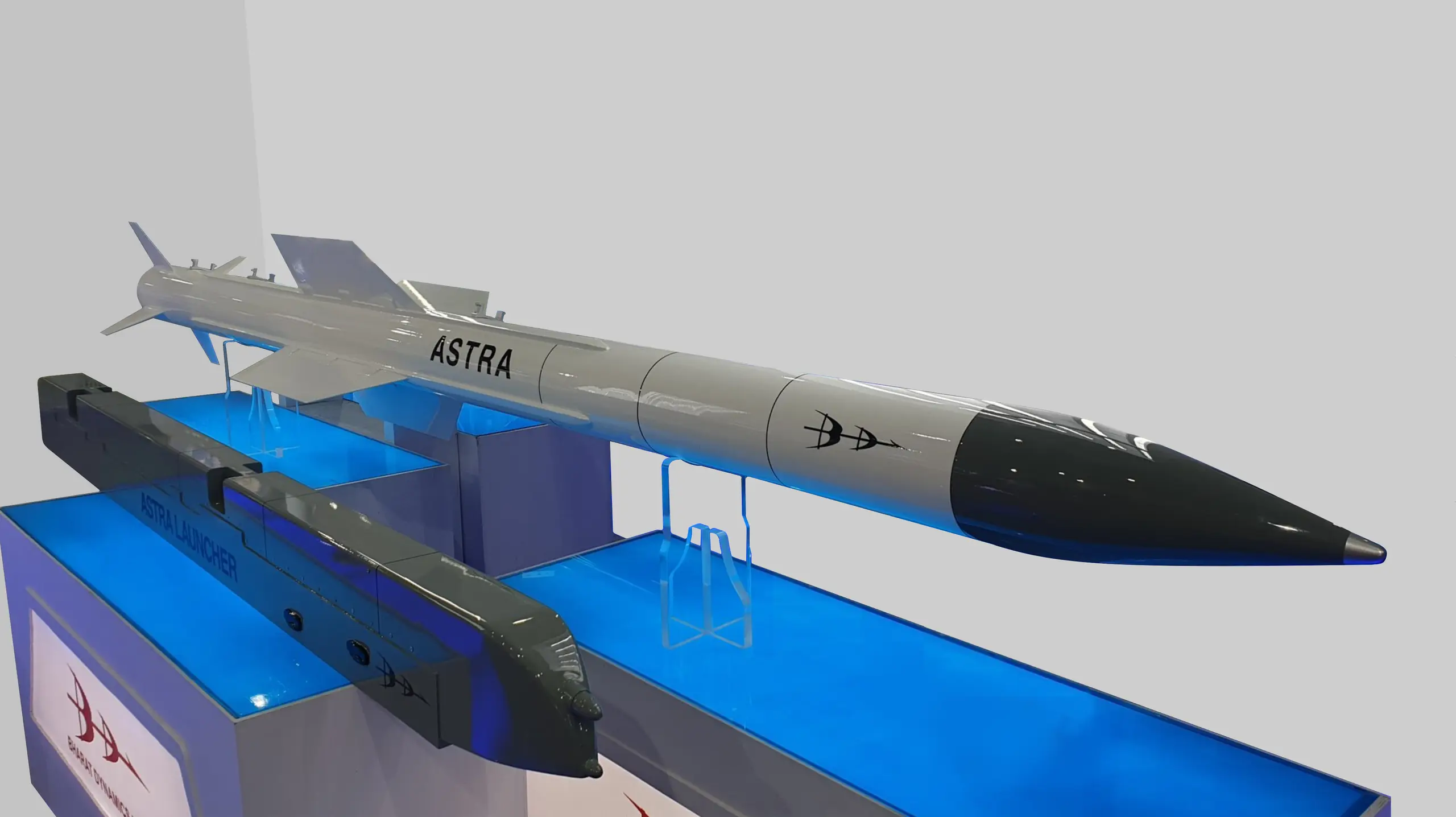
Radar Warning and Countermeasures
Enemy radar locking triggers alerts in aircraft radar warning systems, alerting pilots to launch threats. Pilots respond by deploying chaff, manoeuvring sharply, or jamming hostile radar. Some fighters employ defensive systems that automatically counter incoming missiles, whilst others rely on pilot-initiated electronic warfare tactics to break missile lock and evade incoming threats.
)
)
)
)
)