How quantum encryption could define the wars of the future

Quantum encryption could make secrets “uncrackable” and recap wars around secure networks, not brute force. In tomorrow’s wars, the best-protected code may be the ultimate superpower. The future of warfare may depend more on who controls quantum networks than on missiles or tanks.
What Is Quantum Encryption?
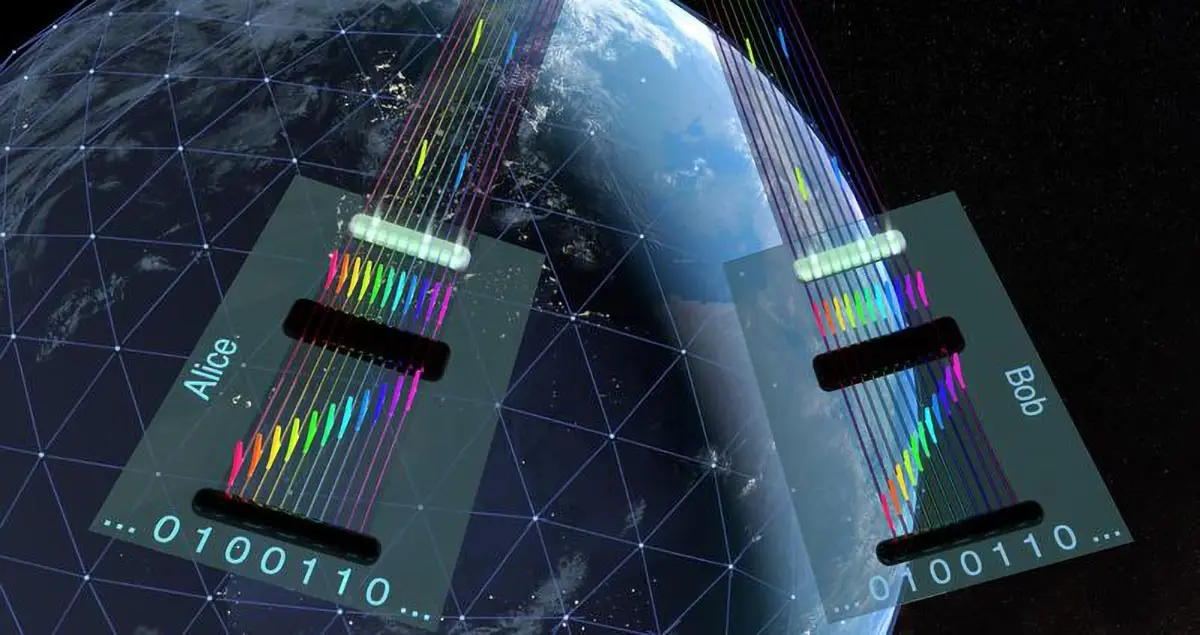
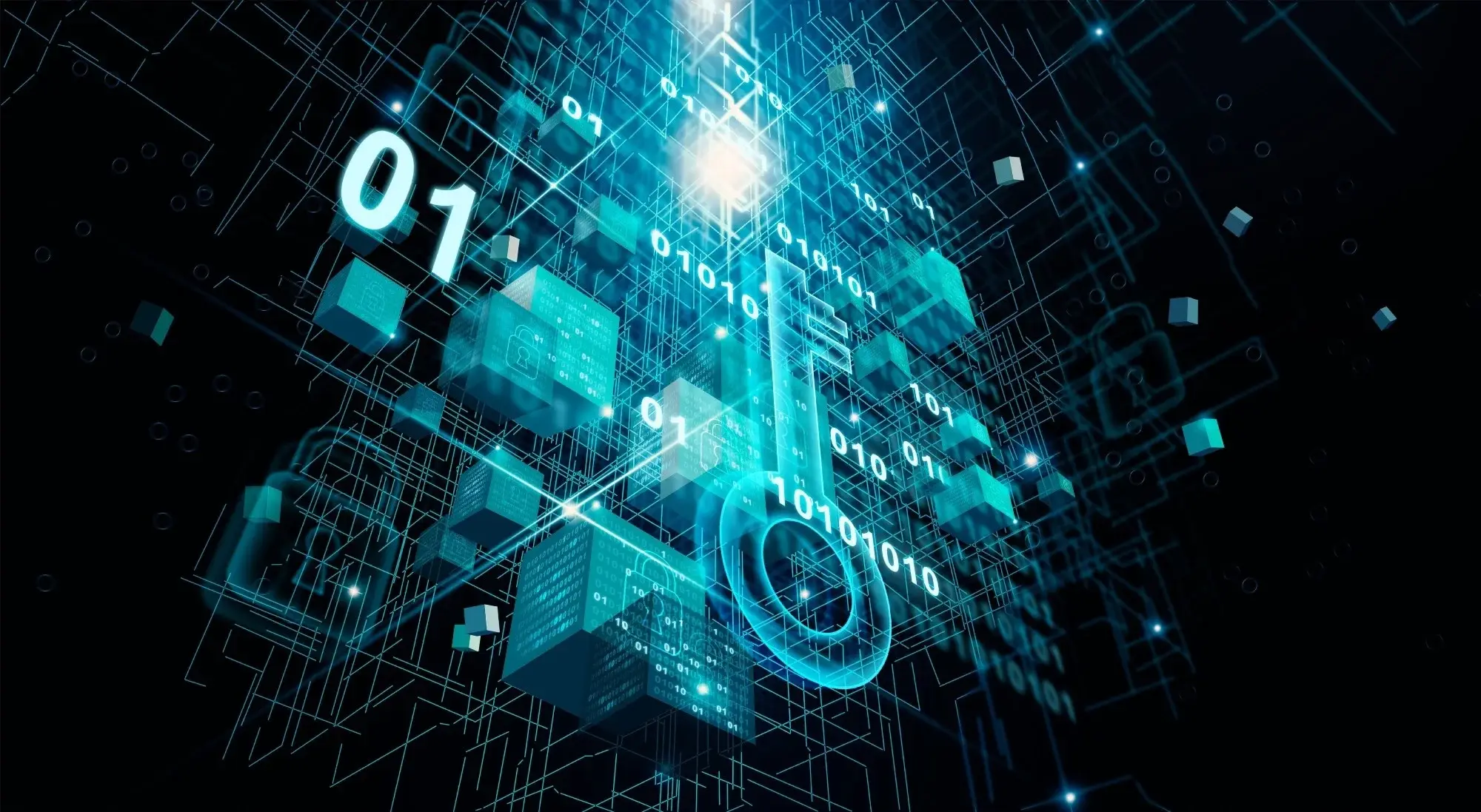
Quantum encryption uses the rules of quantum physics to share secret codes that are impossible to copy or intercept without being noticed. When a photon is tampered with during transmission, it changes and signals a breach. This makes any secret message secure and any hack instantly visible to both sender and receiver.
Military Threats: The Limits of Current Encryption
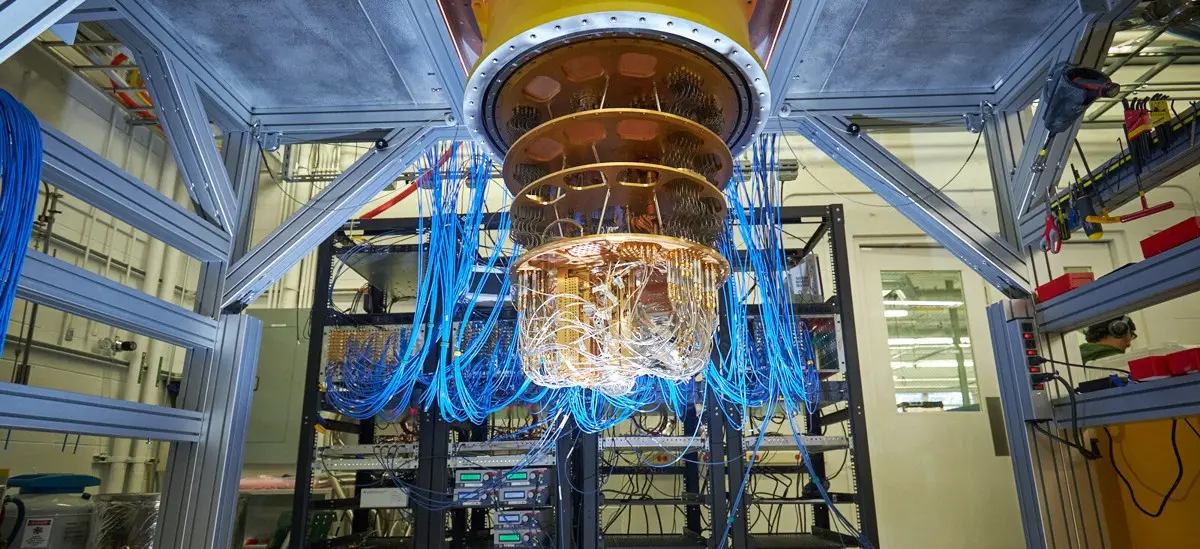
Computers are getting better at breaking even the toughest codes, especially with the rise of quantum computers that can try millions of guesses at once. Most armies and governments worry that today’s systems, such as RSA or AES encryption, could be cracked in minutes if a rival gets quantum power first.
How Does Quantum Encryption Help Defence?
When militaries use quantum encryption, their messages and data networks become almost unbreakable. Spies, hackers, or enemy satellites would not only fail to read secret orders but would be detected if they tried. It gives forces a massive edge in planning strikes, guarding assets, and steering drones or missiles without risk of enemy snooping.
Quantum Networks On the Battlefield
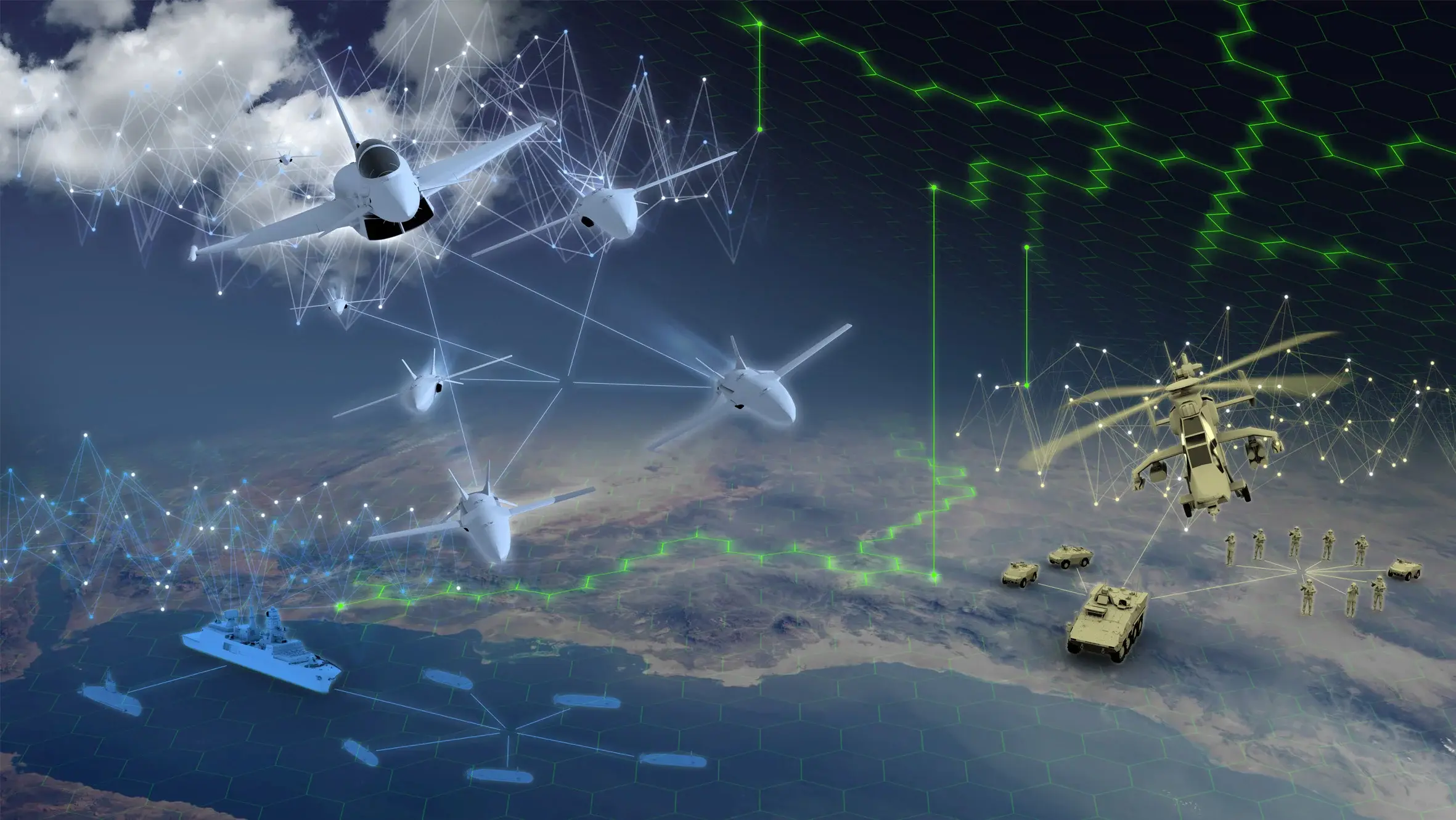
Quantum encryption is being tested for everything from army base communication to satellites and battlefield sensors. Navies and air forces plan to use it for secure links to ships, jets, and even missile launchers making command networks immune to most electronic attacks and cyber threats.
Dangers: The “Quantum Arms Race”
Countries like the US, China, Russia, and India are racing to develop quantum encryption and ways to break their rivals’ codes with quantum computers. Whoever leads this technology could read enemy secrets or make their own plans invisible. The arms race will not just be about weapons, but about who owns the safest network.
Could Quantum Encryption Be Broken?
Some researchers say flaws, hardware faults, or new types of hacking could still break quantum codes. Nations are working on “post-quantum” schemes to make systems even tougher. But for now, true quantum encryption is stronger than anything that existed before.
The Future: Life in a Quantum Battlefield
Armies of the future might win battles by scrambling, spying on, or shielding digital orders. Missiles, drones, and robots will trust only messages sent with quantum keys. Wars could be decided by the best encryption, not just by tanks or aircraft.
)
)
)
)
)