How powerful is a bullet train engine compared to Rajdhani trains?

Bullet trains, with modern technology and immense power, operate at speeds far beyond what Rajdhani Express engines can achieve. Bullet train engines are around twice as powerful as Rajdhani engines, support higher speed, and advanced distributed traction.
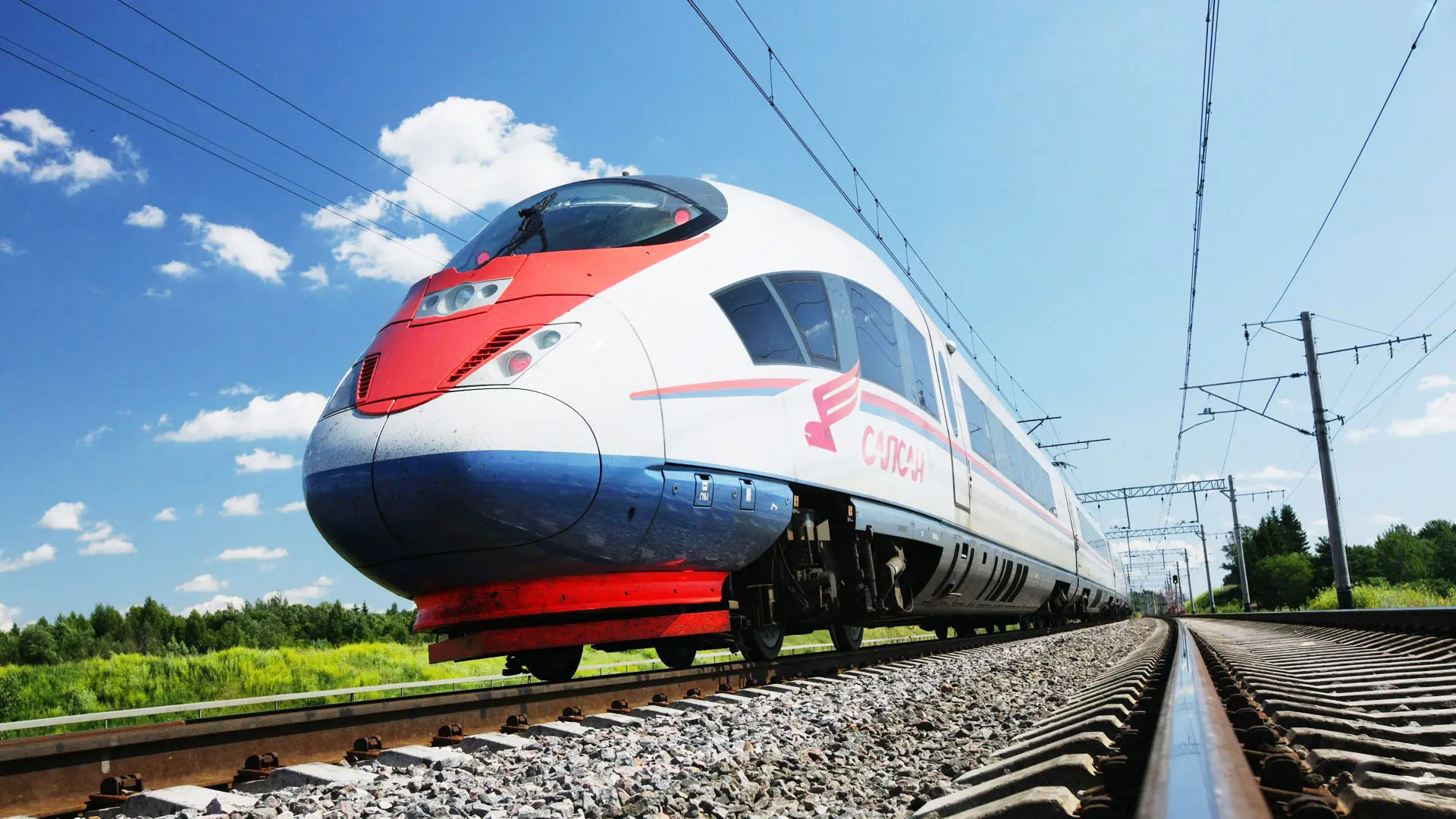
Bullet Train Engine?
Bullet train engines can deliver around 12,000 horsepower (HP) from distributed traction motors, supporting speeds up to 320 km/h.
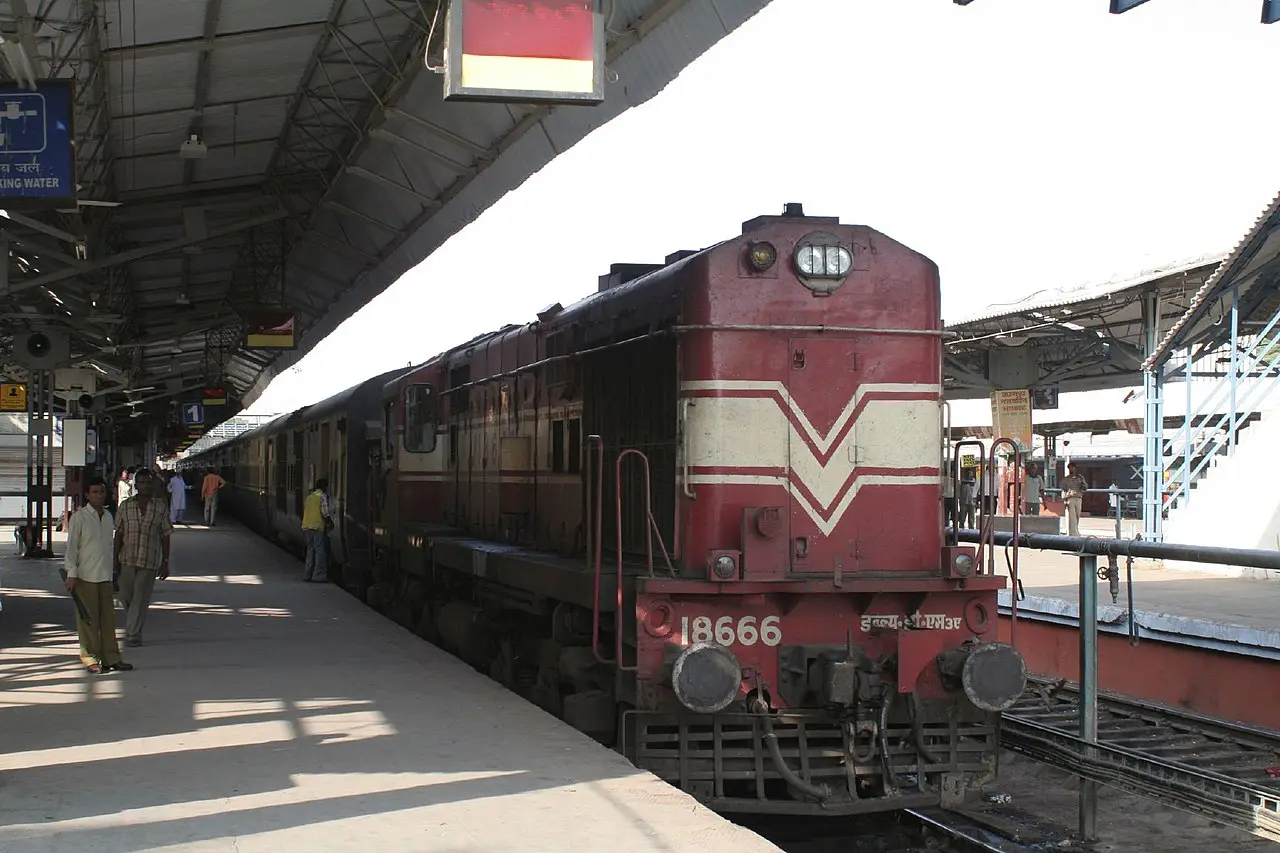
Rajdhani Express Engine Power
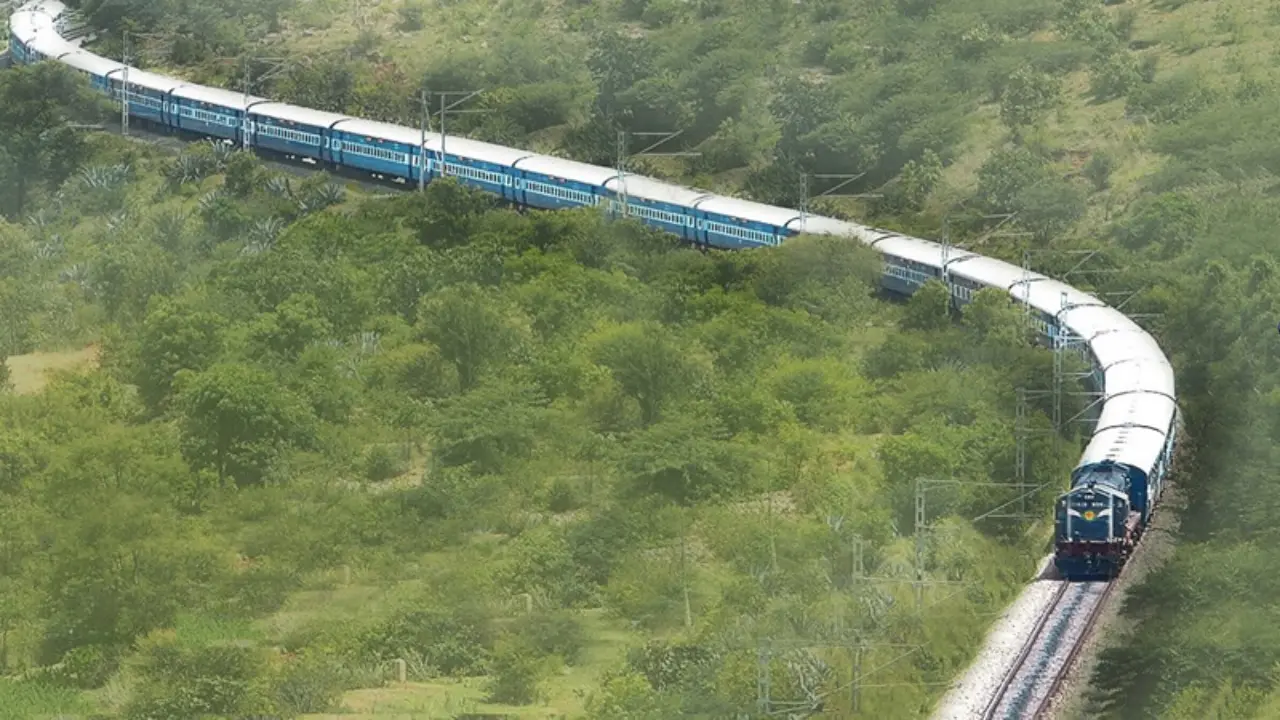
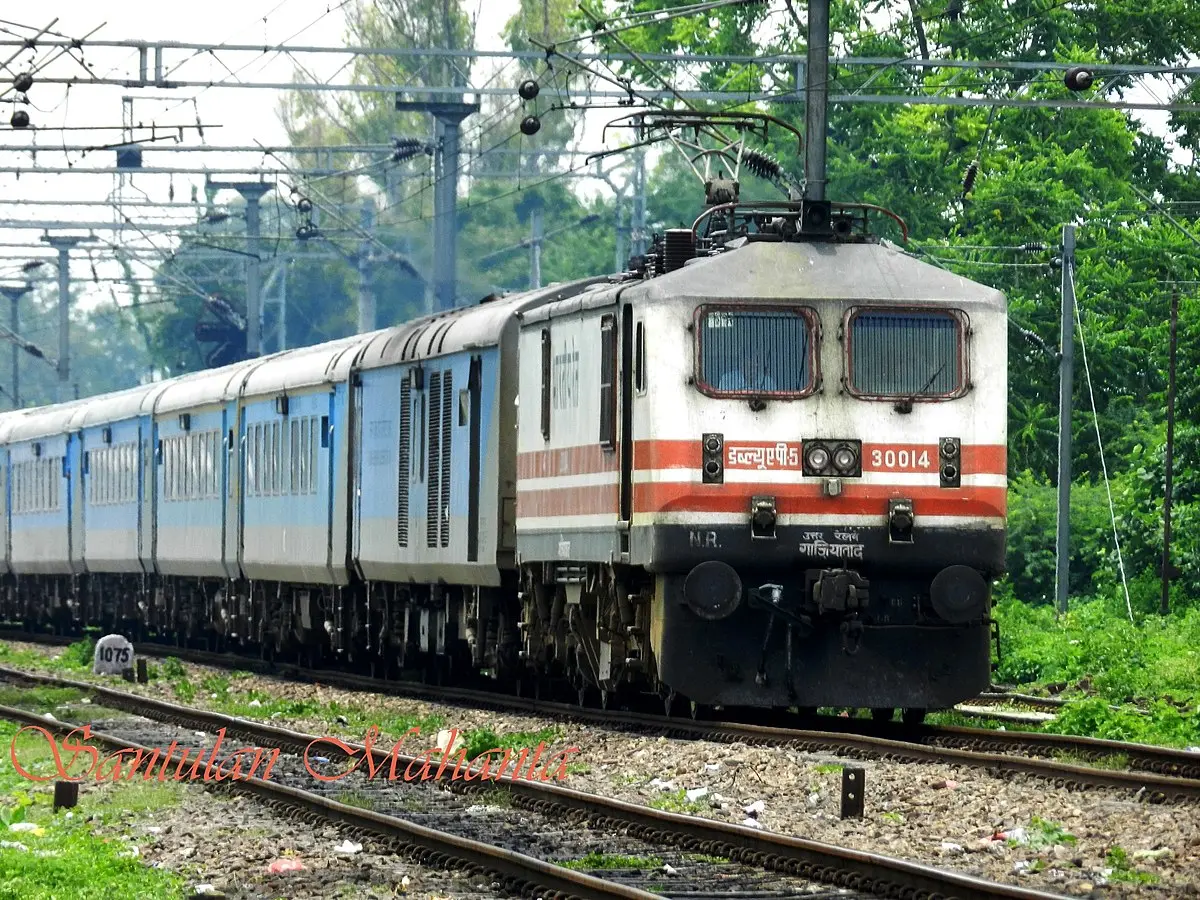
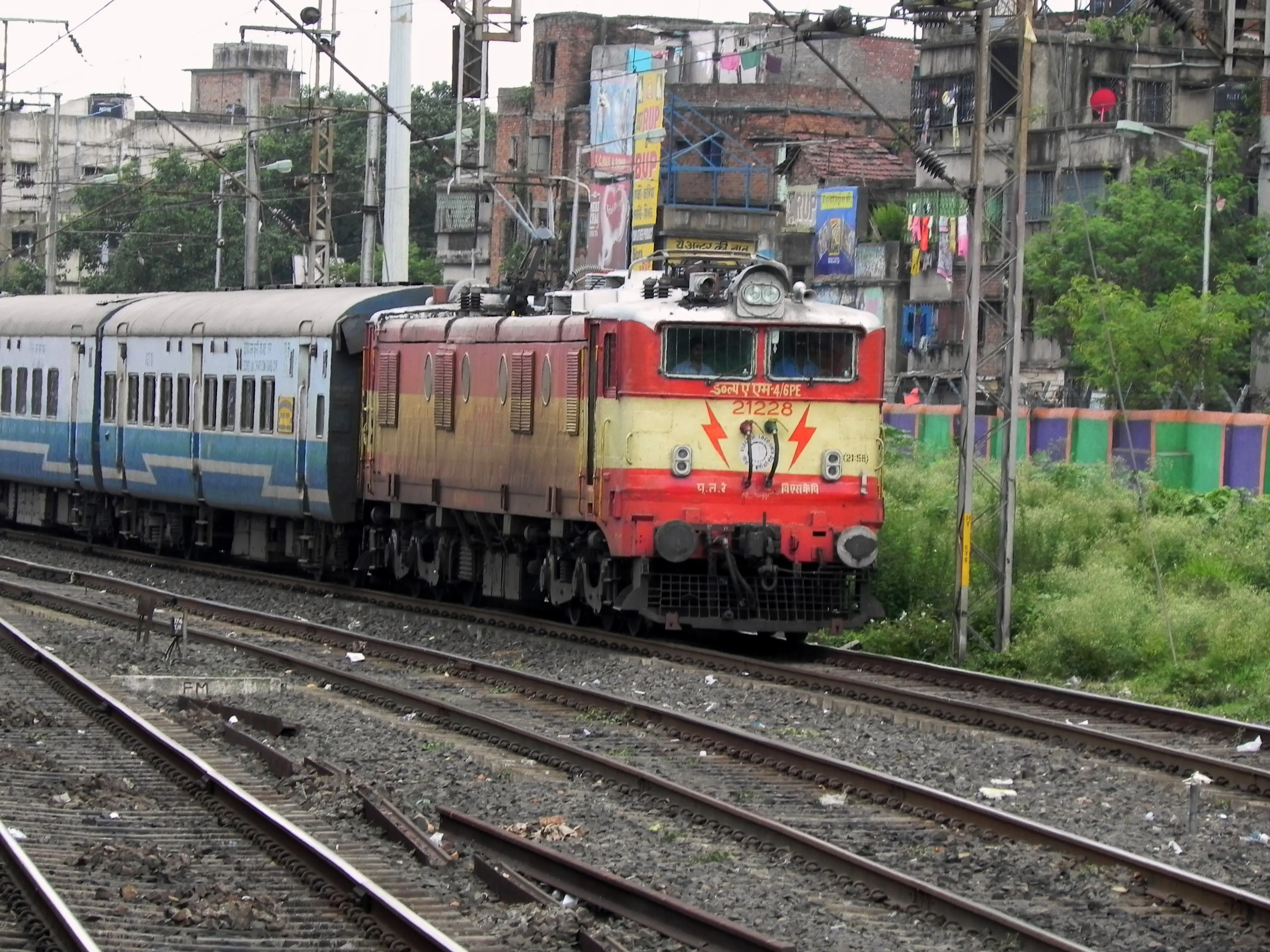
Rajdhani trains usually use WAP-7 electric locomotives, which have up to 6,000 HP and run at speeds of 130-150 km/h in regular use. Older Rajdhani services also used WAP-4 or diesel WDM-4 engines (3,800-5,350 HP, 104-130 km/h).
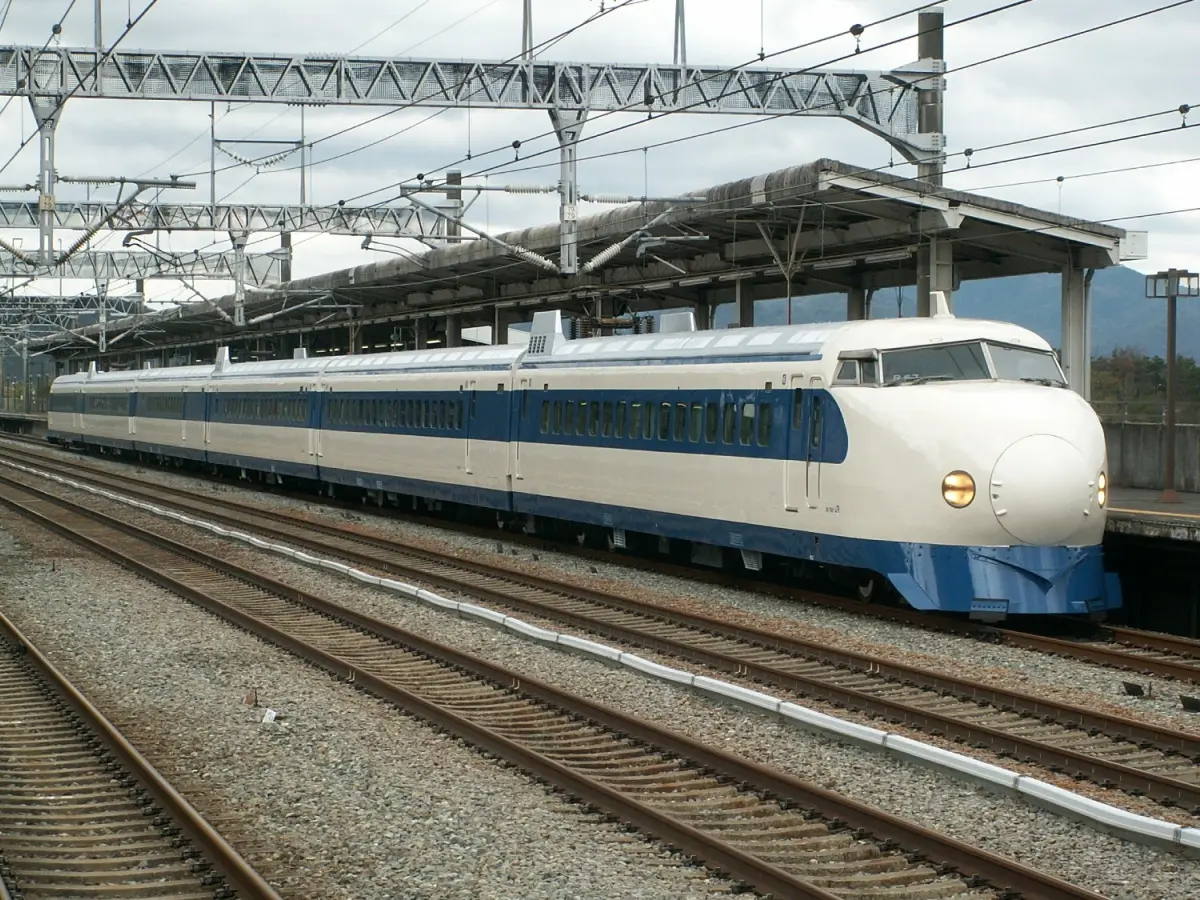
Acceleration and Speed
Bullet trains can reach top speed in just a few minutes because of advanced motors and computerised control. Rajdhani trains accelerate slower due to heavier carriages and older technology.
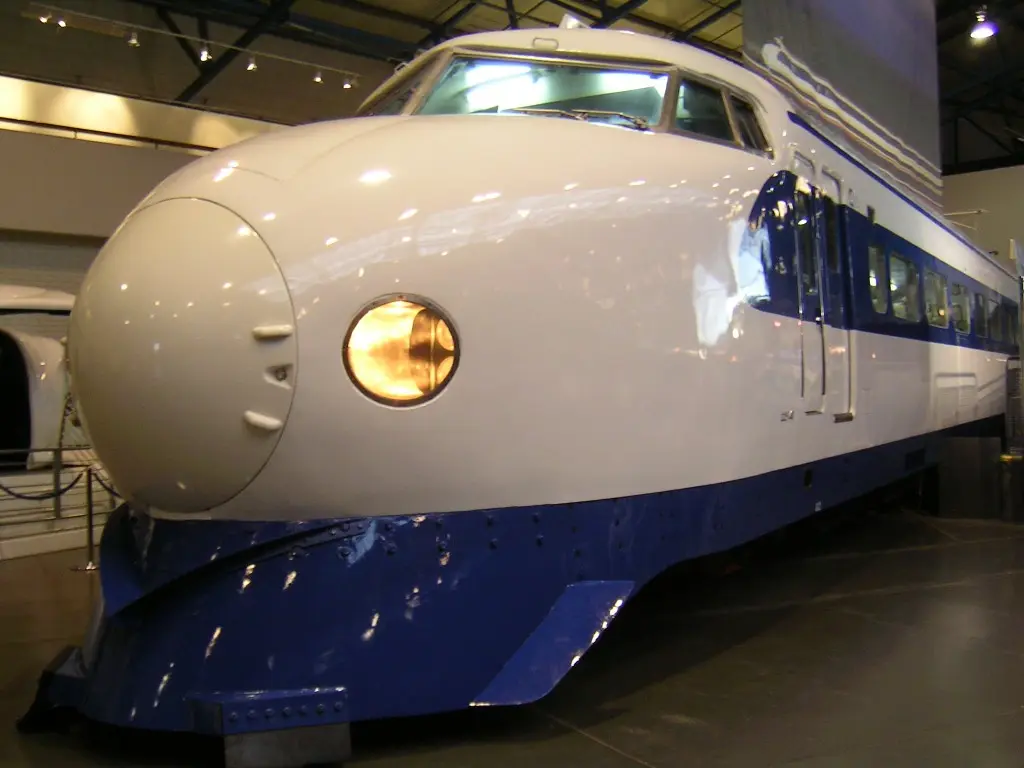
Technology and Power Supply
Bullet trains use distributed traction, meaning many coaches have powered wheels. Rajdhani trains have a single locomotive pulling non-powered coaches. Distributed systems provide better acceleration and stability at high speeds.
Energy and Efficiency
Bullet trains are lighter, use more aerodynamic designs, and consume less energy per seat at high speed compared to conventional trains. This design lets them maintain top speed longer and with lower energy costs.
Haulage Capacity
A Rajdhani engine can pull 18-24 coaches with full passenger loads at 130-140 km/h. Bullet train sets are shorter (typically 8-16 cars), but each is powered, allowing high speeds regardless of train length.
Possibilities
Bullet train projects will mean faster trips, higher reliability, and a new standard of energy efficiency. Rajdhani engines will remain important for long-distance travel, but can’t match bullet train's power and technology.
)
)
)
)
)