How police units are using AI to trace phones and suspects

Police units use AI to trace phones and suspects through network data, facial recognition, and surveillance integration. AI speeds up investigations by locating suspects and analysing communications, helping law enforcement solve crimes efficiently.
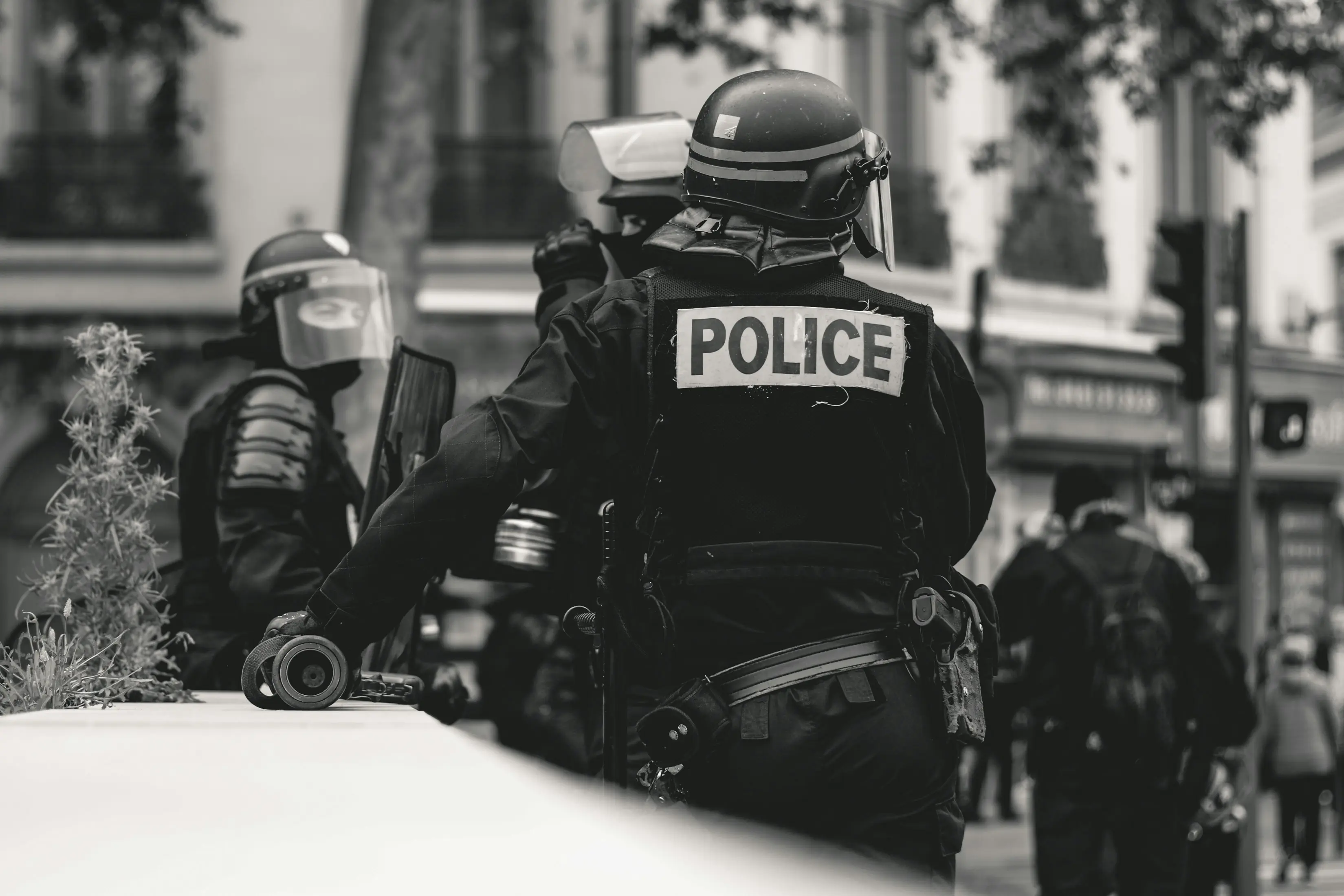
AI Scans Mobile Networks for Phone Tracing
Police use AI to analyse vast mobile network data, tracking suspects through their phone’s unique identifiers like IMEI and IMSI numbers. This real-time scanning can locate phones even when networks are crowded or disrupted.
Integrating AI with Surveillance Systems
AI connects live CCTV feeds with phone data, enabling combined tracking of suspects’ movements. This helps officers monitor suspect locations in real time across cities.
Voice and Chat App Monitoring
AI algorithms analyse communications from calls and chat apps for keywords and behaviour patterns linked to criminal activity. This helps police intercept plans and identify accomplices quickly.
Facial Recognition Aids Phone Tracking
AI-powered facial recognition matches suspect images from cameras with phone location history, confirming identities and creating accurate movement logs for investigations.

Drones and Smart Imaging Support
Police deploy AI-driven drones with thermal imaging and object detection to follow suspects beyond phone tracking capabilities, giving a visual edge in searches and surveillance.
Tracking Released Criminals Post-Release
AI systems monitor released criminals by combining phone data and facial recognition. Authorities can detect suspicious behaviour early and act to prevent recidivism.
AI Enhances Law Enforcement Efficiency
AI tools automate data analysis from phones and sensors, speeding up case resolutions and improving accuracy. They also help combat staffing shortages by handling large data volumes.
)
)
)
)
)