How people adapt to extreme winter conditions in remote regions

Remote mountain communities survive extreme winter through thermal mass stone homes, traditional bukhari stoves, preserved foods and high-protein diets. Community cooperation and modern technology enhance centuries-old survival strategies.
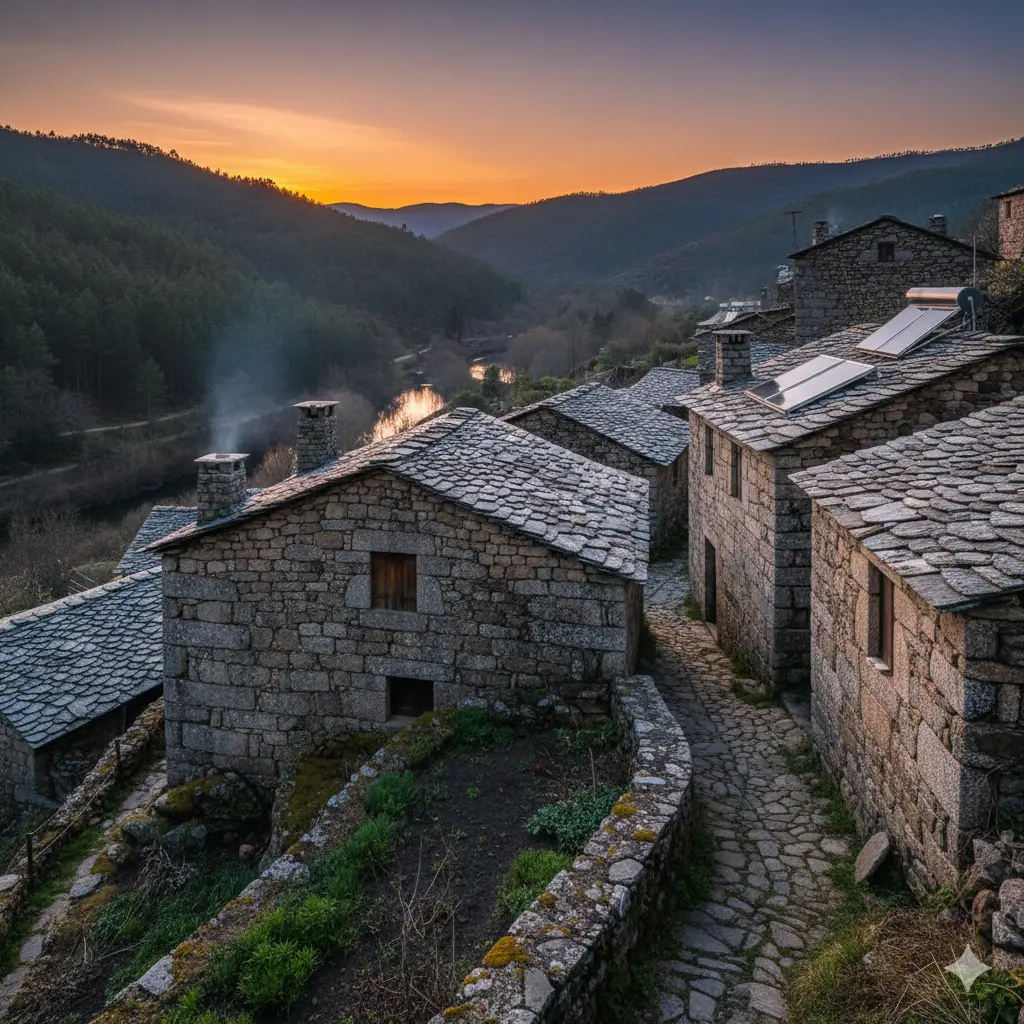
Traditional Stone Houses with Thermal Mass
Traditional Himalayan stone houses feature walls measuring 60 to 90 centimetres thick, providing exceptional thermal mass storing heat during daylight hours. Stone absorbs solar radiation during day, releasing warmth gradually through frozen nights. This passive heating reduces reliance on fuel for heating, crucial when firewood supplies depend on summer collection before winter road closures isolate communities.
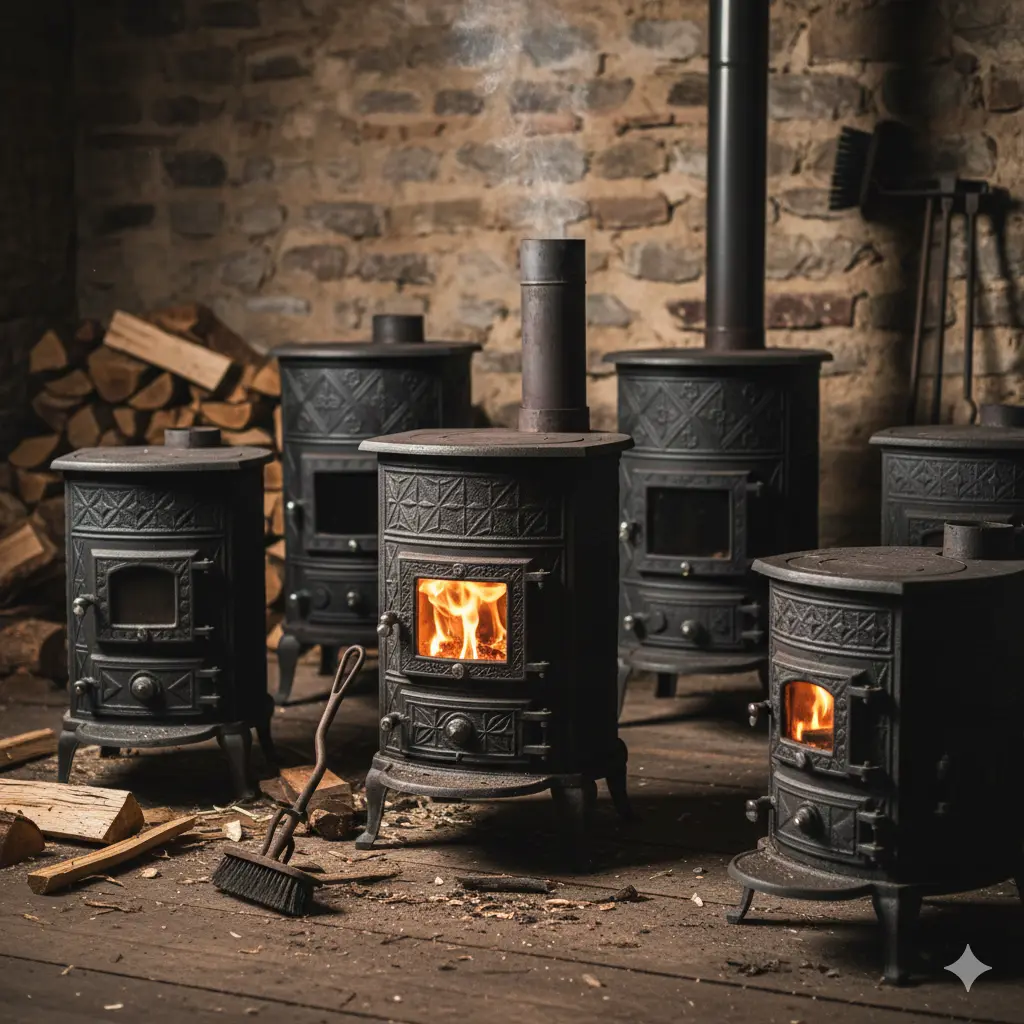
Bukhari Stoves - Traditional Heating Systems
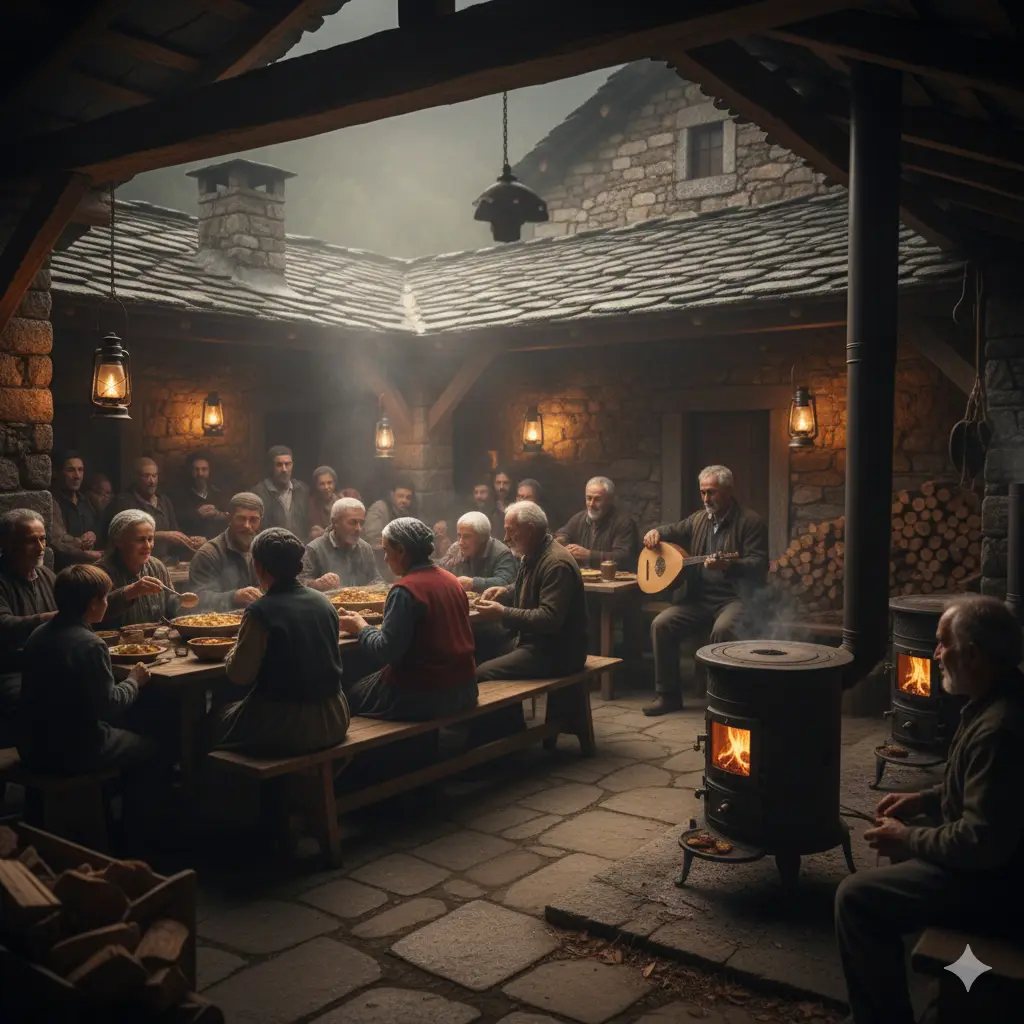
Bukhari stoves represent traditional Himalayan heating technology requiring no electricity, operating through wood combustion and thermal radiation. A single bukhari stove heats central family areas, with insulated straw and mud layers in walls distributing warmth through structures.
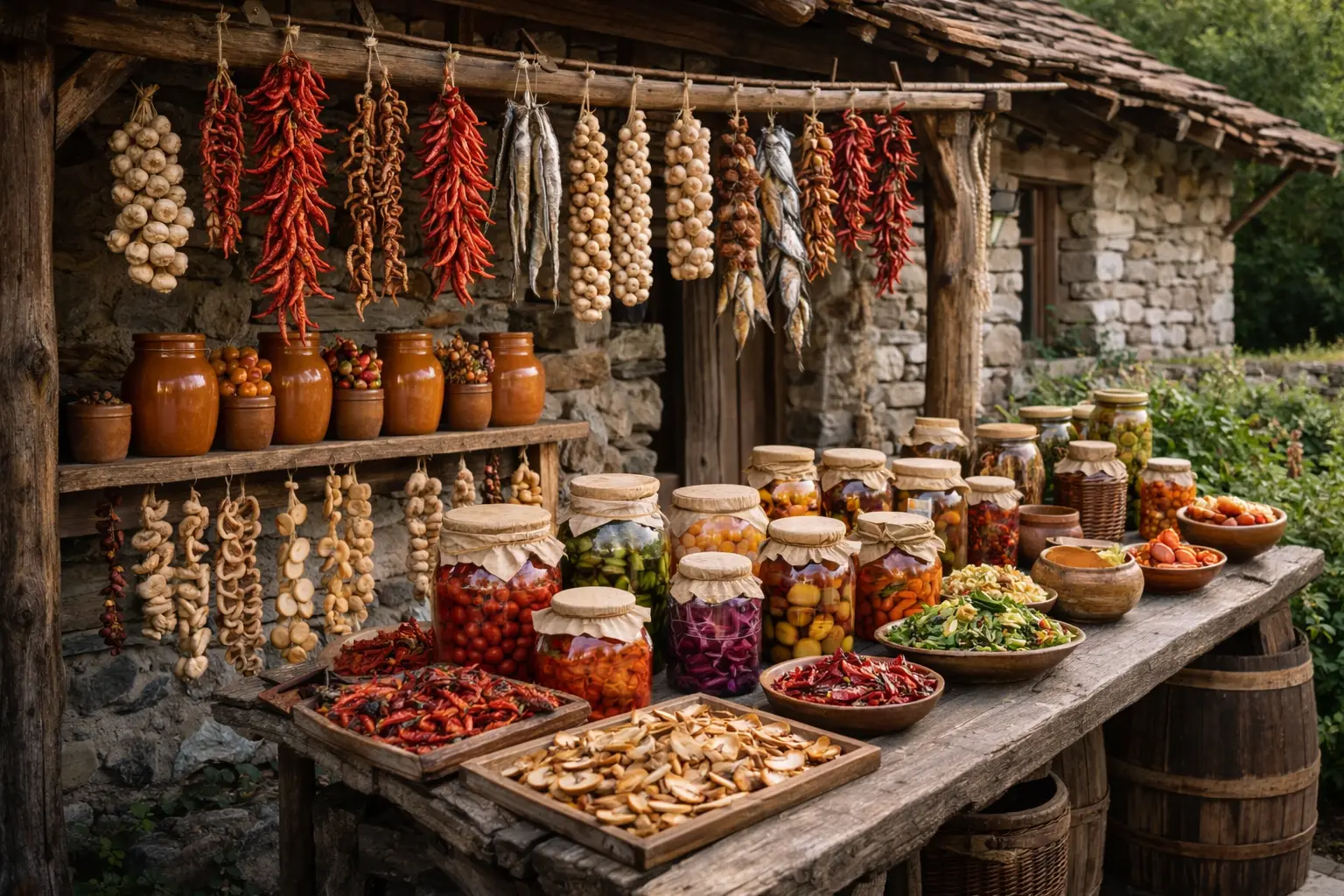
Food Preservation Through Drying and Fermentation
Communities employ drying techniques using summer sunlight to preserve grains, legumes, vegetables and fruits lasting entire winters. Fermentation transforms cabbages into sauerkraut and other preserved foods maintaining nutritional value and generating probiotics. Root cellaring stores vegetables in naturally cold buried spaces maintaining 32 to 40 Fahrenheit temperatures throughout winter.
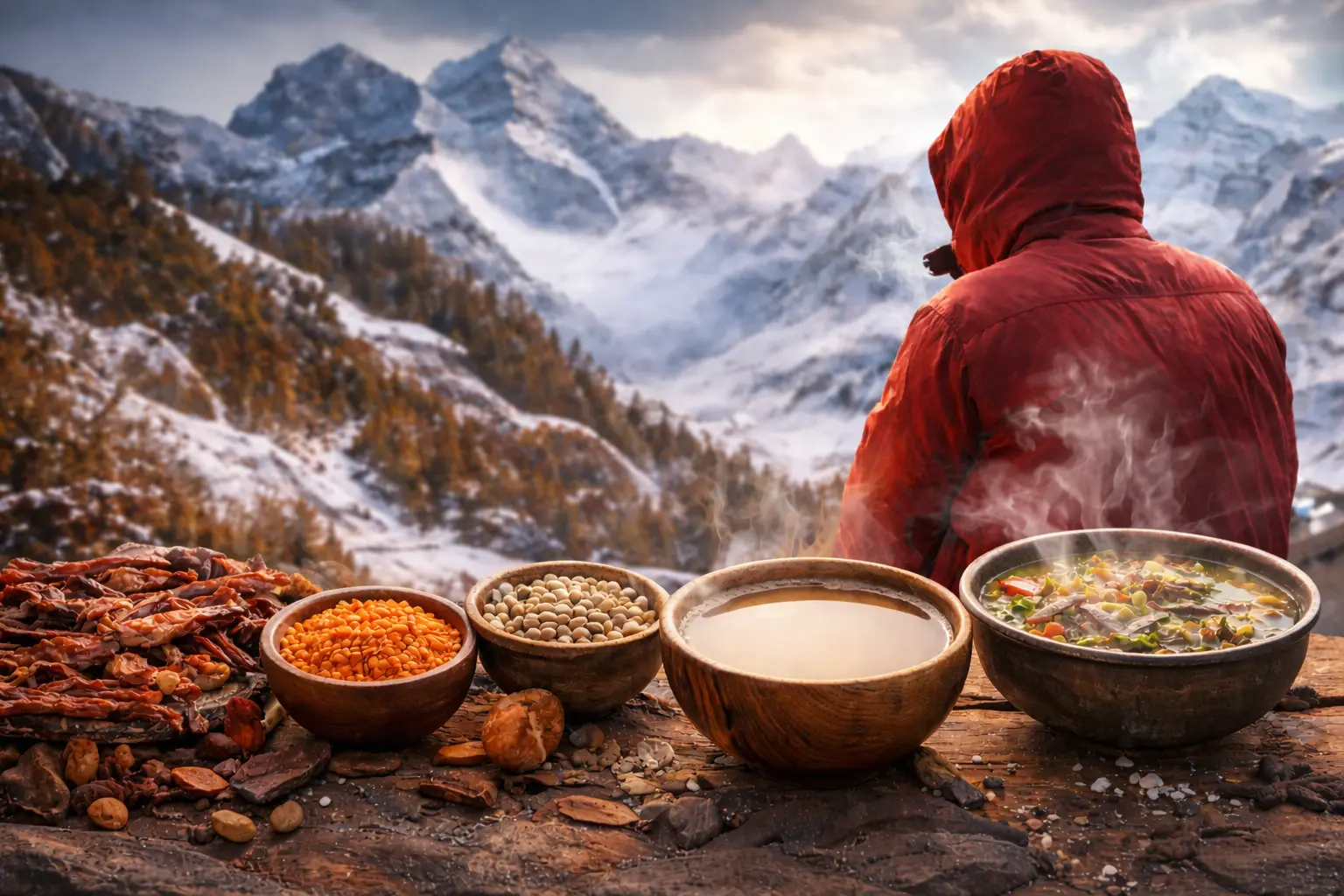
High-Protein Diet Generating Body Heat
Traditional mountain diets emphasise high-protein foods including dried meats, lentils and legumes generating metabolic heat sustaining body temperature. Butter tea and herbal soups provide both hydration and caloric energy critical during extreme cold exposure. Daily caloric requirements increase significantly at high altitudes, requiring dietary adjustments compared to lowland consumption patterns.
Community Cooperation and Social Practices
Community gatherings for shared meals, celebrations and mutual aid activities maintain psychological resilience during winter isolation lasting six months. Families cooperate in food preparation, firewood collection and animal care, distributing physical burden across communities. Religious and cultural practices provide structure and meaning during dark winter months.
Livestock Management for Winter Milk Production
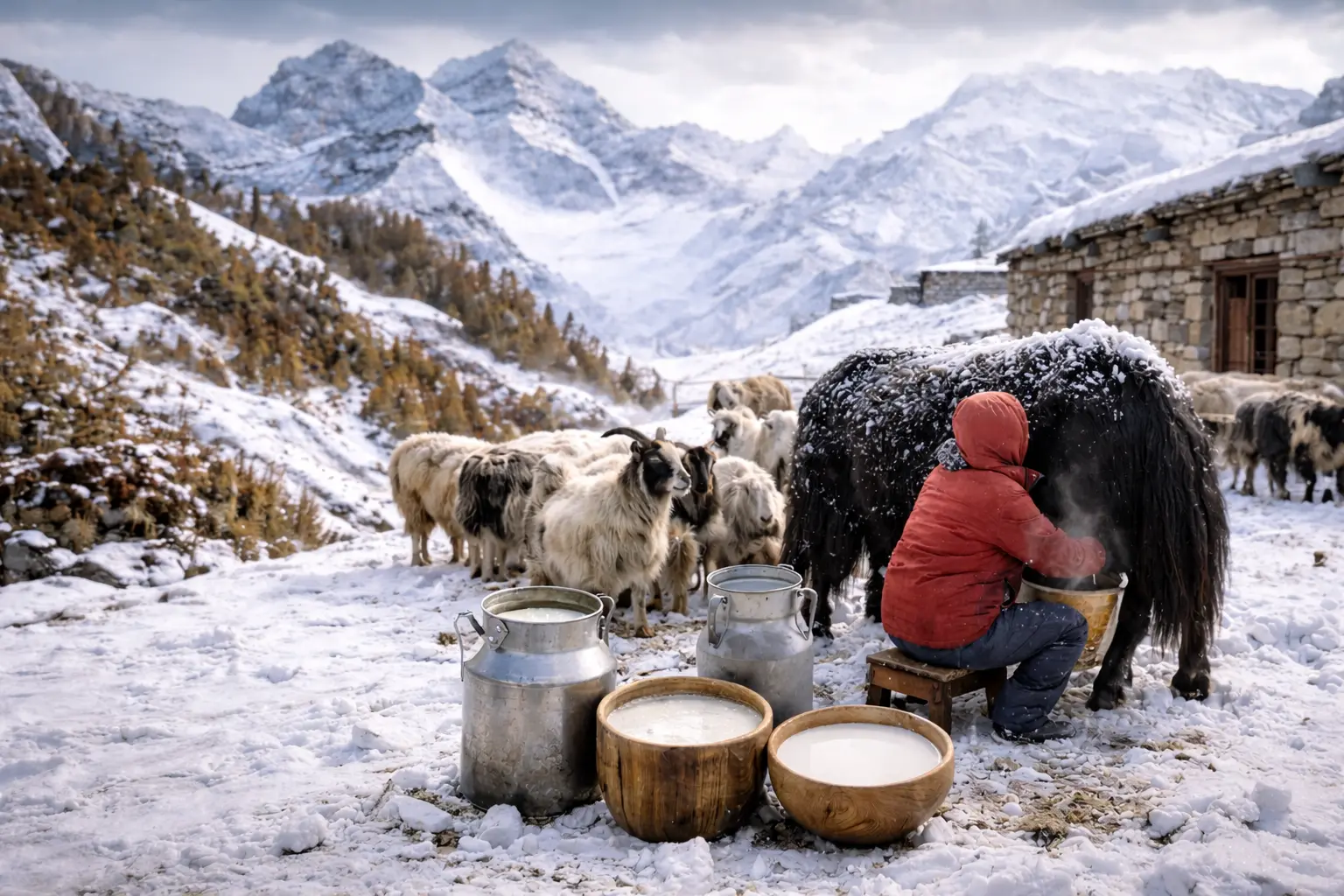
Communities bring livestock closer to homes during winters, facilitating easier care and milk production from yaks, goats and sheep. High-altitude livestock develop physiological adaptations to extreme cold through generations of selection. Milk provides fat and protein essential for maintaining core body temperature.
Modern Adaptations to Traditional Knowledge
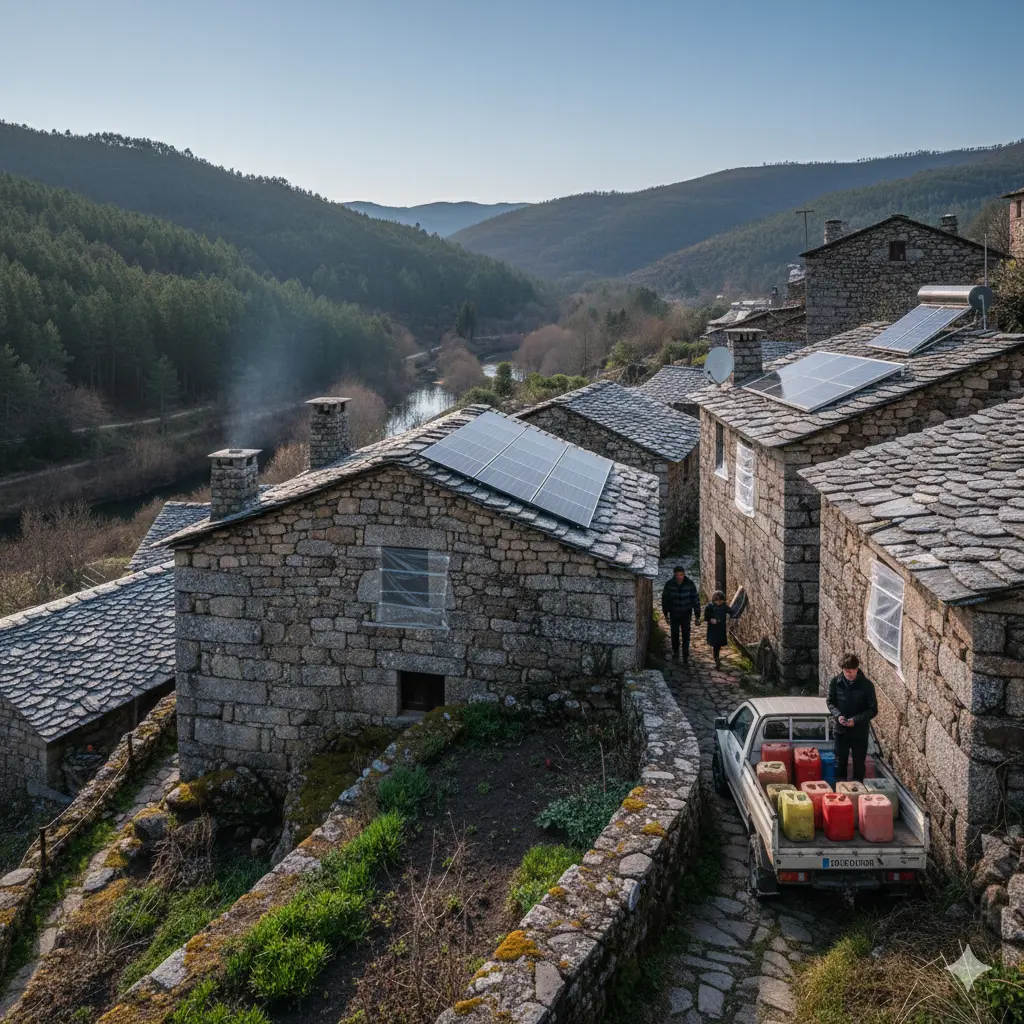
Modern innovations including solar panels for electricity and plastic sheeting for additional insulation augment traditional methods. Government support provides subsidised heating fuel and improved road maintenance reducing winter isolation duration. Mobile connectivity enables emergency communication previously impossible in remote regions.
)
)
)
)
)