How NASA’s Voyager-1 technology, older than your calculator, still works after nearly 50 years

In 1977, NASA launched Voyager 1 to explore the outer planets. Back then, the most advanced calculator in schools was bulky, expensive, and far less powerful than the spacecraft’s computers, yet here we are, nearly half a century later, and Voyager 1 is still going strong.

Technology from a Bygone Era
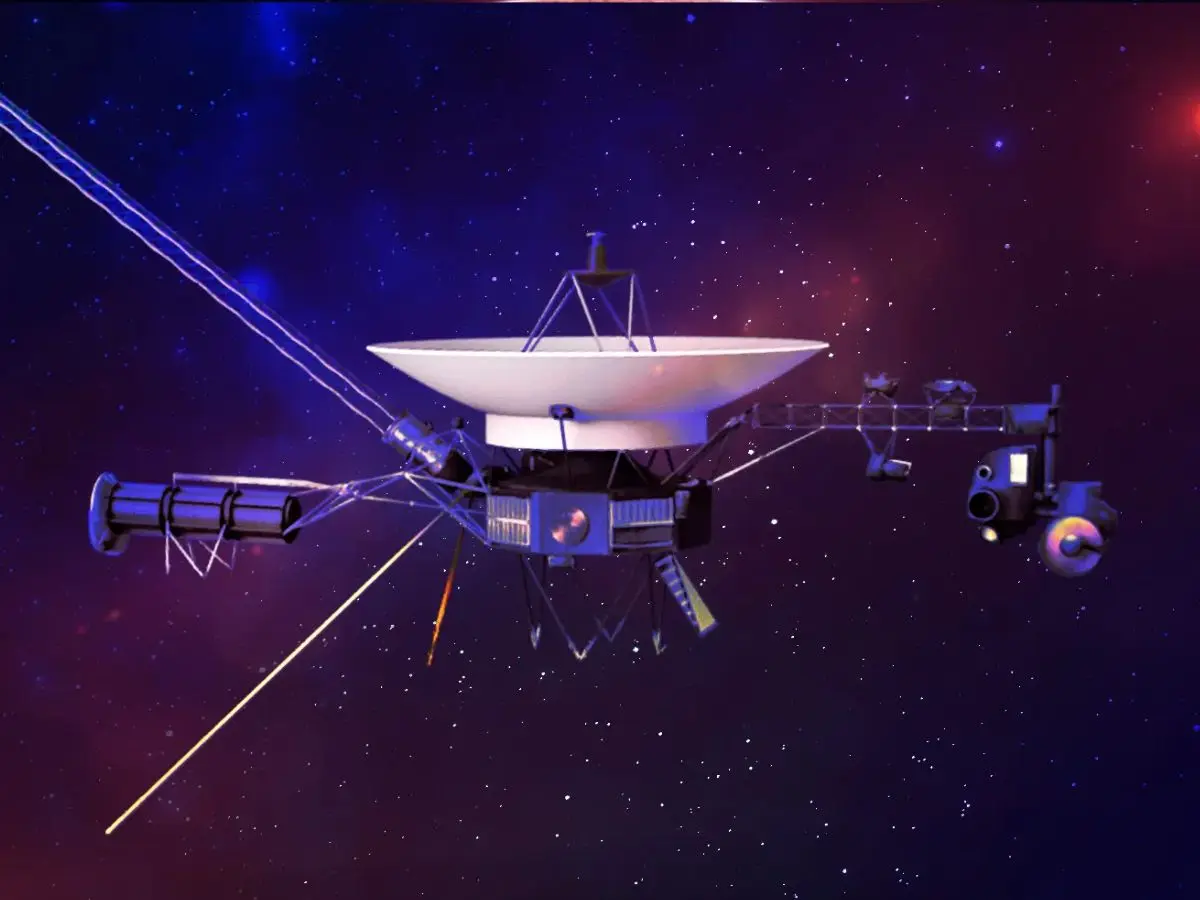
Voyager 1’s systems were built with 1970s computer hardware, featuring processors slower than a modern digital watch and total memory of just 69 kilobytes. That’s about one-fiftieth of a single WhatsApp photo today.
No Wi-Fi, Just Patience
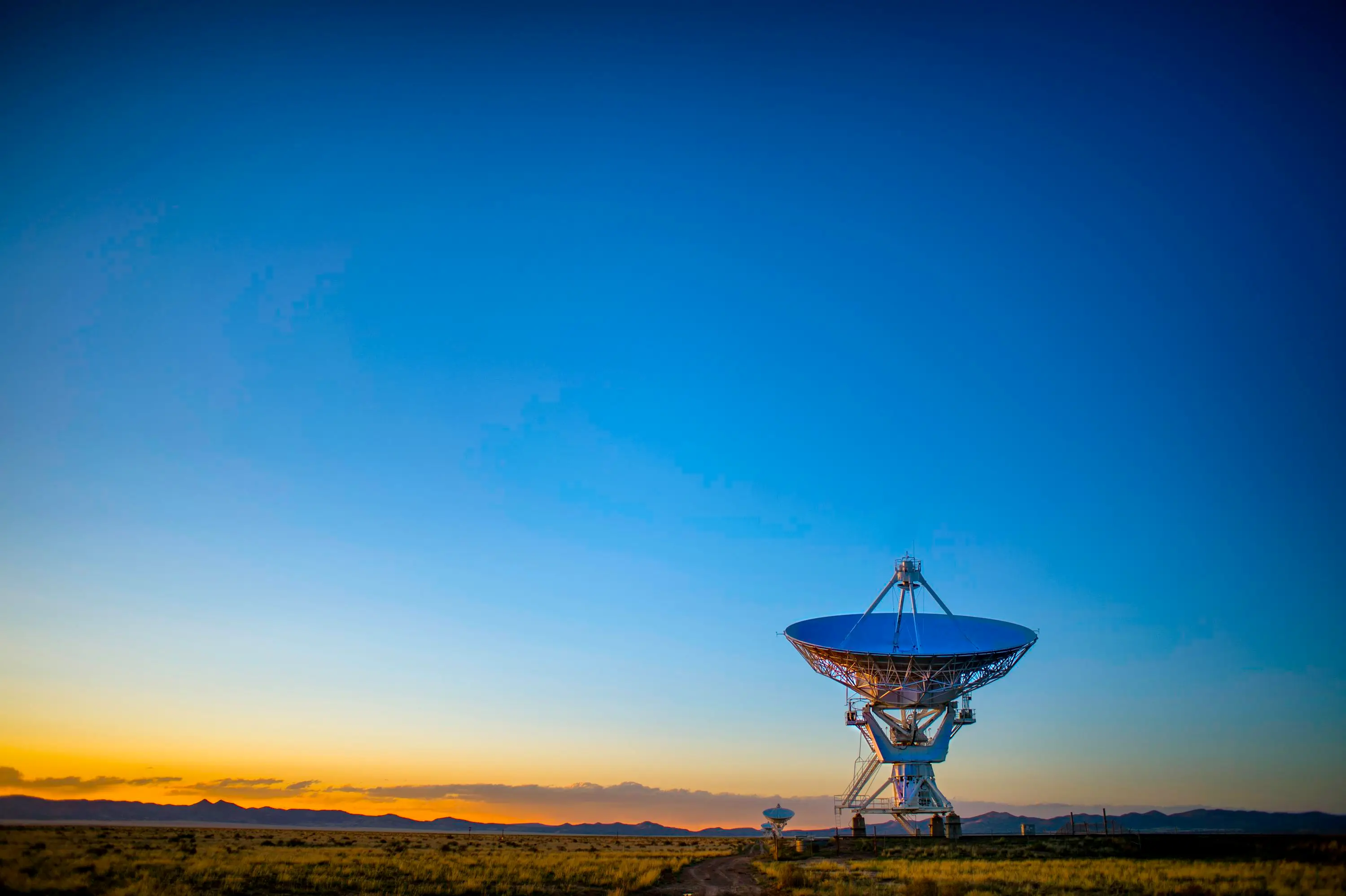
Unlike your calculator or smartphone, Voyager 1 doesn’t have instant updates. Every command travels more than 15 billion miles, taking about 22.5 hours to arrive and the same time to hear back.
Three Brains for Different Jobs
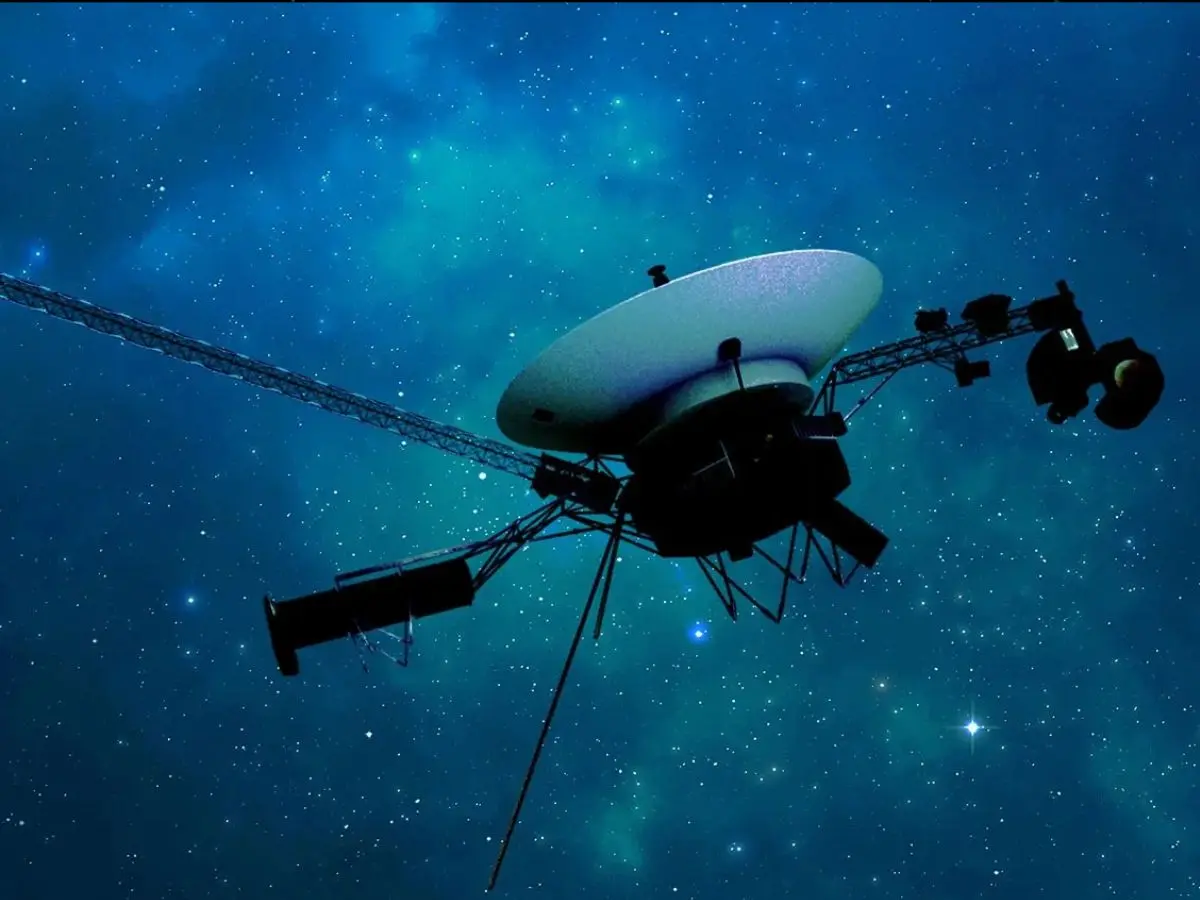
The spacecraft relies on three specialised computers: one for flight control, one for command and sequencing, and one for scientific data handling. This division keeps the mission running even if one system has issues.
Surviving the Coldest Places in Space
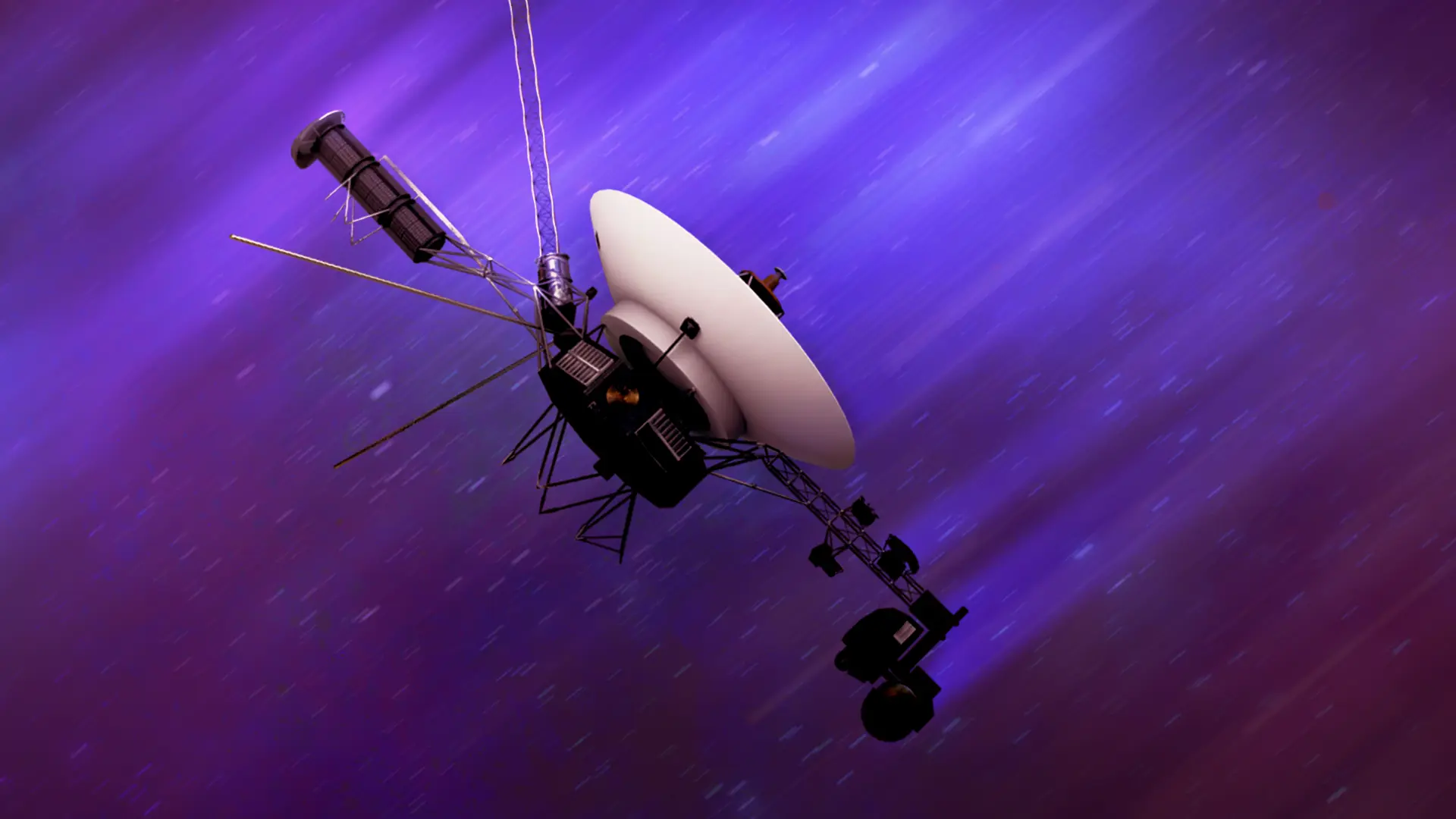
In the freezing void, temperatures drop to nearly -200°C. Voyager’s electronics are shielded and heated to keep the 1970s tech operational.
Powered by Nuclear Energy
Its energy source, a radioisotope thermoelectric generator (RTG), uses the heat from decaying plutonium to produce electricity, a power system designed to last decades.
Minimal Power, Maximum Efficiency
With limited electricity left, NASA engineers have been shutting down non-essential instruments to stretch its life until around the mid-2030s.
The Day Voyager Goes Silent
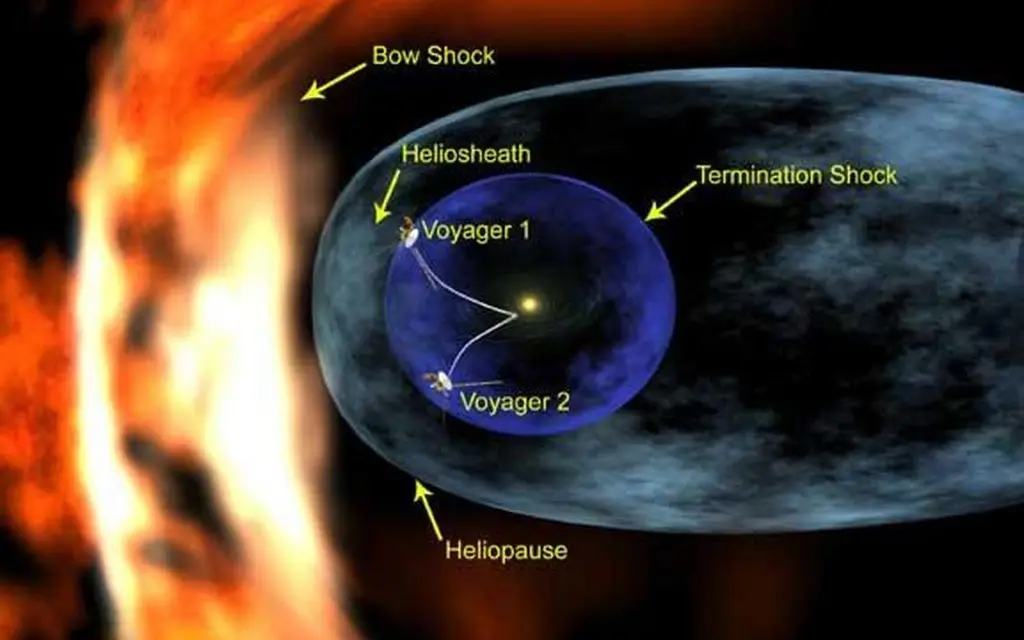
When the power runs out, Voyager 1 will stop transmitting, but it will keep drifting silently through the galaxy for millions of years, carrying the Golden Record, a message from humanity.
)
)
)
)
)