How much heat can the HAL Tejas fighter jet bear and still fly?

The Tejas fighter jet is engineered to operate from freezing cold to intense desert heat. With skin temperatures over 70°C, engine zones reaching 1,390°C and special composites, titanium parts and advanced cooling systems, Tejas stays reliable in some of the world’s harshest conditions.
What Temperature Range Can Tejas Handle?
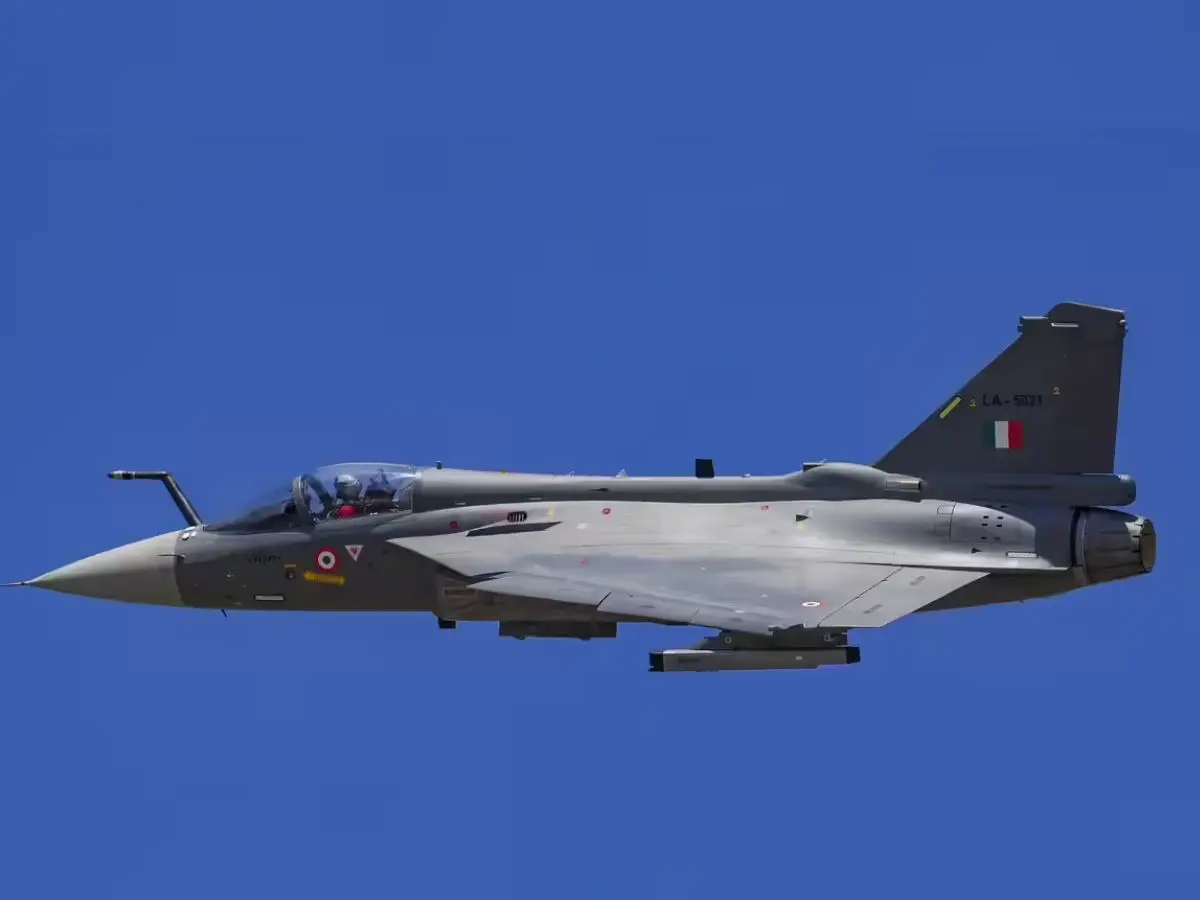
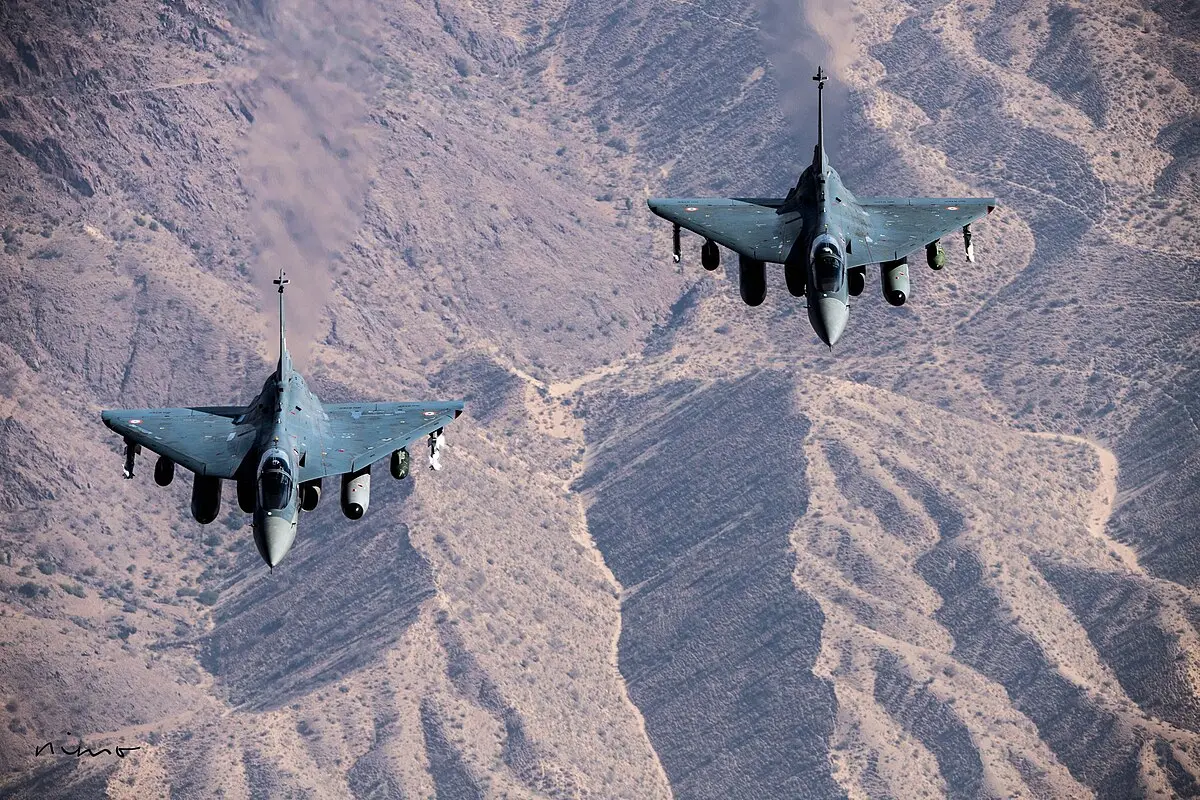
India's Tejas fighter jet operates across extreme temperatures. It flies in weather from below -10 degrees Celsius to over 45 degrees Celsius. That is a huge range. The aircraft is regularly deployed in Rajasthan's deserts where summer temperatures exceed 45 degrees. It also flies at high altitudes where temperatures drop far below freezing. The engineers and pilots needed to ensure the aircraft works perfectly in both extreme conditions. This required extensive testing and special design features.
Skin Temperature Reaches Over 70 Degrees
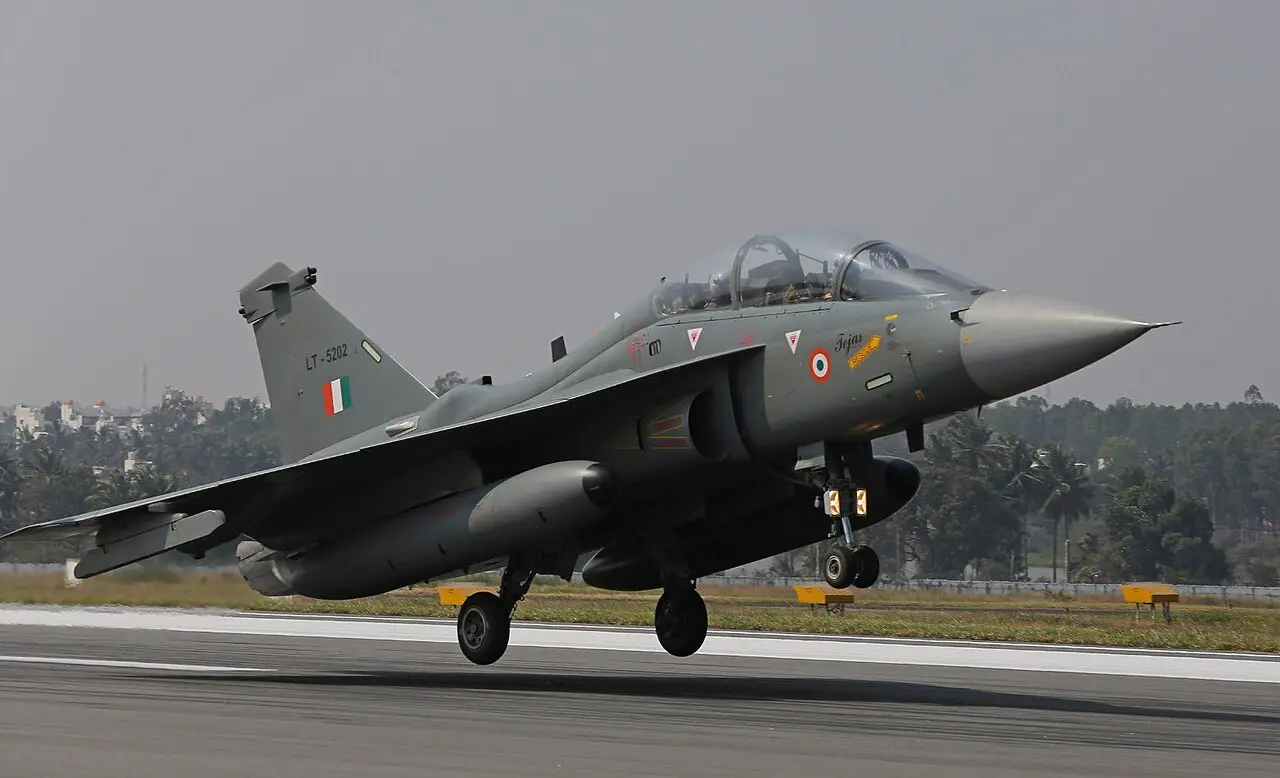
During testing at Nagpur, engineers discovered something extreme. They heated the aircraft on the tarmac in the sun for two to four hours. This is called hot soaking. During this process, the aircraft skin temperature climbed above 70 degrees Celsius. That is hot enough to burn your hand. Then the pilots flew the aircraft at speeds over 1,000 kilometres per hour. All systems, including avionics and flight control computers, had to work perfectly. These trials proved the Tejas could handle extreme ground heat plus the stress of high-speed flight.
Special Carbon Fibre Materials Handle Extreme Engine Heat
The Tejas airframe uses carbon-fibre composites covering 90 percent of the surface. Standard versions withstand normal operating temperatures. However, special high-temperature variants are used in critical zones. Near the engine and around the engine bay doors, these special composites withstand temperatures up to 200 degrees Celsius. This is critical because the engine produces tremendous heat. By using these heat-resistant materials, the airframe does not crack or degrade from engine heat. The composite materials maintain their strength even when exposed to extreme temperatures repeatedly.
Engine Reaches 1,390 Degrees: How It Survives
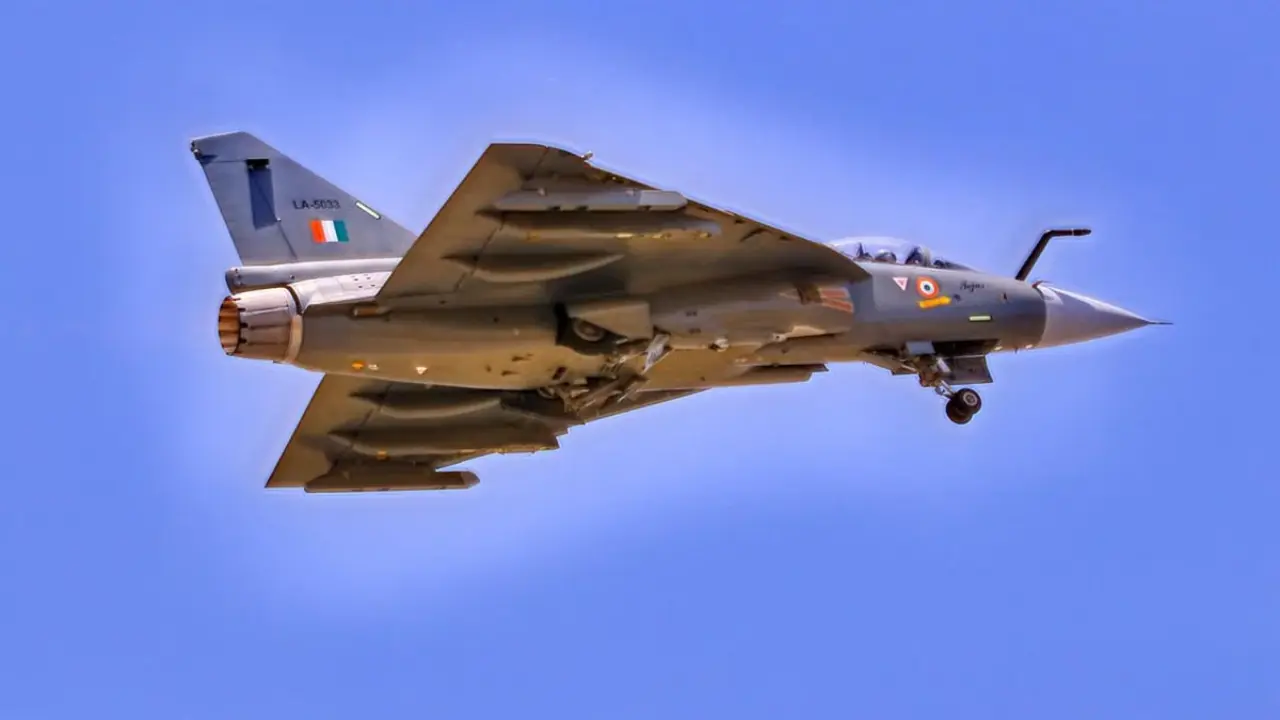
The engine powering the Tejas is a General Electric F404-IN20. Inside this engine, combustion temperatures reach 1,390 degrees Celsius when the afterburner is engaged. That is hotter than a welding torch. The aircraft must manage this tremendous heat. Titanium alloys are placed strategically around the engine to absorb and withstand this heat. The aircraft uses a fuel-based thermal management system. Hot fluid from the engine circulates through fuel tanks to cool down. This clever system kills two birds with one stone. It cools the engine and pre-heats fuel before it enters for combustion.
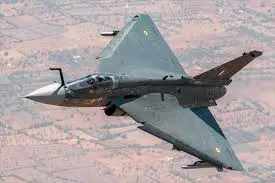
Titanium Alloys Near The Engine
Near the engine and air intakes, the aircraft uses titanium alloys instead of lighter materials. Titanium is expensive and heavy, but it handles heat better than aluminium or composite materials. The air intakes suck in air at incredible speeds. This compressed air gets very hot. Titanium withstands this heat without losing its strength. Engineers placed titanium specifically in these hot zones. Cooler areas use lighter composite materials to keep weight down. This mix of materials solves a difficult engineering challenge. Use heavy materials only where absolutely necessary for heat resistance.
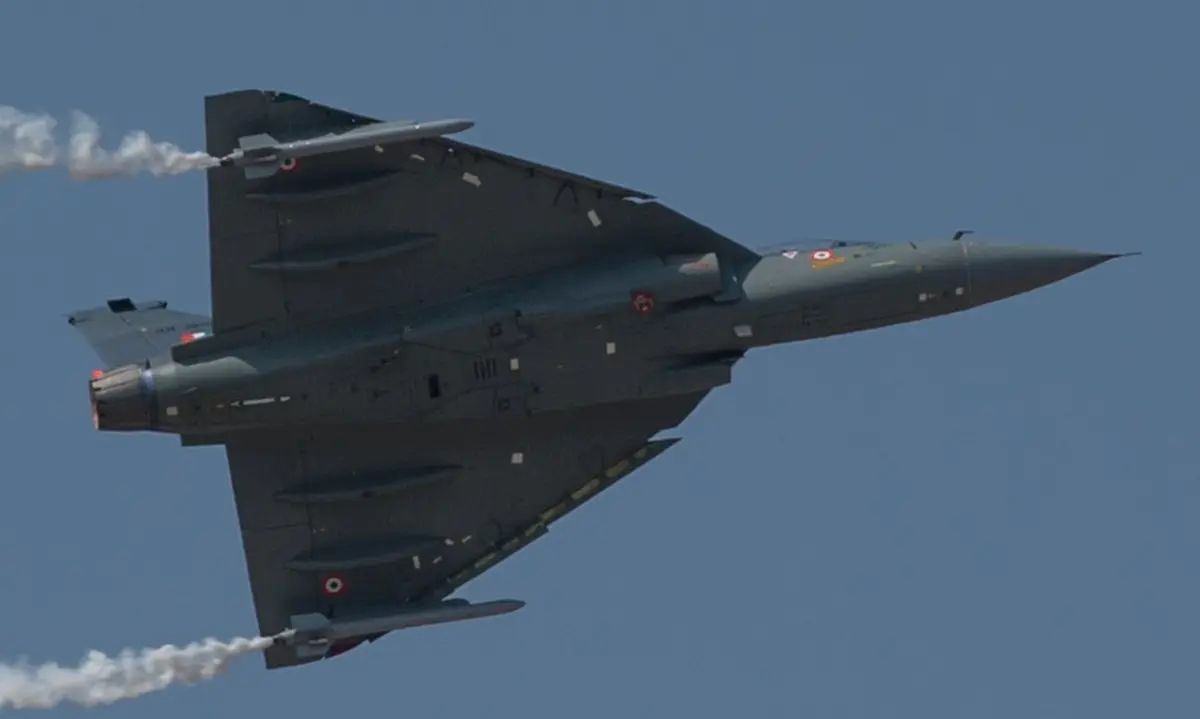
Environmental Control System Keeps Cockpit Cool
The Tejas has an Environmental Control System that actively cools the cockpit and avionics. During hot weather operation, the air conditioning works continuously. It keeps the cockpit temperature comfortable for the pilot. It also keeps radar systems and avionics electronics cool. Modern electronics fail if they get too hot. The Environmental Control System draws hot air from inside the fuselage and cools it using heat exchangers. This system has proven so reliable that during recent tests, water condensation from the cooling system dripped from the aircraft. This is completely normal and shows the system is working.
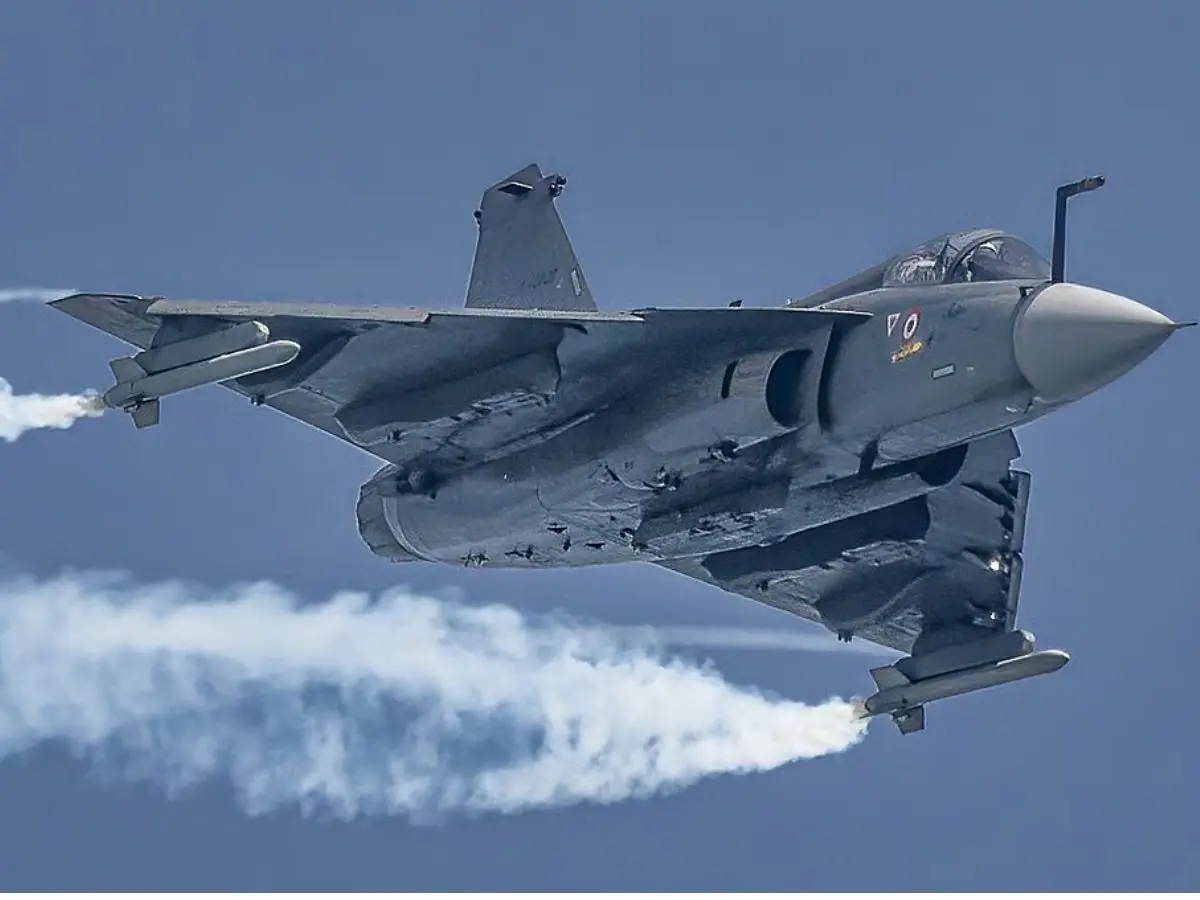
Future Heat Management Improvements
DRDO and HAL are developing even better cooling systems for future Tejas versions. New liquid cooling systems will replace older air-cooling methods. These liquid systems transfer heat much faster and more efficiently. The systems use high-flow coolant pumps and advanced heat exchangers. Future Tejas aircraft will handle even more extreme heat whilst carrying heavier weapons loads. As India deploys Tejas in hotter regions, better cooling becomes essential. Engineers continue improving thermal management technology. These advances ensure Tejas stays cool and reliable wherever it operates.
)
)
)
)
)