How much does Artemis II space toilet cost and why did NASA build it? All about universal waste management system

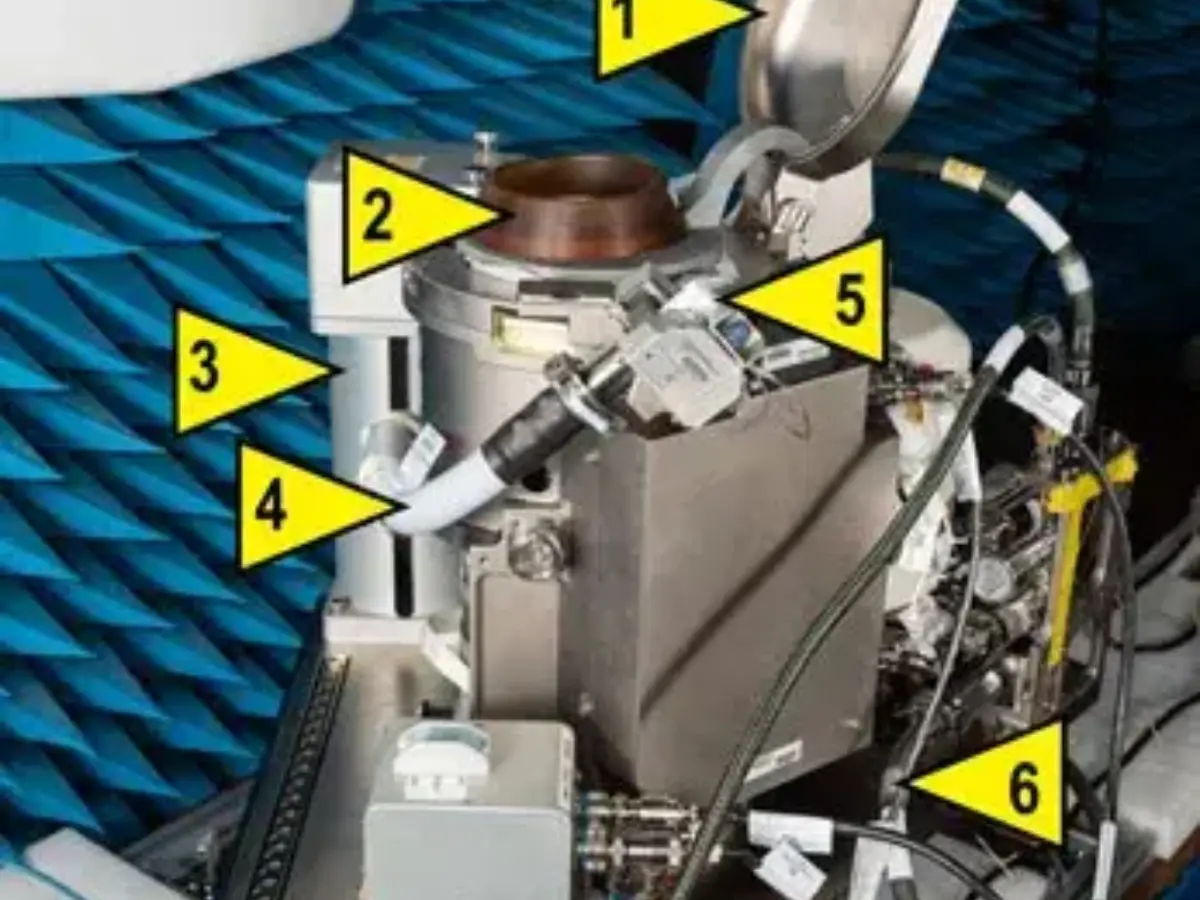
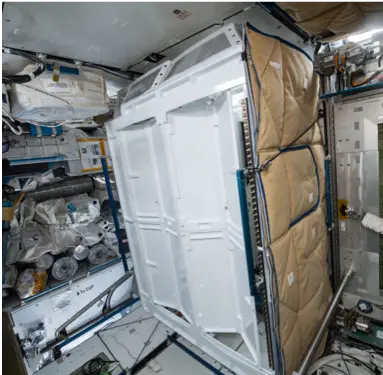
The Universal Waste Management System (UWMS) uses suction to channel waste: urine is collected through a funnel and hose, while solid waste is drawn into bags and compressed into a storage canister.

A $30m solution to a persistent problem
Managing human waste in space has long been a technical challenge, and NASA’s Artemis II mission reflects a major shift in approach. At the centre of this is the Universal Waste Management System (UWMS), a toilet, reportedly costing about $30m (£22.6m). Developed over several years, the system responds directly to astronaut feedback about comfort, hygiene and efficiency in microgravity.
The blinking fault light issue
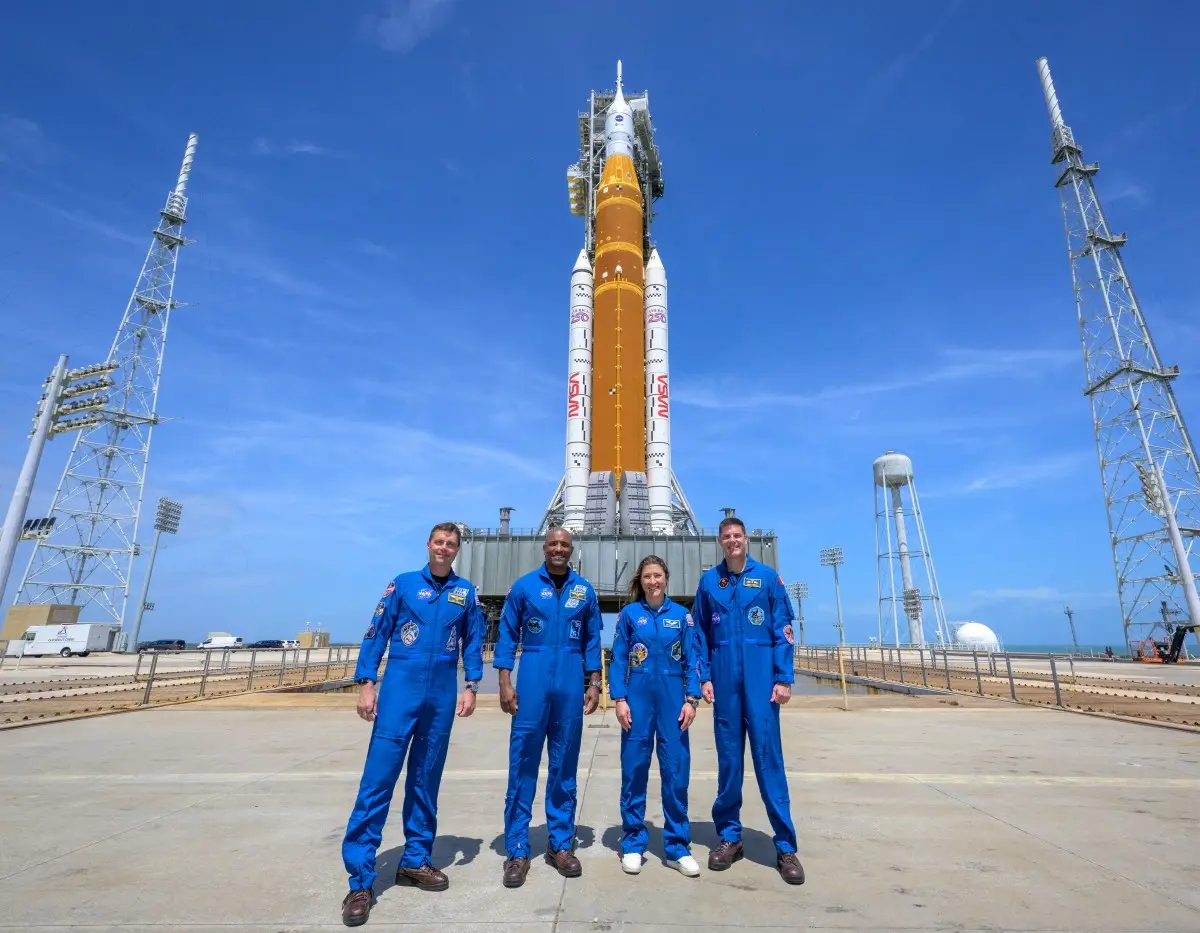
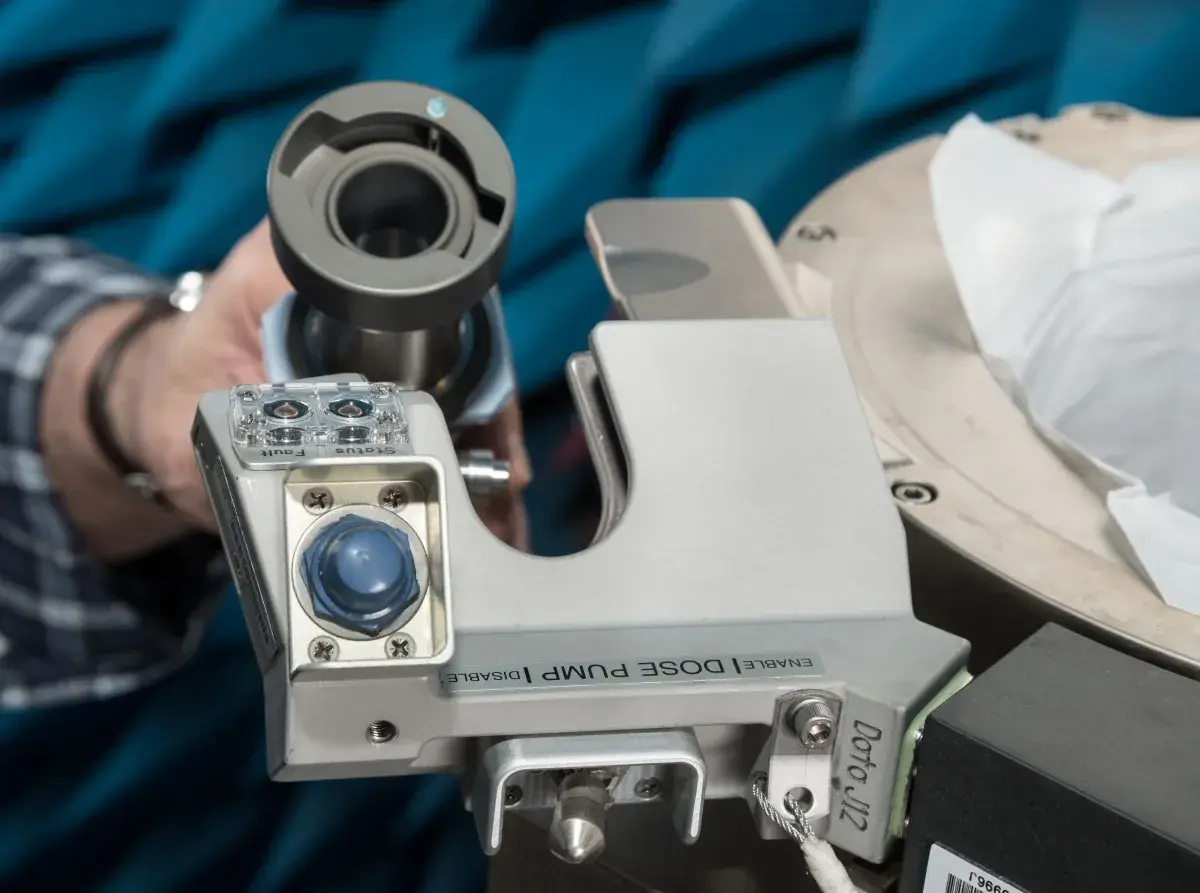
A blinking fault light on NASA’s Orion spacecraft signalled an early setback during the Artemis II mission, indicating that the onboard toilet was temporarily out of order. The issue, however, was swiftly resolved for the four astronauts on the 10-day flight. Mission control later confirmed the system was functioning, stating, “Happy to report that toilet is go for use. We do recommend letting the system get to operating speed before donating fluid, and then letting it run a little bit after donation.”
Designed for privacy and practicality
For the first time on a spacecraft of this type, Orion includes a private toilet cubicle. Accessed through a floor hatch, the unit offers a level of privacy previously unavailable. “We’re pretty fortunate as a crew to get a toilet with a door on this tiny spacecraft,” said Canadian astronaut Jeremy Hansen ahead of the launch, adding it provides “the one place… we can go and actually feel like we’re alone”. It also features a 65 per cent smaller and 40 per cent lighter build than the current space station toilet.
How the system works in microgravity
In microgravity, waste does not behave as it does on Earth, requiring specialised systems to manage it effectively. The Universal Waste Management System (UWMS) uses suction to channel waste: urine is collected through a funnel and hose, while solid waste is drawn into bags and compressed into a storage canister. The process is notably loud, necessitating insulation and ear protection for astronauts. According to The Guardian, the spacecraft’s toilet costed about $30 million (around Rs. 278 crore). The UWMS automatically starts airflow when the lid is lifted, improving waste capture and controlling odours.
Built around astronaut feedback
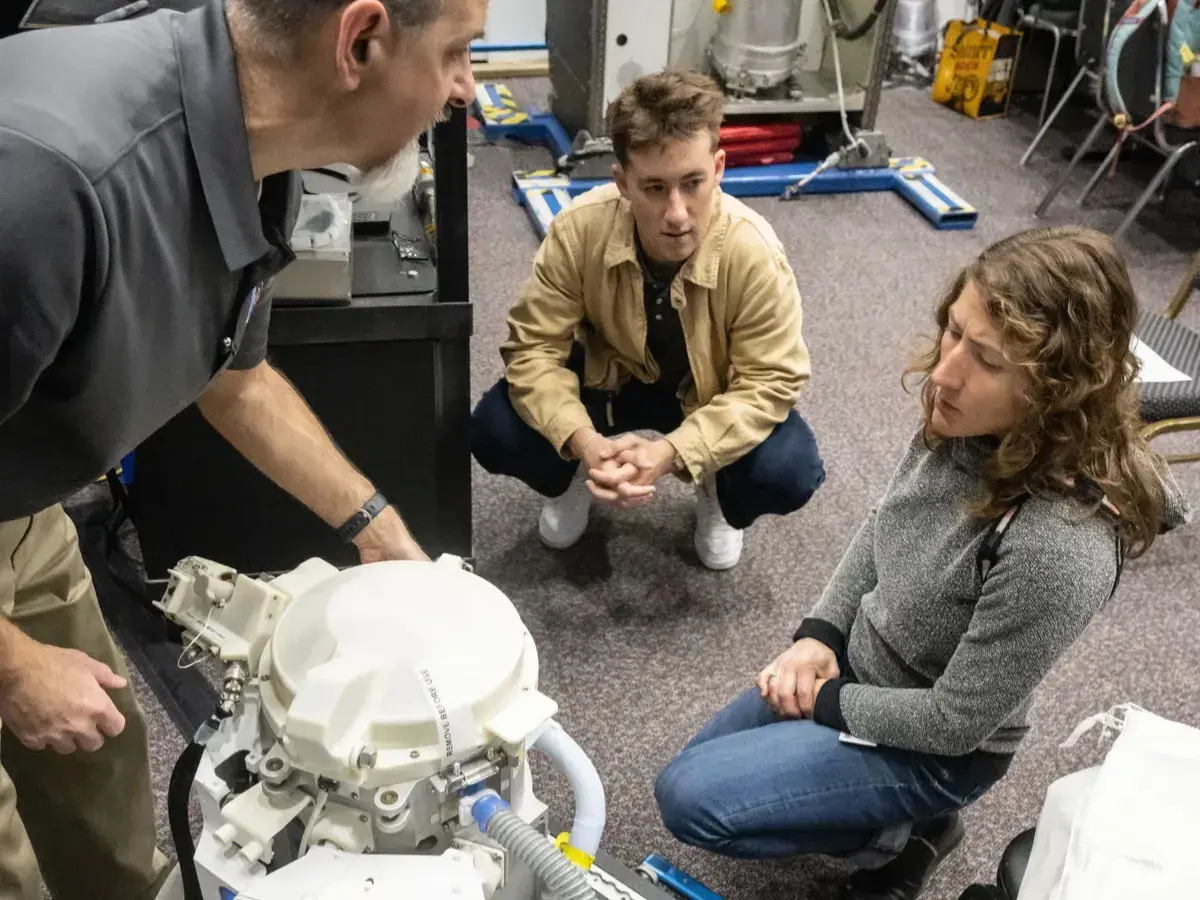
The design reflects years of input, particularly from female astronauts. The funnel and seat can be used simultaneously, and the compact seat ensures proper positioning in microgravity. Handrails and foot restraints replace older thigh straps, allowing astronauts to stabilise themselves more comfortably.
Waste handling and disposal methods
Solid waste is sealed in water-tight bags and stored in removable canisters, some of which are returned to Earth for study. Others are destroyed during re-entry. On Artemis II, a short mission, urine will be vented into space daily rather than recycled, while solid waste will be stored until return.
A step towards sustainable space living
Although Artemis II will not recycle waste, the UWMS is designed for long-duration missions. On the International Space Station, astronauts already recycle around 90 per cent of water, including urine and sweat. “Today’s coffee is tomorrow’s coffee,” noted astronaut Jessica Meir, highlighting the closed-loop system.
Why waste systems are mission-critical
Experts stress that waste management is essential for future space habitation. “Having the ability to deal with waste is mission-critical,” said David Munns of City University of New York, according to The Guardian. As NASA aims for a sustained human presence beyond Earth, systems like the UWMS are not just conveniences, but a foundation for survival in space.
)
)
)
)
)