How missile sensors operate at long distances

Missile sensors detect targets 300+ kilometres away using phased array radar, satellites and infrared systems. Data-links provide continuous targeting updates during flight. Network-centric integration combines multiple sensors for extended range engagement beyond line-of-sight.
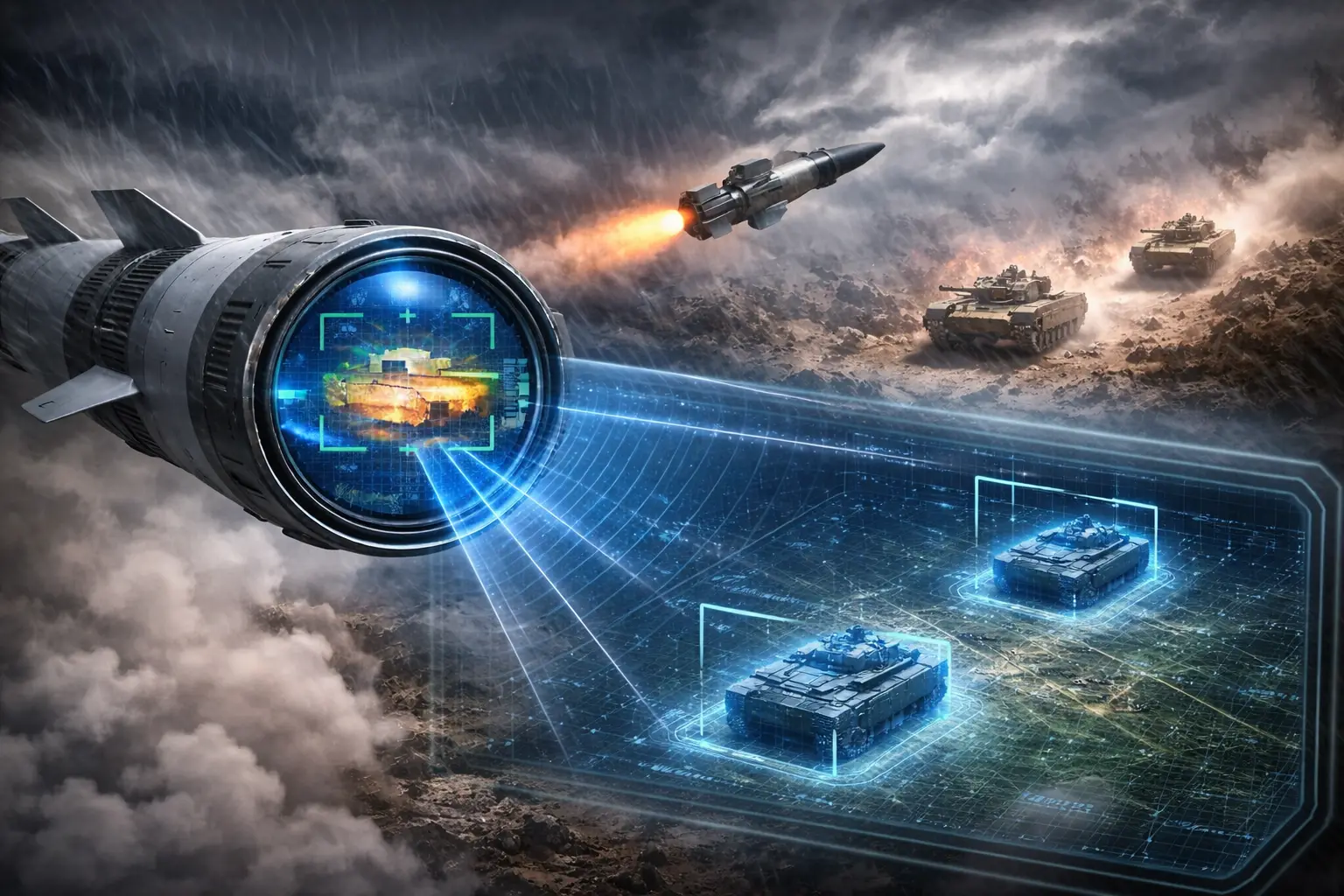
Phased Array Radar Power and Range
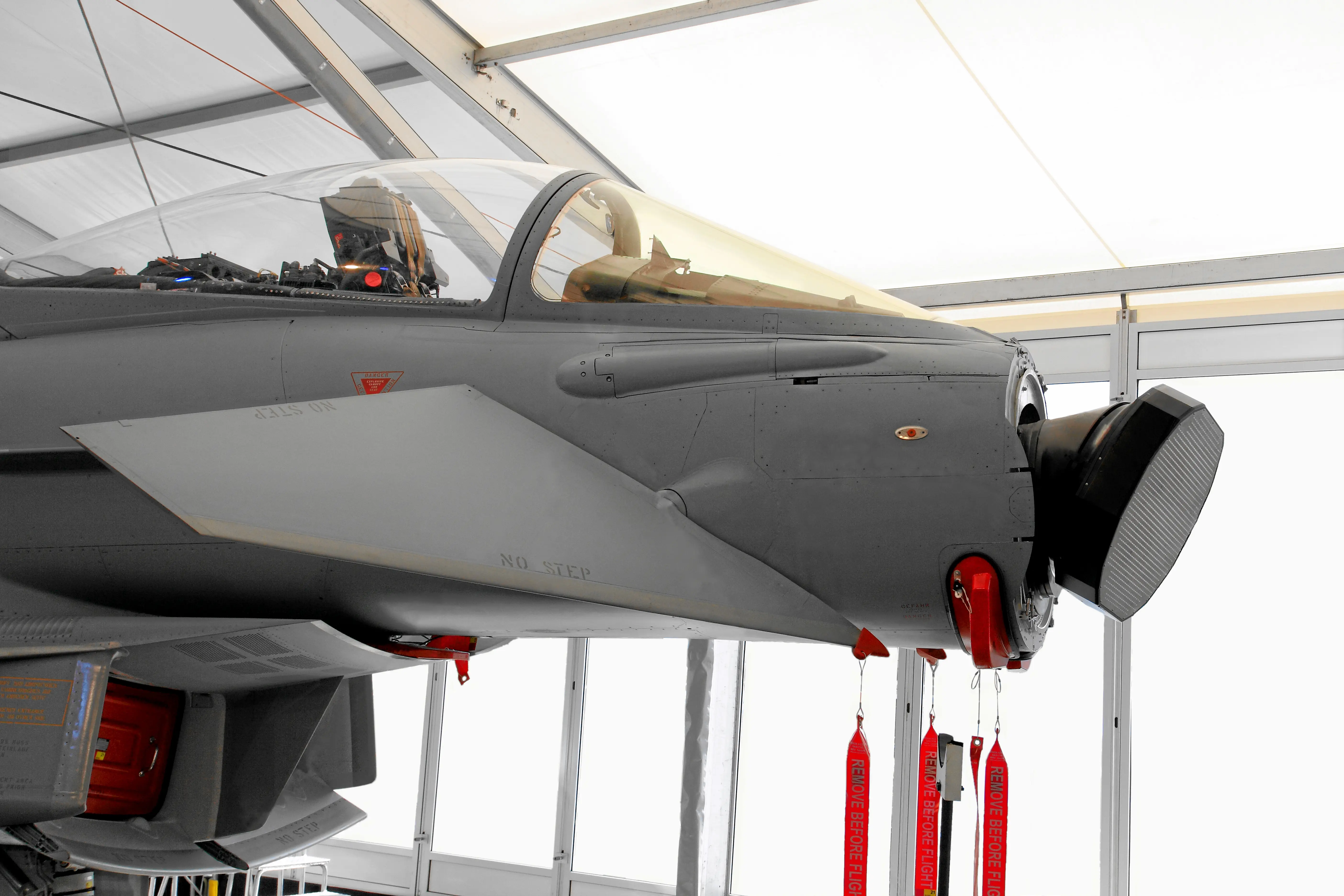
Phased array radars generate powerful electromagnetic beams across 360-degree coverage areas extending 400 kilometres or more. Electronic beam steering enables rapid target acquisition across wide search volumes without mechanical antenna rotation. Modern AESA radars transmit megawatts of peak power, enabling detection of aircraft-sized targets at intercontinental ranges where human operators cannot visually observe threats.
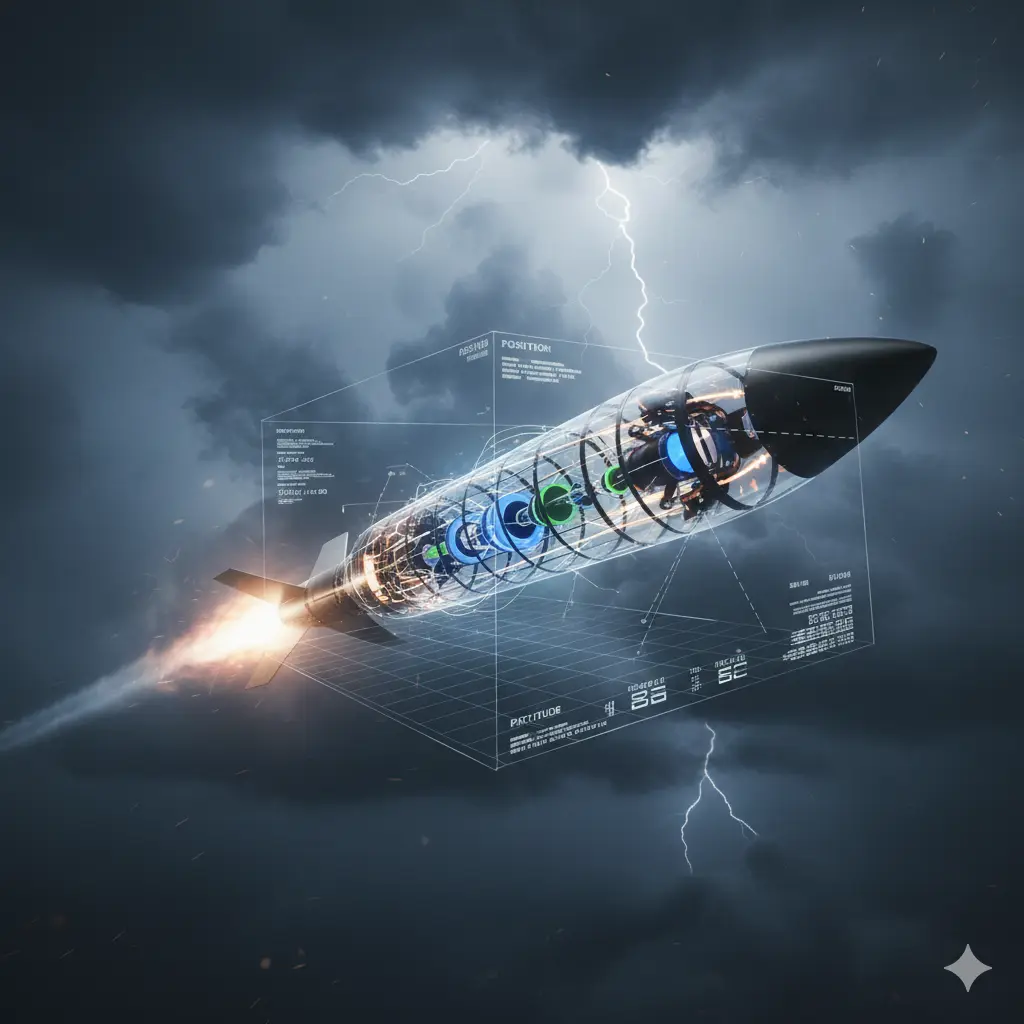
Radar Cross-Section and Detection Distance
Larger aircraft and ships reflect stronger radar signals, enabling detection at extended ranges compared to smaller targets. Stealth shaping reduces radar reflectivity, requiring closer sensor proximity for detection. The relationship between target radar cross-section, transmitter power and receiver sensitivity determines maximum reliable engagement ranges spanning hundreds of kilometres for large platforms.
Over-The-Horizon Radar (OTH) Systems
Over-the-horizon radar transmits signals at low frequencies that bounce off ionosphere layers, detecting targets beyond direct line-of-sight. OTH systems detect aircraft and ships hundreds of kilometres away across vast geographic areas impossible for conventional radar. These systems provide strategic early warning across entire nations, enabling long-range missile engagement decisions.
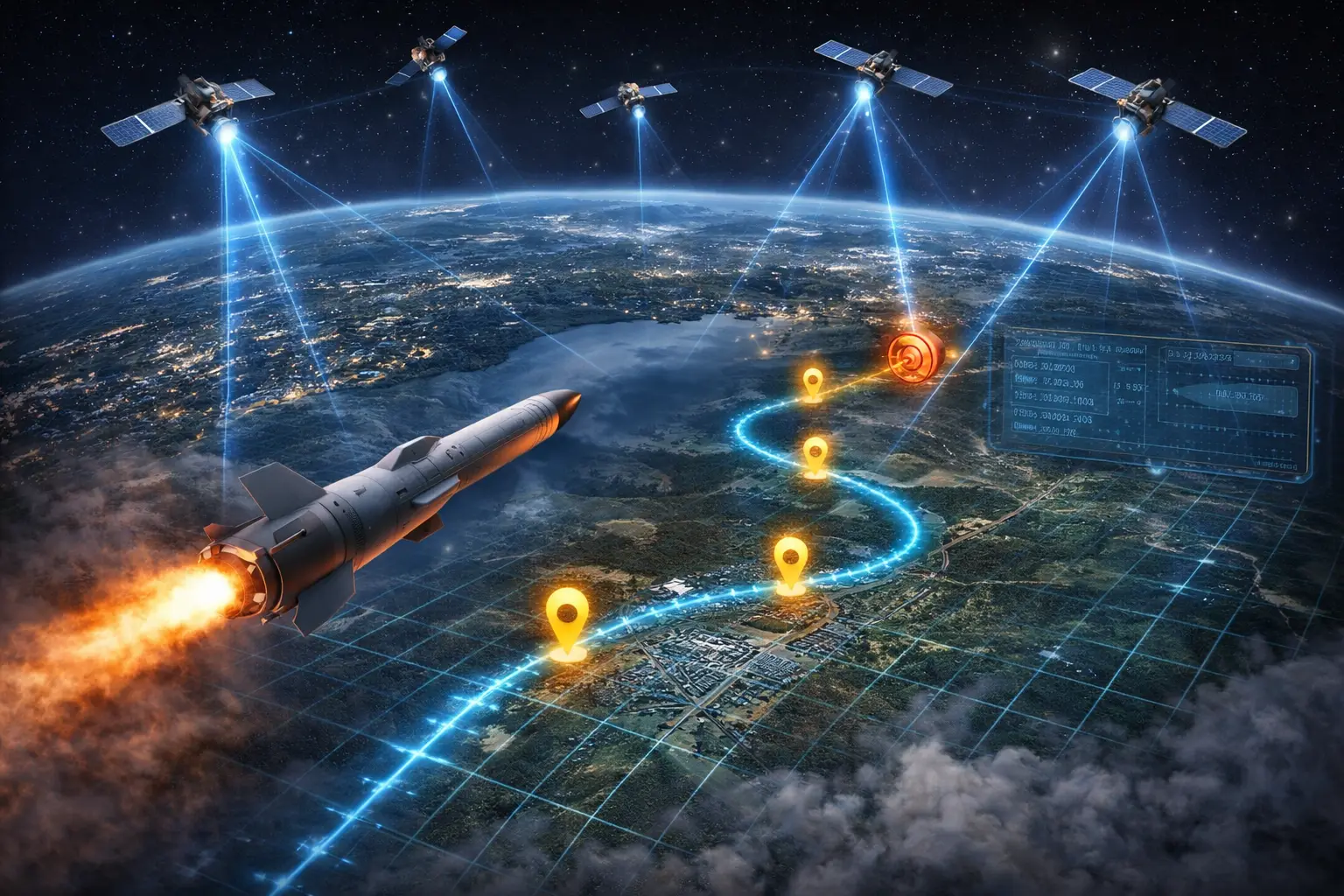
Satellite Data-Link Integration
Satellites relay target position updates to long-range missiles throughout flight, overcoming line-of-sight limitations. Missile guidance computers receive continuous satellite-provided coordinates, correcting inertial navigation drift and enabling mid-course targeting adjustments. This integration enables missiles to engage targets hundreds of kilometres beyond original targeting information, supporting strategic strike missions.
Bistatic Radar Exploitation
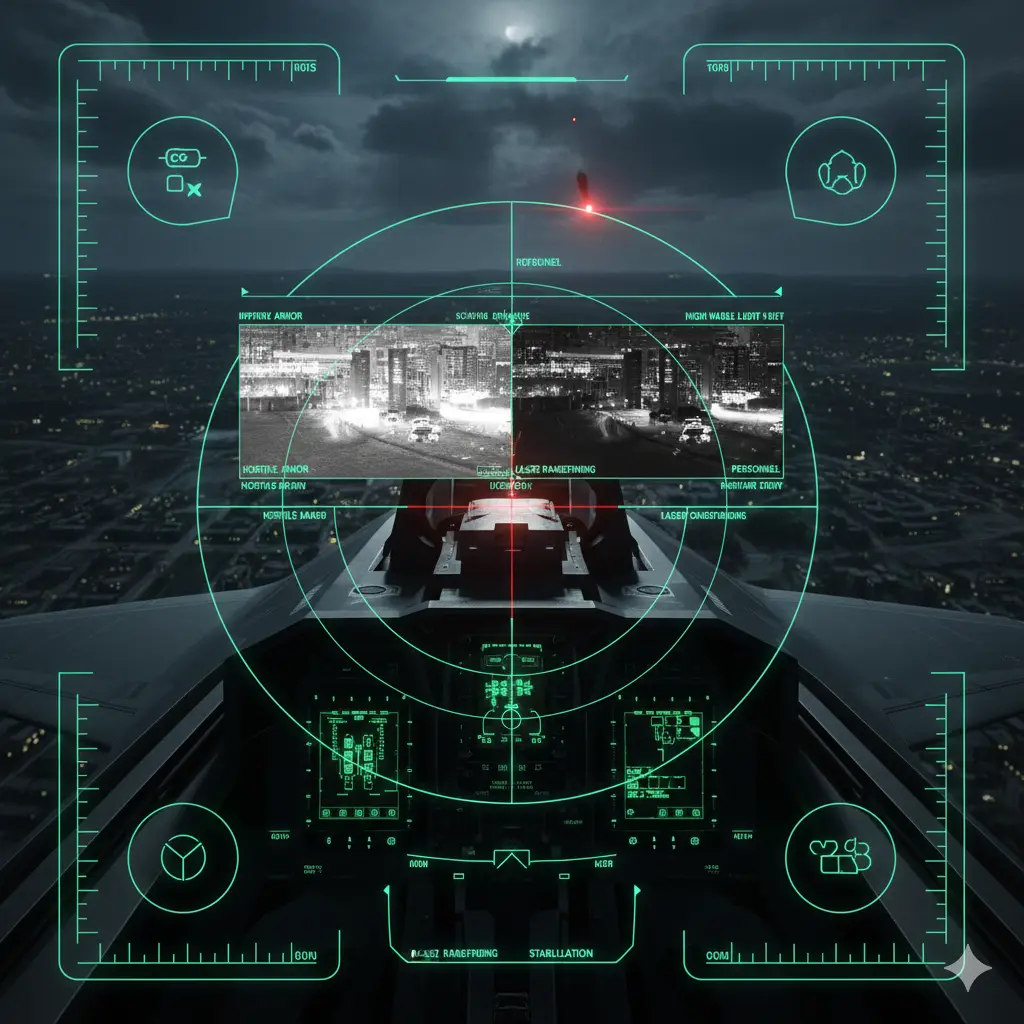
Bistatic radar systems use separate transmitter and receiver locations, detecting targets invisible to single-location radars. Commercial television and radio broadcasts provide radar illumination sources without revealing receiver positions. Modern missiles exploit these passive illumination sources, detecting and tracking targets without transmitting any energy themselves.
Inertial Navigation System Drift Correction
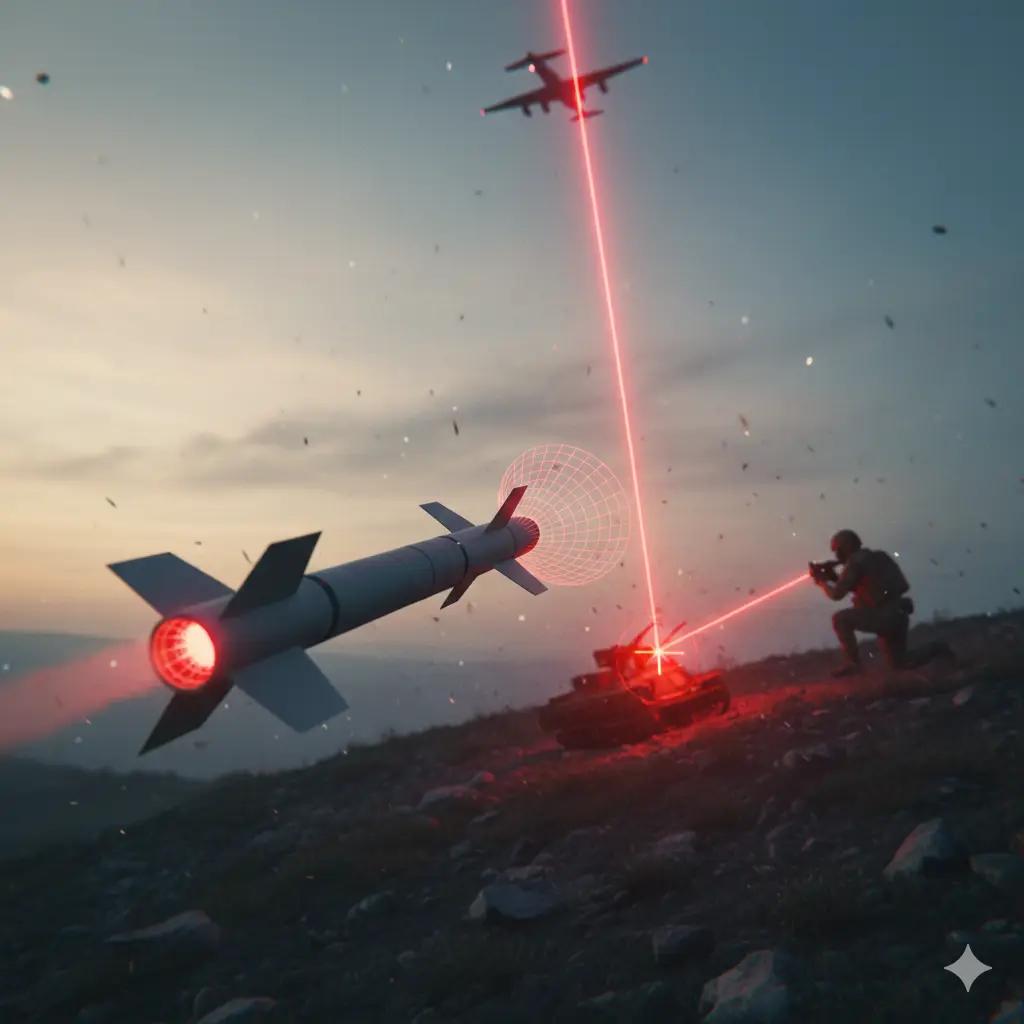
Inertial measurement units accumulate position errors during long missile flights, requiring periodic correction. GPS, satellite datalinks and landmark recognition provide mid-course updates, resetting navigation errors. Over 300-kilometre distances, multiple correction cycles maintain accuracy within metres, ensuring reliable target intercept despite long flight duration.
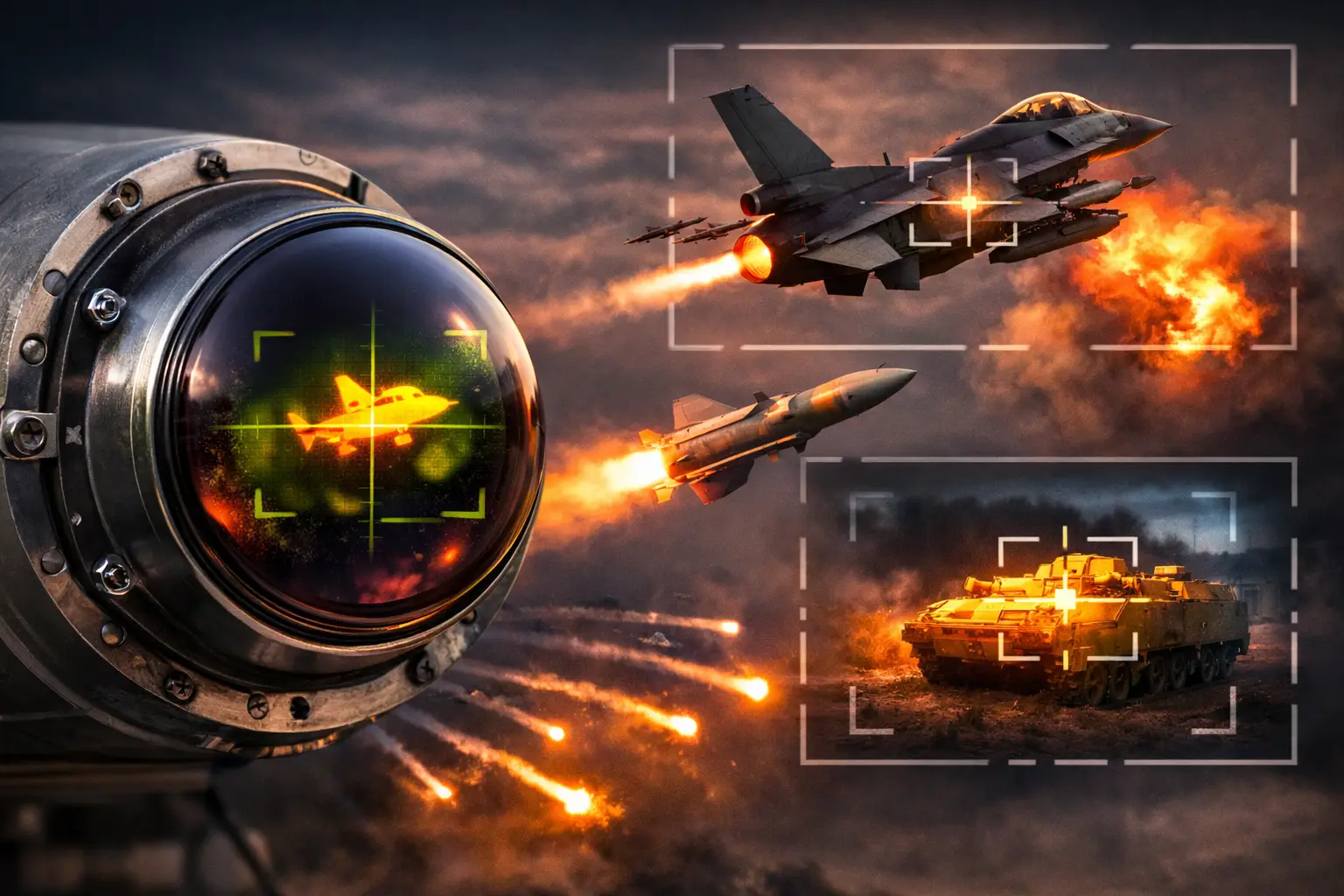
Infrared Thermal Detection at Distance
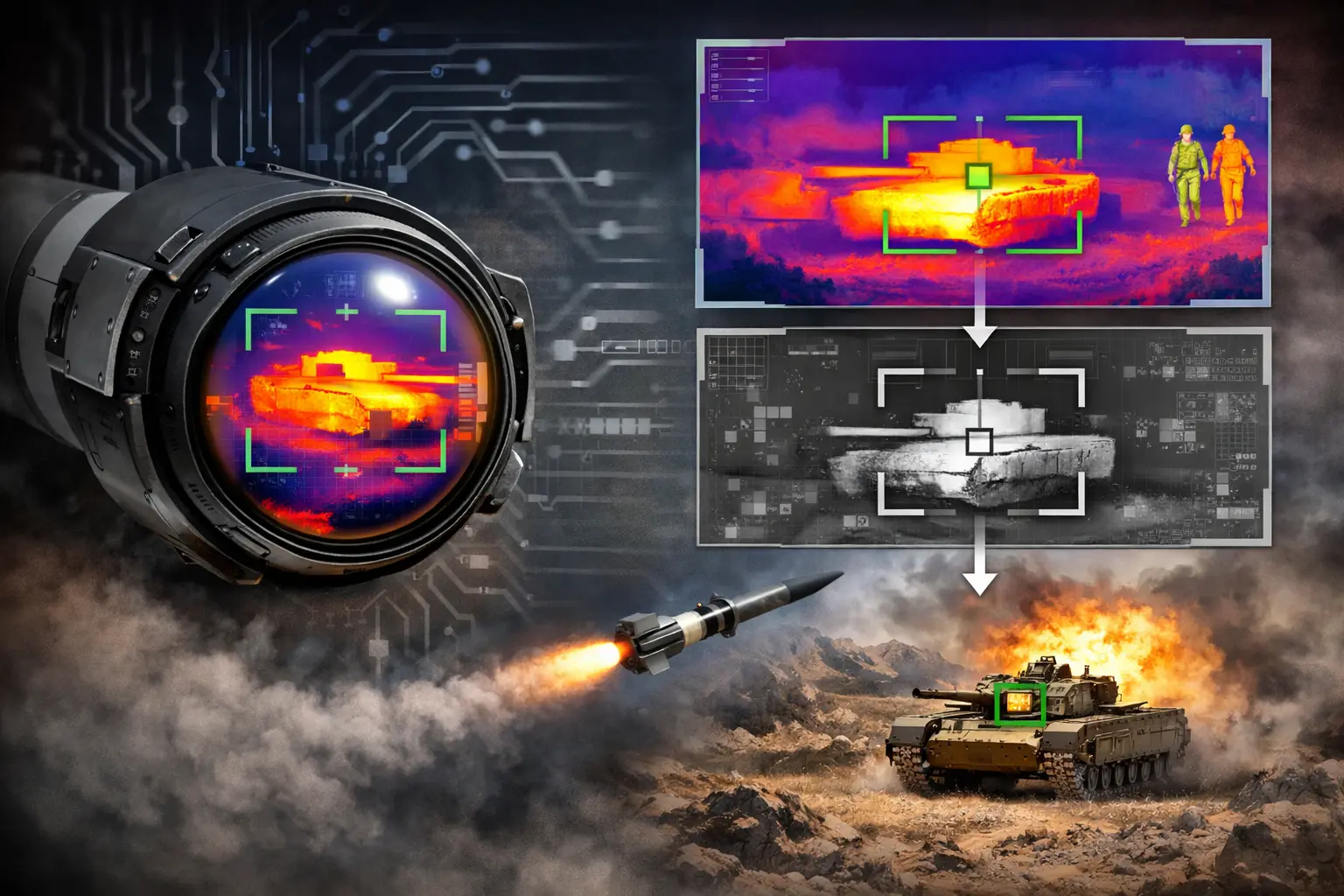
Infrared sensors detect heat radiation from aircraft engines and rocket plumes across extreme distances in space. Geosynchronous satellites detect missile launches across entire continents, providing target coordinates to defending systems. Thermal detection operates independent of weather and electromagnetic jamming, providing redundancy for long-range target identification.
Monopulse Radar Direction Finding
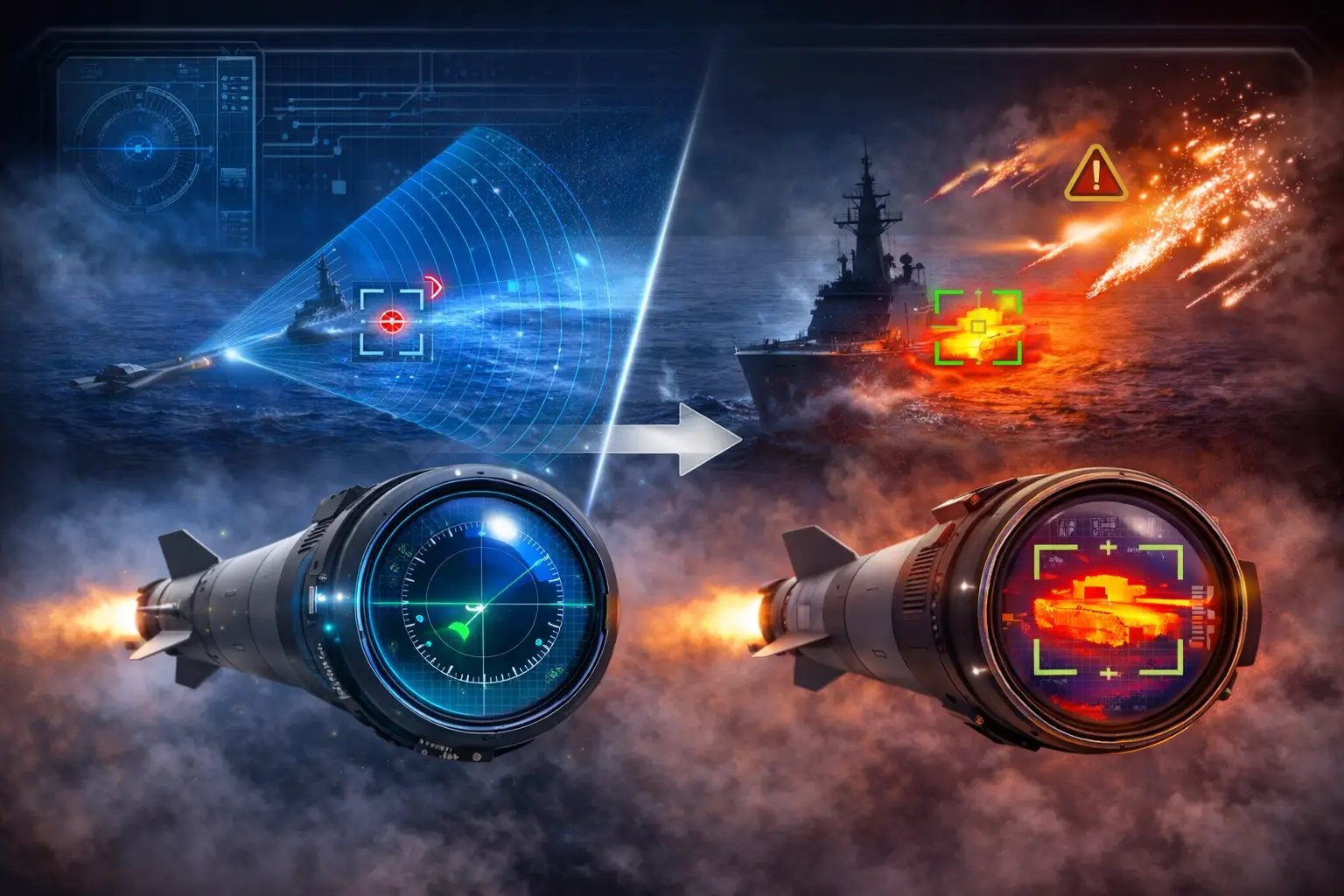
Monopulse radar determines target angle within single transmitted pulse by comparing returns across antenna sub-apertures. This precise angle measurement enables rapid target acquisition and continuous tracking throughout engagement. Monopulse techniques extract target direction with accuracy measured in fractions of degrees across distances exceeding 300 kilometres.
Signal Processing and Clutter Rejection
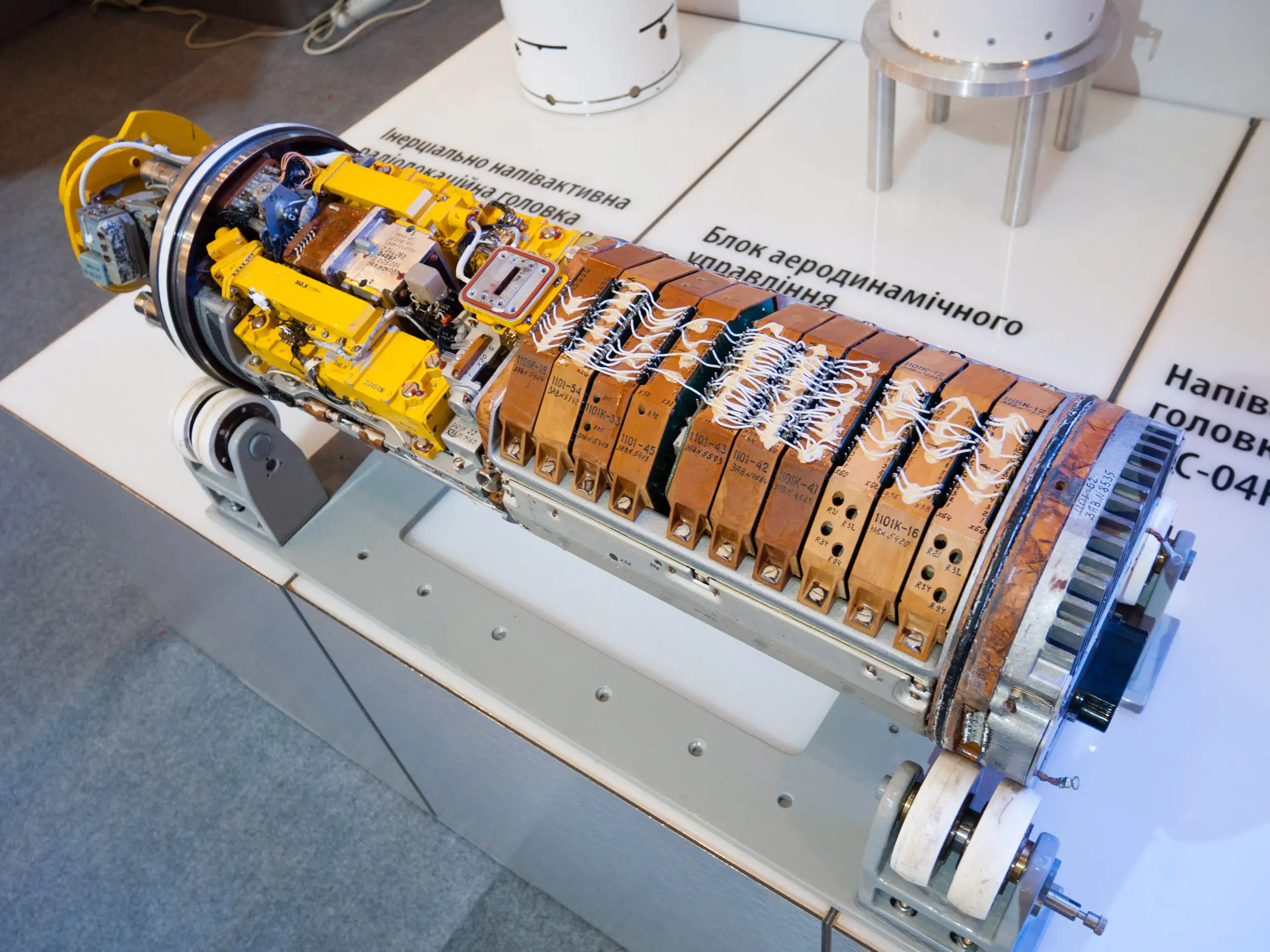
Advanced digital signal processors filter out radar reflections from sea surface, rain, mountains and buildings at long ranges. Moving target indicator circuits distinguish genuine aircraft from stationary terrain clutter. These processors enable reliable target detection amongst ground reflections and weather phenomena invisible to older radar systems.
Network-Centric Targeting Integration
Modern missiles access networked sensor data from radars, satellites, airborne platforms and ground stations simultaneously. Fusion of multiple sensor inputs provides target position accuracy impossible from single sources. Network-centric warfare enables missiles launched hundreds of kilometres away to receive real-time target updates from distributed sensors across entire regions.
)
)
)
)
)