How many types of 'Solar Eclipses' are there? Discover them all here

Based on the alignment of the Sun, Moon, and Earth, there are four main types of solar eclipses, which include total eclipse, partial eclipse, annular eclipse, and hybrid eclipse.
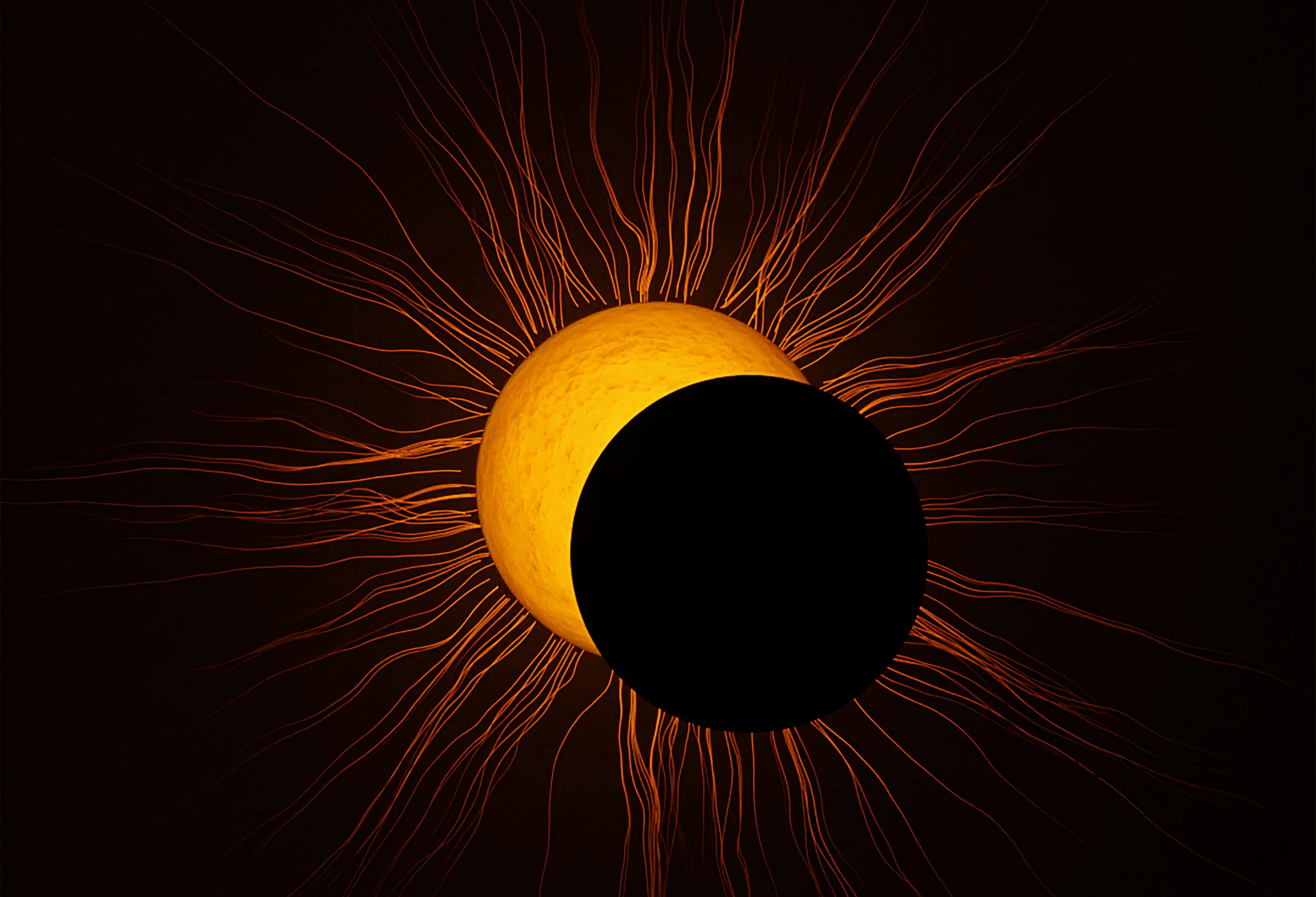
Solar eclipse of September 21
The solar eclipse of September 21, 2025, is called a partial solar eclipse, which will be visible from parts of the Southern Hemisphere, including New Zealand, Antarctica, and nearby islands.
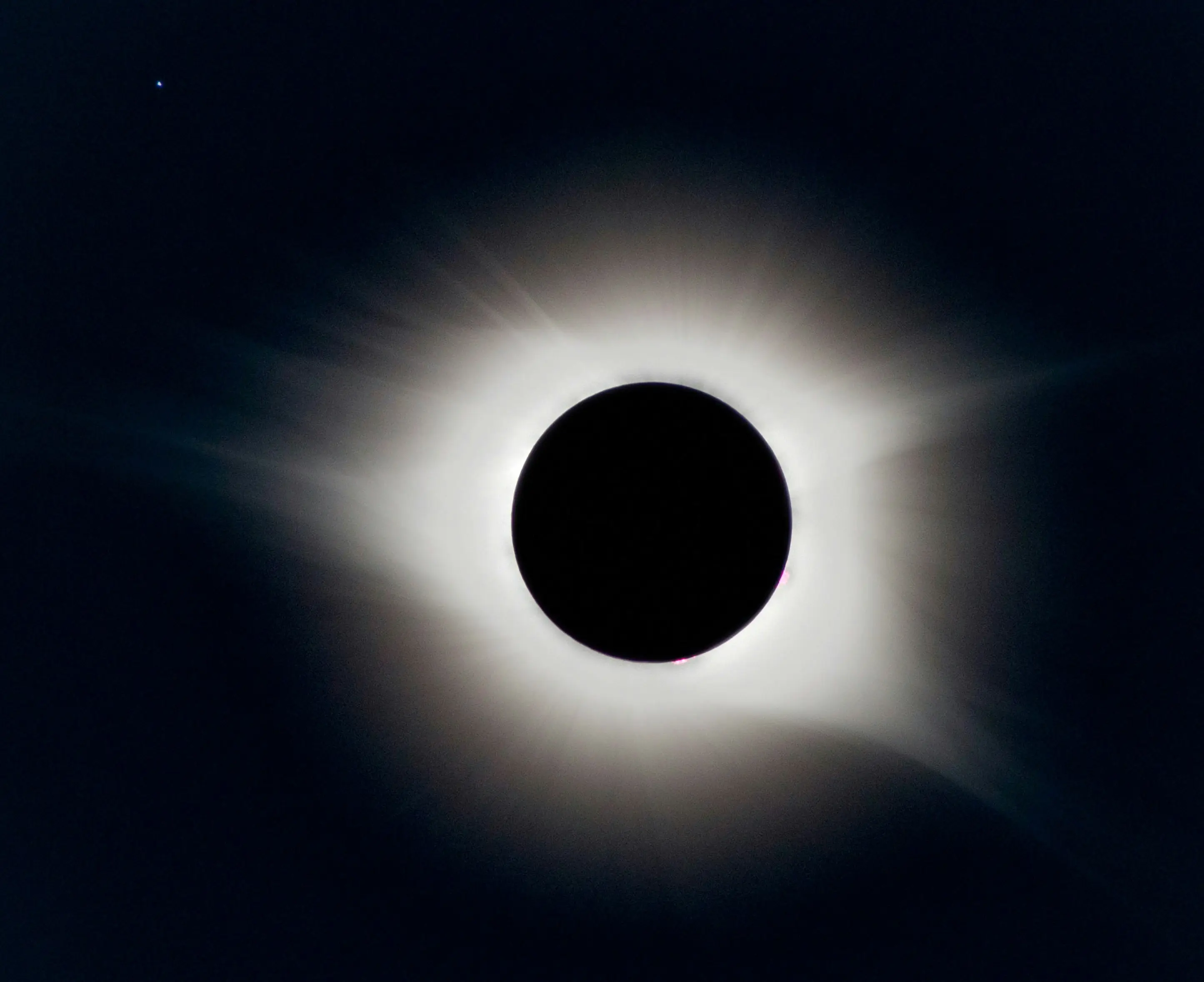
1. Total Solar Eclipse
A total solar eclipse occurs when the Moon completely covers the Sun as seen from Earth. This happens when the Moon is close enough to Earth in its orbit to appear large enough to block the Sun entirely, casting a dark shadow (umbra) on Earth. For a few minutes, the day turns into darkness.
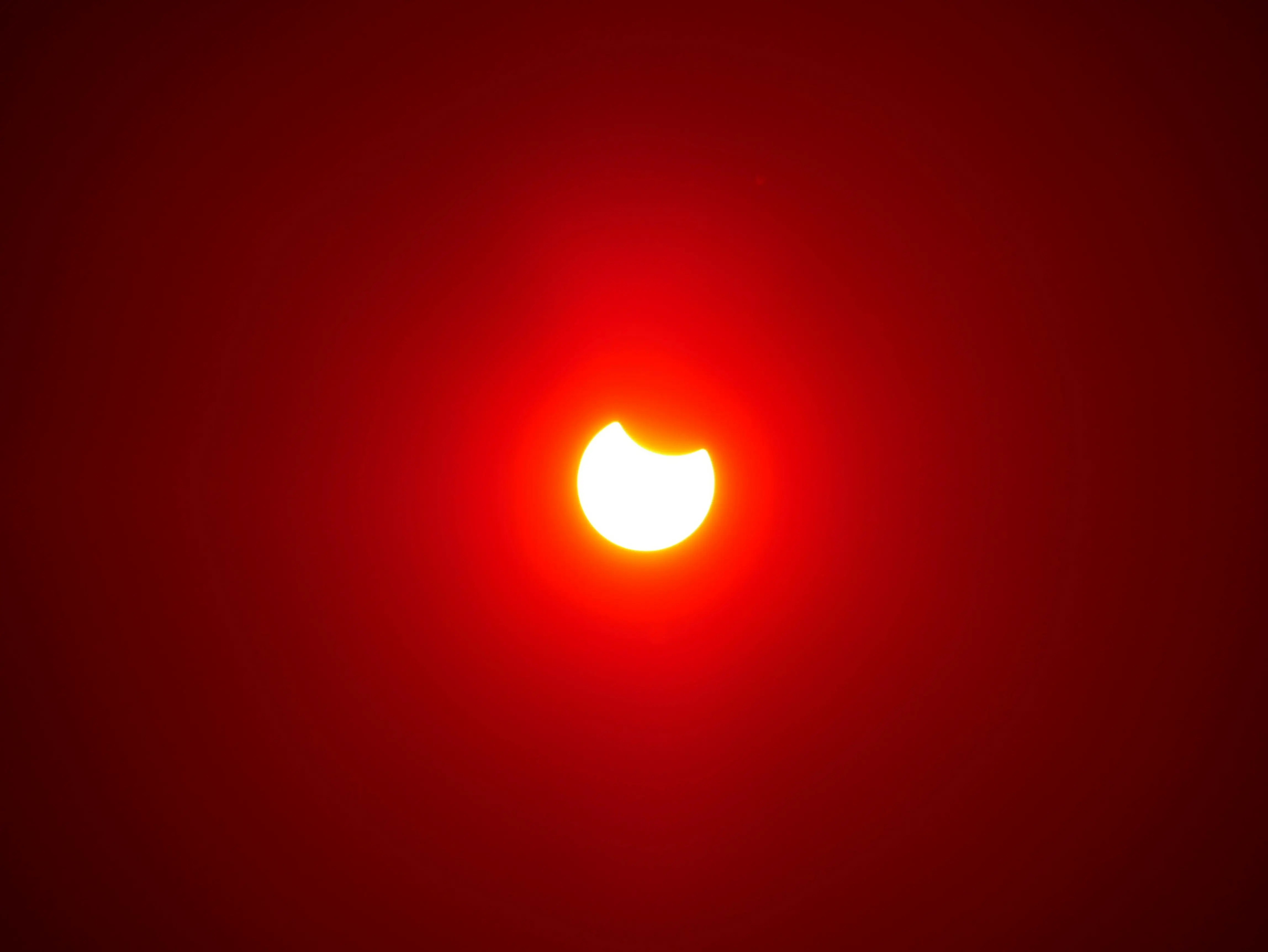
2. Partial Solar Eclipse
A partial solar eclipse occurs when the Moon only covers a part of the Sun’s disk. This happens when the observer is located in the penumbra, the lighter outer shadow of the Moon. The Sun looks like a “bite” has been taken out of it, but it never goes fully dark.
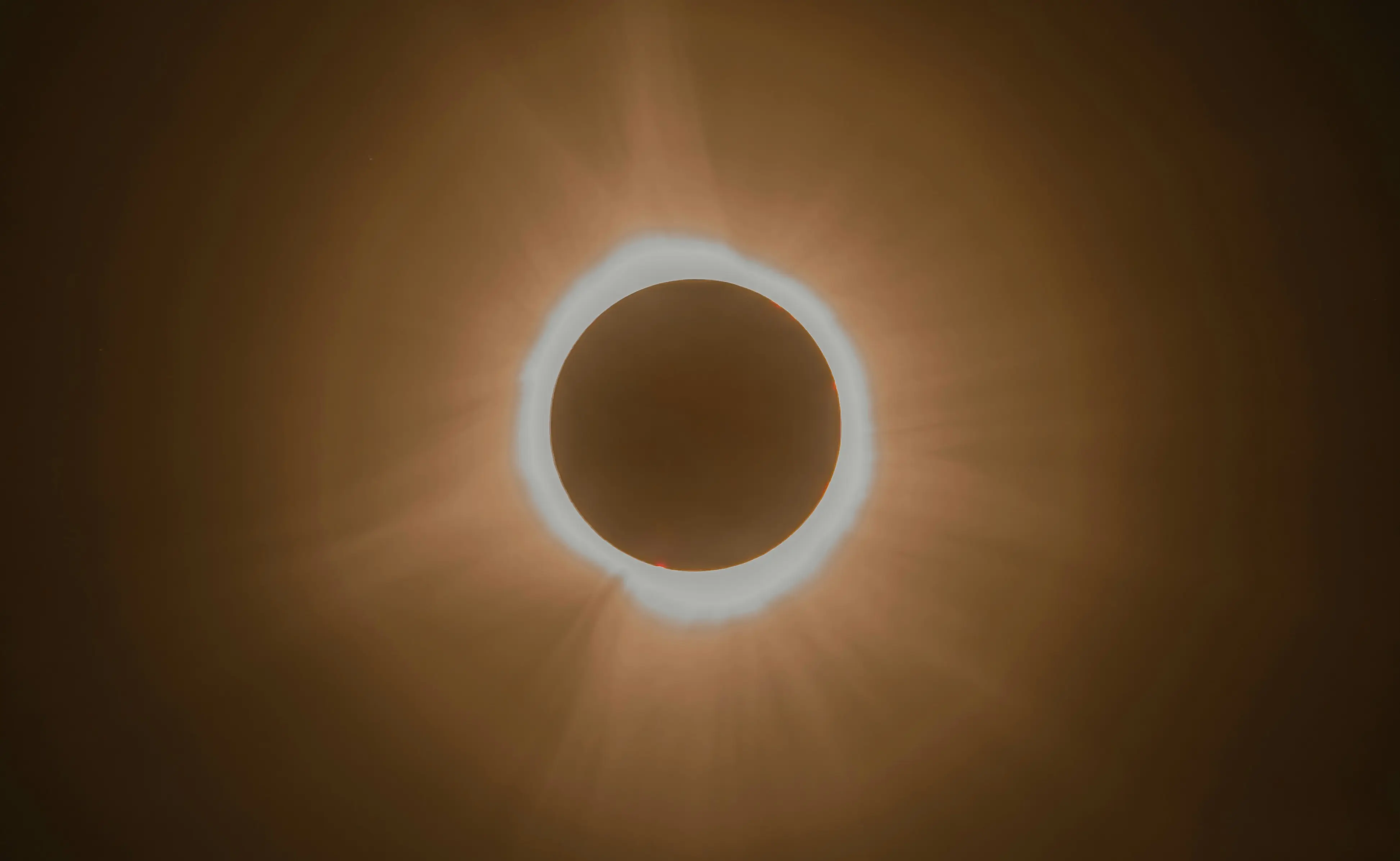
3. Annular Solar Eclipse
The annular solar eclipse happens when the Moon is farther from Earth in its orbit and appears slightly smaller than the Sun. As a result, it doesn’t cover the Sun completely, leaving a “ring of fire” — a bright ring of the Sun’s surface surrounding the dark Moon.
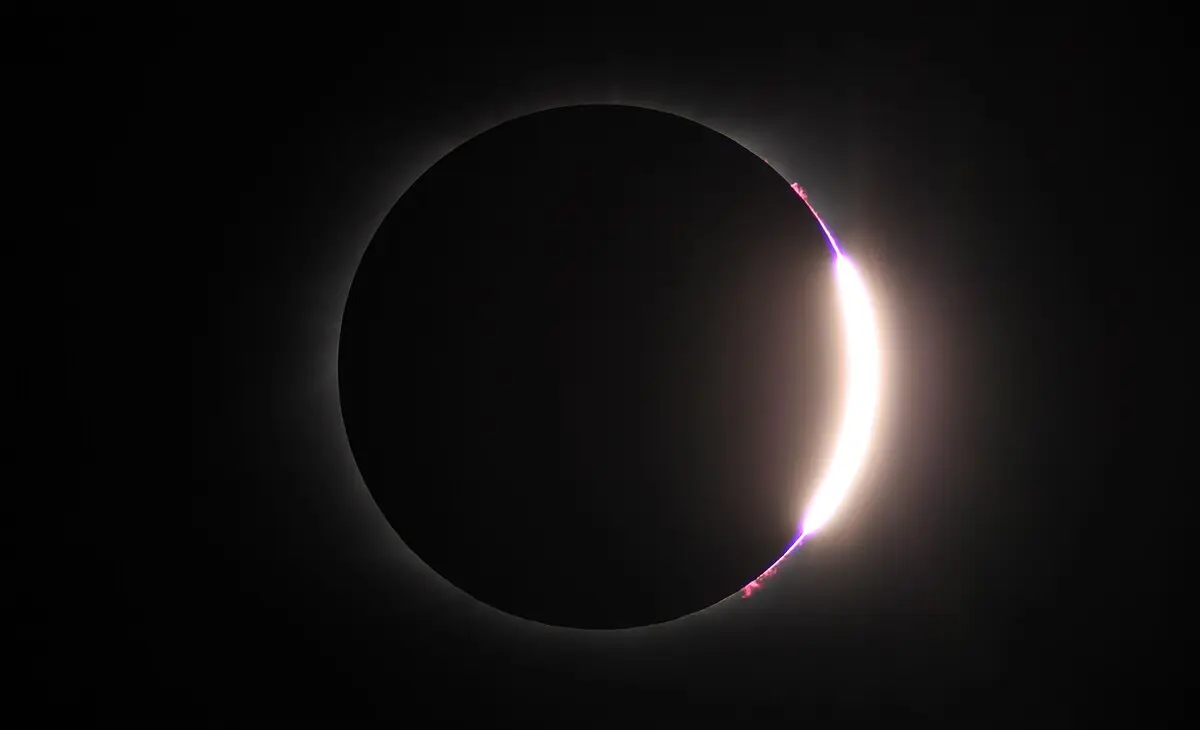
4. Hybrid Solar Eclipse
A hybrid solar eclipse is a rare type that shifts between total and annular along different points of its path. Due to Earth’s curvature, some locations see a total eclipse, while others see an annular eclipse on the same day.
)
)
)
)
)