How many coaches can a steam train engine pull?

Steam locomotives have powered trains for over two centuries. Steam engines typically pull 10-24 coaches, depending on power and track. Large steam locomotives hauled heavy loads, but modern diesels can pull longer trains. Steam haulage depends on many factors.
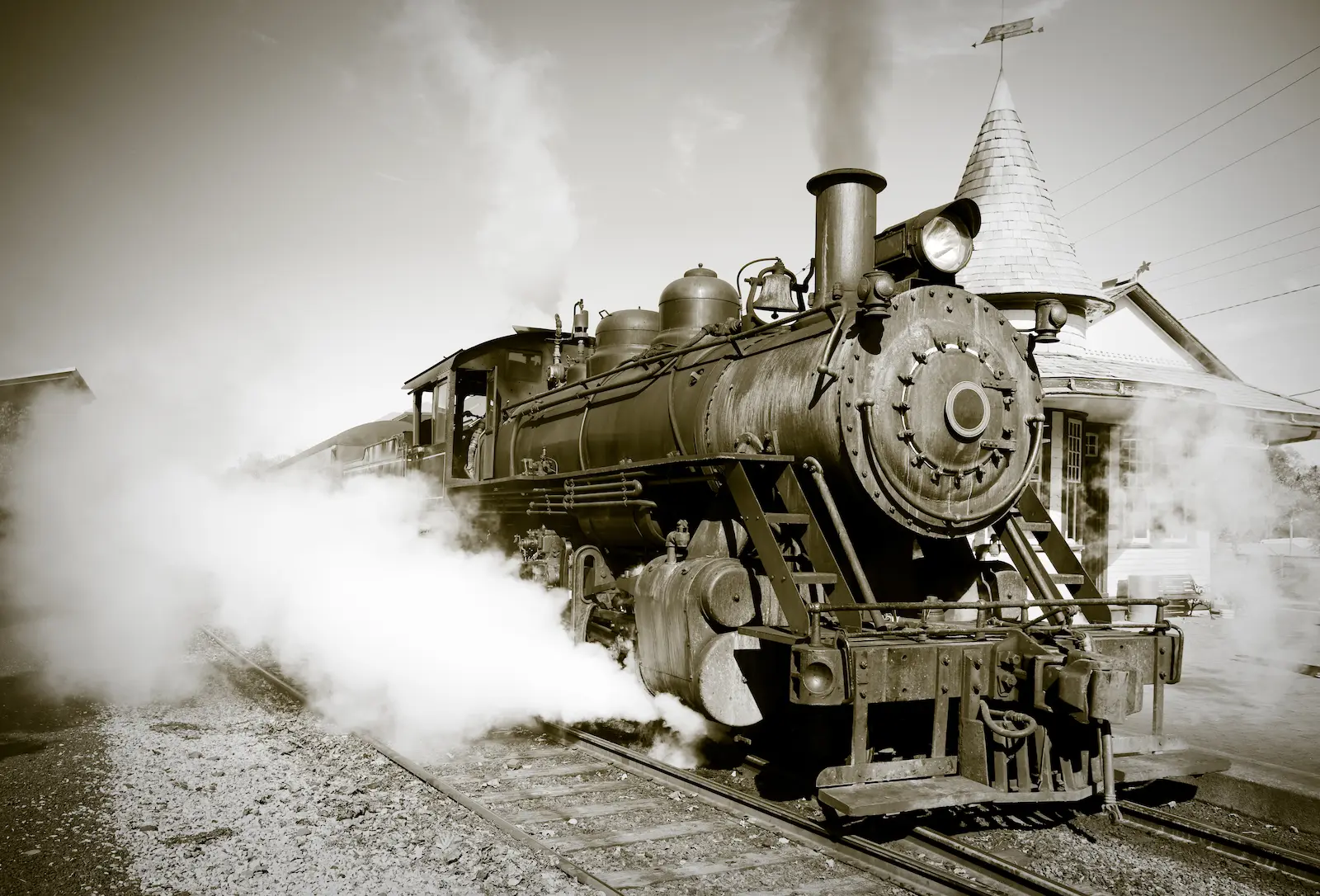
Steam Engines Use Steam Pressure to Move Trains
Steam engines convert water to steam, which pushes pistons connected to driving wheels. This force moves the locomotive and its coaches forward.
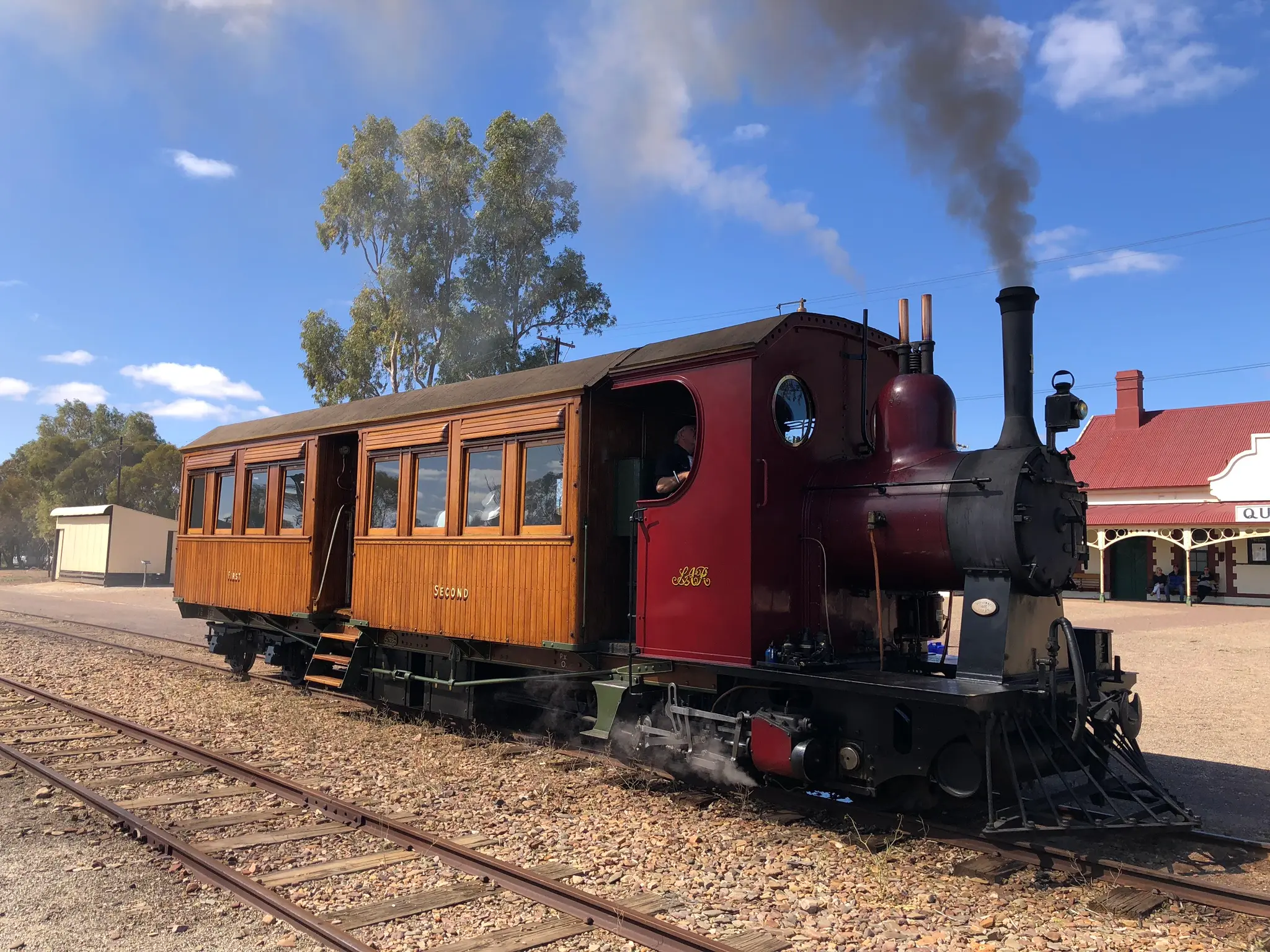
Power and Weight Are Key Factors
The engine’s pulling power depends on cylinder size, steam pressure, and driver wheel arrangement. Heavier locomotives generally have more power to haul more coaches.
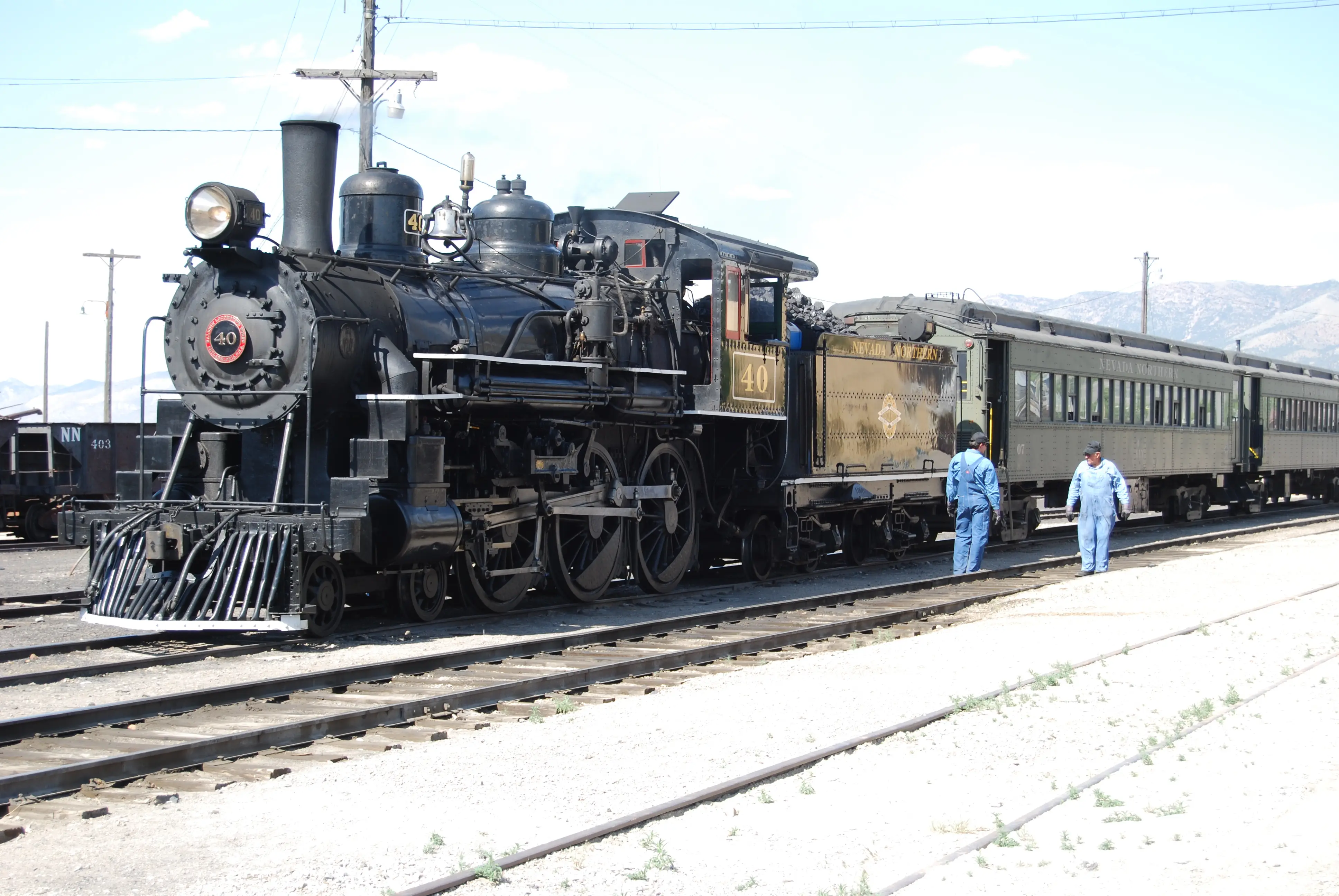
Typical Coach Limits
Historically, steam locomotives pulled between 10 and 20 coaches depending on route terrain and train type. On flat land, up to 24 coaches were possible; on hilly routes, fewer.
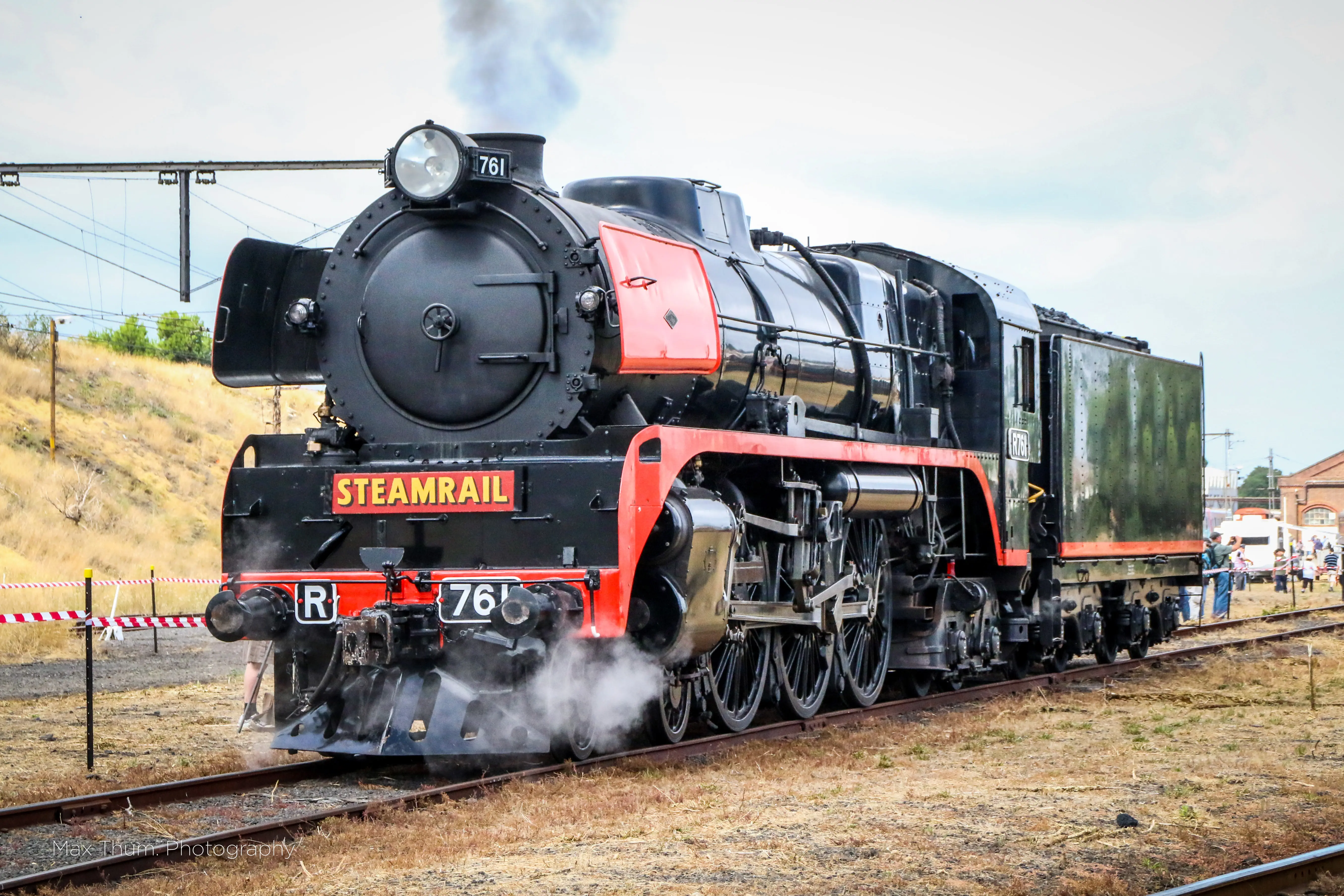
Largest Steam Locomotives Pulled Extremely Heavy Trains
Records show engines like the Norfolk & Western 2156 pulled around 1750 tons of load, equivalent to over 70 coaches. The efficiency depended on fuel, water stops, and track quality.
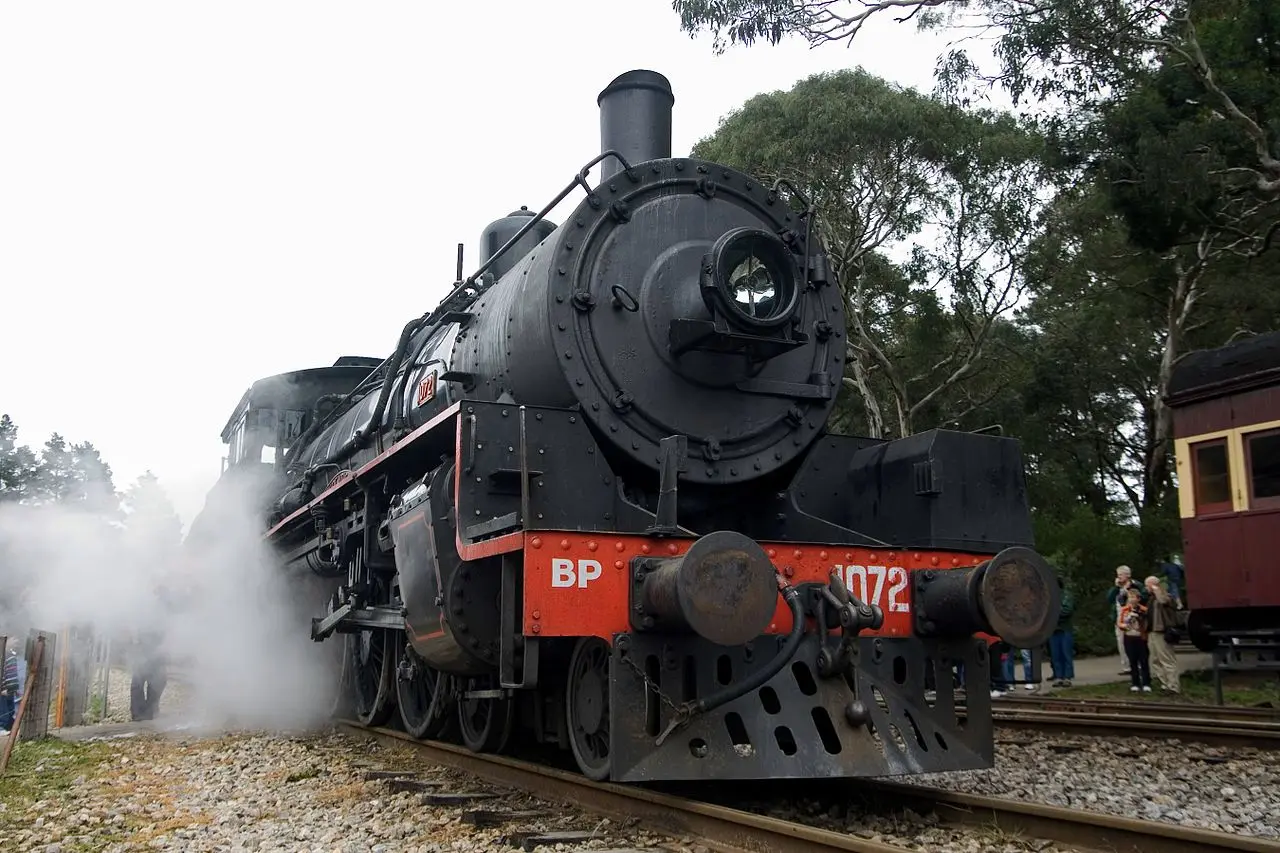
Speed Limits Influence Haulage
Faster trains require less weight for safety and braking. High-speed steam trains like the LNER Class A4 Mallard held speed records but pulled fewer coaches for stability.
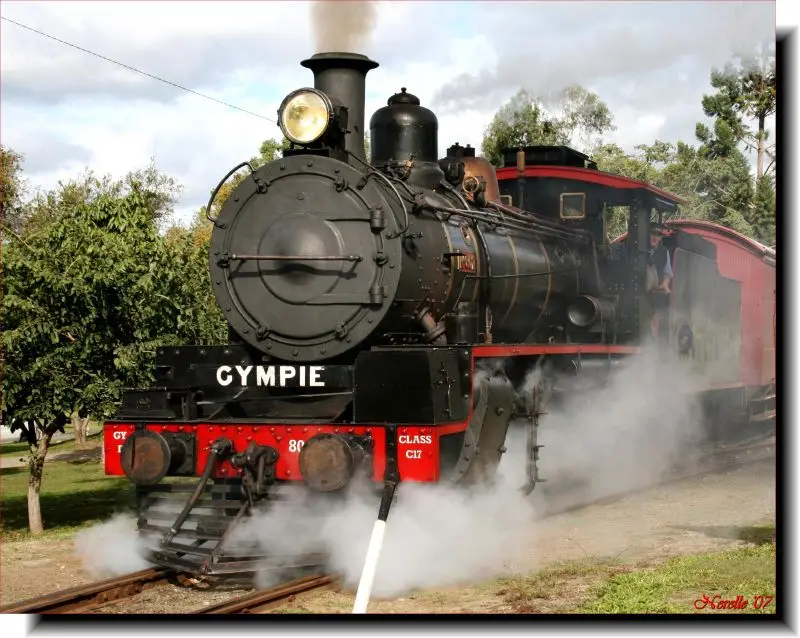
Braking and Control Systems
Old steam trains used vacuum or air brakes. Coach compatibility affected how many could be linked safely. Modern touring steam trains often have diesel or generator cars for brakes and power.
Track and Weather Conditions Affect Capacity
Curves, gradients, and track strength limit maximum load steam engines can haul. Weather such as rain or snow can reduce traction and require shorter trains for safety.
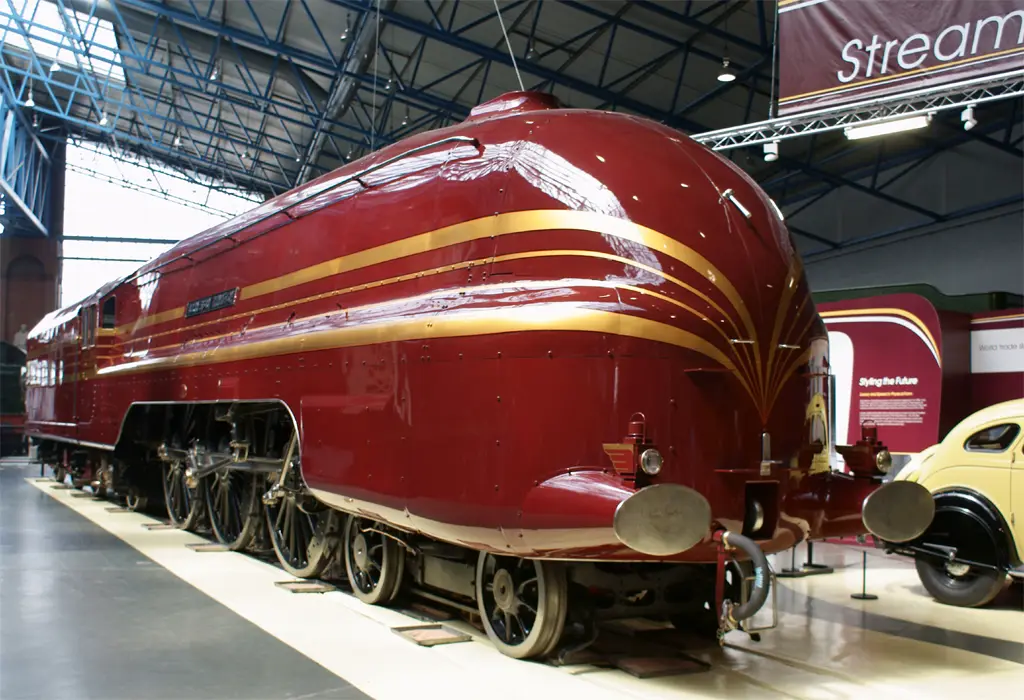
Modern Steam Operations
Steam locomotives now mostly run on heritage railways with shorter trains, typically 5-10 coaches, balancing historical experience and safety.
Comparing to Diesel and Electric
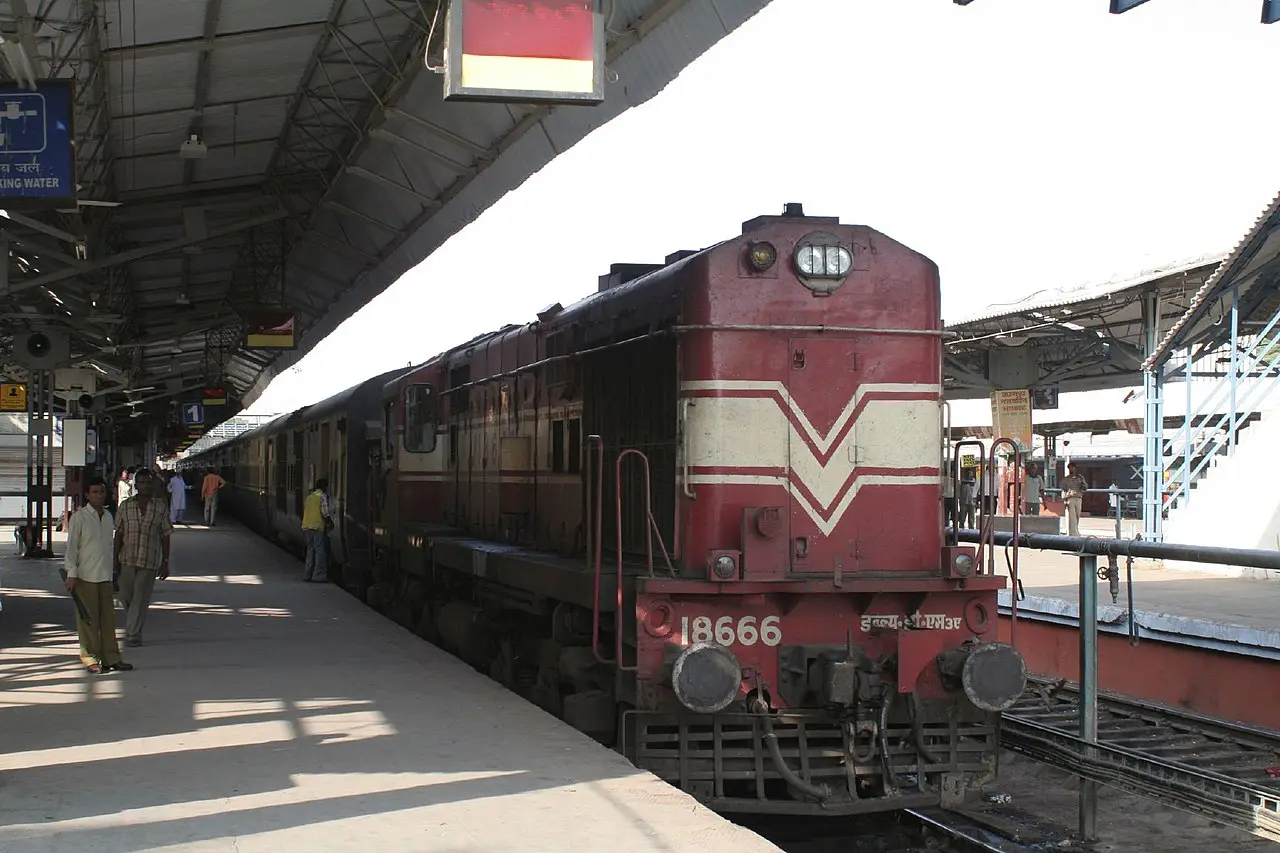
Diesel and electric locomotives can haul longer trains, sometimes with over 90 coaches due to higher power and better braking, making them more efficient for heavy freight.
The Fascination with Steam Power
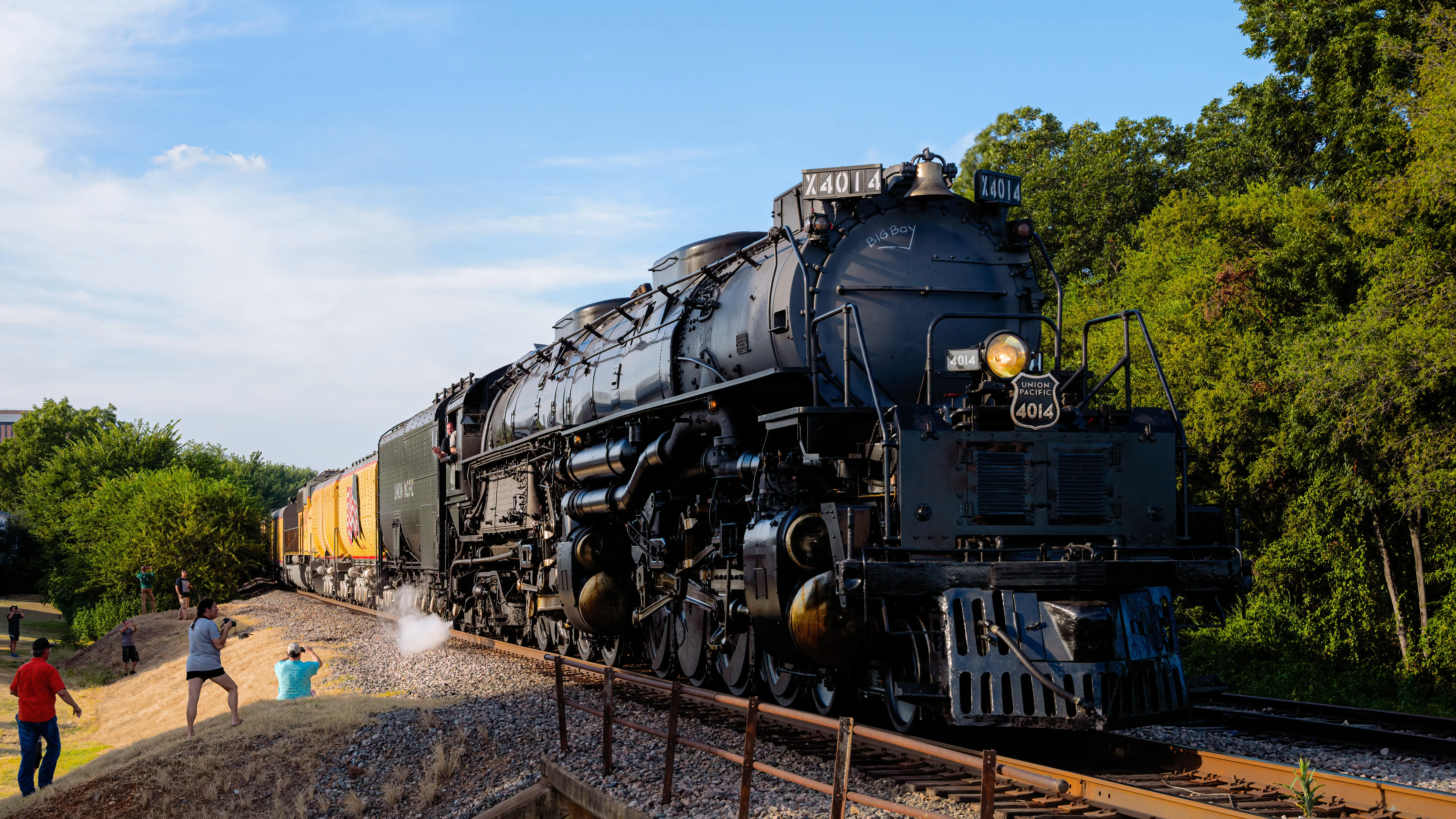
Steam trains evoke nostalgia but practical haulage is limited compared to modern engines. Understanding their limits helps preserve history while embracing progress.
)
)
)
)
)