How long a Tejas fighter jet can fly without refueling

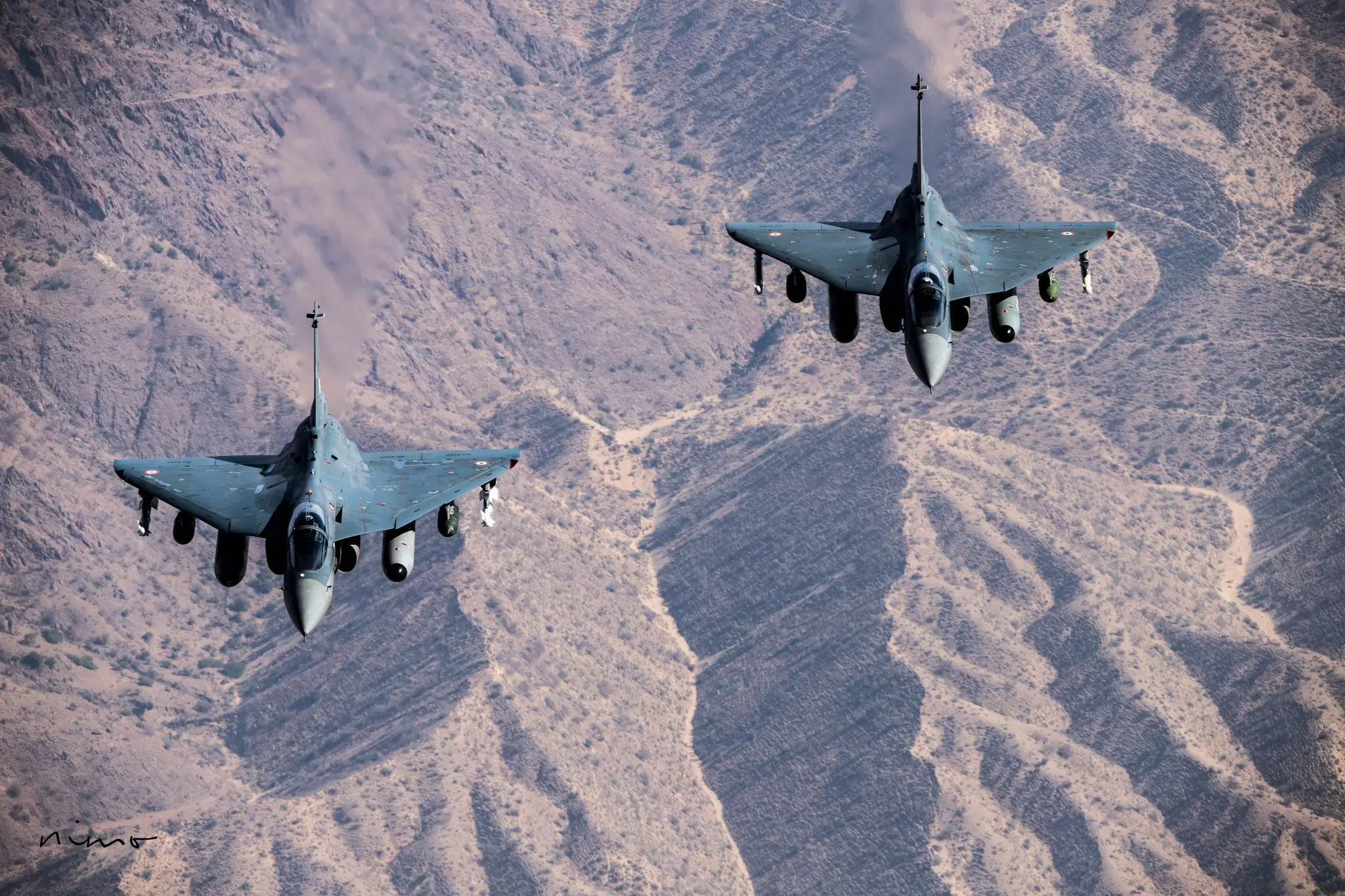
Tejas fighter jet can fly for over 3 hours without refuelling on internal fuel. The newer Mk2 version lasts 3.5 hours. With external drop tanks, it reaches 3,500 km range. Using mid-air refuelling, it can stay airborne for 10 hours.
Endurance
The Tejas comes in different models: Mk1, Mk1A, and the newer Mk2. Each one stays airborne for different lengths of time. Understanding the endurance of the Tejas matters because it tells us what missions the aircraft can fly and how far it can protect airspace.
The Tejas Mk1 Can Fly For Over 3 Hours Without Refuelling
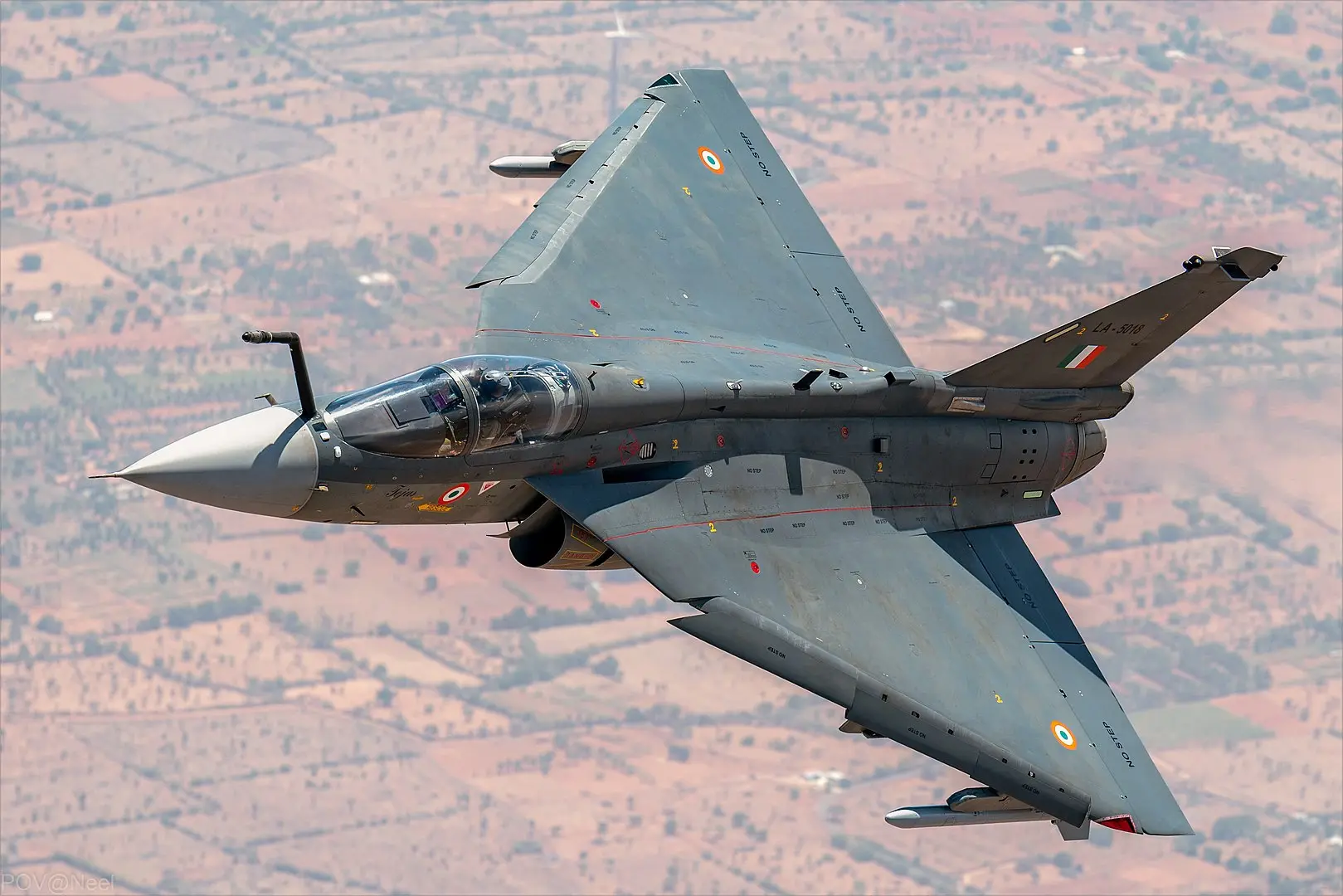
The Tejas Mk1 and Mk1A can fly for over 3 hours on internal fuel alone. The internal fuel capacity is approximately 2,458 kilograms. This endurance is comparable to the Swedish Gripen and American F-16 fighter jets. So the Tejas sits comfortably alongside these established aircraft in terms of how long it can stay airborne.
Understanding Combat Radius And Ferry Range
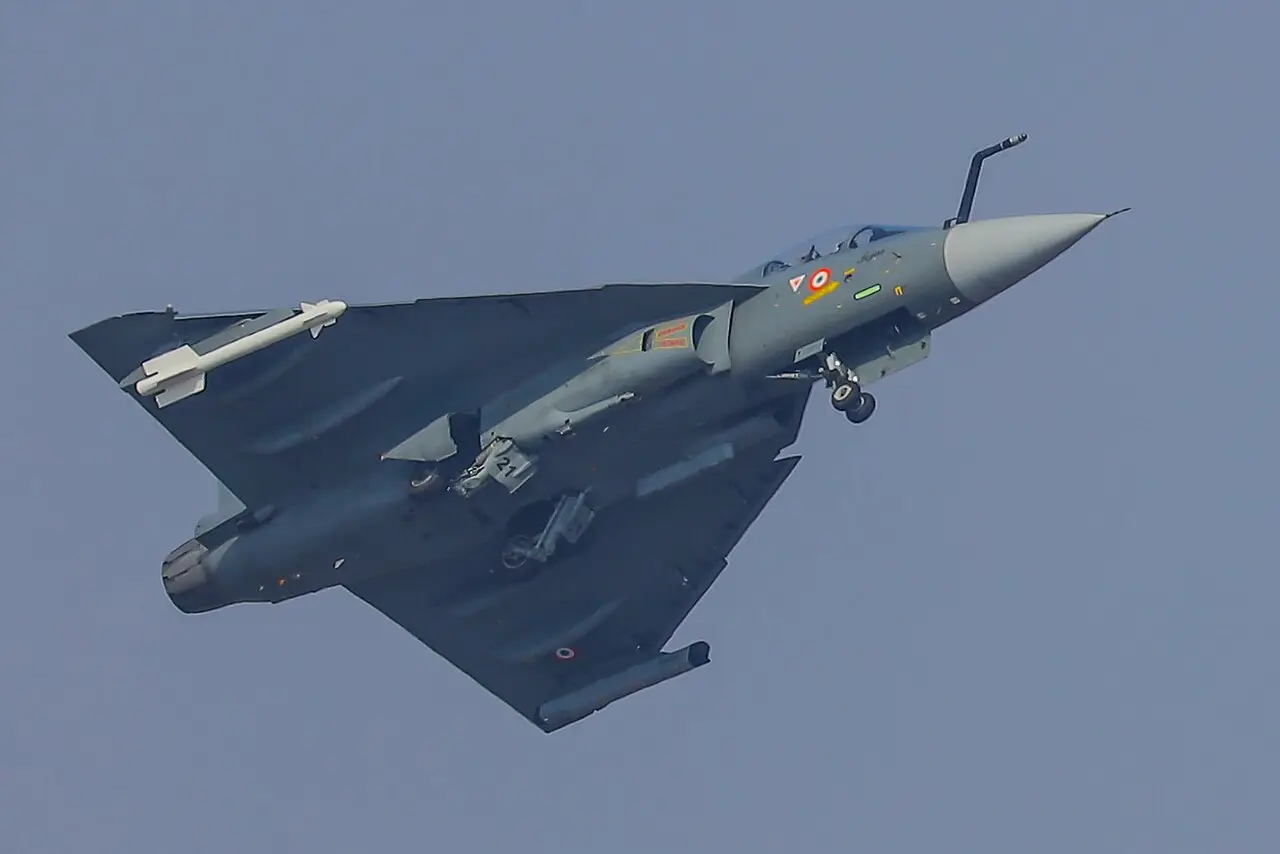
One important thing is the difference between combat radius and total endurance. Combat radius means how far the aircraft can fly from base, fight, and return home. For the Tejas Mk1A, the combat radius is around 500 kilometres. Ferry range, which is flying without weapons, reaches 1,850 kilometres with external tanks. When carrying weapons, endurance reduces. Without weapons, it can travel much farther because the aircraft weighs less and uses less fuel.
Tejas Mk2 - A Major Improvement
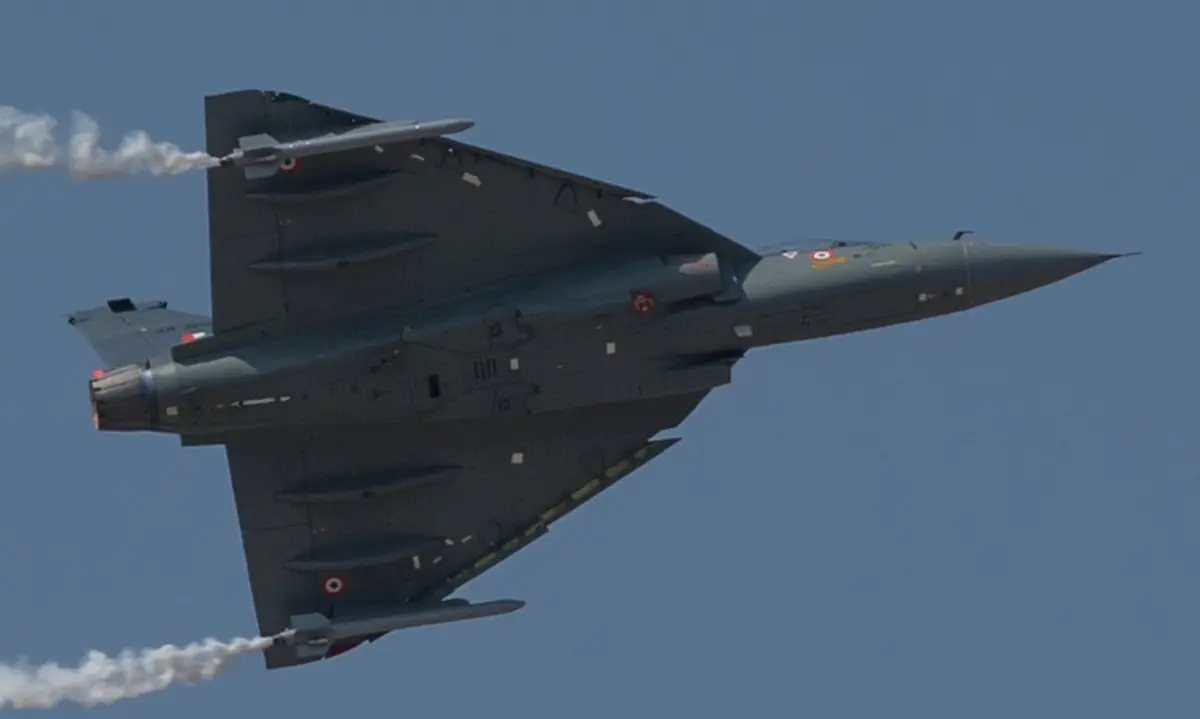
The newer Tejas Mk2 represents a major improvement in capability. According to HAL (Hindustan Aeronautics Limited), the Mk2 can conduct sorties lasting approximately 3.5 hours. This is significantly longer than the Mk1. The improvement comes from a better engine, higher internal fuel capacity of 3,400 kilograms, and the ability to carry three external drop tanks. In total, the Mk2 can carry over 7,200 kilograms of fuel, making it far more capable than earlier versions.
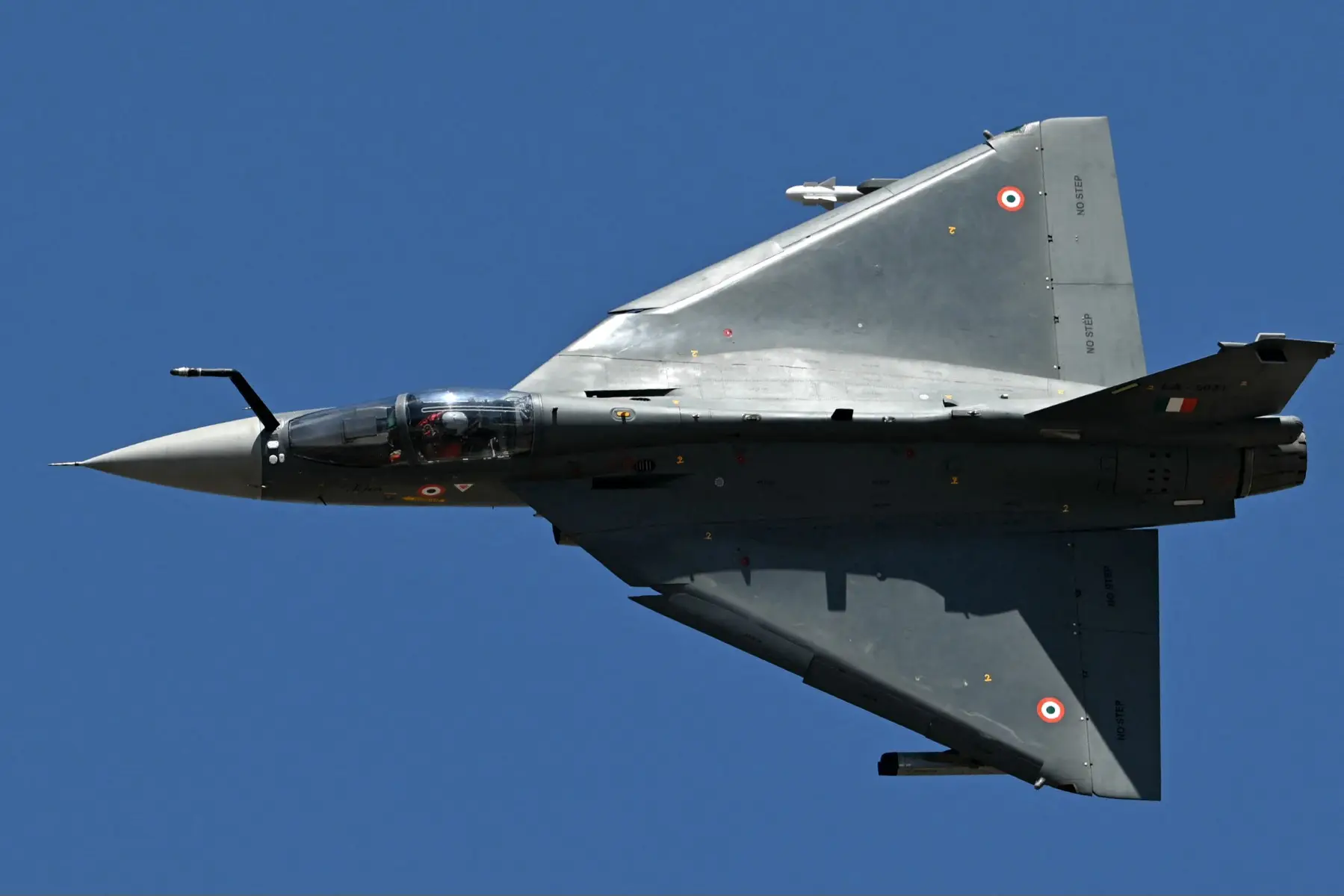
New External Tanks Give Tejas Mk2 Up To 3,500 Km Range
External drop tanks are containers under the wings that carry additional fuel. The Tejas Mk2 has two new supersonic external drop tanks with a pinched waist shape for better aerodynamics. Three tanks add 3,800 kilograms of additional fuel. This expands the ferry range to approximately 3,500 kilometres and increases combat radius to over 1,000 kilometres. This is a significant improvement that gives the Indian Air Force much greater flexibility in operations and mission planning.
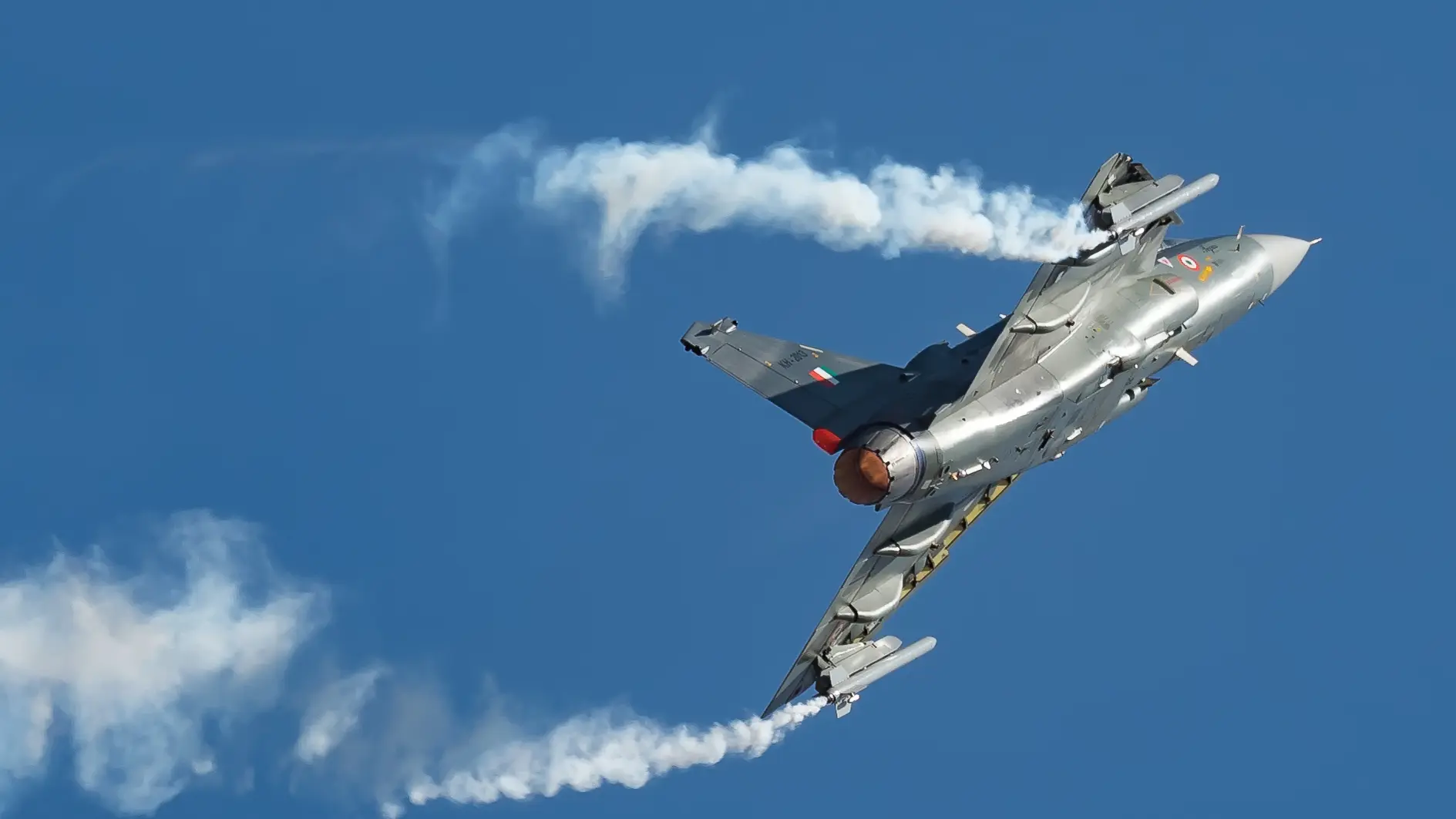
Mid-Air Refuelling Changes Everything
In September 2018, the Tejas successfully completed mid-air refuelling for the first time. An IL-78 tanker transferred 1,900 kilograms of fuel while flying at 20,000 feet. This is a game-changer. With mid-air refuelling, the Tejas no longer needs to return to base when fuel runs low. It can meet a tanker in the air, take on more fuel, and continue its mission. With refuelling capability, the Tejas can stay airborne for up to 10 hours continuously.
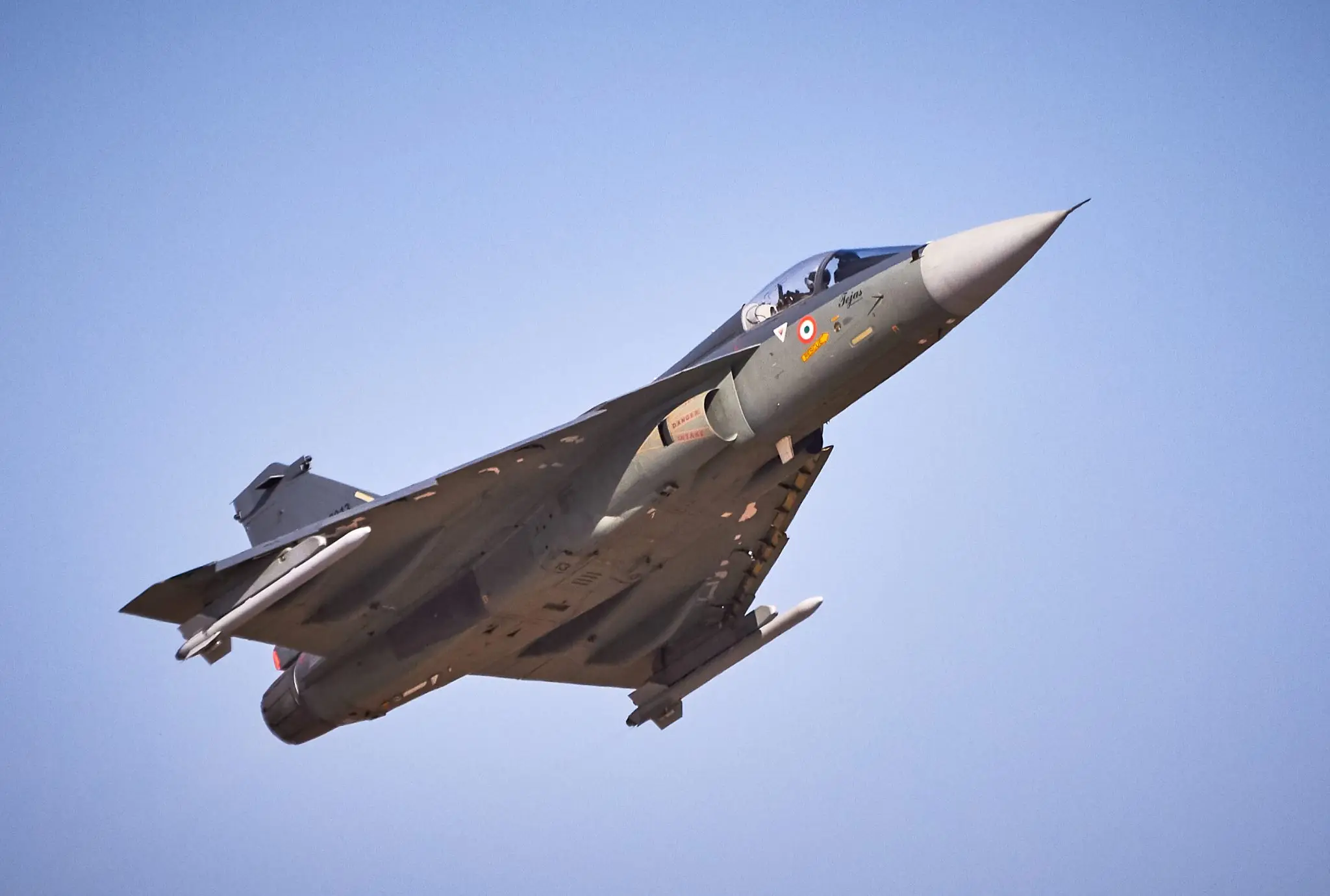
Tejas Endurance
A 3-hour endurance is sufficient for air defence missions over Indian territory. The Mk2 with 3.5-hour endurance and expanded fuel tanks allows more missions without always needing tanker support. Future versions will have even better fuel efficiency. The Indian Air Force has ordered 83 Tejas Mk1A fighters, with more Mk2 orders expected. Longer endurance means fewer aircraft needed for continuous air patrols, saving money and allowing better resource allocation across different regions.
)
)
)
)
)