How Jim Lovell saved Apollo 13 after oxygen tank explosion and the moment he returned to the Earth | In Pics

Jim Lovell, the US astronaut known for his spectacular act to save the ill-fated Apollo 13 Moon mission from fatal disaster, has passed away at the age of 97. Here's his story of survival and the moment he returned to the Earth
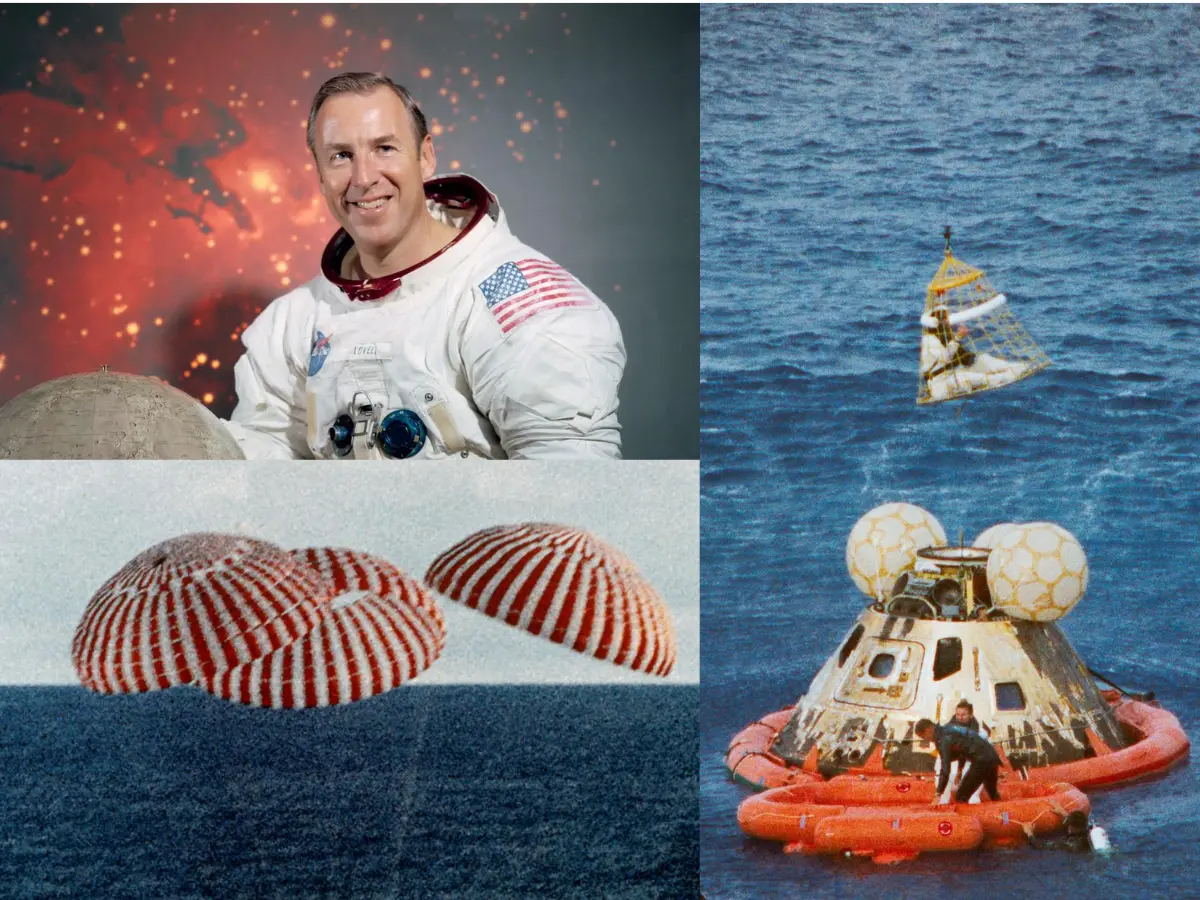
Jim Lovell and his story of survival in Apollo 13
Lovell was supposed to be the fifth man to walk on the moon. But fate had some other plans. Despite Apollo 13 never reaching the moon, Lovell became an unforgettable name for all astronauts for generations
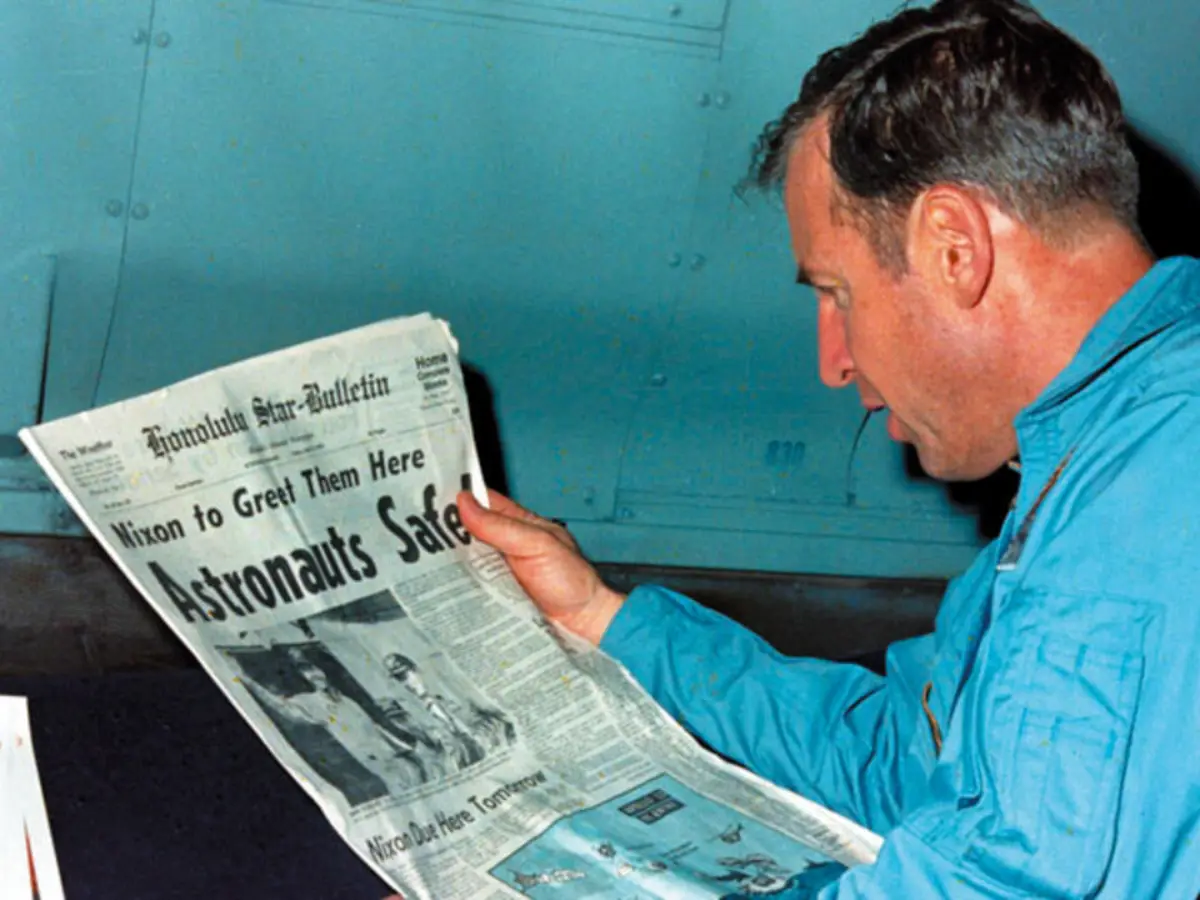
Jim Lovell has passed away
Jim Lovell, the US astronaut who commanded the ill-fated Apollo 13 Moon mission, has died at the age of 97, NASA announced on Friday (Aug 8).
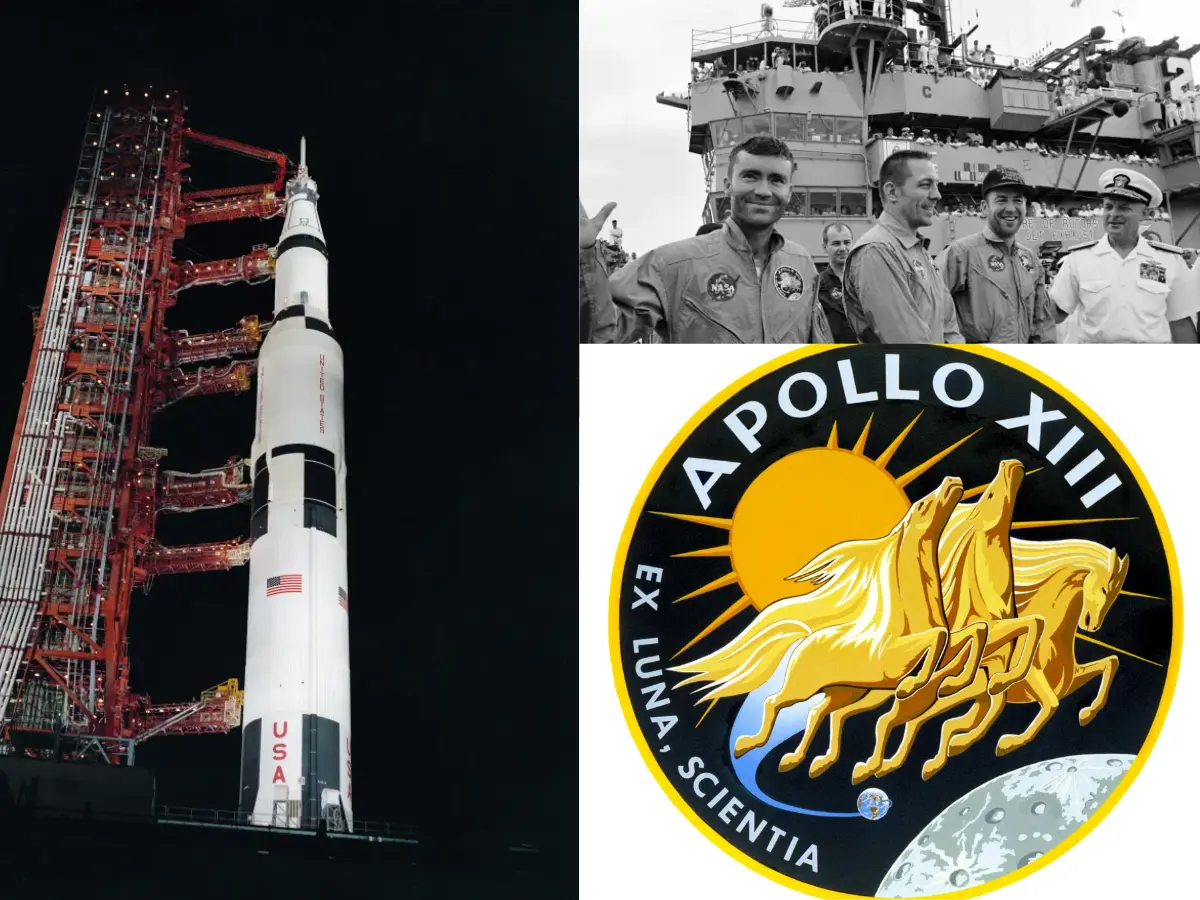
About Apollo 13
Apollo 13, launched on April 11, 1970, was NASA’s third mission aimed at landing on the Moon. Taking place amid Cold War tensions and the intense US-USSR space race, the mission quickly turned from a lunar landing into a life-or-death struggle.
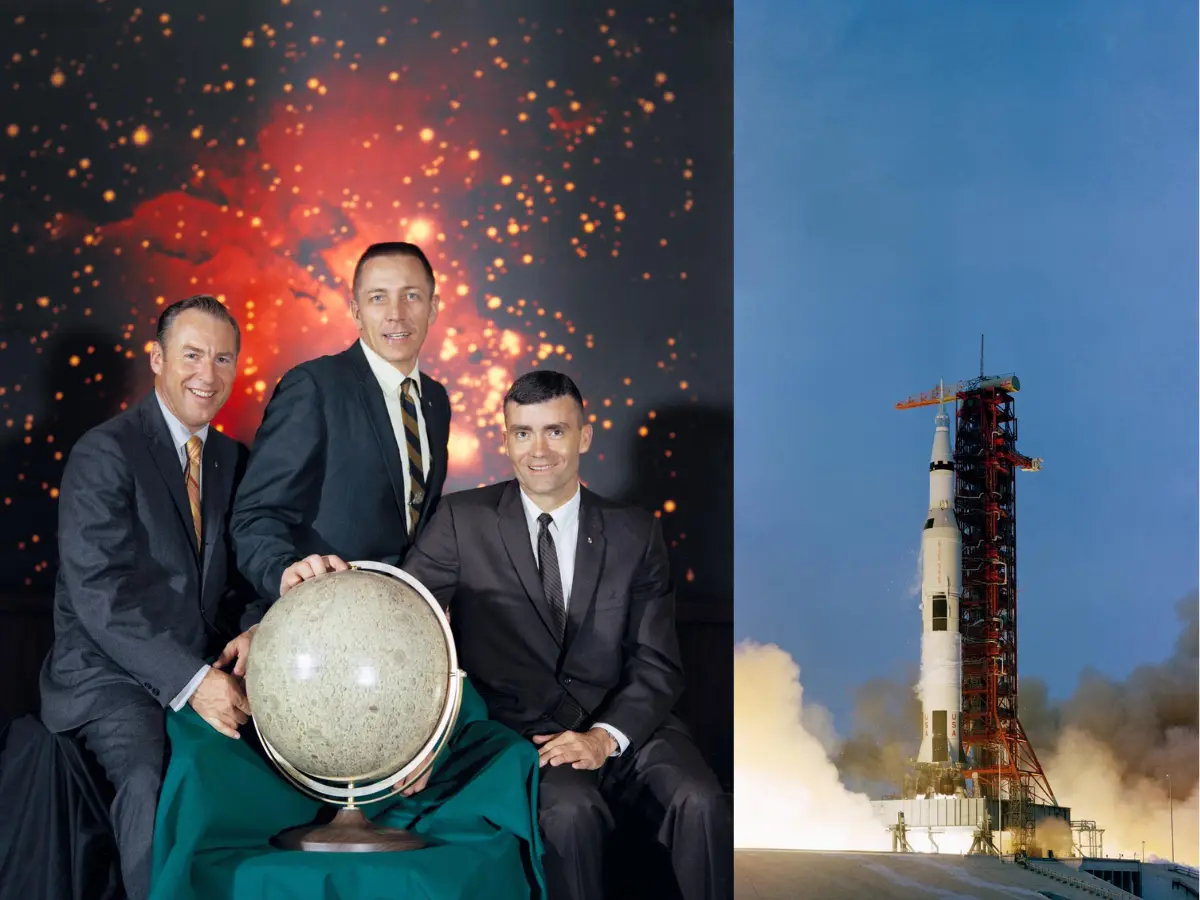
What happened to Apollo 13
Just two days after launch, an oxygen tank on board the spacecraft exploded, crippling its systems. The explosion left the crew with dwindling power, little navigational control, and a failing life-support system.
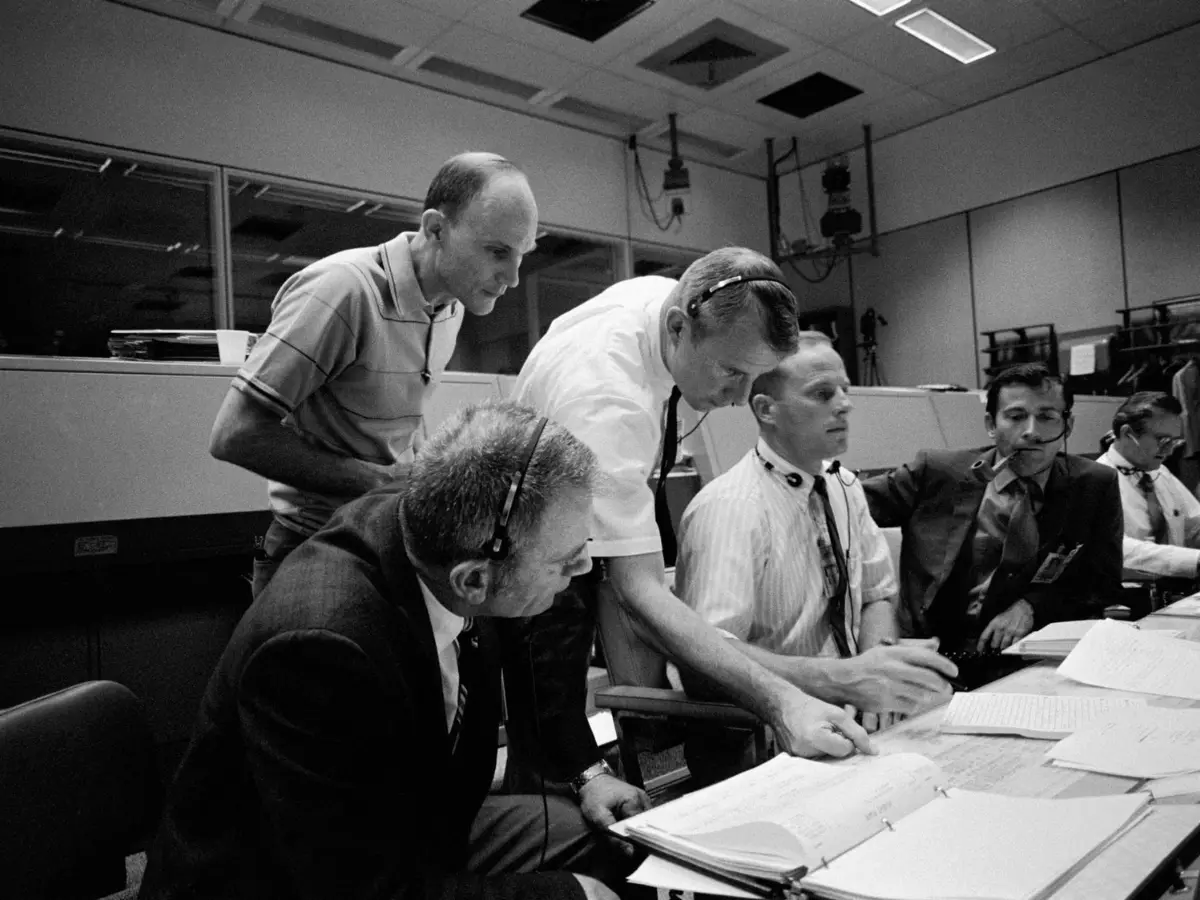
How Jim Lovell saved Apollo 13
Faced with these dire circumstances, Lovell and his fellow astronauts, Jack Swigert and Fred Haise, collaborated with mission control in Houston to devise life-saving solutions using only the materials available on board. They famously built a carbon dioxide filter from duct tape, plastic, and other spare parts.
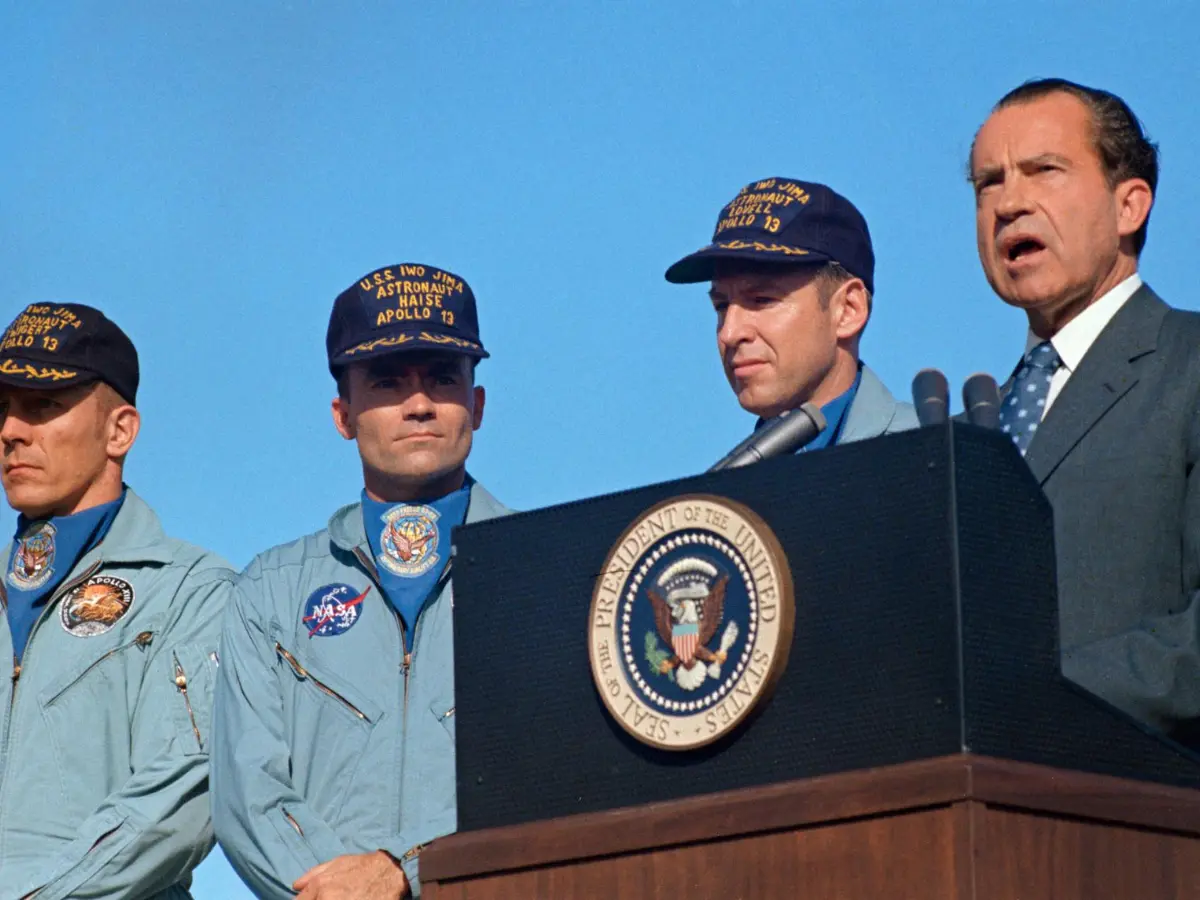
Jim Lovell: Unforgettable name in history of space
Without working navigation systems, he used the Earth’s position in the window to steer the craft home manually. Though Apollo 13 never reached the Moon, it became a landmark story of ingenuity, teamwork, and survival.
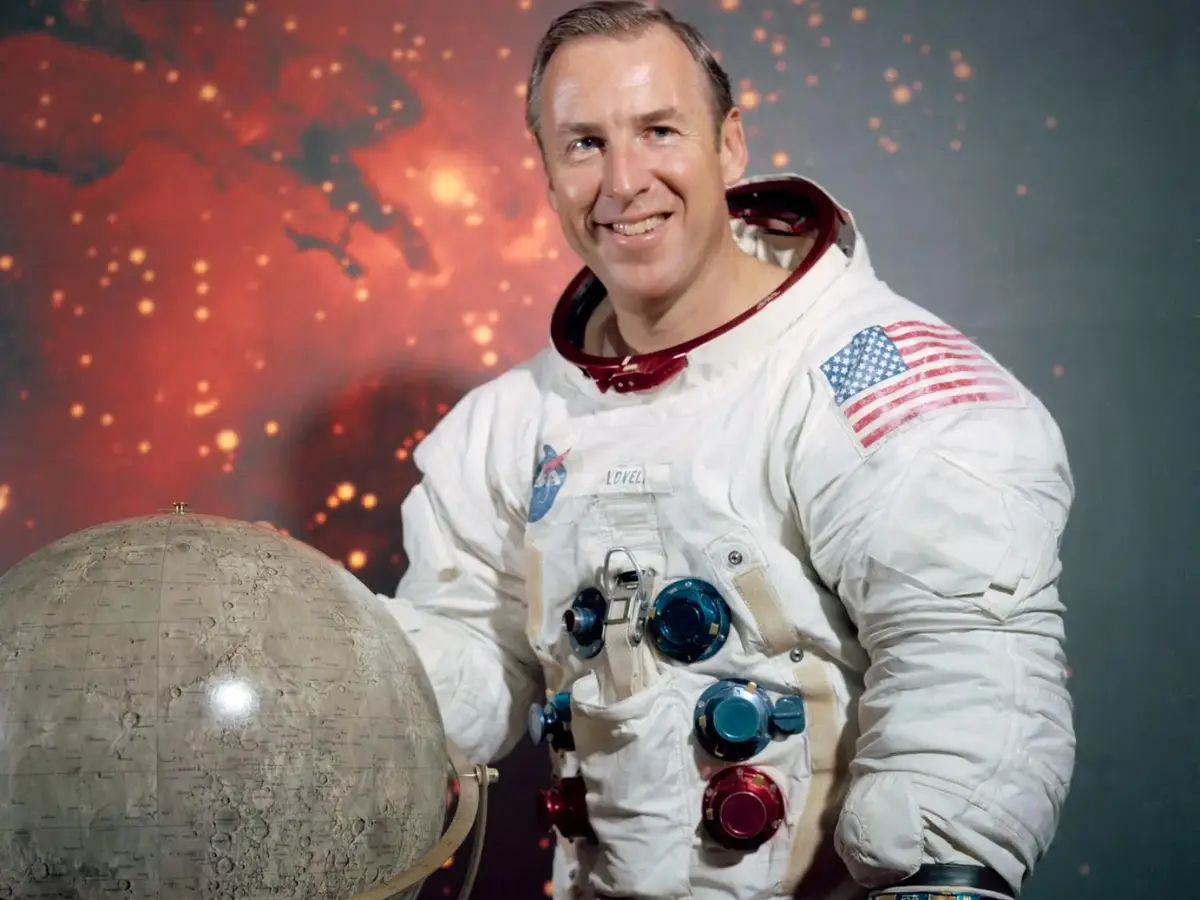
What Jim Lovell said about Apollo 13
Reflecting on the mission, Lovell once said, “For some time, I thought Apollo 13 was a failure. I was disappointed I didn’t get to land on the moon. But actually, it turned out to be the best thing that could have happened.”
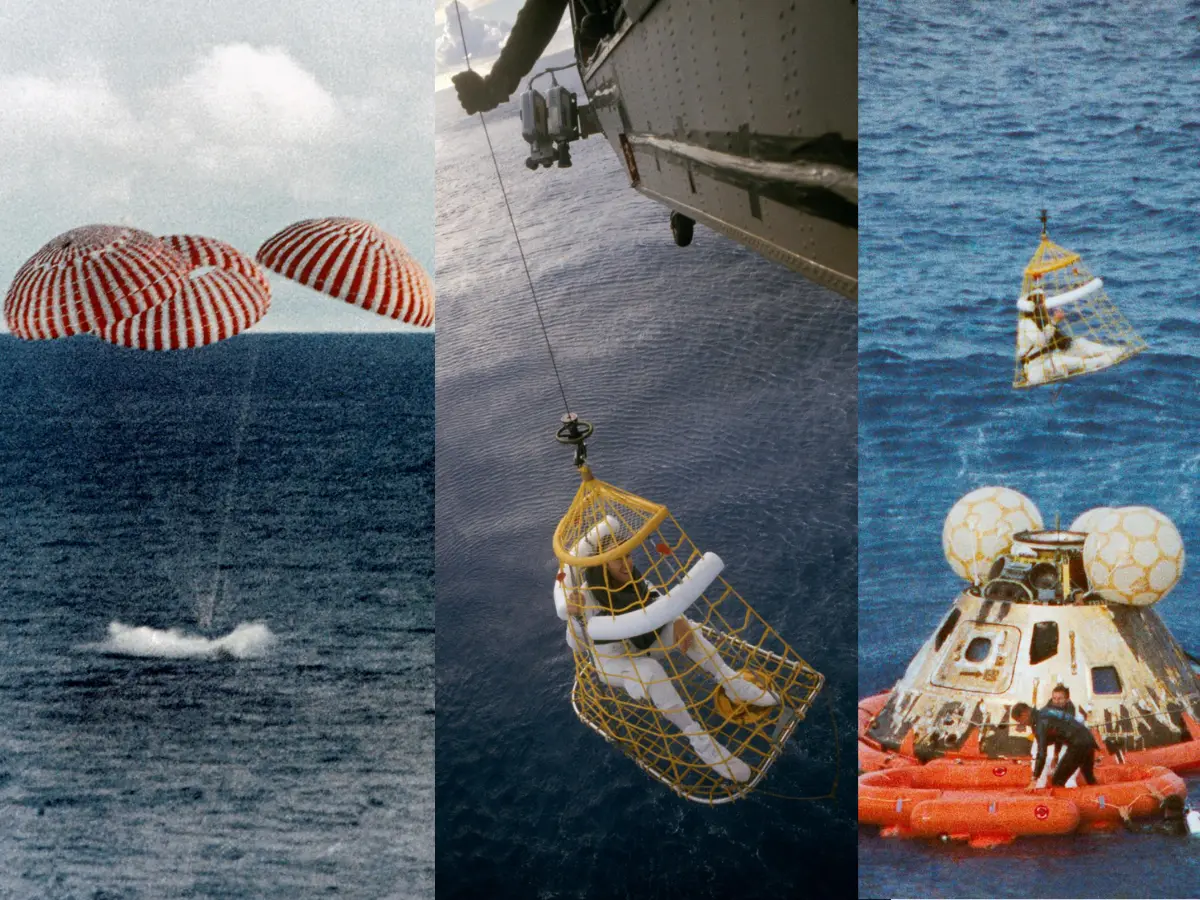
The moment when Jim Lovell returned safe
People were hooked to their television as Lovell and two other astronauts splashed back down into the Pacific Ocean, a moment which has become one of the most iconic in the history of space travel.
)
)
)
)
)