How Iron Beam could make missiles useless in future wars

laser defence systems like Iron Beam and DragonFire are changing modern warfare with shots costing only a few dollars, unlimited ammunition, and instant response. Know below how cheap energy weapons could reshape air defence and challenge traditional missile systems forever.

Cost Revolution - $3 Per Shot Versus $50,000 Missiles
Iron Beam engages targets at approximately $3 per laser shot compared to Iron Dome missiles costing $50,000 per interception, representing a 16,000-fold cost difference. The UK's DragonFire laser system fires at around £10 per shot compared to American Standard Missile-2 interceptors costing over $2 million each. This low cost economic transformation fundamentally changes military defence planning and resource allocation.
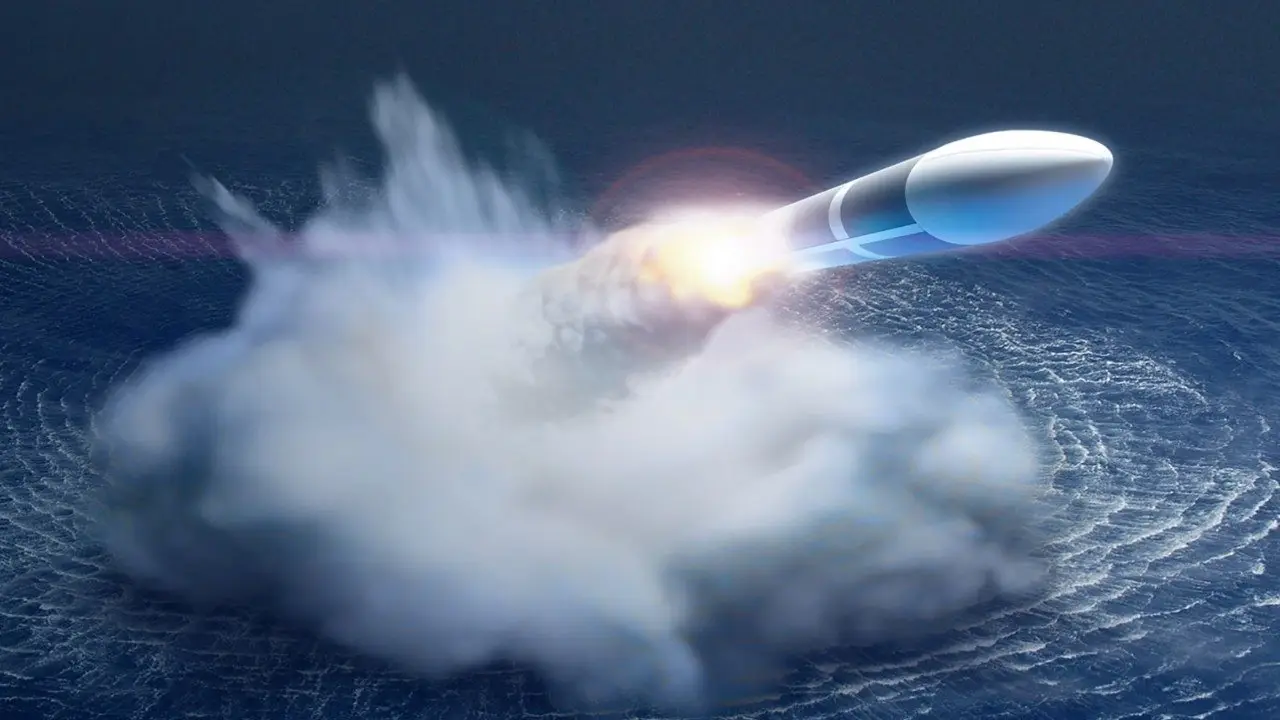
Unlimited Ammunition
Traditional missiles require continuous replenishment through manufacturing supply chains and logistics networks making them vulnerable to depletion during sustained operations. Whereas Iron Beam can operates with unlimited ammunition capacity provided electrical power remains available through generators or grid connection. Without ammunition restrictions, defenders can engage multiple simultaneous threats indefinitely.
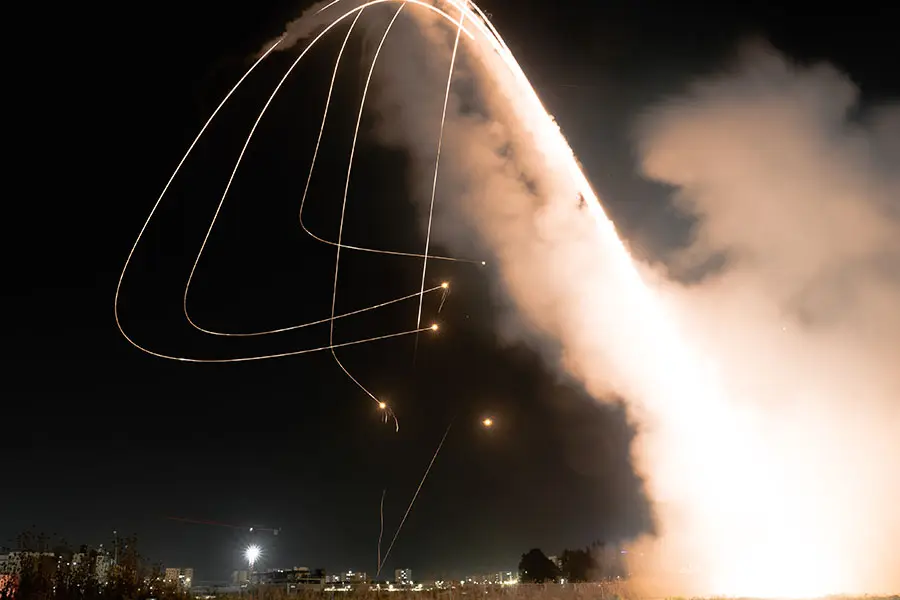
Logistics Elimination - No Warehouses or Convoys
Missile-based systems require dedicated warehousing, transportation, and maintenance infrastructure creating vulnerable supply convoys and storage facilities. Iron Beam eliminates this entire logistical burden. requiring only fuel for power generation. The simplified operational approach reduces military footprint and removes critical vulnerability points exploitable by adversaries.

Hypersonic Missile Challenge - Speed Advantage for Lasers
Hypersonic missiles travel at Mach 5 or greater making traditional missile interception extremely difficult requiring seconds of launch detection and response time. Lasers travelling at light speed provide instantaneous response eliminating the reaction time problem plaguing conventional air defence systems. However, hypersonic nose cones designed to withstand temperatures exceeding 1,700 degrees remain challenging targets.
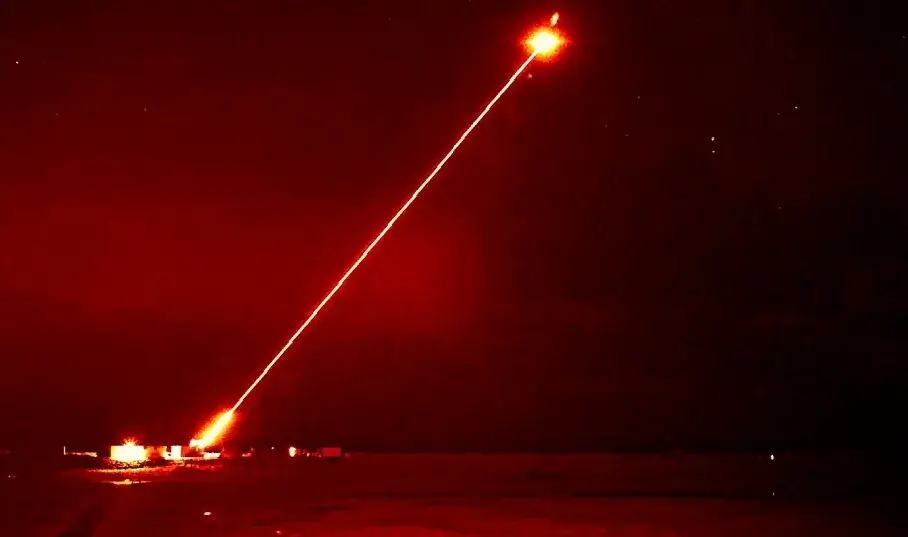
Multiple Simultaneous Engagements
Laser systems can switch targets in milliseconds enabling sequential engagement of multiple incoming threats without requiring multiple interceptor missiles. Drone swarms consisting of dozens or hundreds of cheap unmanned vehicles become economically unviable when defending against around $3 per-shot laser defence. Defenders can neutralise entire swarm waves faster than attackers launch replacements.
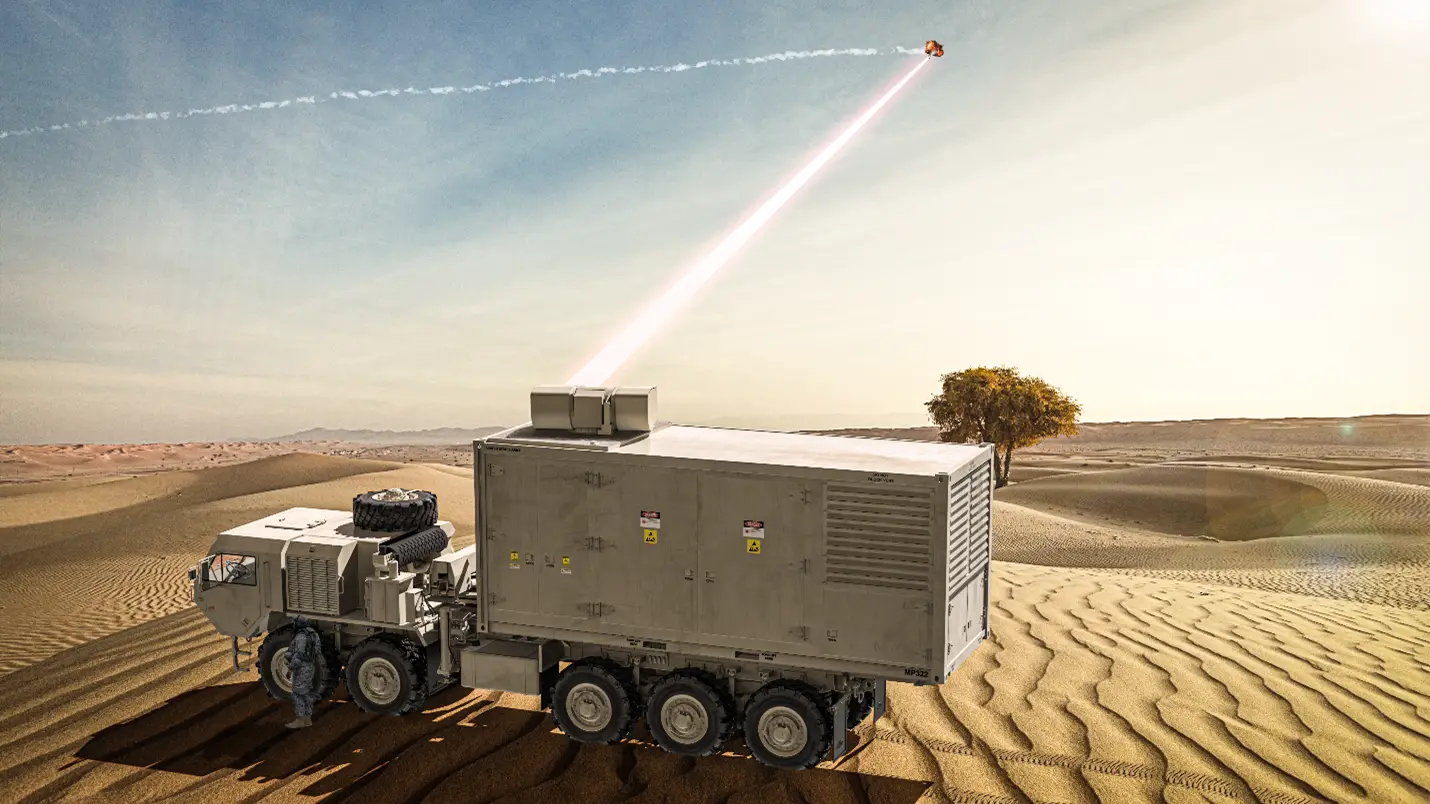
Doctrine Transformation
Military planners traditionally designed air defence around missile interceptor availability planning deployment based on finite munition stocks. Laser-based systems fundamentally change this calculation removing ammunition constraints from planning equations. Future doctrines will likely integrate lasers for low-to-medium altitude threats delegating missiles for high-altitude or extremely long-range targets.
Targeting System Requirements - AI and Radar Integration
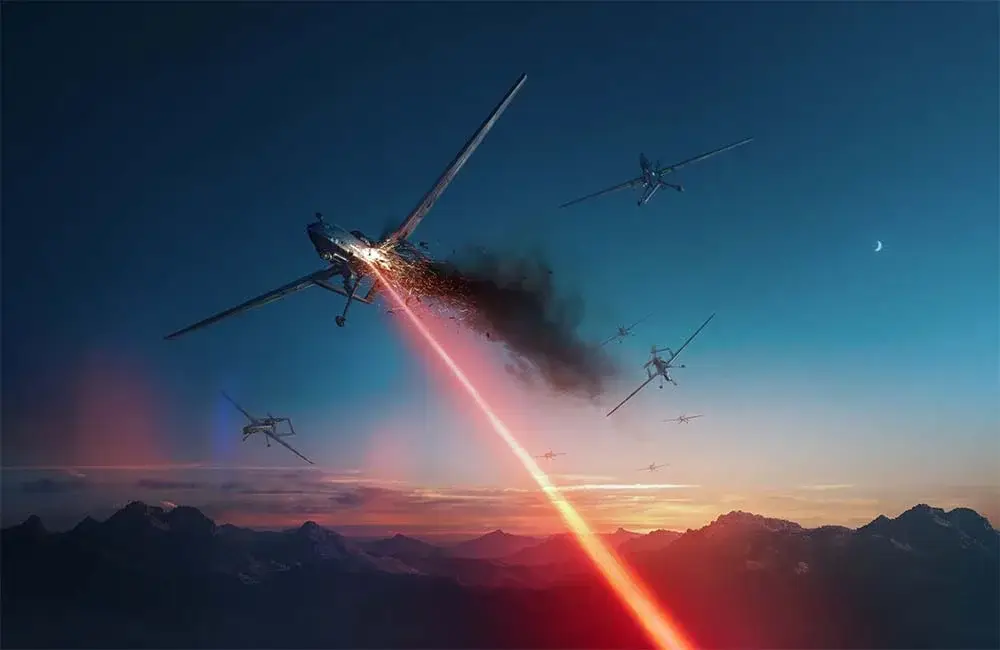
Iron Beam success depends on sophisticated target acquisition combining radar detection, thermal imaging, and AI-powered tracking maintaining lock on fast-moving projectiles. Adaptive optics technology corrects atmospheric disturbance in sub-milliseconds maintaining beam coherence across several kilometres. Without these advanced supporting systems, laser effectiveness diminishes significantly.
Atmospheric Limitations - Weather and Range Constraints
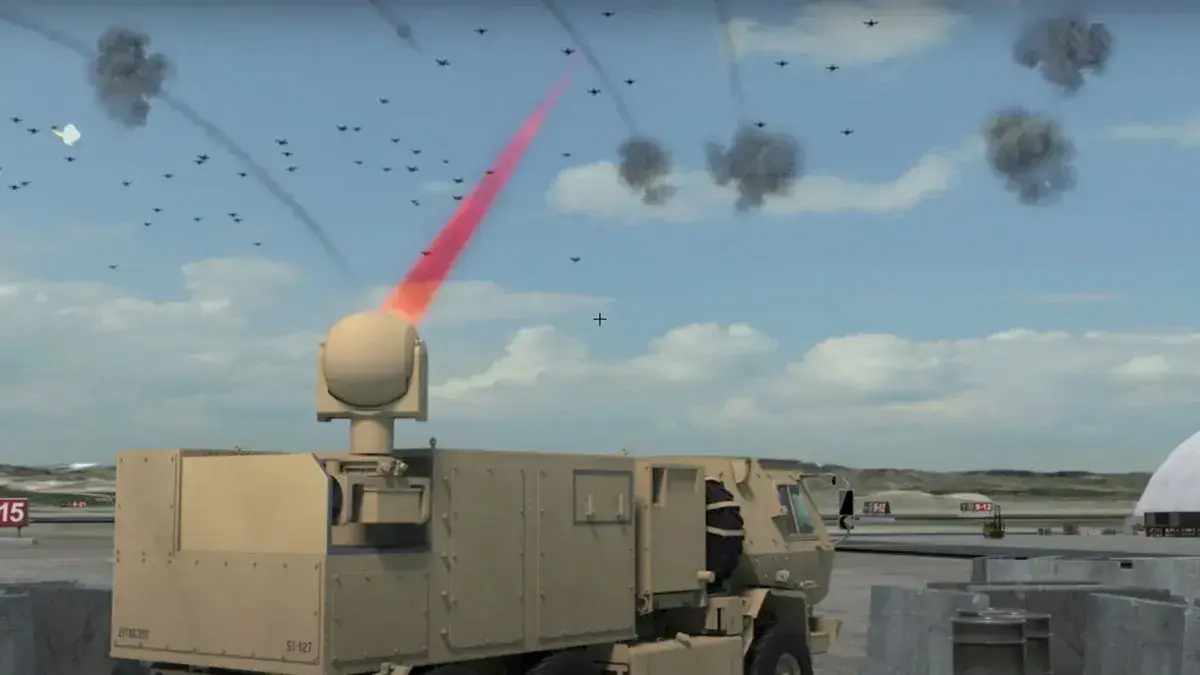
Current laser systems struggle during rain, fog, snow, and dust storms when atmospheric density fluctuations scatter laser energy reducing target engagement capability. Range limitations typically extend 10 kilometres in optimal conditions whereas missiles engage targets 50+ kilometres distant. These atmospheric constraints prevent lasers from completely replacing traditional air defence systems.
Strategic Shift - Layered Hybrid Defence Systems
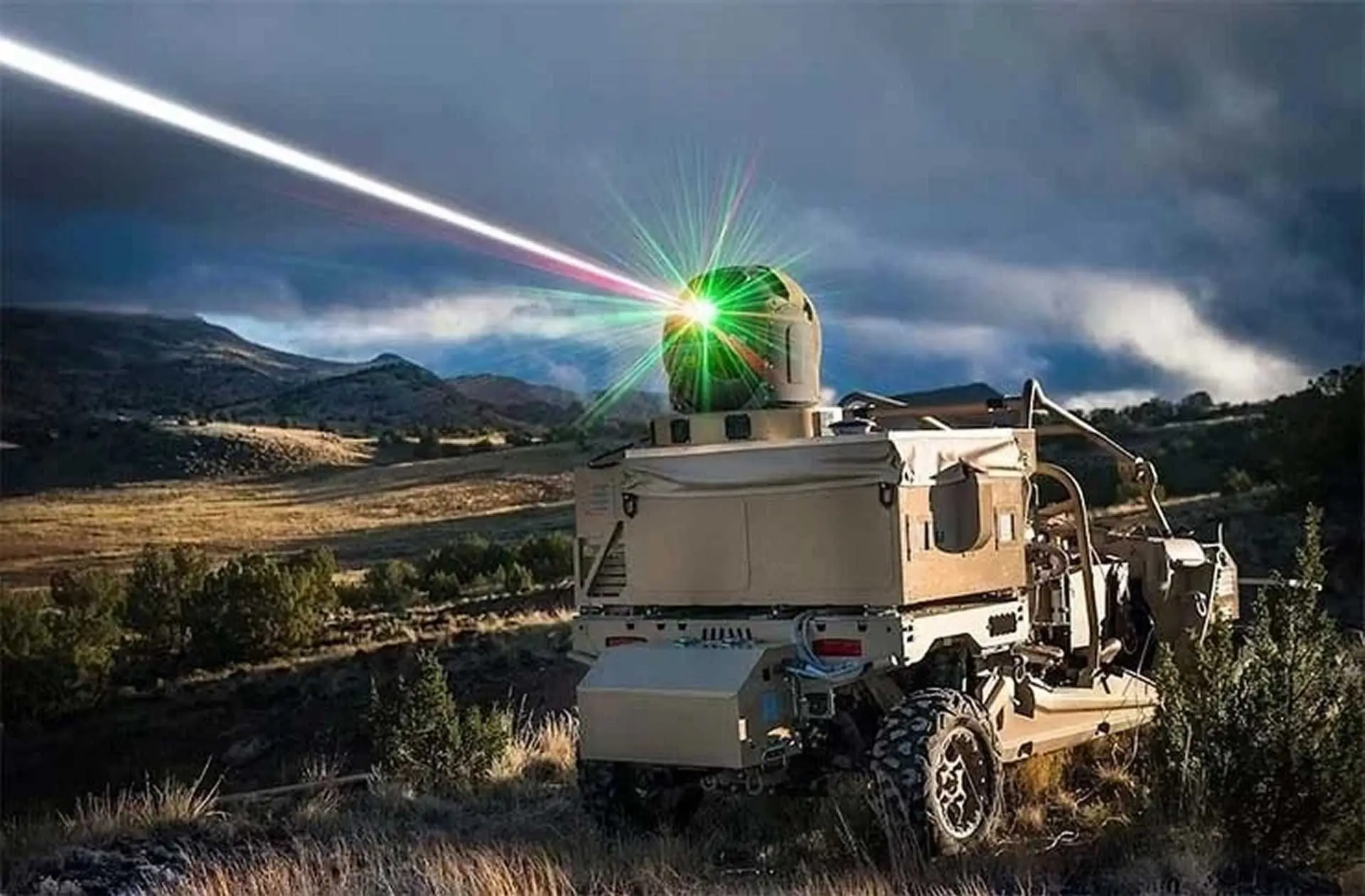
Rather than replacing missiles entirely, future air defence integrates lasers for high-volume low-cost threats whilst reserving expensive missiles for long-range threats. Israel's layered system combines Iron Beam lasers with Iron Dome, David's Sling, and Arrow missiles creating comprehensive coverage across all threat altitudes and ranges. This hybrid approach optimises defence resource allocation.
Emerging Global Adoption
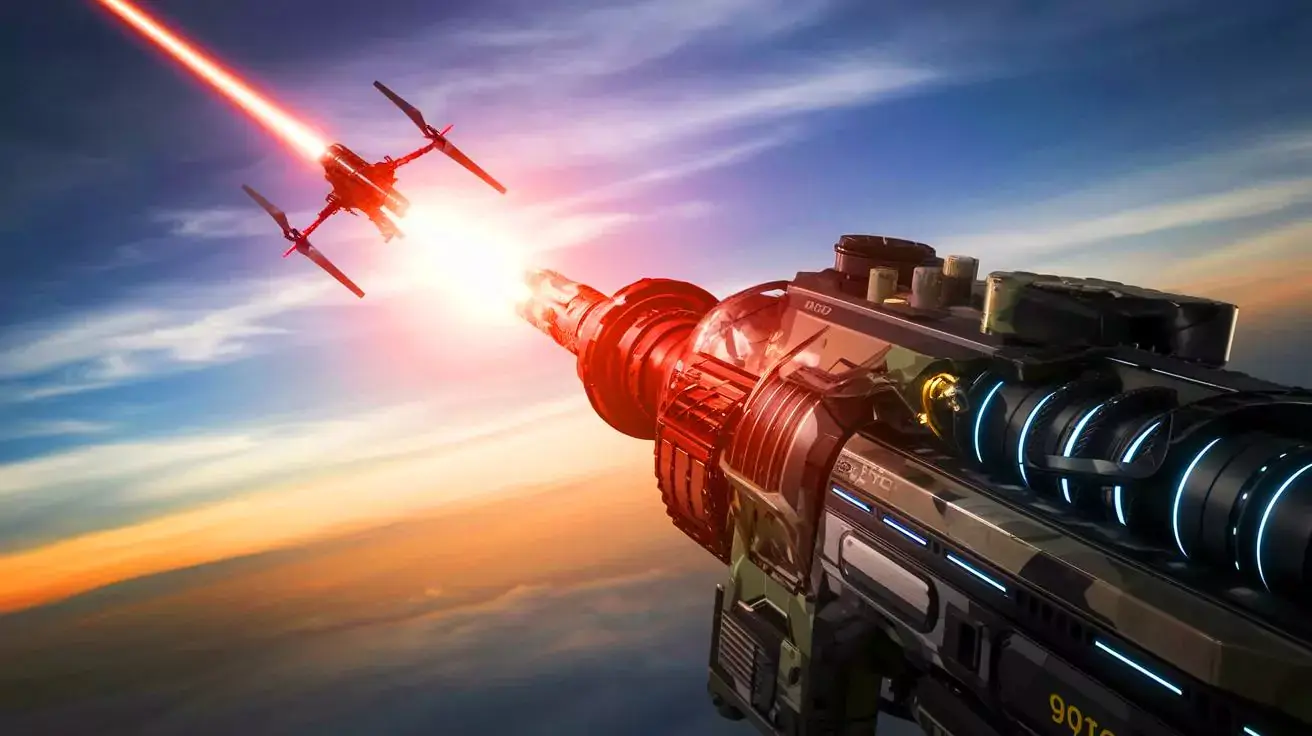
The United Kingdom deployed DragonFire with £10 per-shot operating costs whilst the US fielded Directed Energy M-SHORAD system costing approximately diesel fuel equivalent per engagement. International adoption of directed-energy weapons signals fundamental transformation in air defence thinking. Next-generation systems targeting 1-megawatt power output enable interception of ballistic missiles and hypersonic threats.
)
)
)
)
)