How Iran’s unrest is reshaping Middle East politics and Gulf-Iran relations

Saudi Arabia, Qatar, Turkey and Oman urged Donald Trump not to launch airstrikes against Iran in a last-minute lobbying campaign prompted by fears that an attack by Washington would lead to a major and intractable conflict across the Middle East.
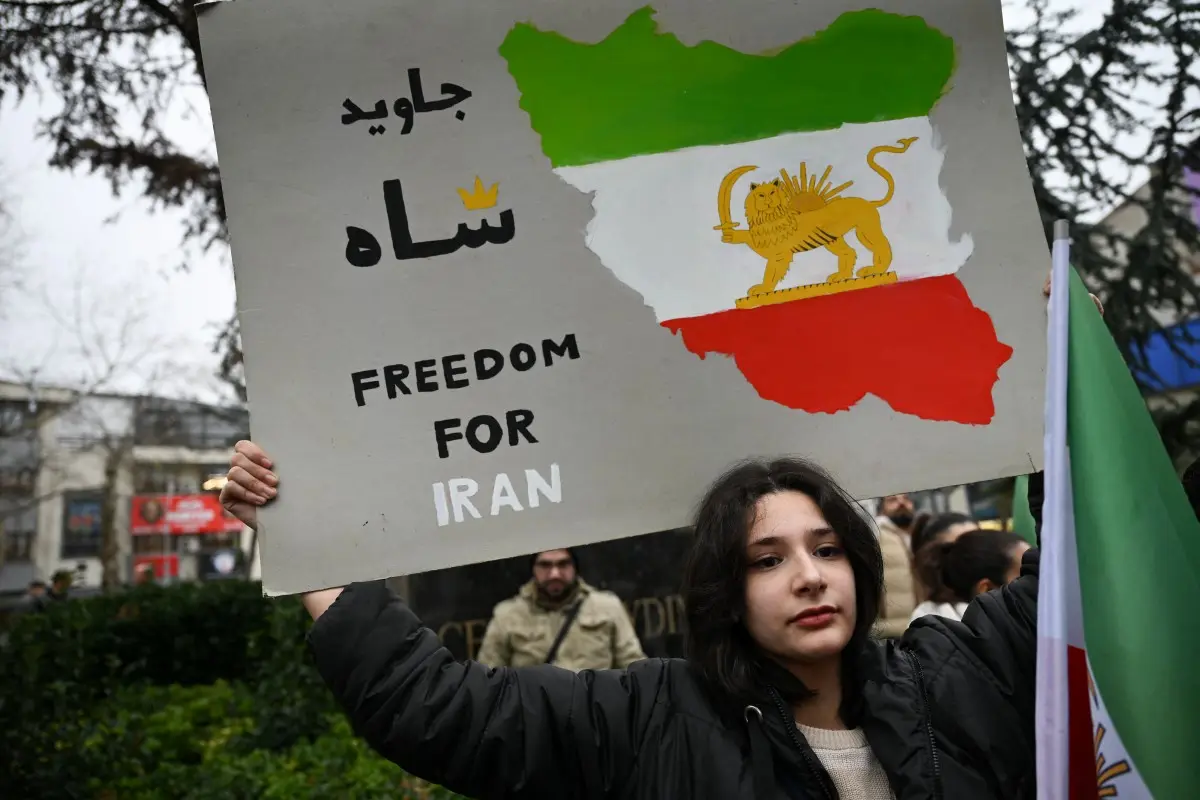
A Regional Crisis with Far‑Reaching Implications
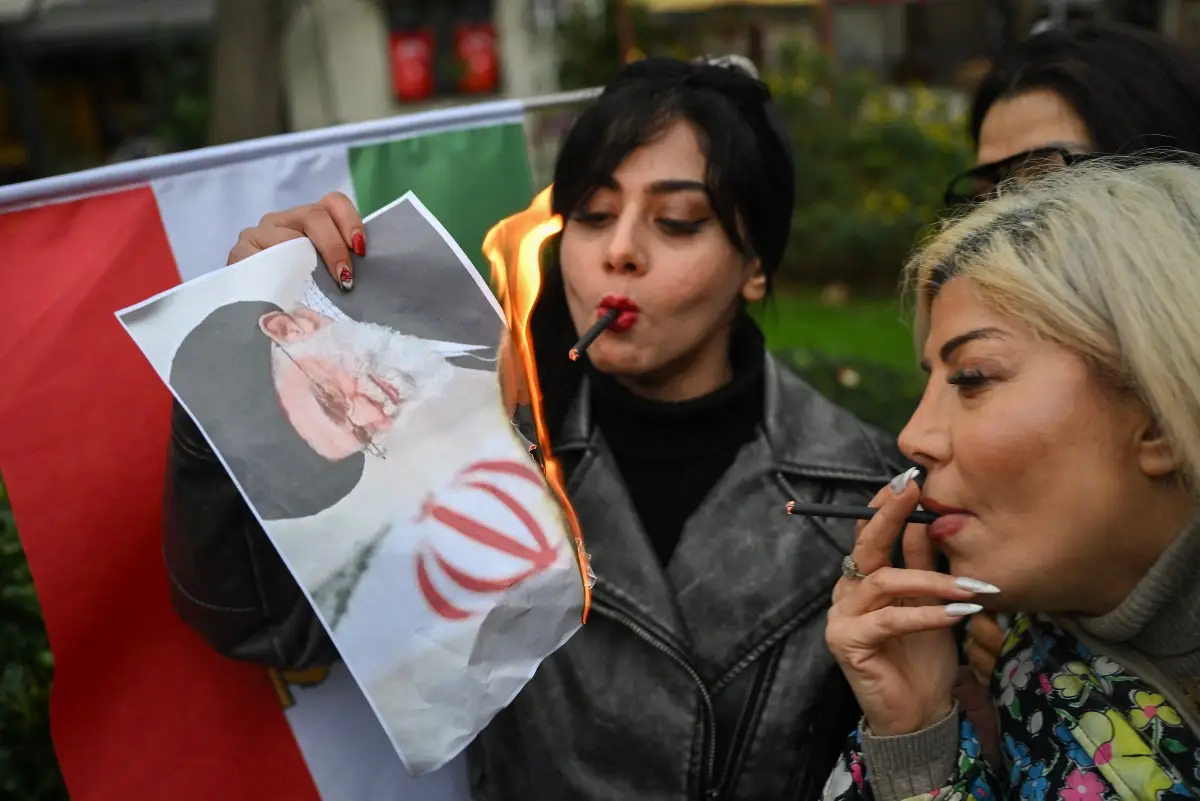
Iran has been engulfed by one of the most intense waves of nationwide protests in decades, fuelled by economic discontent and political repression. The brutal crackdown has drawn international criticism and prompted diplomatic activity across the Middle East. Saudi Arabia, Qatar, Turkey and Oman urged Donald Trump not to launch airstrikes against Iran in a last-minute lobbying campaign prompted by fears that an attack by Washington would lead to a major and intractable conflict across the Middle East. Many governments in the region now view the unrest not purely as an internal Iranian matter, but as a dynamic with potential spill‑over effects on security, economics and sectarian politics across the region.
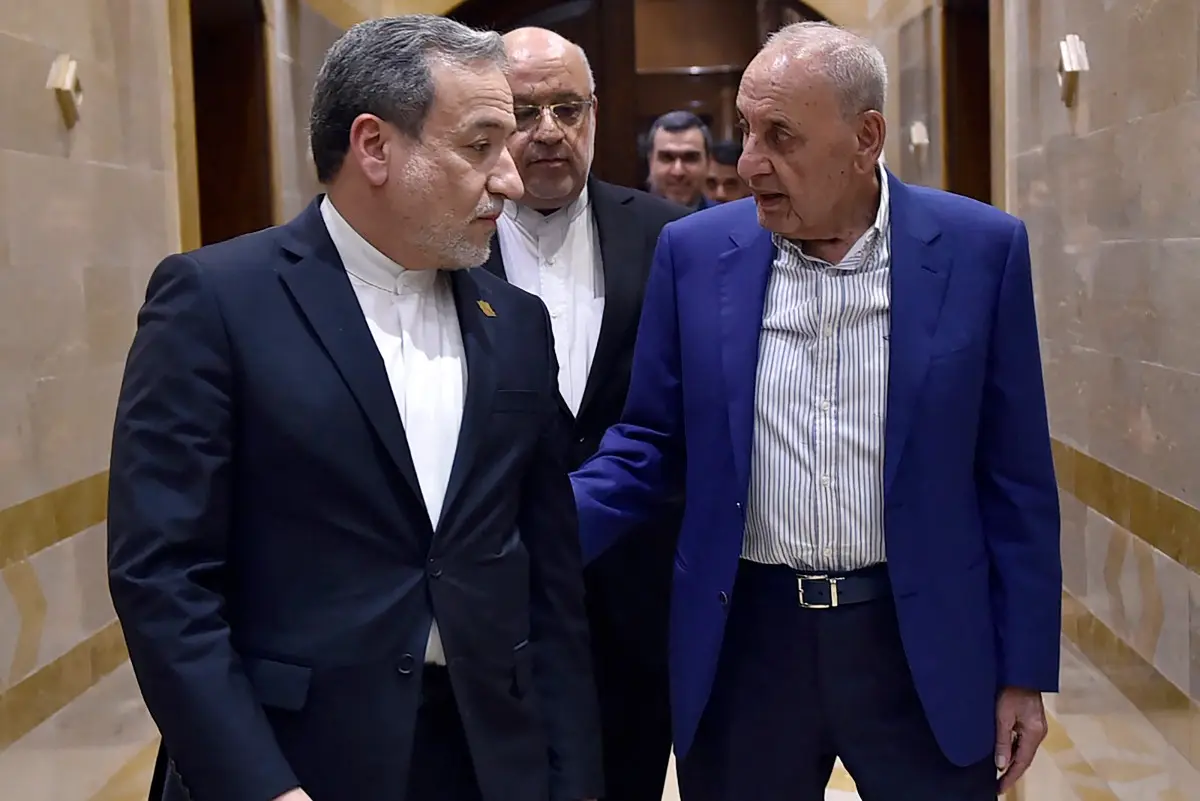
Lebanon
For Lebanon, the protests present a significant moment for Hezbollah, Iran’s most powerful proxy. The Council on Foreign Relations notes that many Iranians openly reject Tehran’s use of state resources to fund militias and proxy groups such as Hezbollah, viewing this as part of the regime’s prioritisation of regional influence over domestic welfare.
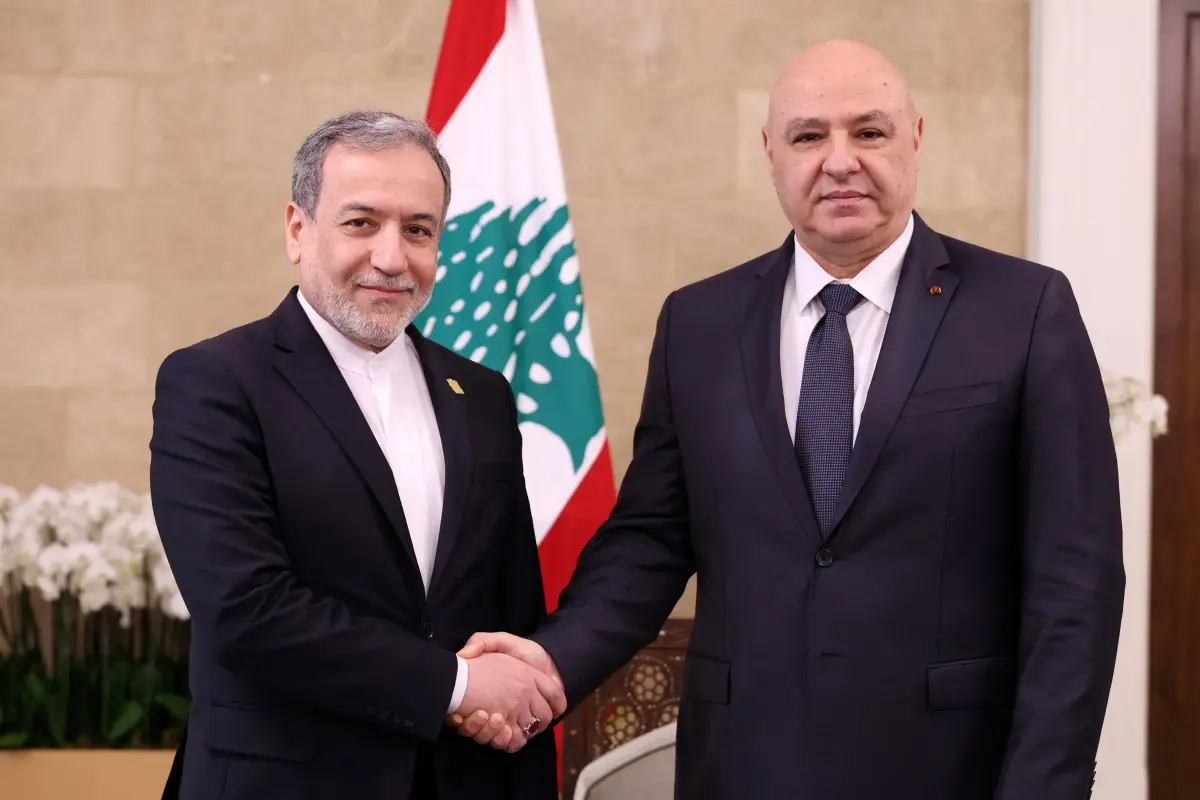
The Strategic Question of Hezbollah
The protests come at a time when, Israel is severely degrading Hezbollah militarily and continues to target Hezbollah assets throughout Lebanon. Domestic protests and economic collapse in Tehran have reduced the financial and military aid flowing to Lebanon, forcing Hezbollah to scale back its operations. Lebanon’s president has also advised Hezbollah to 'act wisely' and lay down the arms that have become a burden on Lebanon. Ultimately, Iran’s internal instability provides Lebanon a critical opportunity to detach from the 'Axis of Resistance' and seek renewed support from Western and Arab partners.
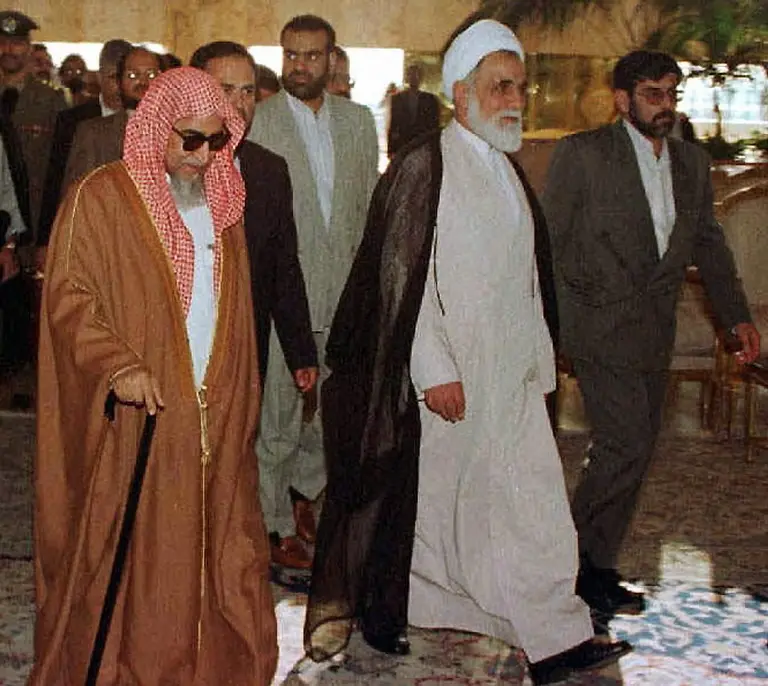
Saudi Arabia: Stability over Confrontation
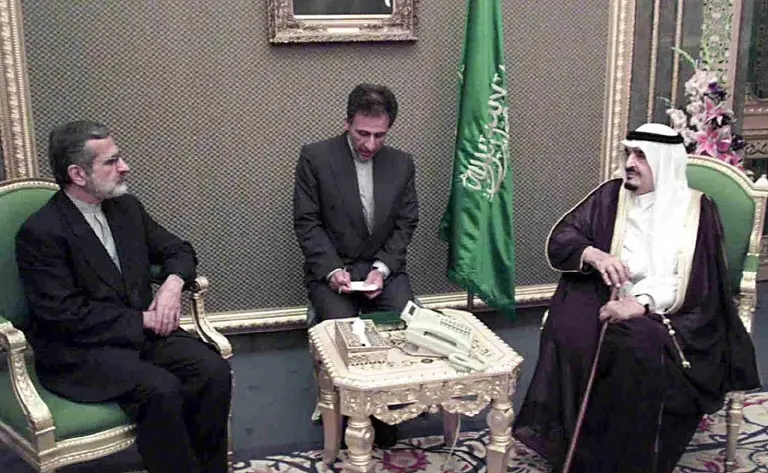
The relations between Iran and the Gulf Cooperation Council (GCC), being historically tense since the establishment of the organisation in 1981. The member countries like Saudi Arabia, Qatar and Oman have actively urged the United States not to strike Iran, warning that military action could destabilise the broader region and disrupt global energy markets. Saudi Arabia is especially been cautious about justifying external military action in response to Iran’s internal repression. After long regional rivalry fueled by sectarianism and power struggles, both the countries had restored diplomatic ties in March 2023. Despite their rivalry, both countries are authoritarian, and Riyadh told Tehran it would not allow US strikes over Iranian protests to use its airspace or territory, AFP reported. Unlike Saudi Arabia’s limited municipal elections, Iran holds national and parliamentary votes, meaning critics could use the same logic against the kingdom if it strays from US influence.
Limits of Iranian Influence Among Gulf Shi’a
Iran’s ideological appeal among Shi’a minorities in the Gulf has significant limits. Research from the Combating Terrorism Center at West Point shows that Shi’a communities in countries such as Saudi Arabia, Bahrain and Kuwait remain politically and religiously diverse, with many local Shi’a actors distancing themselves from Tehran’s political model. This fragmentation weakens Iran’s ability to leverage sectarian identity as a tool of influence in the Gulf.
Turkey and the Call for Non‑Intervention
Turkey has urged that Iran resolve its domestic issues internally, warning that foreign military intervention would worsen regional instability. “We are against a military intervention against Iran. Iran needs to solve its authentic internal problems on its own,” said Foreign Minister Hakan Fidan. Ankara faces a delicate dilemma: a civil war in Iran could trigger refugee flows, Kurdish unrest, and destabilise Iraq, while the toppling of Tehran might bring short-term economic benefits but could create a new political rival.
Balancing Act by Oman and Egypt
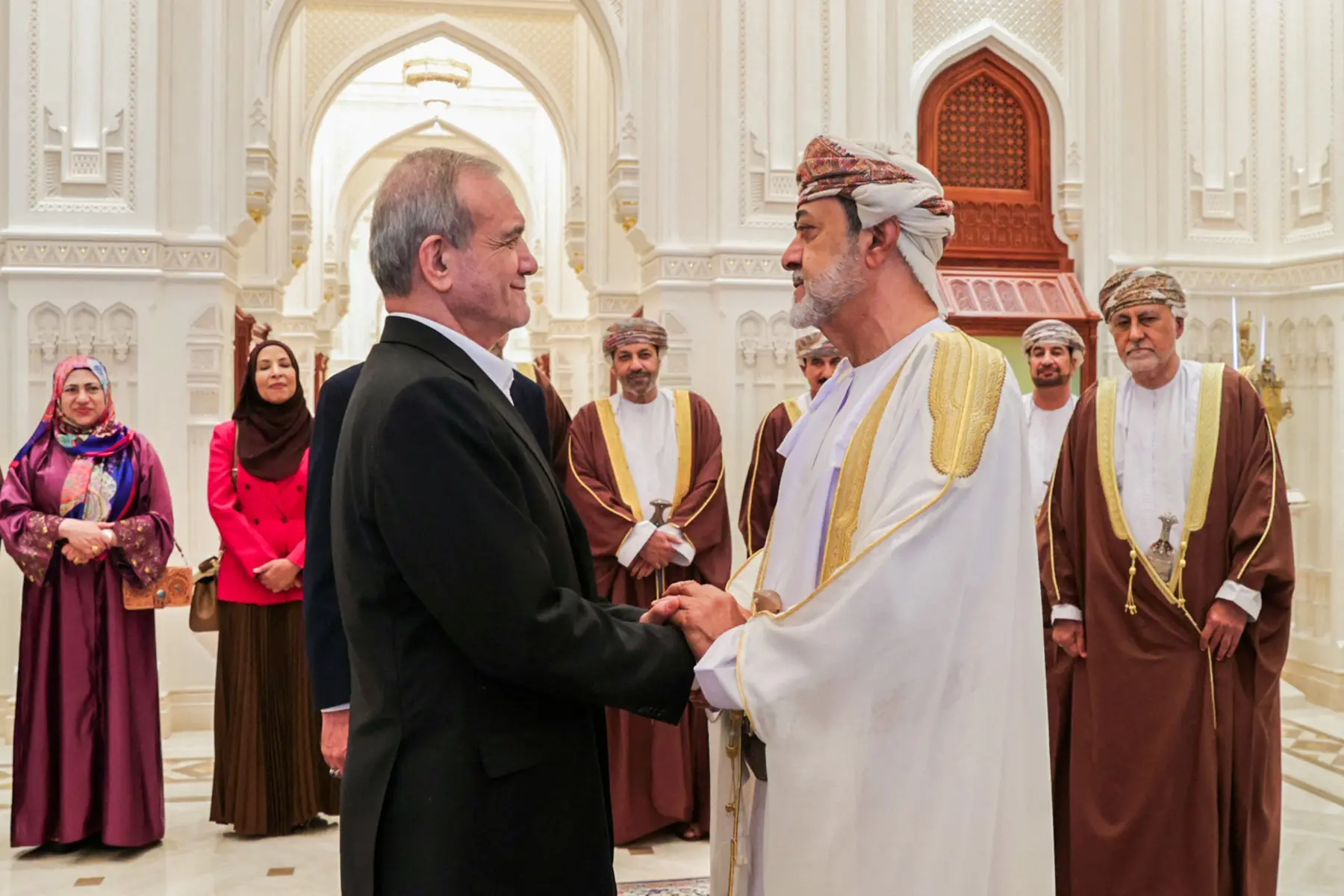
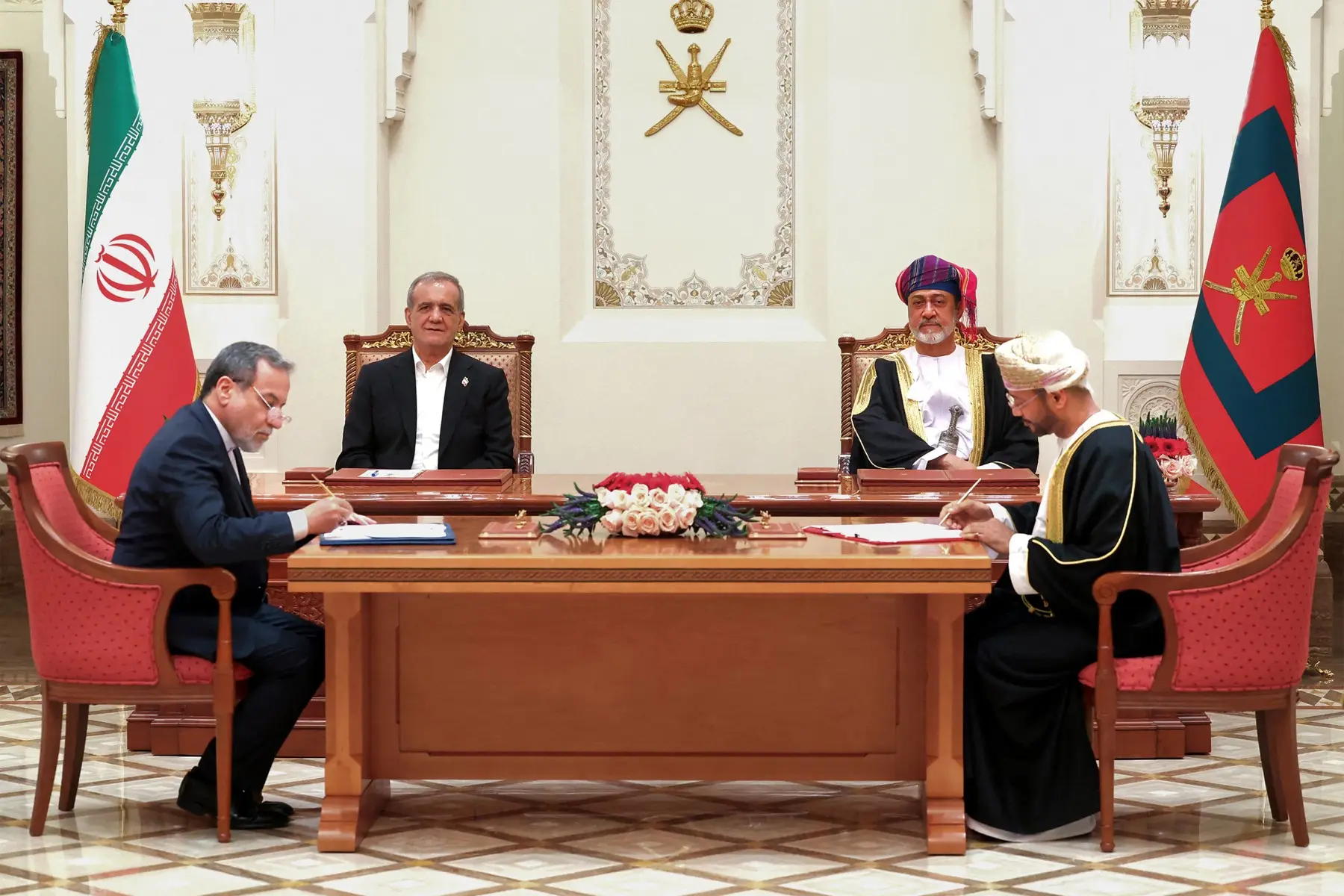
Countries such as Egypt and Oman have joined Gulf states in diplomatic efforts to avert escalation between the United States and Iran. Iran's relations with Oman are consistently strong, with Oman serving as a key mediator for Iran in regional diplomacy, while relations with Egypt have been historically strained but are showing signs of gradual thawing, driven by shared interests in regional stability, despite underlying geopolitical differences, especially concerning Iran's ties to groups like Hamas.
Uncertain Trajectory but Shared Stakes
The outcome of Iran’s protests remains uncertain, but they have already underscored how deeply interconnected regional politics are. Governments across the Middle East share an interest in avoiding open conflict, even where they fundamentally oppose Tehran’s policies.
)
)
)
)
)