How Iran’s border issues could widen a war between Afghanistan–Pakistan

Border-wars are rarely just between two neighbours. As tensions along the Afghanistan–Pakistan frontier escalate, Iran’s own border conflicts and strategic interests could draw it into a broader regional war.
1. Iran’s Eastern Border Is Already Volatile
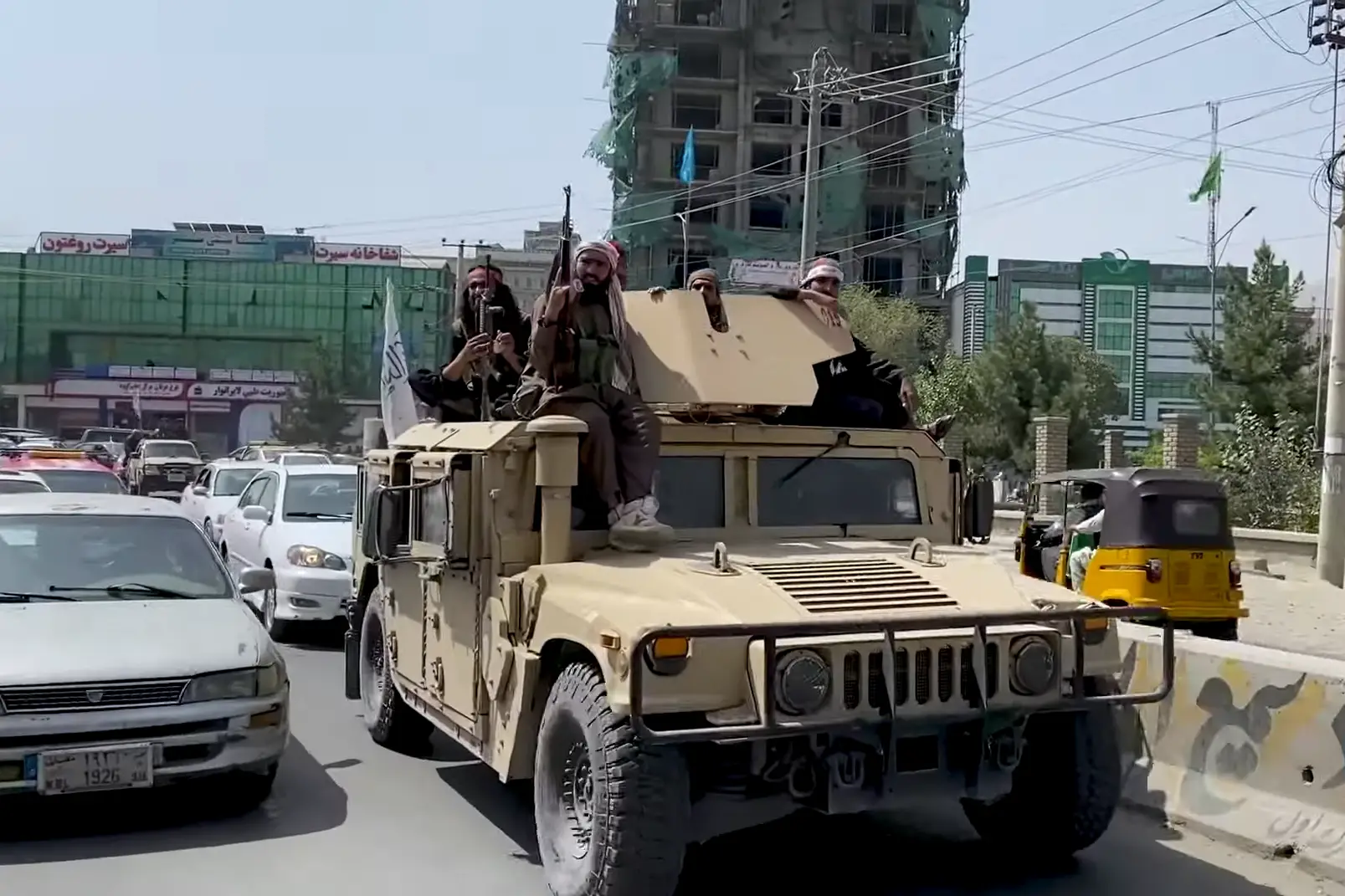
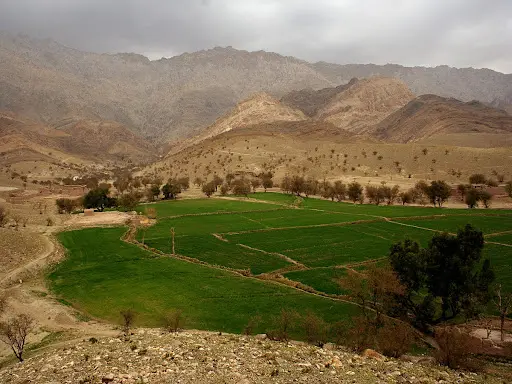
Iran shares long, porous frontiers with both Afghanistan and Pakistan — particularly in its Sistan-and-Baluchestan region. These areas are plagued by militant insurgencies, cross-border smuggling, water disputes, and ethnic unrest. Iran has explicitly warned of spill-over from Afghanistan–Pakistan clashes.
2. Afghanistan–Pakistan Clashes Raise Regional Alarm
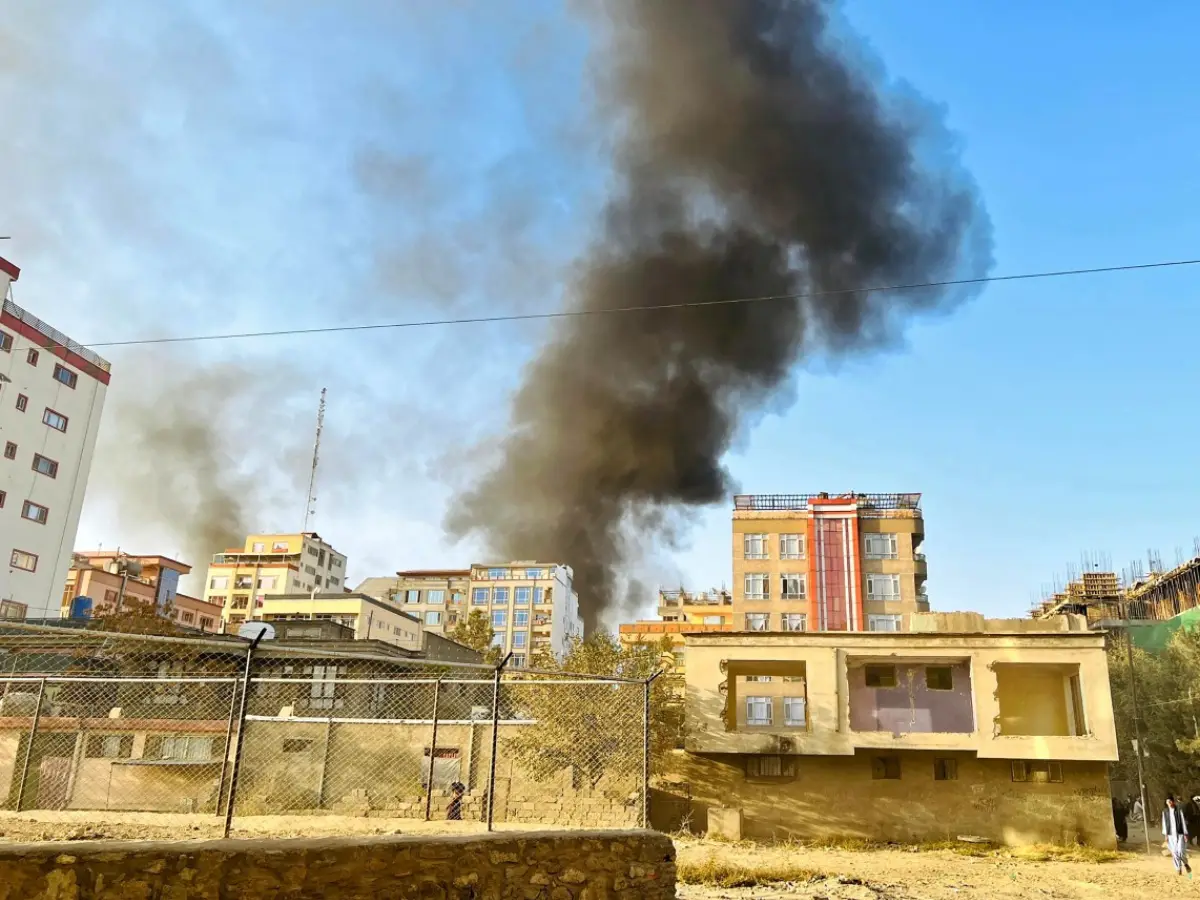
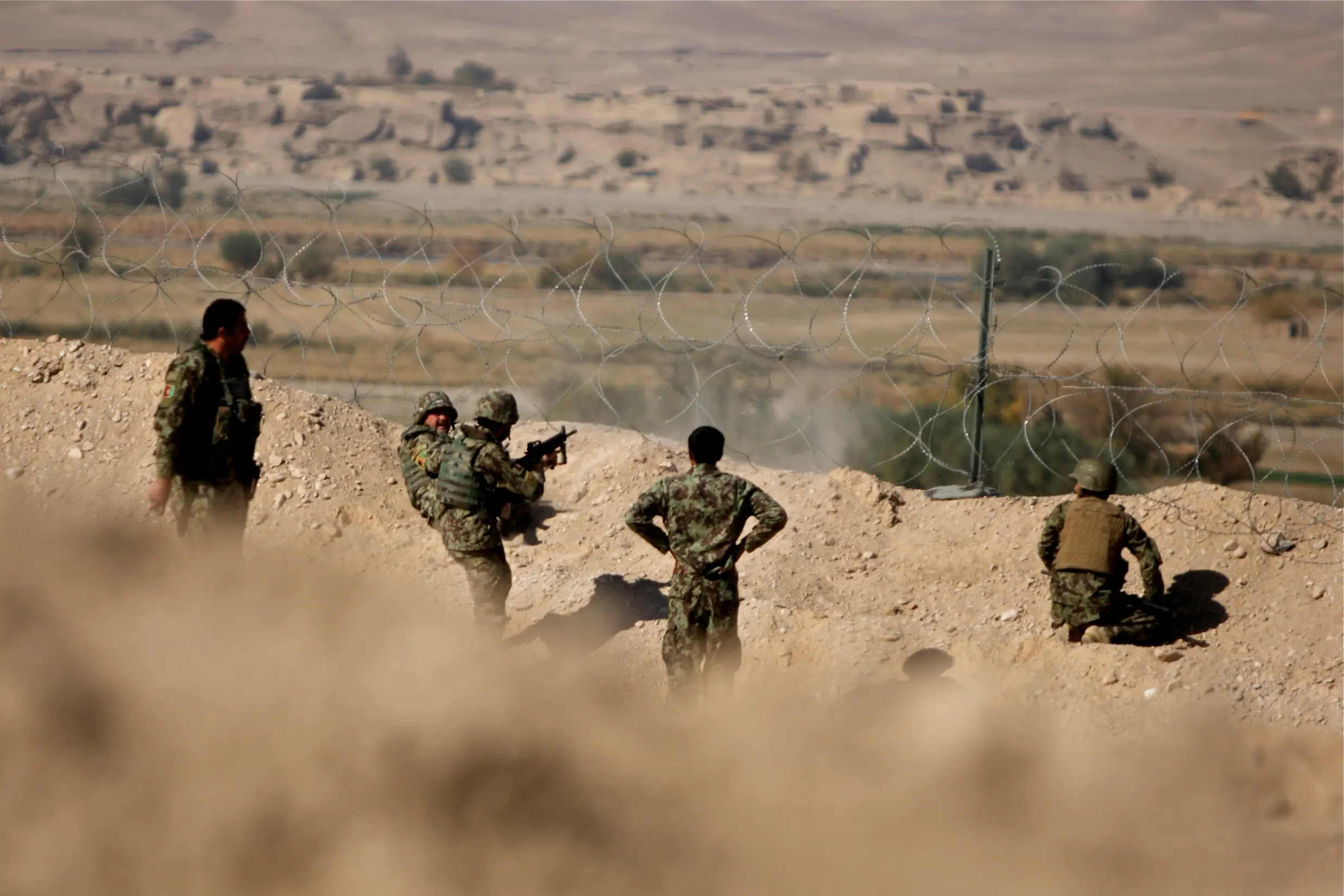
The latest wave of violence along the Durand Line (Afghanistan-Pakistan border) has Pakistan closing major crossing points and both sides trading heavy fire and airstrikes. Analysts say the instability could destabilise neighbouring states — including Iran.
3. Iran’s Water & Resource Disputes with Afghanistan Add Fuel
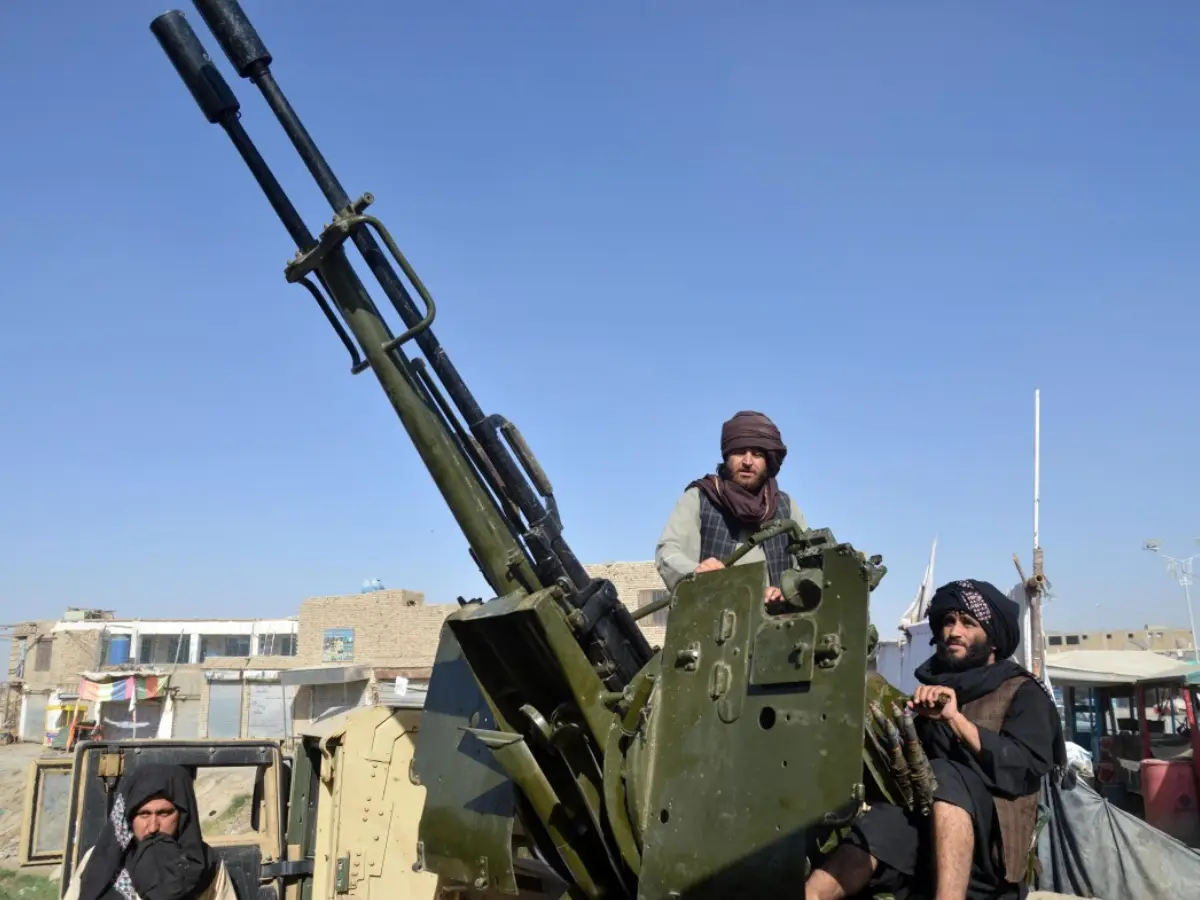
Beyond militant risk, Iran and Afghanistan have longstanding disputes over water rights (e.g., the Helmand/Hirmand River) and border policing. These resource fights amplify the chance that Iran may take sides, intentionally or indirectly, in the Afghan/Pakistan border war.
4. Smuggling, Militancy & Shadow Conflict Zones
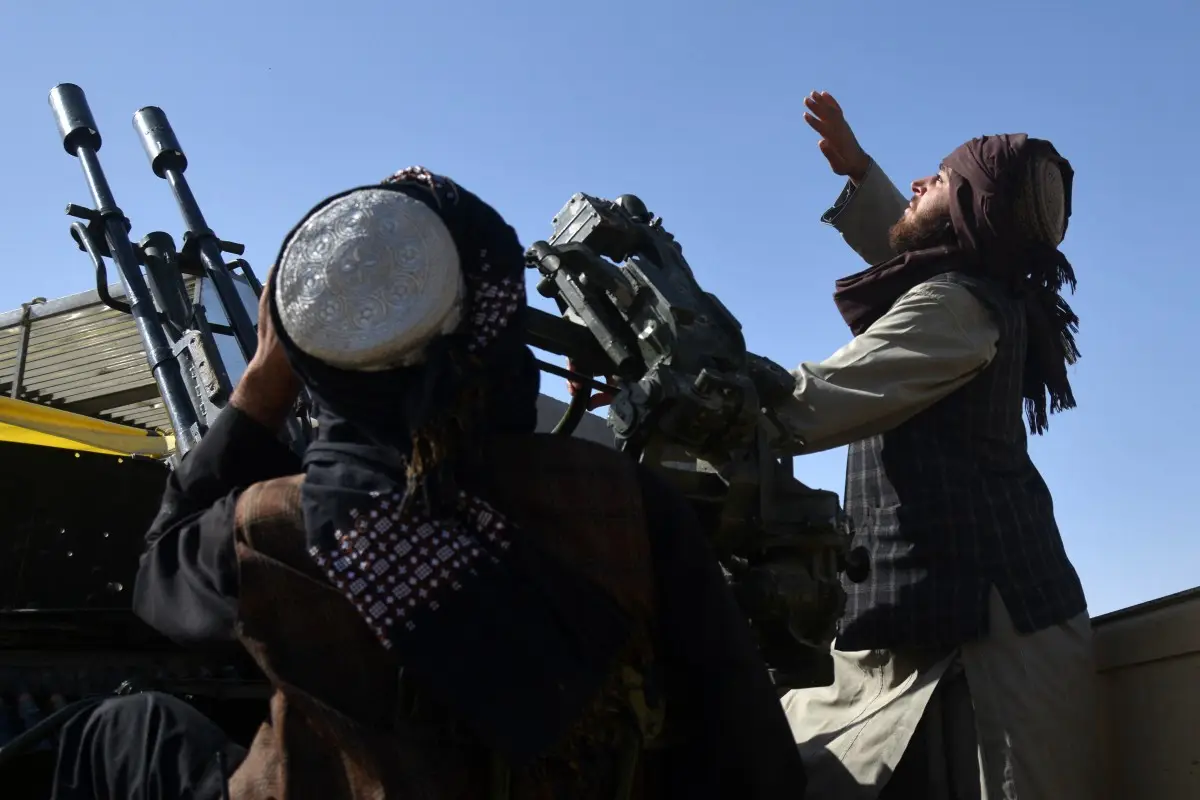
Iran’s eastern provinces are hubs of smuggling (fuel, arms, narcotics) that overlap with the Afghan–Pakistan borderlands. If the Pakistan-Afghanistan war expands, Iran may face increased influx or use of these routes by radicals, making Iran a target or participant in proxy dynamics.
5. Strategic Interests and External Alignments
Iran has strategic relationships with both Pakistan and Afghanistan (including the Taliban regime). A broader conflict could force Iran to choose backing one side (politically, covertly) or take military/security measures to protect its border — thus deepening regional entanglement.
6. What Could Trigger Iran's Direct Involvement?
- A major cross-border strike that kills Iranian nationals or hits Iranian territory
- Spill-over attacks by militants using Afghanistan/Pakistan zones to launch into Iran
- Resource or water cut-offs involving Afghanistan that provoke Tehran
- Formal alignment or defence cooperation drive among Afghanistan/Pakistan/China that threatens Iran’s strategic interests
7. The Big Picture
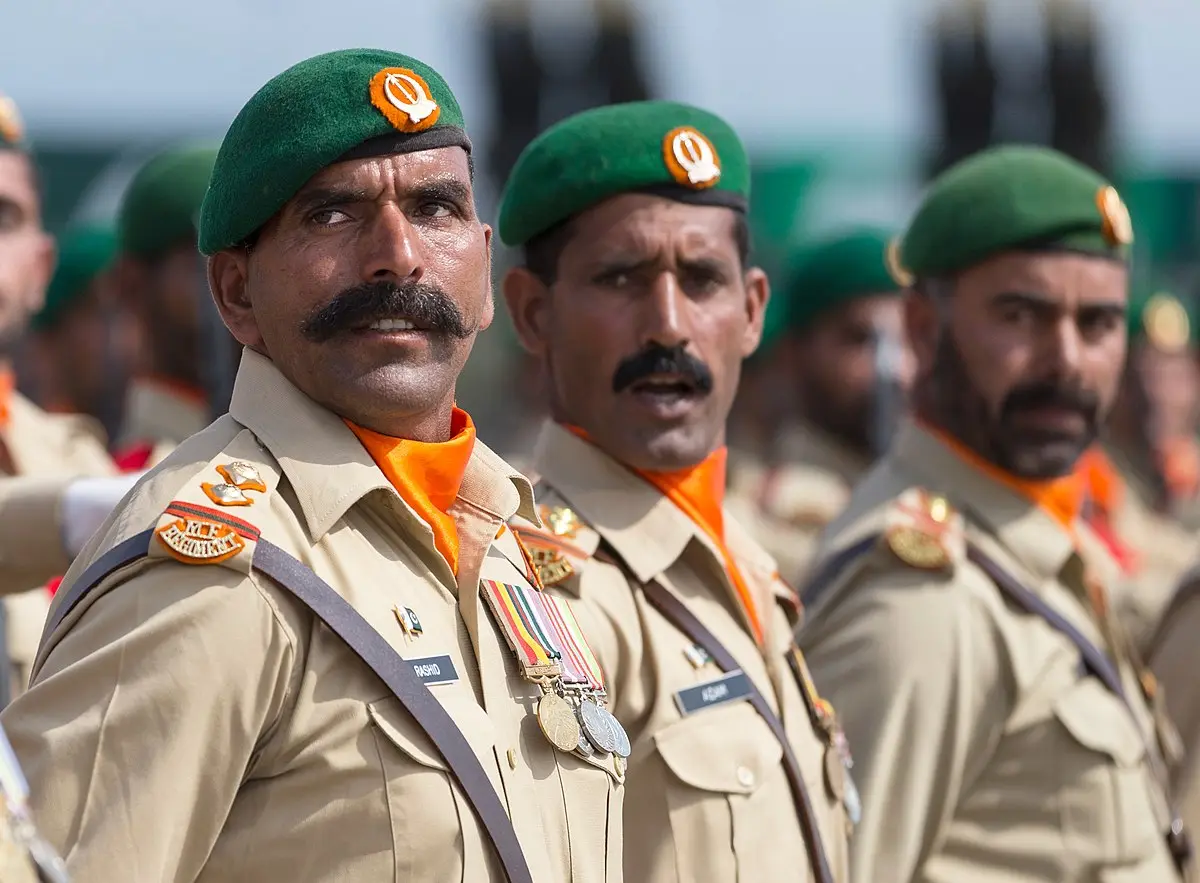
If Iran becomes more deeply involved, either to defend its border or to support an ally, the Afghanistan–Pakistan clash could morph into a multi-front regional standoff. That would raise stakes dramatically (economically, militarily, politically) for South and Central Asia.
)
)
)
)
)