How India’s nuclear triad works and where does K-5 missile fits in?

The K-5 is the next major leap in India’s sea-based nuclear deterrent. With an expected range of 5,000–6,000 km, it will allow Indian submarines to hit strategic targets deep inland from safe patrol zones in the Indian Ocean.
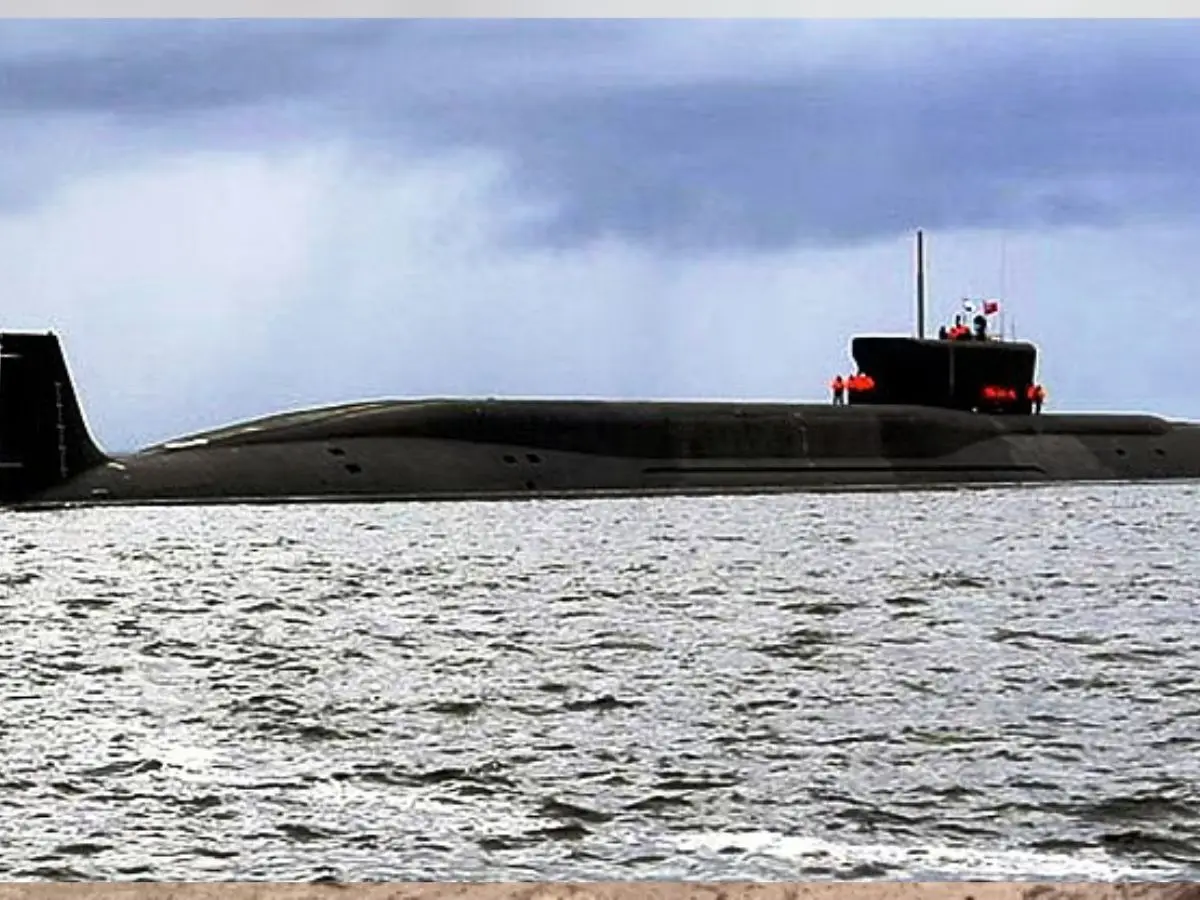
1. India’s Nuclear Triad: The Three-Pillar System
India’s nuclear deterrence is built on a three-pillar structure: land-based missiles, air-delivered nuclear weapons, and submarine-launched ballistic missiles (SLBMs). This triad ensures that even if one leg is compromised during a conflict, the other two remain operational. The goal is simple: guarantee a credible second-strike capability, which is the backbone of India’s “No First Use” nuclear policy.
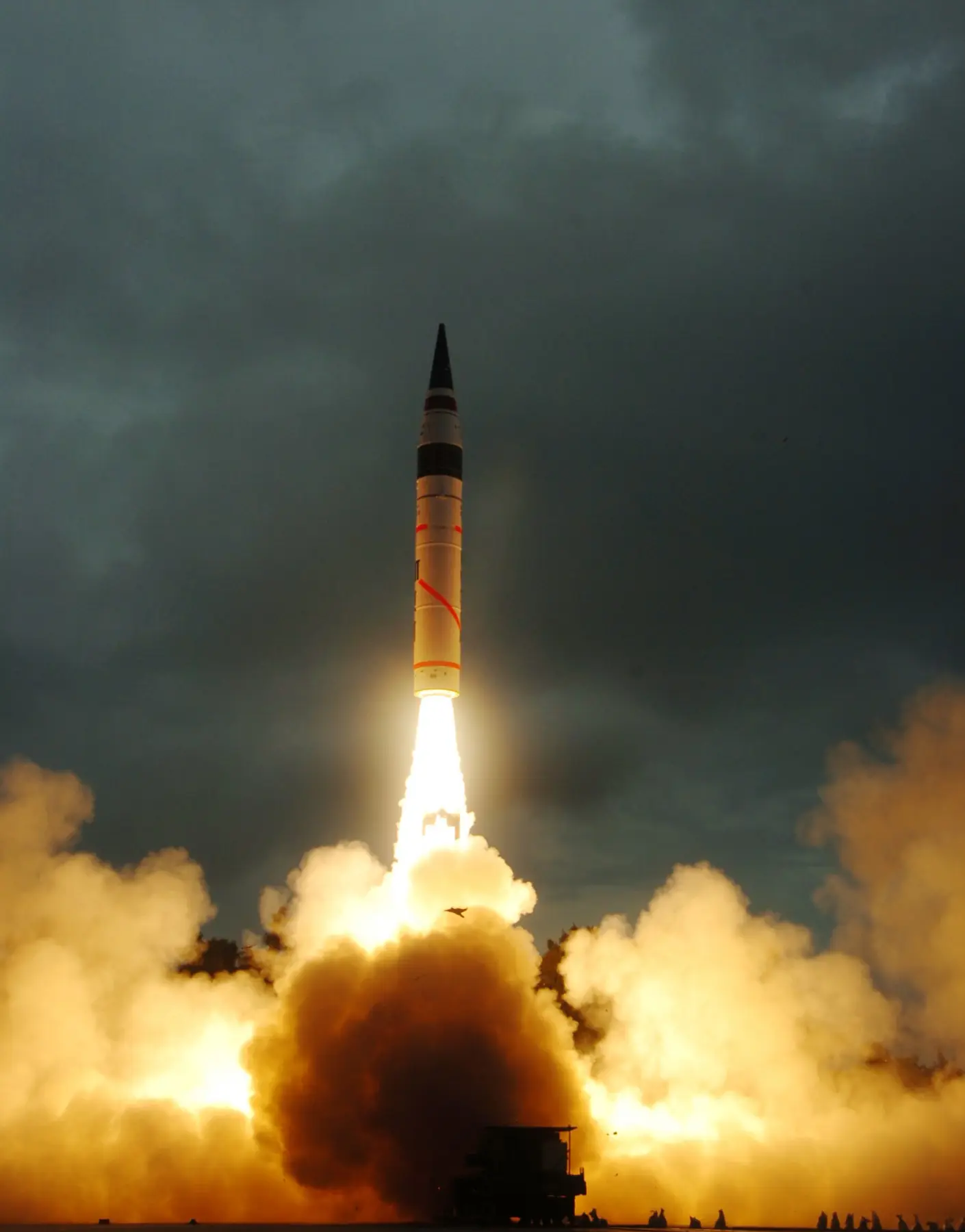
2. Land-Based Missiles Form the First Line
On land, India deploys the Agni series of ballistic missiles, with ranges from 700 km to over 5,000 km. These missiles provide long-range strategic reach against adversaries and operate from road-mobile or rail-mobile launchers for survivability. They’re the most visible part of India’s deterrent, regularly tested and upgraded to keep pace with regional threats.
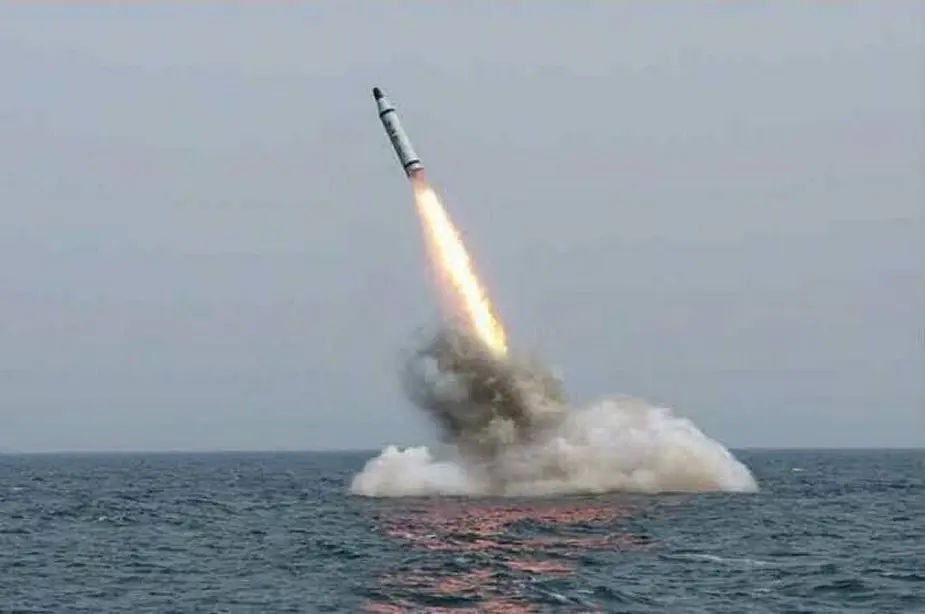
3. Air Delivery Adds Flexibility
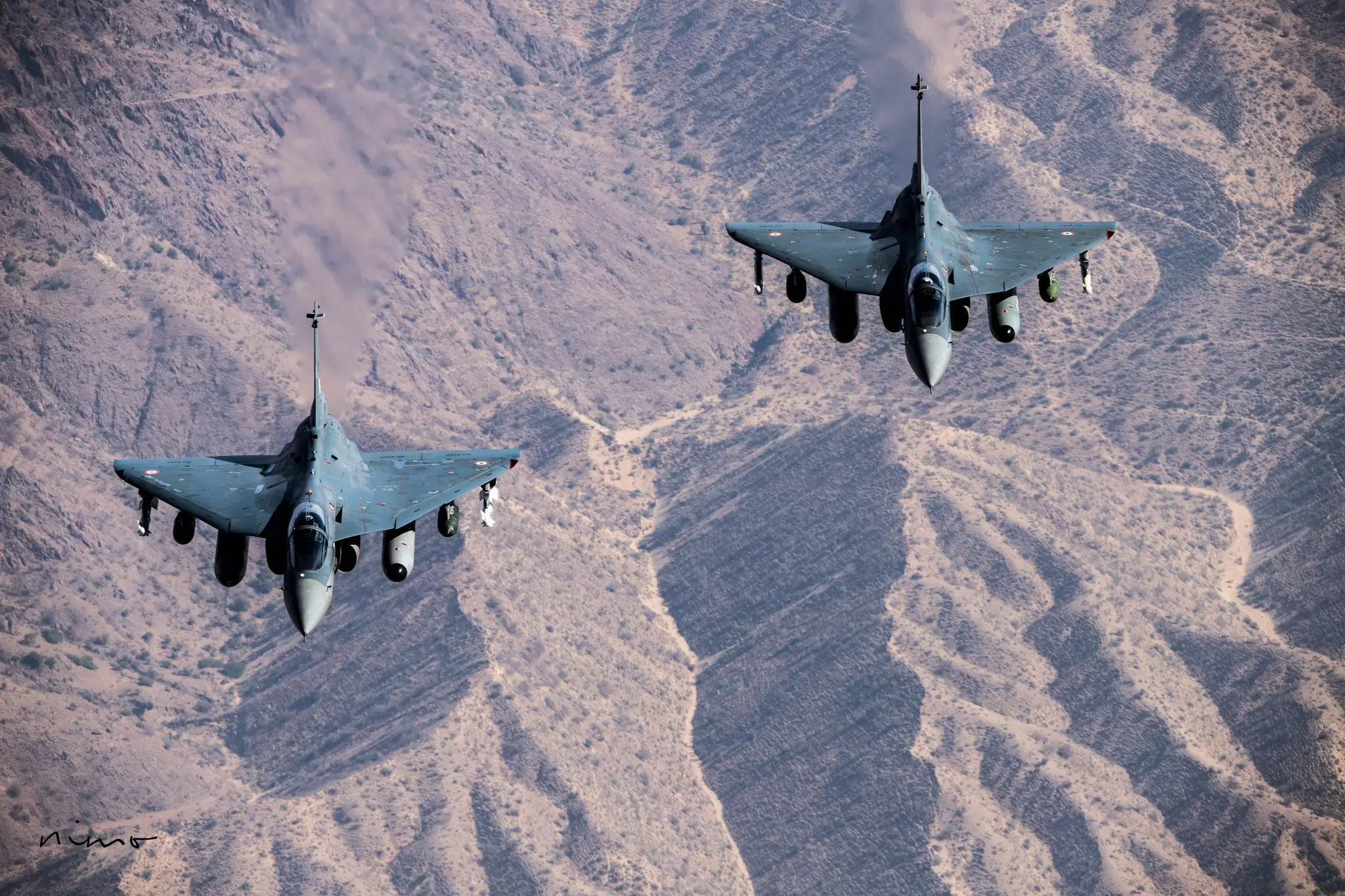
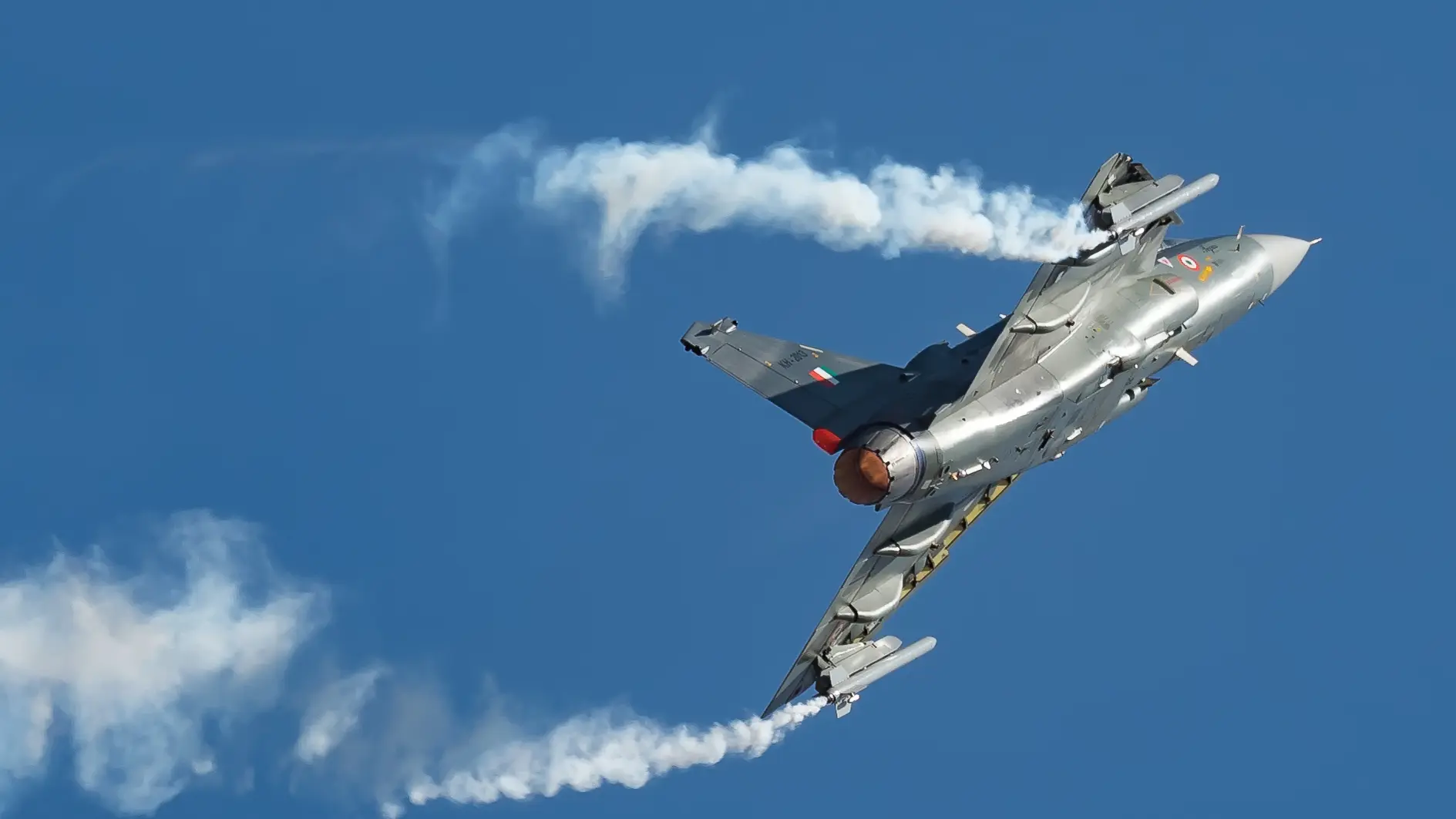
The second leg of the triad relies on Indian Air Force jets such as Mirage-2000, Jaguar IS, and SU-30MKI, which can be armed with nuclear payloads. Aircraft offer flexibility, mid-course redirection, and precision delivery, but they are more vulnerable to air defence systems compared to missiles. Even so, they provide political signalling value during crises.
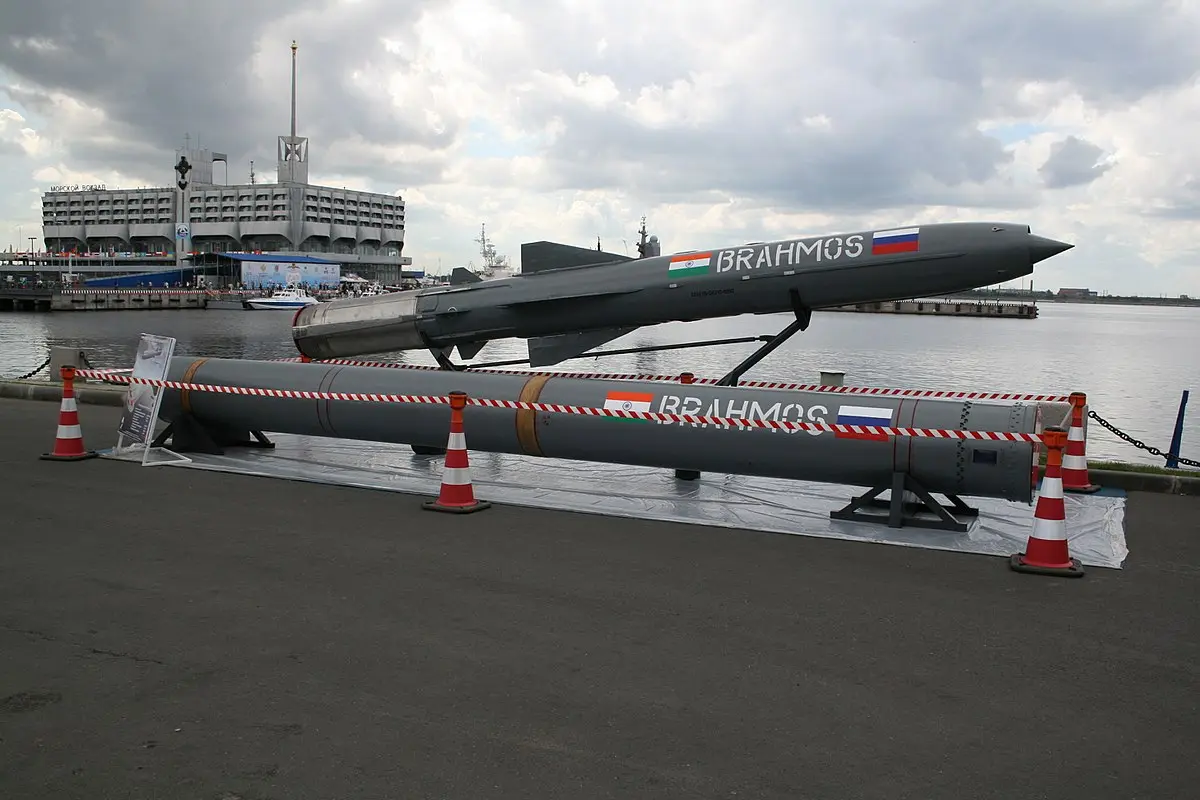
4. Submarines Provide the Most Secure Strike Option
The third and most critical leg is India’s underwater nuclear deterrent, built on Arihant-class nuclear submarines (SSBNs). These submarines can remain hidden for long durations while carrying ballistic missiles, making them extremely difficult to detect or target. This underwater capability ensures that India can launch a retaliatory strike even if its land and air assets are degraded.

5. The K-Series: India’s SLBM Family
India’s submarine missiles fall under the K-series, named after Dr. APJ Abdul Kalam. The family includes the K-15 (750 km), K-4 (3,500 km) and the under-development K-5 and K-6. Each upgrade extends range and survivability, giving submarines the ability to strike high-value targets without exposing themselves to enemy detection.
6. Where the K-5 Fits In
The K-5 is the next major leap in India’s sea-based nuclear deterrent. With an expected range of 5,000–6,000 km, it will allow Indian submarines to hit strategic targets deep inland from safe patrol zones in the Indian Ocean. It is nuclear-capable, likely MIRV-ready, and represents a transition from “regional reach” to “inter-continental signalling.” Once fully tested and inducted, it will become the flagship missile of the SSBN fleet.
7. Why K-5 Strengthens India’s Second-Strike Credibility
The biggest advantage of K-5 is survivability. Submarines armed with K-5 can remain undetected while holding faraway targets at risk, making India’s nuclear deterrent more robust and credible. In any conflict scenario, the K-5 ensures that India retains the ability to launch a guaranteed second strike, exactly what a nuclear triad is designed for. With future S-5 class submarines, the K-5 will anchor India’s most secure leg of the nuclear arsenal.
)
)
)
)
)