How government is using advanced AI to hunt for UFO patterns in new PURSUE database

The Department of War is deploying advanced Artificial Intelligence to scrub, analyze, and find hidden patterns in the massive PURSUE UAP database.
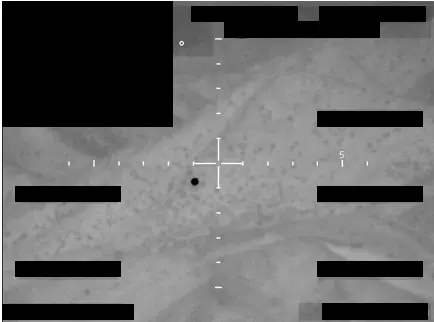
Enter the PURSUE AI
Processing the massive volume of declassified UAP files requires more than human analysts. The Department of War is utilizing cutting-edge Artificial Intelligence to manage the PURSUE database.
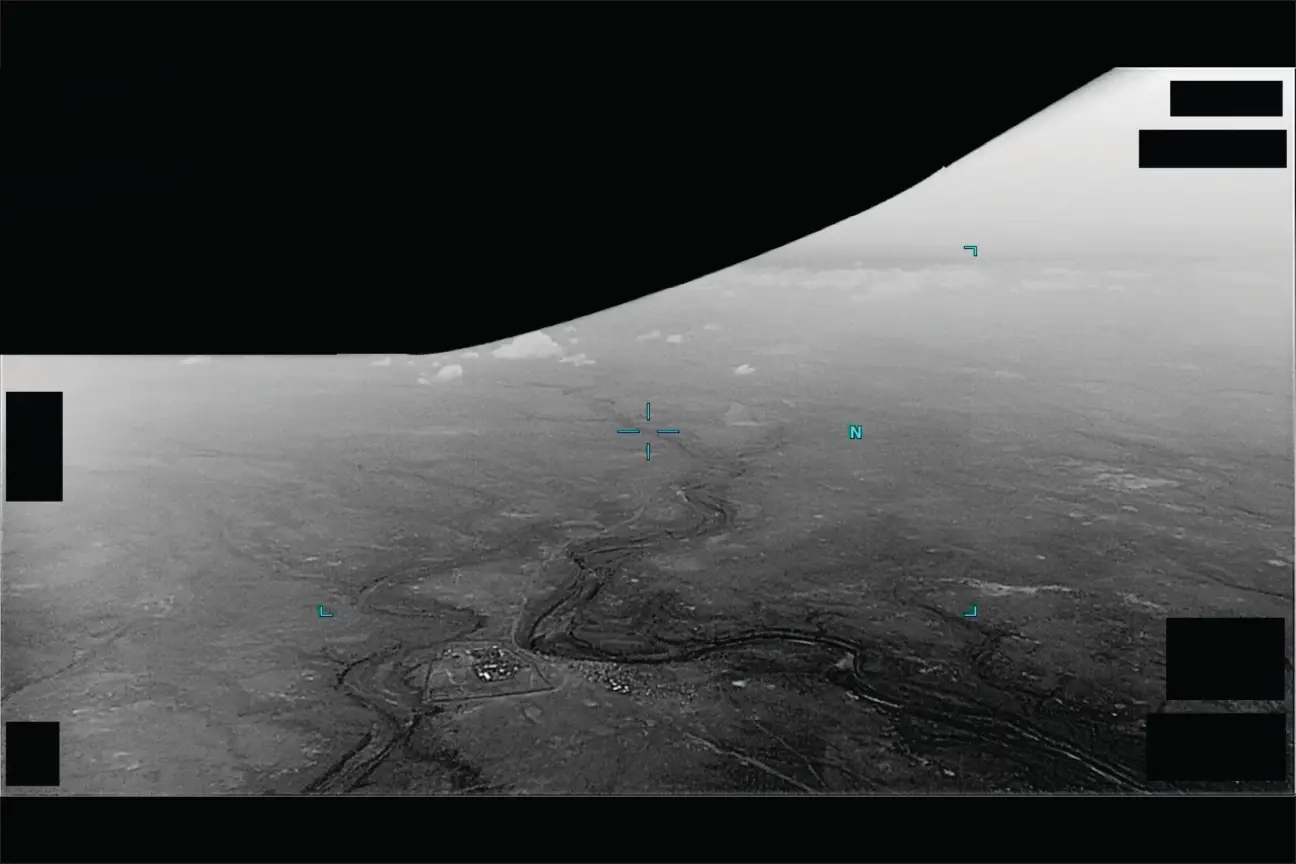
Scrubbing the Data
Before any file is released, AI algorithms rapidly scrub military-grade videos to mask sensitive telemetry, classified sensor data, and secure communication channels, allowing safe public release.
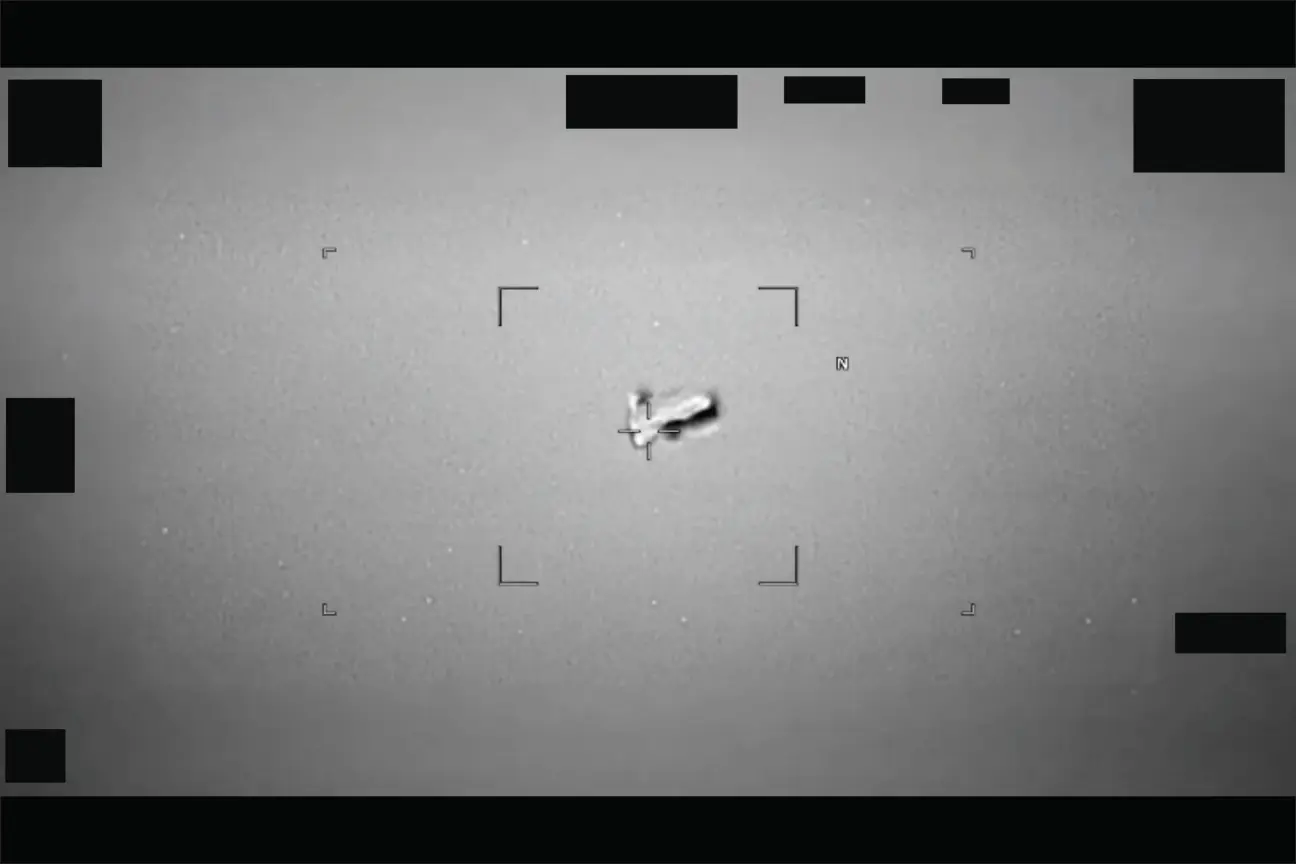
Finding the Needle in the Haystack
With millions of gigabytes of radar, sonar, and visual data, AI is uniquely suited to detect the faint, anomalous signatures of UAPs that human operators might dismiss as noise or clutter.

Cross-Referencing Decades of Encounters
The AI engine is cross-referencing modern sightings with historical databases, finding correlations in flight paths, speeds, and shapes spanning from the 1950s to the 2026 Lake Huron incident.
Predictive Modeling for Sightings
By analyzing geographic and temporal data, the military is attempting to use machine learning to build predictive models, anticipating where and when the next major UAP incursion might occur.
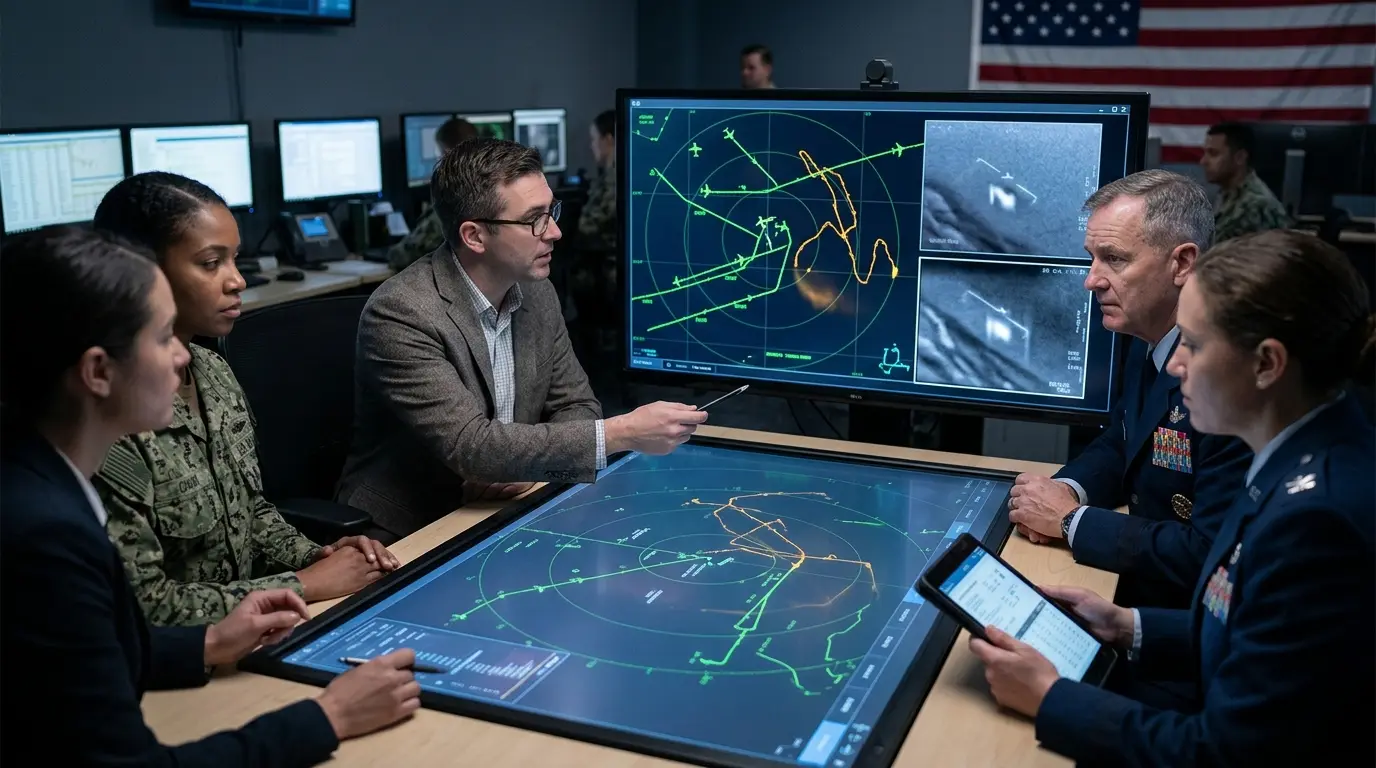
The Human-AI Collaboration
While AI does the heavy lifting, human analysts remain in the loop to verify the anomalies. This human-AI collaboration is accelerating the pace of UAP discovery and declassification exponentially.
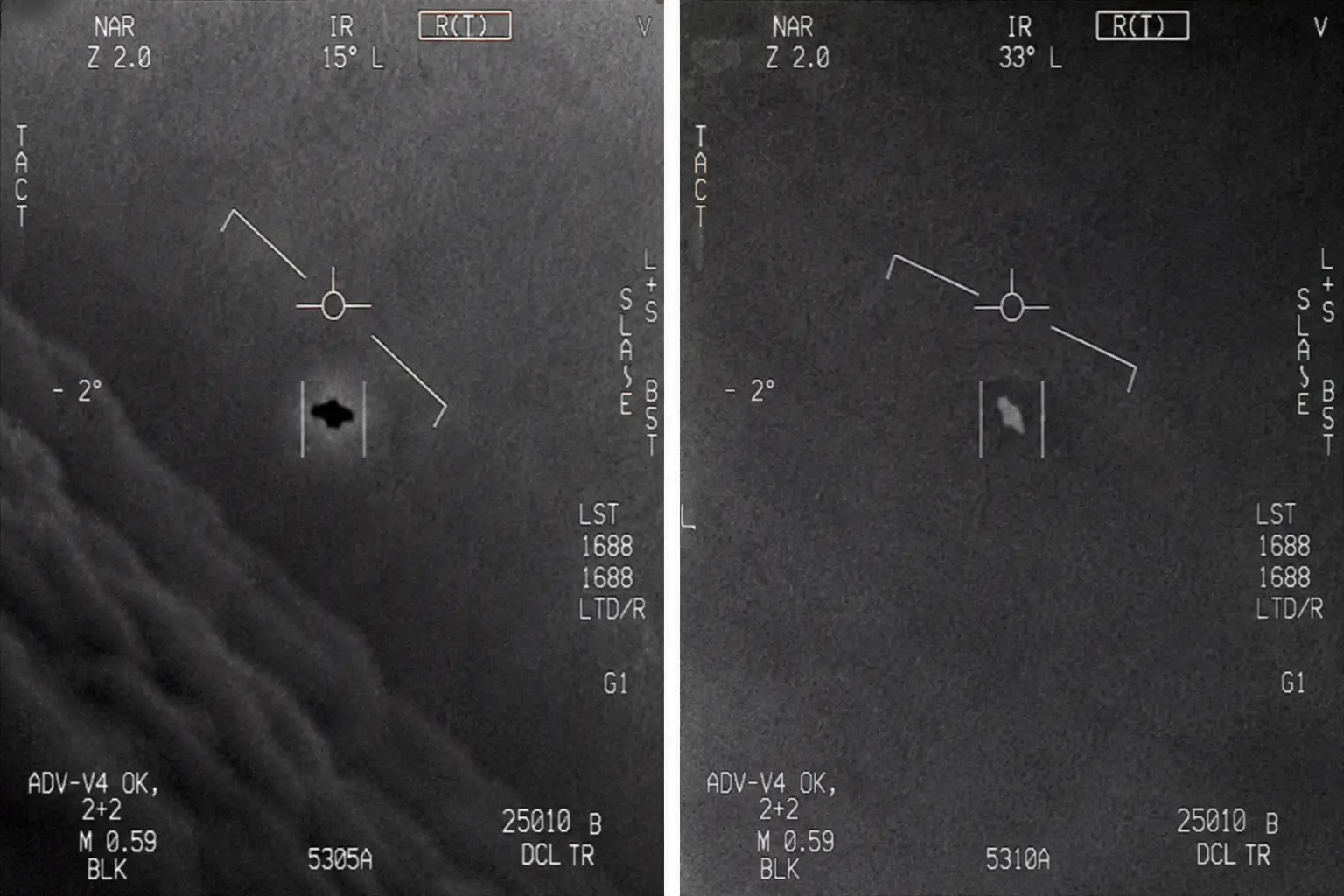
Expanding the Database
As more data is fed into the system, the AI becomes smarter. The PURSUE initiative isn't just a public archive; it's a dynamic, learning neural network dedicated to solving the UAP mystery.
)
)
)
)
)