How fighter jets detect threats from over 100 km away

Fighter jets detect threats from over 100 km away using AESA radar, infrared sensors, and data fusion technology. These systems provide pilots with early warning and comprehensive situational awareness to act swiftly and accurately.
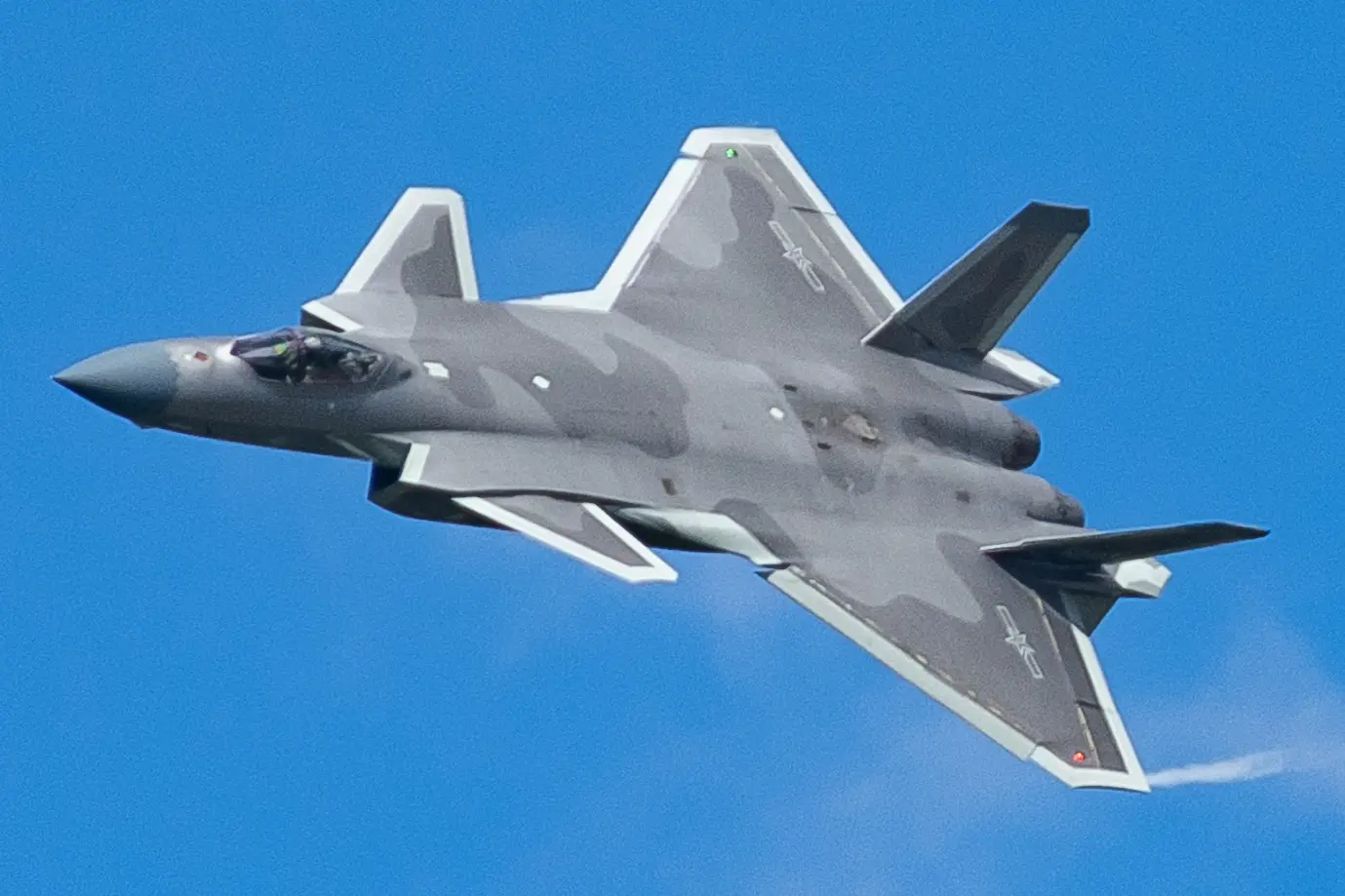
Advanced Radars Extend Detection Range
Modern jets use Active Electronically Scanned Array (AESA) radars that scan electronically, detecting targets beyond 150 km. This extends pilot situational awareness well before engagement.
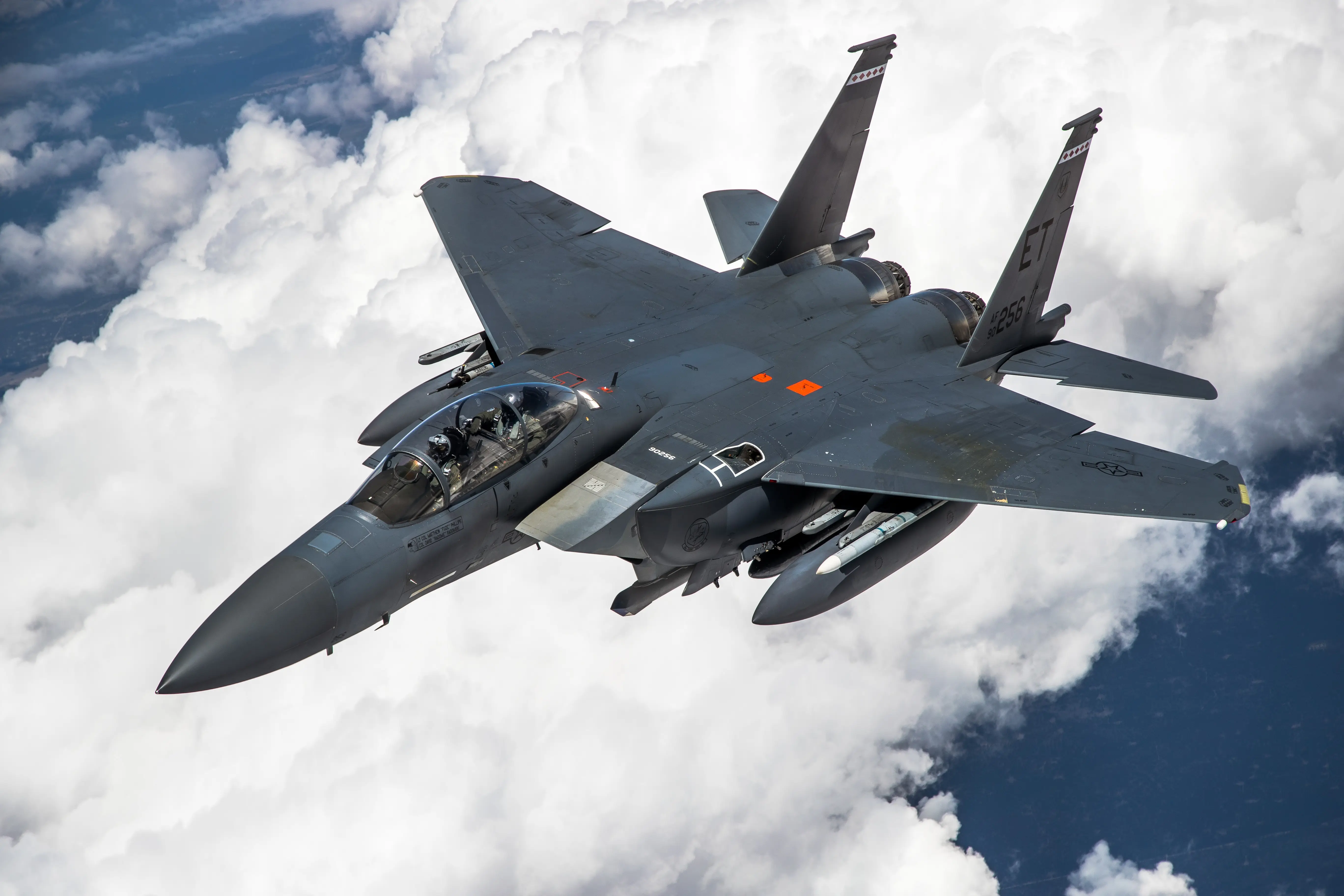
Multi-Directional Radar Coverage
Systems include forward-looking, side-looking, and rear radars to provide 360-degree coverage around the jet, ensuring threats can be detected from any direction.
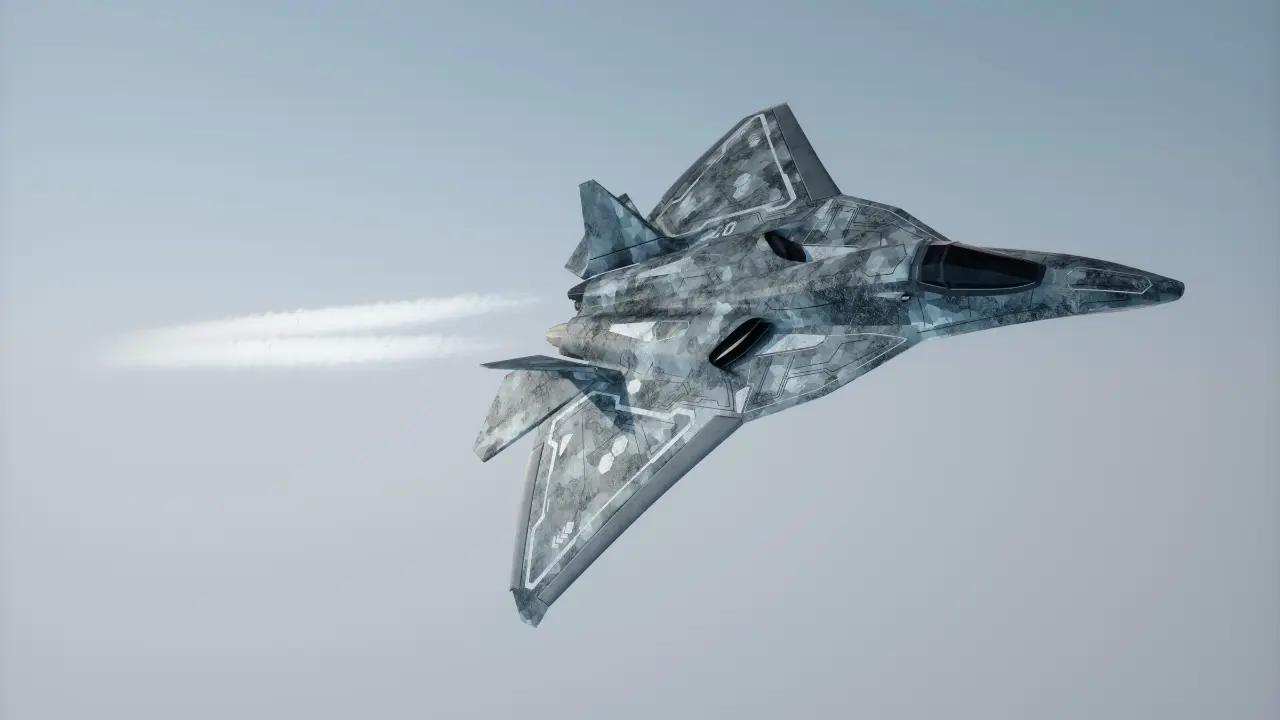
Integration of Multiple Sensors
Besides radar, jets use infrared cameras, electronic warfare sensors, and data links to detect and classify threats from long distances, creating a comprehensive battle picture.
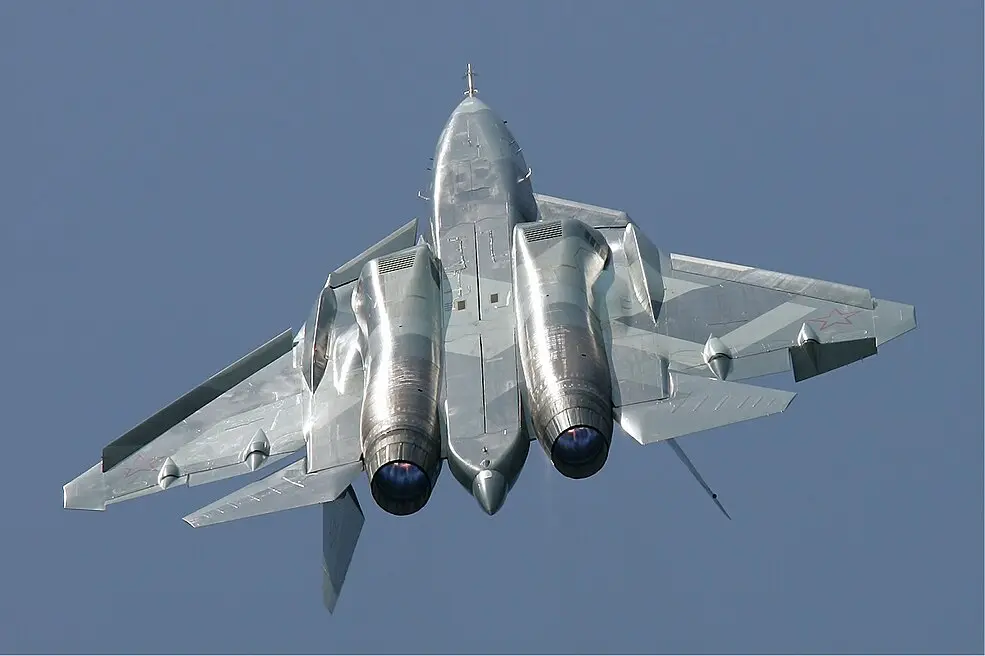
Role of Infrared and Electro-Optical Sensors
Six infrared cameras around the jet provide real-time imagery, detecting heat signatures of other aircraft or missiles even when radar is jammed.
Data Fusion for Accurate Target Tracking
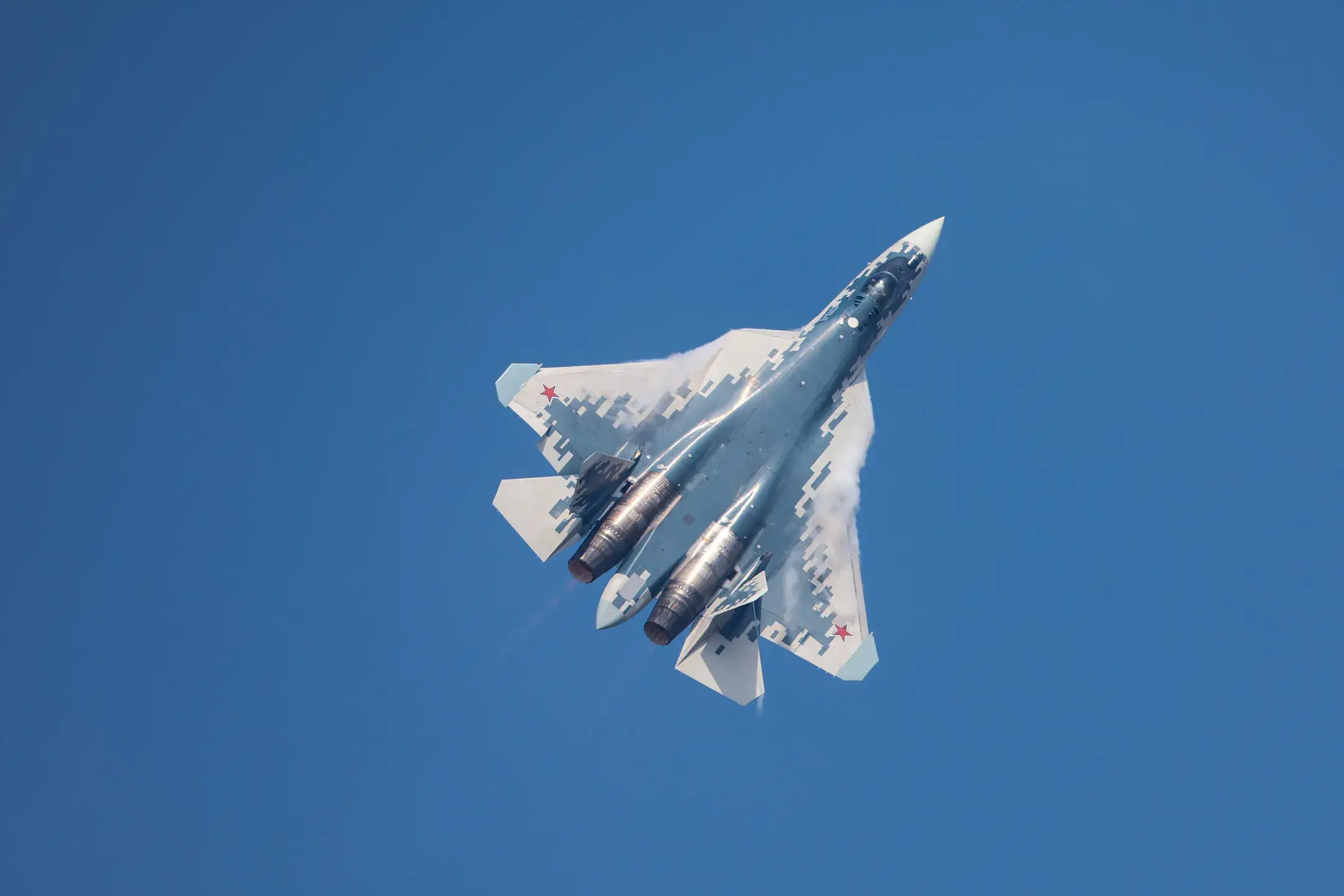
Computers fuse data from radar, infrared, and other sensors, filtering noise and false targets, and delivering precise information to the pilot’s display.
Electronic Warfare and Jamming Detection
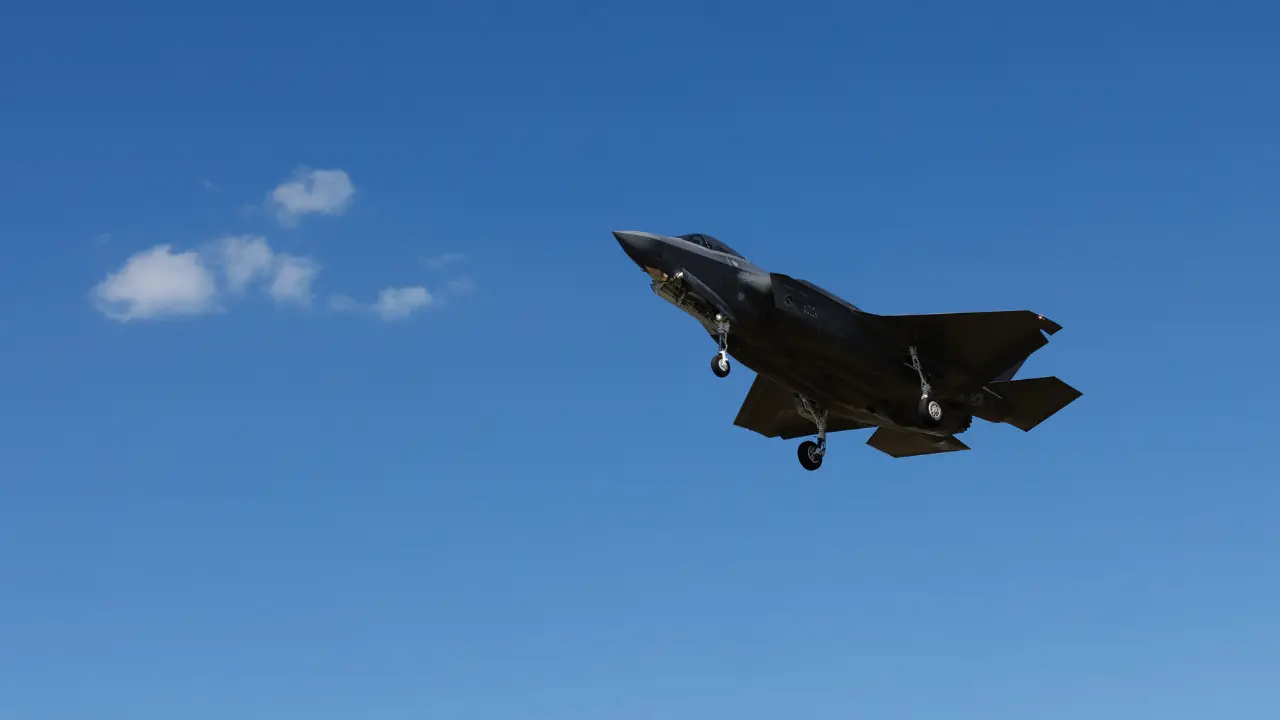
Sophisticated sensors detect enemy jamming attempts and adjust radar modes to sustain detection capability over 100 km despite electronic countermeasures.
Stealth and Detection Challenges
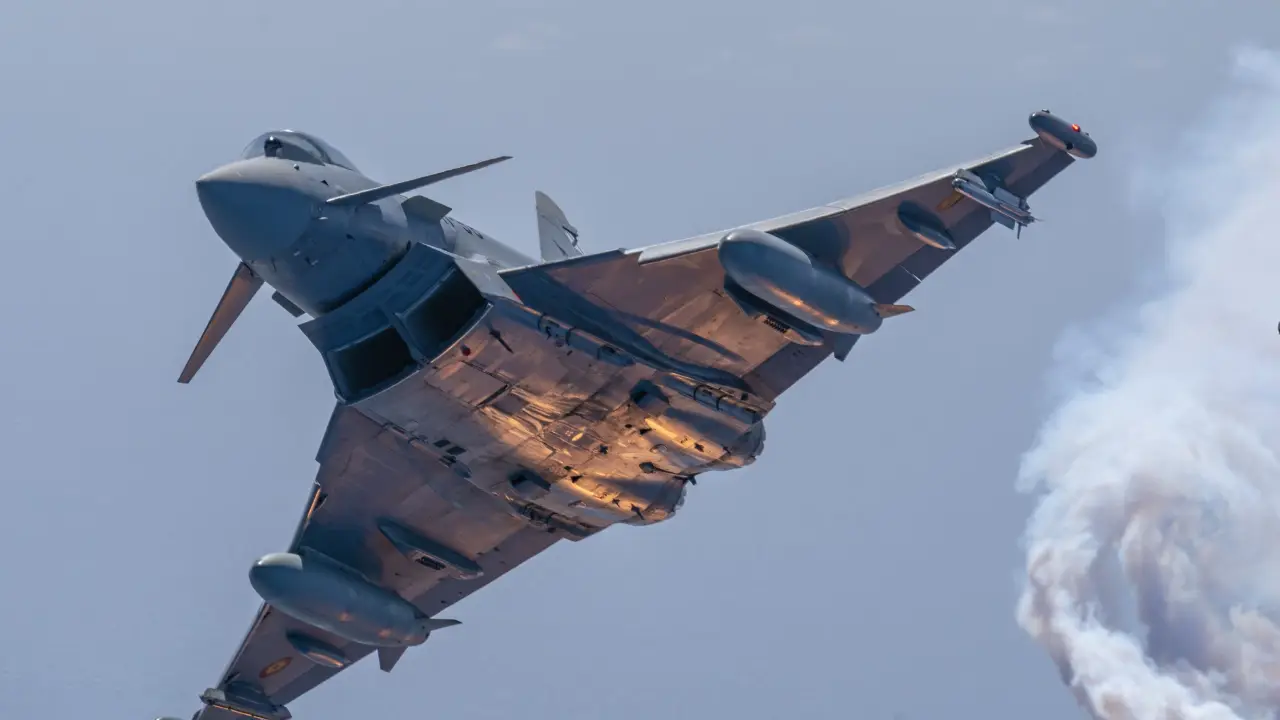
Stealth aircraft reduce radar reflections but can often be detected by low-frequency radar bands. Advanced radars use waveforms to detect and track such stealth targets at long ranges.
Ground and Airborne Radar Networks
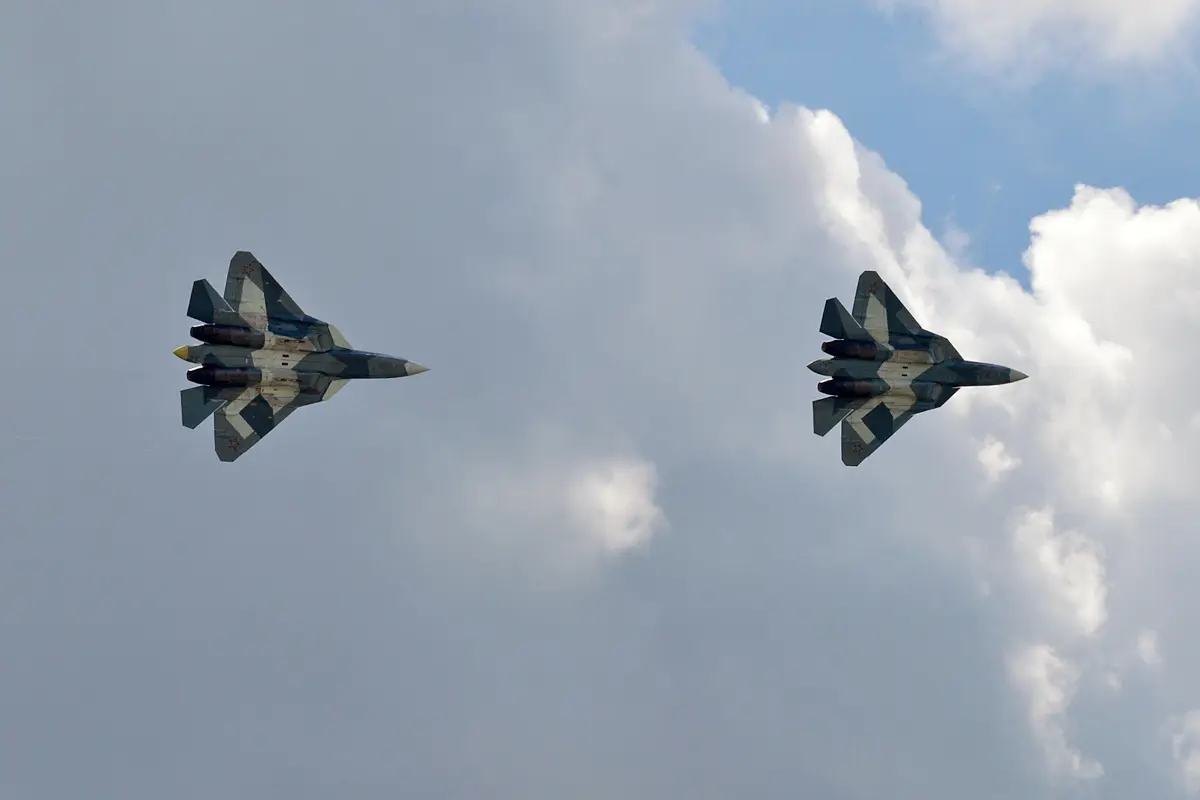
Jets receive target data from airborne early warning aircraft and ground radars, extending their detection range beyond onboard sensors.
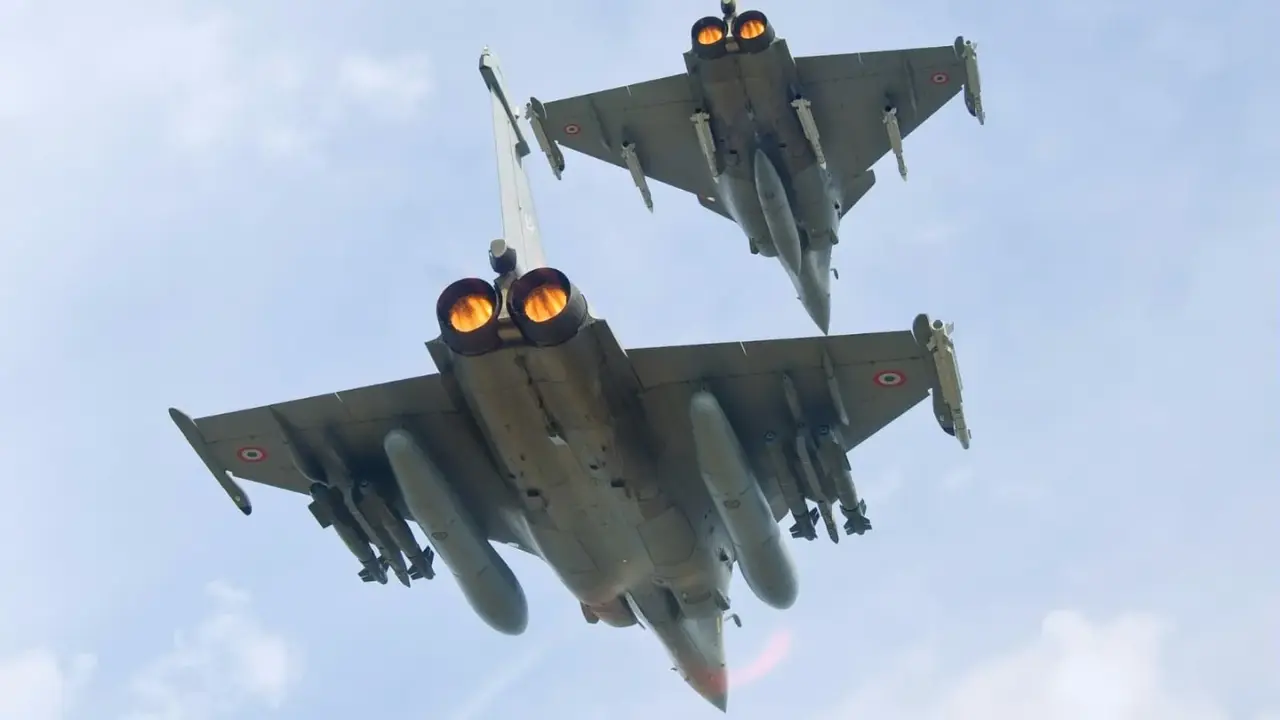
Real-Time Tactical Advantage
Early detection gives pilots time to plan engagement or evasion, significantly increasing survival chances in contested airspace.
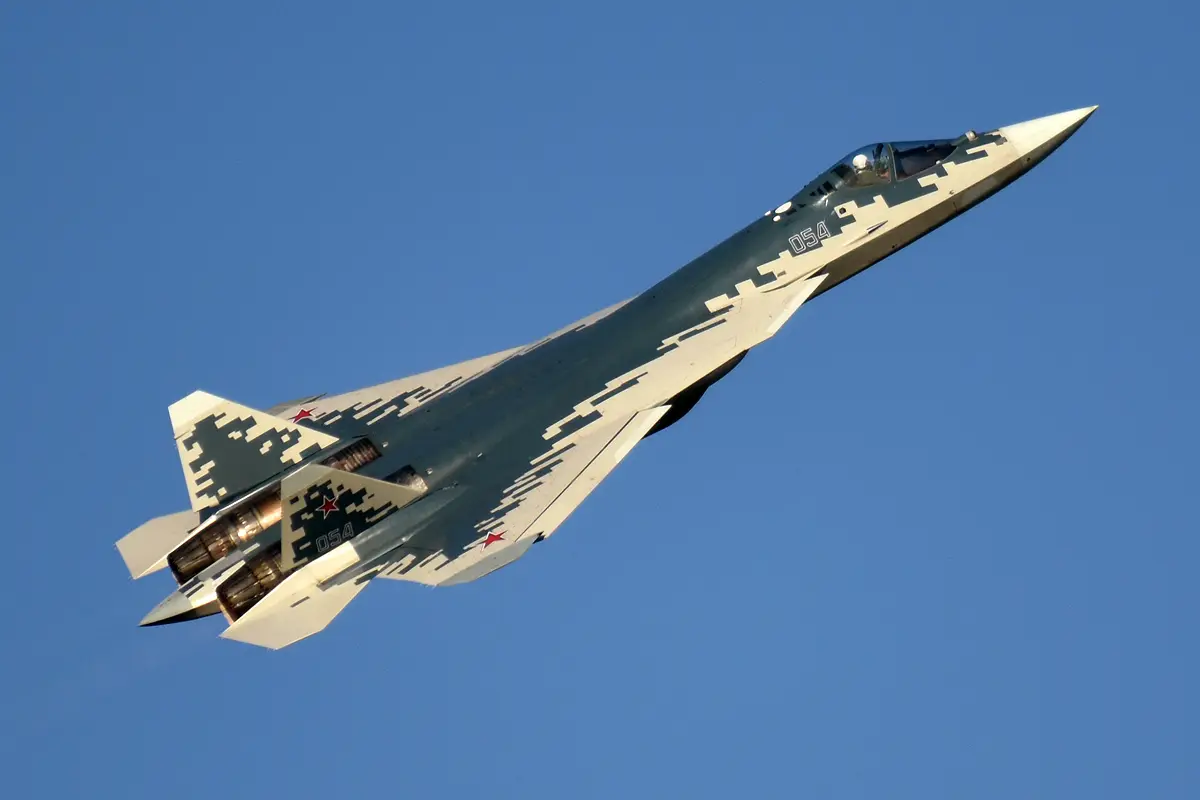
Future Sensor Technology
Next-generation radars and sensor fusion technologies will further improve detection range and accuracy, integrating AI for faster threat assessment.
)
)
)
)
)