How fighter jets climb at 200+ metres per second

Fighter jets climb at 200-330 metres per second, with MiG-35 holding world record. Advanced engines, lightweight materials, and thrust-to-weight ratios exceeding 1:1 enable vertical acceleration matching rockets.
The Record-Breaking Climb Rates
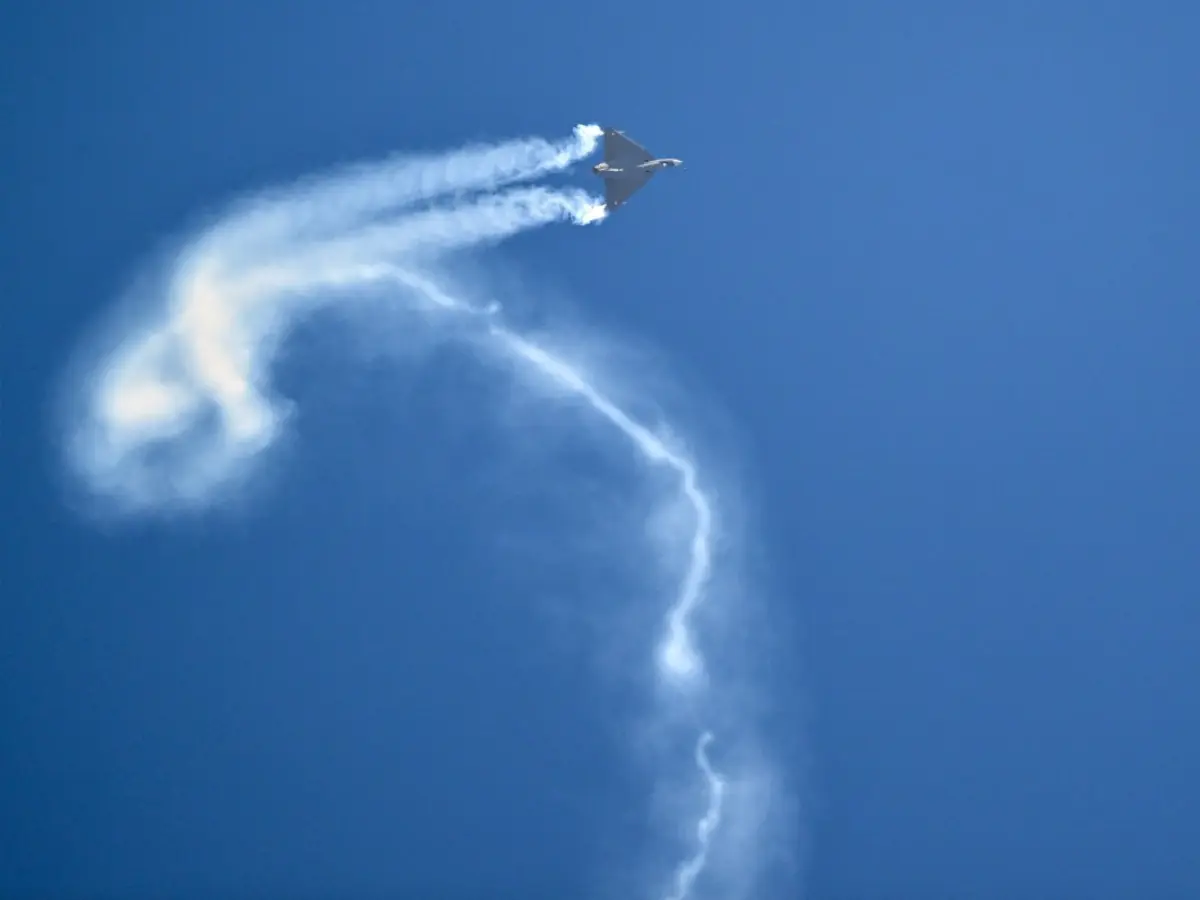
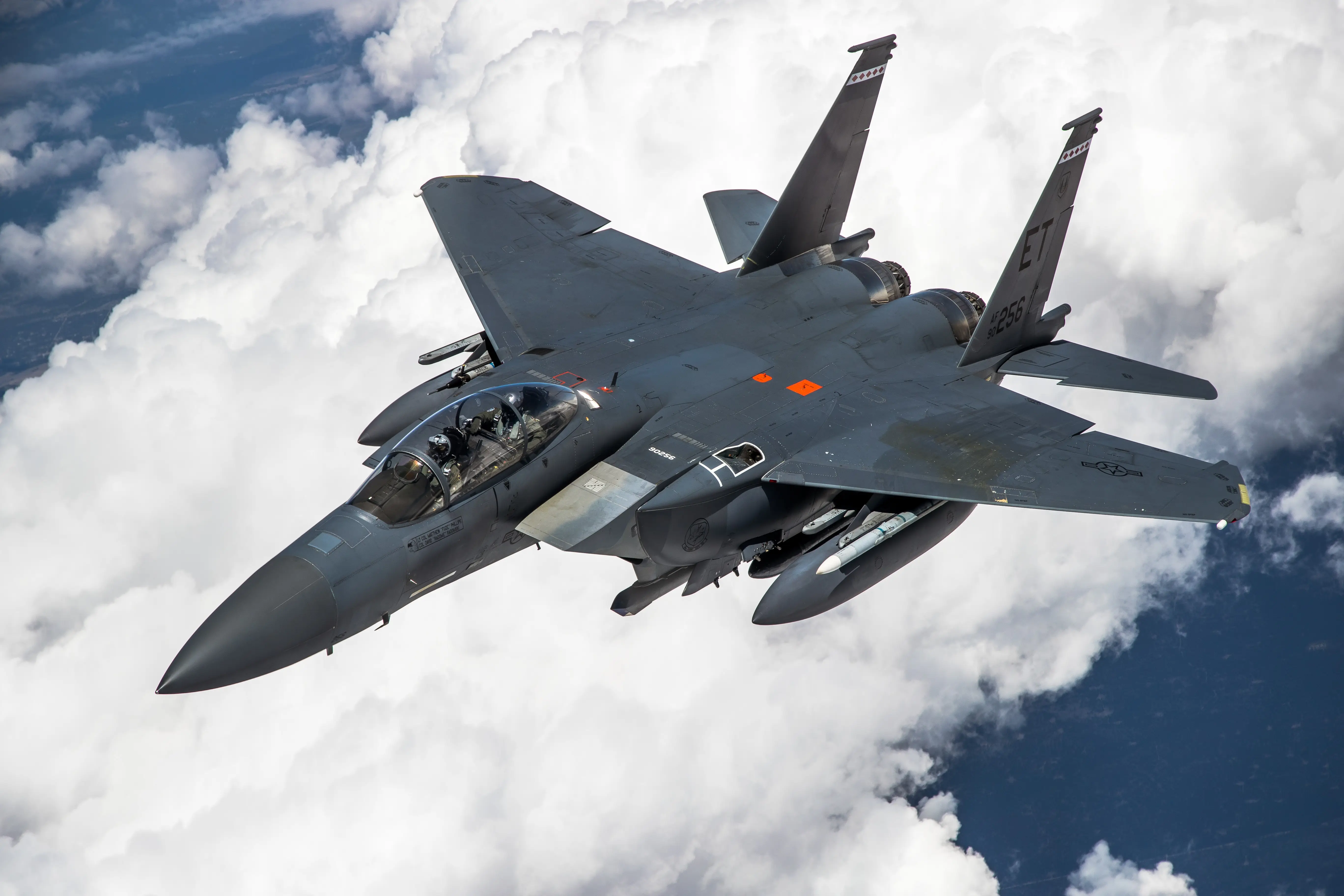
The MiG-35 achieves the fastest vertical climb rate globally at 330 metres per second (65,000 feet per minute). The F-15 Eagle reaches 300 metres per second with its twin Pratt & Whitney F100 engines. The F-22 Raptor climbs at approximately 290 metres per second using advanced Pratt & Whitney F119 engines. The Gripen E/F reaches 254 metres per second, making it impressive despite being lightweight. By comparison, commercial aircraft climb at 3 to 6 metres per second. Achieving these rates requires enormous power-to-weight ratios and lightweight construction. These climb rates represent fundamental advantages in air combat, allowing fighters to gain altitude advantage within seconds.
Thrust-to-Weight Ratio Explained
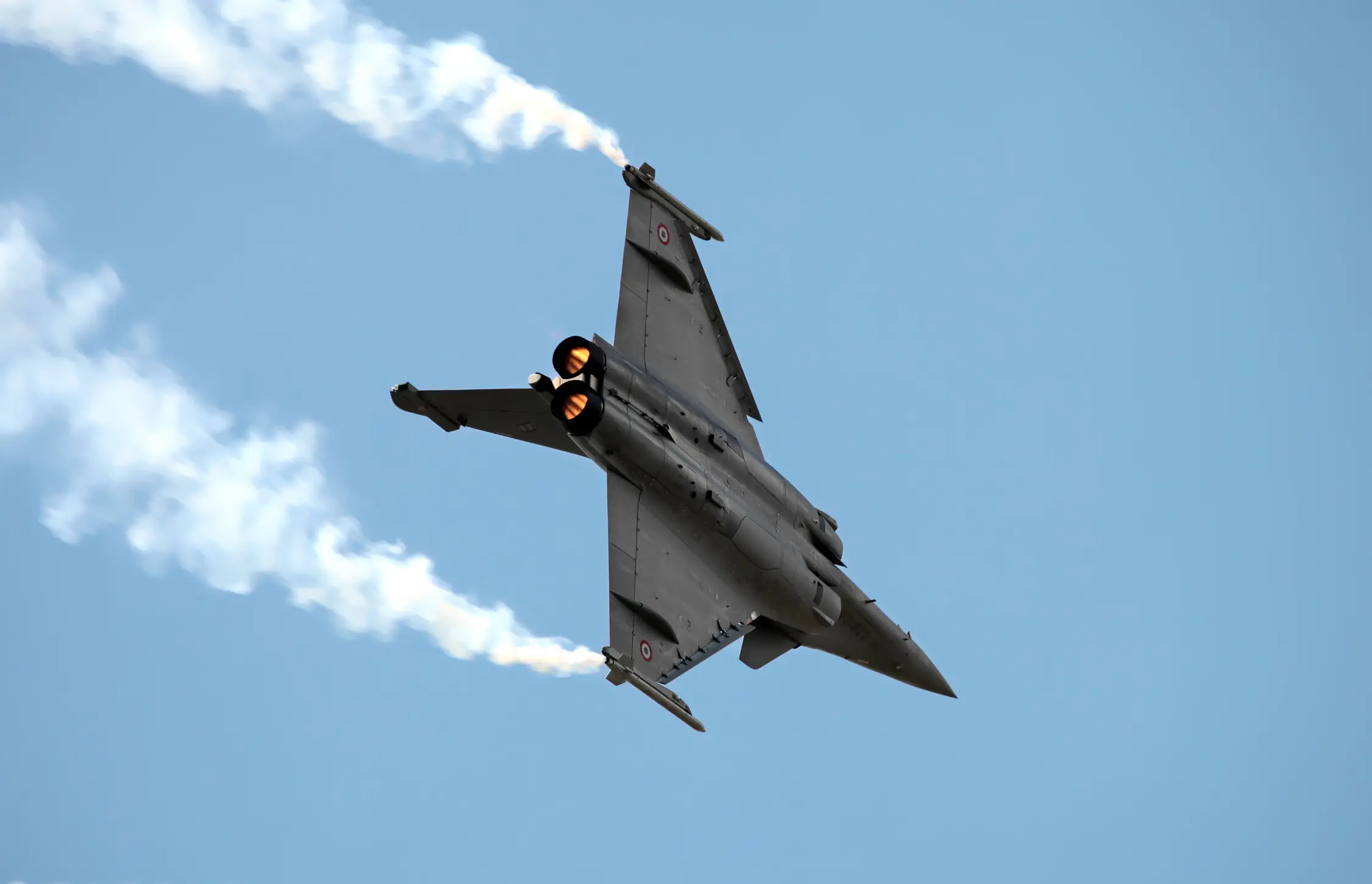
The primary factor enabling rapid climb is thrust-to-weight ratio, which compares engine thrust to aircraft weight. Fighter jets with ratios exceeding 1:1 can produce thrust equal to or greater than total weight. When thrust exceeds weight, aircraft can accelerate vertically. The F-22 Raptor has a thrust-to-weight ratio of 1.30, meaning its engines produce 30 per cent more thrust than aircraft weight. The Gripen has a 1.15 ratio, still exceptional by international standards. A commercial airliner has a ratio of 0.25, meaning engines produce only one-quarter of weight. This fundamental difference explains why fighters climb so dramatically faster than airliners. High thrust-to-weight ratios represent the most critical factor in climb performance design.
Advanced Engine Technology Powers Climbs
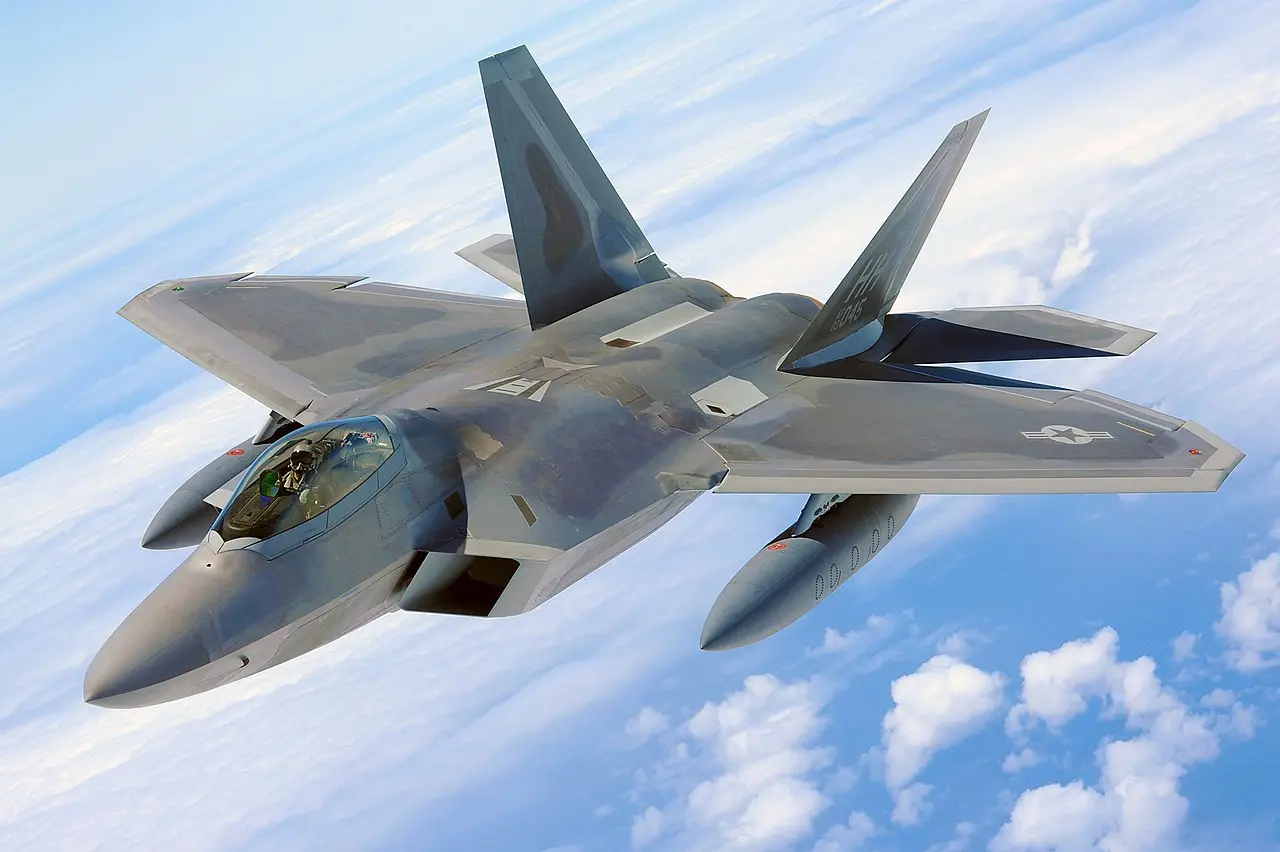
Modern fighter jet engines produce extraordinary thrust through advanced combustion and materials science. The F-22's Pratt & Whitney F119 engines deliver 35,000 pounds-force (156 kilonewtons) with afterburners engaged. The F-35's Pratt & Whitney F135 produces 40,000 pounds-force, the most powerful fighter engine globally. The Gripen's General Electric F414 engine produces 18,500 pounds-force, lightweight yet powerful. These engines burn fuel at rates exceeding 8,000 litres per hour whilst producing immense thrust. Advanced turbine blade materials withstand temperatures exceeding 1,500 degrees Celsius. High-pressure compressor systems compress air to eight times atmospheric pressure. This advanced technology enables the power necessary for extreme climb performance.
Weight Reduction through Lightweight Materials
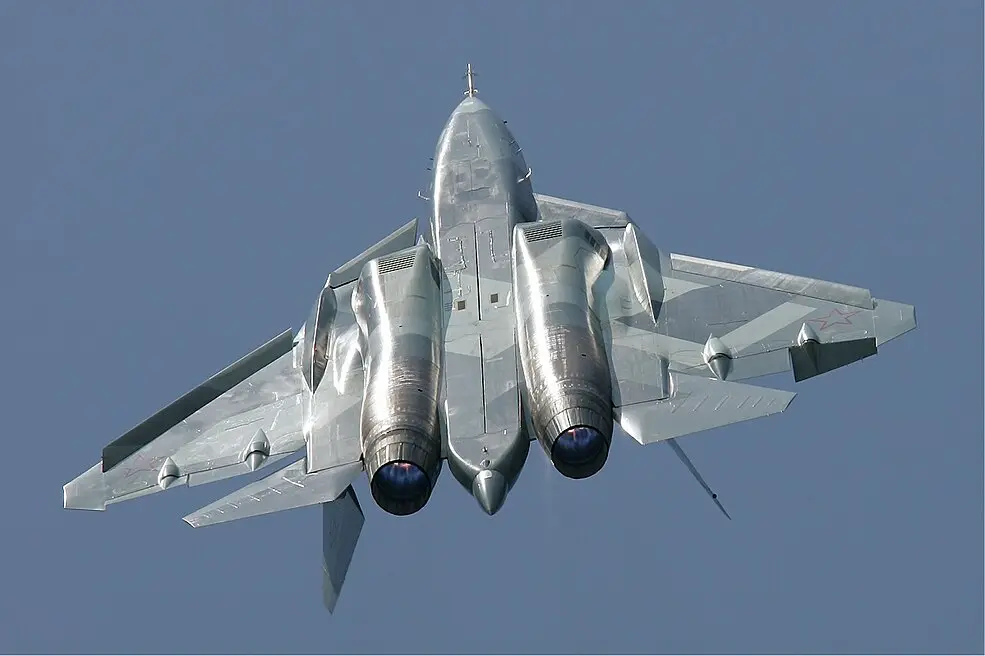
Achieving high thrust-to-weight ratios requires minimising aircraft weight through advanced materials. Carbon fibre composite structures reduce weight by 20 to 30 per cent compared to aluminium. Titanium alloys withstand high temperatures whilst remaining lighter than steel. Composite materials comprise over 50 per cent of modern fighter airframes. The Gripen weighs only 14,500 kilograms empty, remarkably light for a fighter aircraft. Lightweight construction allows engines to accelerate aircraft more effectively. Every kilogram removed from airframe weight improves climb performance. Modern fighters eliminate unnecessary systems and redundancy to achieve minimum weight. Weight reduction through materials science directly translates to climb performance improvements.
Aerodynamic Design for Vertical Flight
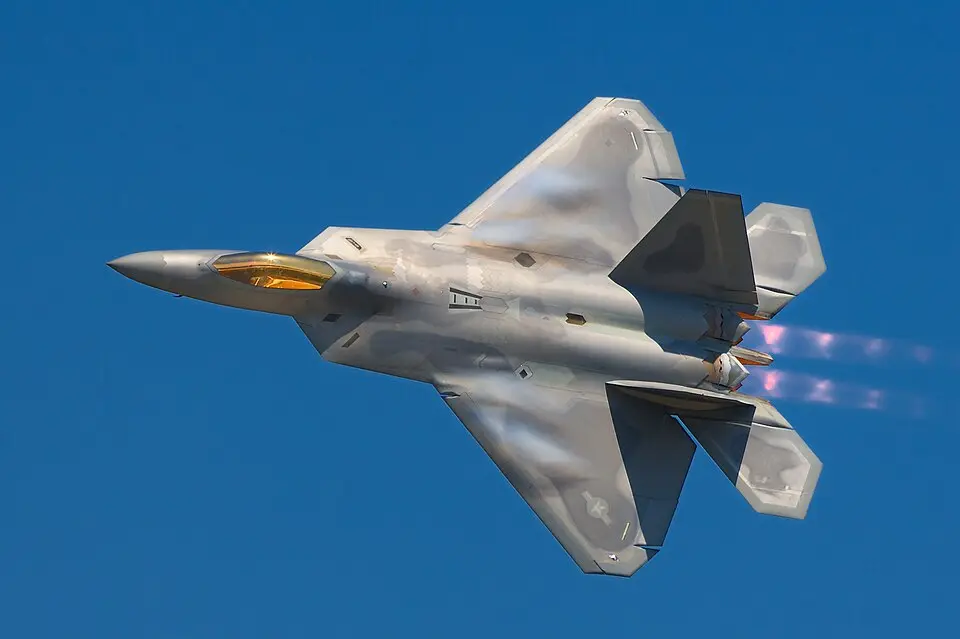
Fighter jet shapes optimise vertical flight through low wing loading and streamlined design. Wing loading, the aircraft weight per unit wing area, directly affects climb performance. Low wing loading allows efficient vertical acceleration. Fighter wings designed for combat manoeuvres maintain lift efficiency at high angles of attack. Streamlined fuselages minimise drag during high-speed vertical climbs. Canards (small front wings) on many fighters improve lift at extreme angles. Landing gear retraction eliminates drag whilst climbing. Streamlined engine inlets optimise airflow during vertical flight. Aerodynamic design work with advanced engines to enable extreme vertical performance. Every design feature balances climbing efficiency against combat manoeuvring requirements.
Afterburner Engagement During Climbs
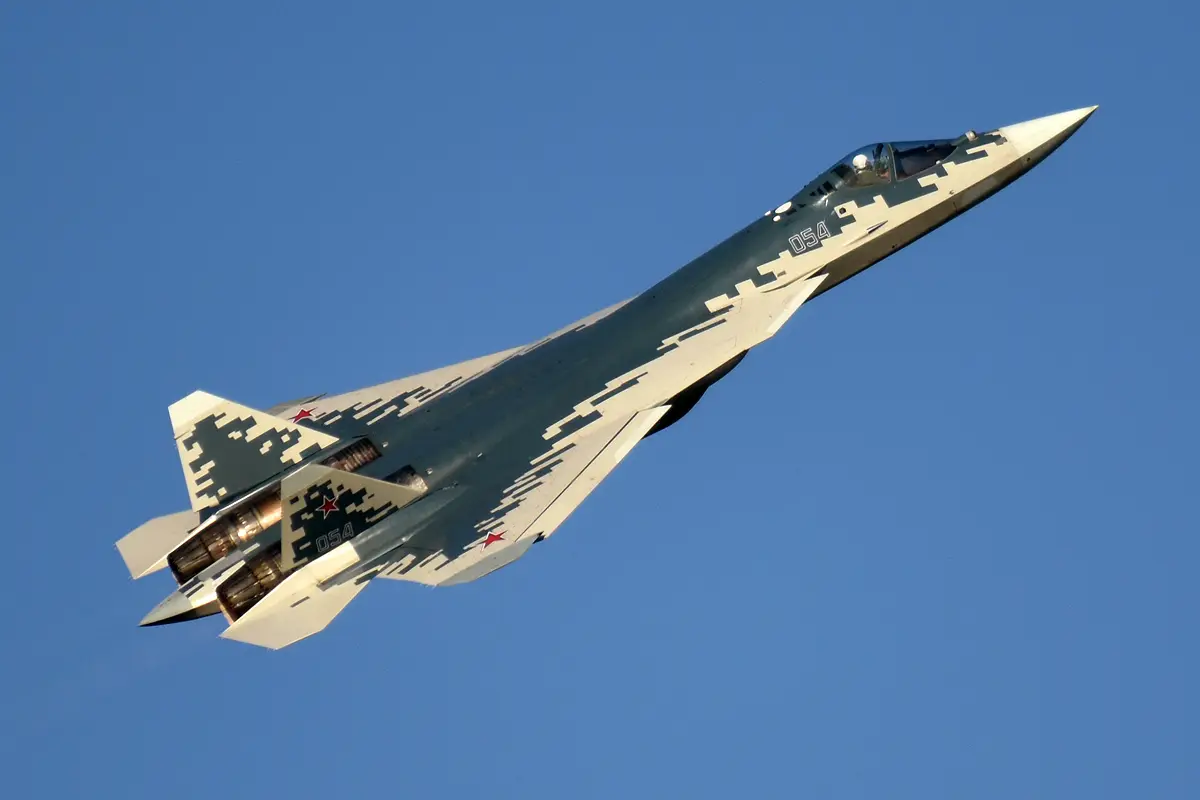
Fighter jets engage afterburners for rapid climb acceleration, dumping fuel into hot exhaust to increase thrust. Afterburners increase F-22 thrust from 26,000 to 35,000 pounds-force. This added power enables acceleration rates that conventional turbines cannot achieve. Afterburner fuel consumption reaches 8,000 litres per hour, extremely wasteful but necessary for combat performance. Pilots engage afterburners only briefly, as fuel depletion occurs within minutes. Vertical climbs at afterburner power extract maximum climb performance whilst sacrificing fuel economy. Modern variable-geometry inlets optimise airflow during afterburner climbs. Afterburner technology represents a direct trade-off between performance and fuel consumption.
G-Force Limits During Rapid Climbs
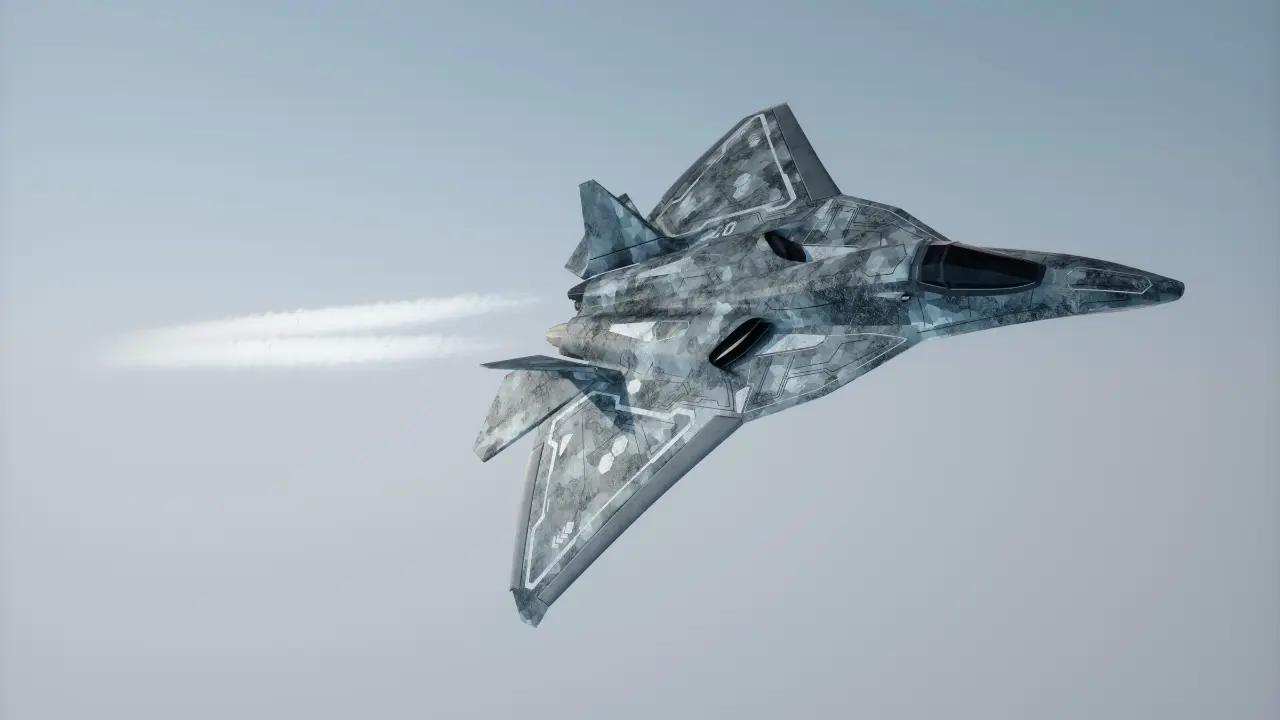
Climbing at extreme rates subjects pilots to intense g-forces, requiring physiological endurance. Most fighter jets limit pilots to 7.5 to 9.0 positive g-forces during combat manoeuvres. Sustained high g-forces cause blood redistribution, potentially inducing loss of consciousness. Anti-g suits compress the lower body to prevent blood pooling. Climbing at maximum rates generates 6 to 8 g-forces, pushing pilot physiological limits. Training programmes condition pilots to withstand sustained high-g flight. Modern aircraft incorporate g-aware systems that prevent exceeding airframe limits. Pilot physiology represents the true limitation on sustained high-performance climbing. Aircraft can technically sustain higher g-forces, but pilot tolerance limits actual performance.
Altitude Advantage in Air Combat
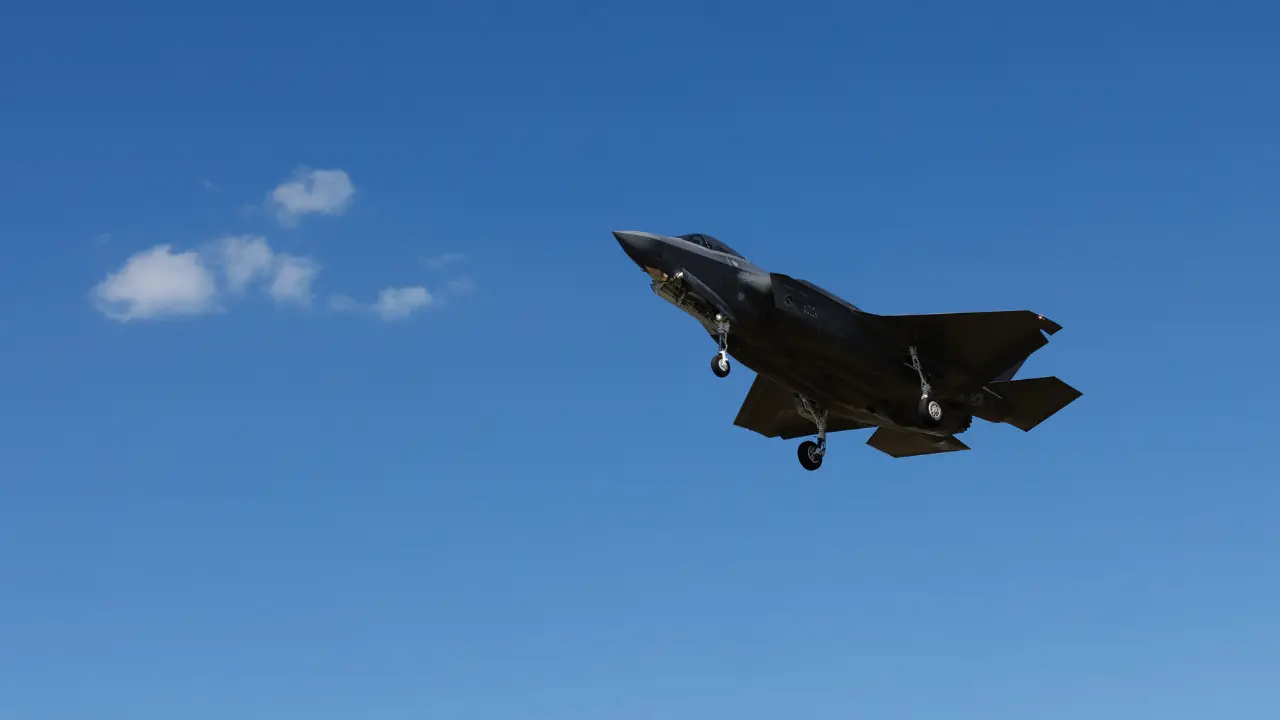
Superior climb rates provide critical tactical advantages in air combat. Fighters gaining altitude advantage can attack from above, exploiting gravity. Aircraft climbing faster disengage from combat when necessary. Reaching high altitude enables supercruise (sustained supersonic flight without afterburners). Energy management in combat relies heavily on altitude advantages. Vertical climb performance determines who achieves altitude dominance in engagements. Within 30 seconds, a fighter climbing at 254 metres per second reaches 7,600 metres. This altitude gain translates to tactical advantage against slower-climbing opponents. Climb performance represents fundamental combat effectiveness in modern aerial warfare.
Maintenance and Performance Trade-offs
Achieving extreme climb rates requires powerful engines demanding intensive maintenance. High-temperature operation accelerates component wear, requiring frequent inspections. Afterburner use generates extreme temperatures, degrading engine components. High-thrust engines operate near design limits, reducing service life. Balancing performance with reliability remains a continuous engineering challenge. More powerful engines increase operational costs and maintenance requirements. The F-35 and F-22 require significantly more maintenance than older fighters like the F-16. Achieving performance benefits requires accepting higher operational costs. Modern military decisions balance combat capability against sustainable operations.
Future Climb Performance Development
Next-generation fighter technologies promise even more extreme vertical performance. Directed-energy propulsion concepts could eliminate burn rate limitations of fuel-based engines. Hypersonic flight concepts operating at Mach 5+ require entirely new propulsion approaches. Artificial intelligence optimisation could manage engine thrust continuously for optimal climb efficiency. Lightweight structural materials under development promise 50 per cent weight reductions. Additive manufacturing (3D printing) could optimise structural designs for minimum weight. Future aircraft may achieve climb rates exceeding 400 metres per second. As technology advances, fundamental limits on climb performance continue receding. The next generation of fighters will likely demonstrate climb capabilities seeming impossible today.
)
)
)
)
)