How fighter jets carry missiles weighing over 200 kg

Fighter jets carry missiles exceeding 200 kg using reinforced hardpoints - structural attachment points engineered to transfer heavy weapons loads safely. Modern fighters mount 8 to 13 hardpoints supporting total payloads of 8,000 to 13,300 kg.
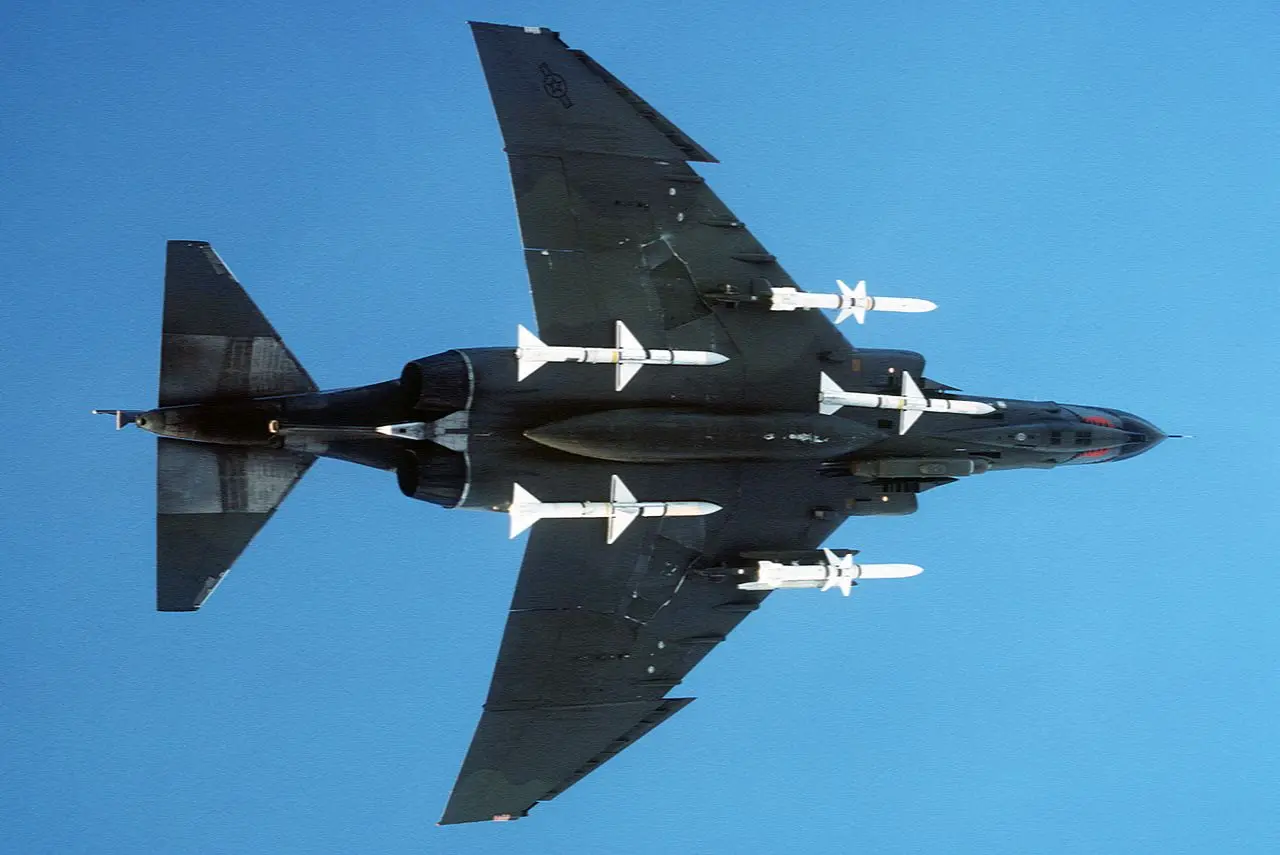
Hardpoint Definition - The Structural Attachment Points
A hardpoint is a specially engineered structural location on an aircraft airframe designed to attach and support external loads including missiles, bombs, fuel tanks, and sensor pods. Fighter jets typically feature 8 to 13 hardpoints distributed across wings, fuselage, and tail sections. Each hardpoint is structurally reinforced with internal bracing, additional material thickness, and reinforced internal pathways to safely transfer the weight and forces from external loads to the aircraft's primary structure. Hardpoints must withstand not only static weight but also dynamic forces generated during acceleration, manoeuvres, and weapons release.
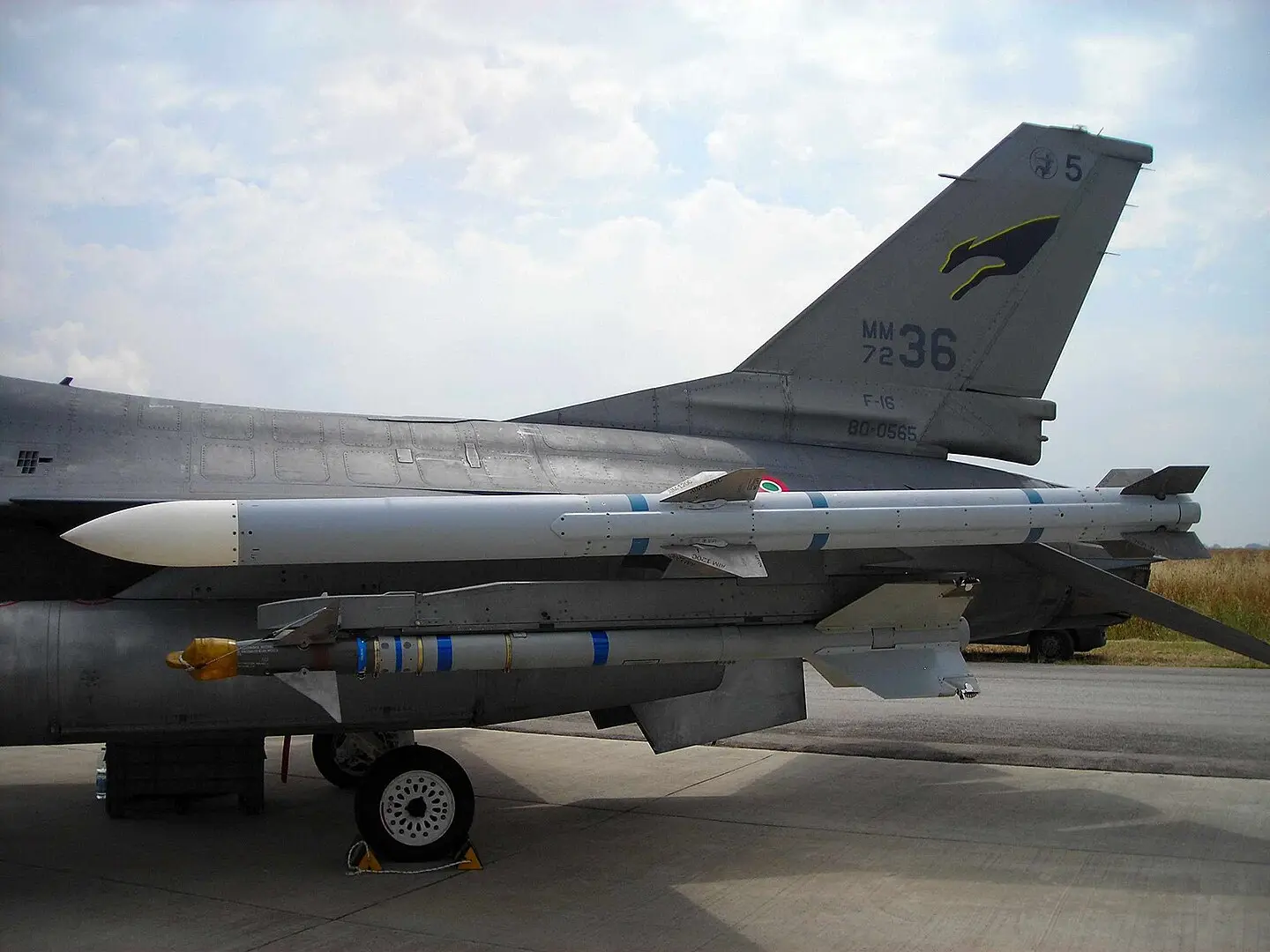
Hardpoint Distribution - Wing and Fuselage Mounting
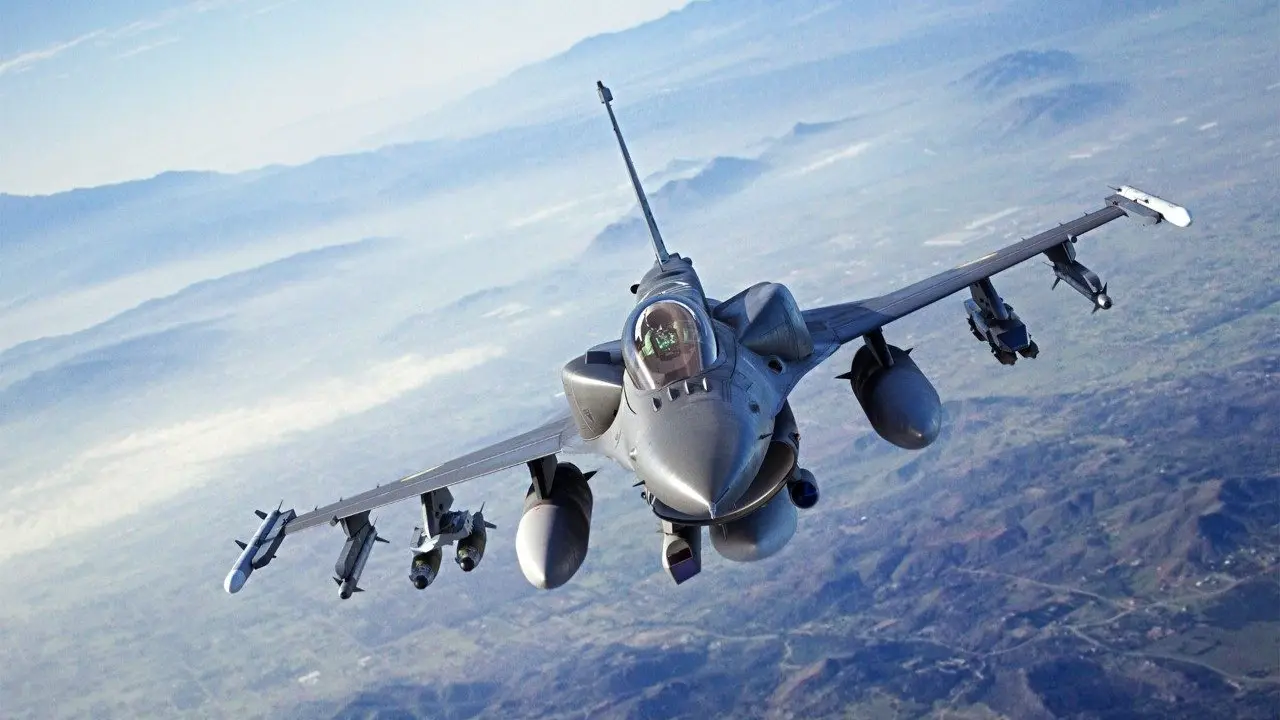
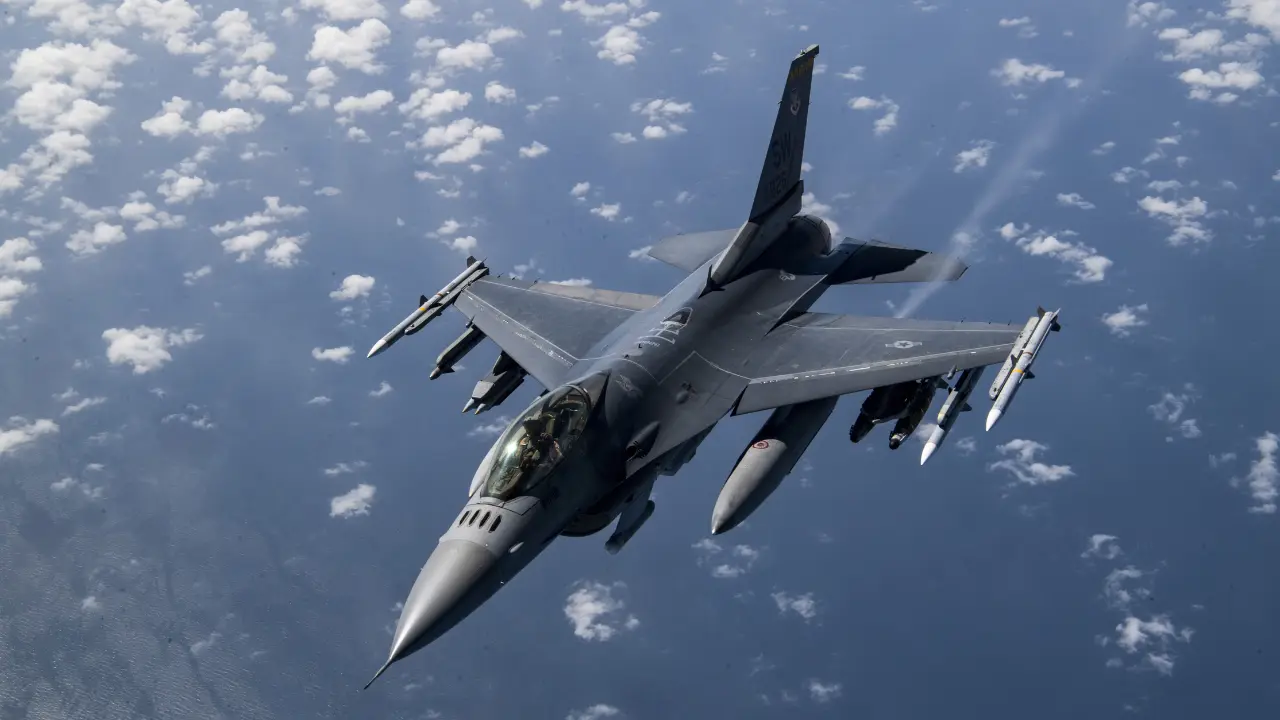
The F-16 Fighting Falcon features nine primary hardpoints: one fuselage station, four wing stations per side. The Rafale fighter jet uses thirteen hardpoints strategically positioned to support various weapons configurations. Typical hardpoint locations include wing tips (ideal for air-to-air missiles), inner wing sections (for fuel tanks), mid-wing sections (for air-to-ground weapons), and fuselage stations (for targeting pods or missiles). This distributed arrangement allows weapons planners to optimise load configurations for specific missions whilst maintaining aircraft balance and aerodynamic efficiency. The F-15EX Eagle carries 23 hardpoints, providing exceptional flexibility for weapons carriage.
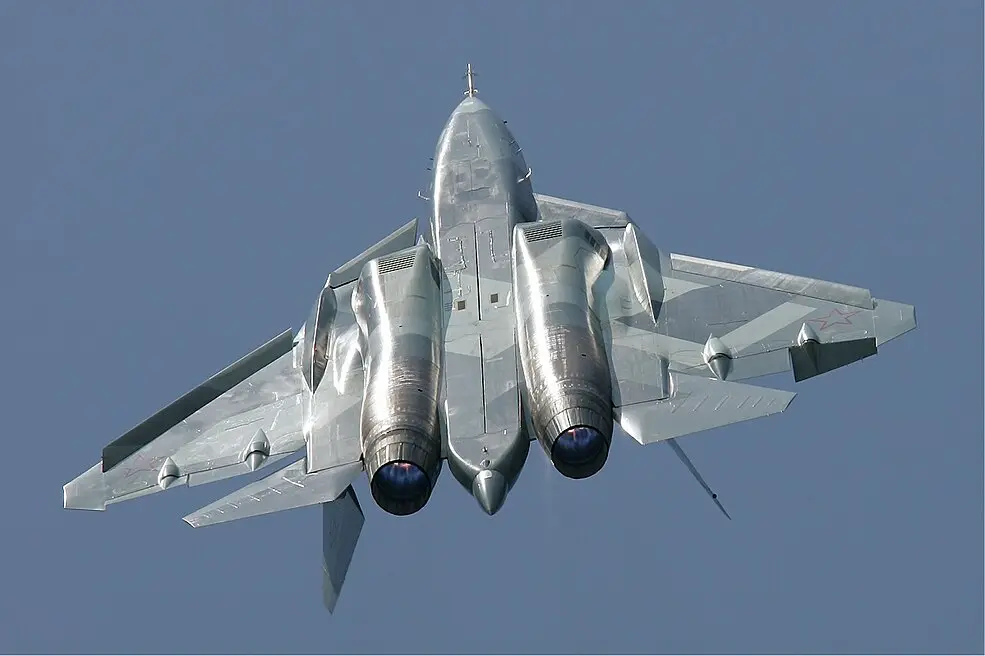
Missile Weight Categories - From 200 kg to 900+ kg
Air-to-air missiles like the AIM-120 AMRAAM (Advanced Medium-Range Air-to-Air Missile) weigh approximately 200 to 230 kilograms. The Meteor air-to-air missile, used by European NATO countries, weighs approximately 190 kilograms. Air-to-ground missiles are substantially heavier; the AGM-158 JASSM (Joint Air-to-Surface Standoff Missile) weighs approximately 1,000 kilograms. Traditional bombs and guided munitions range from 250 kilograms (small diameter bombs) to 900 kilograms or more for large precision-guided weapons. Fighter jets must accommodate this entire range of missile weights safely across different hardpoint configurations.
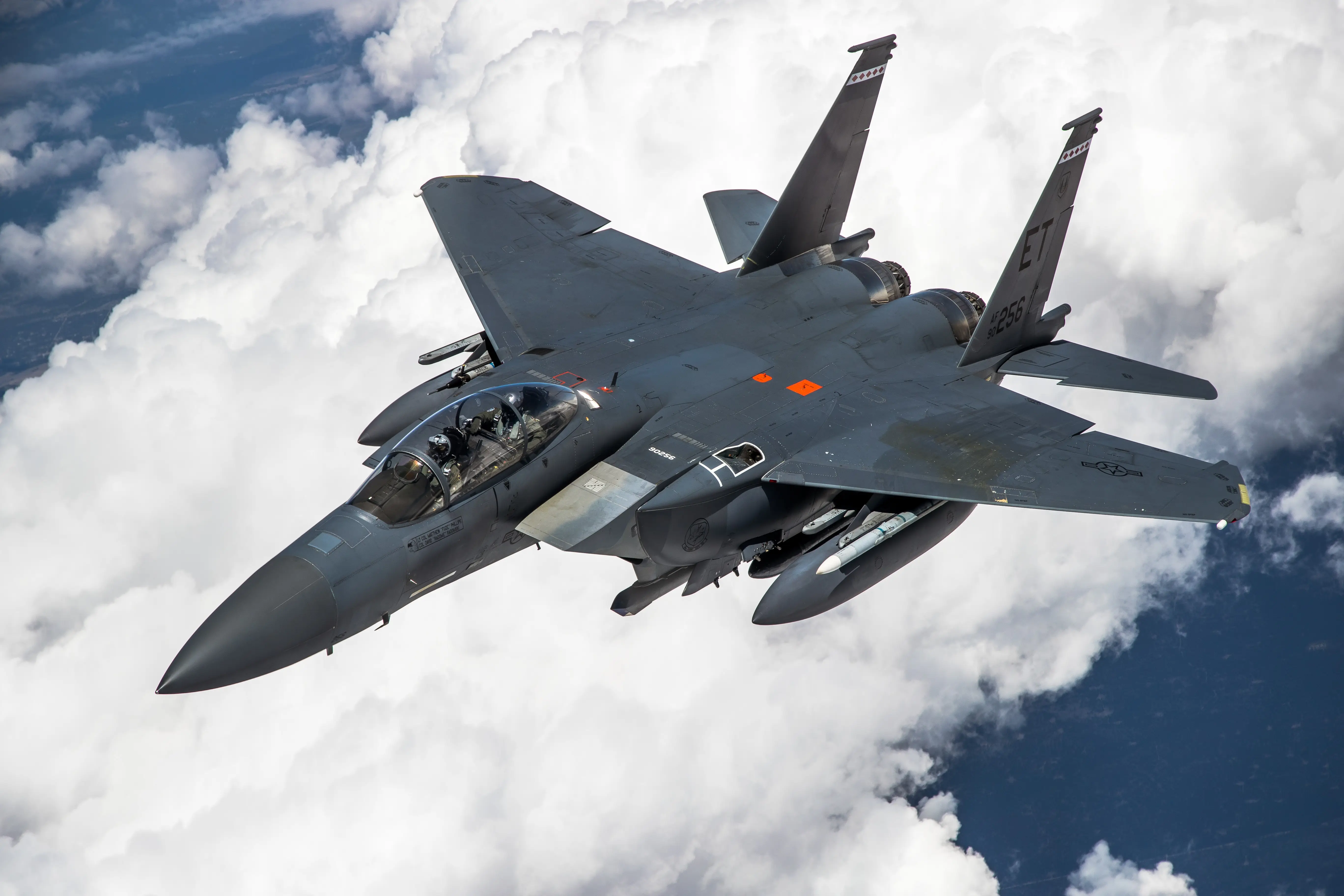
Structural Load Transfer - How Hardpoints Handle Weight
When a fighter jet carries a 200+ kilogram missile on a hardpoint, the hardpoint must safely transfer that weight and all associated forces to the aircraft's primary load-bearing structure - the fuselage, wing box, or control surfaces. Modern aircraft use reinforced attach fittings, internal doublers (extra material layers), and carefully calculated stress paths to distribute the load across larger structural areas. The structural integrity of each hardpoint is rigorously tested during aircraft certification. Structural engineers design hardpoint attach points to withstand loads at least 1.5 times greater than expected operational loads to ensure safety margins. This engineering ensures that missiles weighing over 200 kilograms can be carried safely during normal flight operations and combat manoeuvres.
Payload Capacity - Total Weapons Load by Aircraft Type
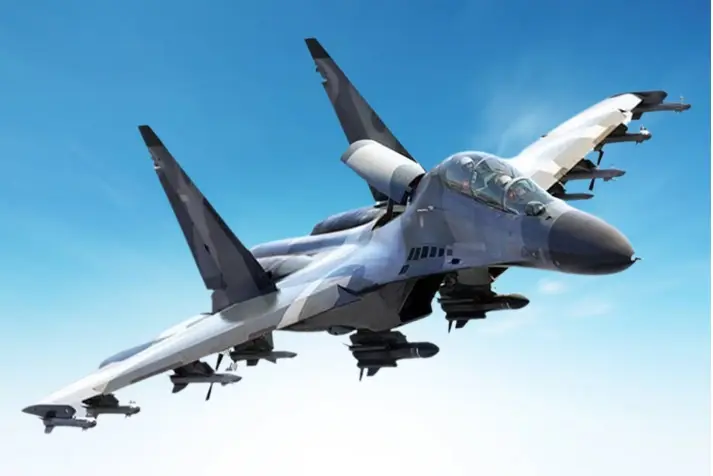
The F-16 Fighting Falcon carries approximately 7,700 kilograms of total ordnance across nine hardpoints. The Rafale fighter jet carries up to 9,500 kilograms of external ordnance. The F-35 Lightning II accommodates approximately 8,200 kilograms of external payload. The F-15EX Eagle provides the highest payload capacity at 13,300 kilograms across 23 hardpoints. These payload capacities represent maximum external loads; actual configurations vary based on mission requirements, fuel requirements, and aircraft performance targets. Heavier weapons loads reduce aircraft range and manoeuvrability compared to lighter configurations, so mission planners carefully select optimal weapons configurations for each sortie.
Multiple Missile Loads - How Aircraft Carry Several 200+ kg Missiles
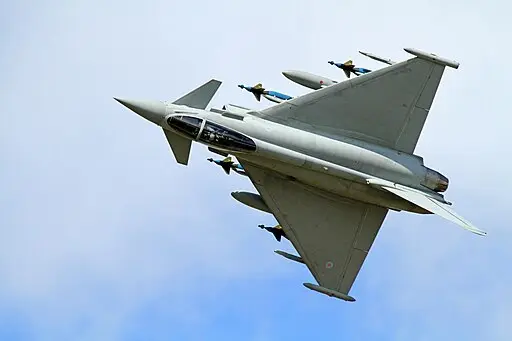
A typical combat mission might see an F-16 carrying four AIM-120 AMRAAM missiles (approximately 200 kilograms each) on outer wing and fuselage hardpoints, totalling approximately 800 kilograms of air-to-air missiles alone. The Rafale fighter can carry six air-to-air missiles on a single sortie. The F-35 carries four to six air-to-air missiles internally or externally depending on configuration. Multiple missiles on a single aircraft are distributed across different hardpoints rather than concentrated on one location, allowing more even load distribution and optimal aerodynamic balance. This capability enables fighter jets to engage multiple targets simultaneously or maintain substantial reserve weapons after initial engagements.
Aerodynamic Effects – Drag and Performance Impact
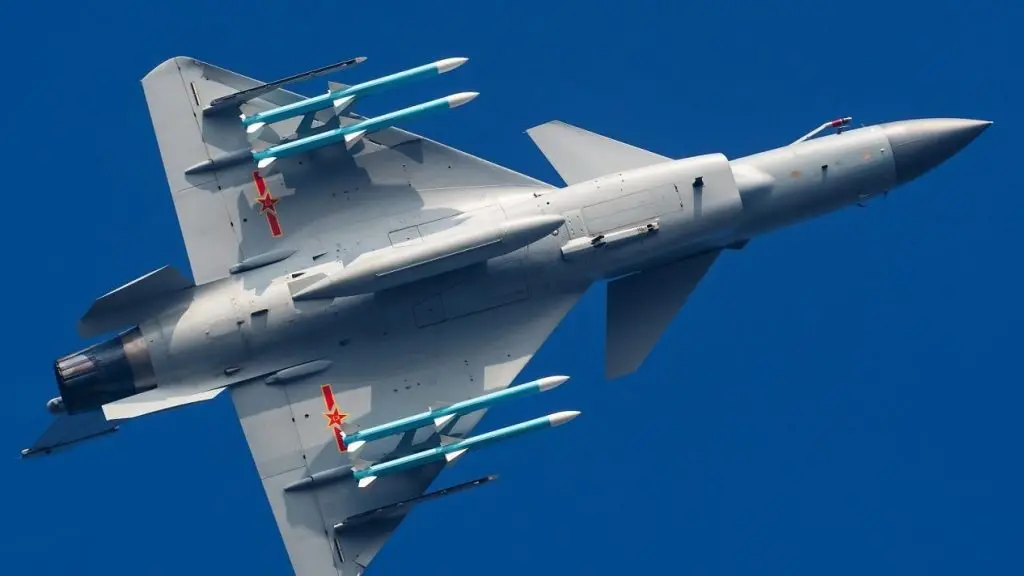
Mounting external missiles and weapons on fighter jet hardpoints increases aerodynamic drag significantly. Each external store disrupts smooth airflow around the aircraft, creating additional drag forces. This increased drag reduces maximum speed by approximately 5 to 15 per cent, reduces combat range, and increases fuel consumption. To minimise these effects, fighter jets use conformal fuel tanks that follow the aircraft contour rather than external pods, and position weapons to create minimal aerodynamic disruption. Internally mounted weapons in weapons bays (as used by the F-35) eliminate most aerodynamic penalty, which partially explains the stealth fighter's advantages in supersonic flight and range performance despite smaller external payload capacity.
Mounting Systems - Rail Launchers and Adapter Racks
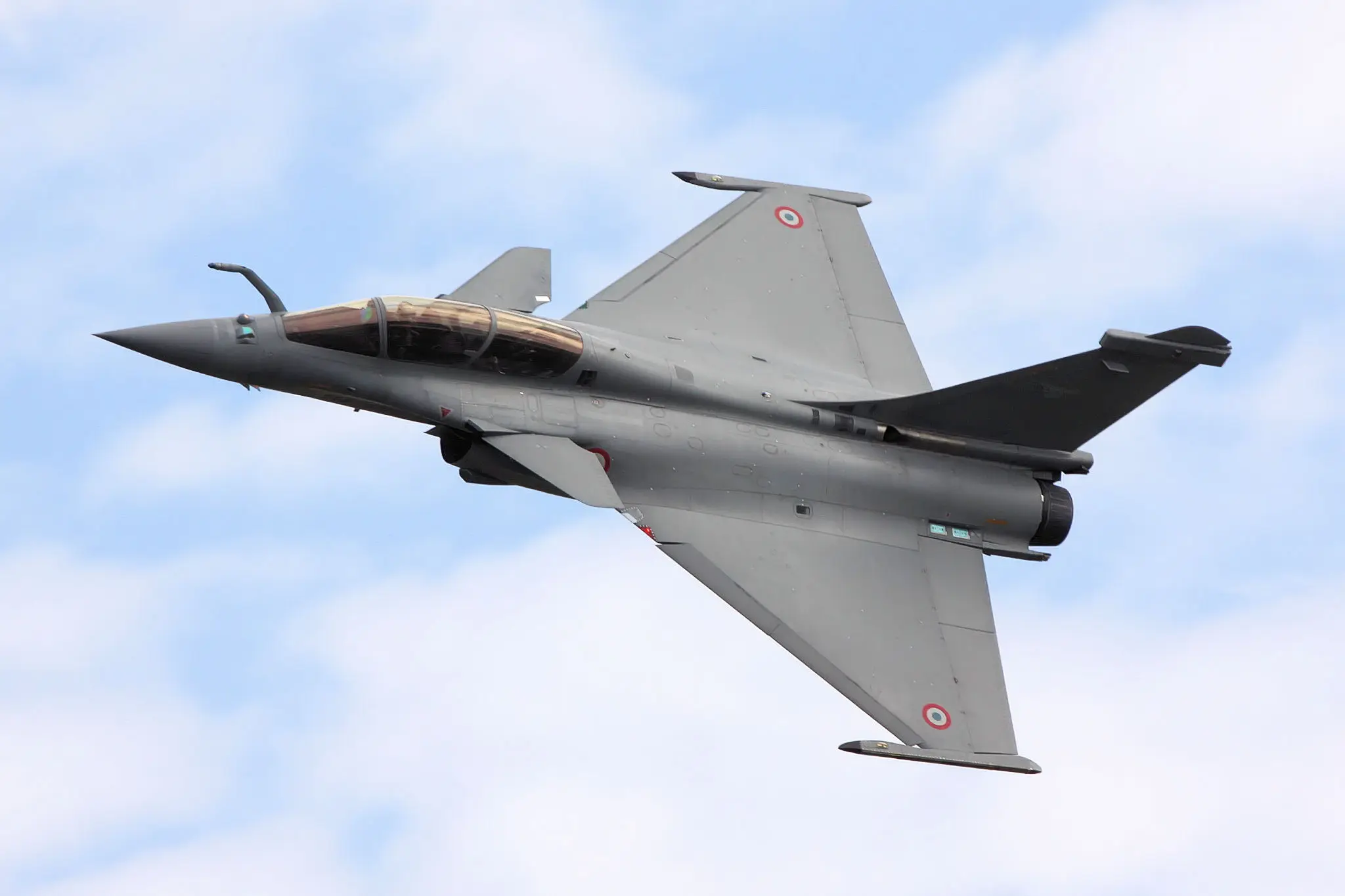
Missiles do not attach directly to hardpoints; instead, they mount on intermediate systems called rail launchers or rotary launchers. A typical rail launcher is a relatively lightweight adapter that attaches to the hardpoint and provides multiple attachment points for missiles. Rail launchers like the LAU-7 support a single missile, whilst more advanced systems support two or more missiles. Rotary launchers allow rapid weapons rotation for jettisoning and reloading. These intermediate systems efficiently transfer missile weight to the hardpoint structural attachment. The mounting systems are highly engineered to minimise weight whilst maintaining structural rigidity and allowing secure missile carriage during high-speed flight and combat manoeuvres.
Structural Testing - Certification of Hardpoint Strength
Each fighter jet hardpoint undergoes extensive structural testing before aircraft certification. Testing includes static load tests where the hardpoint is subjected to forces far exceeding operational requirements - typically 1.5 to 2.0 times the maximum expected load. Dynamic testing simulates acceleration forces, vibration, and shock loads that occur during flight. Fatigue testing subjects hardpoints to millions of load cycles simulating extended operational use. Any hardpoint failure during testing results in design modifications before aircraft enter service. This rigorous certification process ensures that missiles weighing 200+ kilograms can be carried safely throughout the aircraft's operational life.
Pilot Proficiency - Managing Heavy Weapon Loads
Fighter pilots receive comprehensive training in managing aircraft behaviour with various weapons loads. Heavy external ordnance changes the aircraft's centre of gravity, manoeuvrability characteristics, and fuel consumption. Pilots practise takeoffs and landings with maximum weapons loads, learning how runway requirements increase and aircraft handling changes. Simulator training allows pilots to experience how external missiles affect acceleration, turning performance, and recovery from unusual attitudes. Pilots learn to calculate appropriate configuration changes for different mission requirements, selecting lighter loads for air superiority missions and heavier loads for strike missions. This training ensures pilots safely manage aircraft behaviour across the full range of combat-loaded configurations.
)
)
)
)
)