How fighter jet wing geometry affects speed, stealth, and manoeuvrability

Fighter jet wing design blends science and strategy. Shapes like swept and delta wings enhance speed, agility, and stealth, replacing older straight designs. Know how wing shapes from swept to delta and adaptive designs impact speed, agility, stealth, and fuel efficiency in fighter jets.
The Role of Wing Geometry in Flight
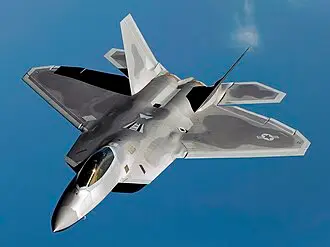
The wing planform, or shape when viewed from above, affects how air moves over the aircraft. Straight wings generate strong lift at low speeds, useful for take-off, but create drag at higher altitudes. In contrast, swept and delta wings allow smoother airflow at supersonic speeds. Engineers tailor these shapes to balance lift, drag, and stability, depending on mission needs for speed, stealth, or agility.
Swept Wings - Balancing Speed and Stability
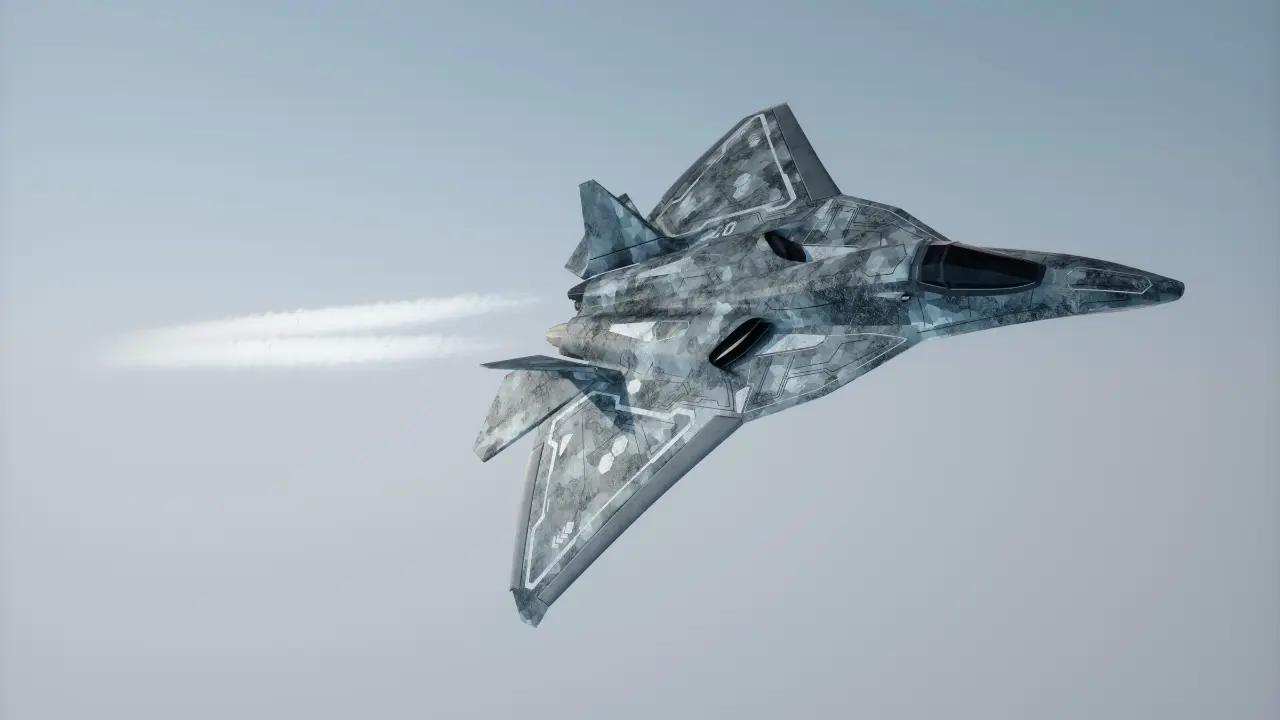
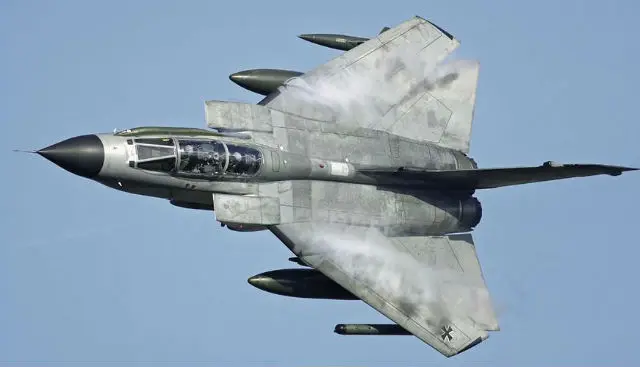
Swept-back wings, seen on jets like the F-15 Eagle and MiG-29, bend airflow sideways to delay shockwave formation at near-sonic speeds. This design reduces wave drag at Mach 1, making transonic performance smoother. However, swept wings lose some lift and stability at low speeds, requiring devices like flaps or leading-edge slats to assist during landing or tight turns.
Delta Wings - Supersonic Efficiency
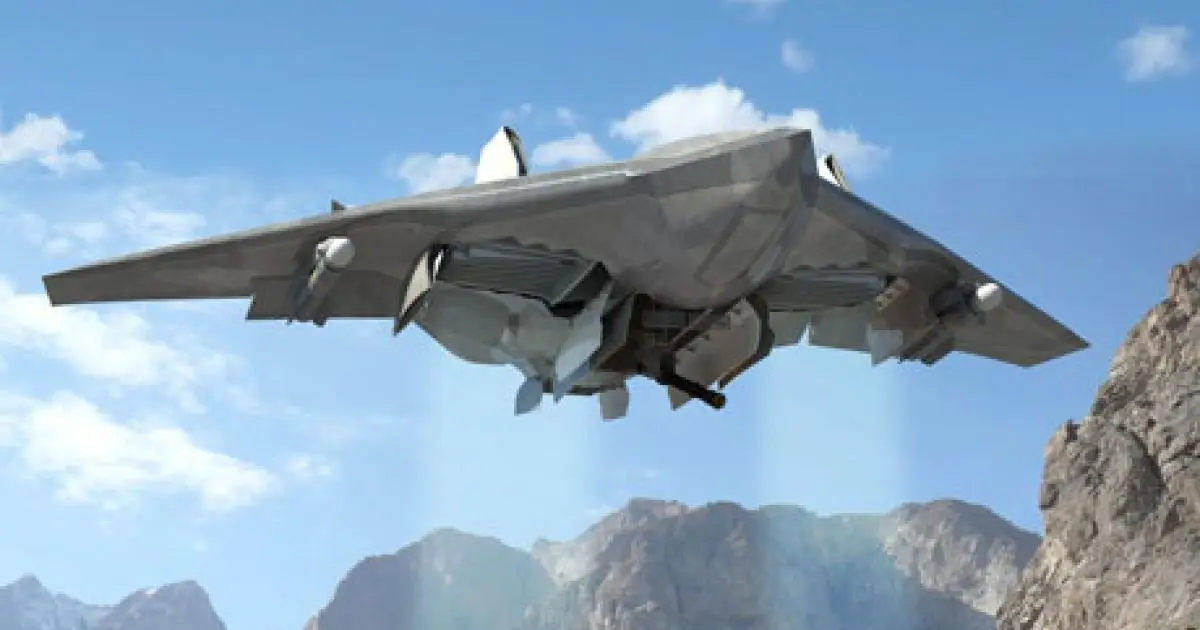
Aircraft like the Dassault Rafale and Su-57 use delta wings to balance strength, lift, and high-speed endurance. Their triangular design supports rapid climbs and high turn rates without long wing structures. According to the Aerospace Engineering Review (2025), delta wings maintain lift even at extreme angles of attack but need higher landing speeds and more control input at lower altitudes.
Aspect Ratio - The Hidden Factor in Lift and Drag
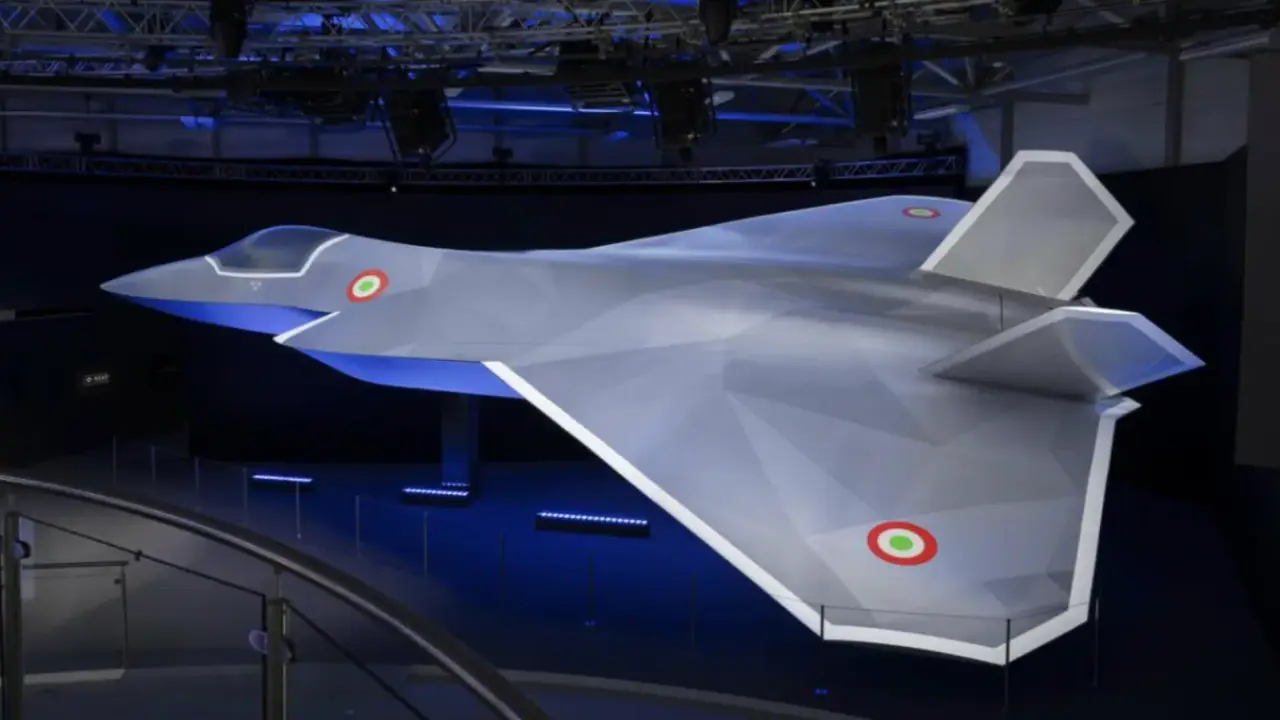
A wing’s aspect ratio (its span compared to chord length) governs how efficiently it produces lift. Data from EaglePubs Aerospace Flight Vehicles (2023) shows that fighters with low aspect ratios like the F-22 Raptor have greater manoeuvrability but higher induced drag. High aspect ratio wings, used in airliners, improve lift and fuel economy but reduce agility a trade-off unsuitable for combat performance.
The Link Between Wing Shape and Manoeuvrability
Fighter jets are designed for controlled instability. A wing placed and angled precisely can make an aircraft naturally unstable, improving responsiveness. For instance, the F-16 Falcon positions its centre of gravity slightly behind its thrust line for quick pitch control. Combined with fly-by-wire systems, such designs allow tight turns, rapid climbs, and quick energy recovery after manoeuvres.
Stealth and Aerodynamic Integration
Stealth design reshaped wing geometry entirely. Modern jets like the F-35 Lightning II blend the wings smoothly into the fuselage to hide radar reflections. Sharp angles of older wings are replaced by smooth, continuous contours. The Chengdu J-20 employs a delta-canard layout to balance stealth and lift, aiding both sensor concealment and sustained altitude performance. Wing shape now supports both flight and radar evasion.
The Future - Adaptive and Morphing Wings
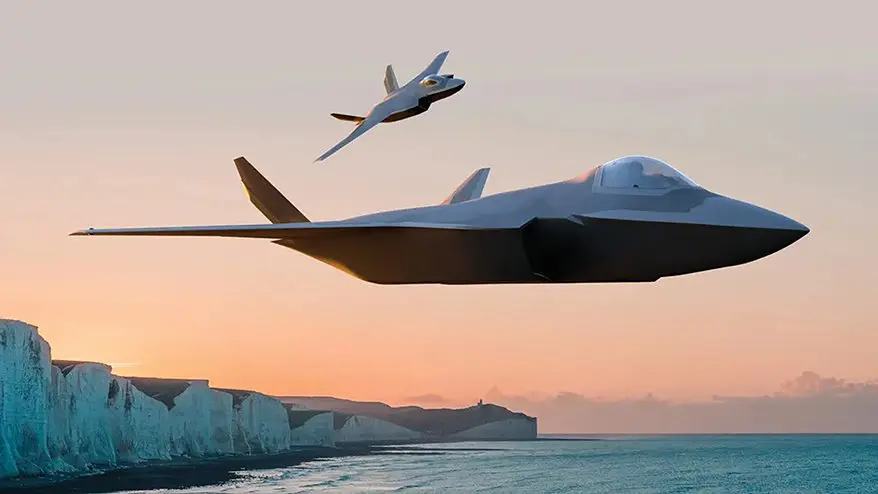
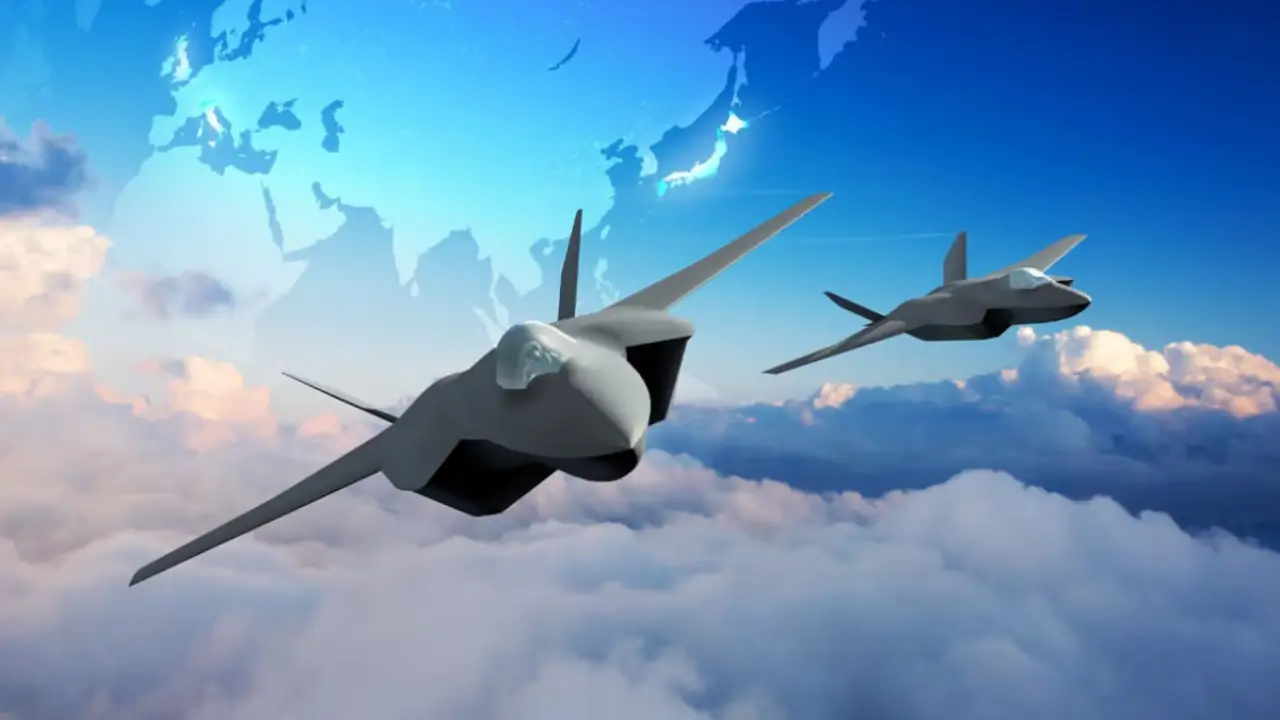
Next-generation fighters like the FCAS and Tempest are being designed with adaptive wings that can subtly change shape mid-flight. Hybrid delta-swept surfaces and AI-controlled flaps will let drones and fighters adjust their lift-to-drag ratio dynamically. Future wings aim to merge agility, stealth, and fuel efficiency reshaping aerodynamics in ways beyond today’s engineering limits.
)
)
)
)
)