How fighter jet thermal signatures affect survivability in warfare

Fighter jets emit heat that can be detected by infrared sensors and missiles, impacting their survivability in combat. Technologies to mask and manipulate thermal signatures improve jet safety and help pilots evade enemy targeting systems.
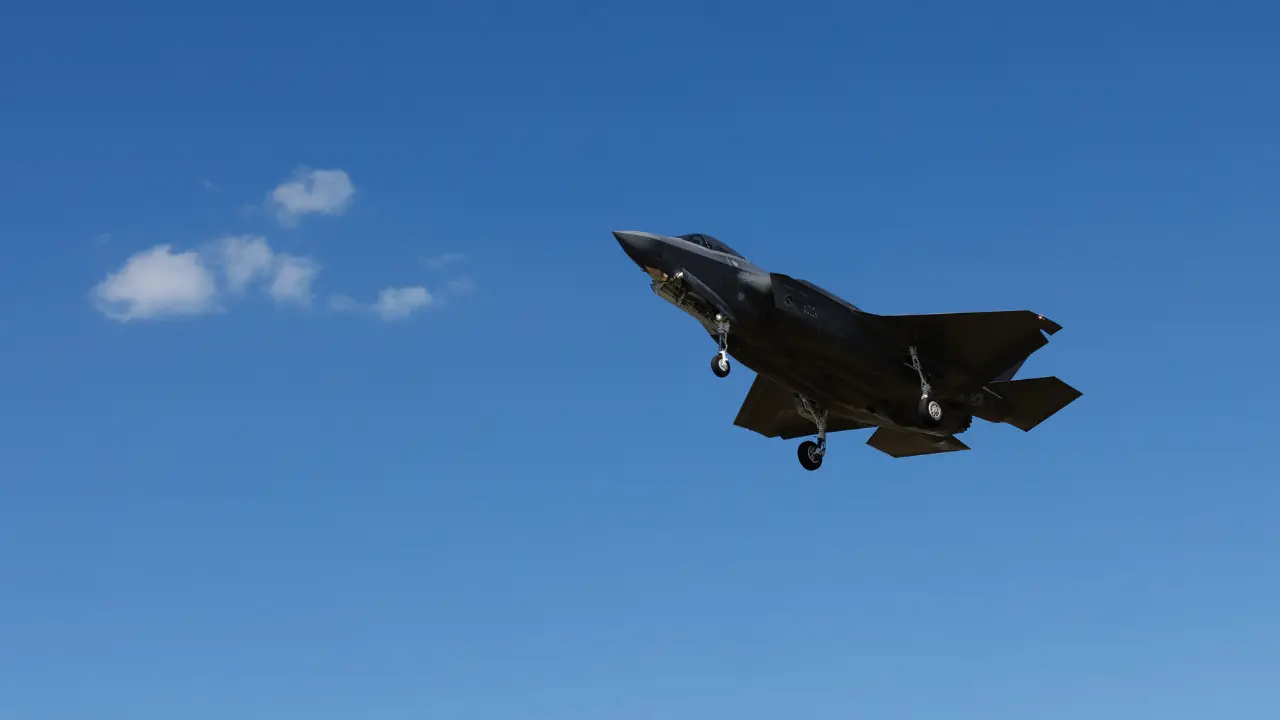
What Are Thermal Signatures?
Thermal signatures are the heat patterns emitted from an object, like a fighter jet, detectable by infrared sensors. Jets generate heat from engines, exhaust, and surfaces, creating a distinct heat profile that sensors use for detection.
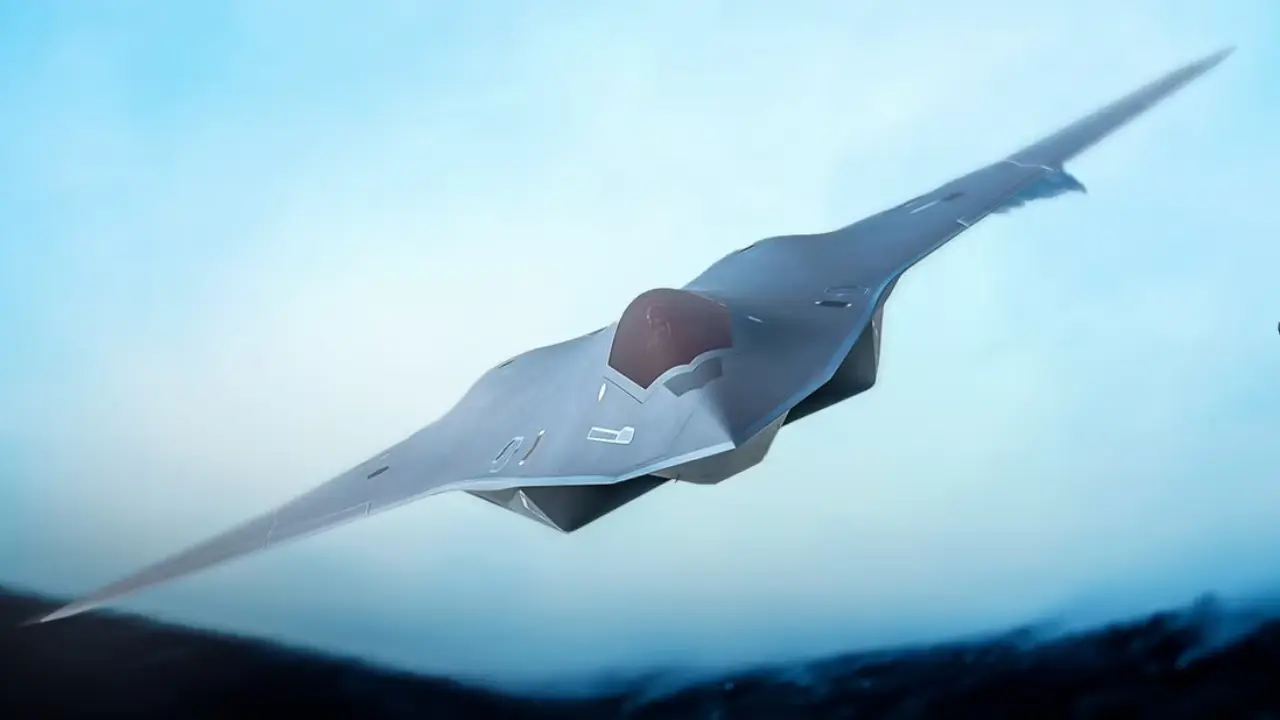
How Thermal Signatures Affect Detection
Infrared cameras and heat-seeking missiles track fighter jets by sensing their thermal signatures. A stronger heat signature makes the jet easier to detect and target, reducing the pilot’s chances of survival in combat.
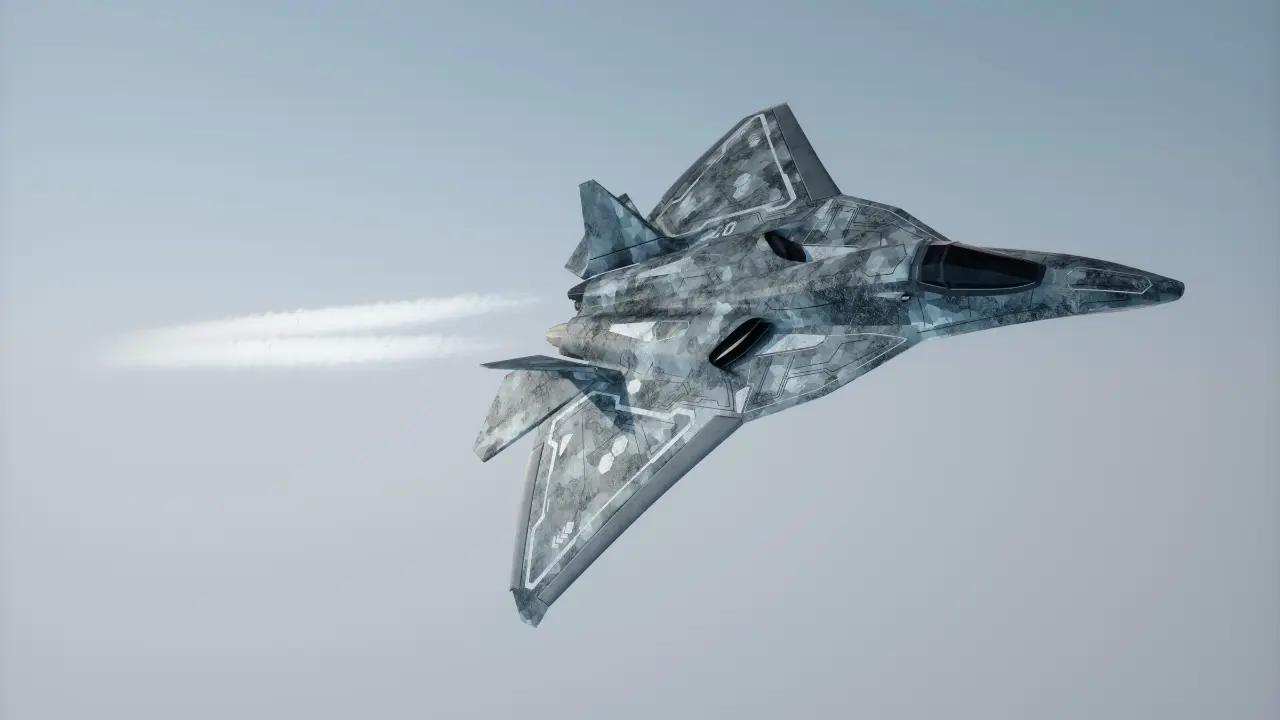
Countermeasures to Reduce Heat Visibility
Fighter jets use technologies to cool exhaust gases, reroute hot air, and apply special coatings that absorb or mask heat. These methods reduce the thermal footprint, making jets harder to spot by enemy sensors.
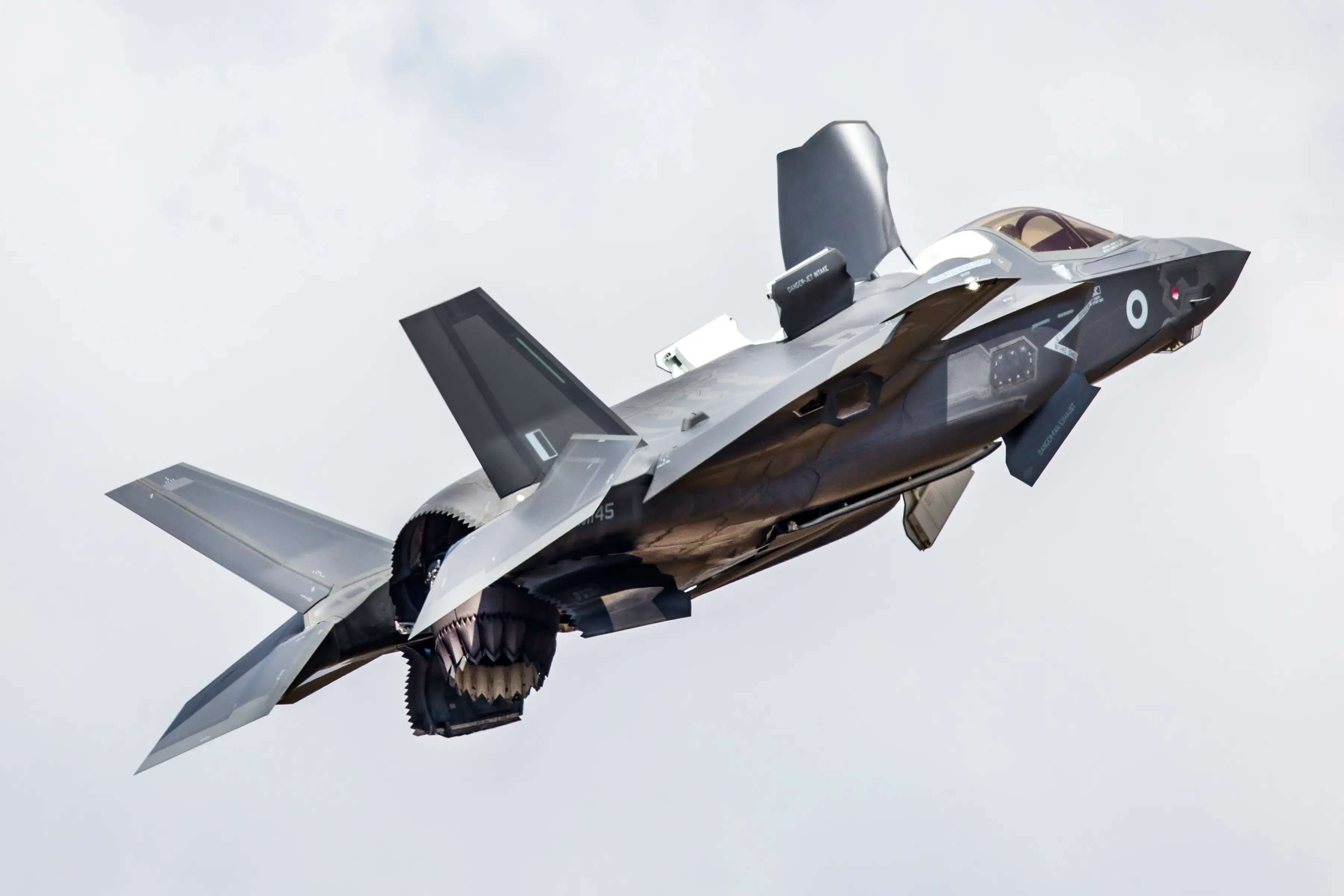
Heat Signature Deception Technologies
Advanced systems can create false heat signatures or thermal camouflage to mislead enemy sensors and heat-seeking weapons. This increases the chance the jet avoids being accurately targeted during warfare.
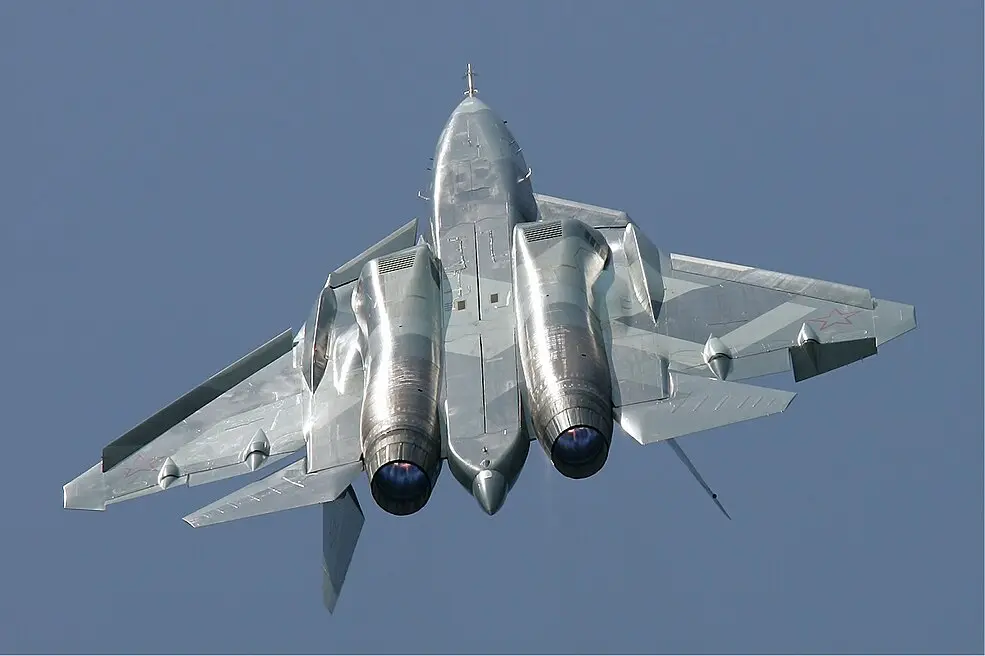
Role of Infrared Search and Track (IRST) Systems
IRST systems on fighter jets help detect enemy heat signatures without emitting signals that reveal the jet’s position. This passive detection improves situational awareness while keeping the jet concealed.
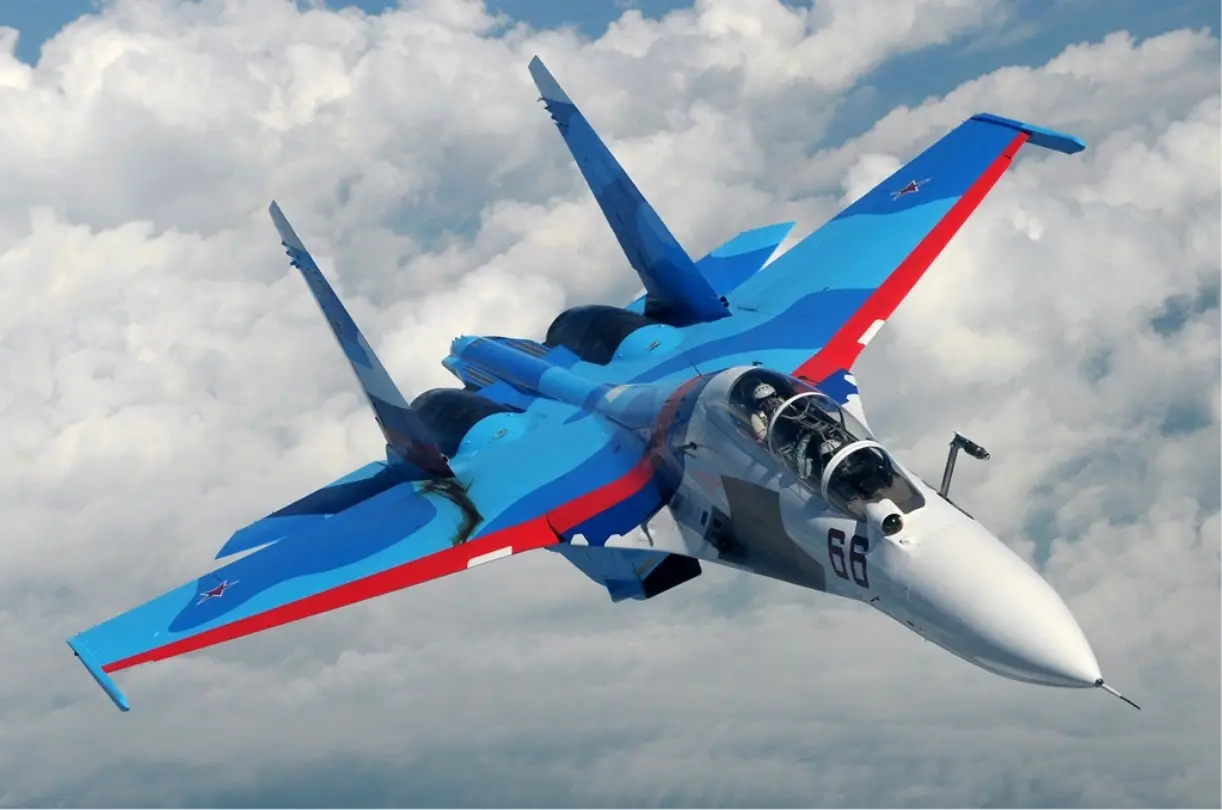
Impact of Thermal Signature on Missile Threats
Heat-seeking missiles lock on to infrared signatures. If a jet fails to effectively manage its heat emissions, these missiles can home in quickly, increasing the risk of being shot down.
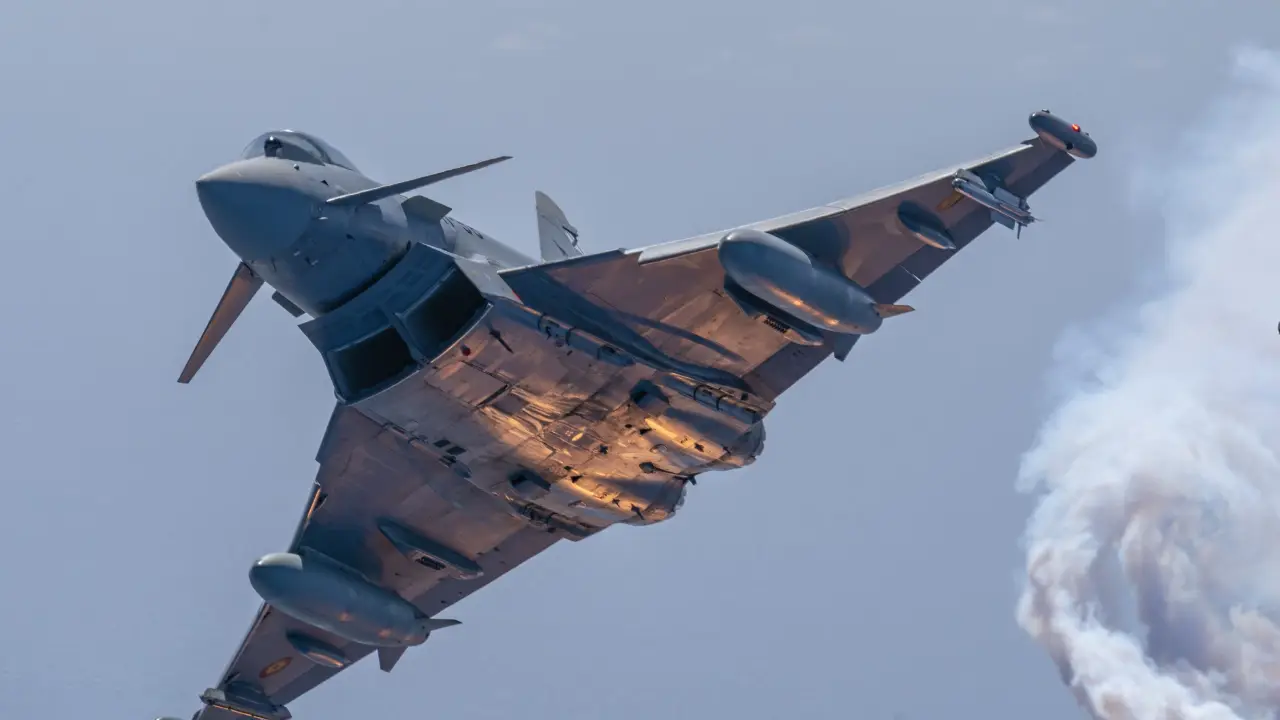
Future Advances in Thermal Signature Management
Ongoing research focuses on better thermal camouflage, heat-dispersing materials, and enhanced IR countermeasures. These innovations aim to make fighter jets increasingly stealthy and survivable in future warfare.
)
)
)
)
)