How fighter jet pilots deal with temperatures rising 40°C inside cockpits

Fighter jet cockpits can exceed 40°C, but advanced environmental control systems, cooling gear, and canopy technology help pilots stay safe and focused despite extreme heat during missions.
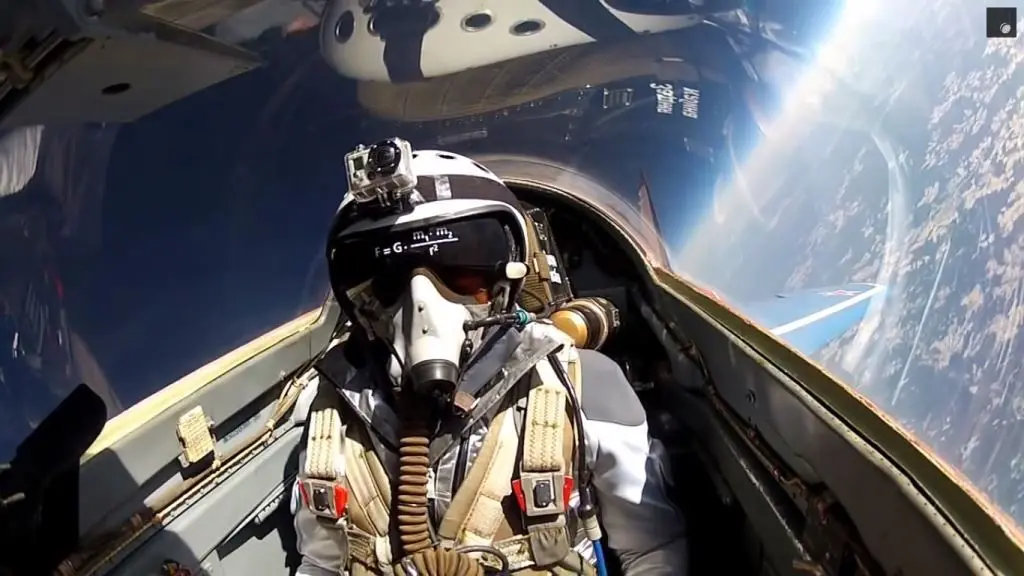
High Temperatures Inside Cockpits
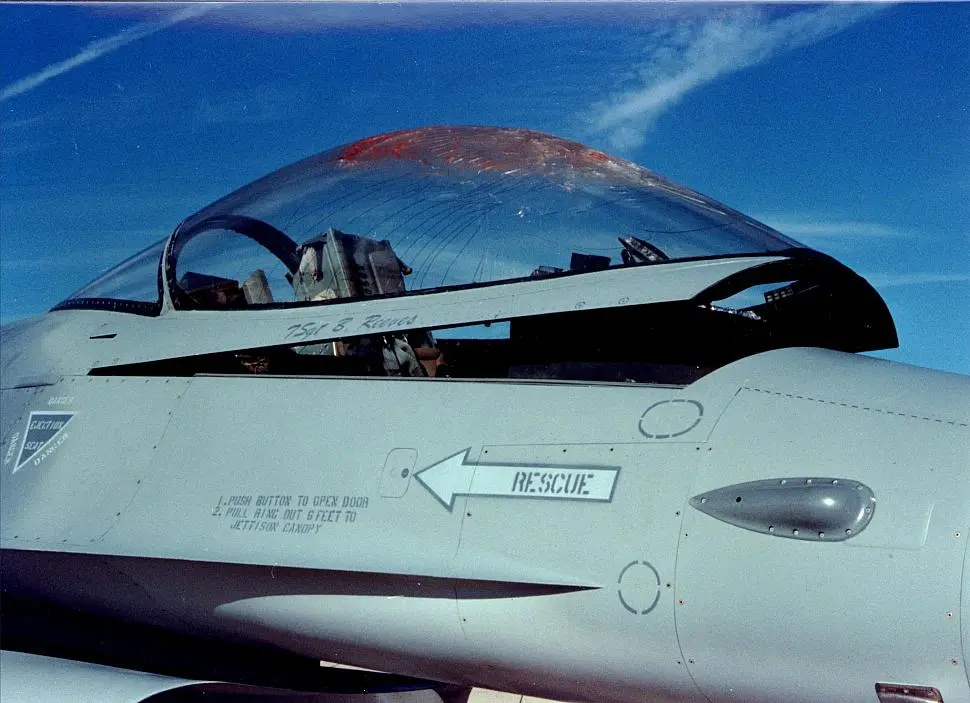
Fighter jet cockpits can reach over 40°C due to engine heat, sunlight through the canopy, and limited airflow. This heat affects pilot comfort and performance if not properly managed.
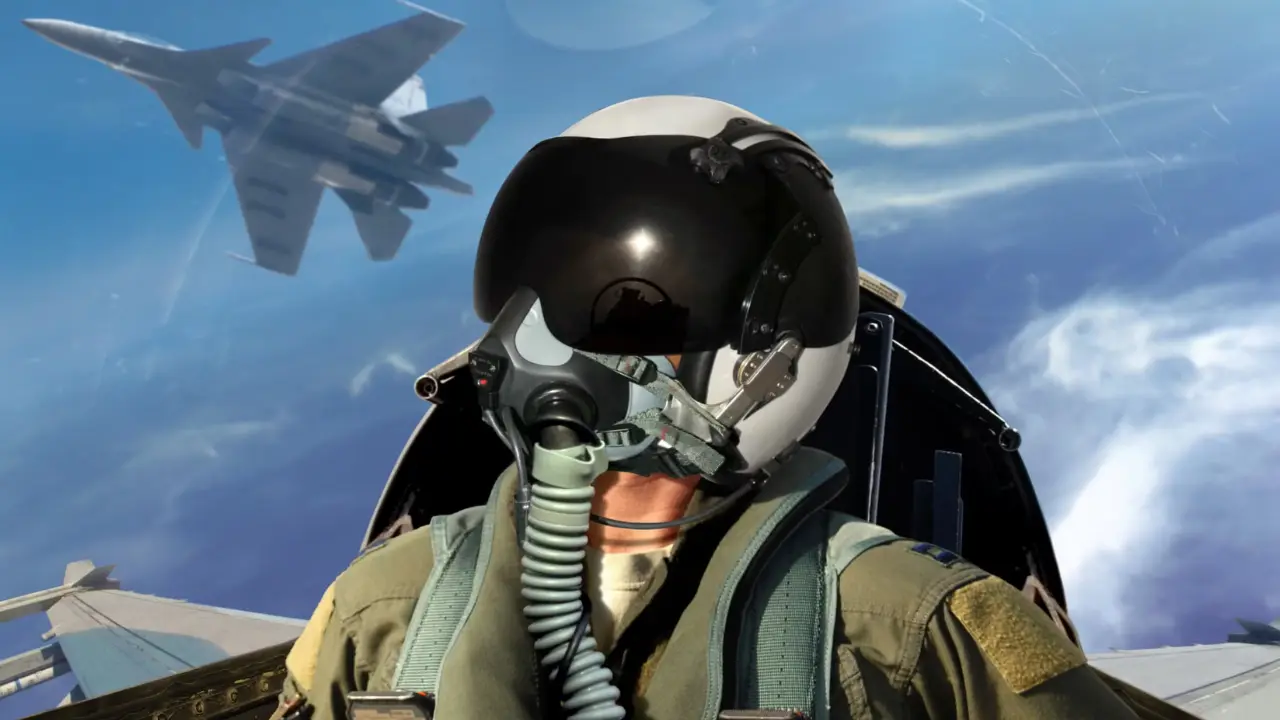
EnvironmeEnvironmental Control Systems (ECS)ntal Control Systems (ECS)
Modern jets have ECS that regulate cockpit temperature by controlling airflow and conditioning bleed air from engines. ECS maintains a comfortable temperature despite external heat.
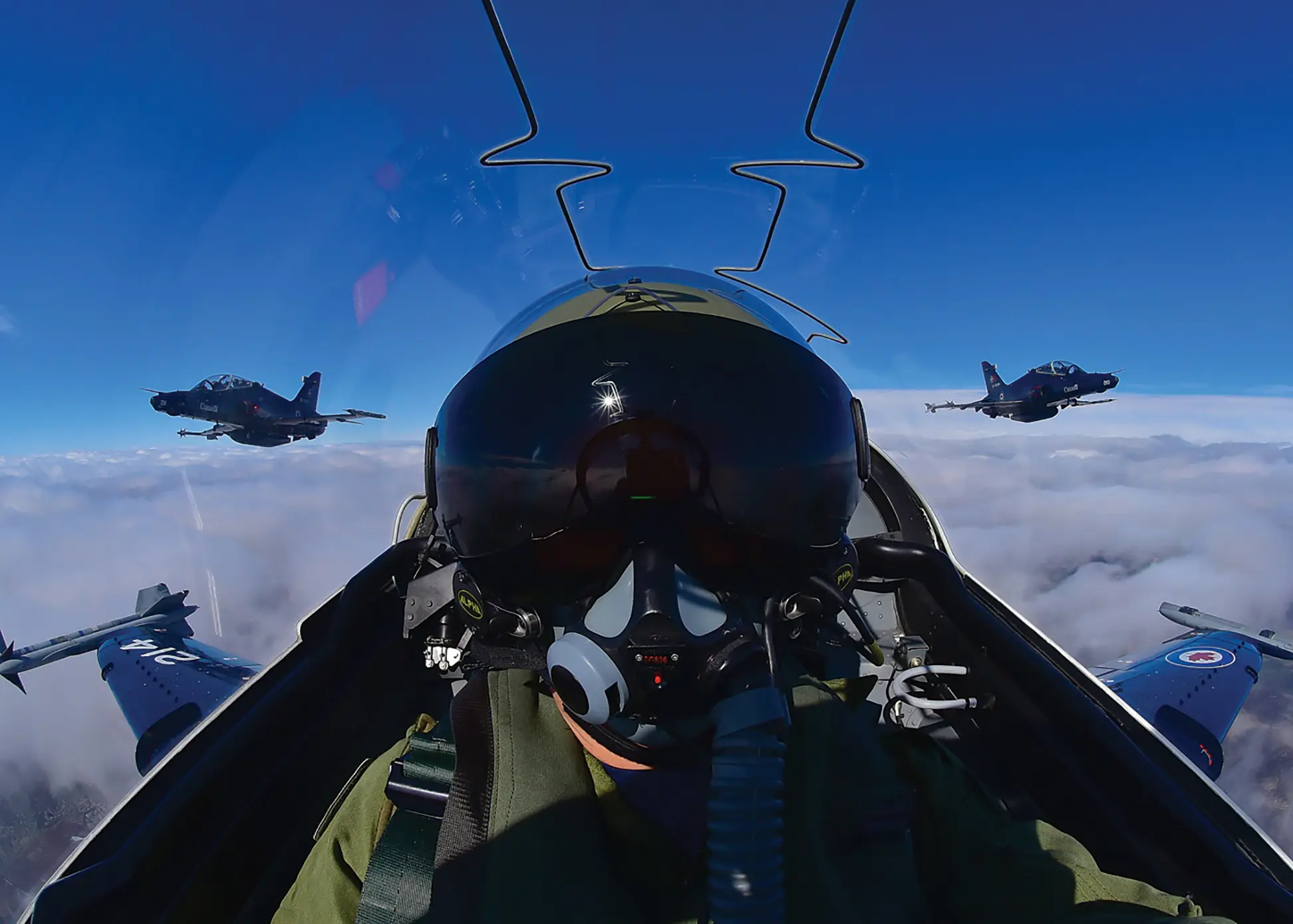
Temperature Sensors and Automated Control
Multiple sensors monitor cockpit heat. ECS uses these inputs to adjust cooling valves and airflow rapidly, stabilising cockpit climate even during rapid altitude or speed changes.
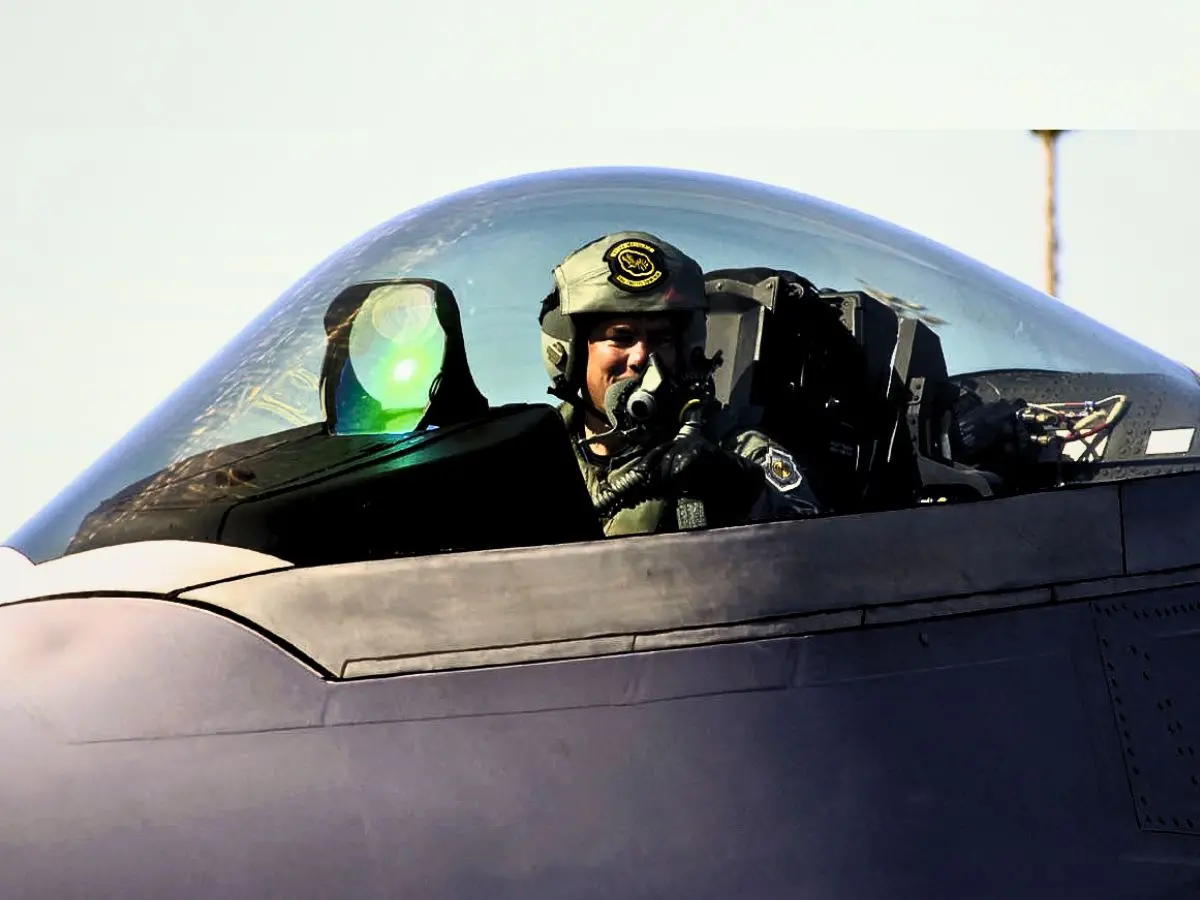
Pilot Flight Gear Cooling
Pilots wear cooling garments that circulate chilled liquid or air to offset cabin heat, preventing heat stress and dehydration during long missions.
Heat Impact on Pilot Performance
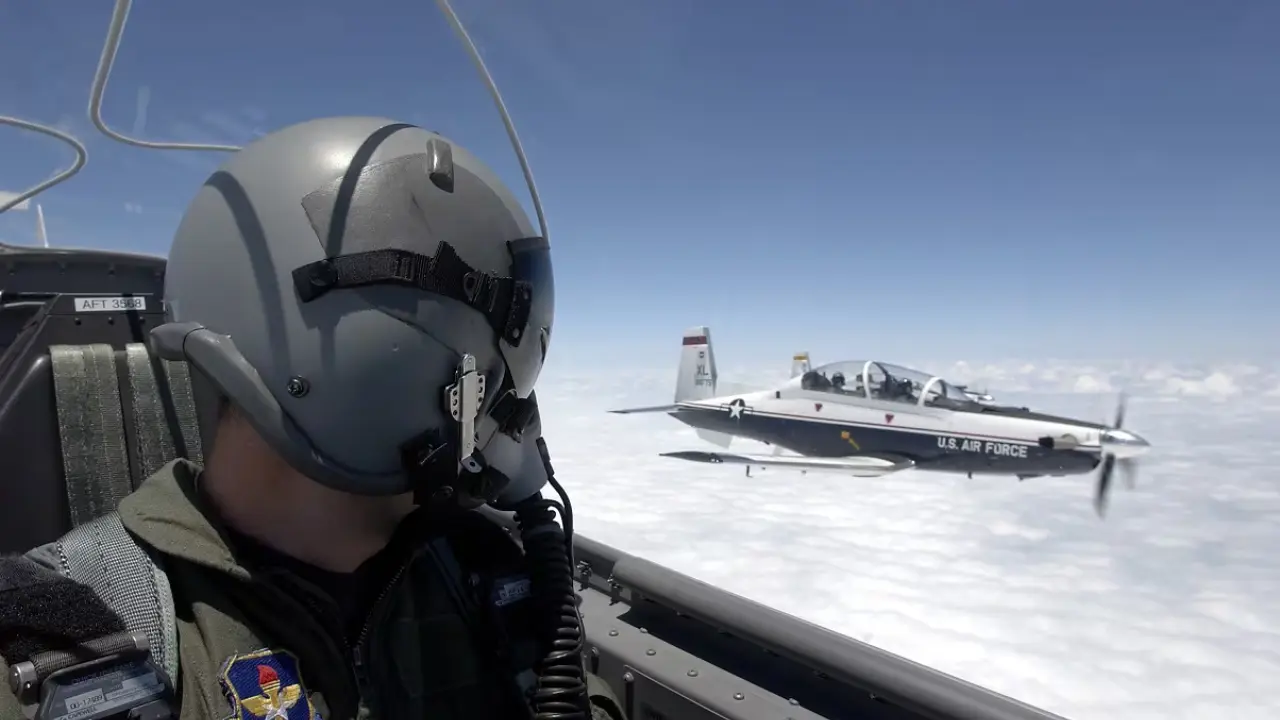
High cockpit temperatures increase pilot fatigue, dehydration, and reduce concentration. Cooling systems and hydration are critical to maintain focus and safety.
Canopy Design and Solar Protection
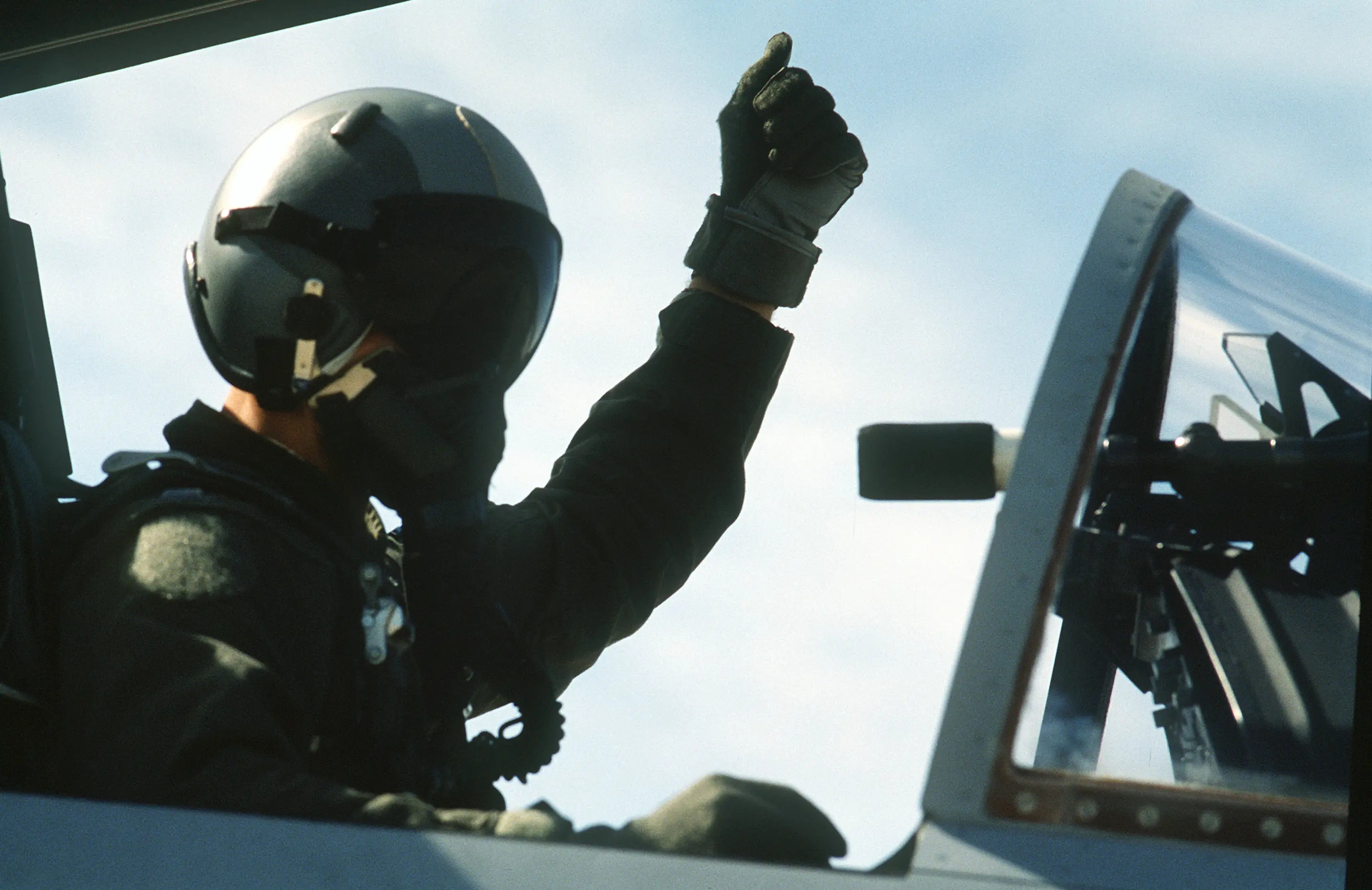
Special coatings on fighter jet canopies reduce solar heating by reflecting infrared and ultraviolet rays, helping keep cockpit temperatures lower.
Challenges of Rapid Temperature Changes
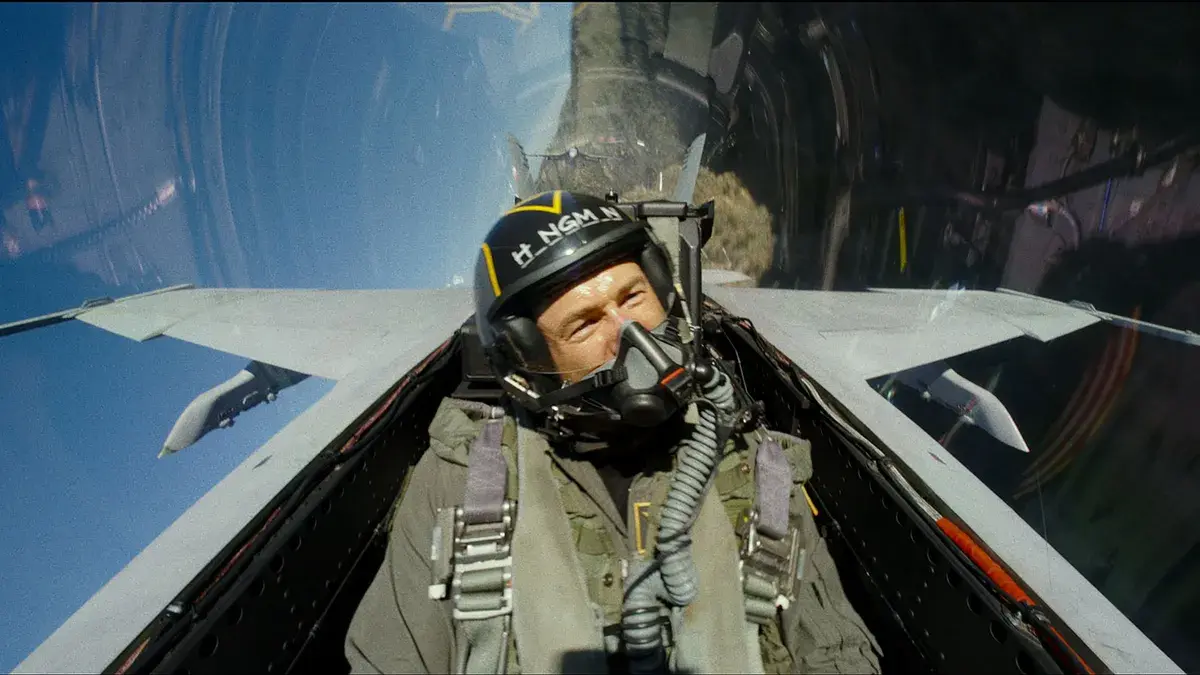
Temperature can fluctuate rapidly during maneuvers or weather changes. ECS systems are designed for quick response to avoid pilot discomfort or equipment malfunctions.
Maintenance and System Checks
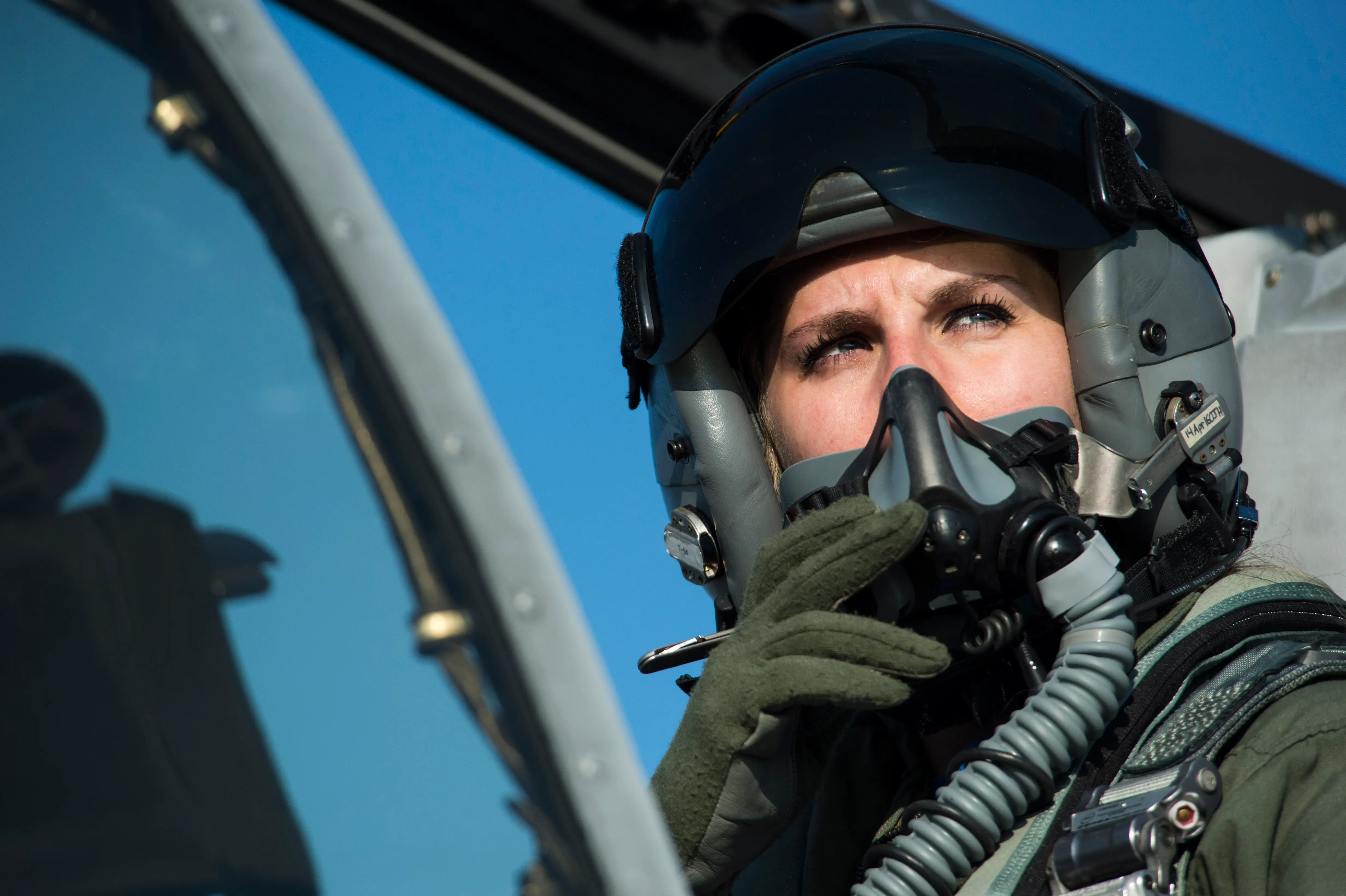
ECS and onboard cooling systems undergo regular checks to ensure reliability. Failure risks overheating that can adversely affect mission success and pilot health.
Future Cooling Technologies
Research into advanced cooling and heat exchange materials aims to further improve cockpit climate control, reducing pilot heat exposure during extreme conditions.
Pilot Training for Heat Tolerance
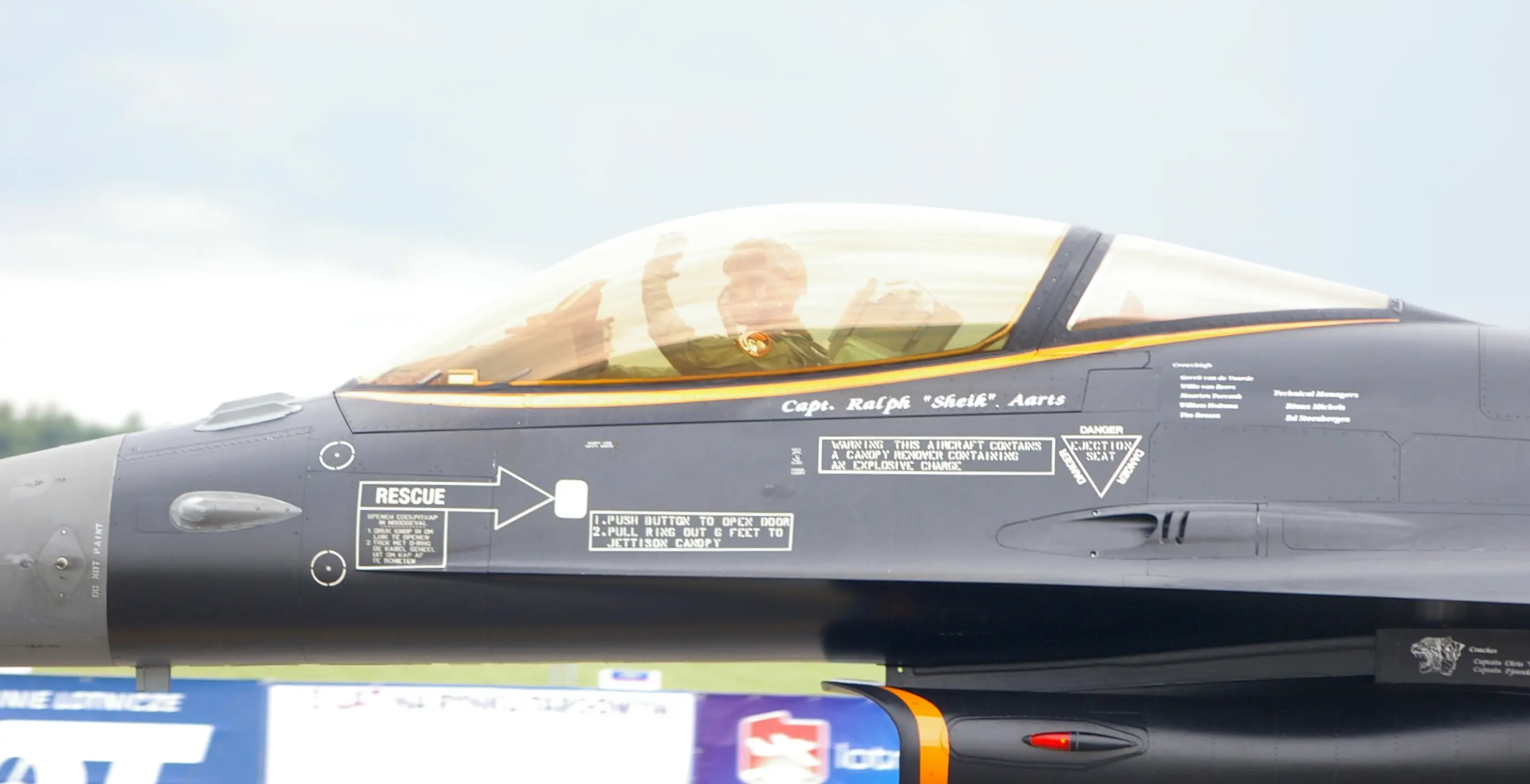
Pilots train in simulators with elevated cockpit temperatures to build tolerance, learn self-monitoring, and apply cooling strategies effectively in real flights.
)
)
)
)
)