How fighter jet pilots breathe at 50,000 feet

Fighter jet pilots breathe at 50,000 feet using advanced oxygen systems like OBOGS and ILSS that supply pressurised oxygen continuously, ensuring safety and combat readiness despite the thin, low-pressure atmosphere at extreme altitude.
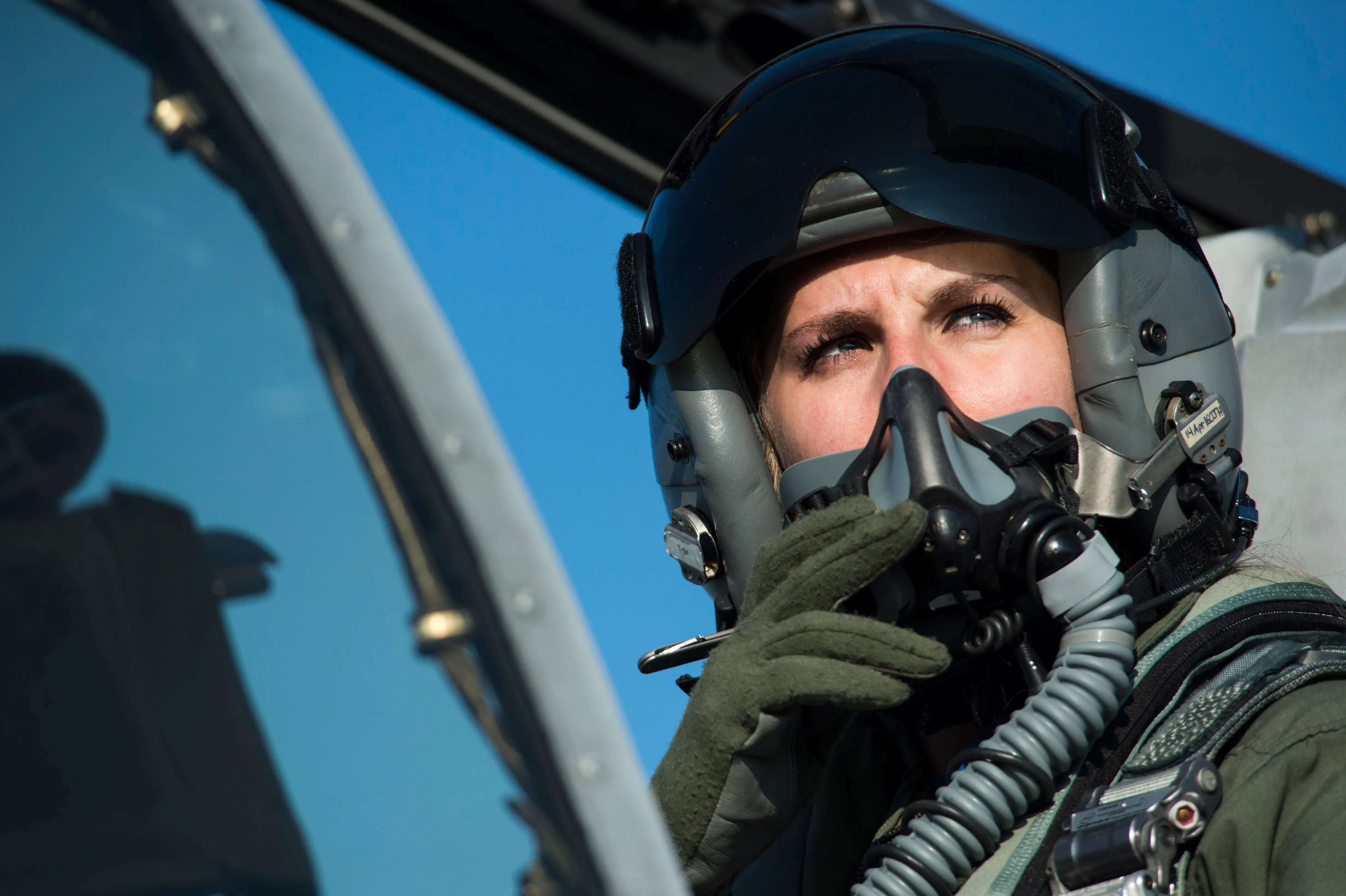
Extreme Altitude Challenges
At 50,000 feet, atmospheric pressure is about one-fifth of that at sea level. This low pressure means there isn’t enough oxygen in the air to support normal breathing, risking hypoxia, unconsciousness, or death.
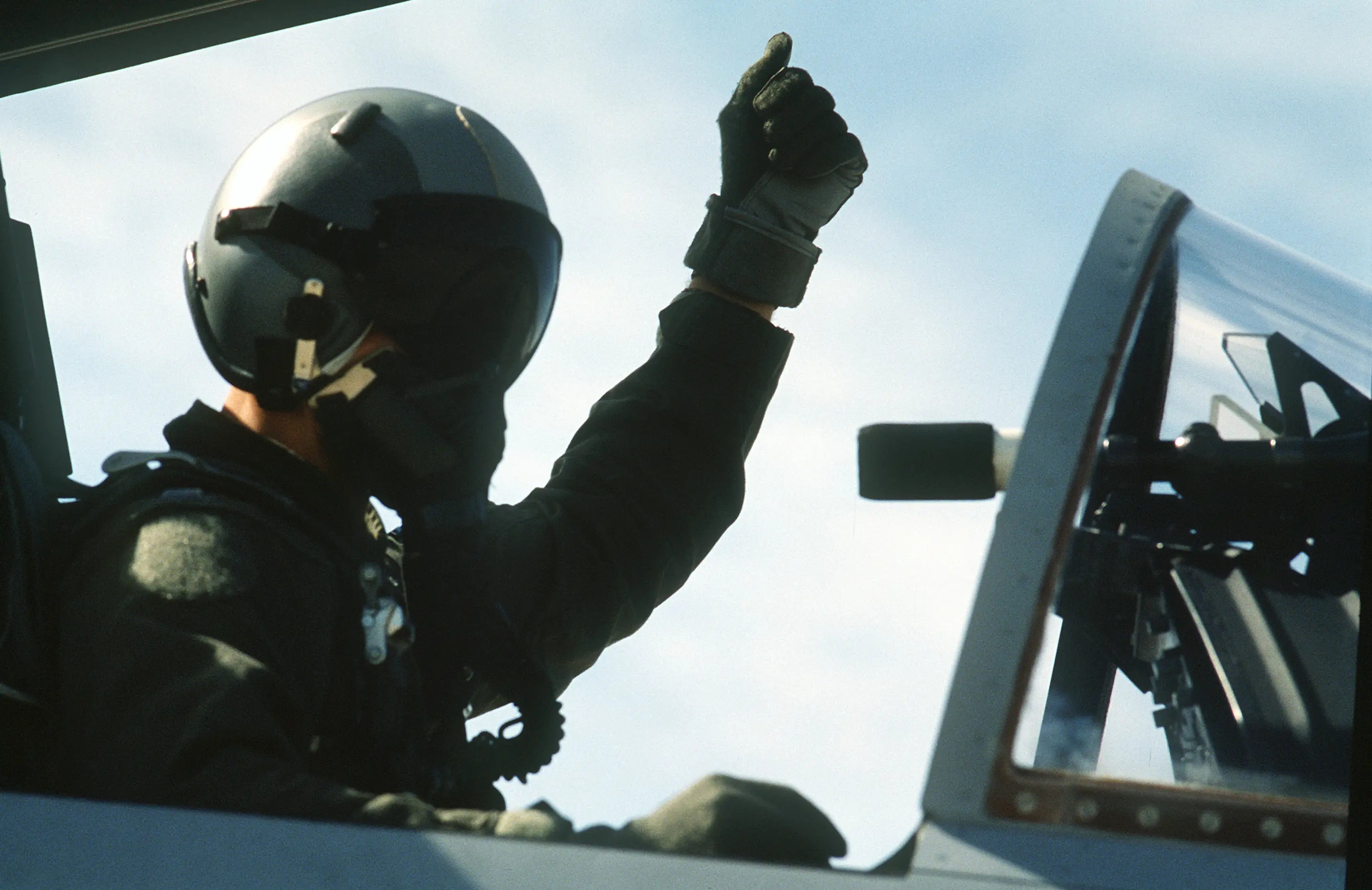
Physiological Problems Without Oxygen
Without supplemental oxygen, pilots would experience dizziness, light-headedness, and loss of consciousness within seconds. The body’s blood oxygen saturation would drop to dangerous levels rapidly at these heights.
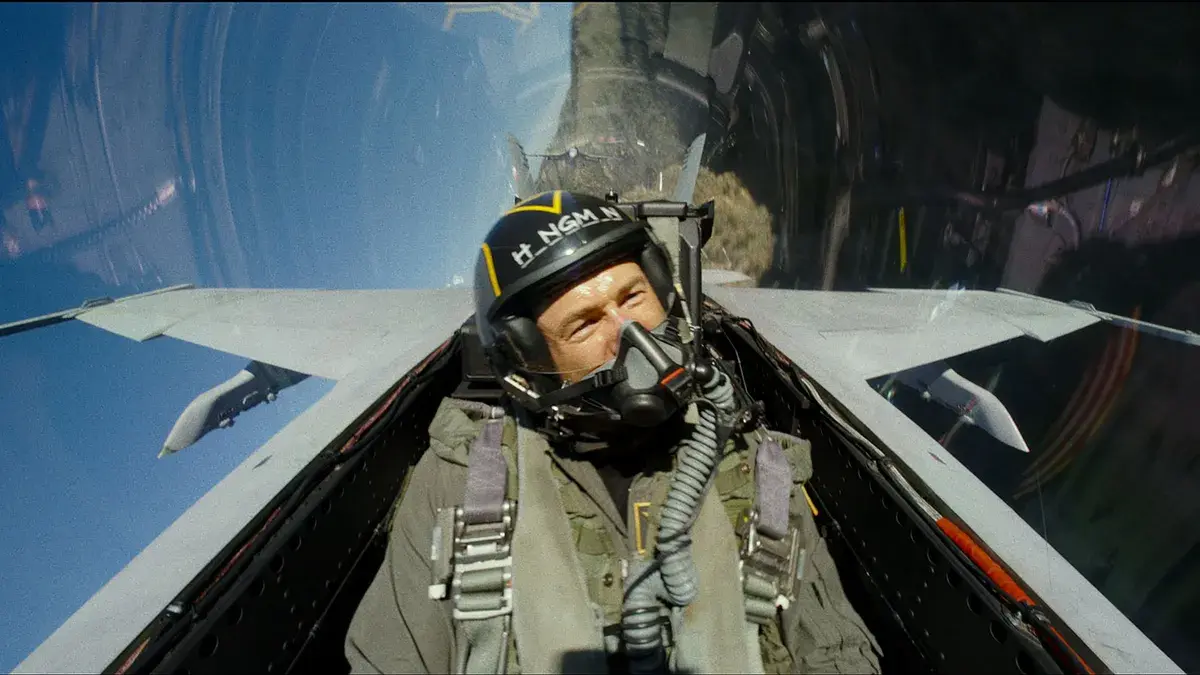
Positive Pressure Oxygen Masks
Pilots wear masks that supply pure oxygen under pressure, forcing oxygen into their lungs even when the surrounding air pressure is too low. This prevents hypoxia and keeps oxygen flowing efficiently in the bloodstream.
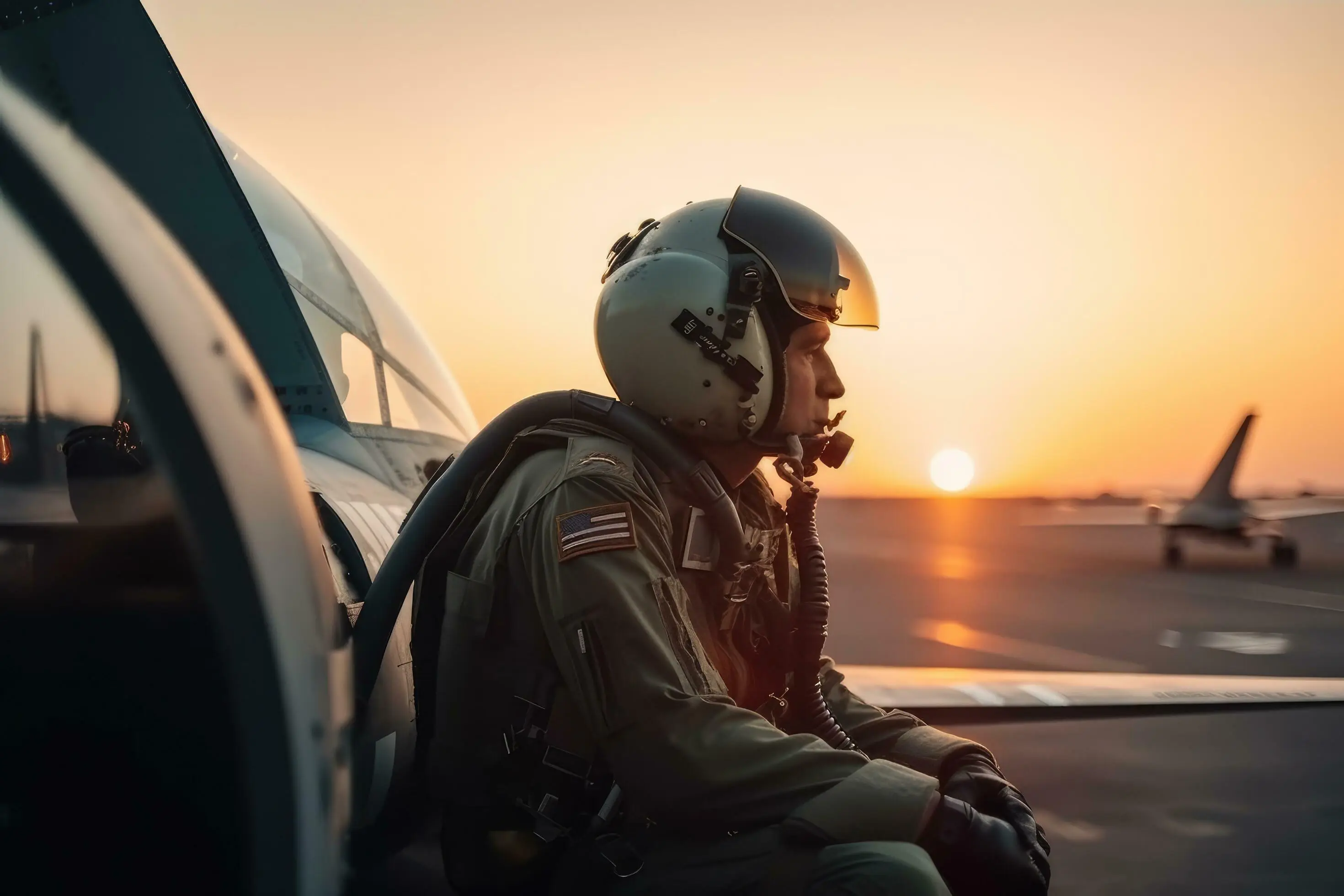
On-Board Oxygen Generation System (OBOGS)
Modern fighters use OBOGS to produce oxygen in real time onboard by extracting it from engine bleed air. This system eliminates the need for heavy and limited liquid oxygen tanks.
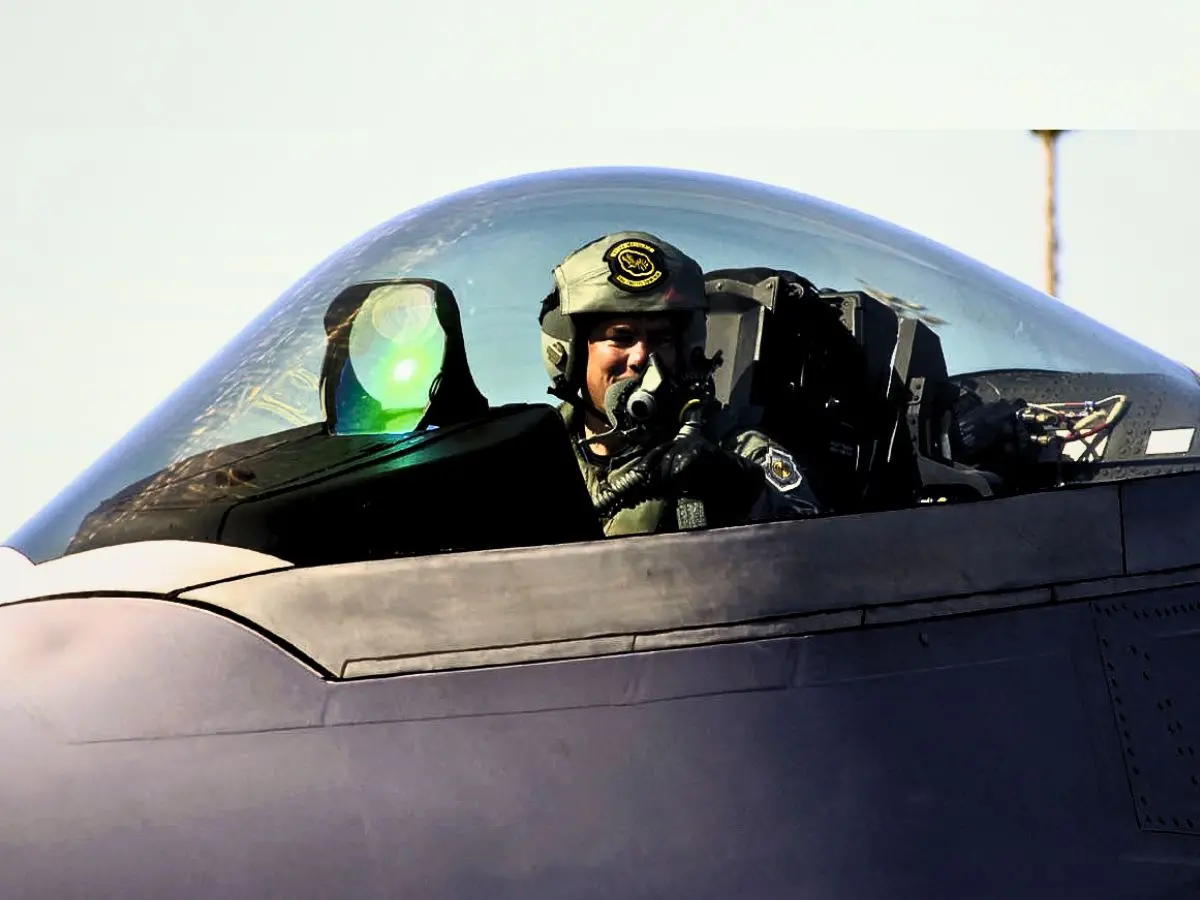
Continuous Oxygen Supply During Maneuvers
OBOGS ensures pilots receive oxygen throughout all flight phases, including takeoff, cruise, high-G turns, and landing. This protects them even during strenuous maneuvers and high-speed combat actions.
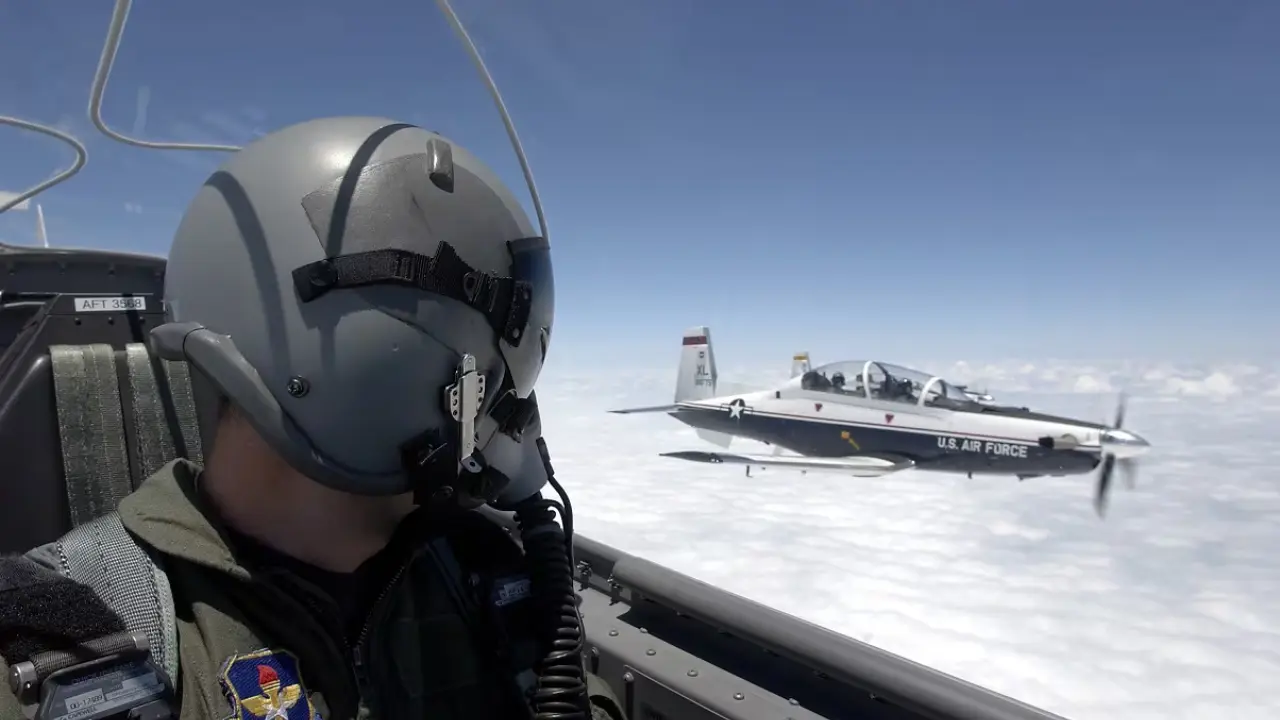
Integrated Life Support System (ILSS)
The ILSS integrates oxygen generation with breathing regulators, anti-G valves, and emergency backup systems. It monitors oxygen concentration and adjusts supply automatically to pilot demand for safety and comfort.
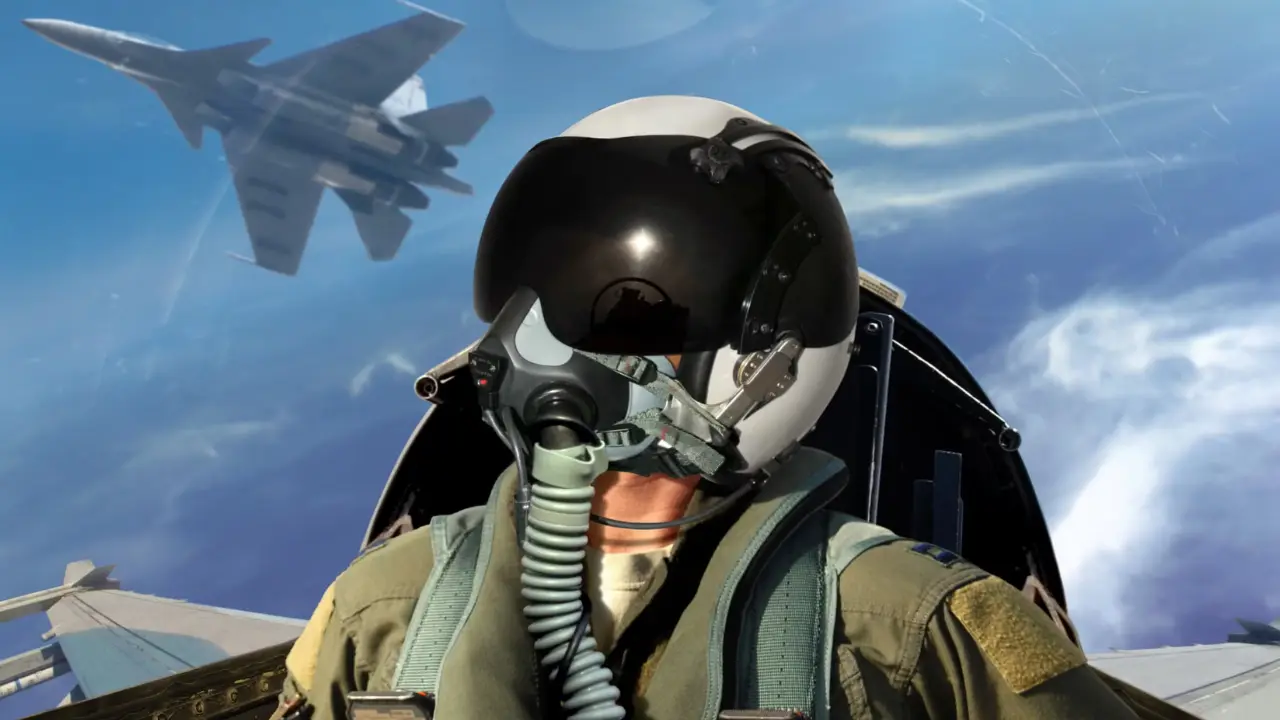
Anti-G Valve and Oxygen Delivery
The anti-G valve in the breathing system helps prevent blood from pooling in the lower body during high-G forces, ensuring the brain continues to receive oxygenated blood, which is essential at altitude and high speeds.
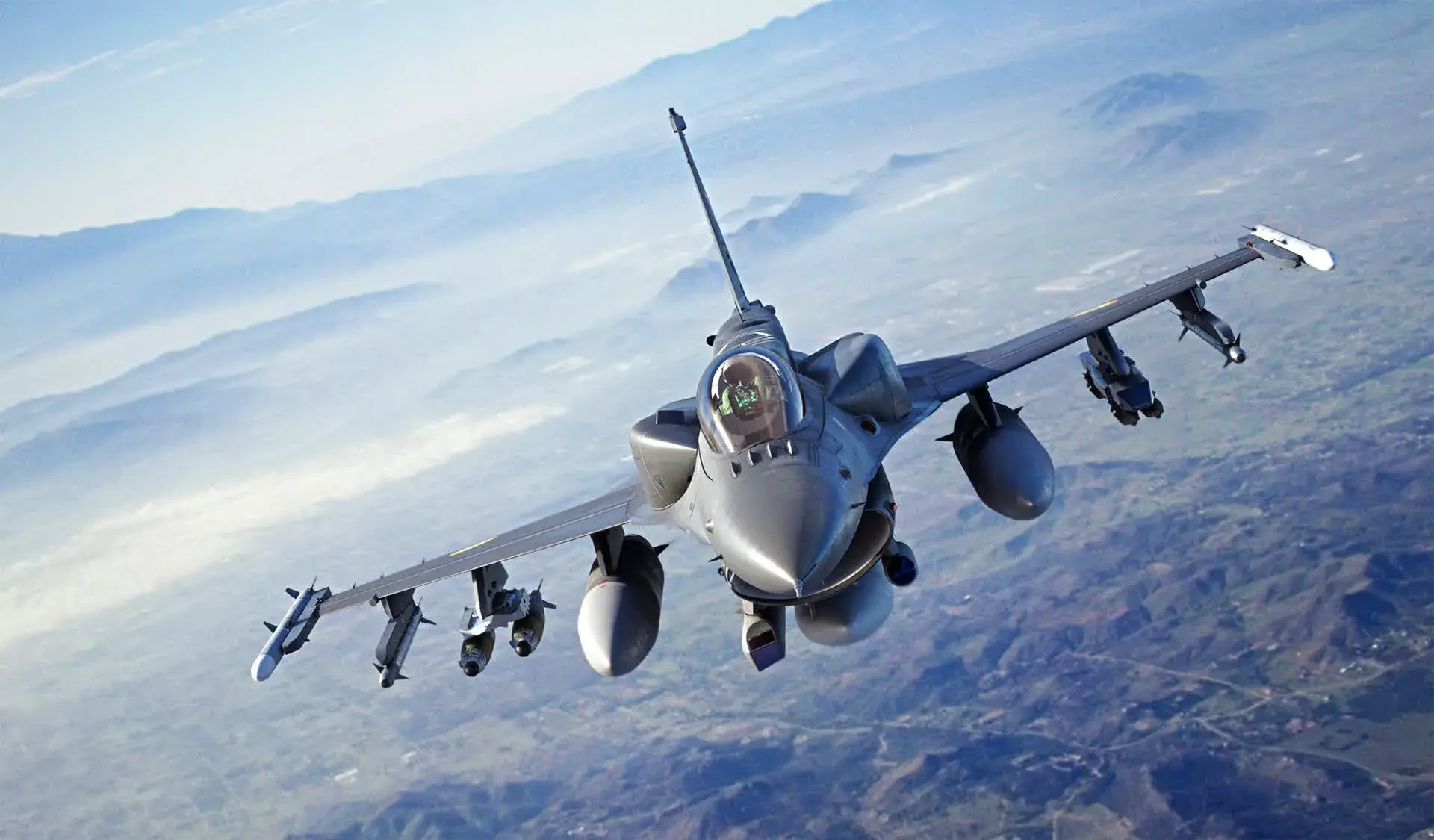
Emergency Oxygen Backup
In case of primary system failure, fighter jets have emergency oxygen cylinders to maintain pilot safety. These backups are critical during high-risk missions where failure would be life-threatening.
Training to Handle Oxygen Systems
Pilots undergo rigorous training on oxygen system use, learning how to identify early signs of hypoxia and manage breathing equipment to stay safe during high-altitude flights.
Technological Advances in Pilot Life Support
New oxygen systems continue to evolve, focusing on reliability, reducing weight, and improving pilot comfort, enhancing endurance and effectiveness at extreme altitudes.
)
)
)
)
)