How downward-firing ejection seats work in fighter jets?

It was a bold departure from convention, driven by necessity rather than choice. What followed was a mix of innovation, danger, and important lessons.
A Surprising Solution to a Design Problem
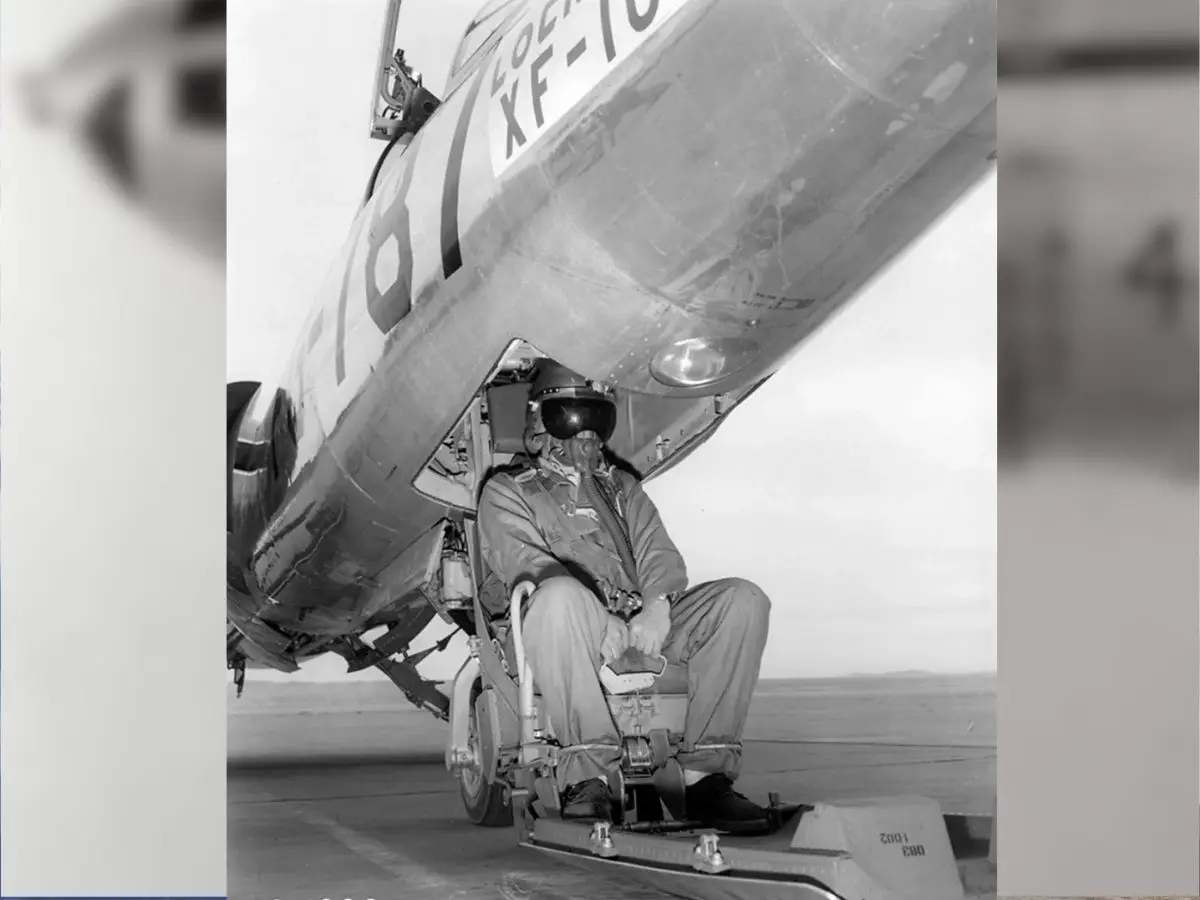
In the early Cold War, aircraft engineers faced an unusual challenge: cramped cockpits in large bombers and some experimental jets left no room to eject upwards. The response was radical: design ejection seats that fired downward through the aircraft floor. It was a bold departure from convention, driven by necessity rather than choice. What followed was a mix of innovation, danger, and important lessons.
Jack 'Suitcase' Simpson and the downward seat
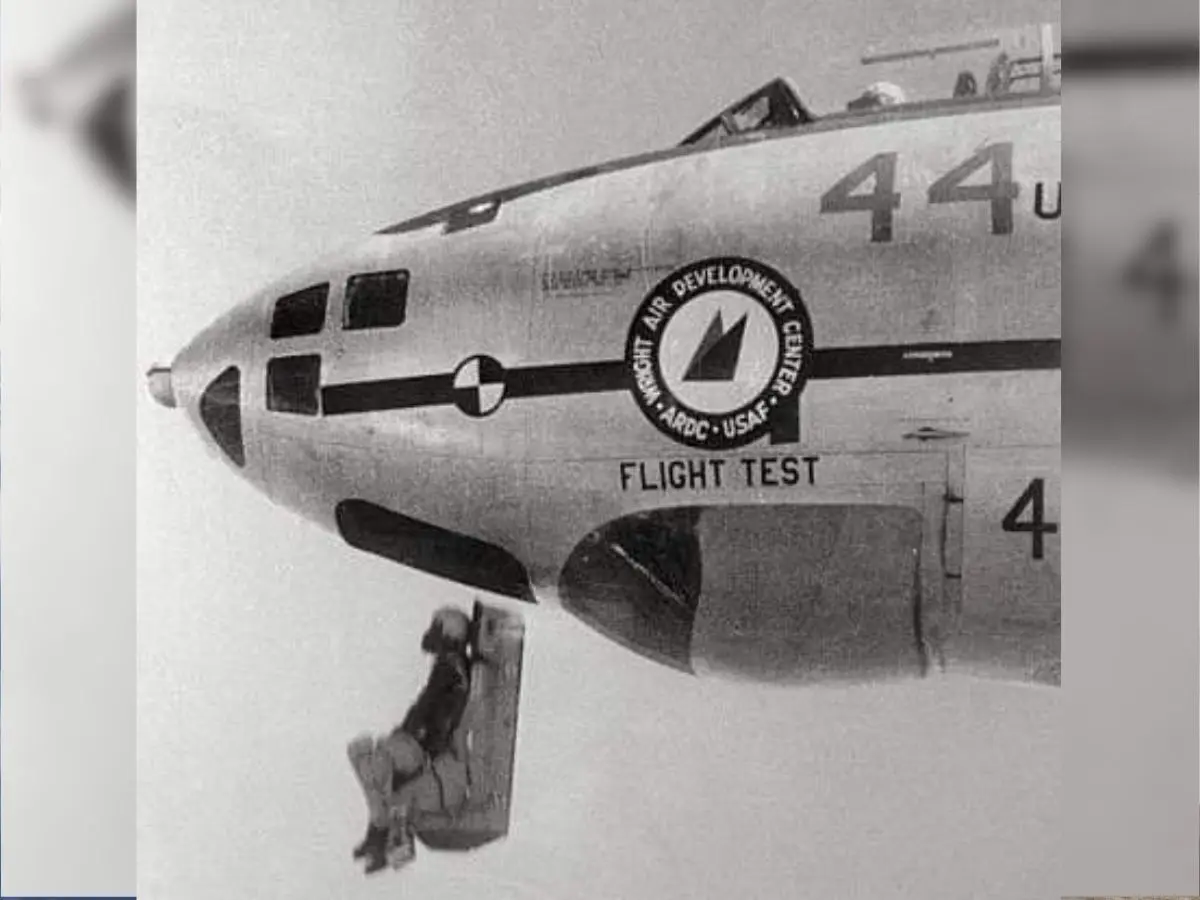
On May 1, 1957, Lockheed test pilot Jack Simpson flew the prototype F-104 Starfighter, which featured a downward-firing seat. At 27,000 ft, after losing control due to aileron failure, Simpson pulled the handle. Instead of blasting through the canopy, the seat fired him out through the floor at roughly 450 mph. His successful escape proved the concept could work, at least under ideal conditions. Simpson’s nickname, 'Suitcase', hinted at how pilots felt packed into these tiny cockpits.
The B-52 Stratofortress
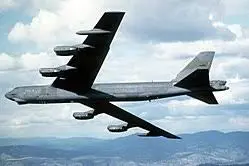
The American Boeing B-52, entering service in the 1950s, had a lower crew compartment housing the navigator and radar navigator. There simply wasn’t space above them to fit upward-firing seats. Engineers created downward-firing ejection seats, which propelled the crew through floor hatches. It was an elegant fix to a tough engineering puzzle. But it demanded careful planning, as safe ejection depended on altitude, speed, and flight attitude.
How Downward Ejection Seats Actually Worked
Seats such as the Weber ejection seats used explosive charges or small rockets to force the seat and occupant through the fuselage floor. These systems depended on high forward speed and altitude to allow the parachute to deploy safely after exit. At low speeds or during take-off and landing, downward ejection was often fatal. Designers balanced power, trajectory, and human tolerance in ways that were cutting-edge for the time.
The Convair B-58 Hustler’s Approach
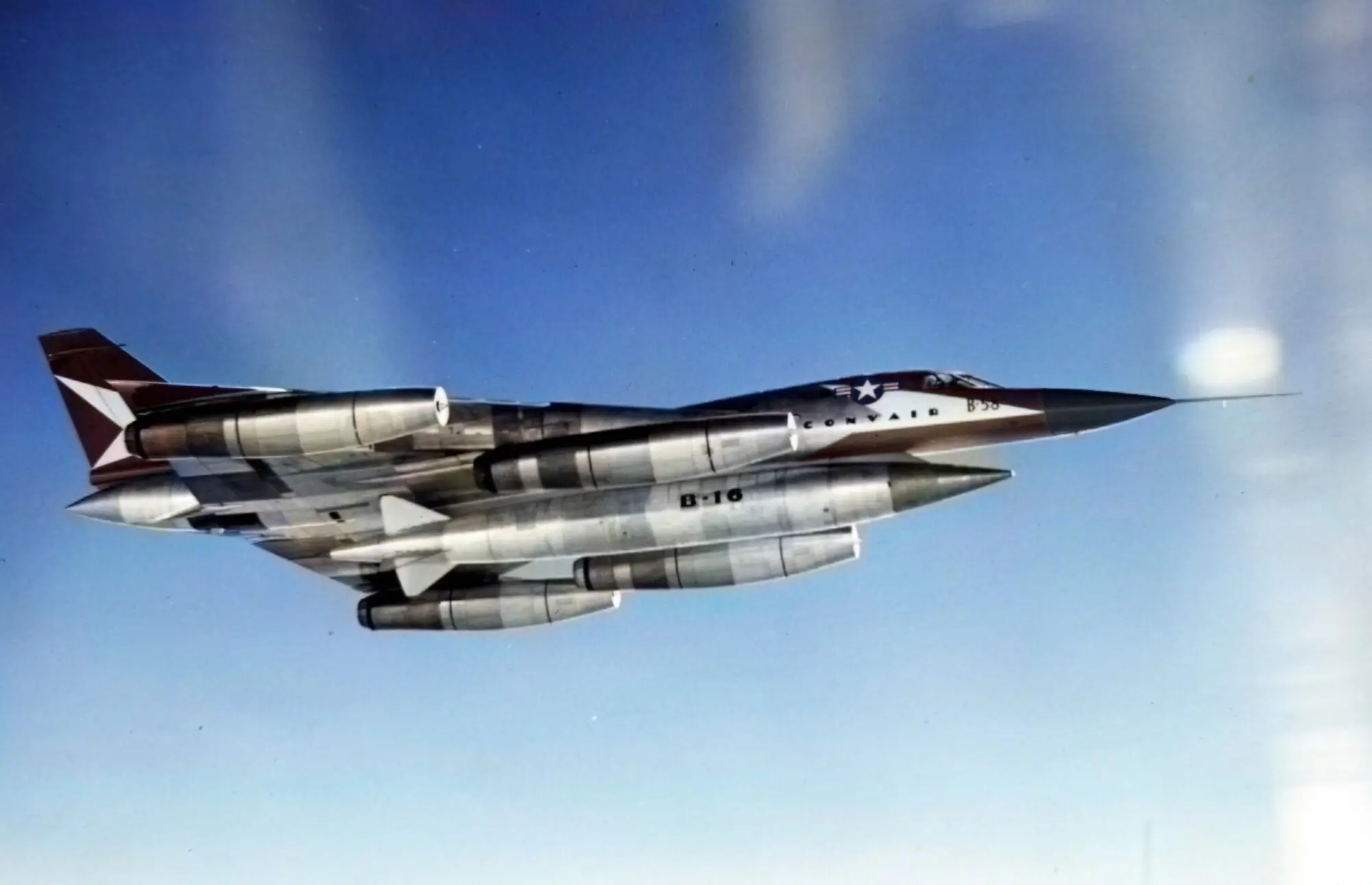
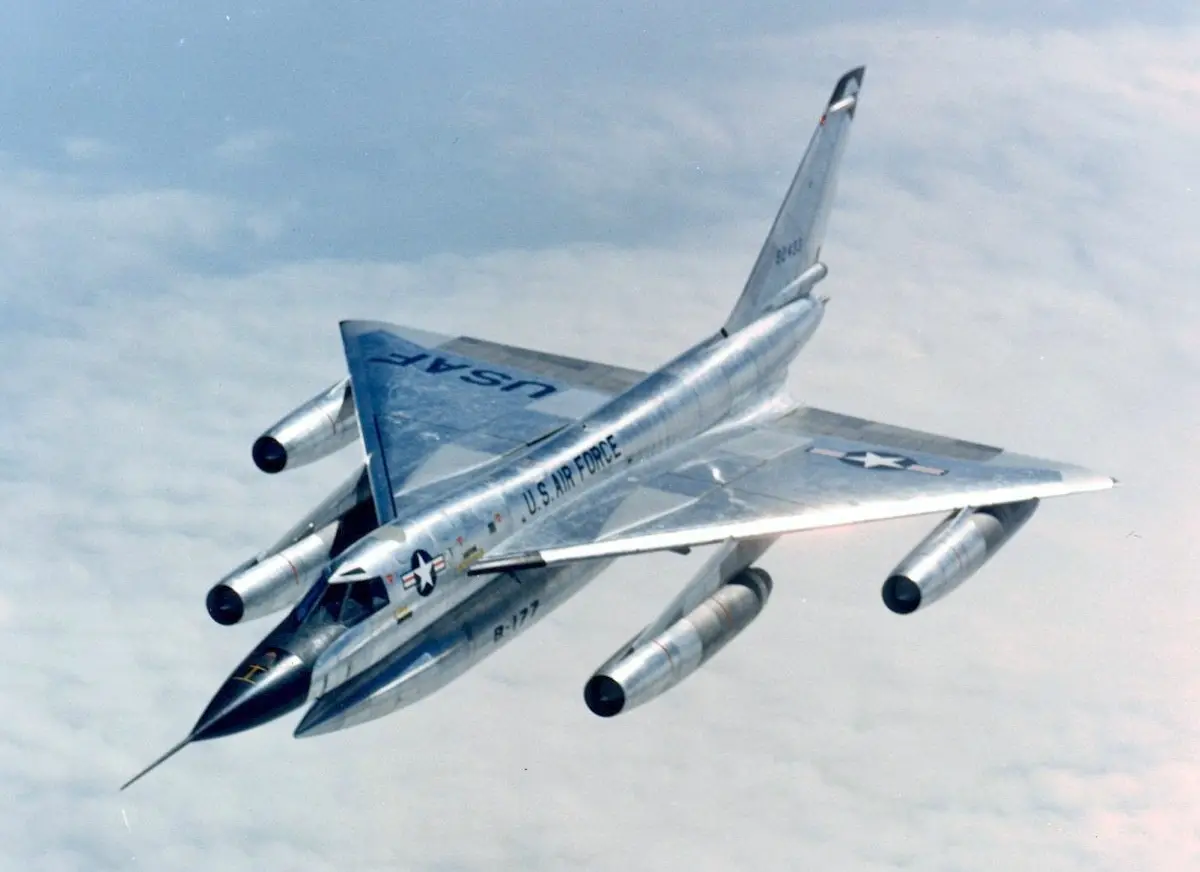
The supersonic Convair B-58 Hustler took the concept further. All three crew sat in downward-firing ejection capsules, which fully enclosed the pilot and offered protection against high-speed airflow. These capsules offered better survival chances at high Mach numbers. Still, below safe ejection altitudes, even the best design couldn’t overcome the laws of physics.
Why It Was So Dangerous
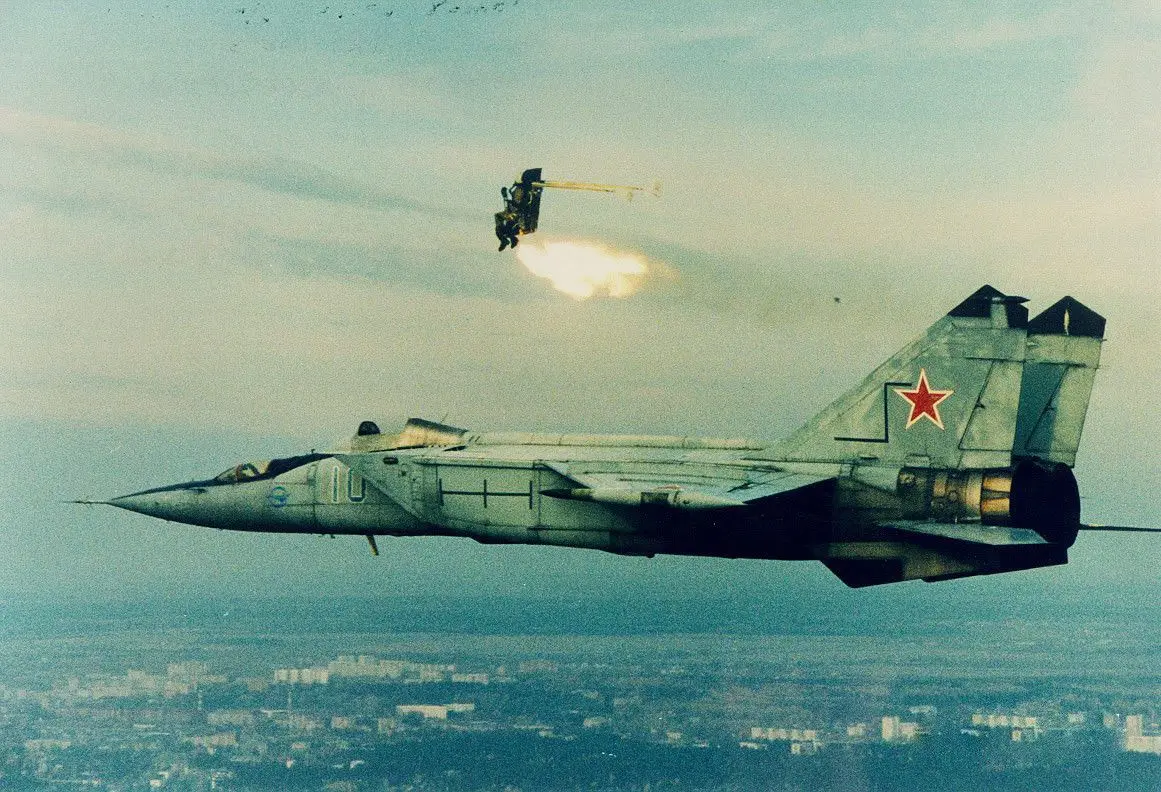
In emergencies occurring close to the ground—such as engine failure on take-off—downward ejection often gave crew little time to escape before impact. Tragically, several fatal incidents confirmed the danger. The margin for error was razor-thin. Pilots and engineers knew it, but there were few alternatives in those cramped designs.
The Move Back to Upward Ejection
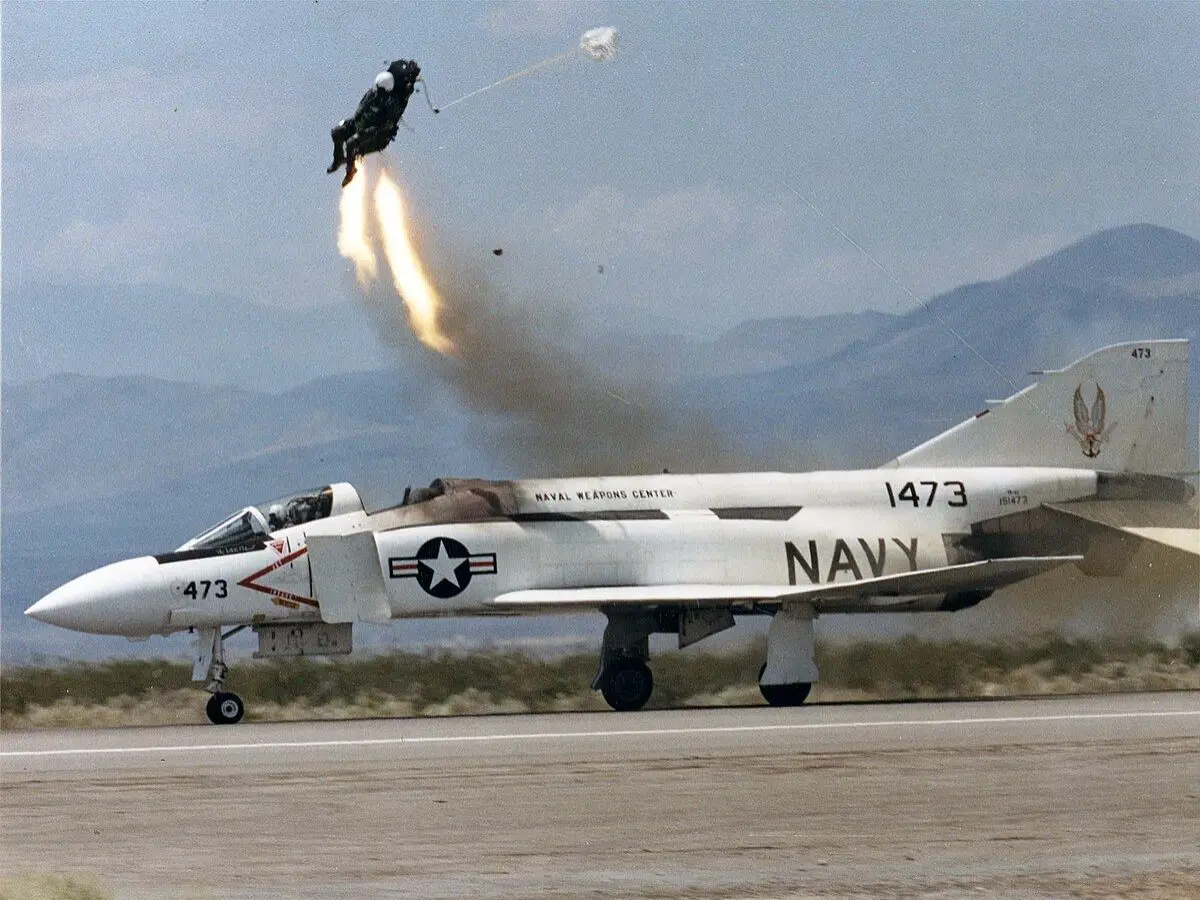
By the late 1960s, new cockpit layouts, tandem seating and powerful rocket-assisted seats allowed safe upward ejection, even if the aircraft was inverted. Systems like the British Martin-Baker seats proved far safer and became standard. These advances meant pilots could survive at lower altitudes and slower speeds. Upward ejection reasserted itself as the best choice for most military aircraft.
)
)
)
)
)