How does a 4,000 HP train engine work? Understanding thermodynamics of diesel locomotives

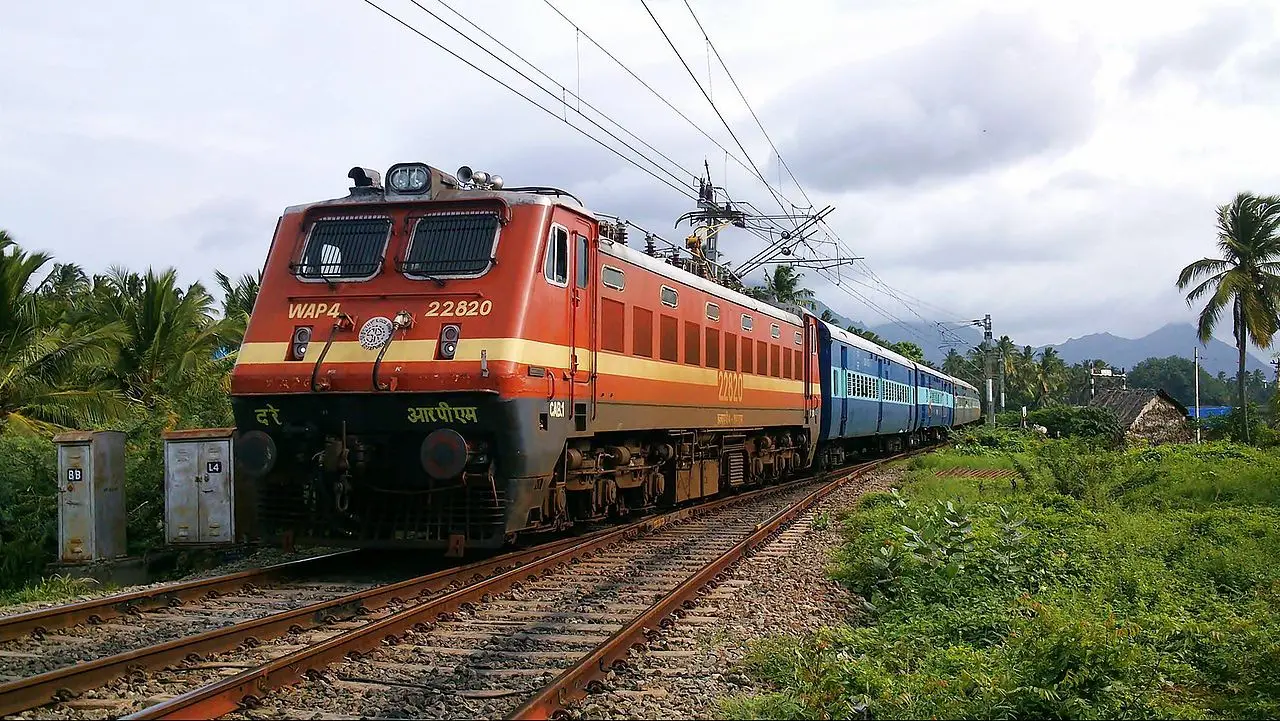
Most 4,000 HP locomotives, such as India’s WDG-4 and WDP-4 series, use turbochargers driven by exhaust gas flow. Turbocharging increases the mass of air entering each cylinder, allowing more fuel to burn without increasing engine size.
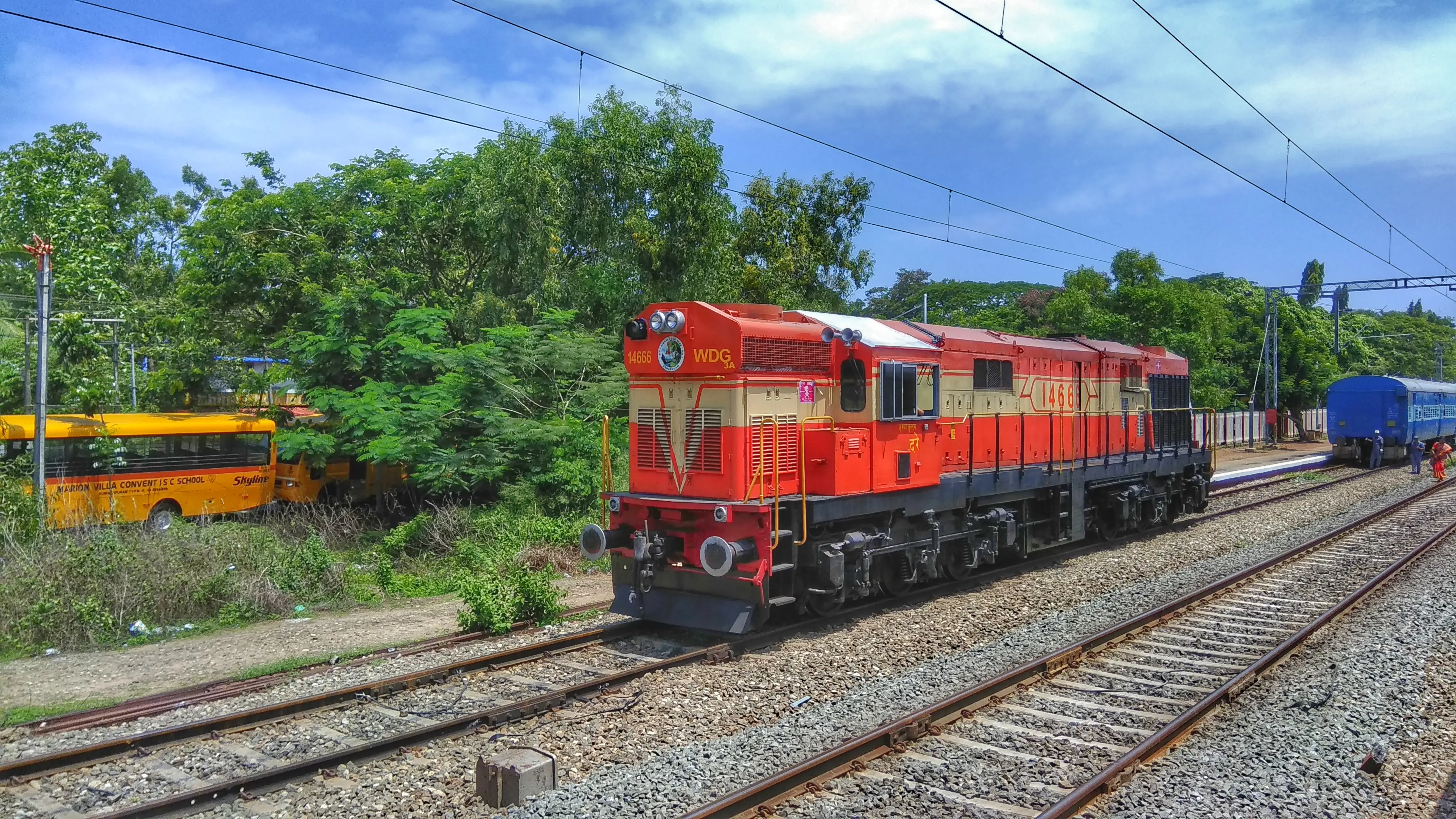
1. Diesel Locomotives Use Internal Combustion to Generate Mechanical Power
A diesel locomotive’s prime mover is a large compression-ignition engine that follows the thermodynamic Diesel Cycle. Air enters the cylinders, is compressed to high pressure, and fuel is injected directly into the combustion chamber. The heat of compression ignites the fuel–air mixture, producing expanding gases that push the pistons. This mechanical motion is the starting point of all power generation inside the locomotive.
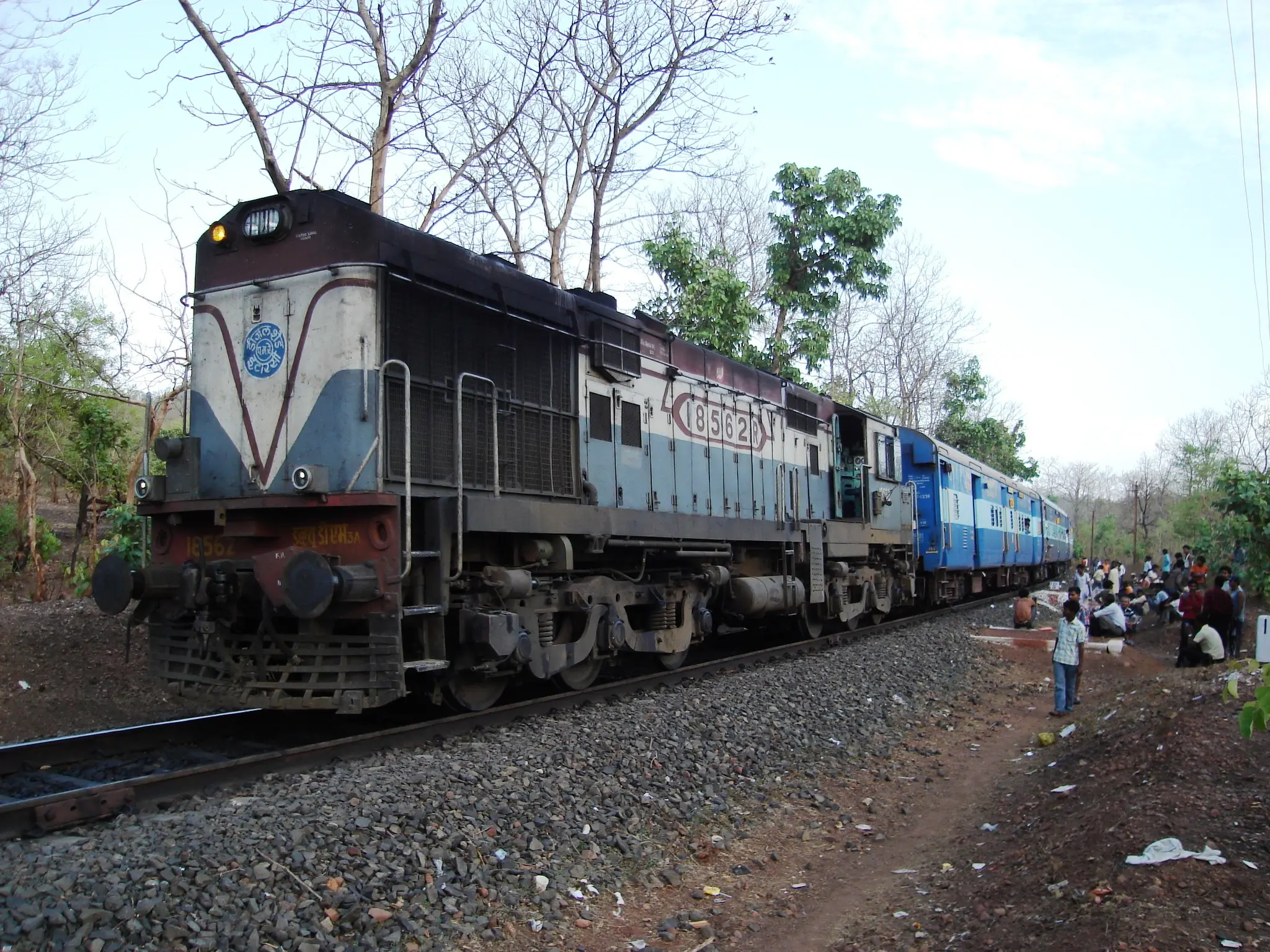
2. High Compression Ratios Increase Thermal Efficiency
Locomotive engines typically operate with compression ratios between 14:1 and 16:1, higher than those of petrol engines. Higher compression enables more complete fuel combustion and better conversion of heat energy into mechanical work. This increased thermal efficiency is critical for locomotives that run long distances and operate under constant load conditions.
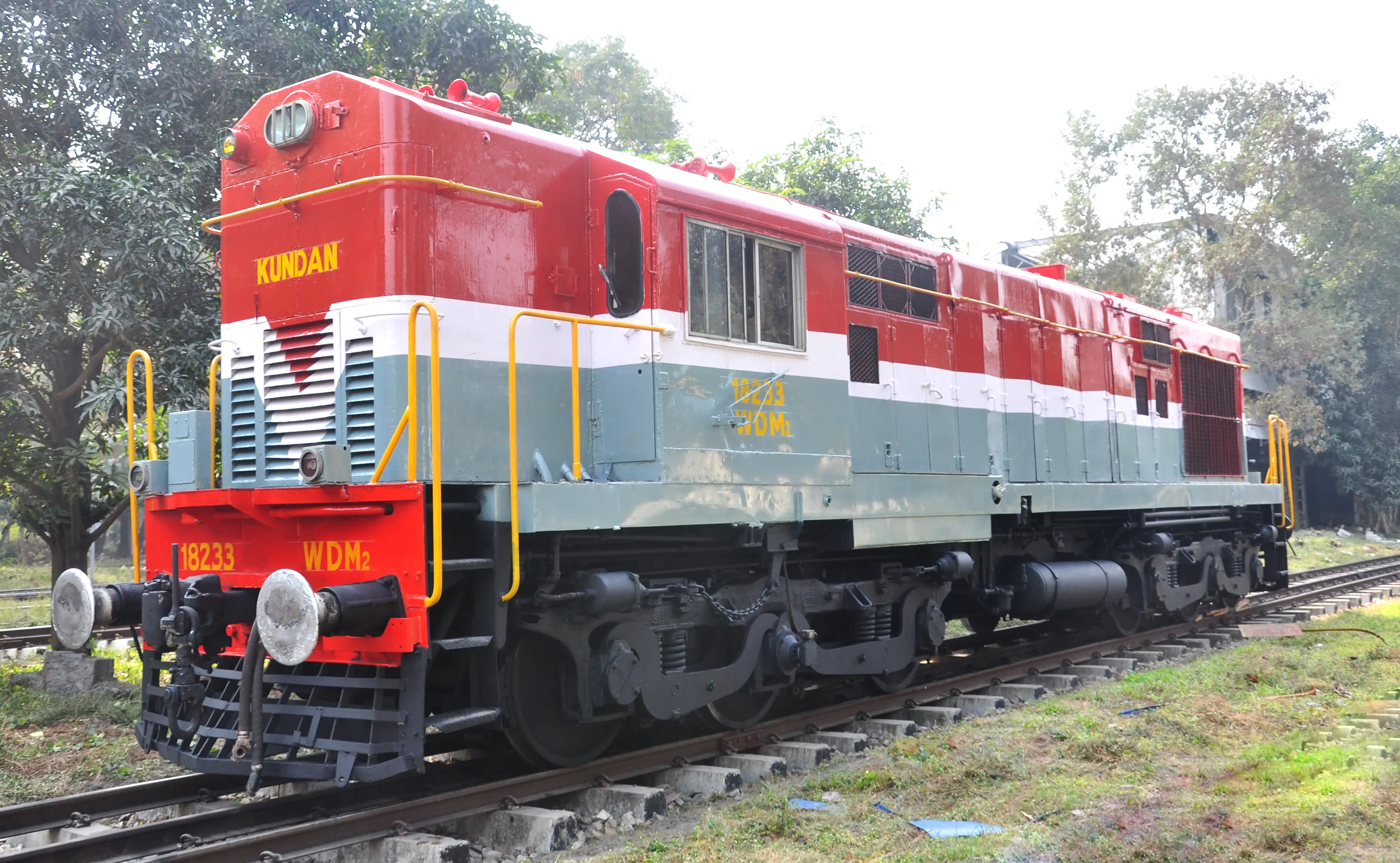
3. Turbochargers Supply Compressed Air for Higher Power Output
Most 4,000 HP locomotives, such as India’s WDG-4 and WDP-4 series, use turbochargers driven by exhaust gas flow. Turbocharging increases the mass of air entering each cylinder, allowing more fuel to burn without increasing engine size. This ensures stable power delivery on gradients, during freight haulage, and at sustained speeds.
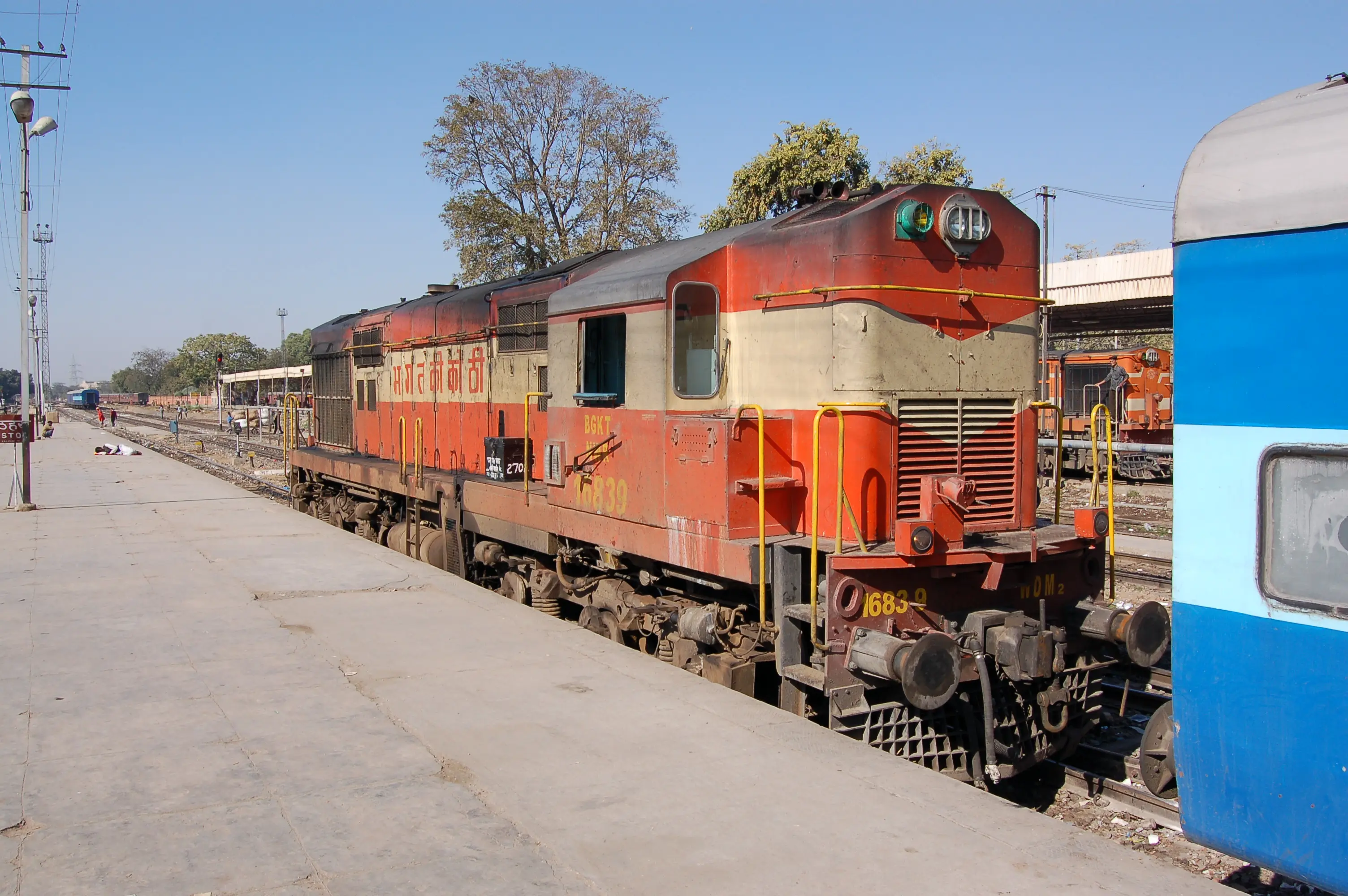
4. Mechanical Energy Is Converted to Electricity for Traction Motors
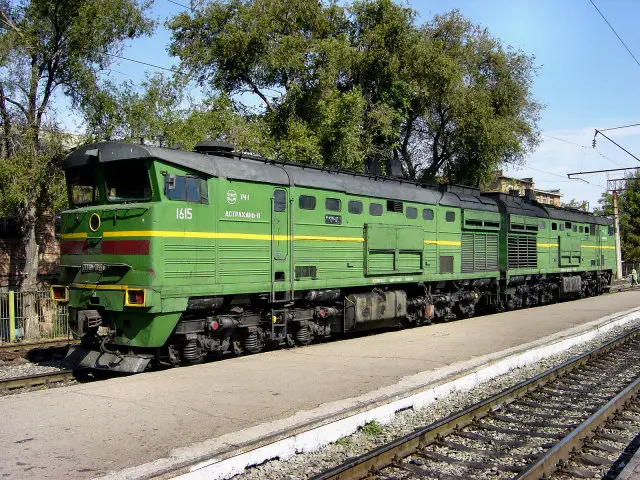
The engine does not directly drive the wheels. Instead, it turns an alternator that produces three-phase AC electricity. The power is rectified to DC and fed to traction motors mounted on the axles. This diesel-electric configuration avoids the need for mechanical transmission systems and allows smooth torque delivery, particularly at low speeds.
5. Cooling Systems Control Heat Generated During Continuous Operation
A diesel locomotive produces significant thermal energy during combustion. Large radiators, coolant pumps, and thermostatic valves regulate engine temperature. The cooling system also manages the heat from lubricating oil and the alternator. Maintaining stable temperature is essential to avoid power loss or component failure during long-haul services.
6. Exhaust, Lubrication, and Fuel Systems Support Long-Duration Loads
The exhaust system removes combustion gases while driving the turbocharger. The lubrication system reduces friction across moving parts using pressurised oil. Fuel injection is controlled by electronic governors that maintain steady RPM under varying load. Together, these systems ensure sustained power delivery for hours at a time, a requirement for both freight and passenger operations.
7. Power Output Depends on Engine Size, Air Handling, and Fuel Delivery
Locomotives rated at 4,000 HP typically run large 16-cylinder engines operating at around 900–1000 RPM. Power output depends on cylinder displacement, turbocharger efficiency, and precise fuel–air management. These engines are designed for high tractive effort rather than high rotational speed, prioritising load-pulling capability over rapid acceleration.
)
)
)
)
)