How did America’s deadliest and most successful submarine end up sinking itself?

Commissioned in October 1943, this Balao-class diesel-electric submarine completed five daring war patrols under Commander Richard O’Kane.
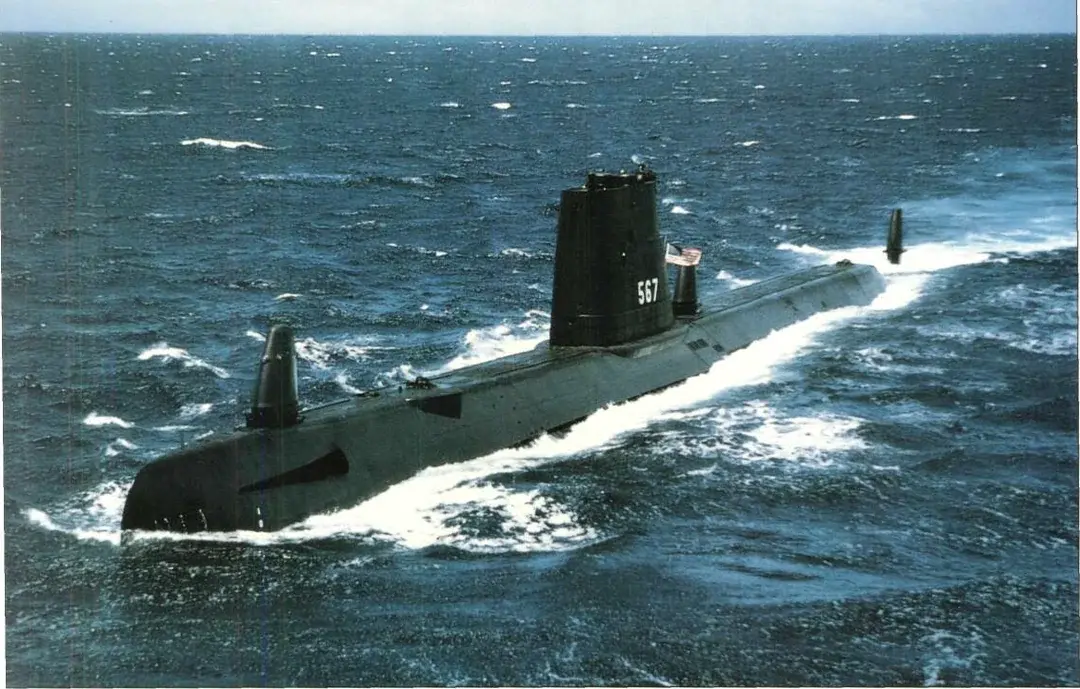
A wartime legend beneath the waves
During the Second World War, the USS Tang earned its place as the US Navy’s most formidable predator in the Pacific, sinking more Japanese ships than any other American submarine of its era. Commissioned in October 1943, this Balao-class diesel-electric submarine completed five daring war patrols under Commander Richard O’Kane, gaining a reputation for audacious tactics and pinpoint accuracy. Yet in a twist stranger than fiction, the Tang’s remarkable run ended in October 1944, sunk not by an enemy’s weapon, but by one of its own malfunctioning torpedoes.
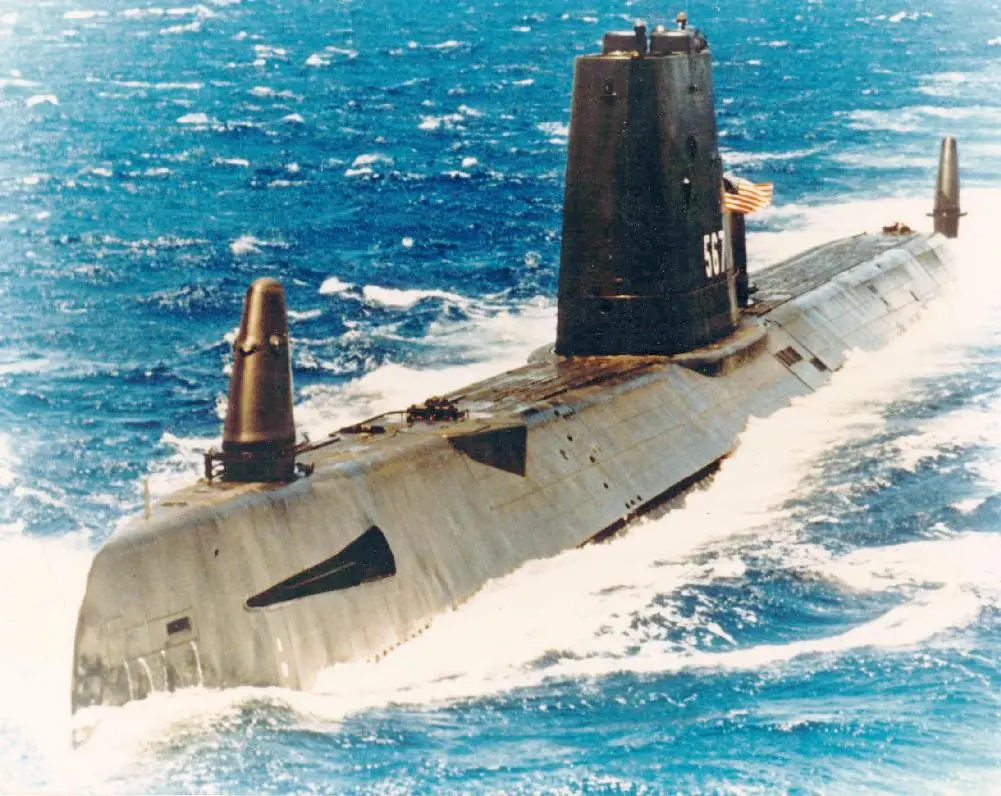
Designed for silent attack
The USS Tang carried ten torpedo tubes and could reach a test depth of around 400 feet. Diesel engines provided power on the surface, while batteries kept her moving silently below. Balao-class submarines like Tang were designed to strike enemy convoys under cover of darkness, using sonar and periscope observations to close in undetected. By the end of Tang’s fourth patrol, she had already sent more than a dozen enemy ships to the bottom.
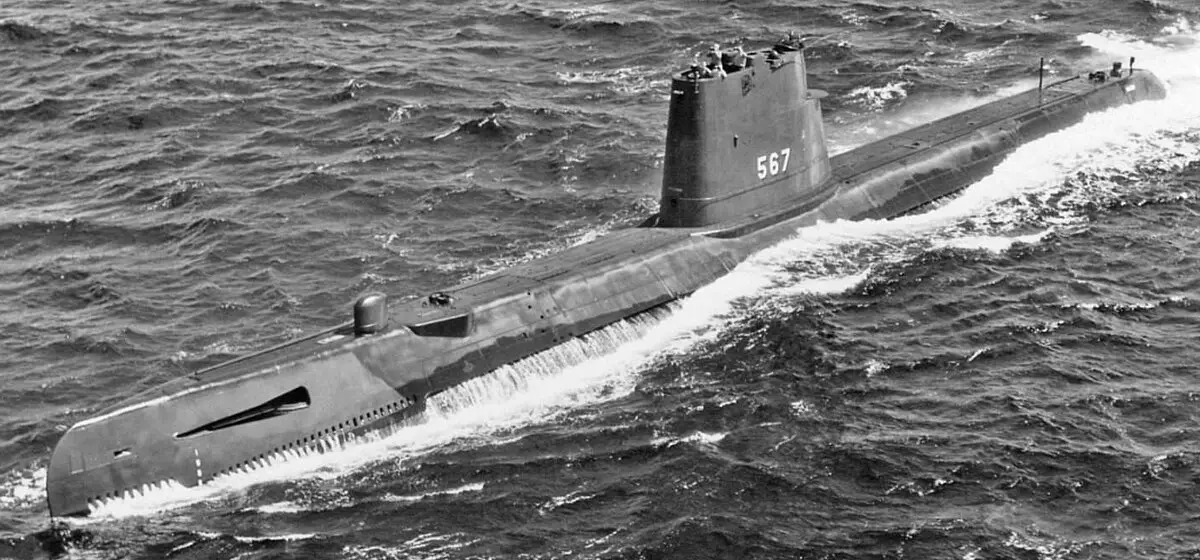
A final patrol with record success
In late September 1944, the USS Tang departed on her fifth war patrol in the Formosa Strait and South China Sea, one of the most heavily defended regions. By late October, Tang had sunk an estimated 13 enemy vessels on this patrol alone, a figure that further cemented her as the most successful American submarine of the conflict. These sinkings disrupted vital Japanese supply lines at a critical stage of the war.
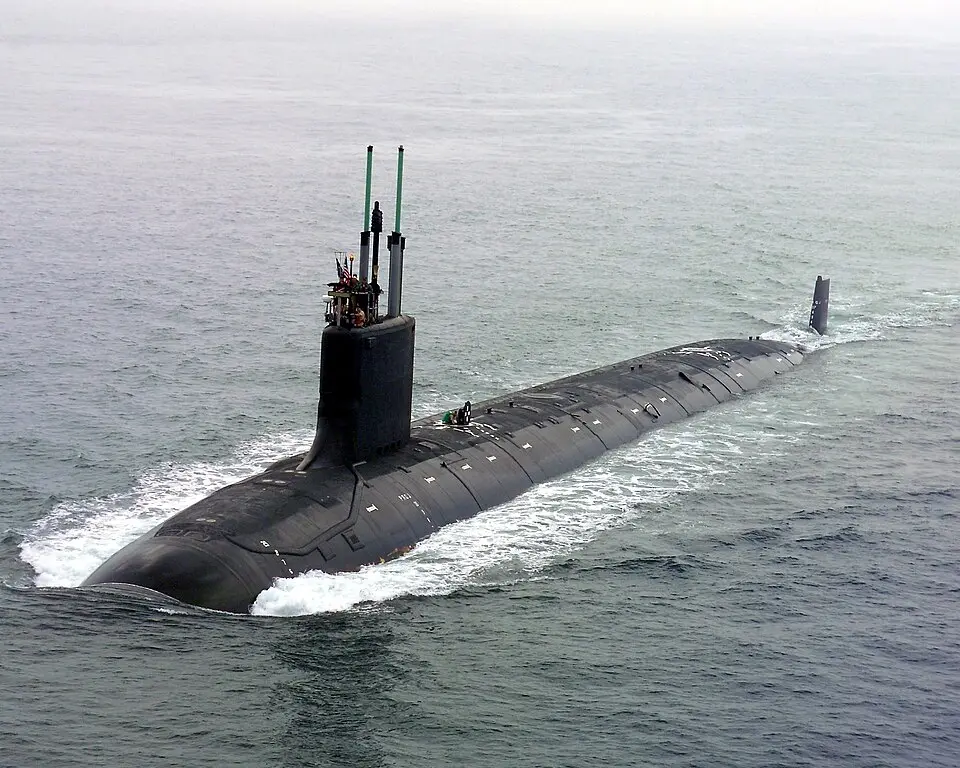
The fatal shot
On the night of 24 October 1944, while attacking a heavily escorted convoy, the USS Tang fired her last two torpedoes. The first found its target, but the second torpedo, launched at very close range, malfunctioned. It made a circular run, doubling back towards Tang herself. Within moments, the submarine was struck on her aft side by her own weapon, sinking quickly in the dark waters.
Trapped and rescued
Most of Tang’s crew were killed instantly or went down with the vessel. Commander O’Kane and eight others, trapped in the sinking submarine, escaped using a small escape chamber — an emergency feature rarely used in real combat. Rescued by a Japanese escort ship, these survivors were taken prisoner and spent the rest of the war in captivity.
Legacy and lessons learned
The sinking of the USS Tang by her own torpedo remains one of the most tragic ironies in naval history. Yet the submarine’s record of confirmed sinkings and the bravery of her crew left a lasting mark on US submarine warfare. The circular run of Tang’s torpedo exposed flaws in the American Mark 18 electric torpedo, which was later modified to reduce such risks.
Remembered as a legend
Though the Tang herself never returned, her story became part of naval training and history. Today, the name USS Tang is synonymous with skill, courage and an extraordinary yet tragic end, a submarine that could sink entire fleets, but whose final victim was, by fate, herself.
)
)
)
)
)