How deep-space telescopes are capturing 3I/ATLAS in real time

A unique comet from beyond our Solar System, 3I/ATLAS, is being tracked closely by powerful telescopes. It brings clues from distant stars and will soon pass near the Sun. Scientists hope to uncover secrets about its origin and nature.
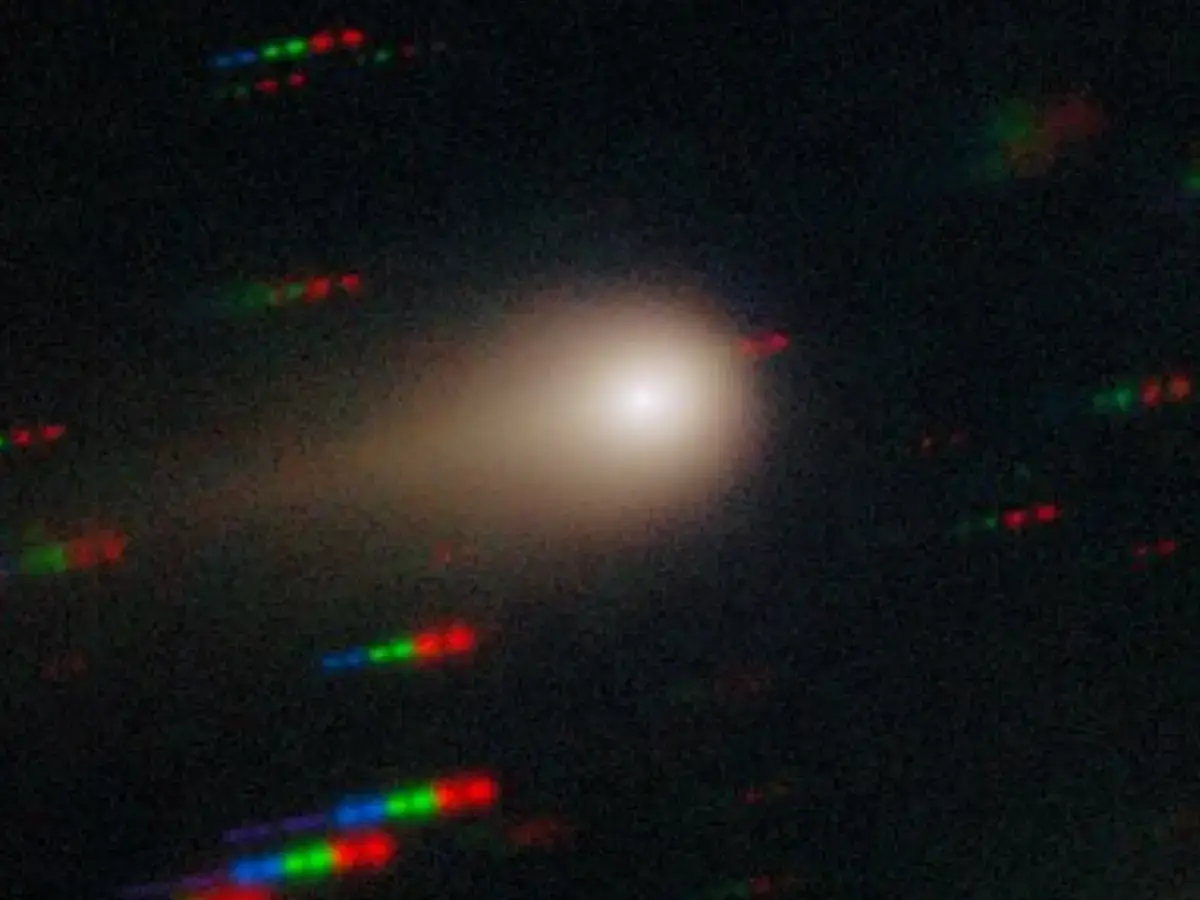
3I/ATLAS
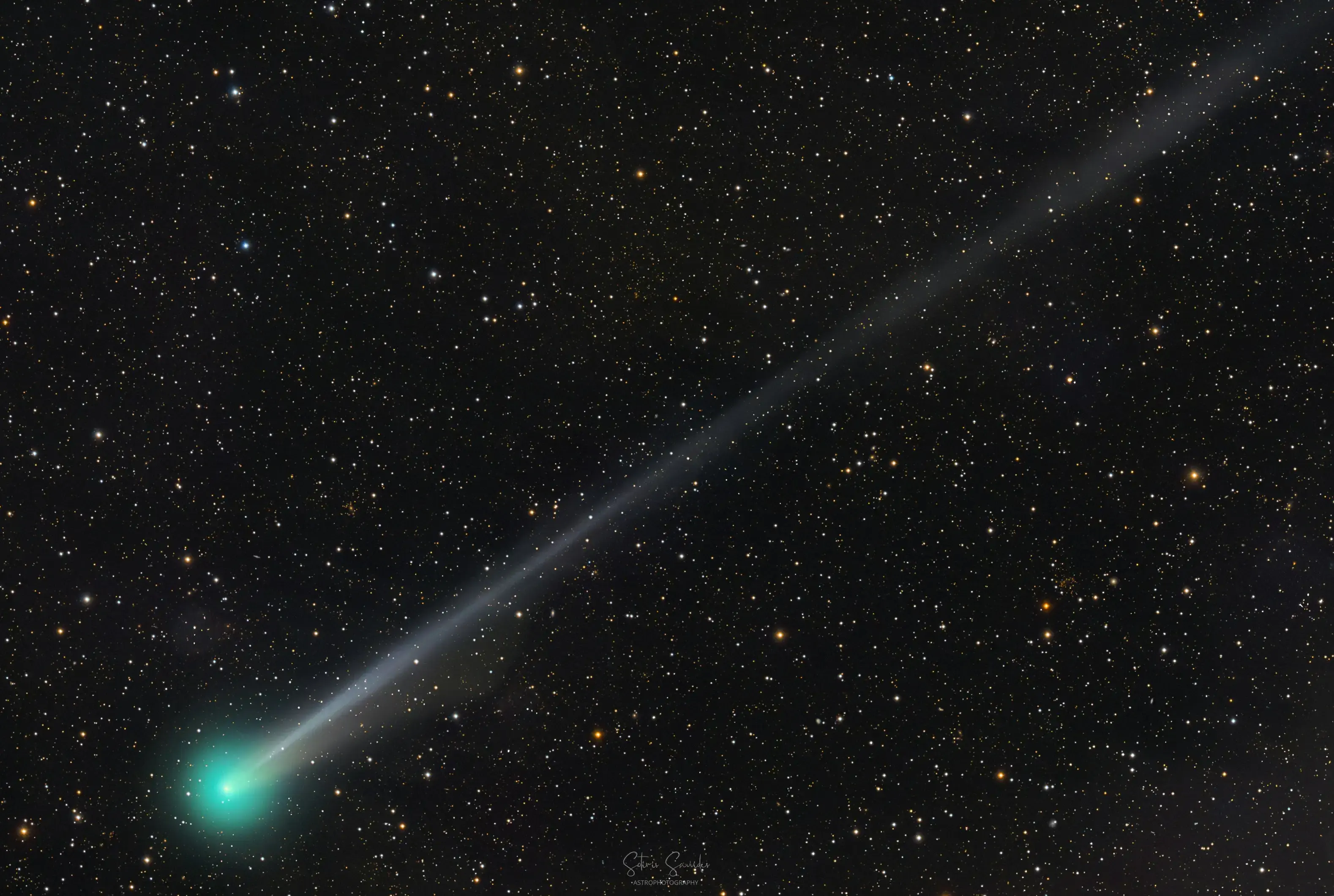
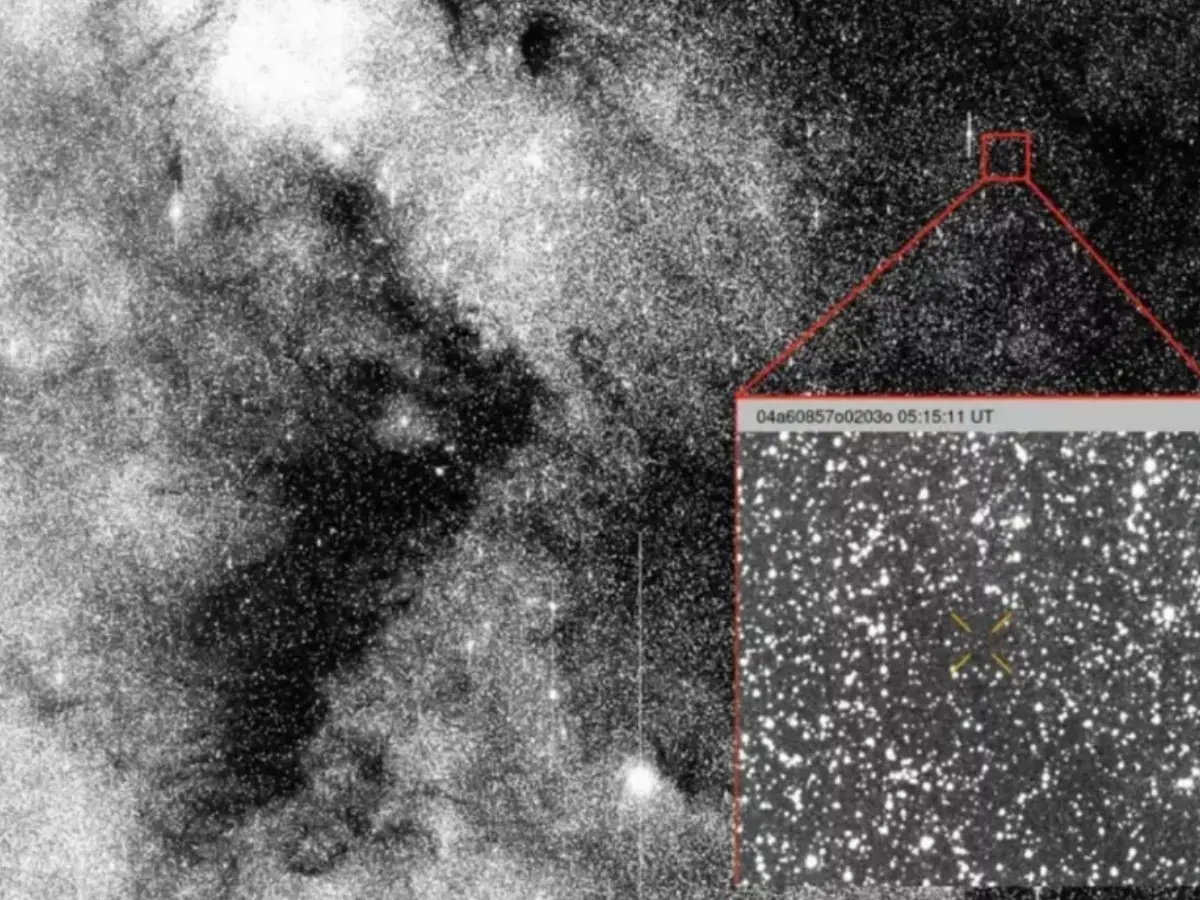
3I/ATLAS is the third known comet to come from outside our Solar System. Discovered on 1 July 2025 by the NASA-funded ATLAS telescope in Chile, it moves on a path that will take it close to the Sun but will not come near Earth. Scientists worldwide are eager to study it because it carries material from other parts of the galaxy
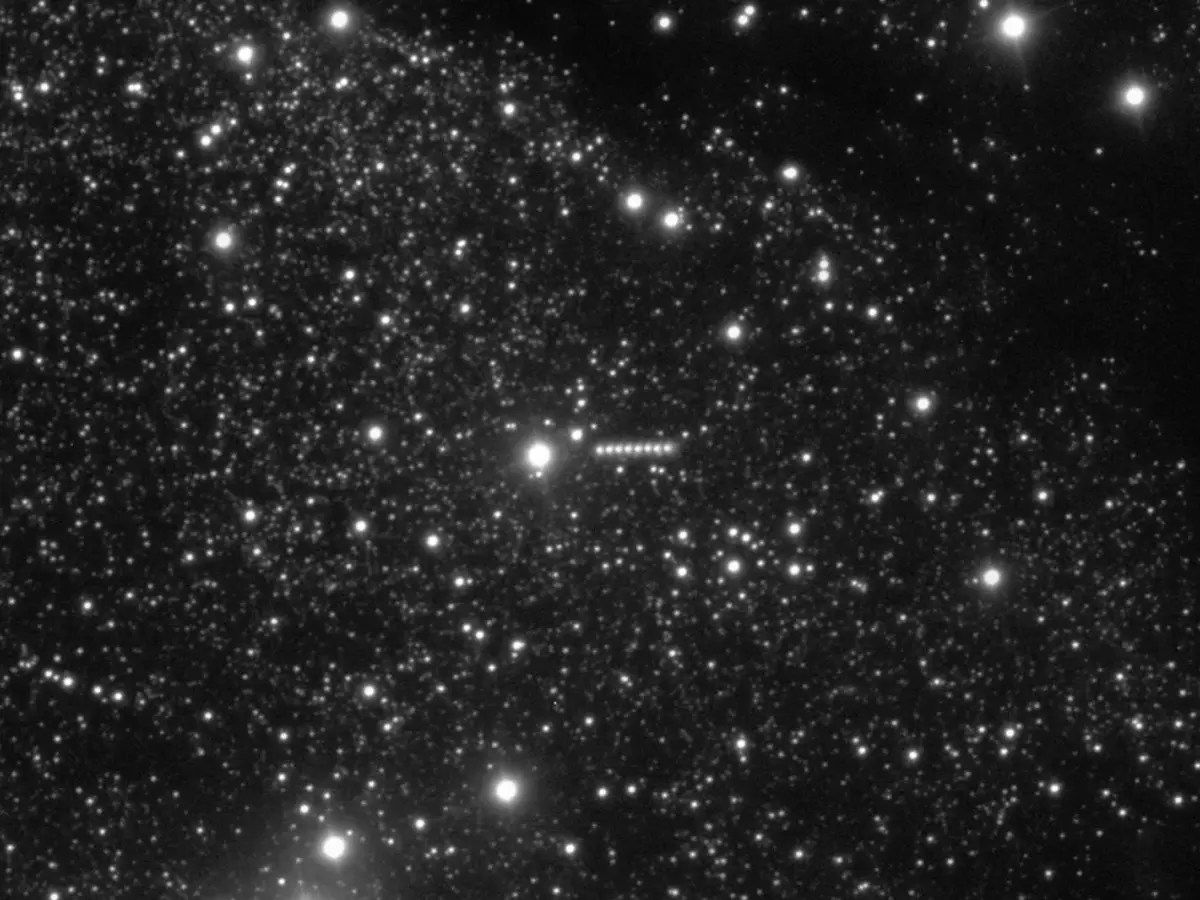
Telescopes Watching 3I/ATLAS
Both ground-based telescopes and those in space are monitoring 3I/ATLAS. Ground observatories such as Hawaii’s ATLAS survey and the Very Large Telescope in Chile track the comet’s brightness and shape. Meanwhile, space telescopes including the Hubble Space Telescope and the James Webb Space Telescope (JWST) capture detailed images and data without interference from Earth’s atmosphere.
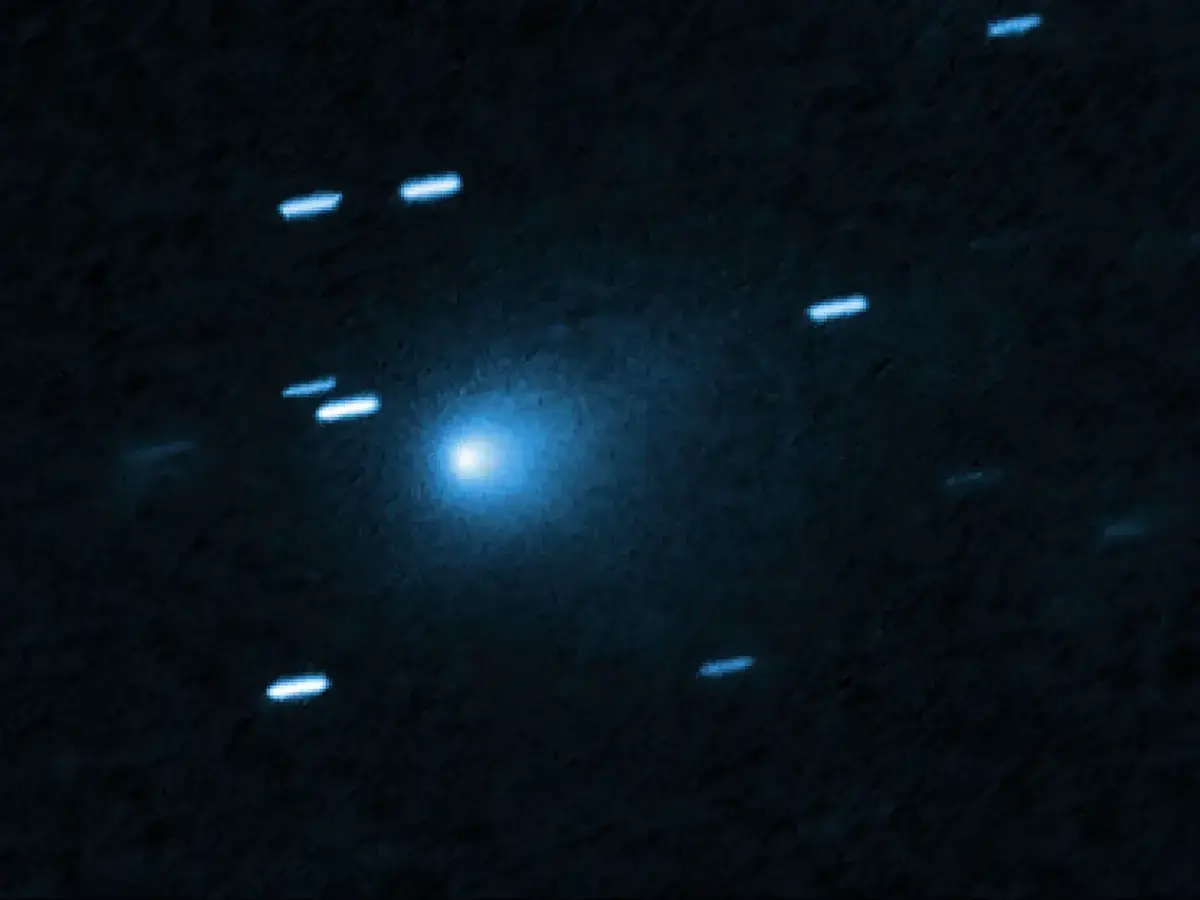
What Space Telescopes Observe
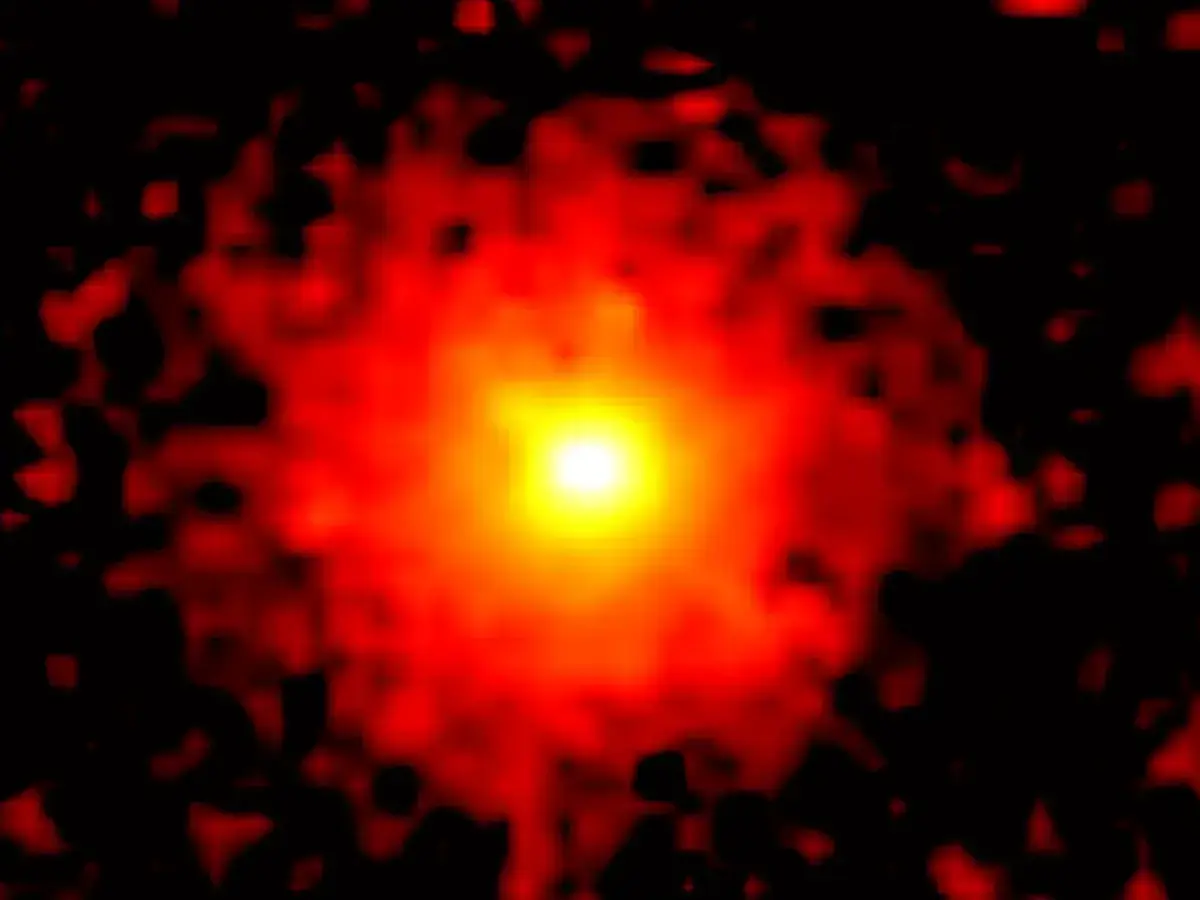
Space telescopes focus on the comet’s nucleus (its solid centre) and the surrounding cloud of gas and dust called the coma. JWST data show 3I/ATLAS has high amounts of carbon dioxide ice alongside smaller amounts of water ice, water vapour, carbon monoxide and carbonyl sulfide. Hubble estimates the nucleus to be less than 1 kilometre wide, with a possible size between 0.32 and 5.6 kilometres.
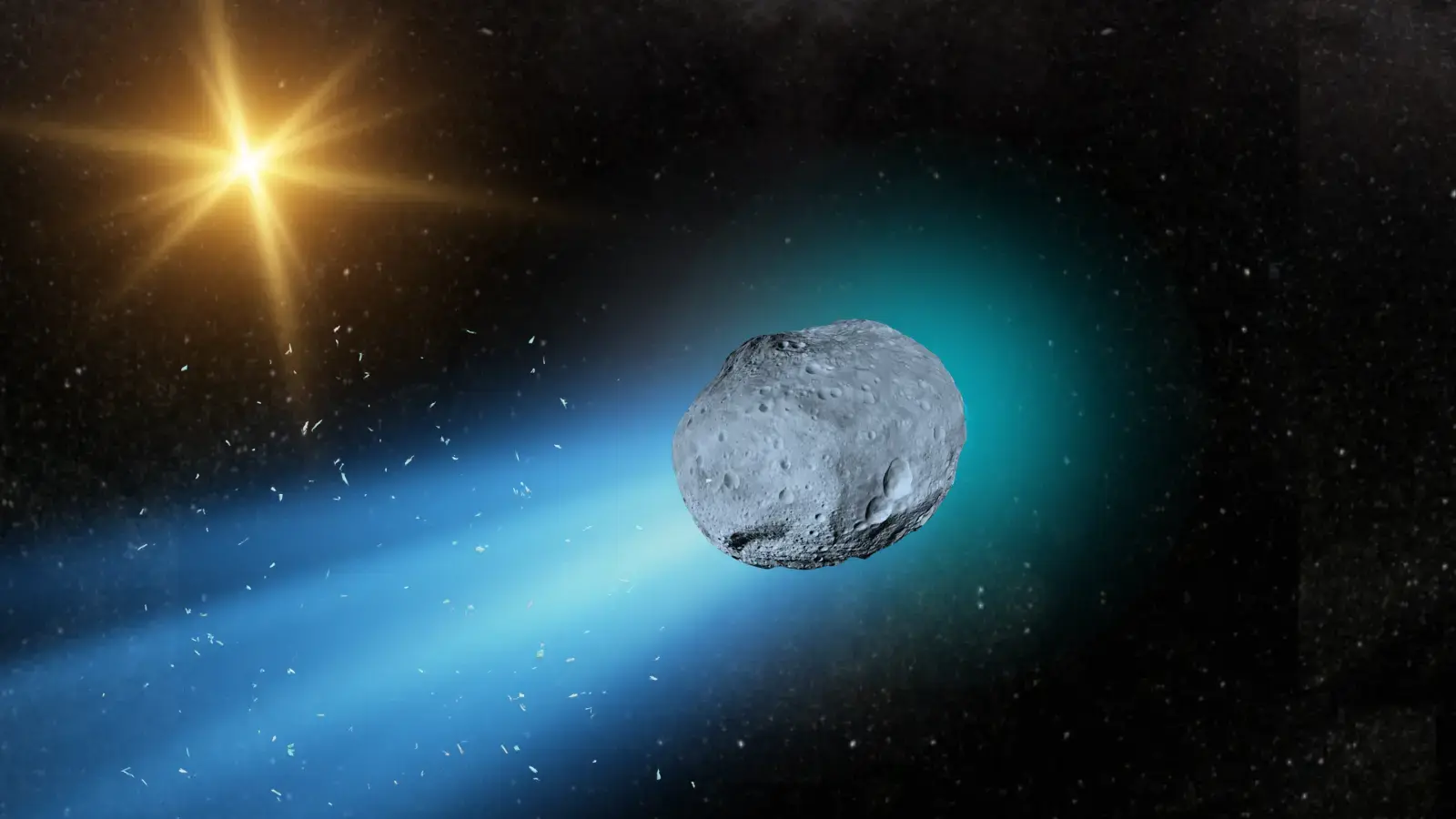
Real-Time Tracking Across the Solar System
3I/ATLAS moves quickly, so telescopes track its exact position constantly. NASA’s Eyes on the Solar System platform provides live updates of its location. Some spacecraft orbiting nearby planets like Mars also take images of the comet during close encounters to study its activity from different angles
Challenges During Solar Conjunction
When 3I/ATLAS moves behind the Sun from Earth’s viewpoint, it becomes hard or impossible to see with ground telescopes due to the Sun’s glare. However, space telescopes can sometimes observe it even during this solar conjunction period. This helps avoid gaps in data collection and allows scientists to continue studying the comet’s behaviour.
Scientific Techniques Used
Scientists use spectroscopy, which involves splitting the comet’s light into different colours to find what gases and molecules it contains. Polarimetry checks the properties of the dust and ice by measuring reflected light. These techniques give clues about the comet’s composition and origin outside the Solar System.
What Happens Next
3I/ATLAS reached its closest point to the Sun on 29 October 2025, about 1.36 astronomical units away (around 203 million kilometres). It will then travel past Mars, Venus, and Jupiter before leaving the Solar System. Scientists will keep watching to understand how such interstellar objects behave when heated by the Sun.
)
)
)
)
)