How canisterization made Agni-V more mobile and deployment-ready

Canisterization reduced Agni-V launch time from hours to minutes. Maraging steel canisters withstand 300-400 tonnes thrust. Eight-axle Tatra trucks transport three missiles. Shelf life extends to 15 years. Rail and road deployment covers entire India.
Canisterization Reduced Reaction Time From Hours to Minutes
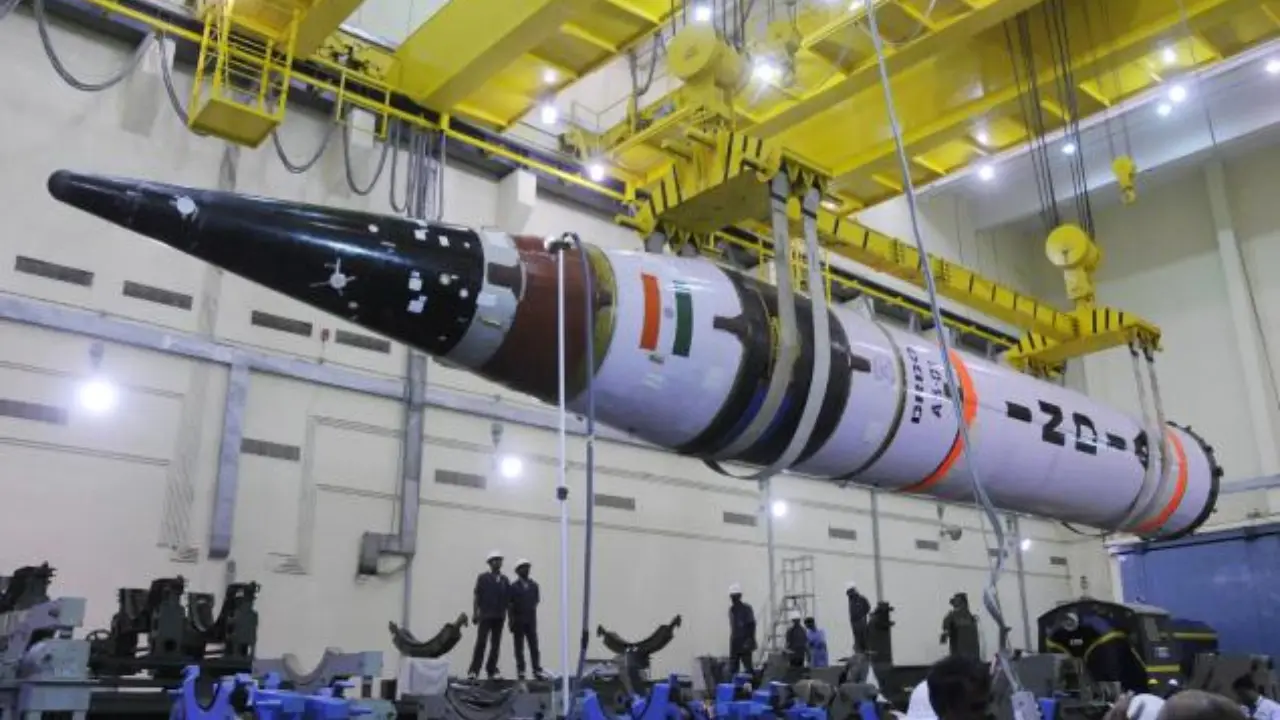
Agni-V's canister design enables launch within minutes from "stop-to-fire" readiness. Earlier uncanisterised missiles required hours for fuel loading, guidance alignment, and launch pad preparation. This drastic time reduction provides crucial advantage during rapid response scenarios.
Maraging Steel Canisters Withstand 300-400 Tonnes Thrust
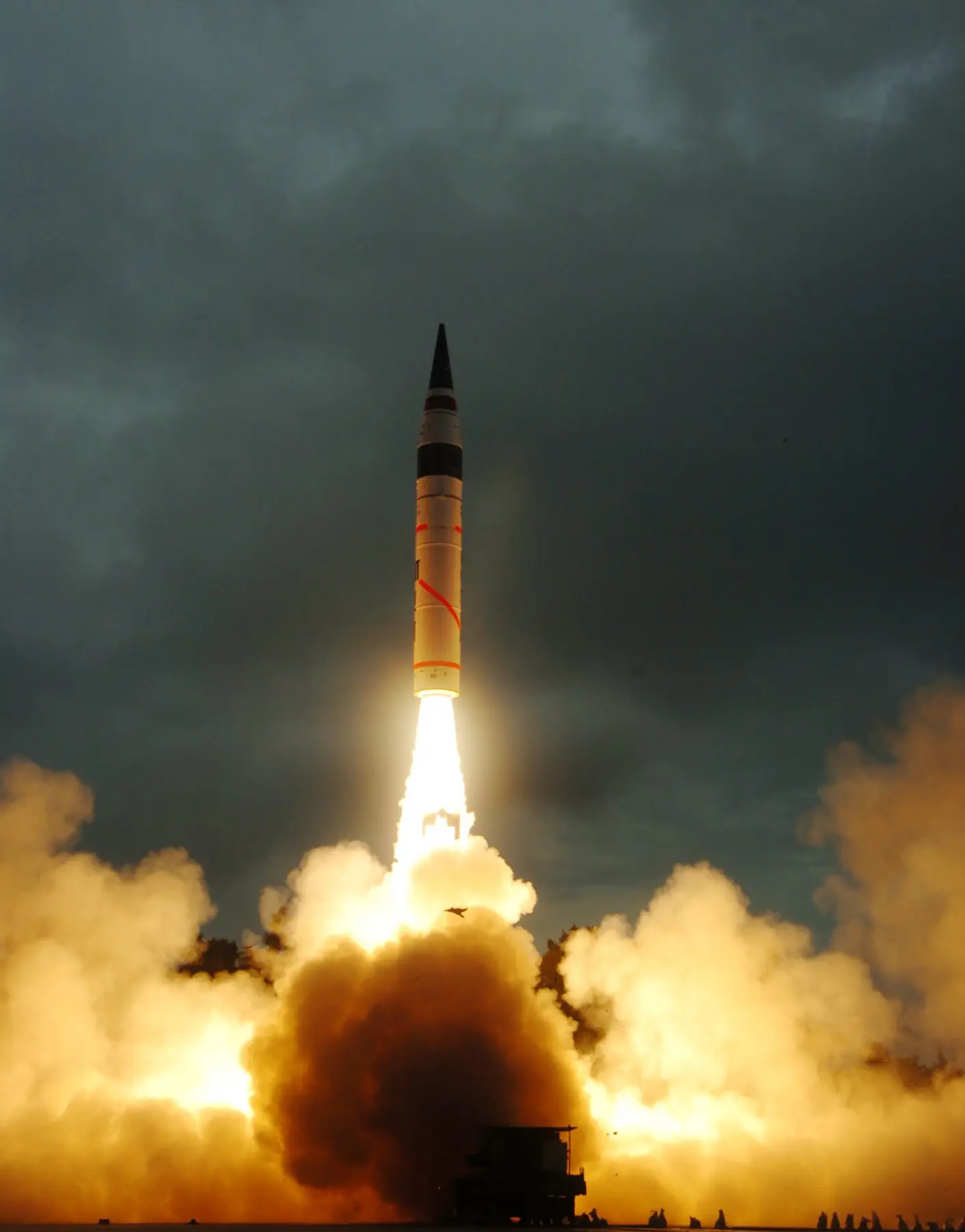
Agni-V's hermetically sealed canisters made from maraging steel absorb tremendous forces generated during cold launch ejection. These specialized containers withstand 300 to 400 tonnes-force (2,900 to 3,900 kilonewtons) whilst remaining lightweight and portable for mobile deployment.
Eight-by-Eight Tatra TEL Truck Carries Three Missiles
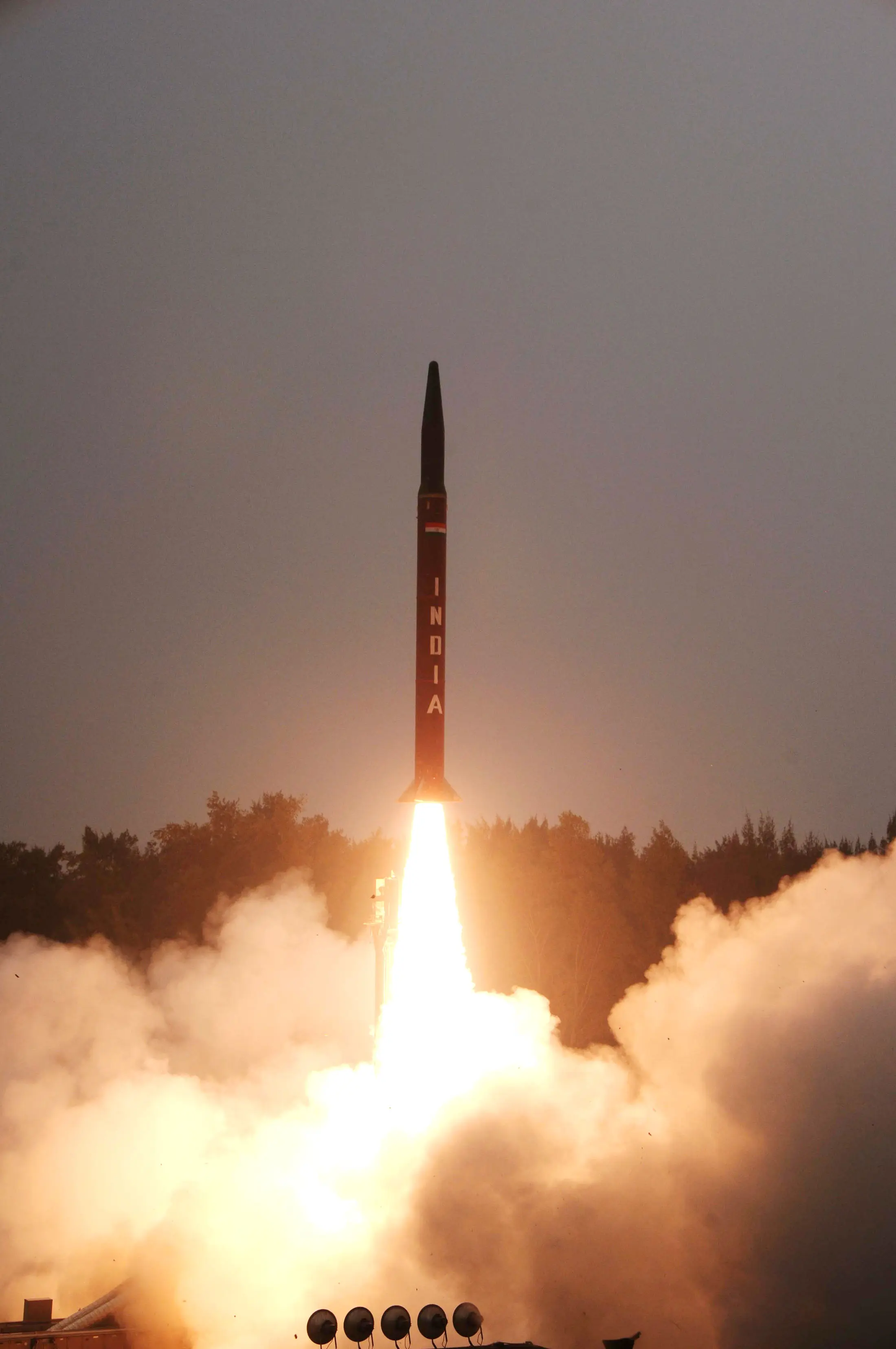
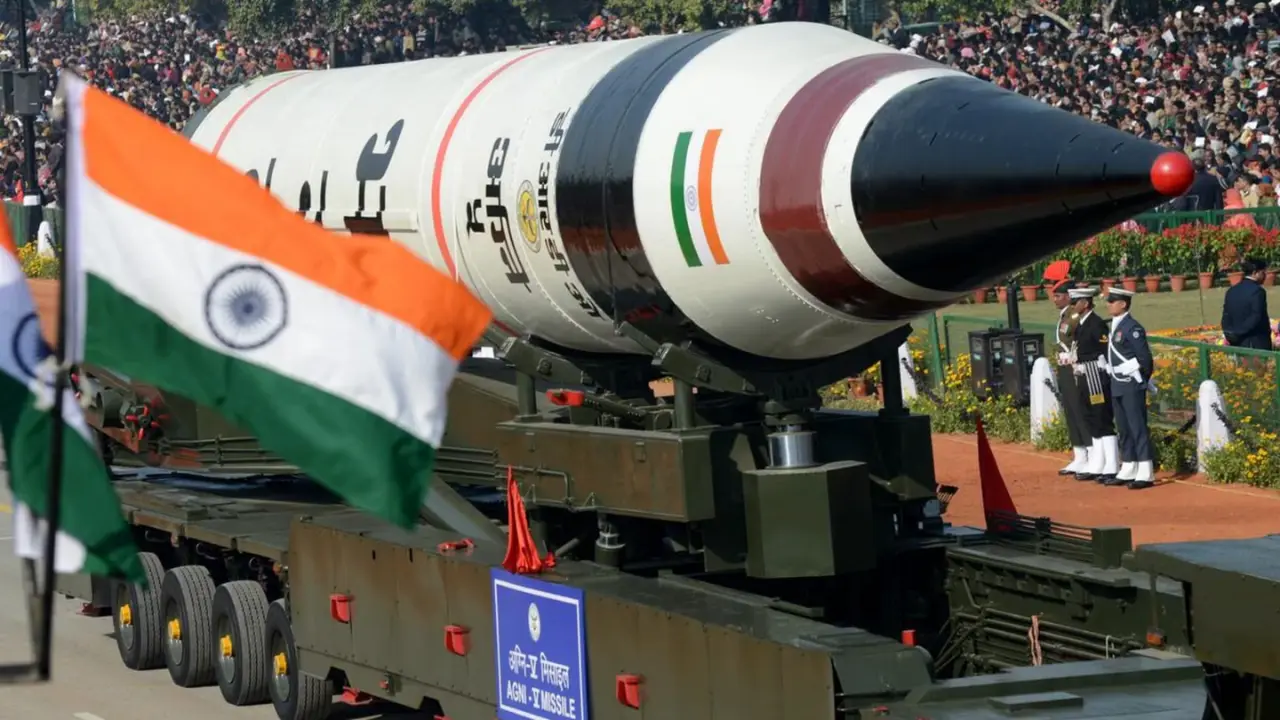
Each mobile launcher consists of a three-axle Volvo truck pulling a seven-axle Tatra trailer capable of transporting three canisterised Agni-V missiles. The 140-tonne launcher measures 30 metres length, enabling movement through most Indian road networks without requiring special infrastructure.
Hermetically Sealed Storage Extends Shelf Life to 15 Years
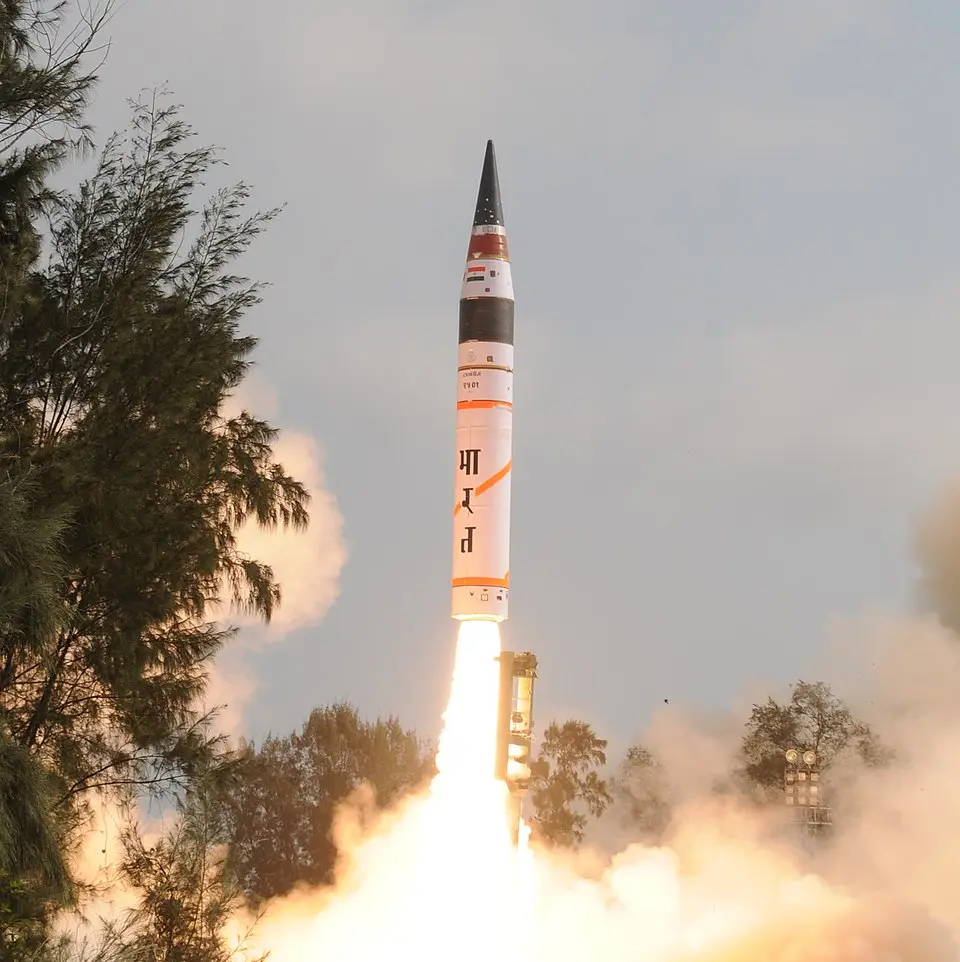
Canisterized Agni-V remains operational for 10-15 years through hermetic sealing maintaining inert atmosphere around the missile. This preservation eliminates moisture, salt spray, and temperature-induced degradation, compared to exposed missiles requiring maintenance every 2-3 years.
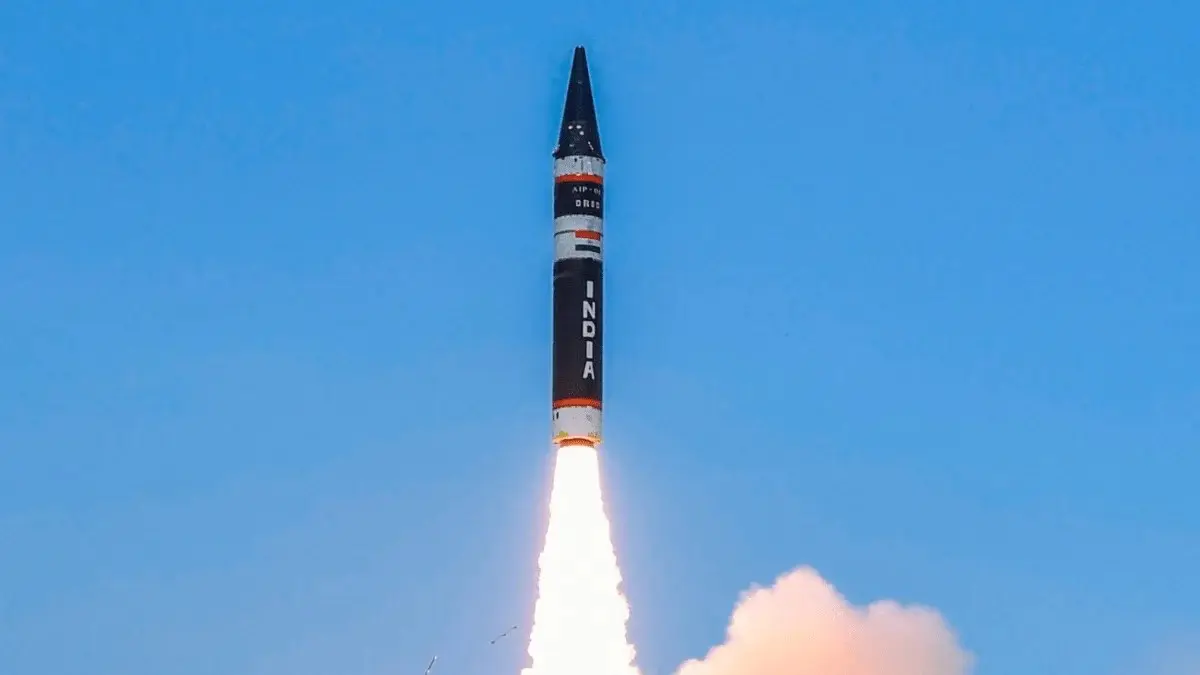
Road-Mobile Deployment Covers Entire National Territory
Agni-V can launch from any location within India's territory via road-mobile transporters. This unrestricted deployment flexibility means the armed forces select launch sites avoiding predictable patterns, forcing adversaries to consider defending vast areas rather than fixed locations.
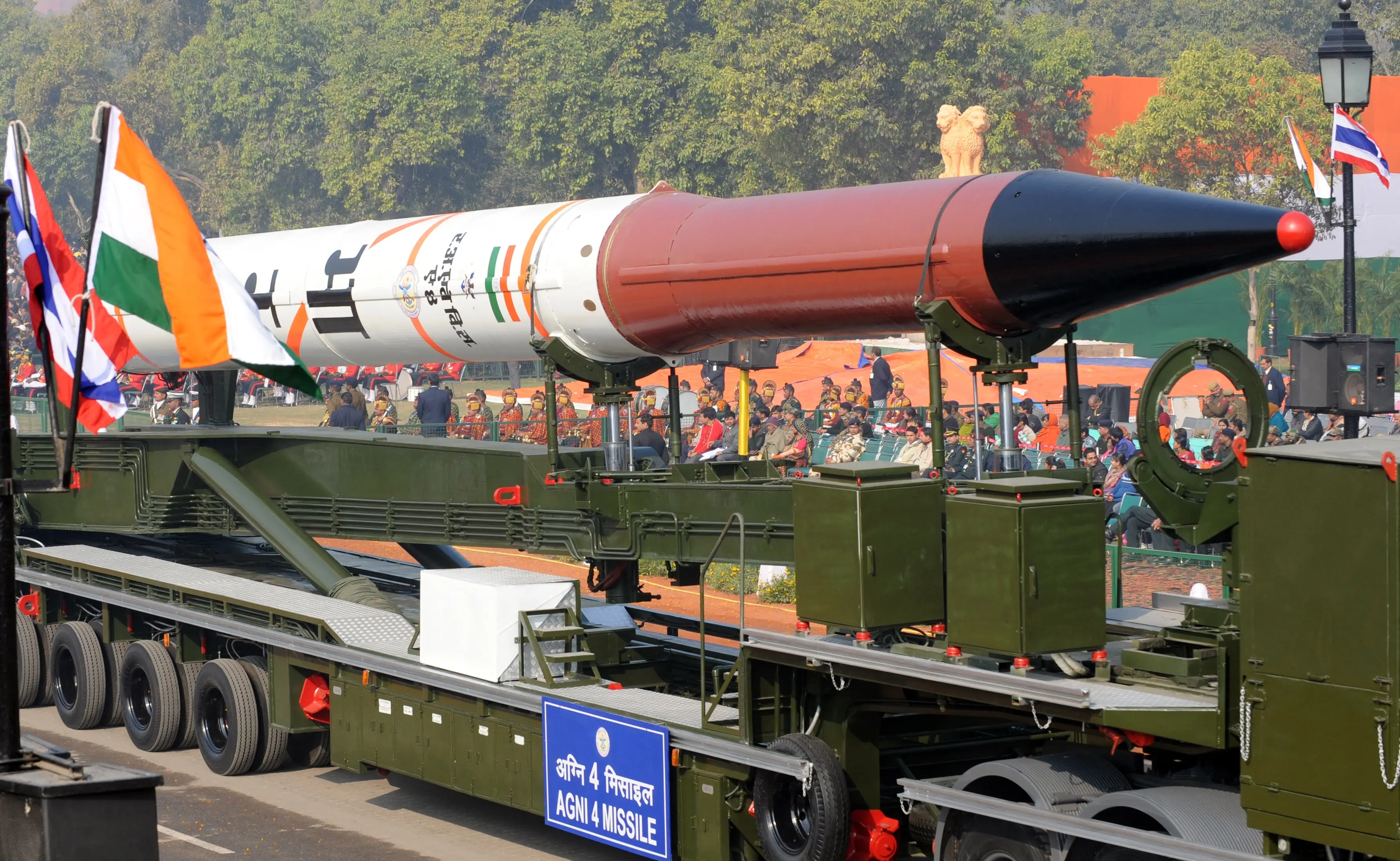
Rail-Based Canister Launch Adds Strategic Depth
September 2025 trials demonstrated Agni-V launching successfully from rail wagons traversing national railway networks. Rail deployment reaches North East and Himalayan regions previously difficult to access, expanding strategic positioning options across thousands of kilometres.
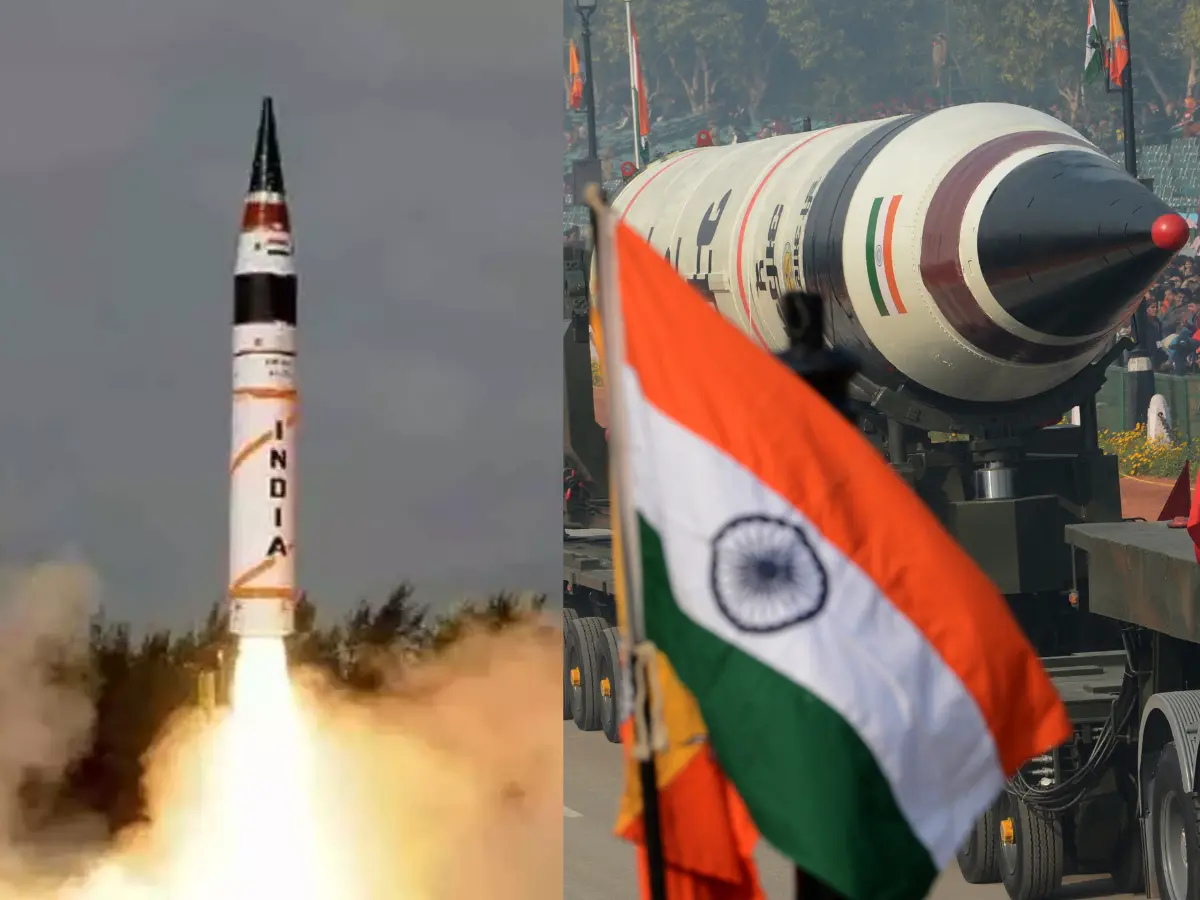
No External Power Source Required for Launch Operations
Each canisterised launcher incorporates a 23 kilowatt-hour generator and hydraulic power pack enabling autonomous launch operations without external logistics or power supply. This independence allows deployment in remote areas without infrastructure support.
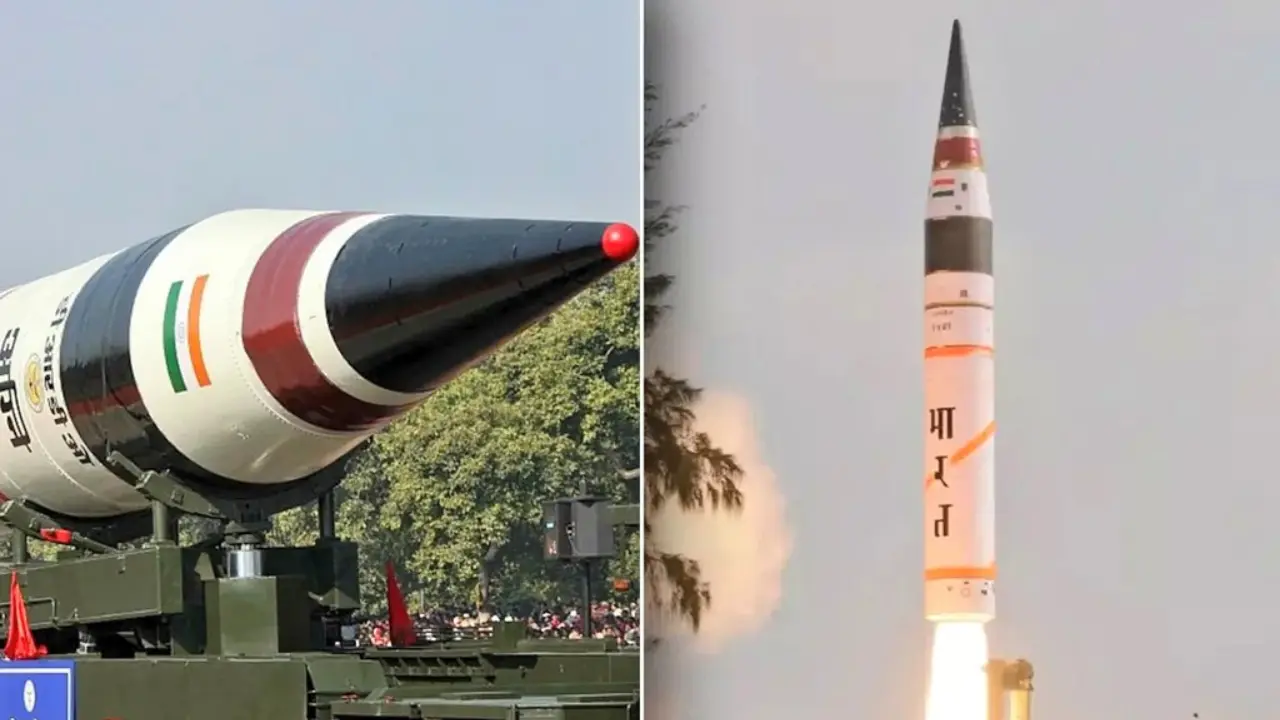
Cold Launch Mechanism Prevents Vehicle Damage
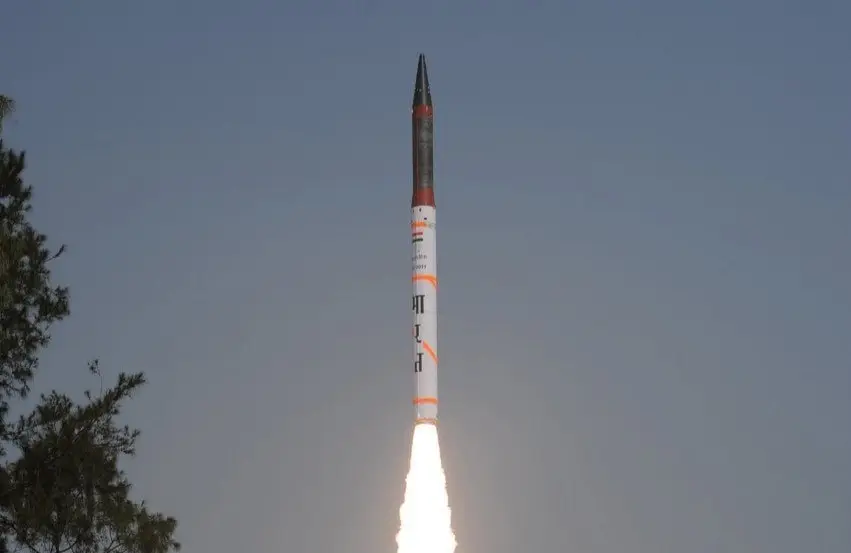
Cold launch ejection using pressurised gas propels missiles from canisters before engine ignition, preventing exhaust heat damaging the launch vehicle or surrounding area. This cold launch advantage enables launches from confined spaces and urban environments inaccessible to conventional systems.
Reduced Radar Cross-Section Improves Survivability
Sealed canister design minimises radar reflection compared to exposed missile structures on older launchers. Combined with high mobility, this reduced electromagnetic signature makes detection and tracking significantly more difficult for adversary surveillance systems.
Future Multi-Role Canister Platform Envisioned
DRDO planners envision future canister systems capable of carrying multiple missile types interchangeably. This plug-and-play flexibility would enable single mobile launchers deploying different range missiles based on operational requirements, multiplying strategic options exponentially.
)
)
)
)
)