How can the A-10 Warthog fly with heavy damage?

The A-10 Warthog survives heavy battle damage using a 540-kilogramme titanium cockpit, redundant flight controls, and widely spaced twin engines, allowing it to fly even with missing parts.
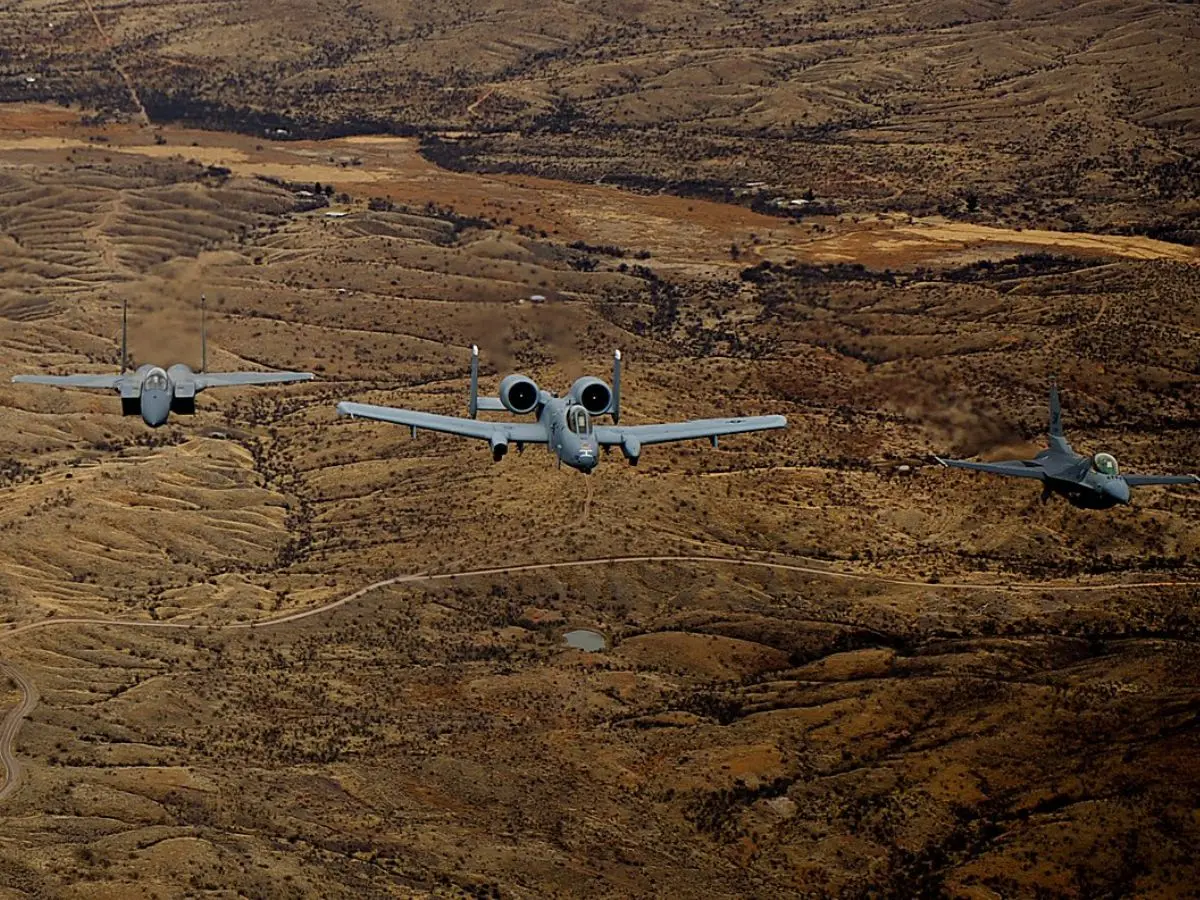
540-kg titanium pilot bathtub
The A-10 protects its pilot with a massive 540-kilogramme titanium shield. This bathtub structure is 38 millimetres thick in crucial areas, effortlessly absorbing direct hits from ground fire without compromising the cockpit.
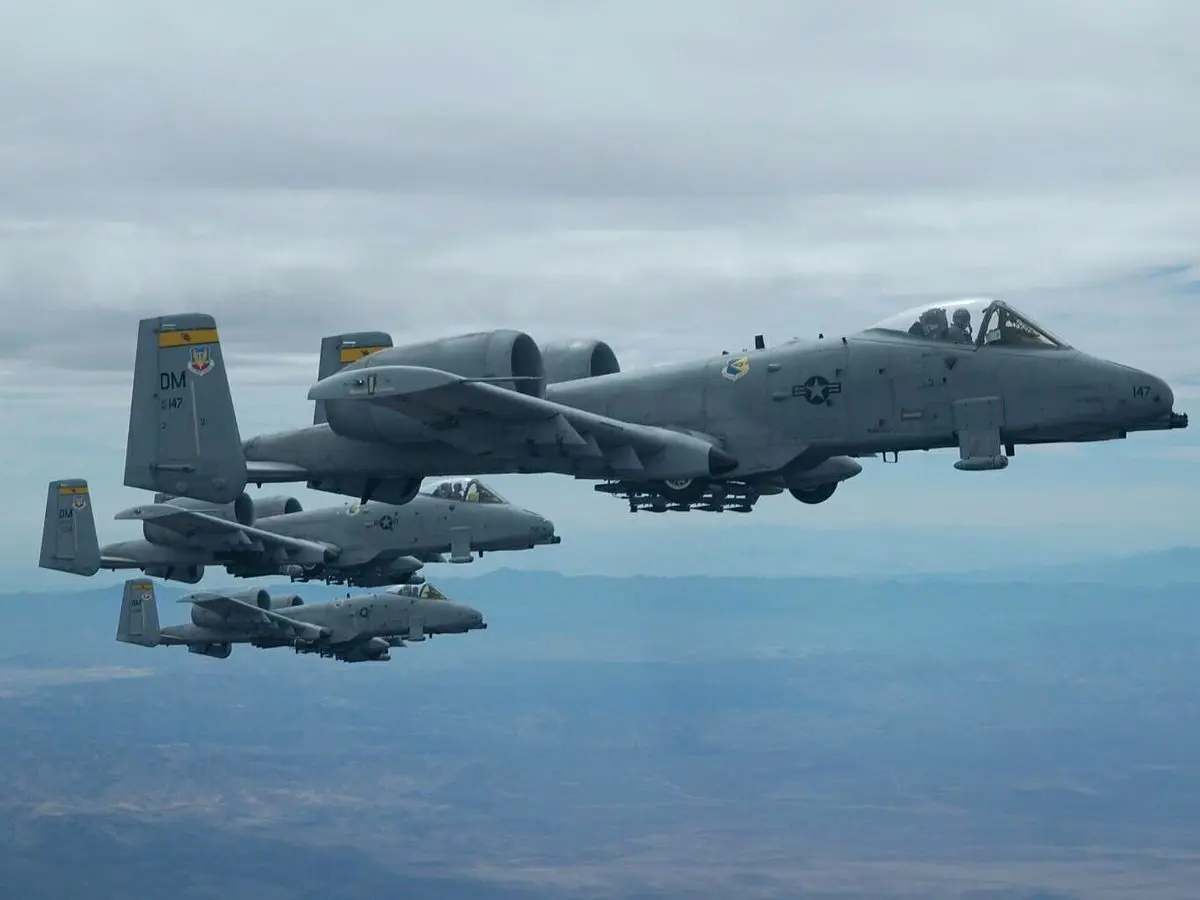
3 redundant flight systems
If enemy fire destroys the double-redundant hydraulic systems, the aircraft does not crash. Pilots can engage a mechanical backup system, using cables shielded inside the titanium tub to manually steer the jet.
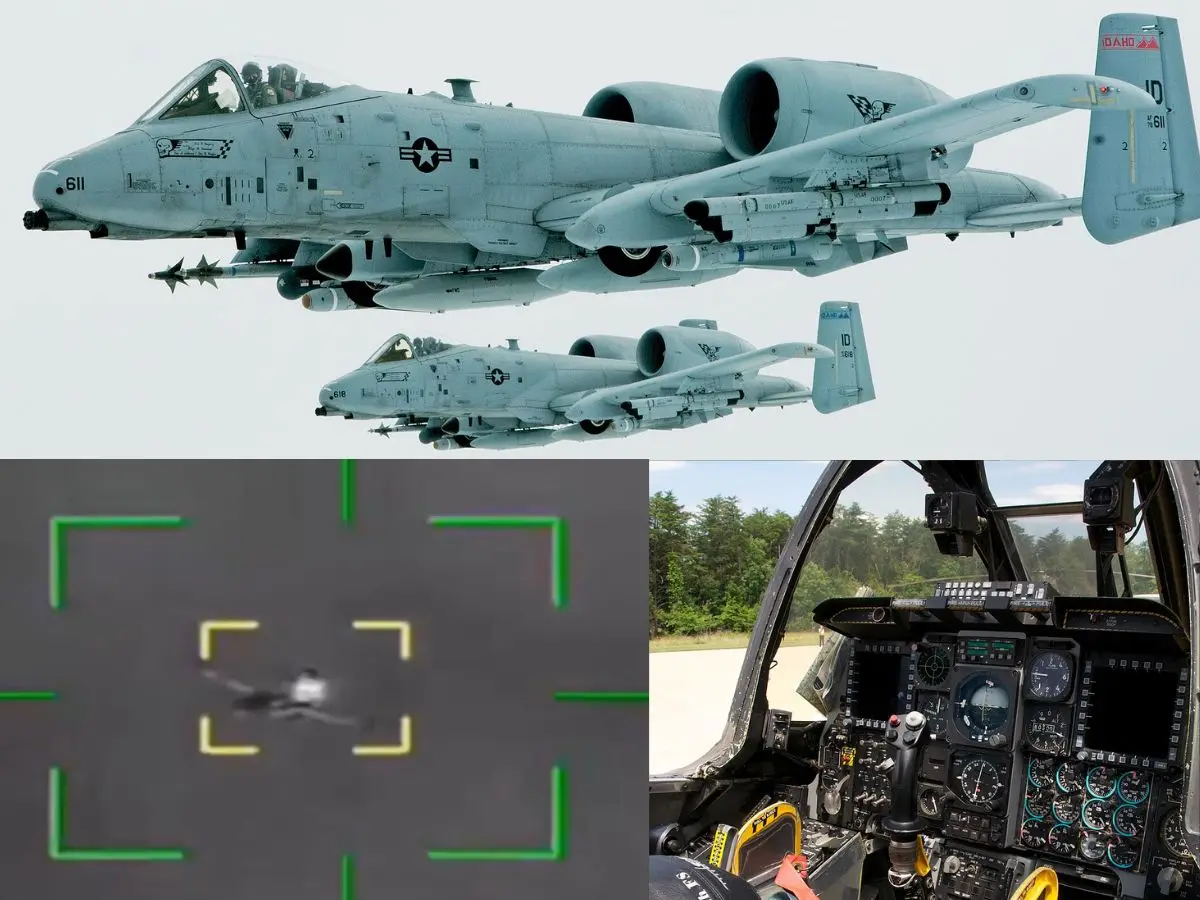
2 widely spaced engines
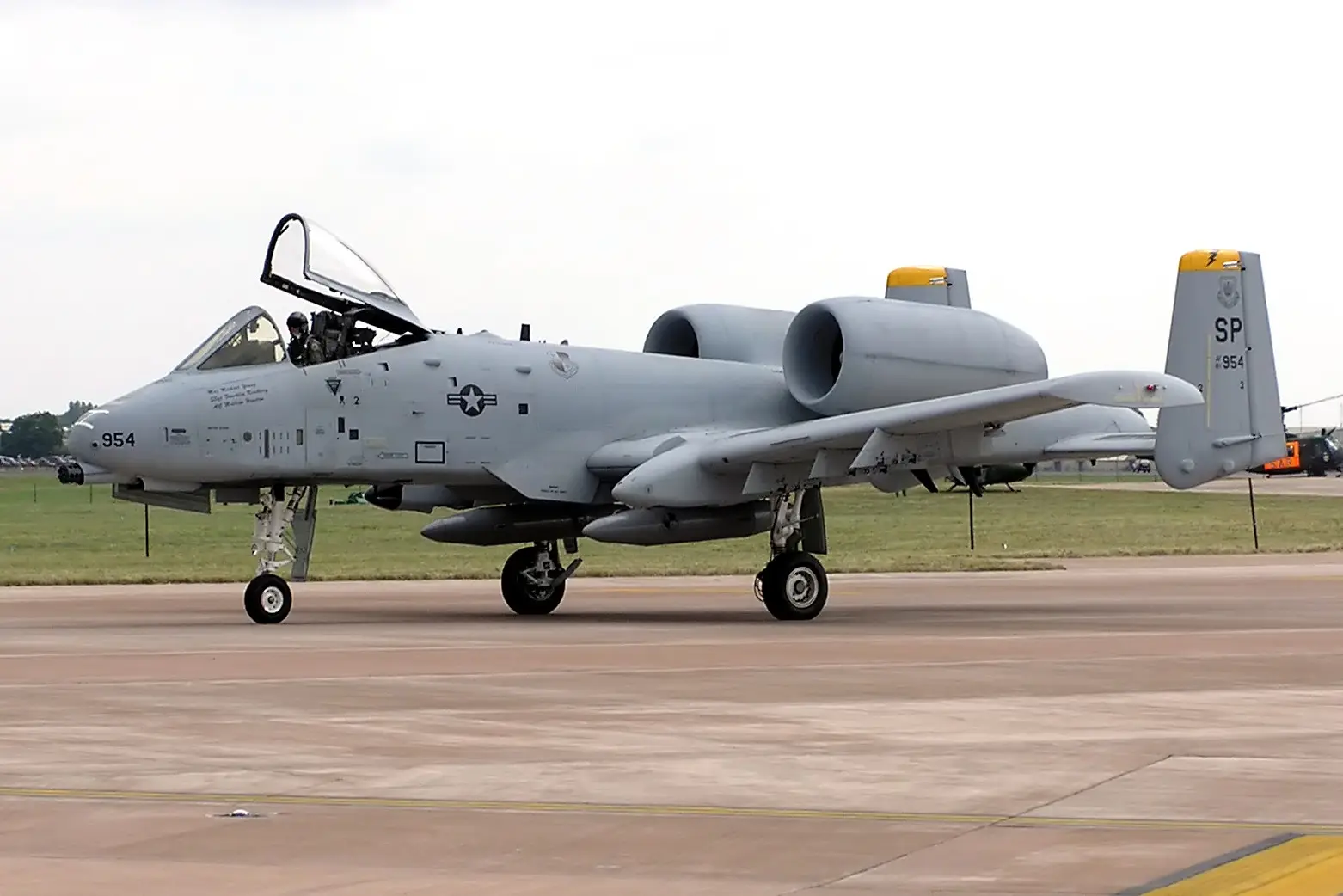
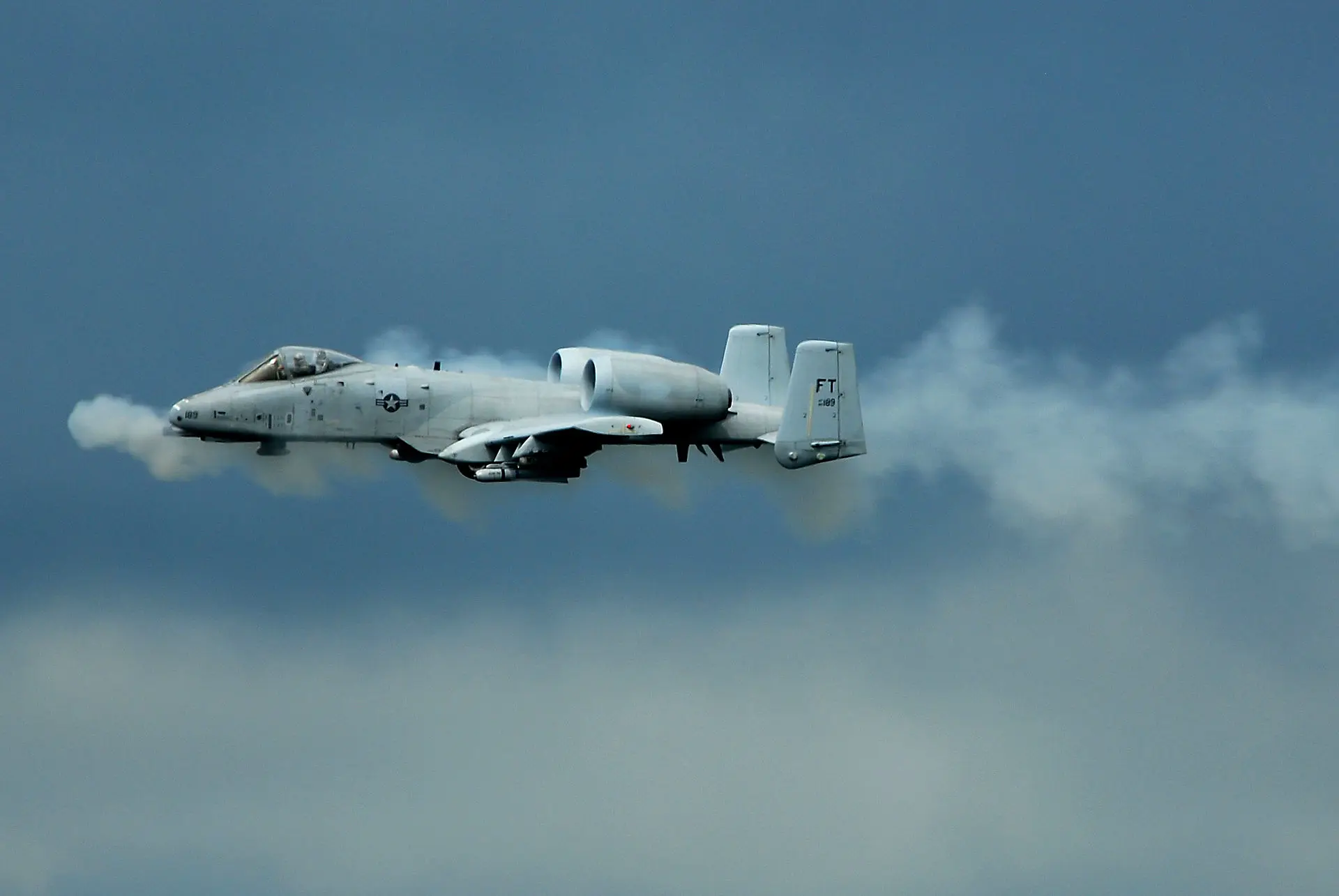
The jet features two large engines mounted high and far apart on the fuselage. This specific placement ensures that a catastrophic missile hit to one engine will not disable the other.
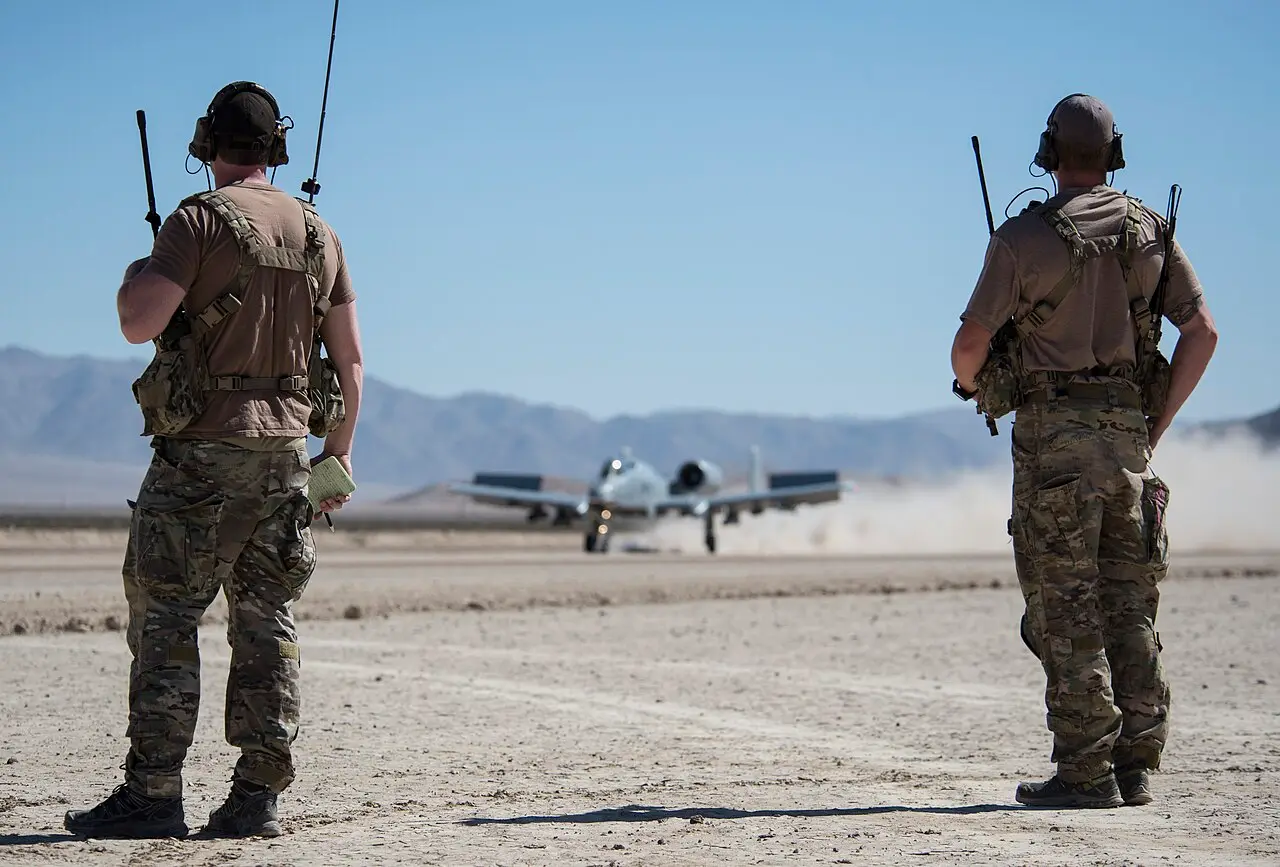
Survives 23 mm projectiles
Built for close air support, the airframe is engineered to absorb devastating impacts. The aircraft can effortlessly survive direct hits from 23-millimetre armour-piercing and high-explosive anti-aircraft rounds.
Flies missing 1 engine
The aircraft's exceptional aerodynamic design allows it to remain airborne despite severe structural losses. Combat history proves the A-10 can safely fly with one engine, one elevator, and half a wing missing.
Self-sealing tanks & protective foam
To prevent explosions from direct gunfire, the fuel cells are encased in special chemical foam. These internal and external foam layers make the tanks self-sealing, immediately stopping massive fuel leaks upon impact.
Over 100 survivability features
The aircraft was designed from inception with over 100 distinct survivability features. Its lightweight honeycomb wing panels are not load-bearing, allowing ground crews to quickly replace combat-damaged sections on the battlefield.
)
)
)
)
)