How can helicopters survive in a drone- and missile-dominated battlefield?

Helicopters survive modern battlefields by flying "nap-of-the-earth" to hide from radar and using drones (MUM-T) as forward scouts. They employ long-range missiles to strike from safety, while high-tech lasers (DIRCM), flares, and electronic warning suites protect them from incoming threats.
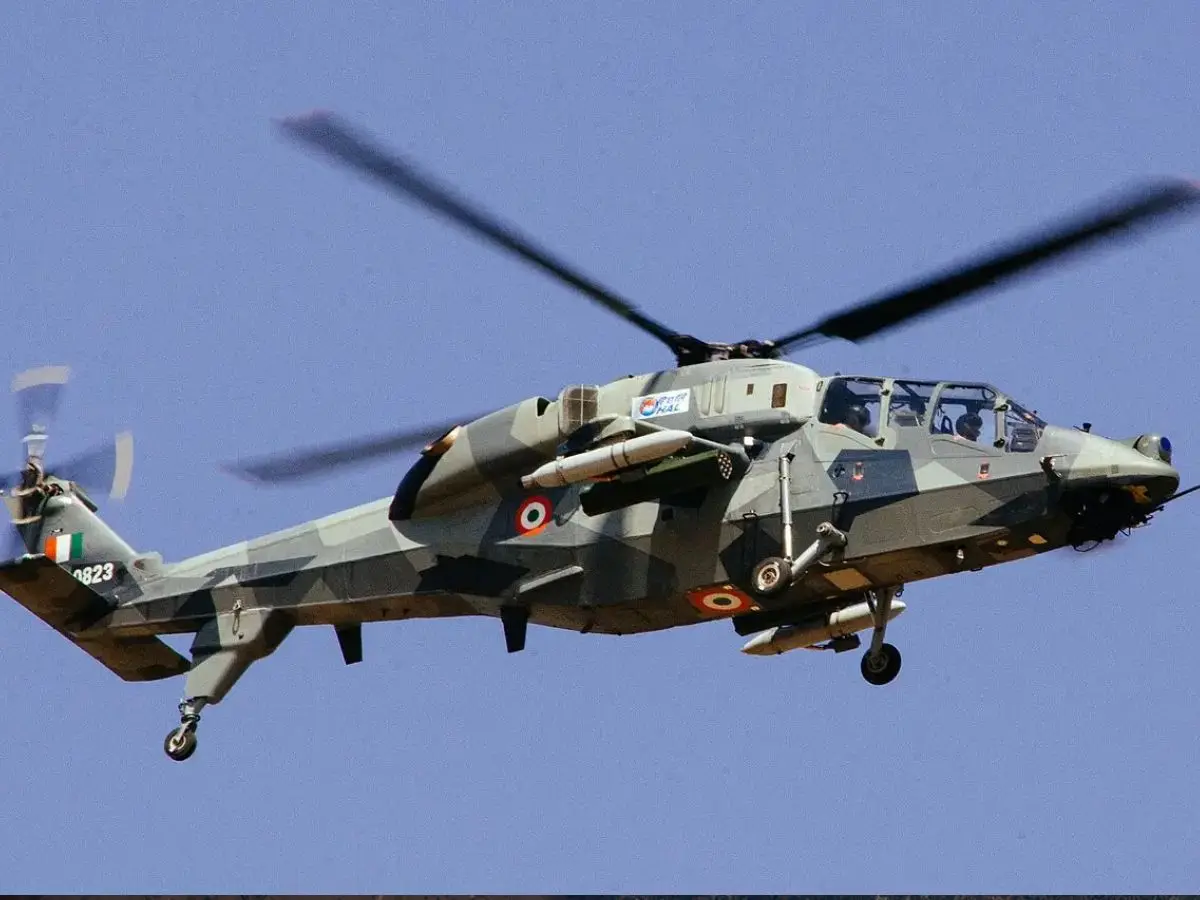
Terrain Masking
To avoid radar, pilots fly just feet above the ground, using trees and hills as shields. The US Army field manuals state that this "terrain masking" blocks the line of sight, making it nearly impossible for long-range missiles to lock onto the aircraft.
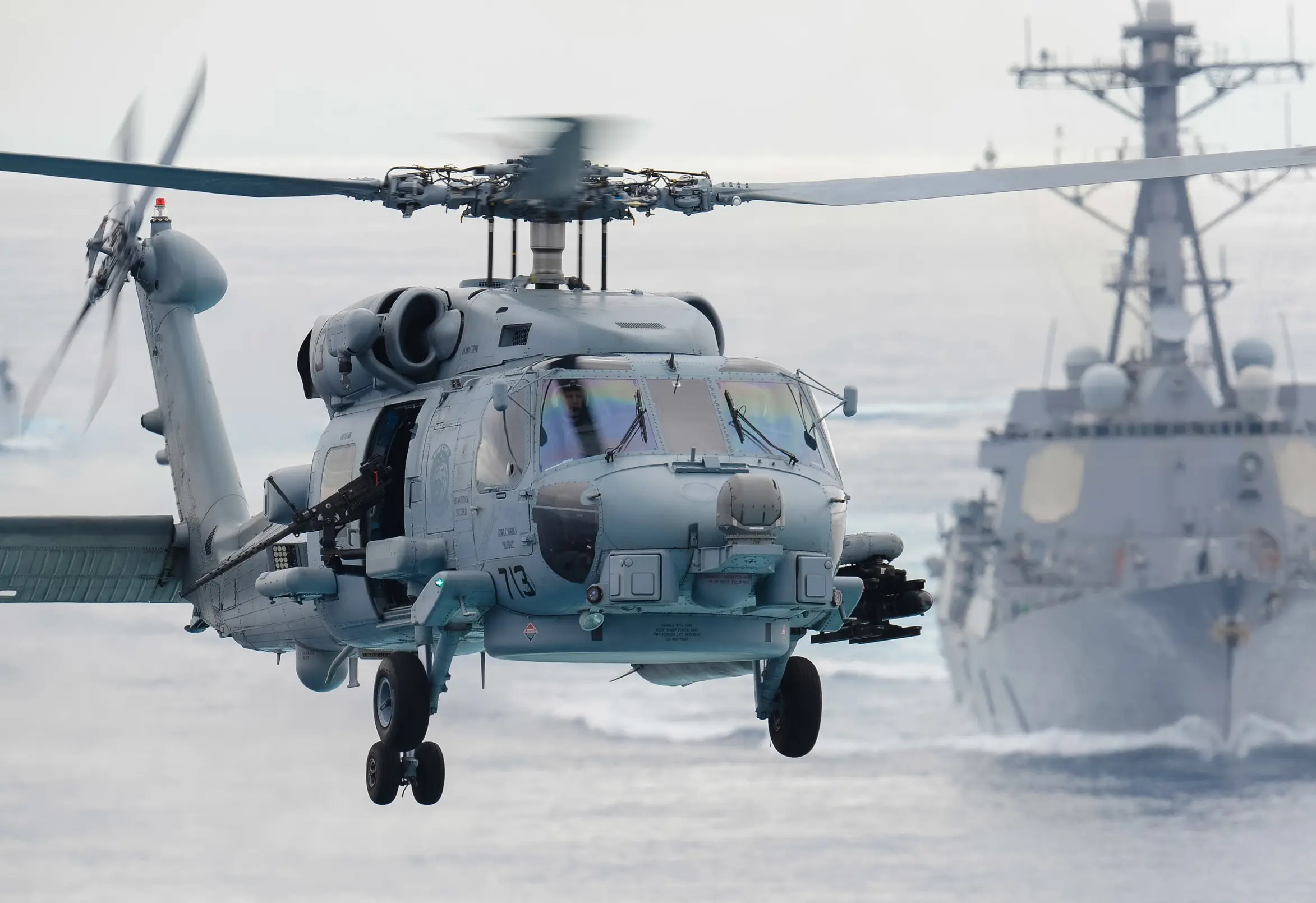
The Robot Wingman Manned-Unmanned Teaming
Helicopters now use drones as forward scouts to spot danger first. Boeing explains that Apache pilots can control UAVs from the cockpit, allowing them to identify targets and threats without ever exposing the crew to enemy fire.
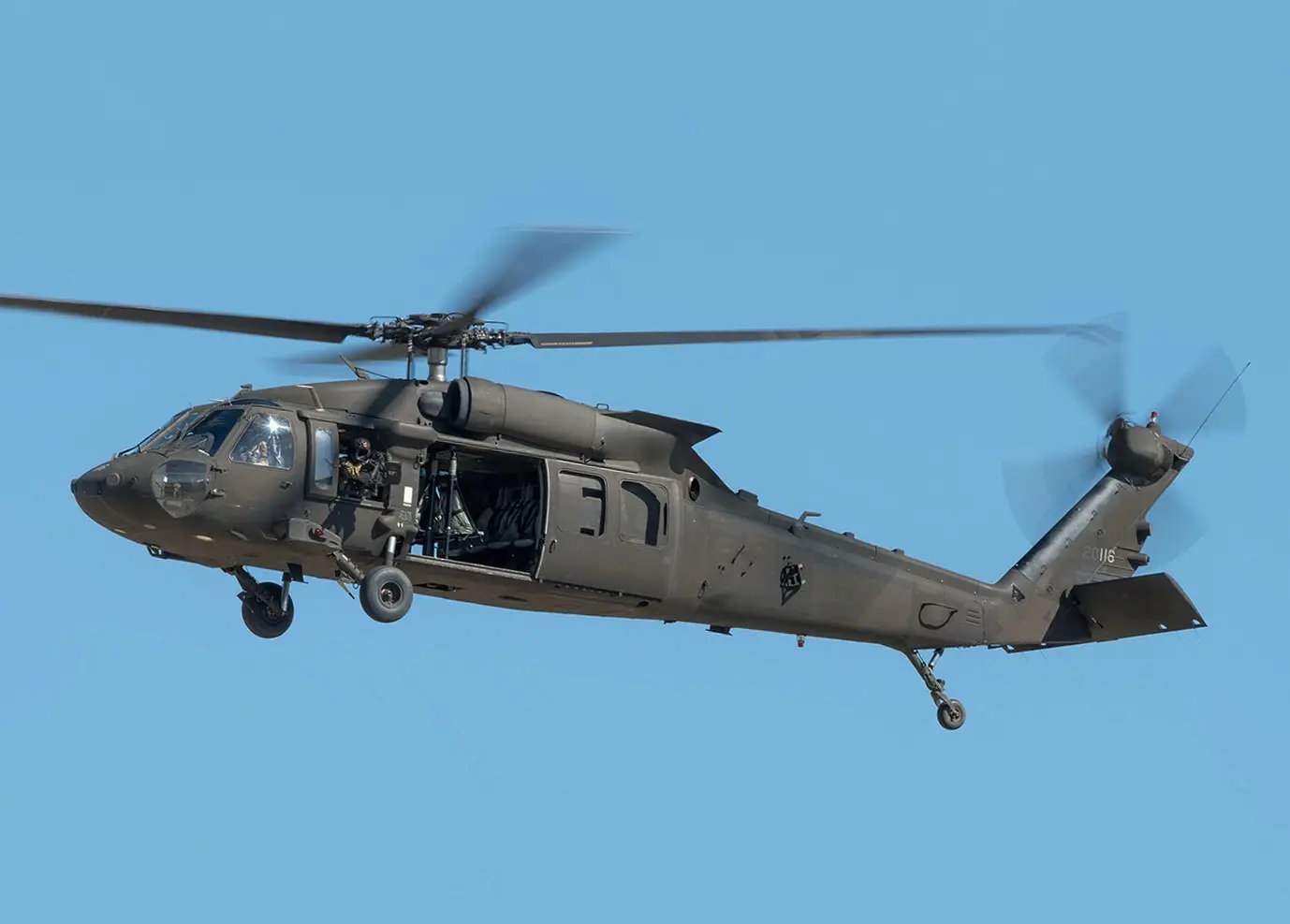
Blinding the Missiles Laser Countermeasures (DIRCM)
Modern helicopters fight back against heat-seeking missiles with lasers. Northrop Grumman notes that Directed Infrared Countermeasure (DIRCM) systems fire high-powered energy beams to blind incoming missile sensors, causing them to veer off course.
Shooting from Safety Long-Range Standoff Weapons
Helicopters stay alive by killing from a distance. Rafael Advanced Defense Systems reports that missiles like the Spike ER2 allow pilots to strike targets from over 10 kilometres away, keeping the aircraft well outside the range of most portable air defence systems.
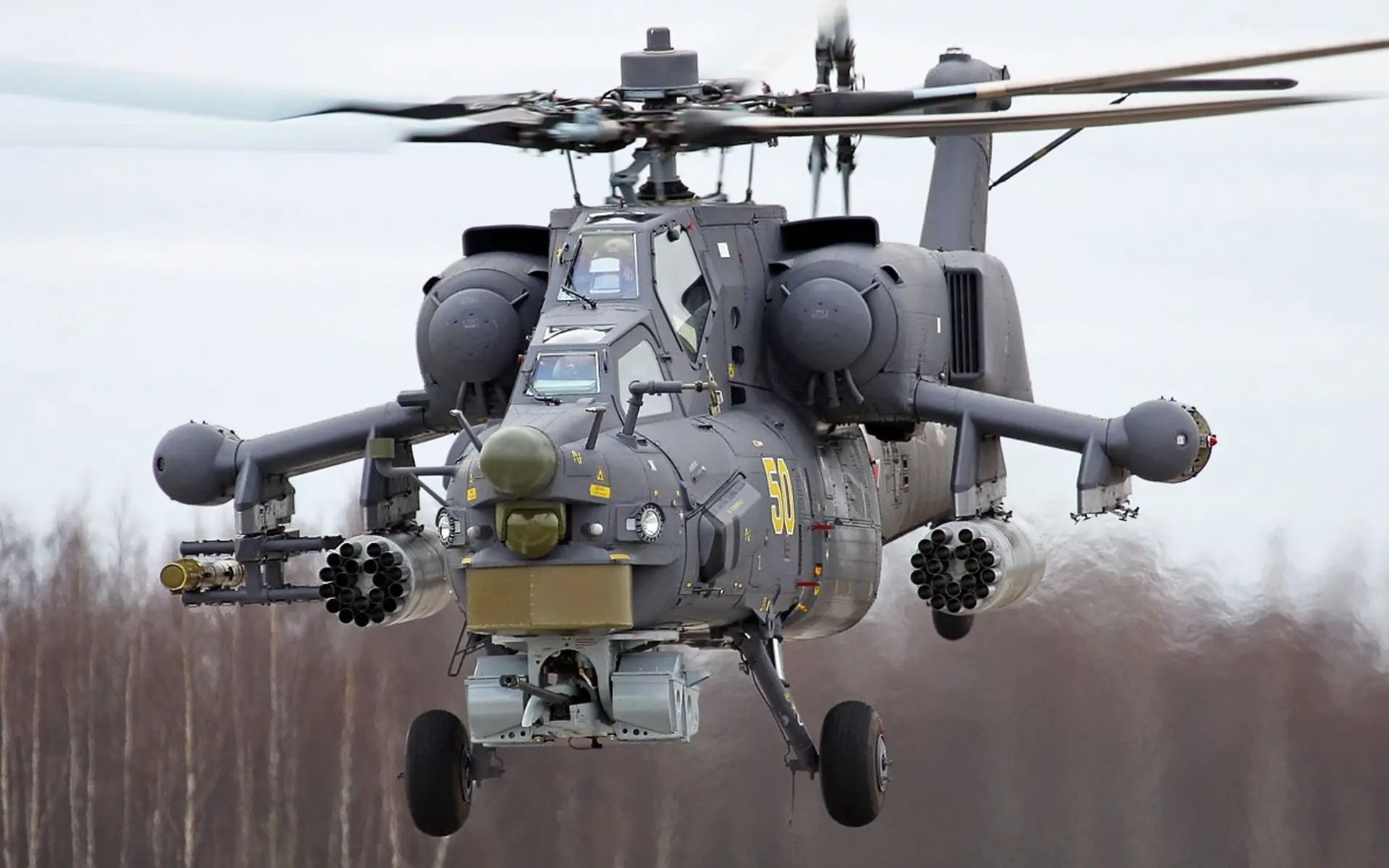
Confusing the Sensors Flares and Chaff Decoys
When a launch is detected, helicopters deploy physical decoys. BAE Systems highlights that dispensing hot flares or radar-reflecting chaff creates false targets, confusing the guidance systems of enemy missiles long enough for the helicopter to escape.
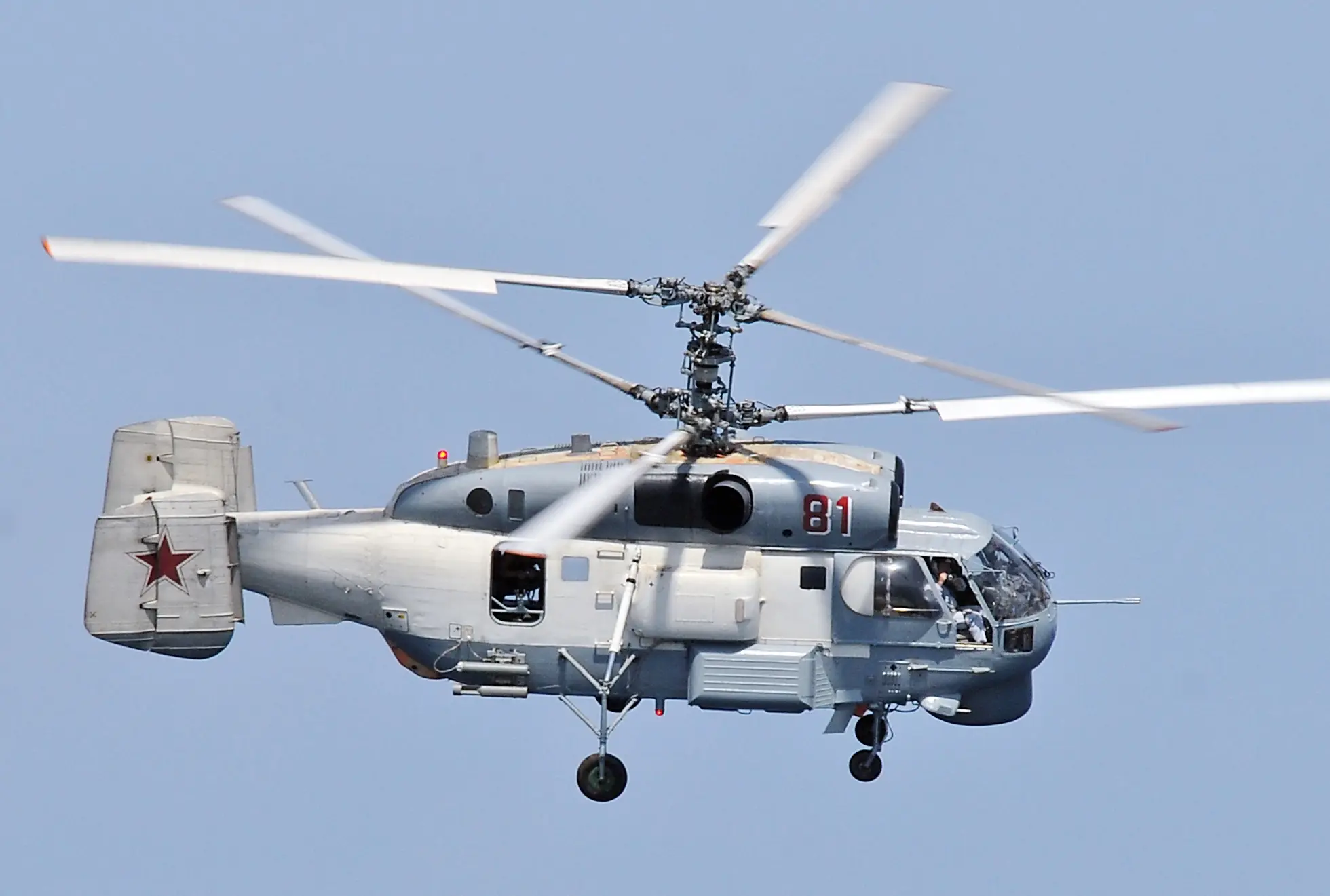
Speed is Survival Shoot-and-Scoot Tactics
Staying still is a death sentence, so pilots use high-speed dash tactics. Janes defence analysis observes that "shoot-and-scoot" manoeuvres reduce the time a helicopter is visible in the "kill zone," preventing enemies from getting a steady aim.
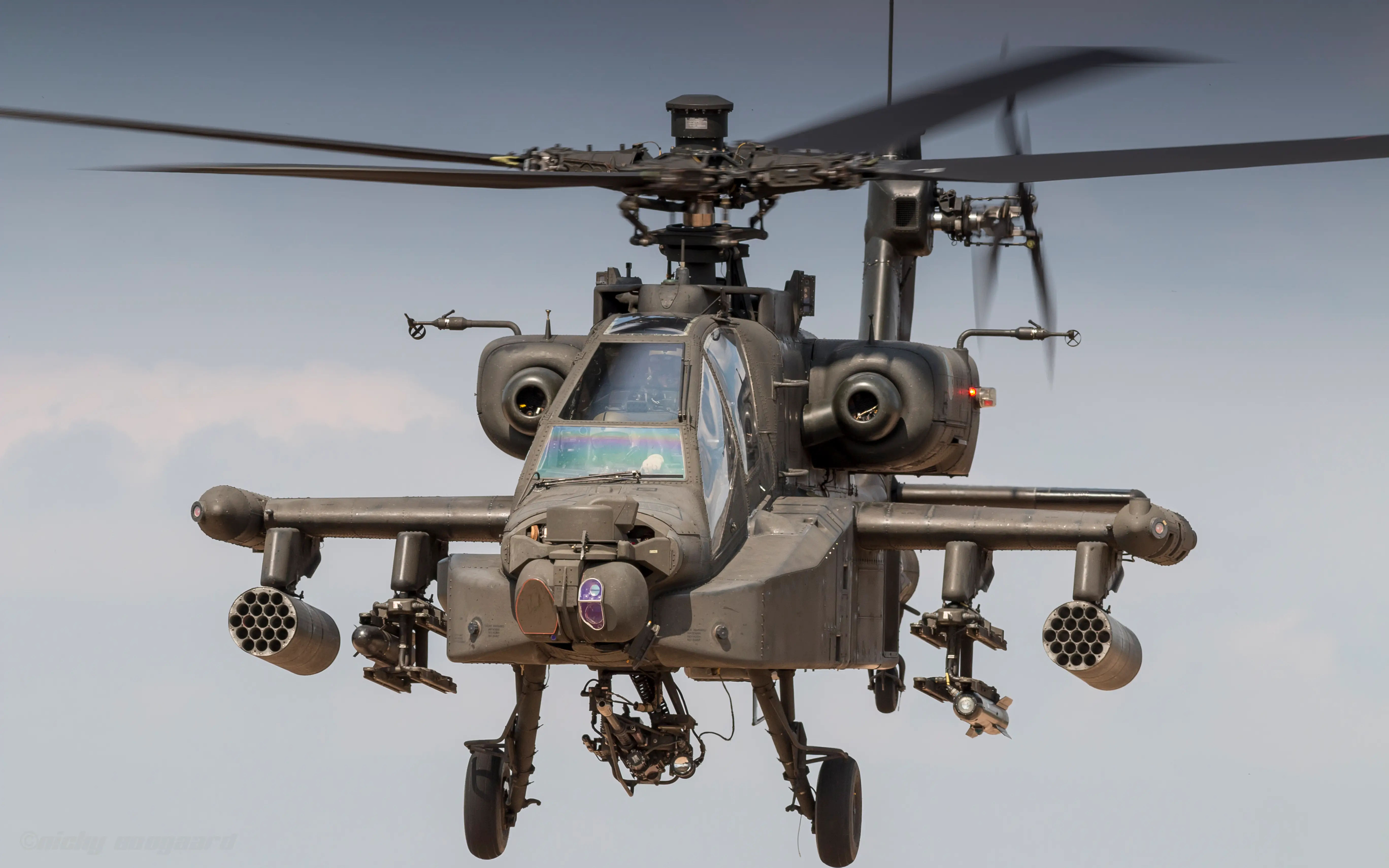
The Electronic Shield Advanced Warning Suites
Pilots know they are being targeted before a shot is fired. Raytheon states that modern Radar Warning Receivers (RWR) detect enemy radar signals instantly, giving the crew vital seconds to drop altitude and break the lock before a missile is launched.
)
)
)
)
)