How can a pilot survive if a US Black Hawk helicopter is hit in combat?

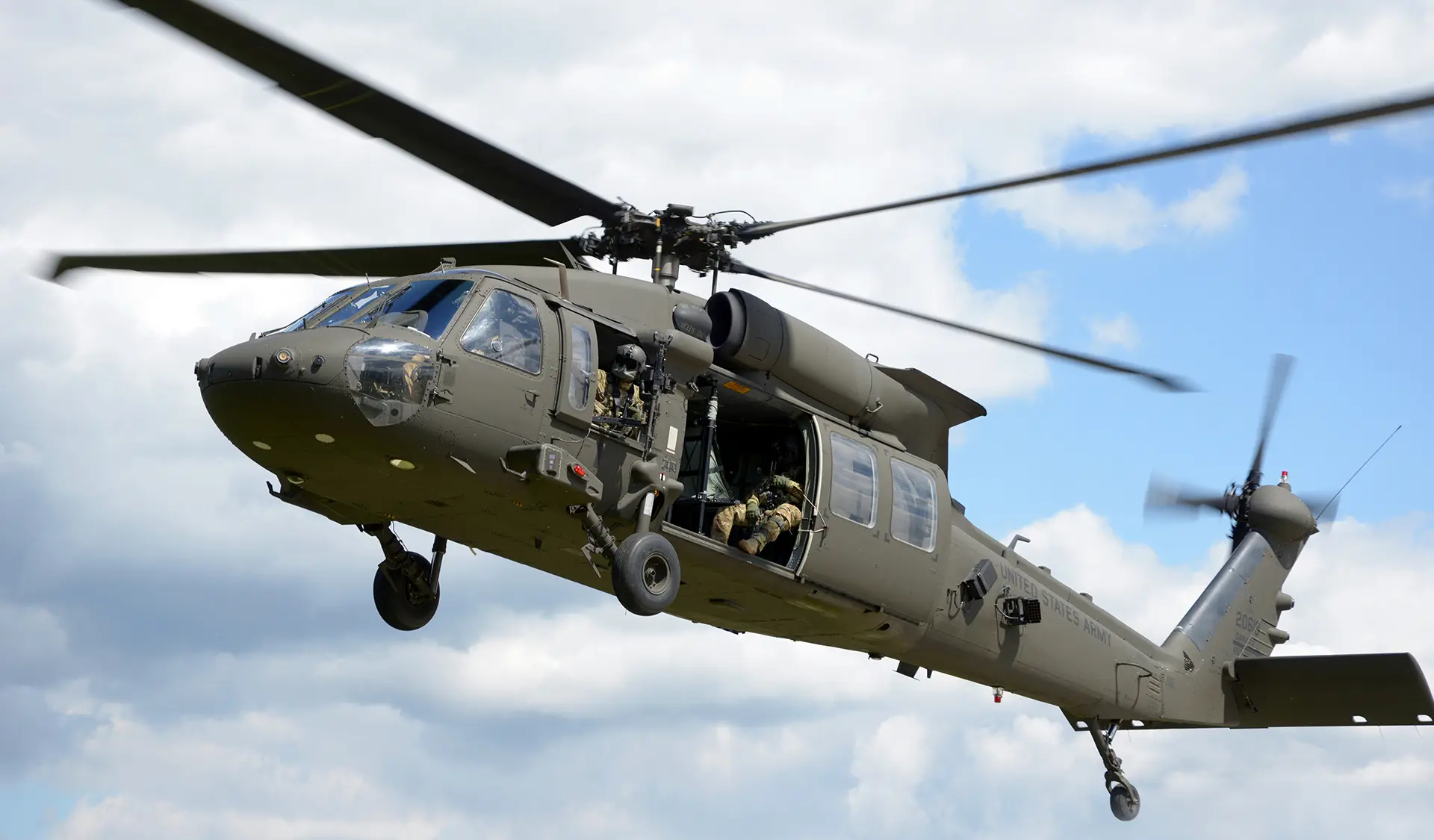
When a Black Hawk is hit, its dual engines and triply redundant hydraulics keep it flying. Armoured seats and missile warning systems shield the crew. If a crash occurs, stroking seats and self-sealing fuel tanks ensure pilot survival.
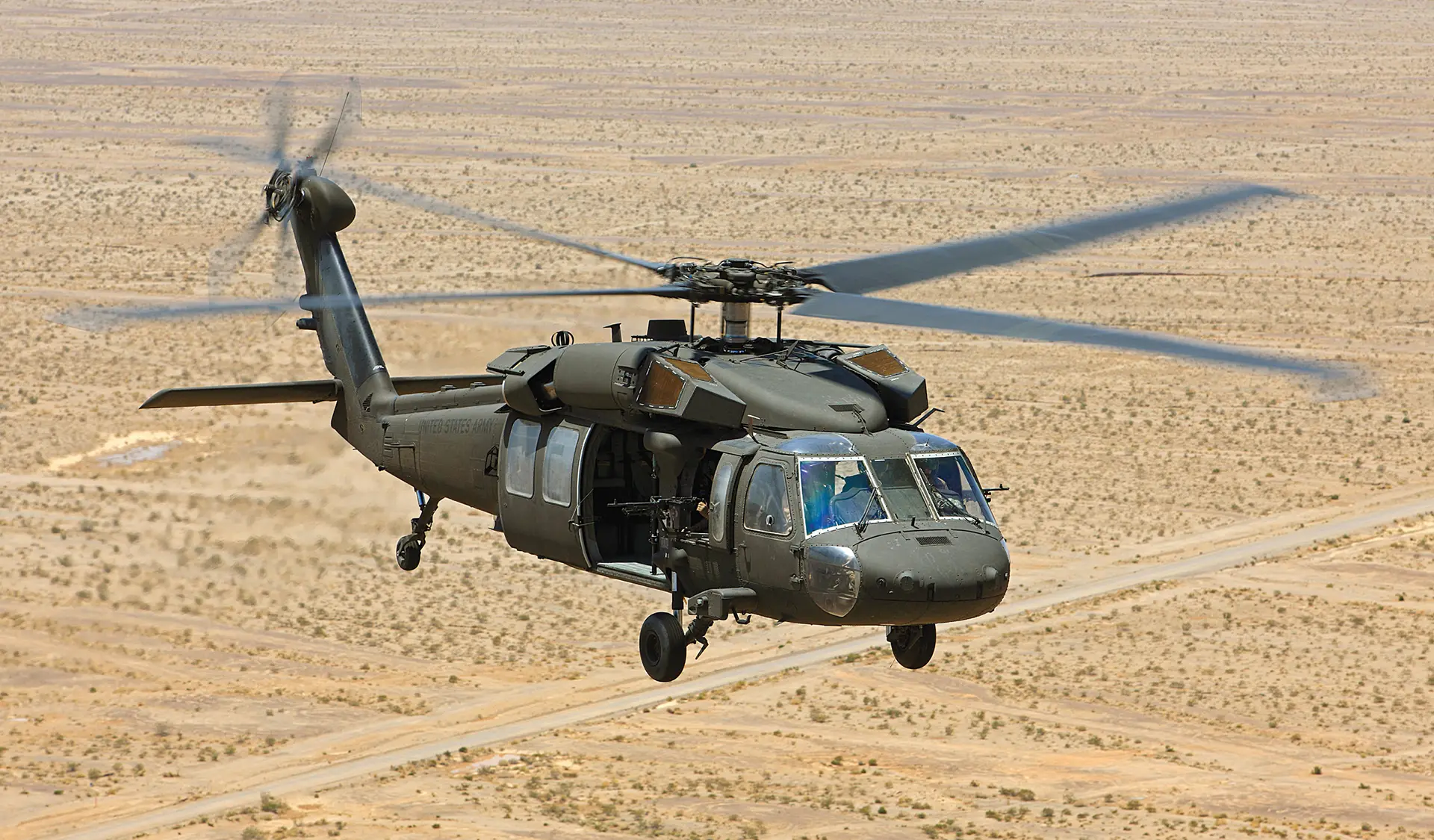
Redundant Flight Systems
When a UH-60M Black Hawk takes enemy fire, its built-in redundancy ensures the aircraft remains airborne. The helicopter utilises dual General Electric T700-GE-701D turboshaft engines and a triply redundant hydraulic supply. If one critical system is destroyed by ballistic damage, the backup instantly takes over to keep the pilot flying.
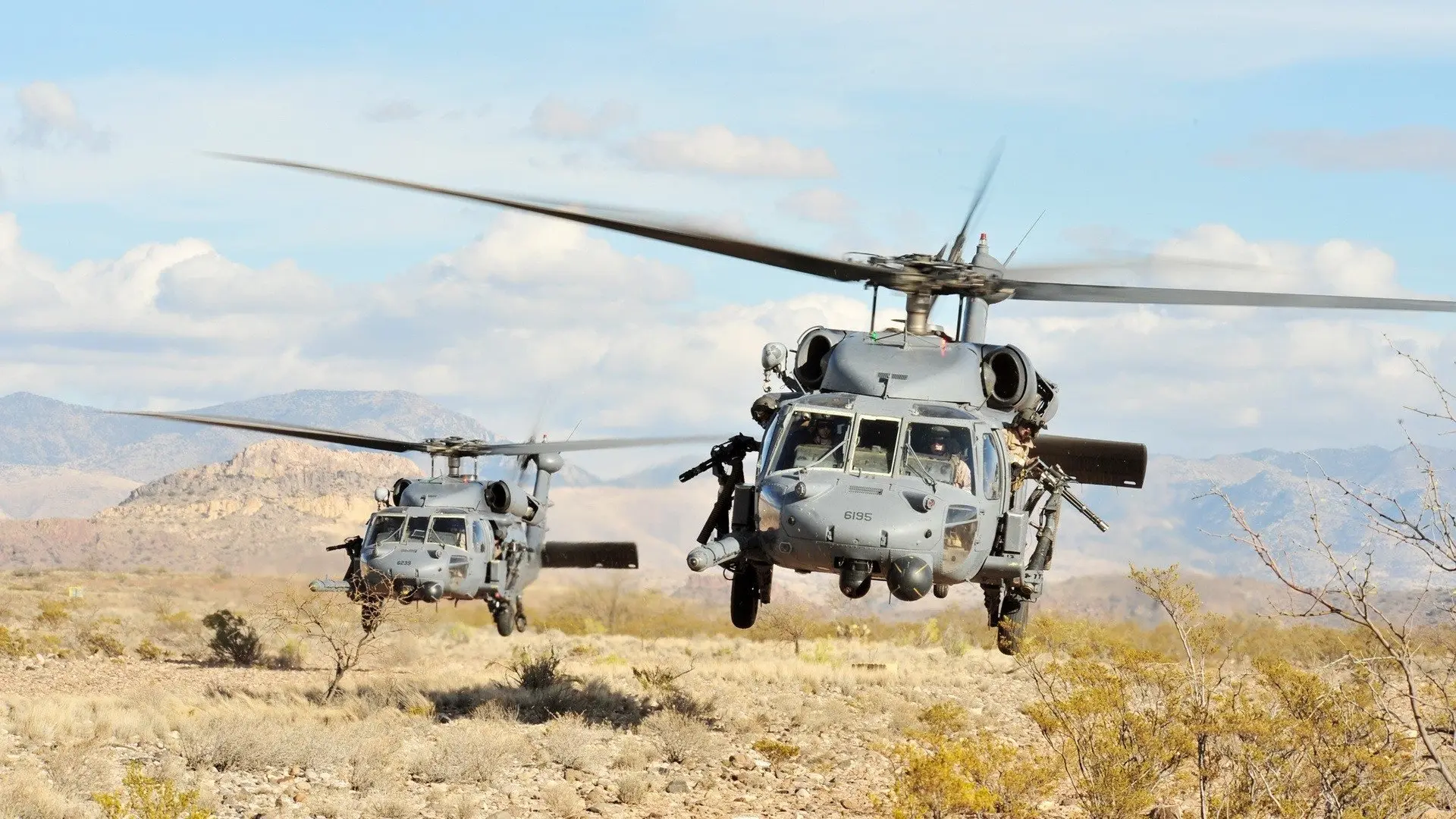
Ballistic-Hardened Controls
Enemy small-arms fire poses a massive threat to low-flying tactical transport helicopters. To counter this, Sikorsky engineers specifically separated and structurally shielded all flight-essential components within the airframe. This separated load-path design ensures a single bullet or shrapnel burst cannot sever the pilot's mechanical connection to the main rotors.
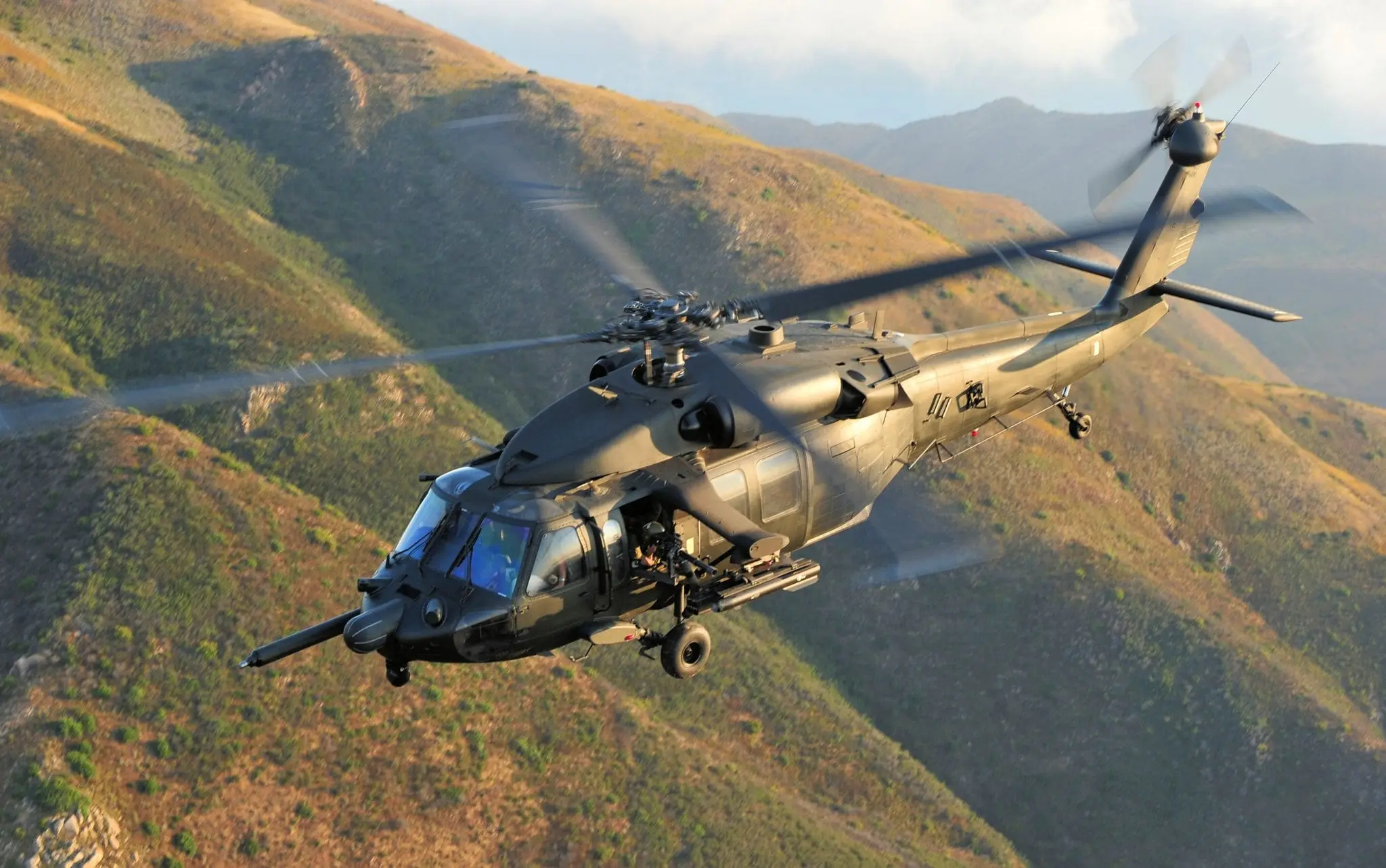
The Armoured Cockpit
If ground fire breaches the fuselage, the pilot is shielded by heavy ballistic protection. Both the pilot and copilot sit in crash-resistant seats heavily clad in advanced ceramic and Kevlar armour. Additionally, swing-out armour side panels physically deflect medium-calibre projectiles away from the vulnerable flight crew.
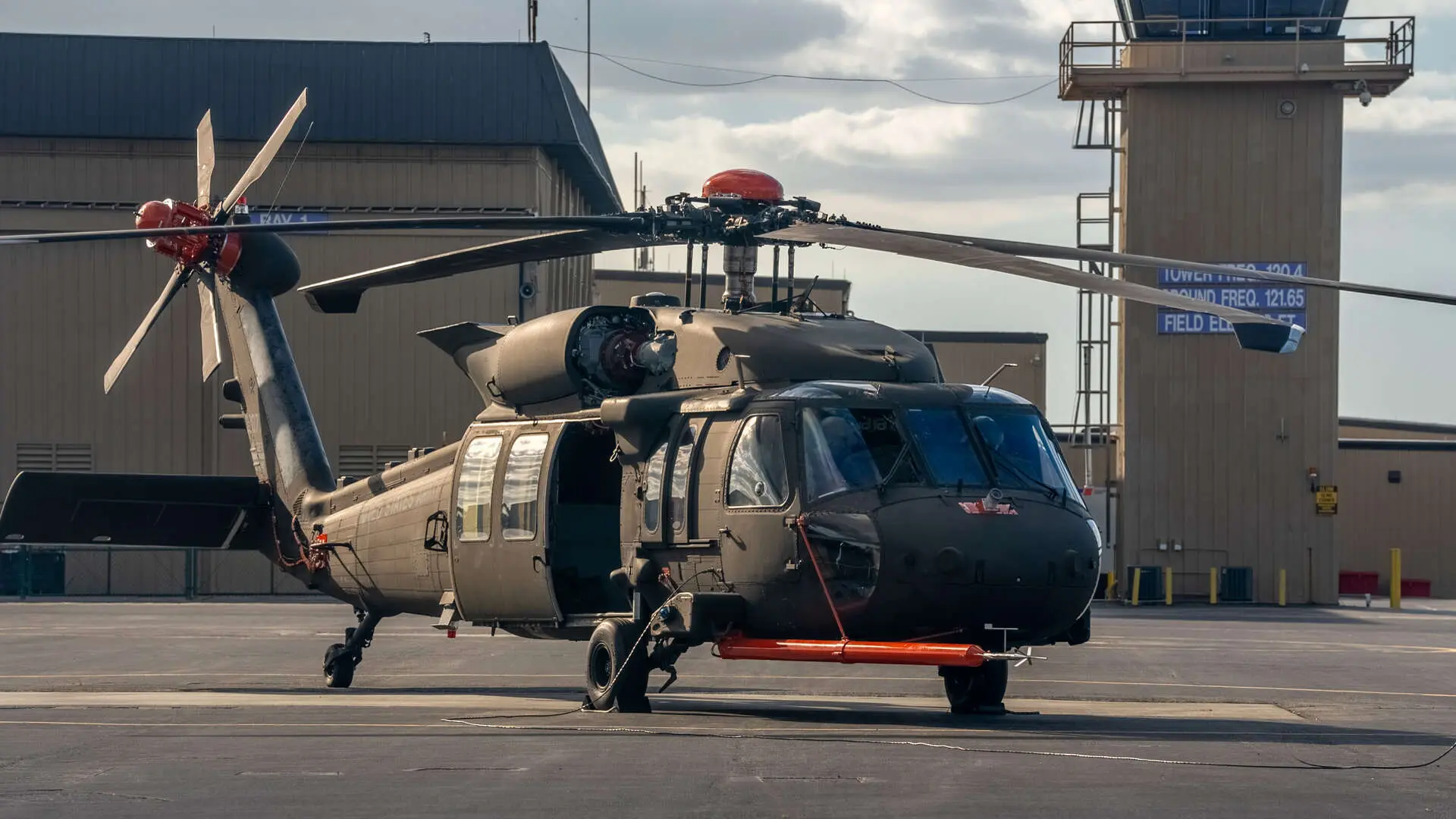
Defeating Heat-Seeking Missiles
Modern Black Hawks employ the AN/AAR-57 Common Missile Warning System to survive advanced anti-aircraft threats. This automated electronic warfare suite instantly detects the ultraviolet exhaust plumes of incoming heat-seeking missiles. In a fraction of a second, the system actively deploys decoy flares to blind the missile, saving the $21 million airframe.
Surviving a 38-FPS Drop
If catastrophic damage forces the helicopter out of the sky, the airframe itself becomes a survival capsule. The high-strength aluminium fuselage and energy-absorbing landing gear are built to withstand a terrifying vertical impact of 38 feet per second. This strict military crashworthiness standard prevents heavy components like the main transmission from crushing the cockpit.
Stroking Energy-Absorbing Seats
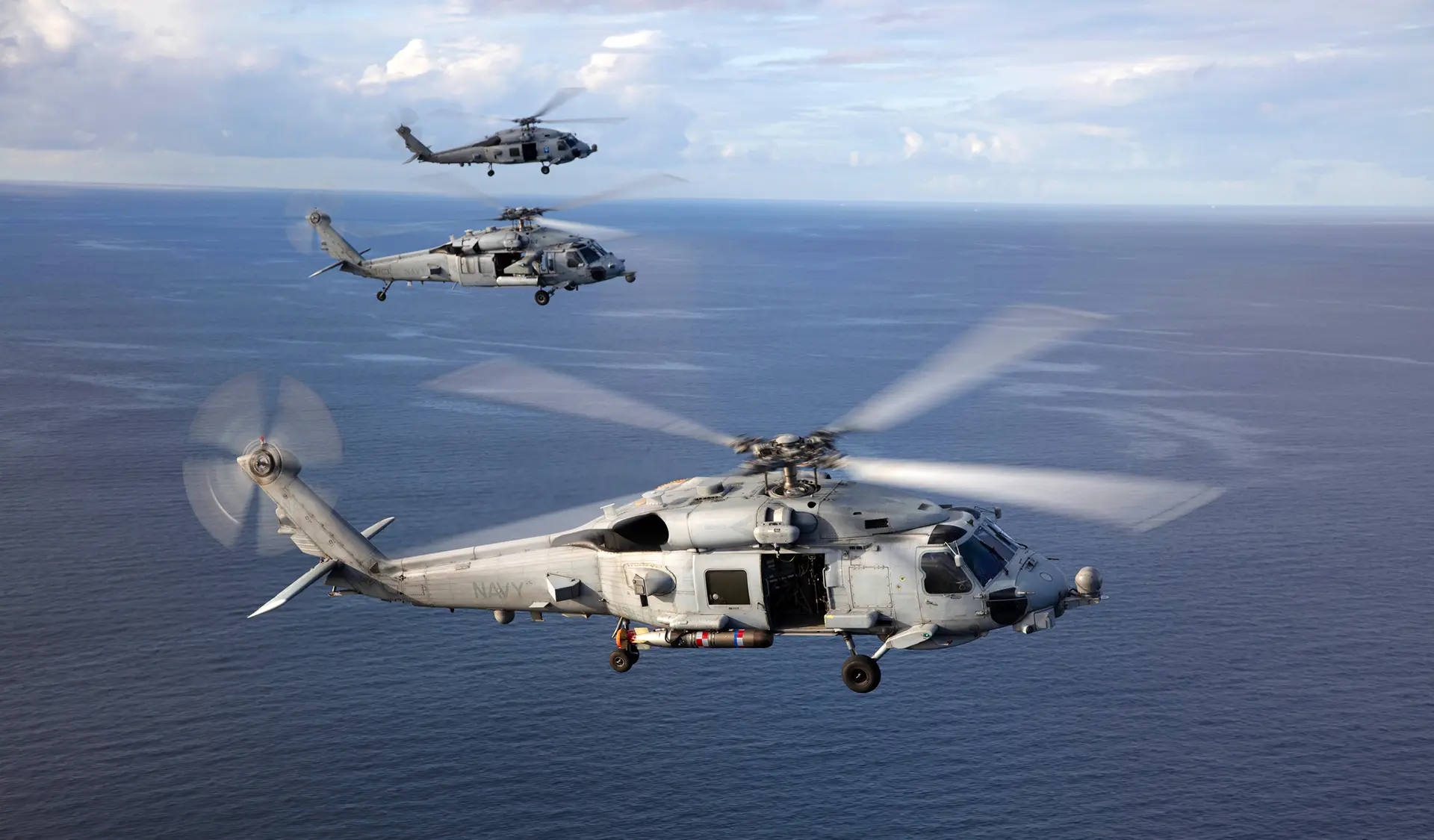
Hitting the ground at extreme speeds transfers lethal kinetic energy directly into the human spine. To prevent paralysis during a hard crash, the Black Hawk features specialised 'stroking' seats that automatically compress downward upon impact. This mechanical shock-absorption system drastically reduces the G-forces exerted on the pilot's body.
Crashworthy Fuel Cells
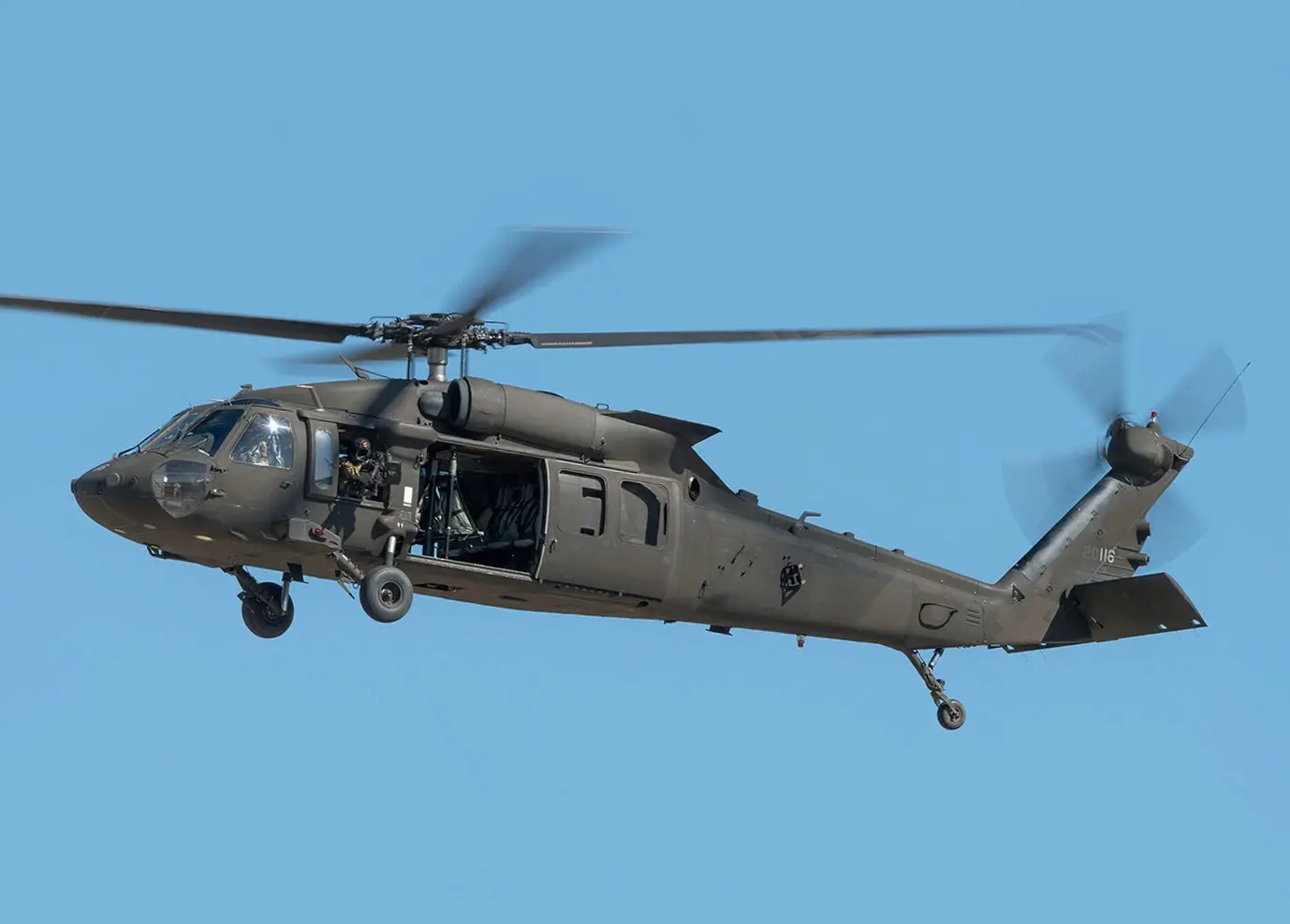
Post-crash fires were historically one of the deadliest threats to downed helicopter crews in combat zones. The UH-60 Black Hawk eliminates this risk using self-sealing, crash-resistant fuel tanks capable of surviving massive drops without rupturing. If a crash occurs, pilots can instantly jettison the cockpit doors to escape the wreckage safely.
)
)
)
)
)