How B-2 Bombers launched strikes during Iraq War

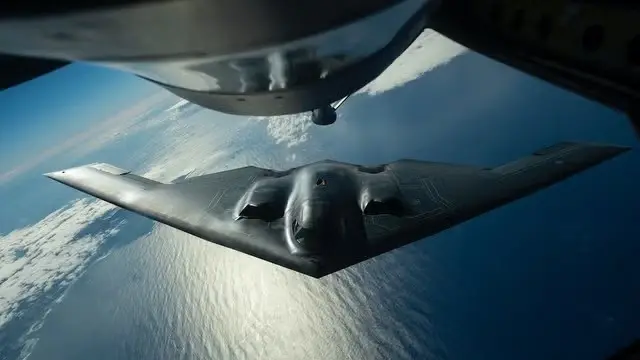
When the US launched the Iraq War in March 2003, the B-2 Spirit stealth bomber played a pivotal role. Its first missions included dropping precision-guided bombs on Baghdad, targeting command centres and military infrastructure to cripple Saddam Hussein’s defence network within hours.
The Opening Salvo
When the US launched the Iraq War in March 2003, the B-2 Spirit stealth bomber played a pivotal role. Its first missions included dropping precision-guided bombs on Baghdad, targeting command centres and military infrastructure to cripple Saddam Hussein’s defence network within hours.
Flying Directly from the US
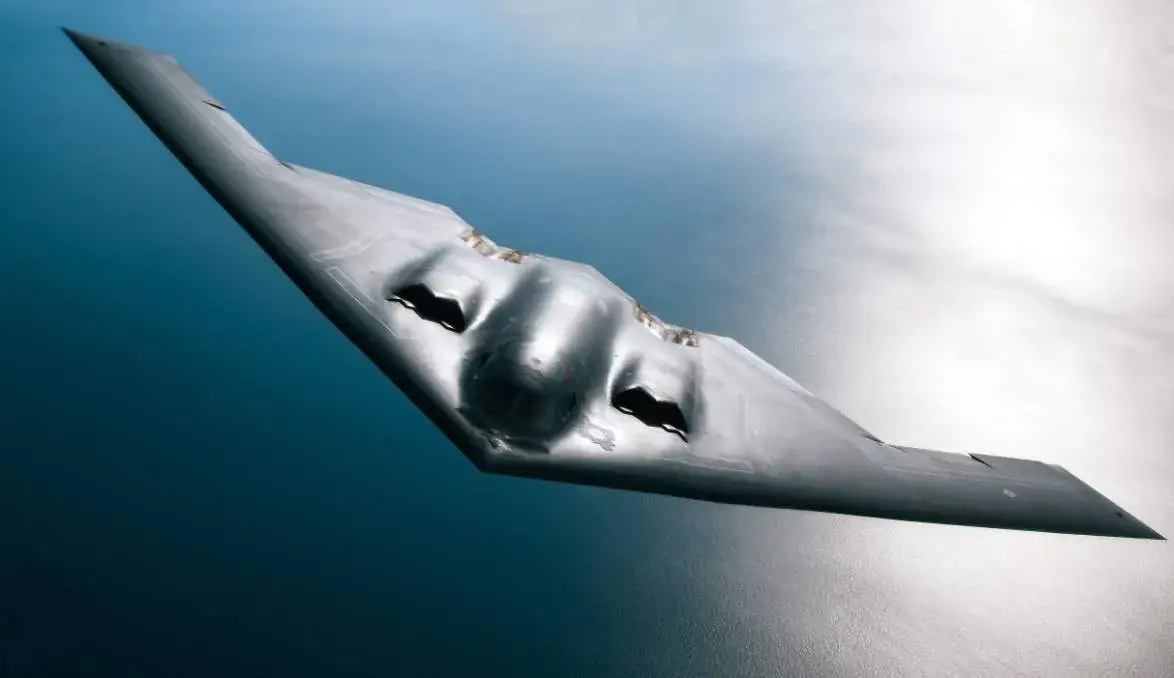
Unlike other aircraft that operated from nearby bases, B-2 bombers flew directly from Whiteman Air Force Base in Missouri. Pilots endured over 30 hours of flight time, demonstrating the aircraft’s long-range capability and its unique role in striking targets across the globe without relying on overseas runways.
Precision and Stealth
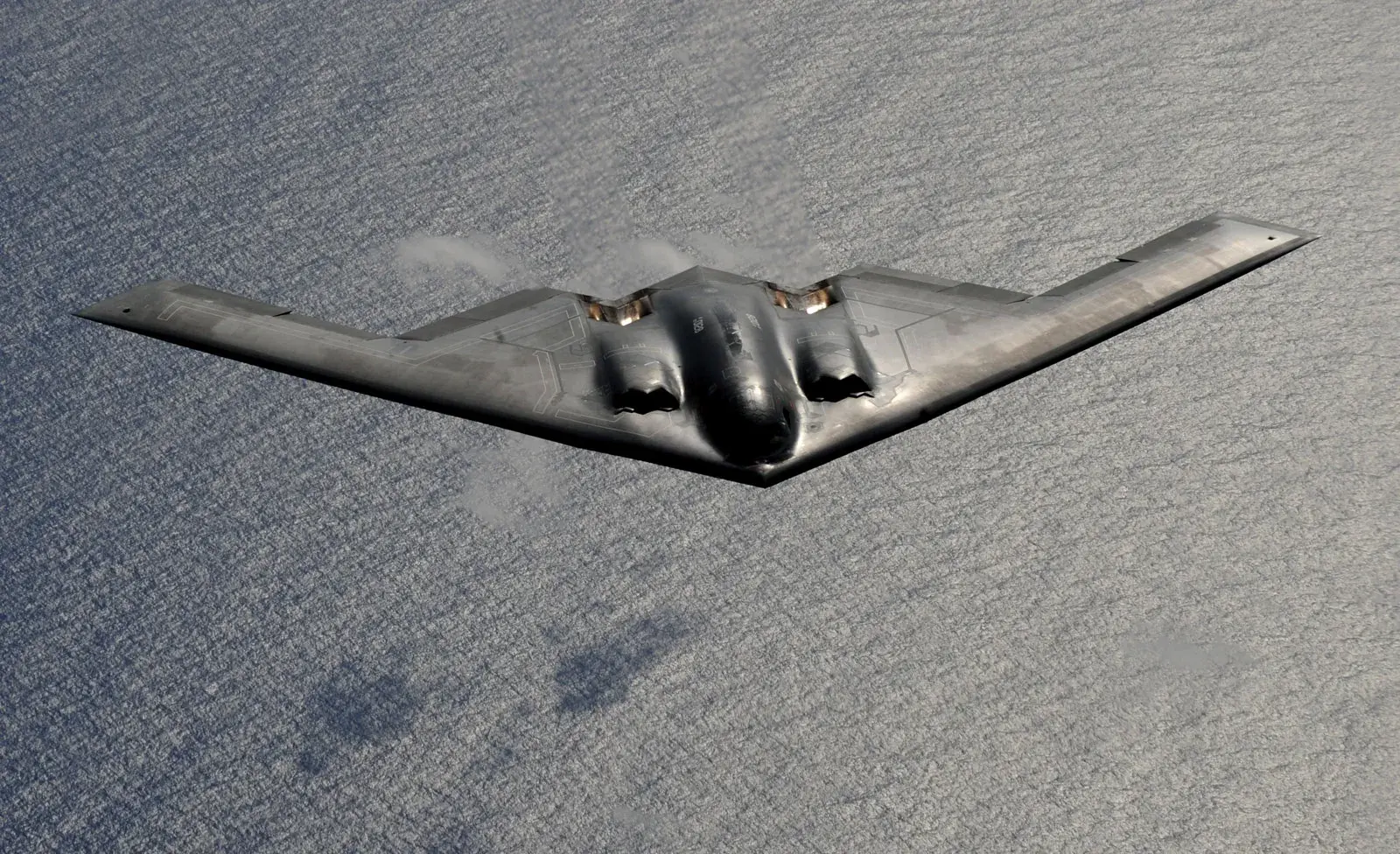
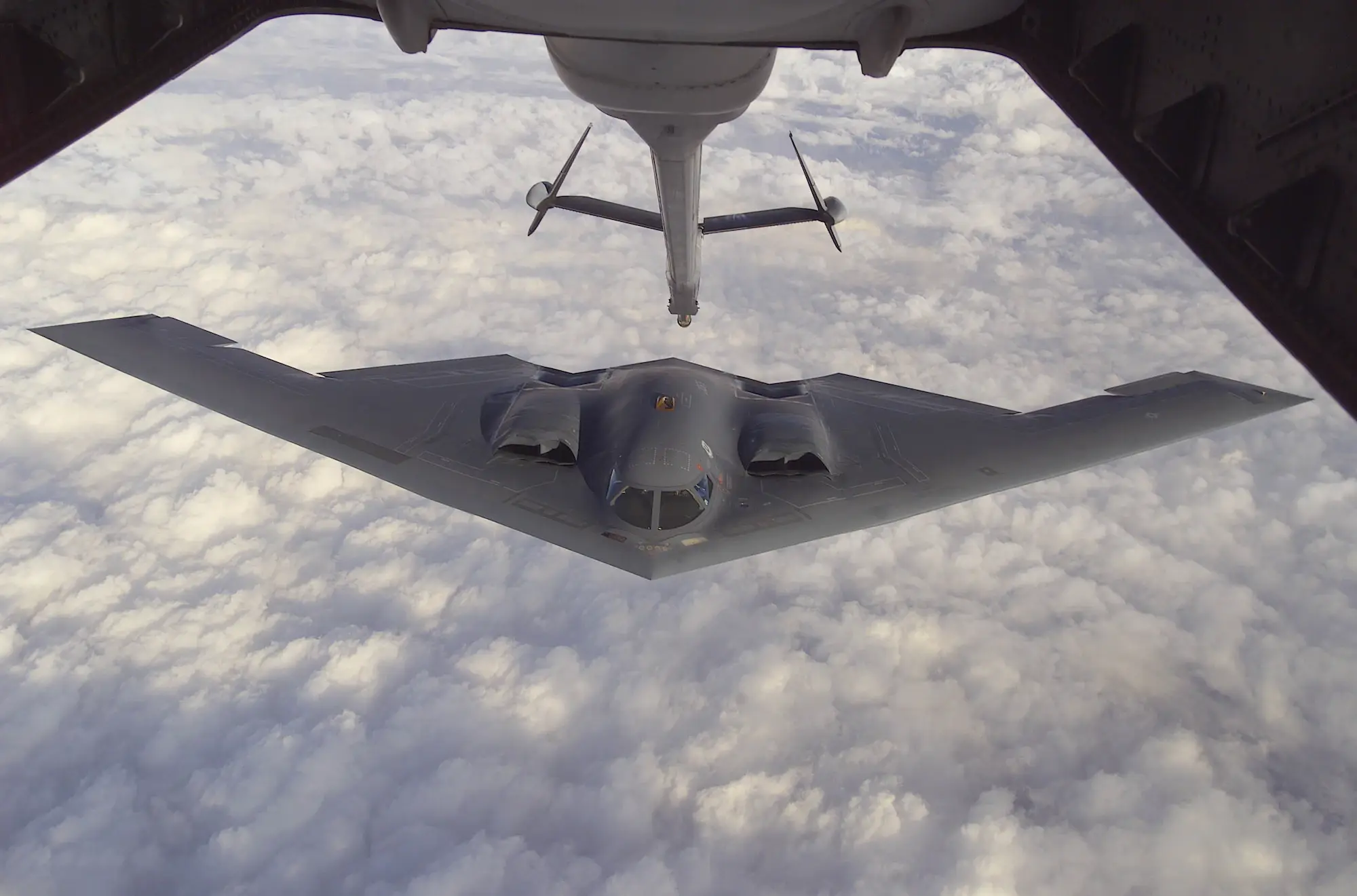
The B-2’s radar-evading design allowed it to penetrate deep into Iraqi airspace without being detected by radar. This stealth advantage made it the weapon of choice for hitting high-value targets with minimal risk, often before enemy defenses even realized an attack was underway.
GPS-Guided Warfare
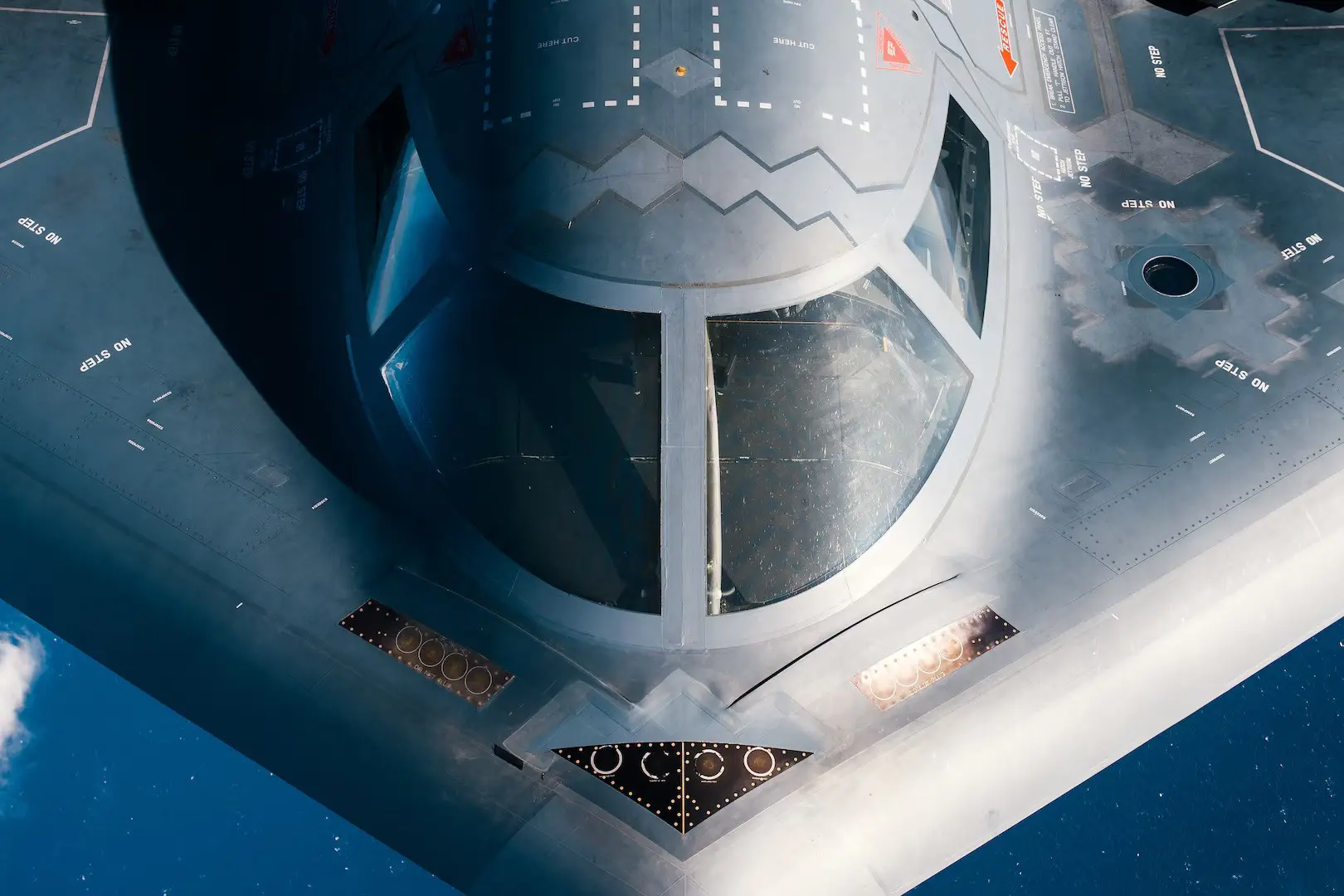
Equipped with Joint Direct Attack Munitions (JDAMs), the B-2 bombers used satellite navigation to drop bombs with extreme accuracy. This allowed them to destroy government buildings, communication hubs, and bunkers in the heart of Baghdad without collateral damage on surrounding civilian areas.
Psychological Warfare
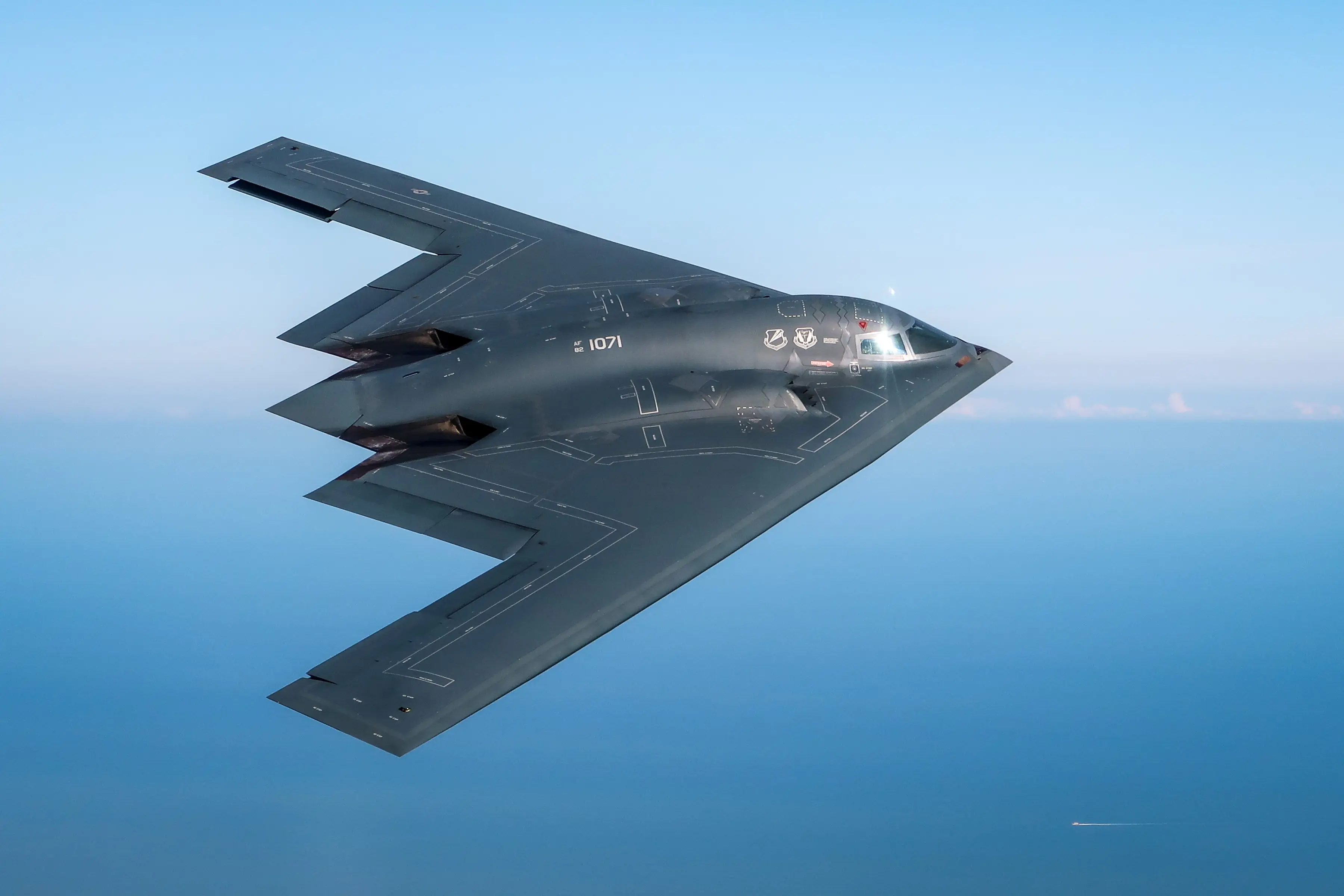
Beyond its destructive power, the B-2’s presence carried psychological weight. Known as the “invisible bomber,” its strikes sent a chilling message to Iraqi forces: nowhere was safe. This psychological dominance often weakened morale even before ground forces moved in.
A Costly Operation
Each B-2 mission during the Iraq War was extraordinarily expensive, with an operational cost of around $135,000 per hour. Despite this, military strategists justified its use for missions where absolute stealth and accuracy were required to ensure quick dismantling of Iraq’s defense systems.
Legacy of the Campaign
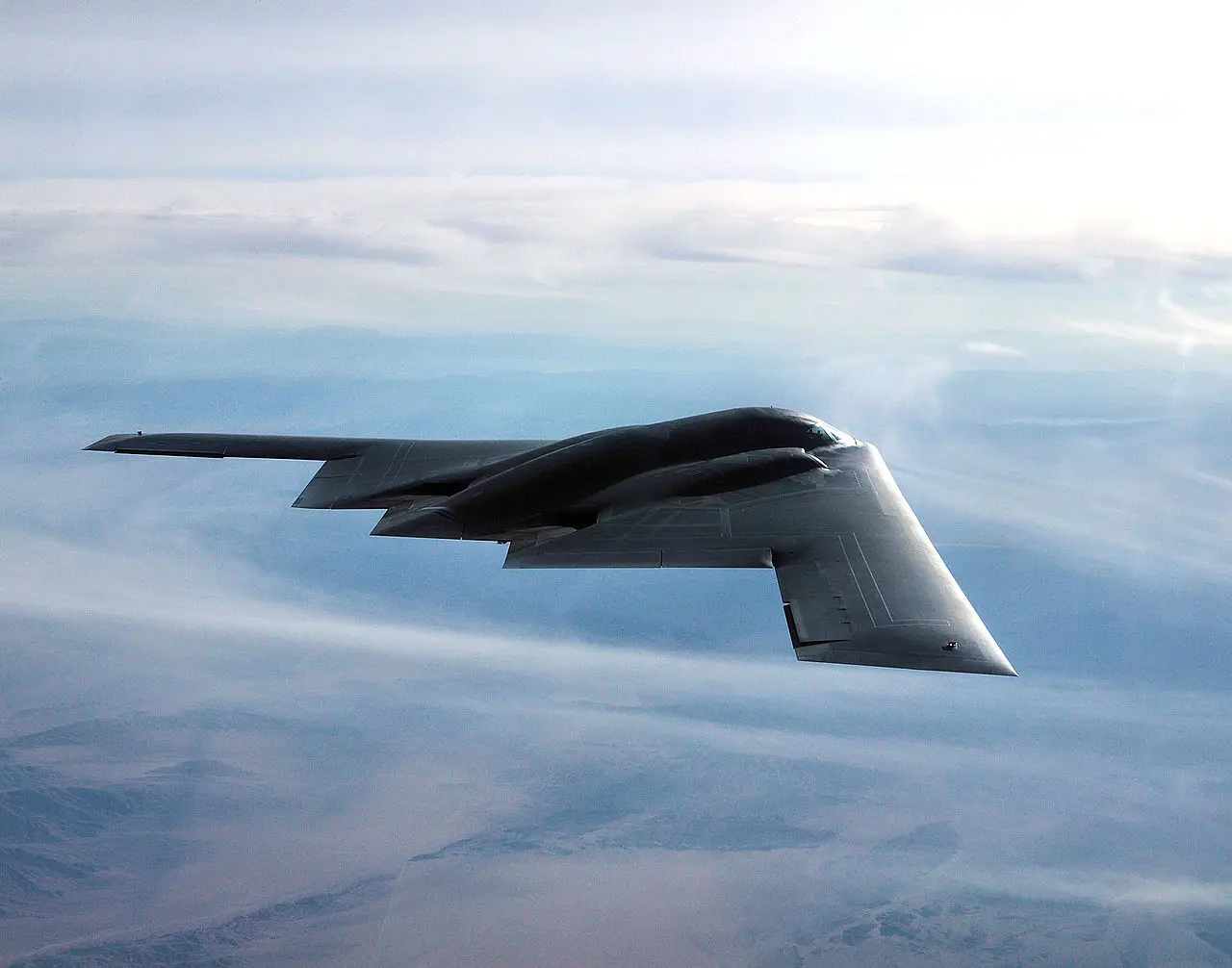
The B-2’s role in Iraq solidified its reputation as one of the most formidable aircraft ever built. Its ability to fly across continents, strike with precision, and vanish from enemy radar shaped the US military’s modern strategy of “shock and awe,” making it a defining weapon of the conflict.
)
)
)
)
)