How attack helicopters choose weapons during combat missions

Attack helicopters choose weapons based on target type, range, weather and civilian risk. Guns hit soft targets, rockets suppress areas, and missiles destroy armour from standoff range. Sensors, helmet displays and cost considerations guide fast, precise decisions.
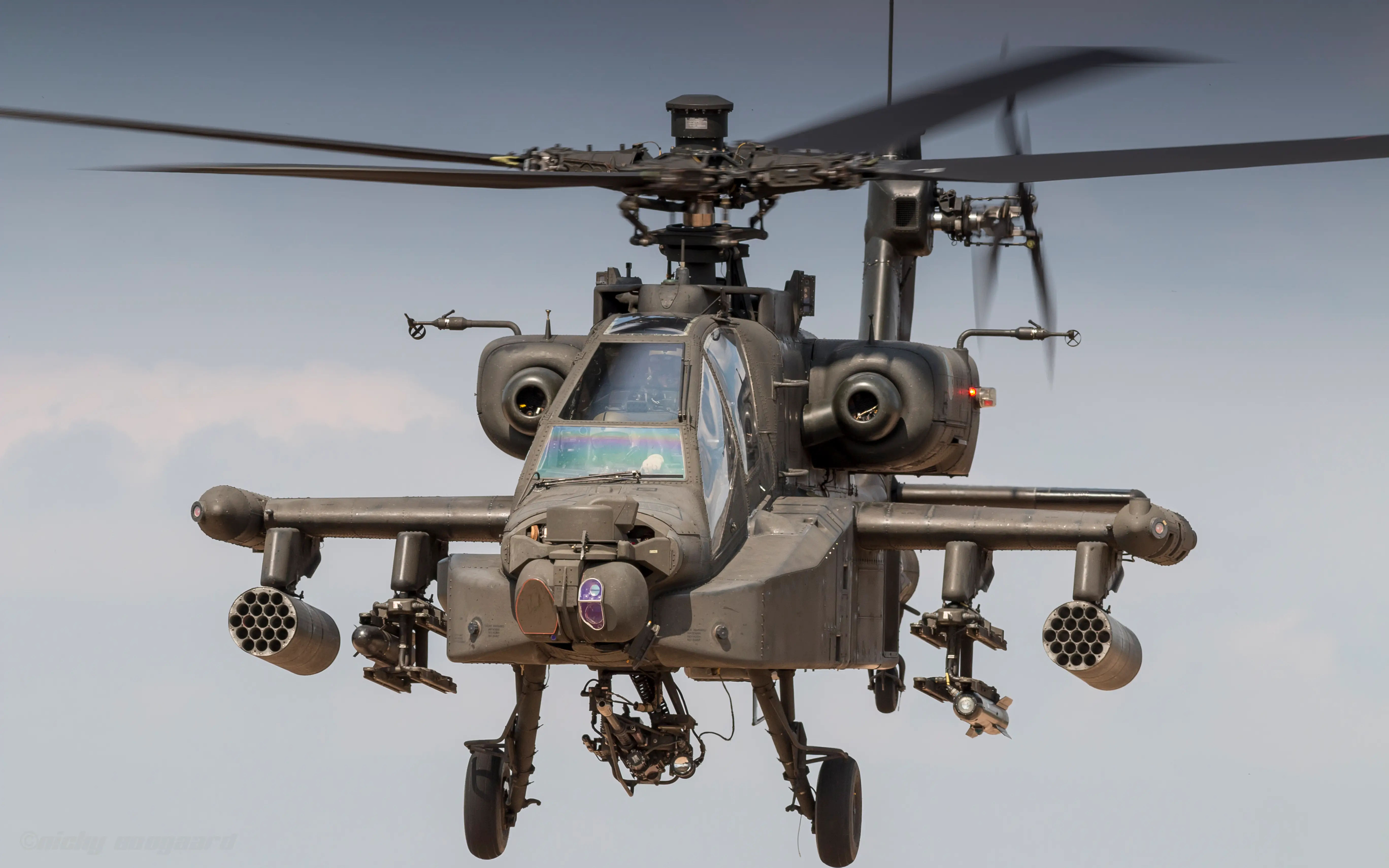
The Attack Helicopter Arsenal
Attack helicopters like the Apache typically carry a 30mm cannon, rockets, and missiles. Lockheed Martin guides indicate that pilots choose between these based on the target's armour thickness, distance, and the risk of hitting nearby civilians.
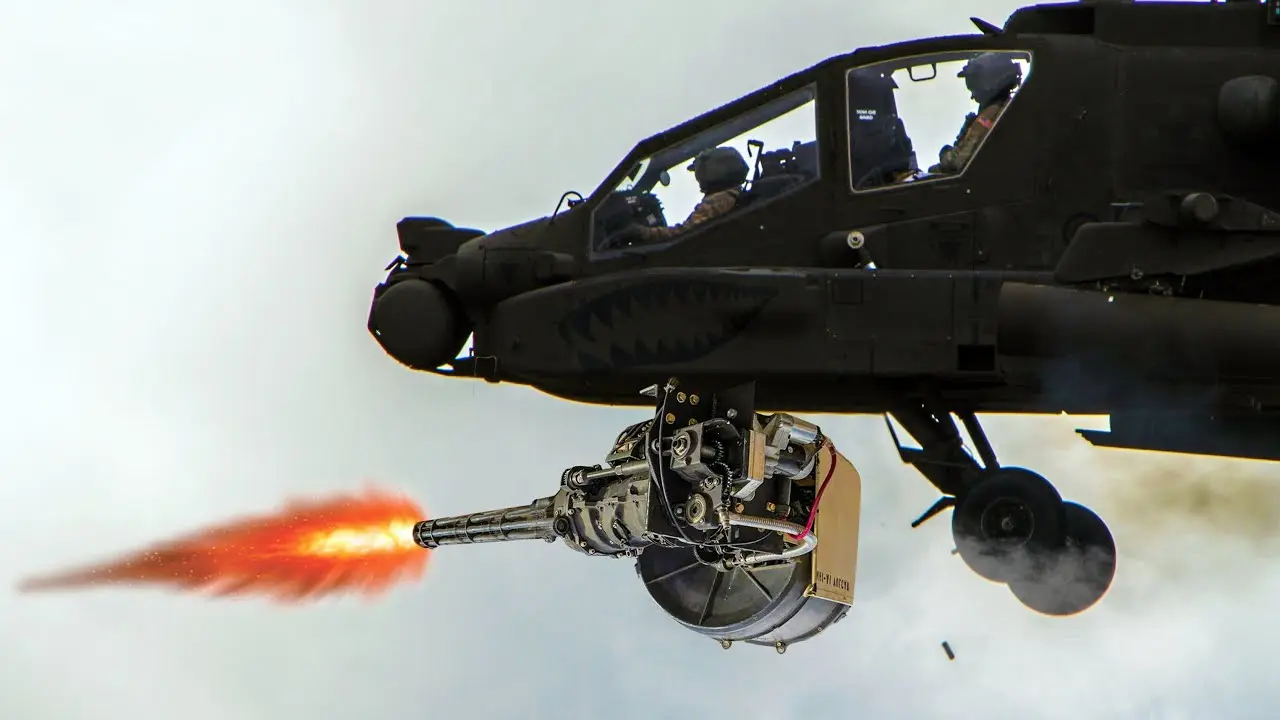
The 30mm Chain Gun For Close and Soft Targets
When engaging enemy infantry or unarmoured trucks at close range, the crew uses the 30mm chain gun. Military.com notes this is the preferred option for "soft" targets where a missile would be overkill, as it fires hundreds of rounds per minute.
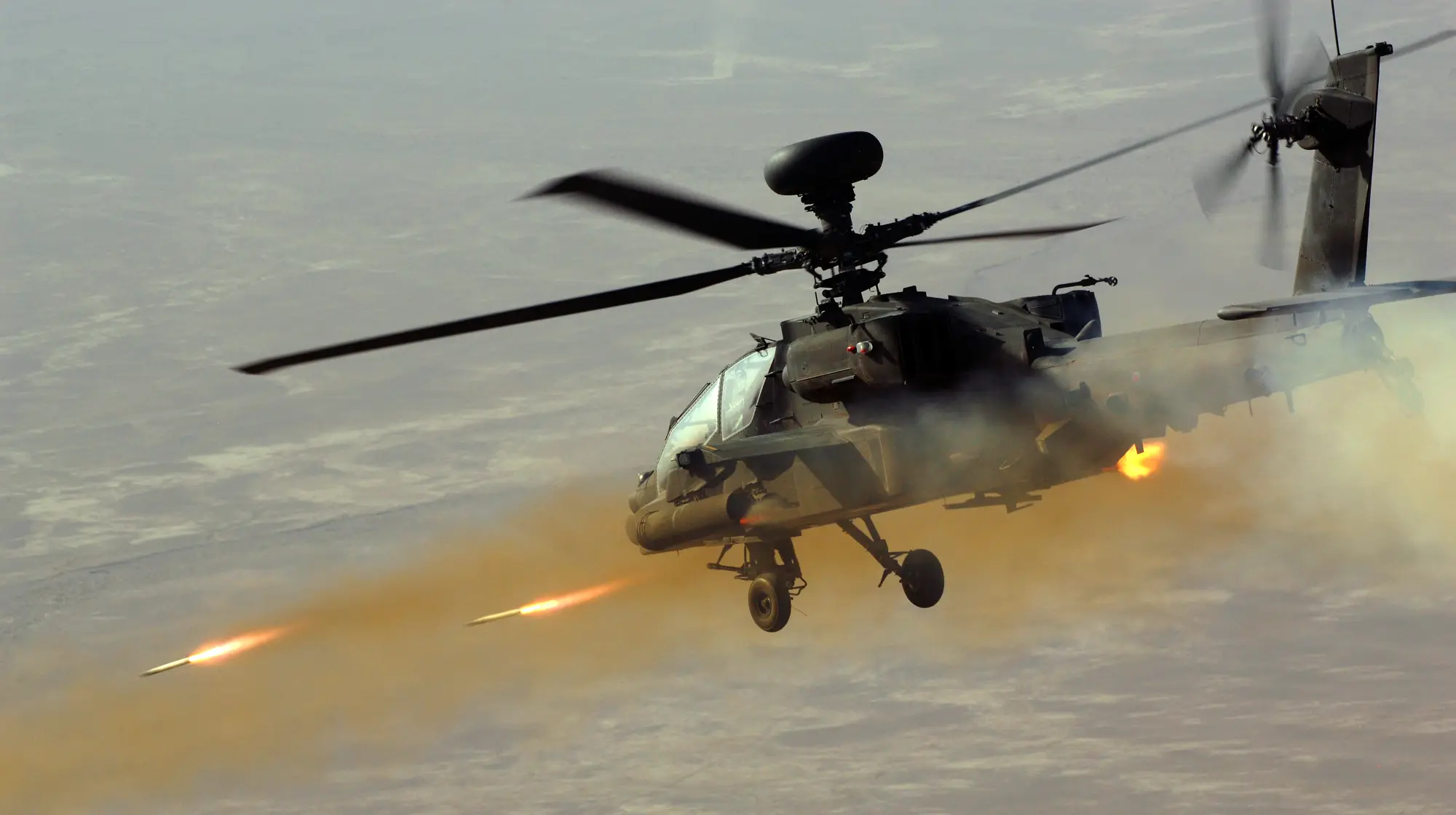
Unguided Rockets Blanketing an Area
For suppressing a wide area, such as a treeline hiding troops, pilots fire "pods" of unguided rockets like the Hydra 70. Army Technology explains that these weapons saturate a zone with explosives, pinning down enemies without needing a lock-on.
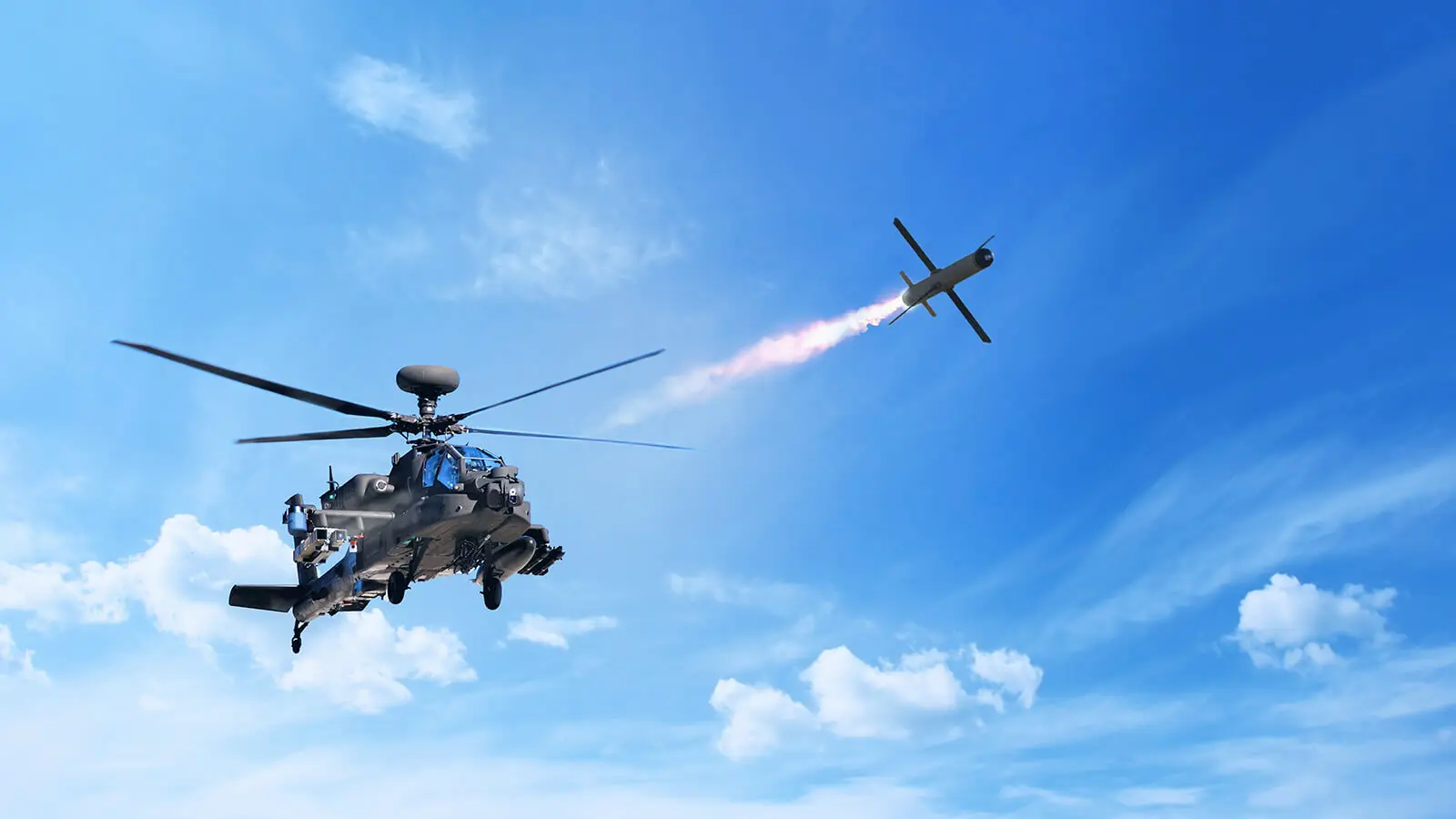
Anti-Tank Guided Missiles Cracking Heavy Armour
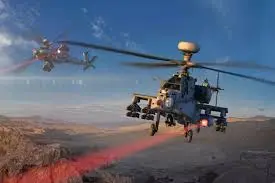
When facing tanks, the crew selects guided missiles like the Hellfire. Northrop Grumman states these are chosen for their ability to deliver a heavy explosive payload with pinpoint accuracy, destroying armoured vehicles from miles away.
Laser vs Radar Guidance Beating the Weather
Pilots choose guidance systems based on visibility. Defense News reports that while laser-guided missiles need a clear line of sight, radar-guided versions are selected during smoke or fog because they can track targets through poor weather.
The "Standoff" Factor Staying Out of Range
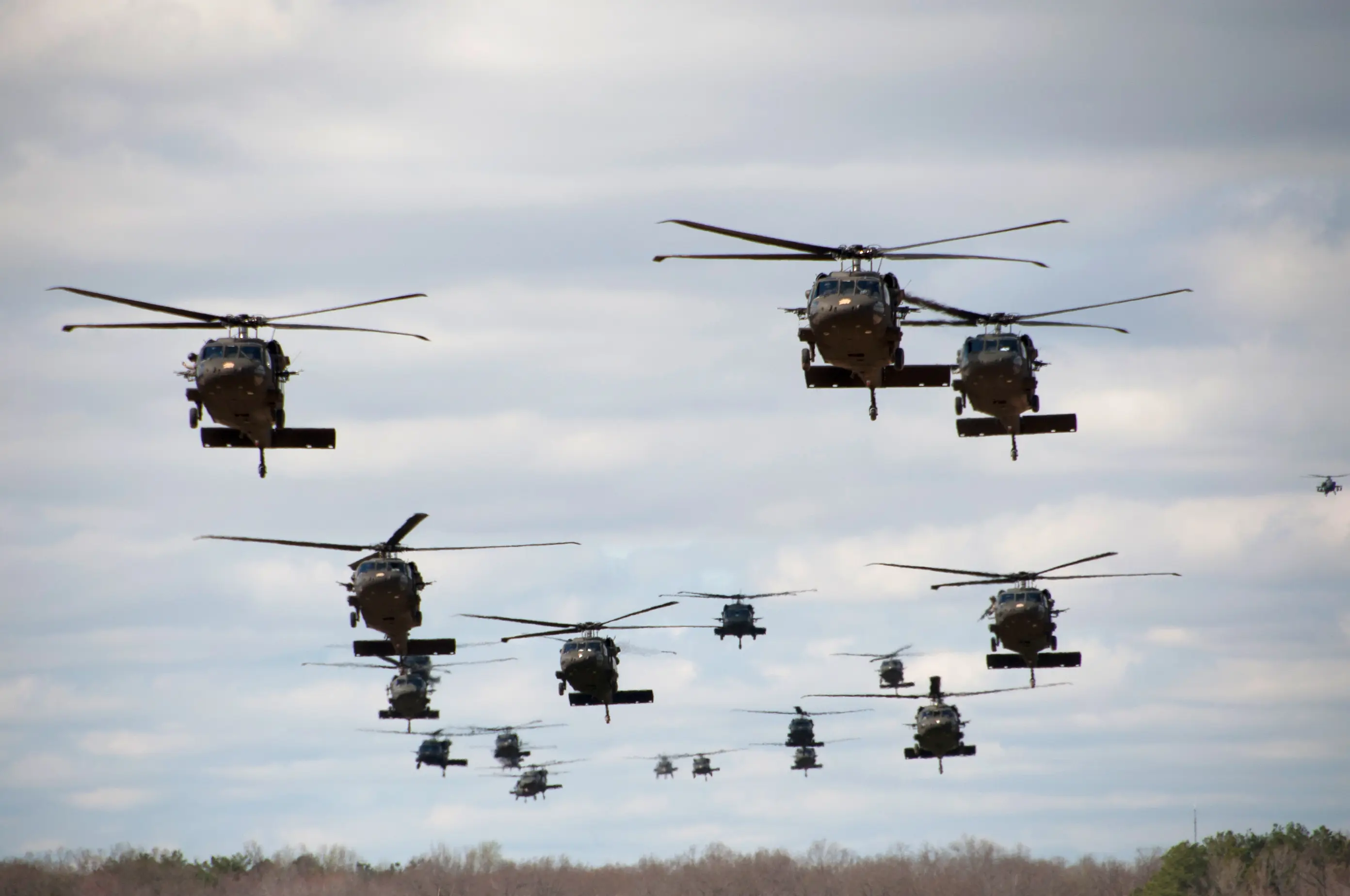
Survivability is key. The RAND Corporation highlights that if enemy air defences are present, pilots prefer long-range missiles to strike from a "standoff" distance of 8km or more, keeping the helicopter safely out of reach.
Avoiding Collateral Damage: Precision in Urban Areas
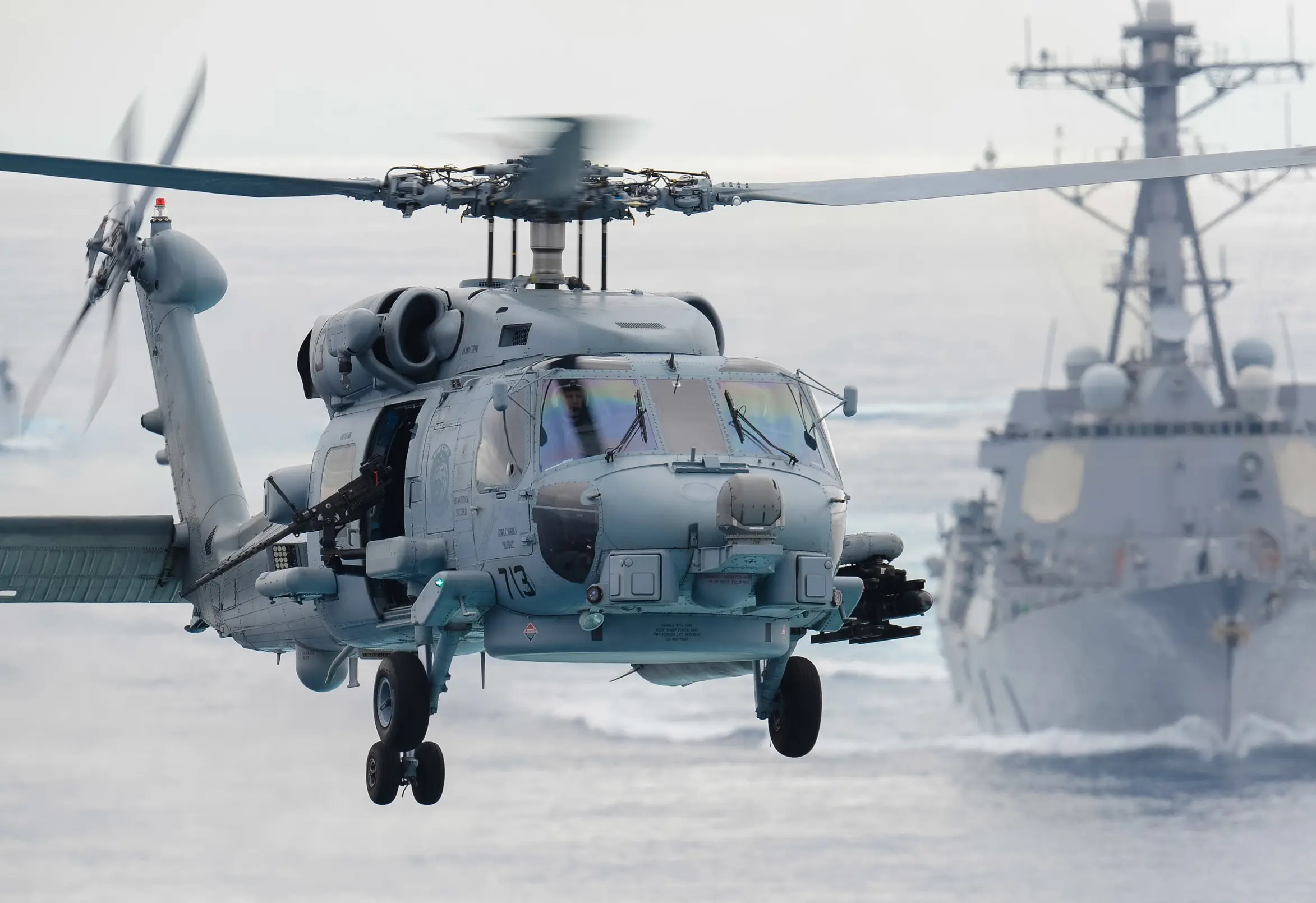
In cities, rules of engagement dictate weapon choice. NATO Joint Air Power documents show that pilots often select specific "low-collateral" missile variants with smaller blast radii to save civilian lives in dense environments.
Helmet-Mounted Displays
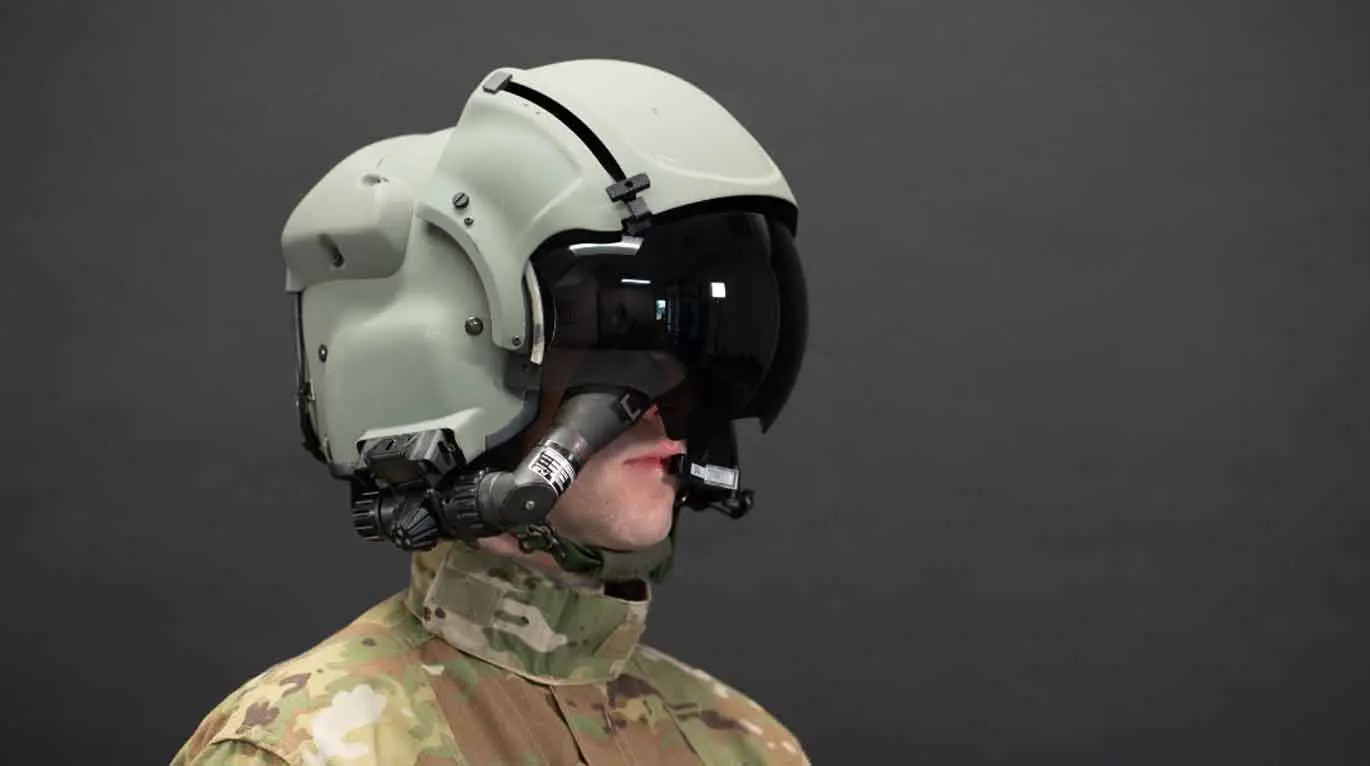
Modern targeting systems link the gun to the pilot’s helmet. Thales Group explains that wherever the pilot looks, the gun automatically aims, allowing for rapid weapon selection and reaction against sudden threats without turning the aircraft.
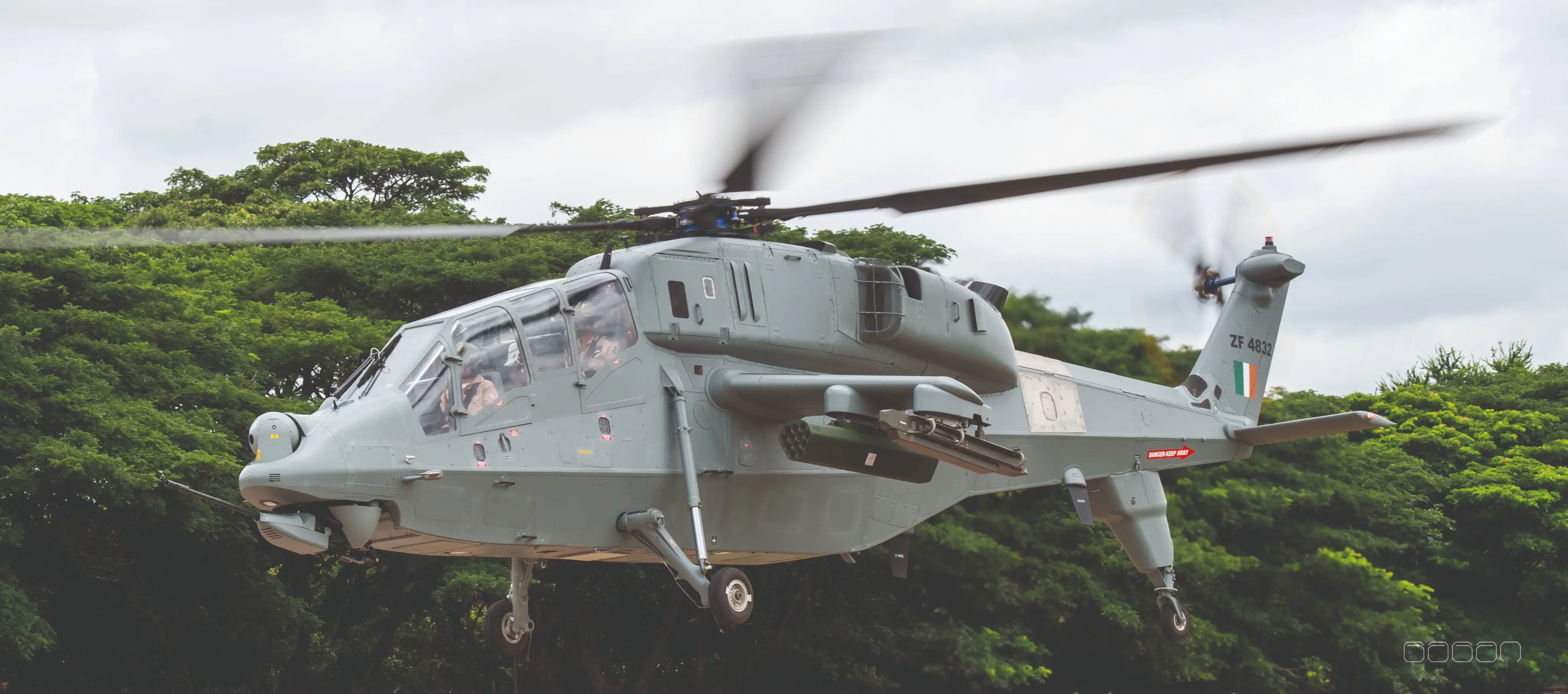
Sensor Fusion Spotting the Enemy First
Before firing, on-board computers combine data from thermal cameras and radar. Aviation Today notes that this "sensor fusion" identifies targets and recommends the best weapon to the pilot, ensuring expensive munitions aren't wasted.
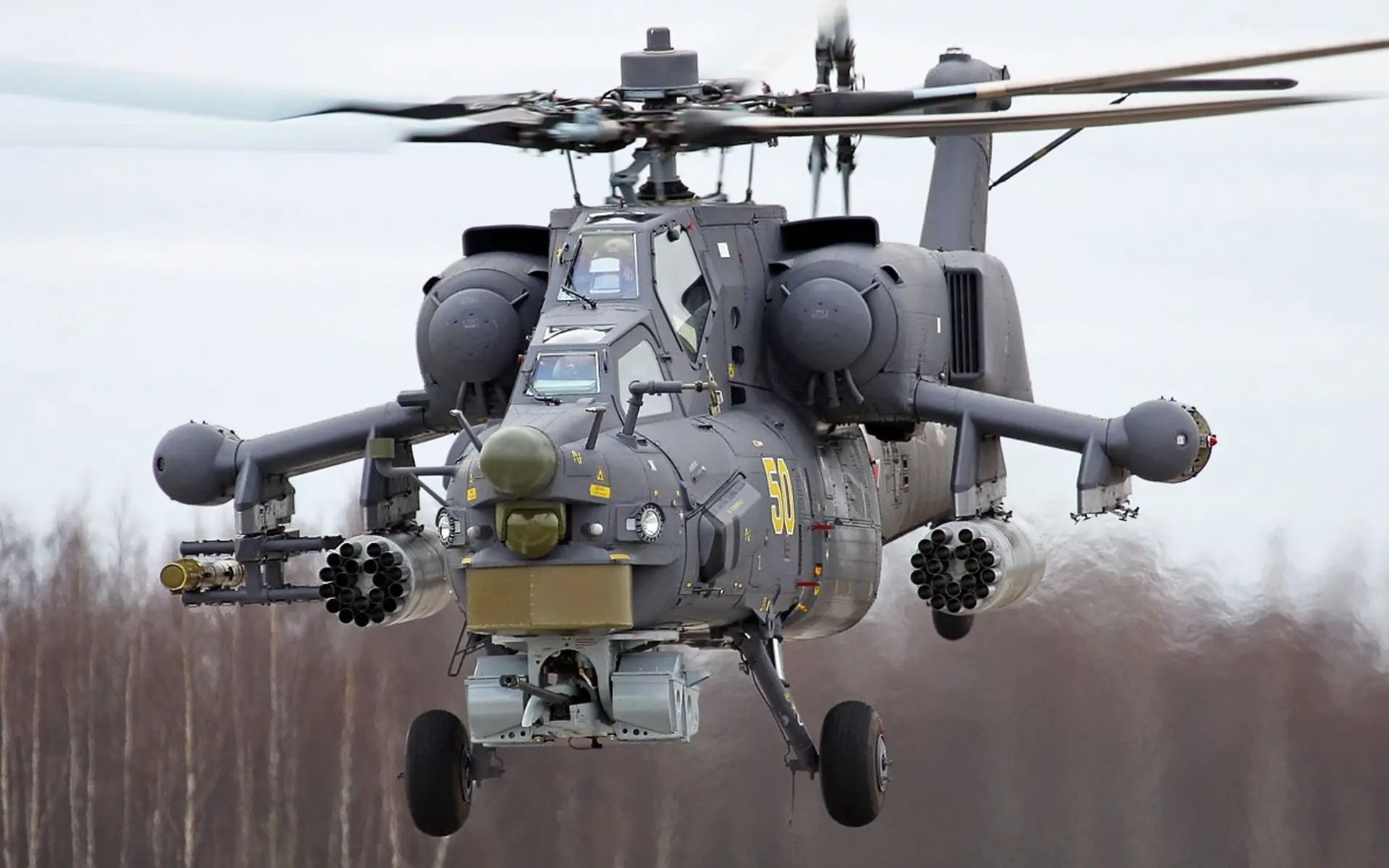
The Cost of Combat Economy of Force
Pilots are trained in "economy of force." Breaking Defense reports that since a single Hellfire missile costs over $150,000, crews reserve them for high-value targets like tanks and use cheaper gun rounds for less critical threats.
)
)
)
)
)