How astronomers calculate the path of 3I/ATLAS across the solar system

Astronomers use telescope data and maths to calculate the path of interstellar comet 3I/ATLAS as it moves through the Solar System. Its high-speed, stretched-out orbit shows it came from beyond our stars. Scientists keep tracking it closely. Know more below.
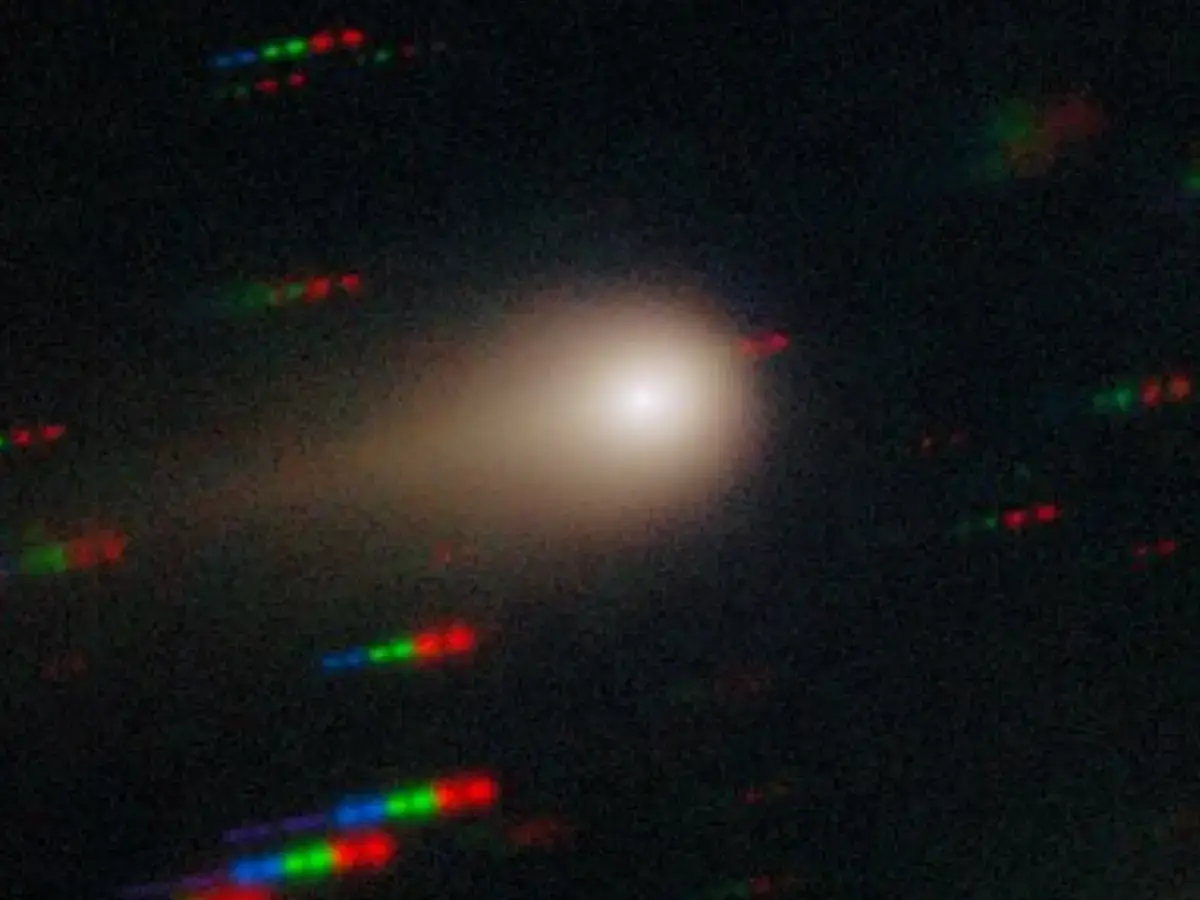
What is 3I/ATLAS?
3I/ATLAS is a comet from outside our Solar System, called an interstellar comet. It entered our Solar System at a very high speed and will pass close to the Sun before moving away again. Scientists want to know its exact path to study it carefully.
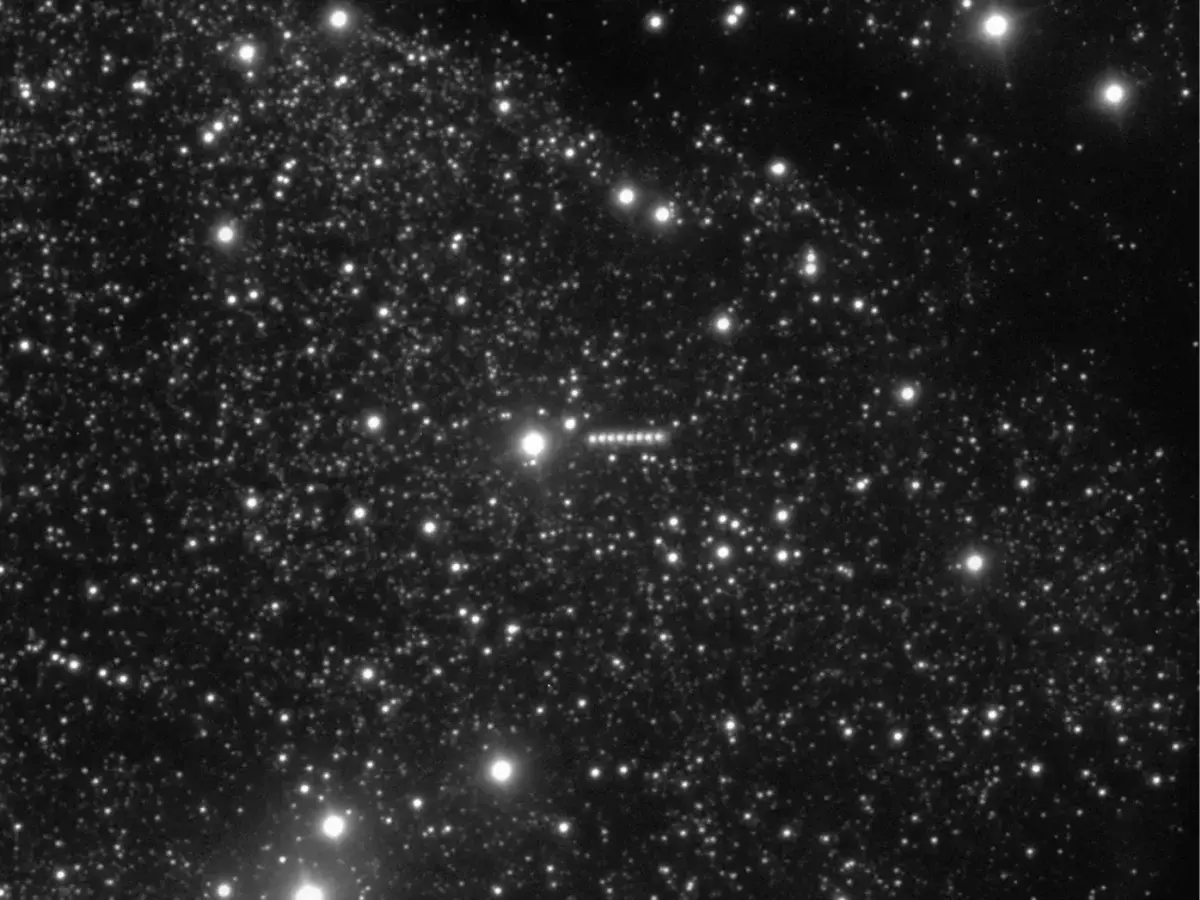
How Do Astronomers Measure Its Position?
Astronomers use telescopes around the world and in space to take images of 3I/ATLAS. By observing where it is in the sky each night, they record its position against the background stars. This helps to track its movement through space.
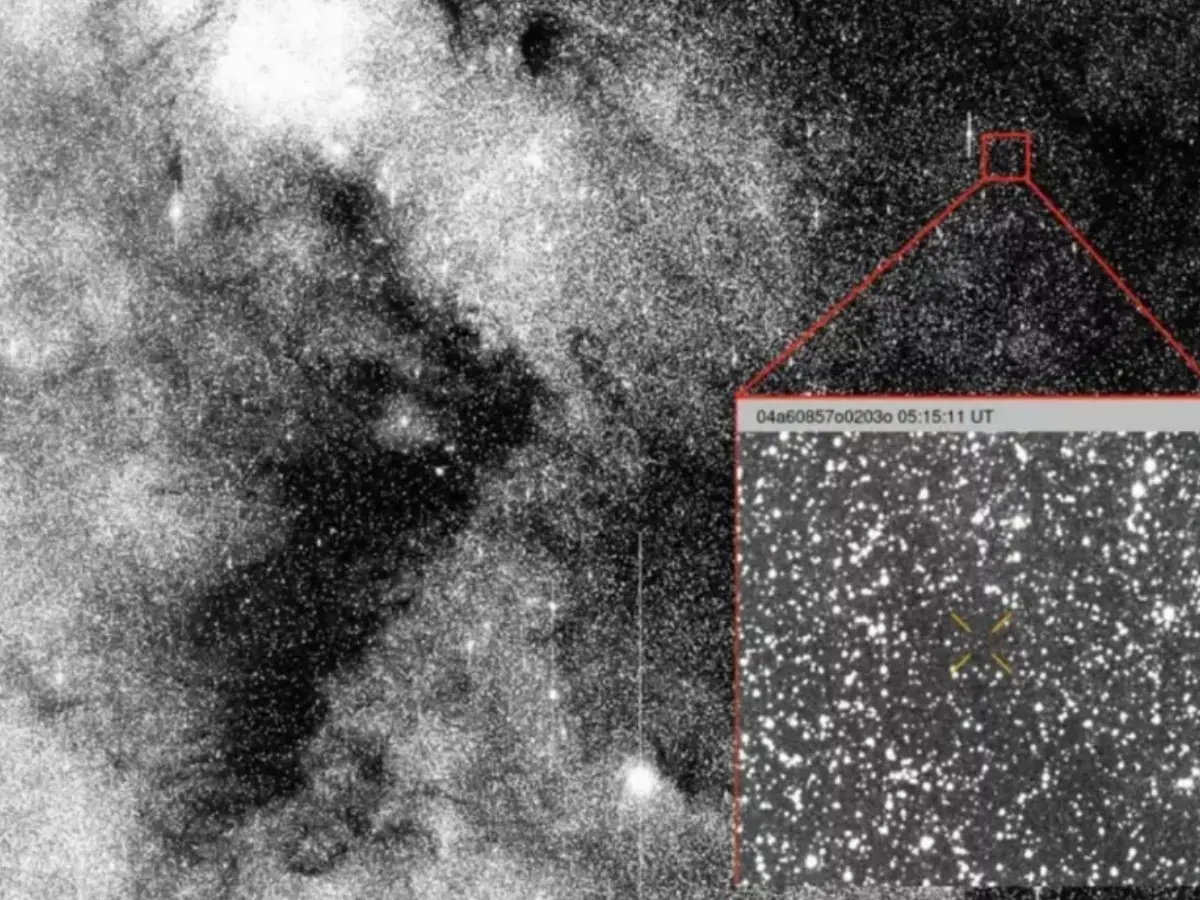
Using Mathematics to Find the Orbit
After collecting position data, scientists use maths to calculate the comet’s orbit. They work out the shape and direction of its path based on gravity and motion laws. The orbit of 3I/ATLAS is very stretched out, called hyperbolic, meaning it will leave the Solar System again.
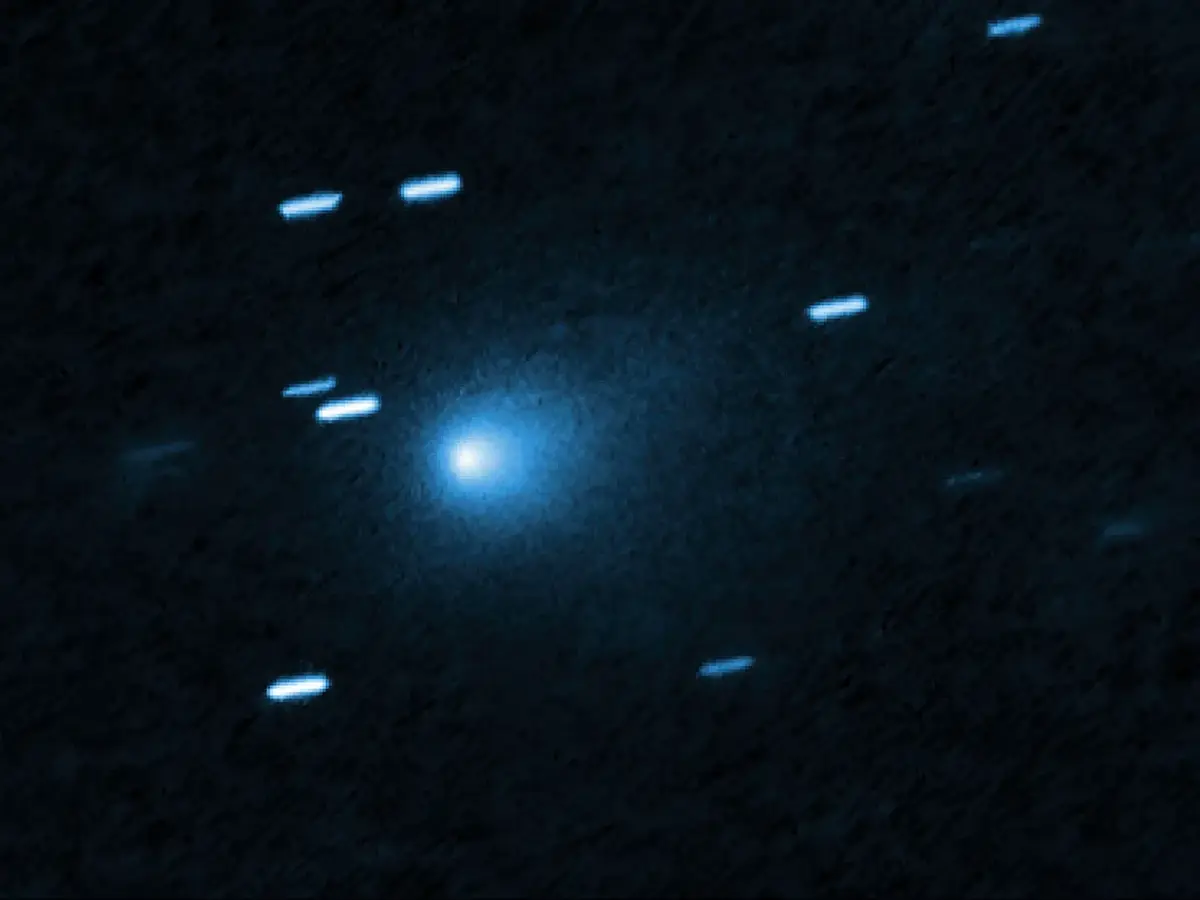
What is Eccentricity?
The orbit’s shape is given by a number called eccentricity. A value near zero is a circle, close to one is an oval, and greater than one means hyperbolic. 3I/ATLAS has an eccentricity of about 6.14 - very high - showing it came from outside and will not return.
Perihelion – Closest Point to the Sun
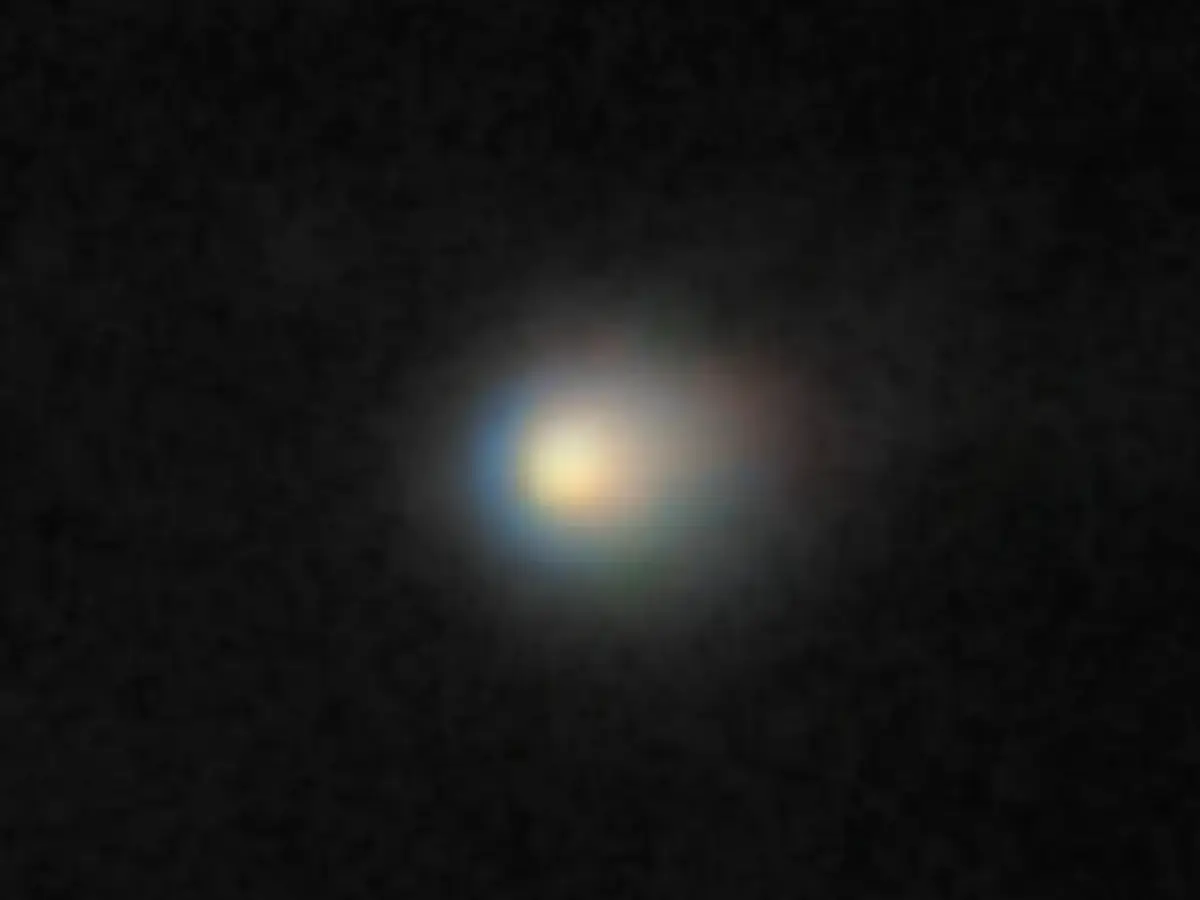
3I/ATLAS was closest to the Sun on 29 October 2025, about 1.36 astronomical units away (203 million kilometres). At this point, the comet reached its fastest speed of about 68 km/s. Scientists track these details to predict where the comet will go next.
How Computers Help Predict the Path
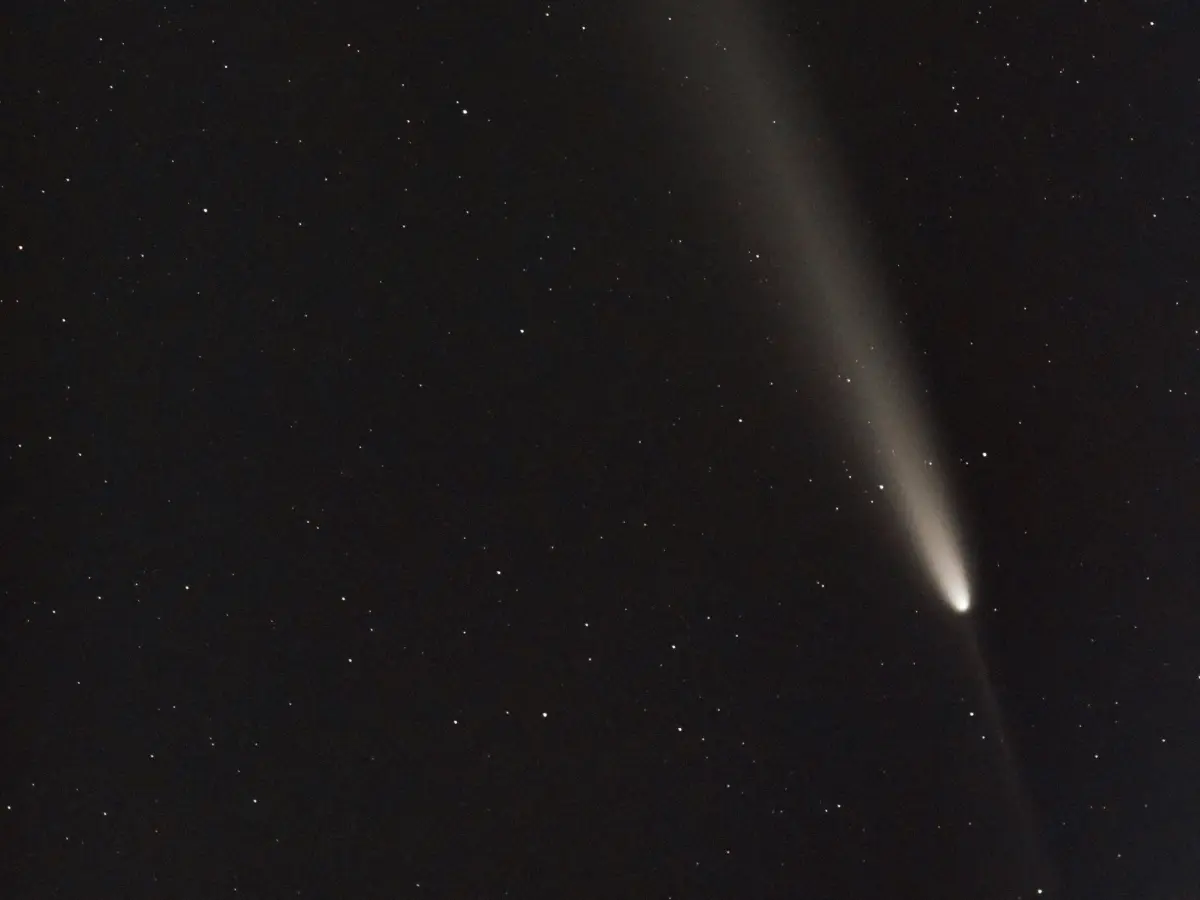
Using computers, astronomers run simulations that test different possible paths. They match these with real observations to find the most accurate orbit. This process is called orbit fitting and keeps improving as more data comes in.
Why This Calculation Matters
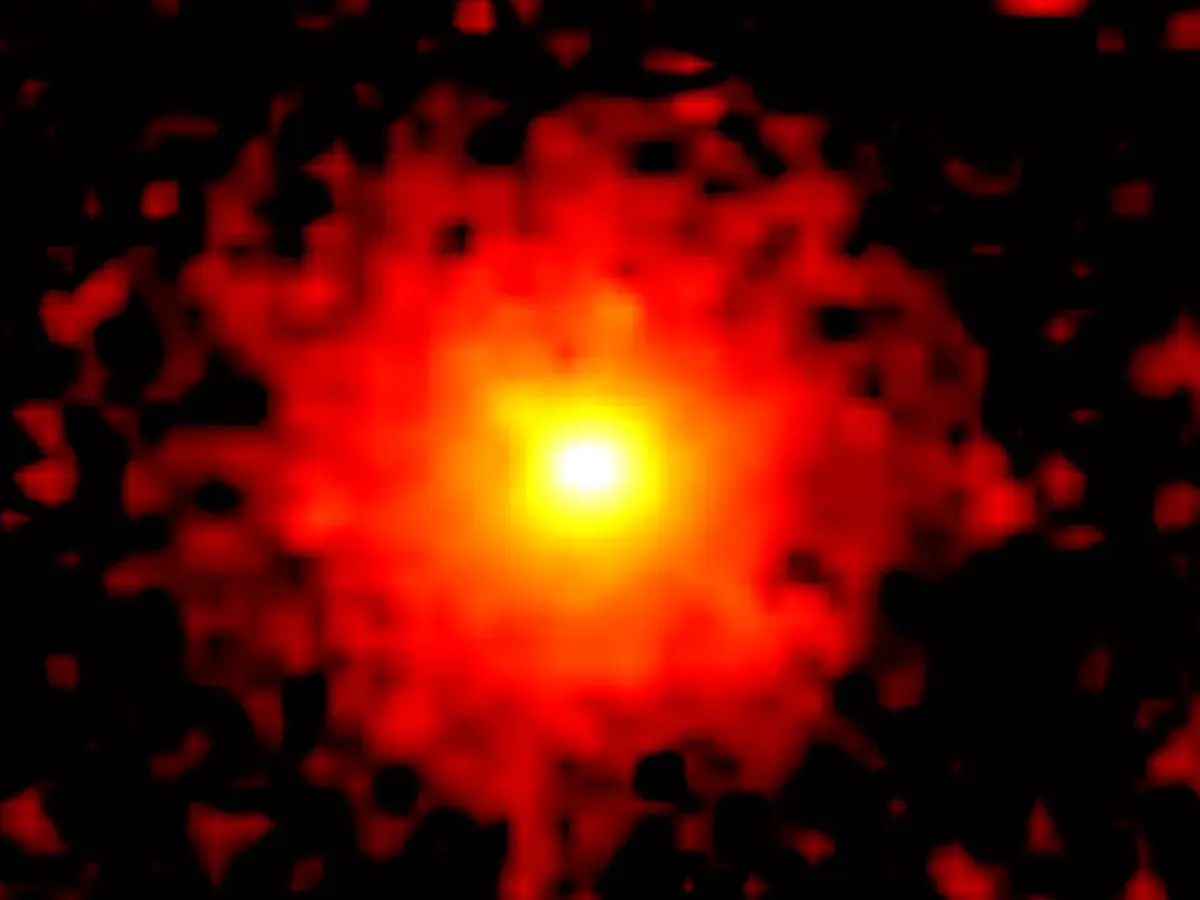
By knowing its exact path, scientists can ensure 3I/ATLAS poses no threat to Earth. It also helps them study how comets from other star systems behave. This knowledge prepares us for future discoveries of interstellar visitors. Know more below.
)
)
)
)
)