How ancient computers have been running NASA's Voyager 1 spacecraft for last 47 years

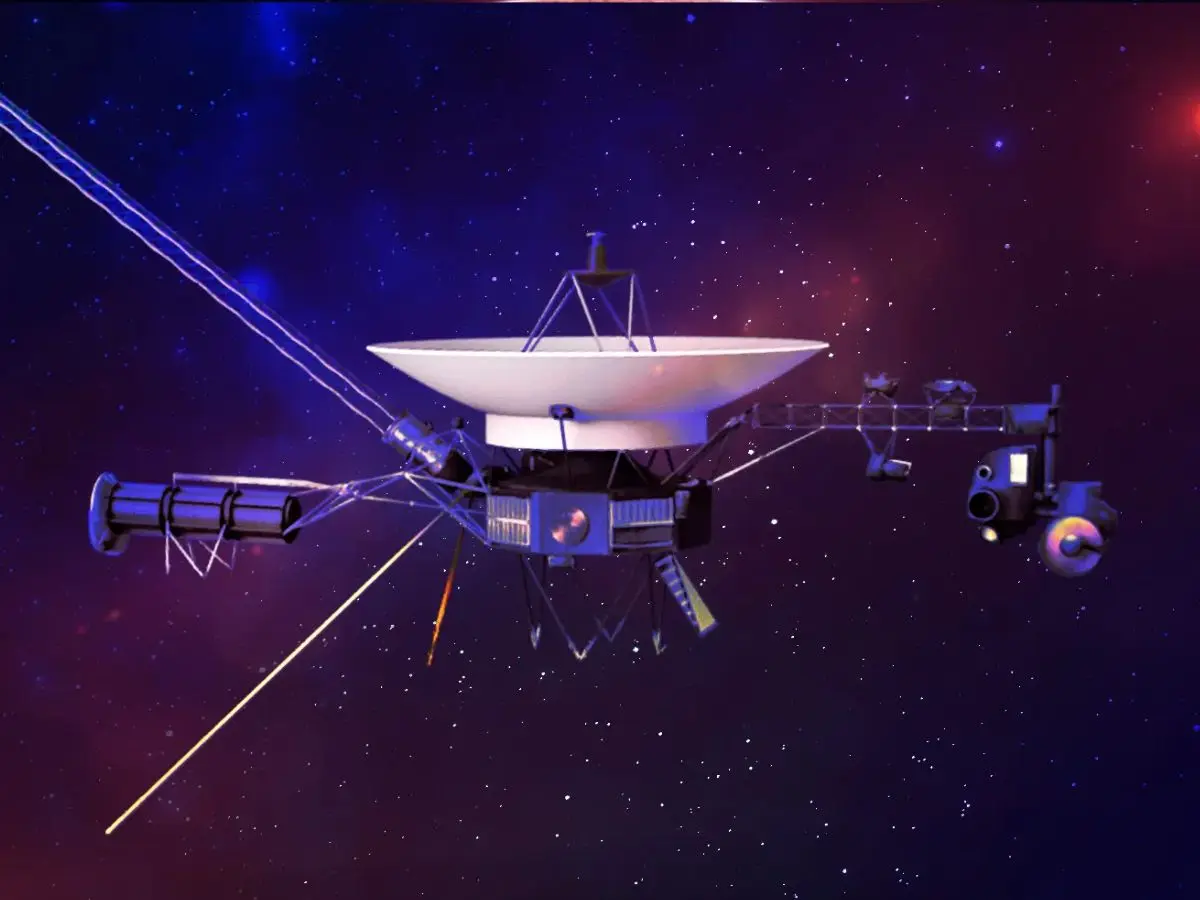
When NASA’s Voyager 1 launched in 1977, personal computers were a luxury, calculators were pocket-sized marvels, and floppy disks were cutting-edge. Yet, nearly half a century later, the spacecraft is still operating, powered by computers that would seem prehistoric by today’s standards.
1970s Tech That Outlived the Space Shuttle
Voyager 1 runs on three primary computers, each designed for a different function: flight control, command operations, and data handling. These machines have less memory than a modern digital watch, about 69 kilobytes combined, yet they’ve been reliable enough to guide Voyager billions of miles away.

Memory You Could Fit on a Post-It
For perspective, a single smartphone photo today takes more storage than all of Voyager’s computers combined. The spacecraft’s memory is read-only, designed to withstand cosmic radiation and work in extreme cold.
Programming Without Internet
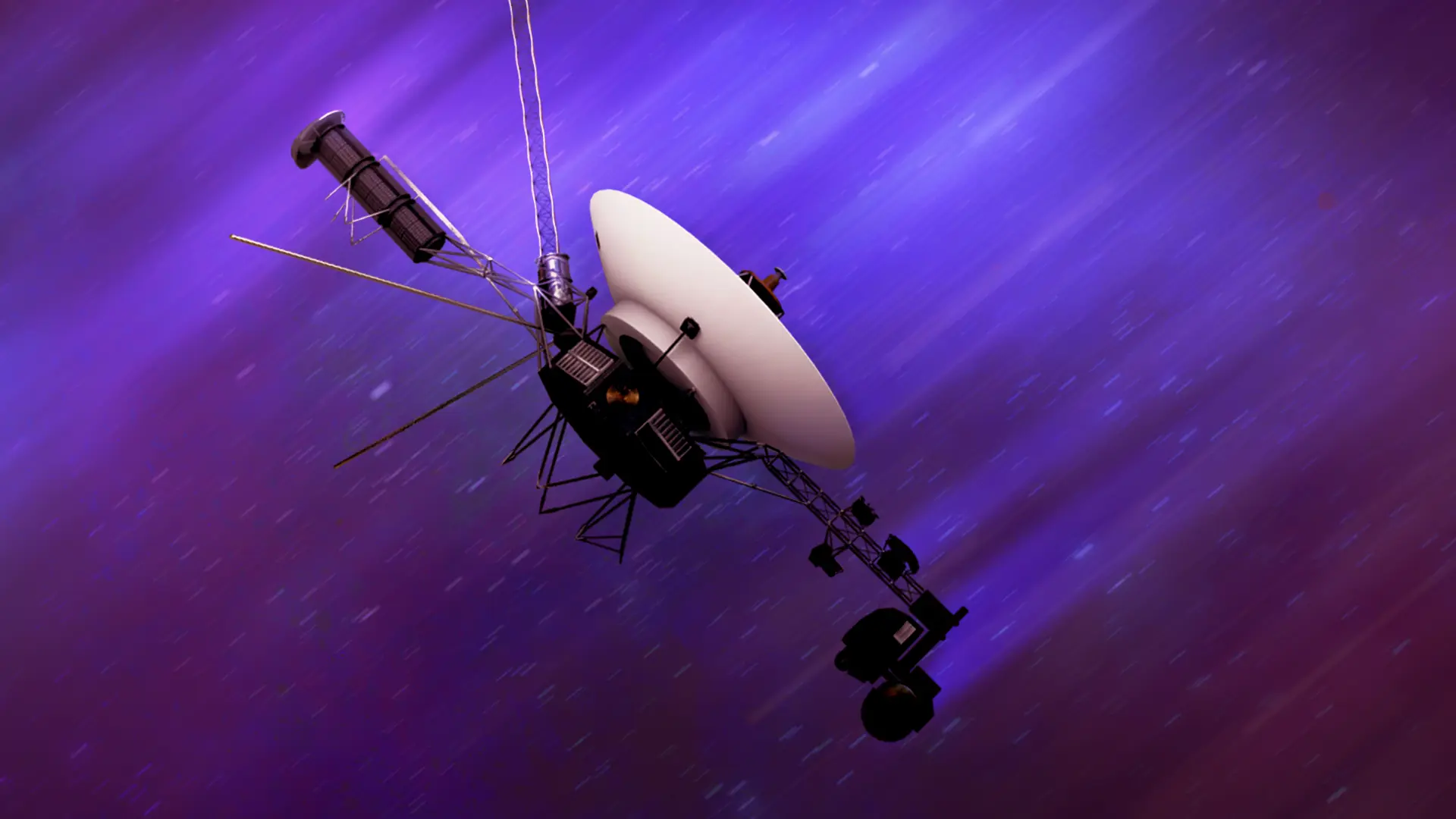
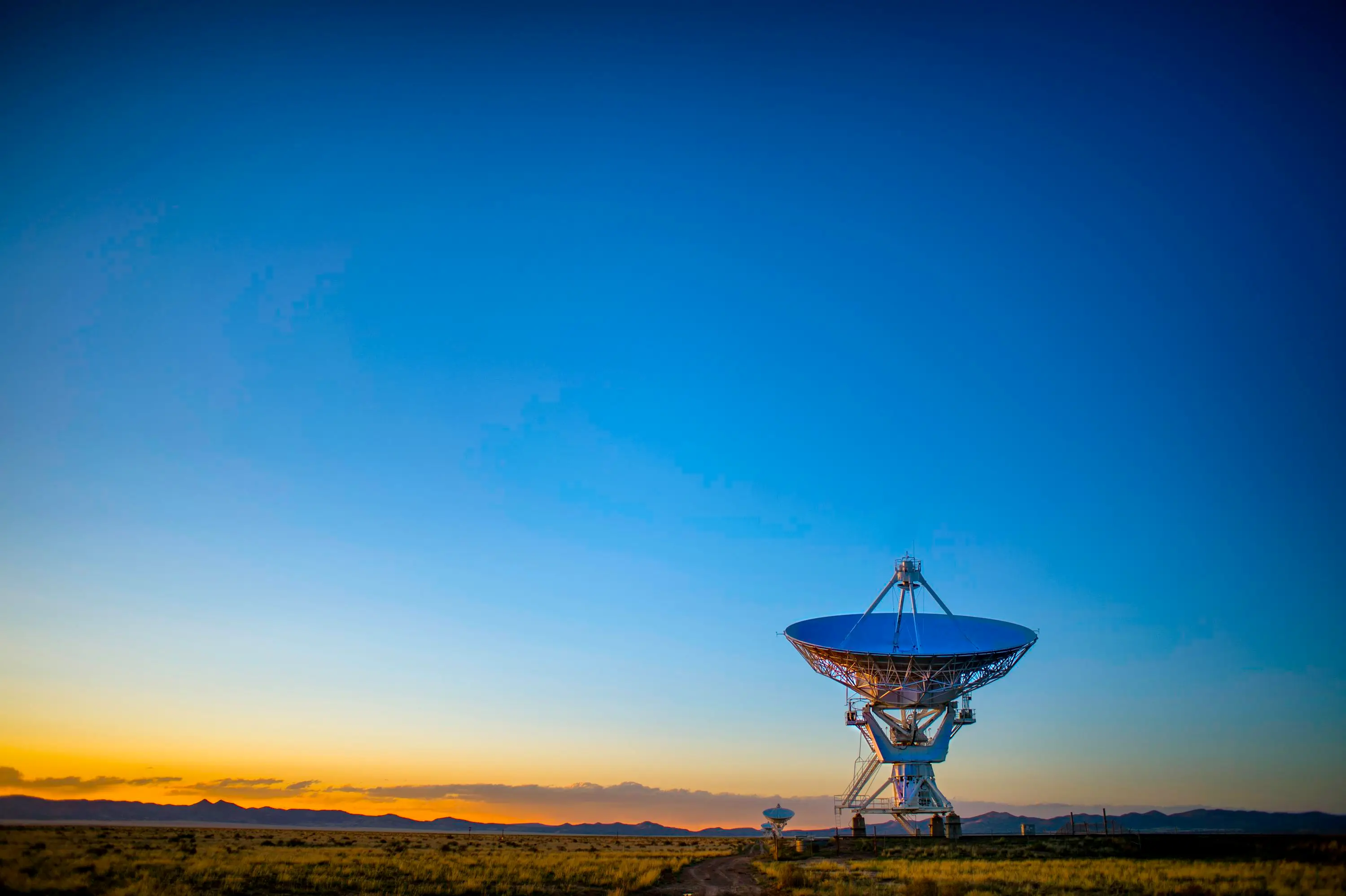
Voyager 1 can’t download updates in seconds like modern gadgets. Every command must be sent from Earth, traveling over 15 billion miles at the speed of light, taking more than 22 hours to arrive.

Built to Survive the Deep Freeze
In deep space, temperatures can plunge to -200°C. The onboard electronics were designed with special shielding and heaters to ensure the 1970s circuitry keeps running, even without modern cooling systems.

Power from a Nuclear Heart
The computers run on power supplied by radioisotope thermoelectric generators (RTGs), which convert heat from decaying plutonium into electricity. These power supplies will slowly fade, expected to keep Voyager’s instruments working until the mid-2030s.
When It Finally Goes Silent
Once the RTGs can’t provide enough electricity, Voyager 1 will shut down its instruments one by one, eventually going silent. But it will continue drifting, a silent messenger of humanity, for millions of years.
A Testament to Engineering
Voyager’s continued survival proves that smart design, redundancy, and simplicity can sometimes outlast more advanced, fragile technology. Its journey is a time capsule of 1970s computing genius, still writing history in the stars.
)
)
)
)
)